17 Viral Cooking Hacks Dominating Social Algorithms
The kitchen has become the unlikely stage for internet fame, where a perfectly timed flip of an egg or a clever storage solution can rack up millions of views overnight. Social media feeds overflow with home cooks sharing shortcuts that promise to revolutionize your daily routine, and frankly, some of them actually deliver on that promise.
These aren’t the flashy, impractical stunts that disappear after a week — these are the techniques that stick around because they genuinely work, the ones that make you wonder how you ever cooked without them.
Ice Cube Pasta Water
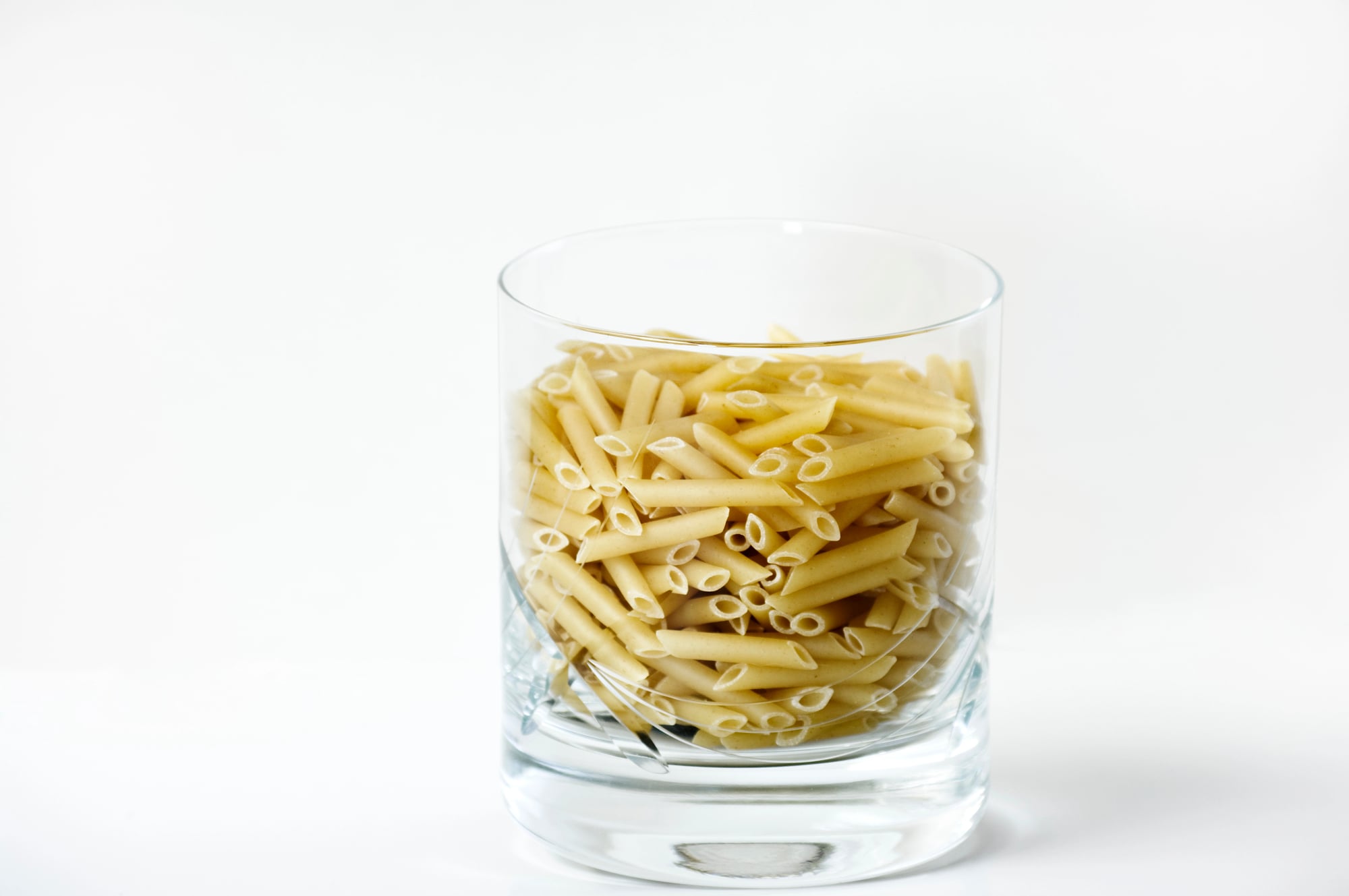
Save your pasta water in ice cube trays before discarding it. The frozen starchy cubes can be dropped directly into sauces later, acting as an instant thickener and emulsifier that binds fat and liquid into a silky, restaurant-quality finish.
Professional kitchens prize starchy pasta water for this reason — this hack just makes it available long after pasta night is over.
Upside-Down Tomato Storage
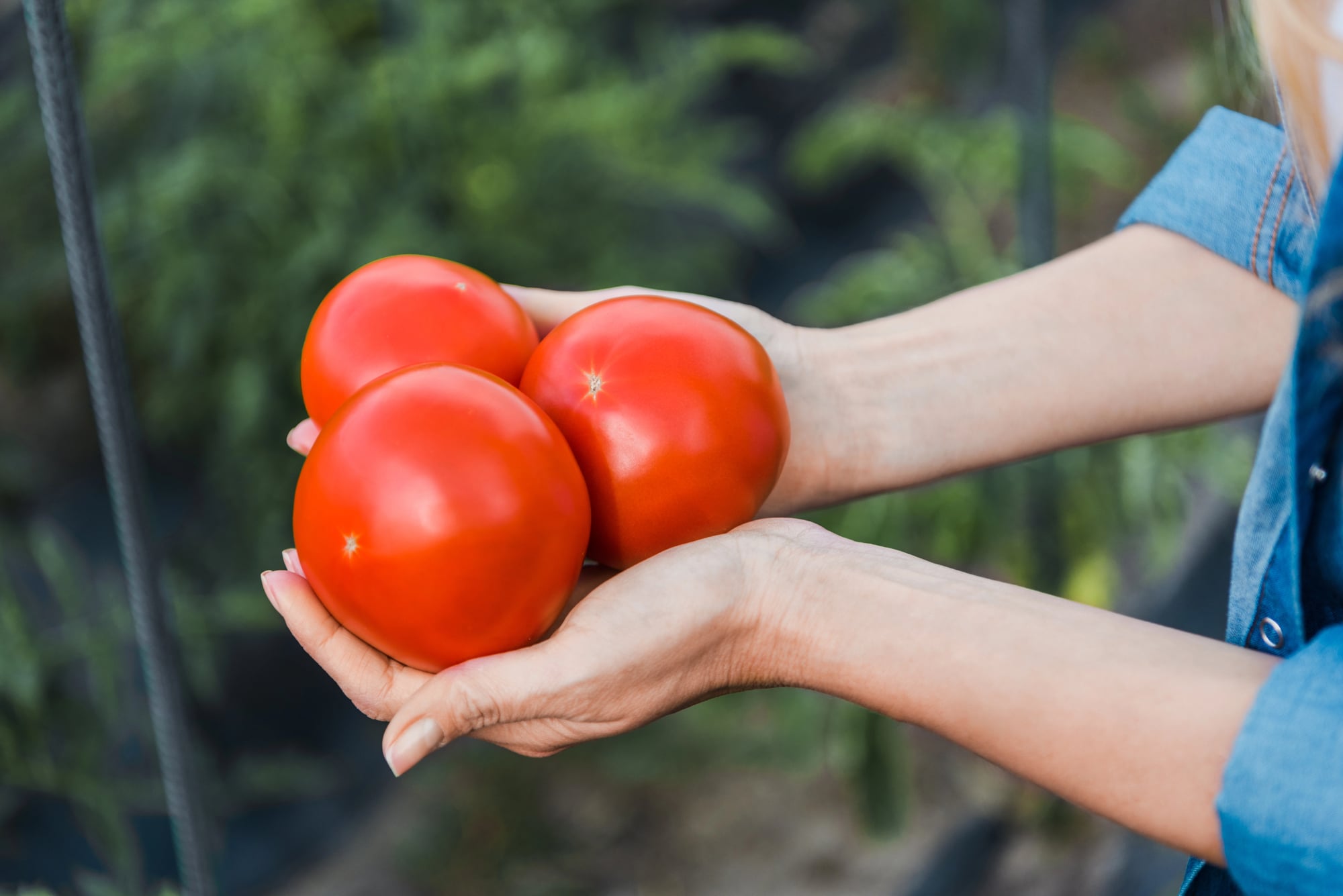
Store your tomatoes stem-side down on the counter. Moisture stays trapped at the bottom instead of seeping through the stem scar.
They last twice as long this way, and the flavor develops more evenly across the entire fruit.
Aluminum Foil Grill Cleaning
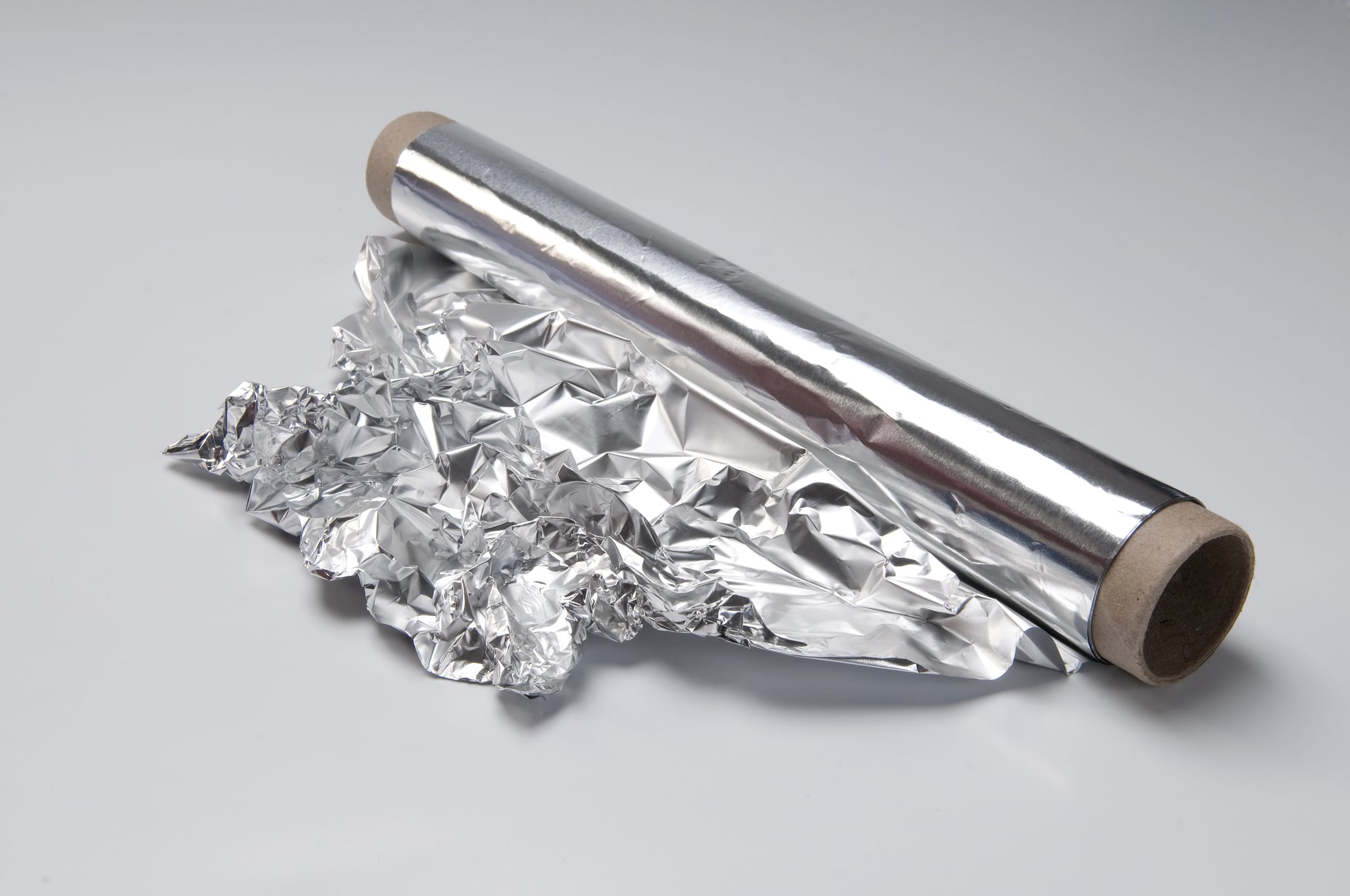
Here’s the thing about cleaning grill grates (and this is something that becomes obvious once someone points it out, but somehow escapes notice until then): the solution isn’t some specialized brush or expensive cleaning product — it’s a ball of aluminum foil, wielded while the grill is still warm.
The foil conforms to the grate pattern in a way that rigid brushes simply cannot, getting into those awkward spaces where grease likes to build up and carbonize into stubborn black deposits that seem permanent but really aren’t, assuming you attack them at the right moment with the right tool.
So you ball up a sheet of foil, grab it with tongs (because hot grill grates will absolutely burn your fingers, which should go without saying but apparently doesn’t), and scrub in long strokes that follow the direction of the grates rather than fighting against them.
But here’s the part that makes this genuinely superior: the foil doesn’t just scrape — it polishes, leaving behind a surface that’s cleaner than it was when the grill was new.
Spoon Rest Plate Rim
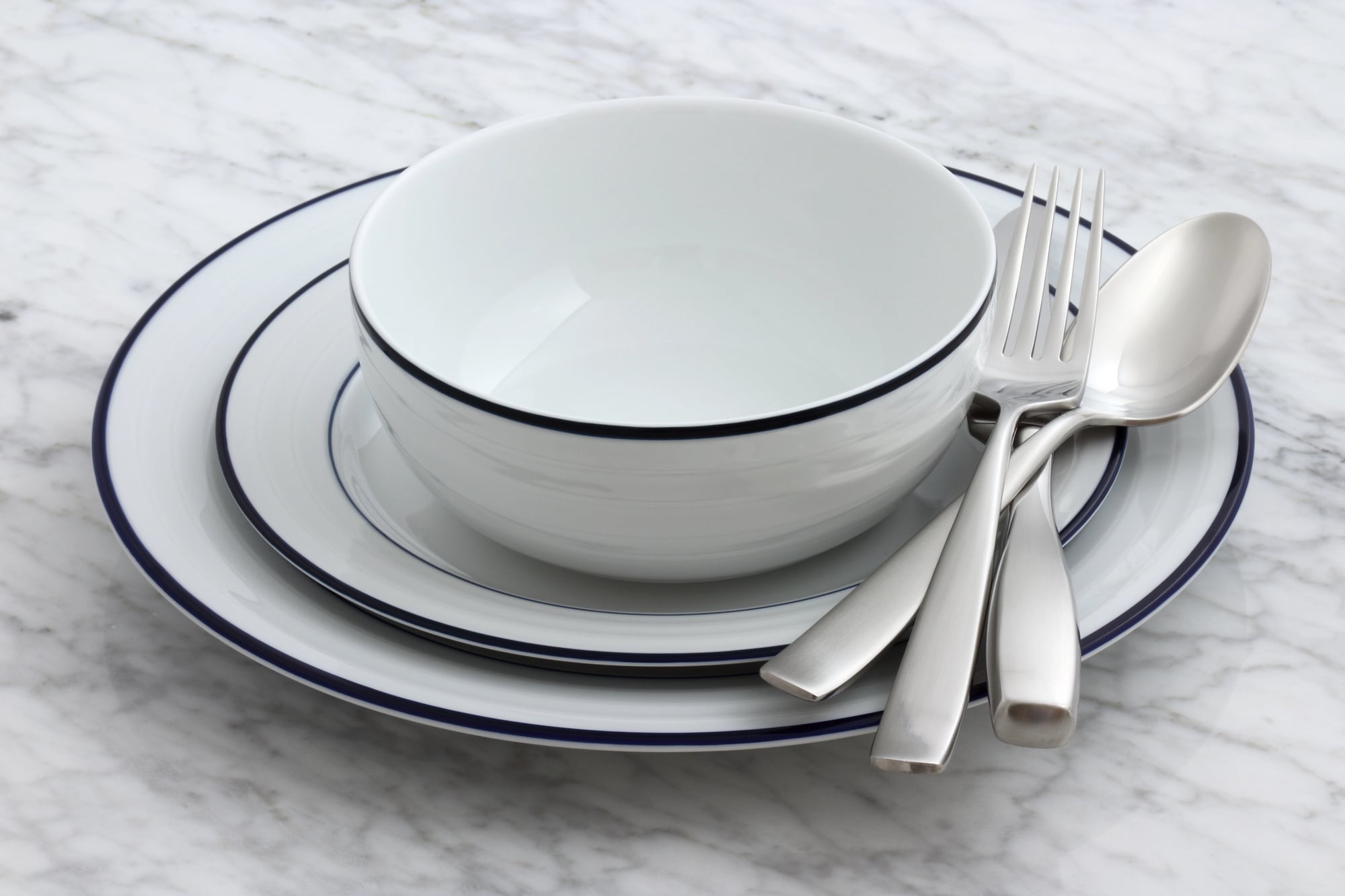
Your dinner plates have built-in spoon rests. The curved rim holds utensils perfectly without them sliding off onto the counter.
It’s architectural elegance hiding in plain sight, the way good design often does.
The weight distribution keeps everything stable, and the slight lip catches any drips before they reach the surface below.
Microwave Power Reduction
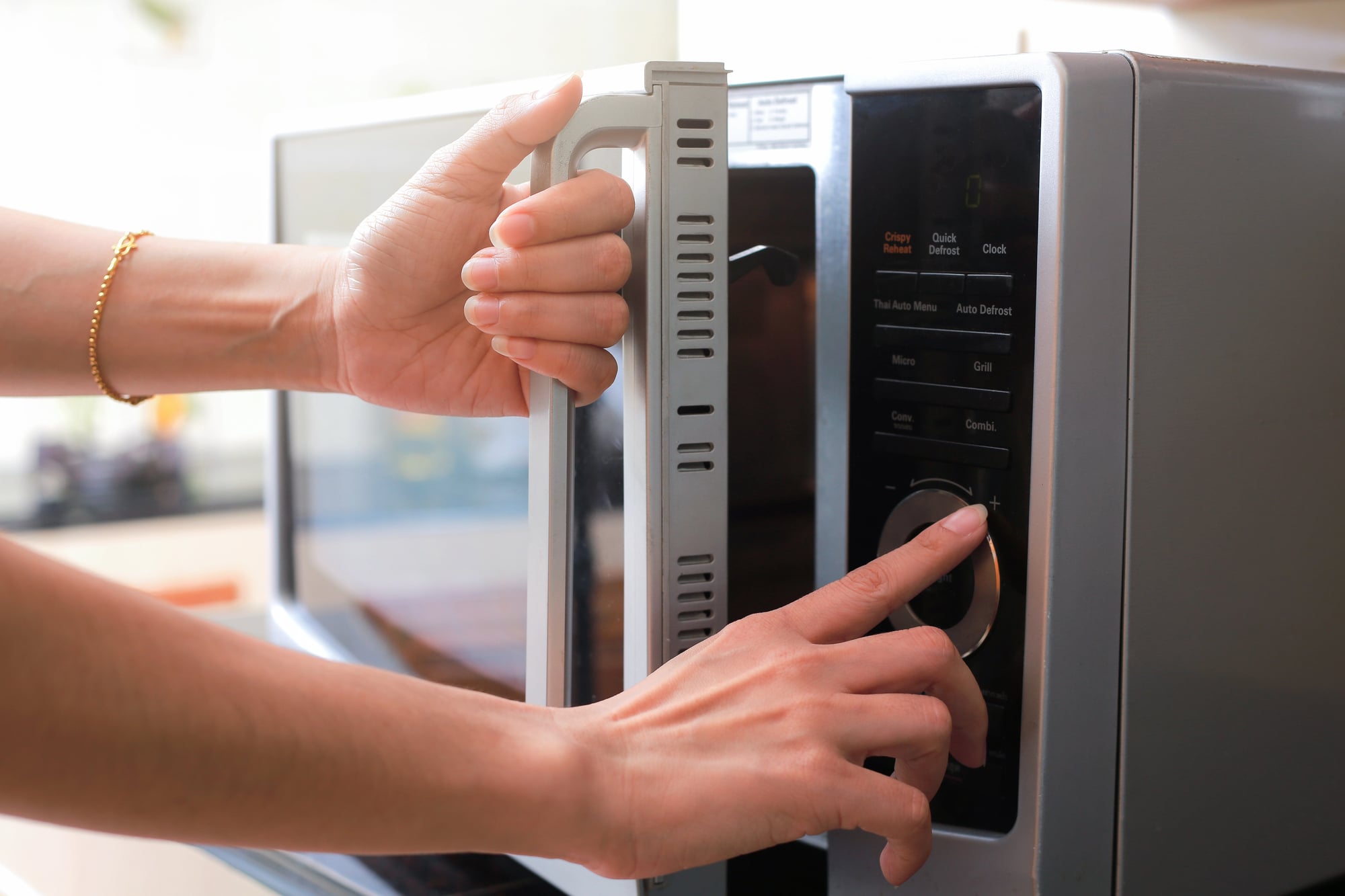
Most people treat microwave power settings like a foreign language they never bothered to learn. Turns out, 50% power transforms reheating from a game of culinary roulette into something predictable and useful.
Food heats evenly instead of creating those volcanic hot spots next to arctic zones that somehow coexist in the same bowl of soup.
Rubber Glove Jar Opening
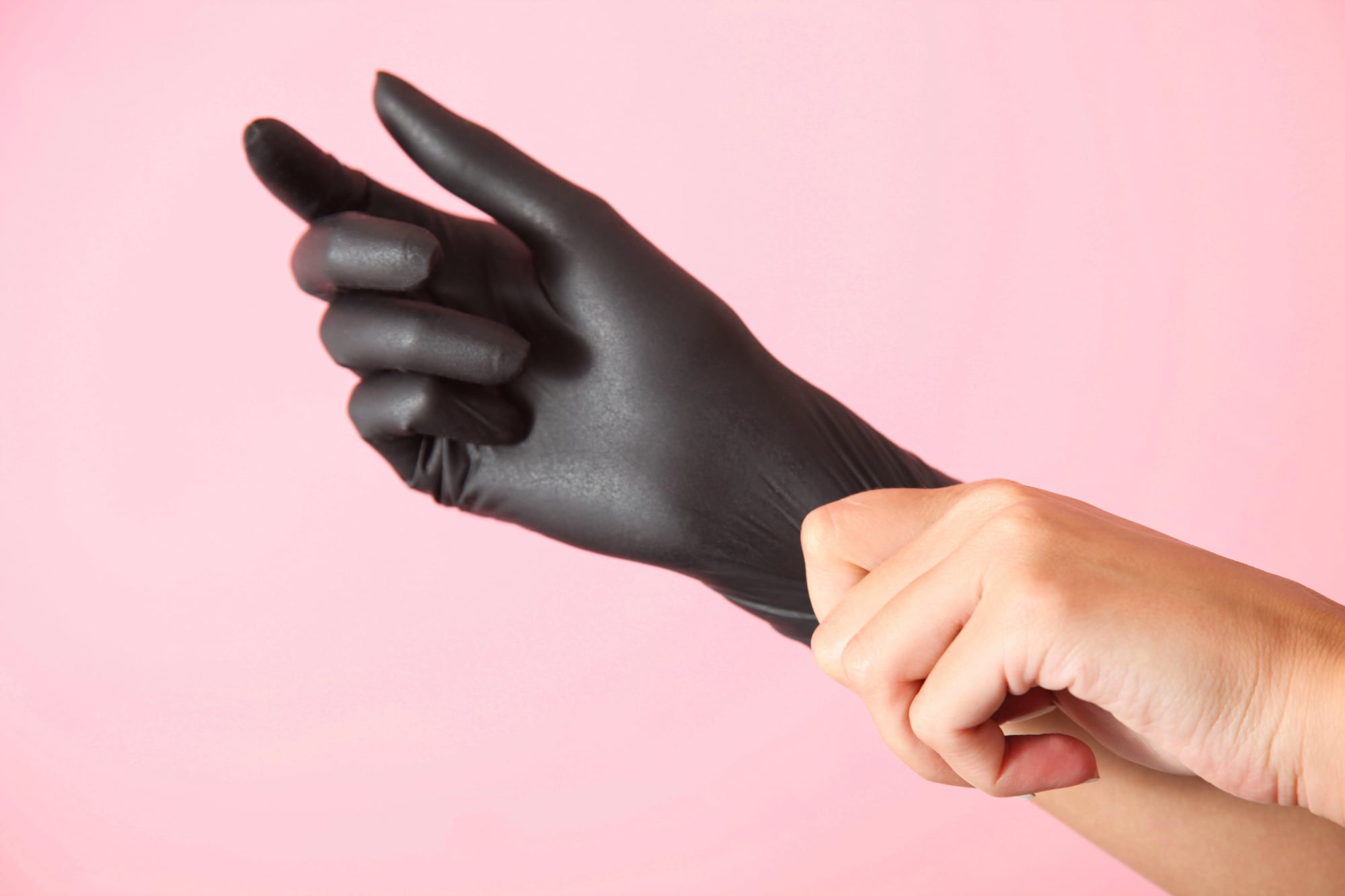
Rubber cleaning gloves grip jar lids better than bare hands or those weird rubber pad things sold specifically for this purpose. Keep a pair in the kitchen drawer.
Arthritis, weak grip strength, or just stubborn lids become irrelevant problems.
Paper Towel Lettuce Storage
Wrap lettuce in paper towels before storing it in the refrigerator. The towels absorb excess moisture without creating the desert-dry environment that plastic bags alone produce.
This creates a microclimate that keeps leaves crisp for weeks instead of days, turning your crisper drawer into something that actually lives up to its name rather than serving as a composting chamber where good intentions go to wilt.
And the beauty of this system lies in its simplicity: you’re essentially creating a buffer zone between the lettuce and the harsh realities of refrigerator life.
The paper towels act like tiny sponges, soaking up the moisture that would otherwise collect and create those slimy brown spots that signal the beginning of the end.
But they’re not so absorbent that they desiccate everything — they maintain just enough humidity to keep cell walls intact.
Dental Floss Food Cutting
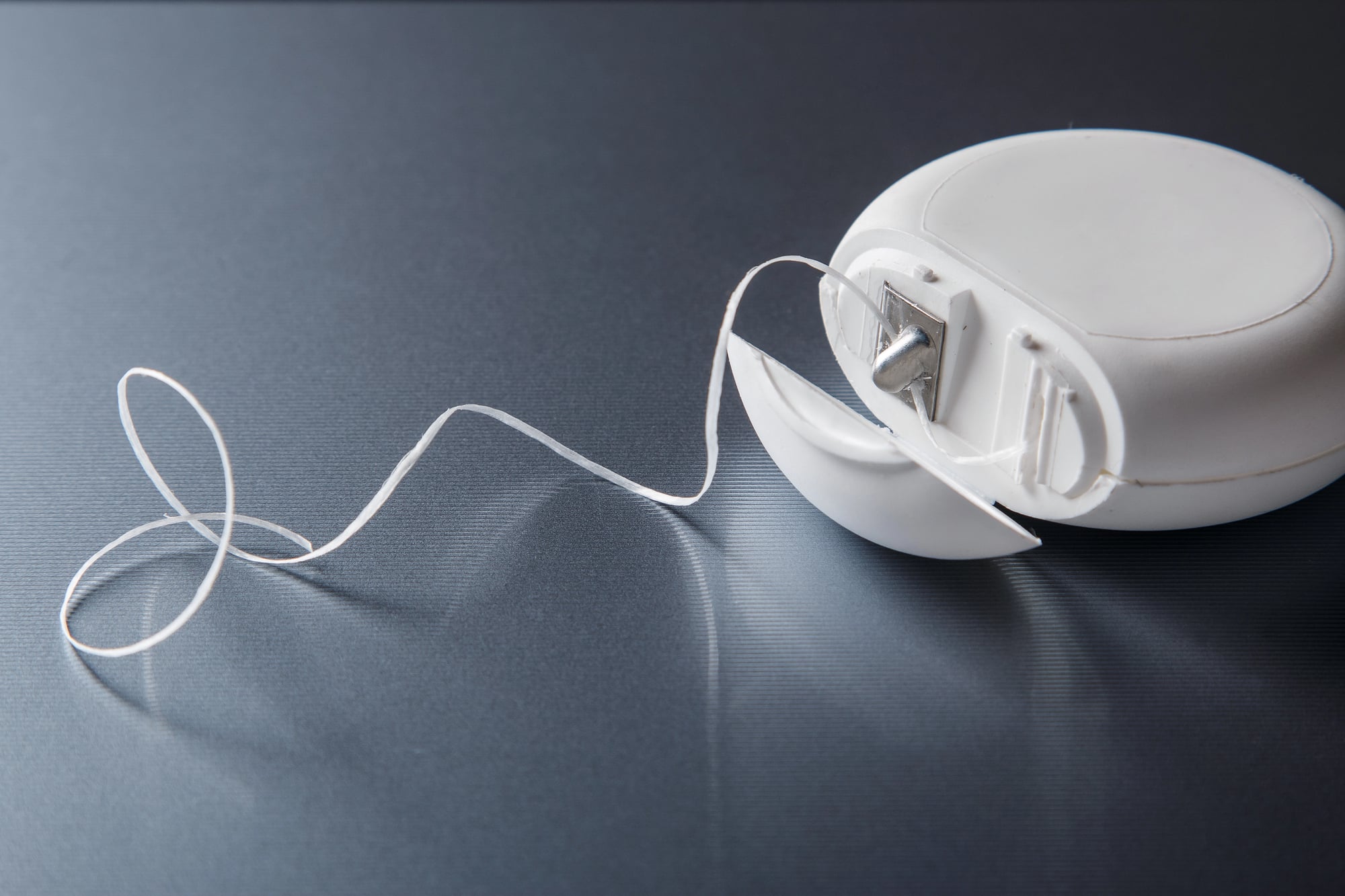
Unflavored dental floss cuts through soft foods cleaner than knives. Cheesecake, cinnamon roll dough, soft cheese logs — the thin string slices without dragging or tearing.
Pastry chefs have used this technique forever. Home bakers are finally catching up.
Wooden Spoon Boil Prevention
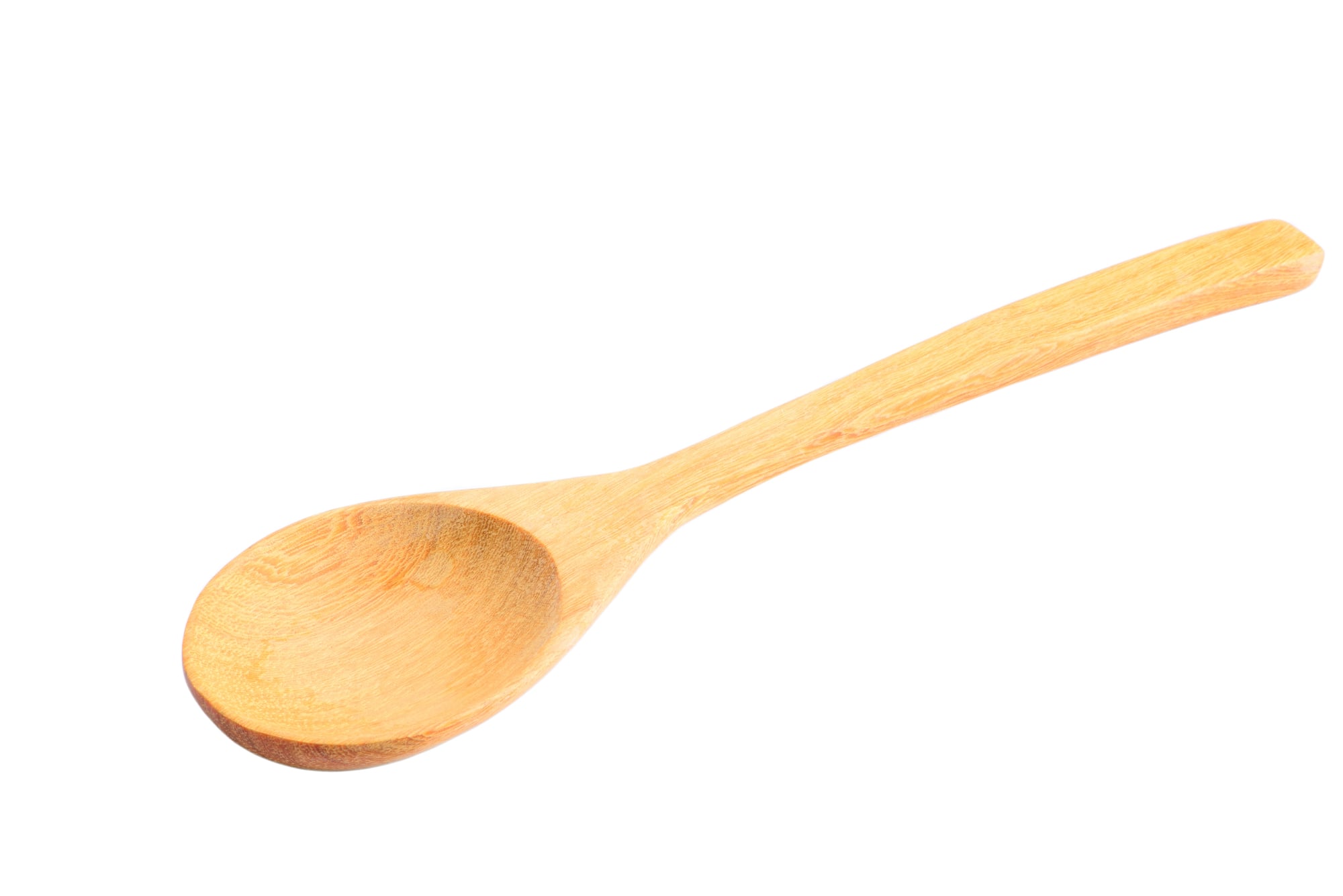
A wooden spoon laid across a pot reduces the risk of water boiling over. The wood’s porous, hydrophilic surface bursts bubbles on contact, and its lower temperature relative to the boiling liquid temporarily prevents foam from building up.
Keep in mind it works best over a short window — once the spoon absorbs heat and moisture, its effectiveness diminishes.
Salt Cleaning Cast Iron
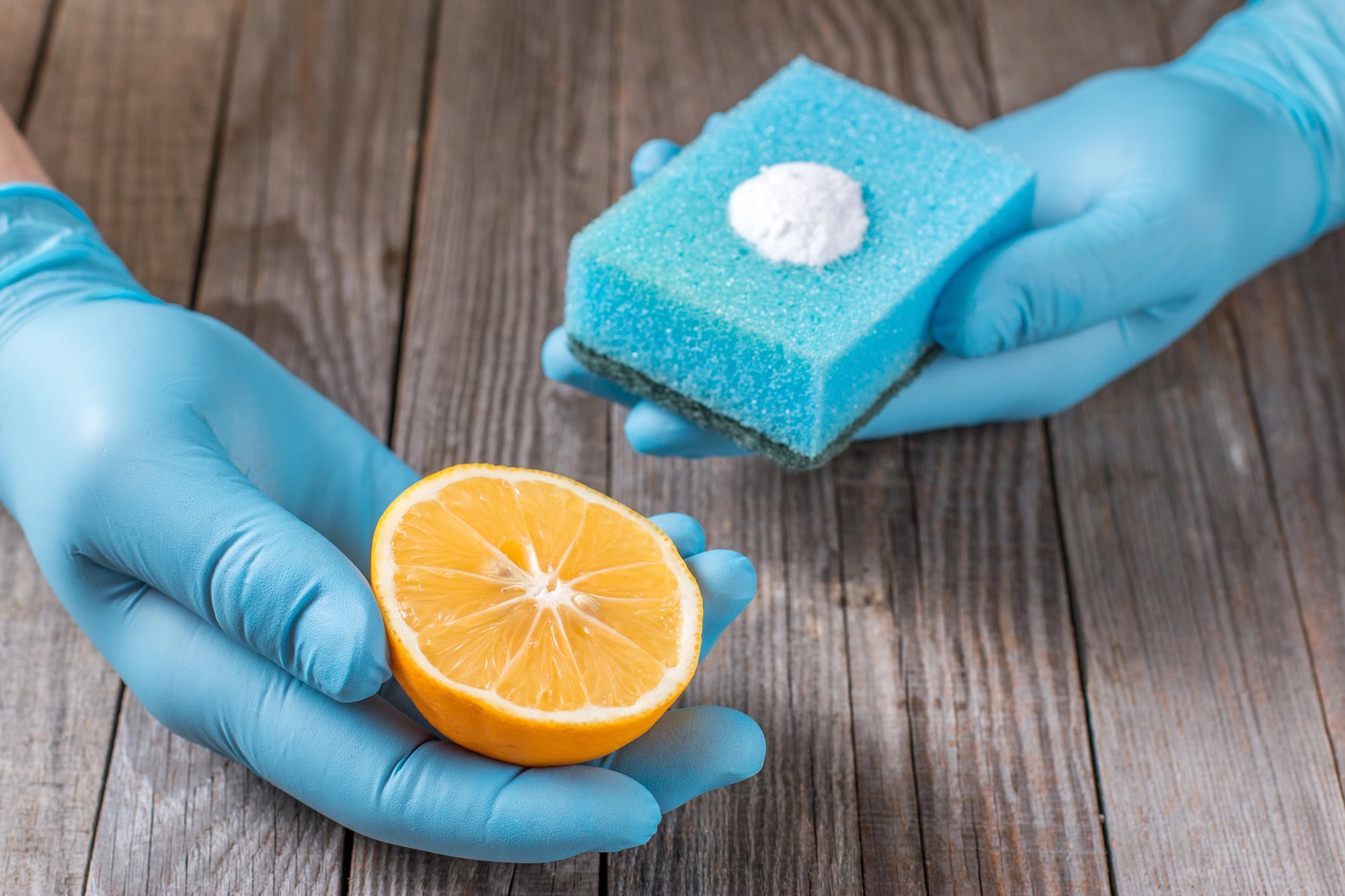
Coarse salt scrubs cast iron pans clean without soap or harsh abrasives. The crystals provide just enough grit to remove stuck food while preserving the seasoning layer underneath.
It’s mechanical cleaning rather than chemical, working with the pan’s natural properties instead of fighting them.
Pour salt directly onto the warm surface, scrub with a paper towel, then rinse briefly.
The iron emerges clean and ready for its next use.
Banana Ripening Control
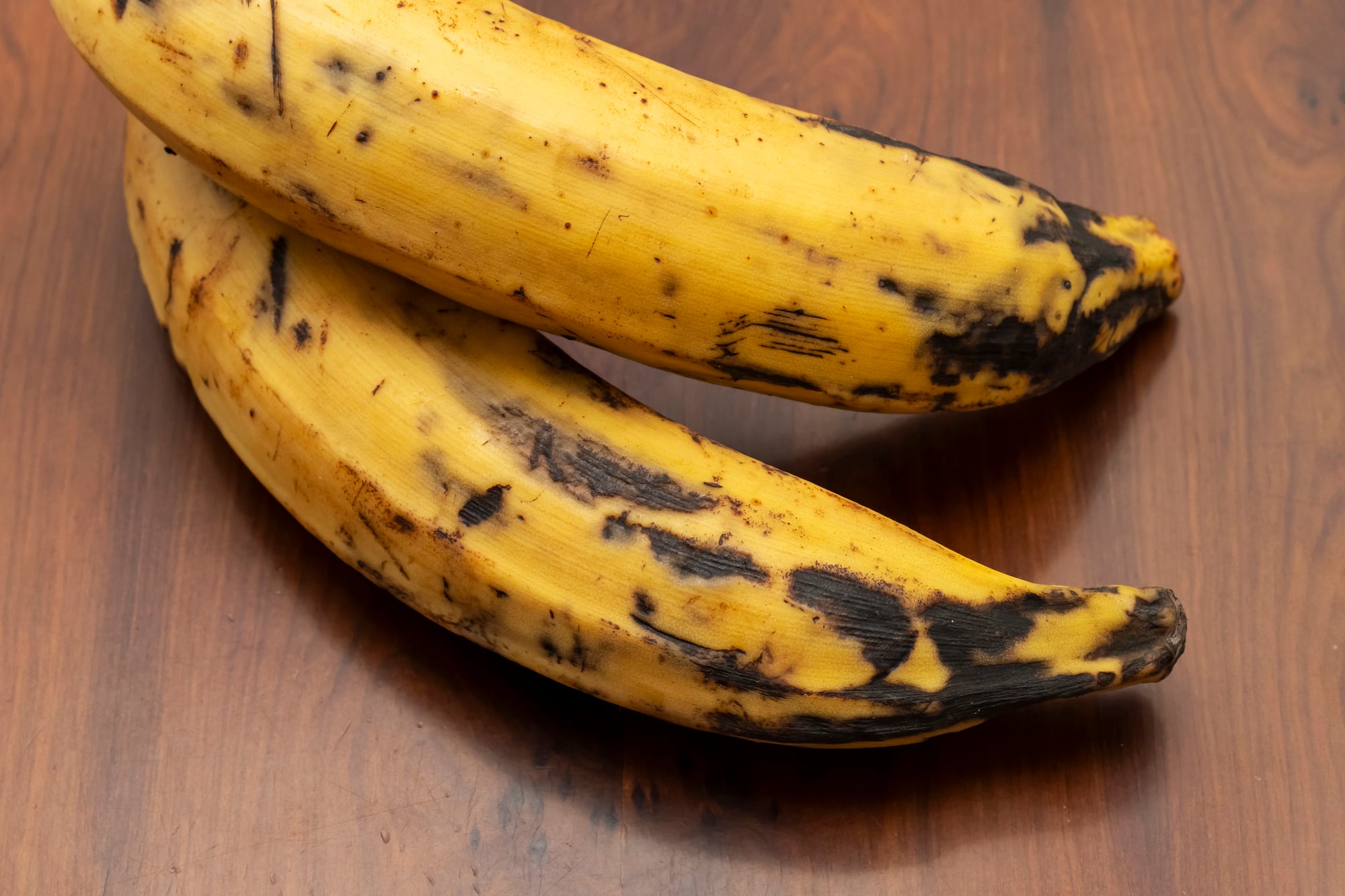
Separate bananas to slow ripening; bunch them together to speed it up (and here’s where it gets interesting because most people assume this is just some old wives’ tale, but the science is actually straightforward once you understand that bananas produce ethylene gas as they ripen, and this gas acts as a ripening accelerant for other fruit in the vicinity, which means controlling proximity literally controls timing).
Keep them apart when you want them to last longer, cluster them when you need ripe bananas for bread tomorrow.
And if you really want to slow things down: wrap the stems in plastic wrap.
That’s where most of the ethylene escapes.
Ice Water Blanching Stop
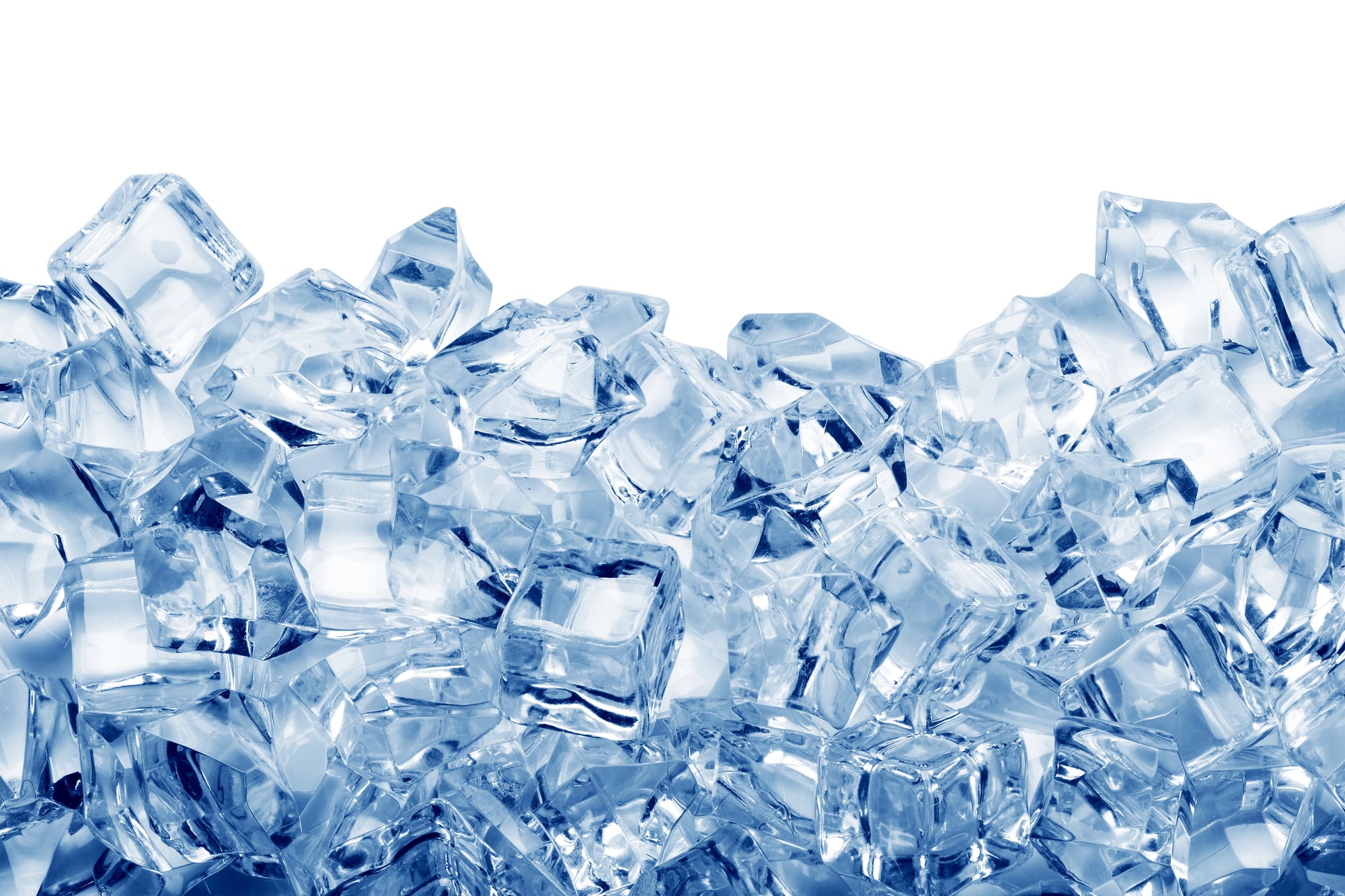
Plunge vegetables into ice water immediately after blanching to stop the cooking process. The temperature shock preserves color, texture, and nutritional content.
Restaurant kitchens consider this standard procedure. Home cooks often skip it and wonder why their vegetables turn mushy.
Parchment Paper Everything
Replace aluminum foil with parchment paper for almost everything. Nothing sticks, cleanup becomes effortless, and food browns more evenly.
The paper creates a barrier that still allows proper heat circulation, unlike foil which can create hot spots and uneven cooking.
Freezer Bag Marinade Massage
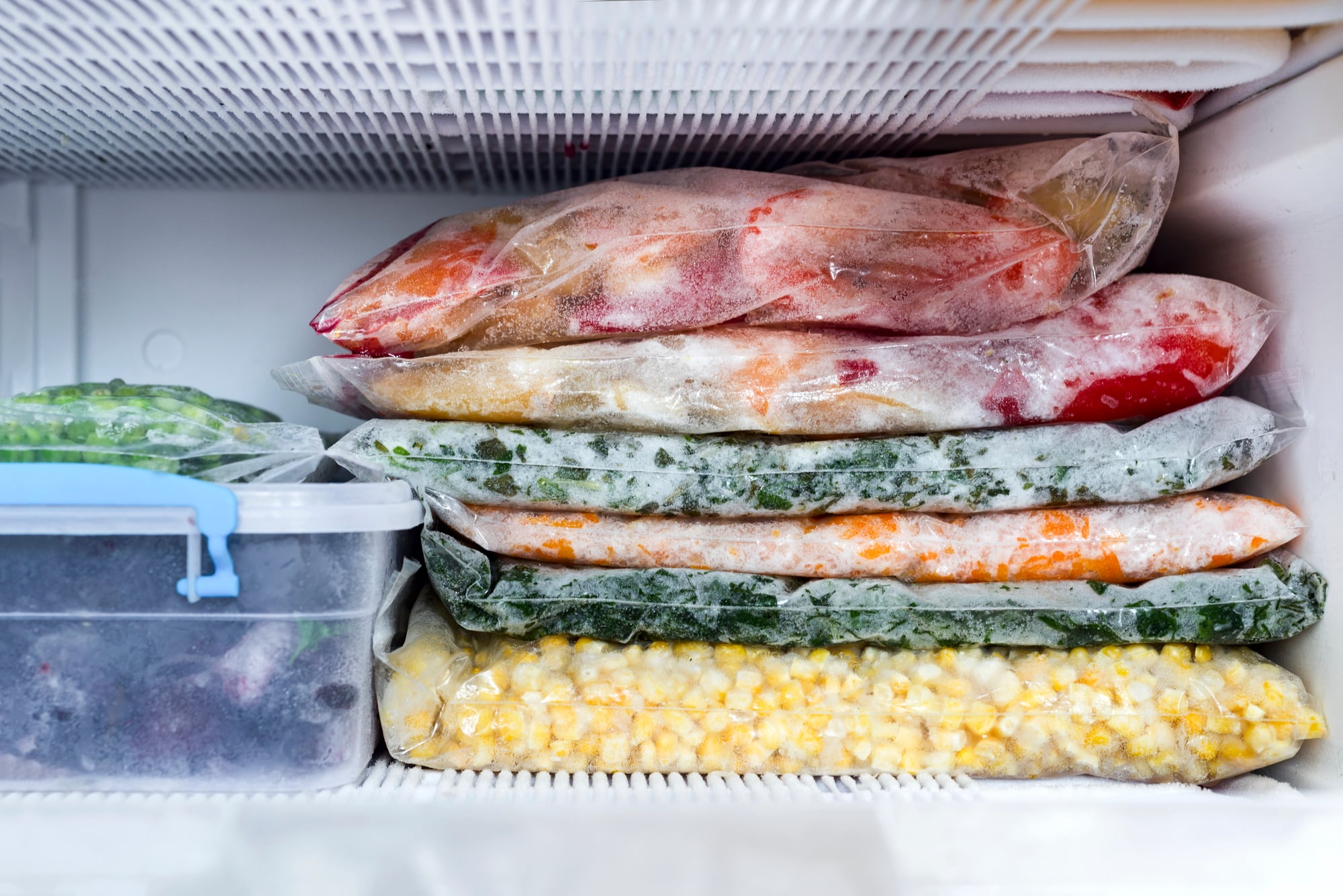
Marinate meat in sealed freezer bags instead of bowls. You can massage the marinade into every surface without making a mess, and the bag uses less liquid while providing better coverage.
Plus the whole thing goes straight from freezer to refrigerator without transferring containers.
Efficient and thorough — which is saying something when most marinating methods are neither.
Upside-Down Condiment Storage
Store squeeze bottles upside down in the refrigerator door. Ketchup, mustard, mayo — gravity does the work of getting product to the opening instead of that frustrating shake-and-wait ritual everyone pretends is normal.
The condiment industry designed these bottles to work this way; most people just never figured that out.
Steam-Pocket Vegetable Cooking
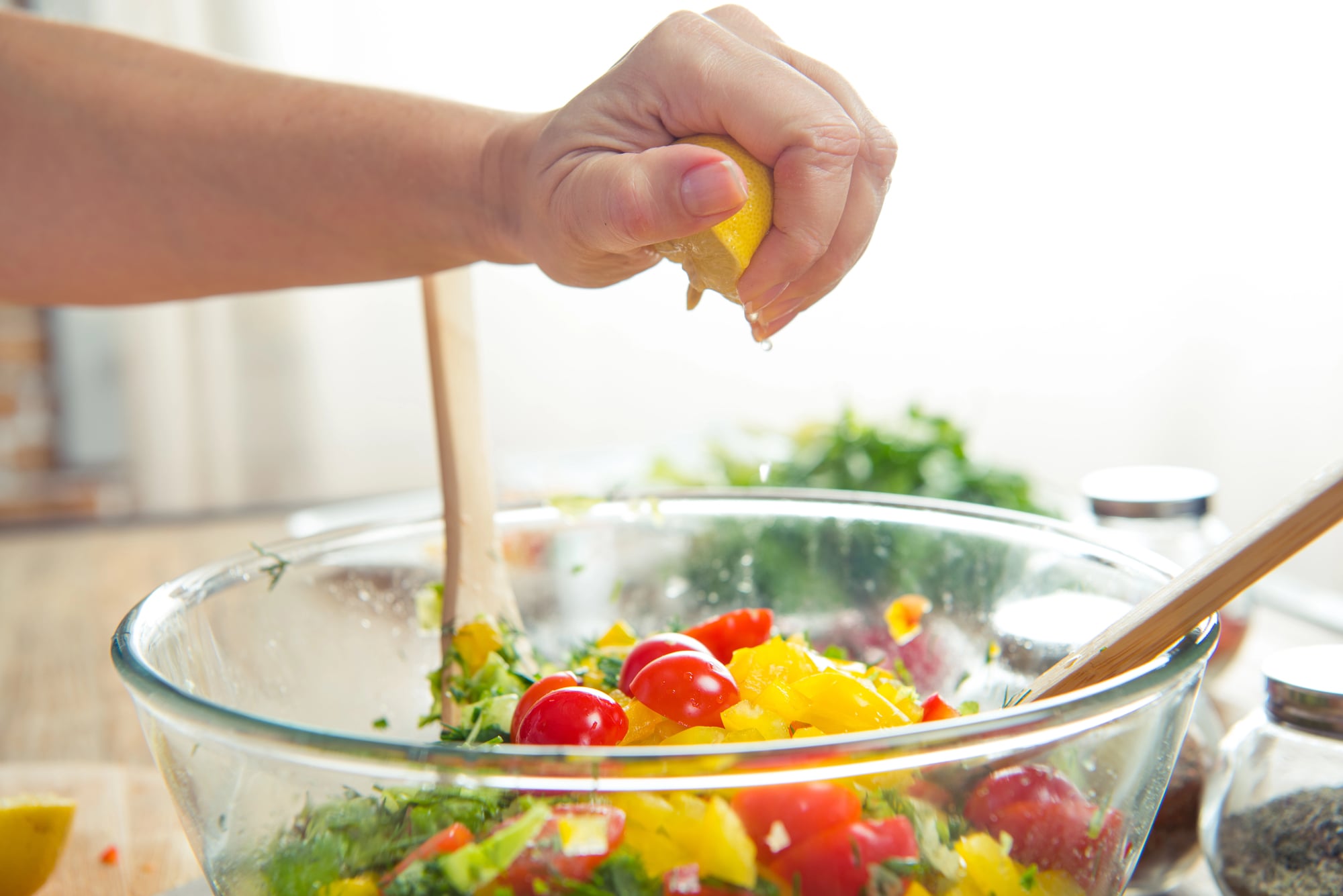
Wrap vegetables in parchment paper with a splash of liquid to create individual steam pockets. Each packet cooks evenly and retains more flavor than traditional steaming methods.
The vegetables essentially braise in their own juices, concentrating flavors instead of diluting them.
You can season each packet differently, turning one cooking method into multiple side dishes.
It’s precision cooking disguised as convenience, the kind of technique that makes you look more skilled than you actually are while requiring less effort than conventional approaches.
Plastic Wrap Refrigerator Trick
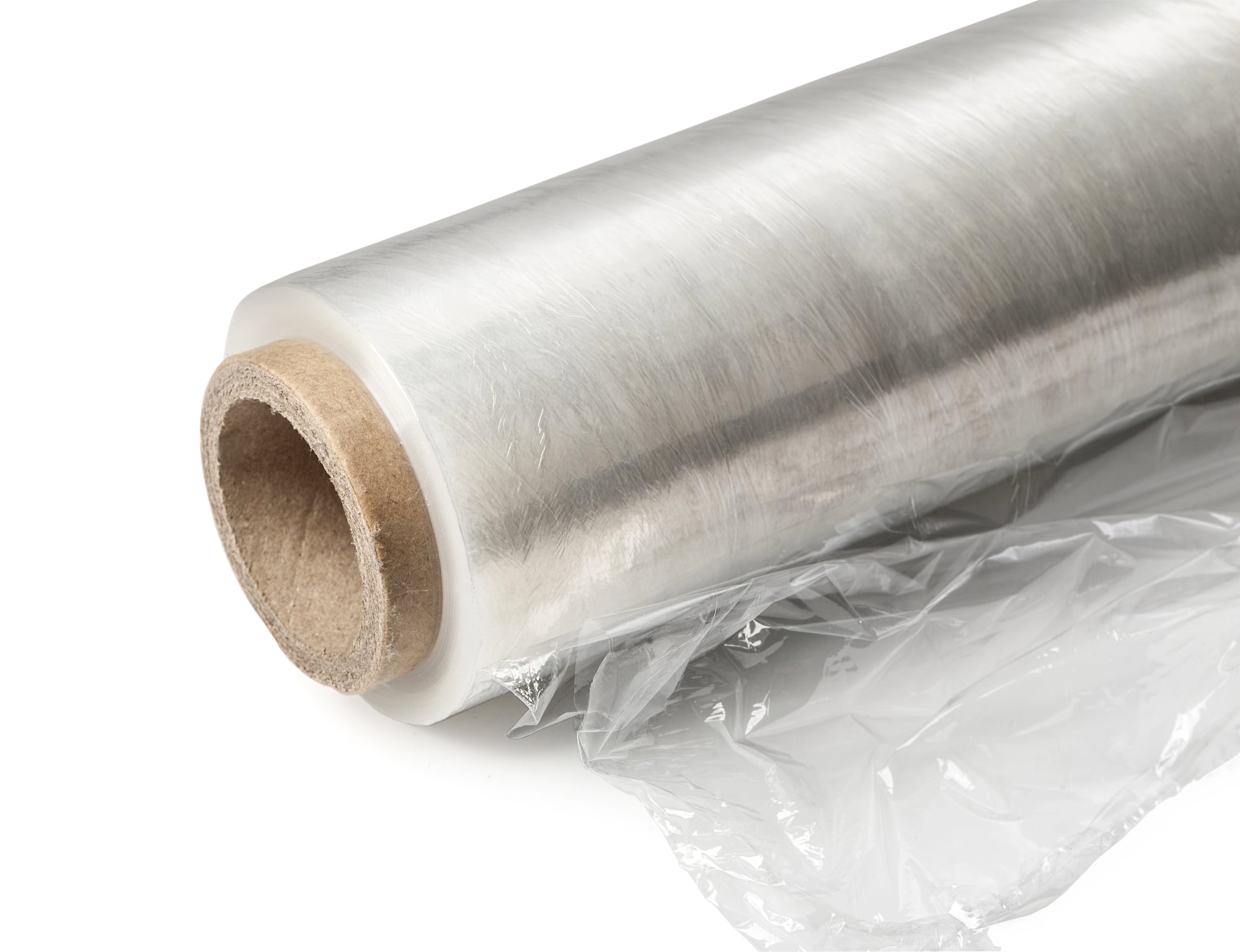
Press plastic wrap directly onto the surface of cut avocados, guacamole, or any food that browns when exposed to air. The wrap creates an airtight seal that prevents oxidation better than just covering the container.
Air contact equals browning. No air contact equals produce that looks fresh days later.
The Algorithm Knows What Works

These hacks spread because they solve real problems that everyone faces but few people talk about.
They’re the kitchen equivalent of finally finding the right word for something you’ve been trying to express for years.
Simple solutions often feel like revelations, not because they’re complicated, but because they’re so obvious once someone points them out that you can’t believe you missed them.
More from Go2Tutors!

- The Romanov Crown Jewels and Their Tragic Fate
- 13 Historical Mysteries That Science Still Can’t Solve
- Famous Hoaxes That Fooled the World for Years
- 15 Child Stars with Tragic Adult Lives
- 16 Famous Jewelry Pieces in History
Like Go2Tutors’s content? Follow us on MSN.