15 Fun Facts About Bob Ross and His Happy Trees
Bob Ross wasn’t just a painter who created soothing landscapes on television – he was a fascinating person with a story that’s far more complex and interesting than his calm on-screen persona might suggest. From his unexpected military background to the surprising truth about his iconic hairstyle, Ross lived a life full of contradictions and remarkable achievements that continue to captivate audiences decades after his passing.
The man behind those famous ‘happy little trees’ had experiences that shaped both his art and his approach to teaching millions of viewers around the world. Here is a list of 15 fascinating facts about Bob Ross that reveal the real person behind the paintbrush.
His Famous Curls Were Actually a Perm He Hated
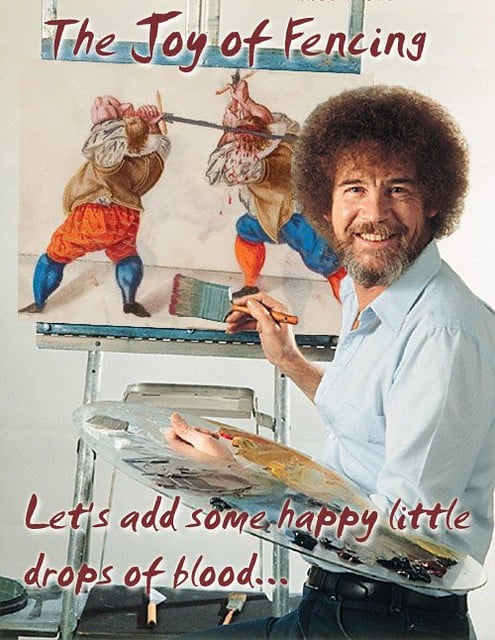
Bob Ross’s naturally straight hair became curly through a perm he got to save money on haircuts after leaving the Air Force. His business partner Annette Kowalski explained that ‘he got this bright idea that he could save money on haircuts, so he let his hair grow, he got a perm, and decided he would never need a haircut again’. Unfortunately for Ross, once the perm became his trademark look and part of his company’s logo, ‘he could never, ever, ever change his hair, and he was so mad about that’.
He Was a Tough Military Drill Sergeant Before Becoming Gentle Bob

During his 20-year Air Force career, Ross reached the rank of first sergeant and described himself as ‘the guy who makes you scrub the latrine, the guy who makes you make your bed, the guy who screams at you for being late to work’. This role earned him the nickname ‘Bust ‘Em Up Bobby,’ but he disliked the disciplinarian role and promised himself he would have a gentler personality after leaving the military. The contrast between his military persona and television personality couldn’t have been more dramatic.
He Painted Over 30,000 Artworks in His Lifetime
Ross completed more than thirty thousand paintings during his career. For nearly every episode of The Joy of Painting, he prepared three versions of almost every painting: one created before taping, one painted on-screen during the show, and a more detailed version after filming for inclusion in his instructional books. This incredible output was made possible by his mastery of the wet-on-wet oil painting technique that allowed him to complete paintings in just 30 minutes.
Trees Dominated His Artistic World
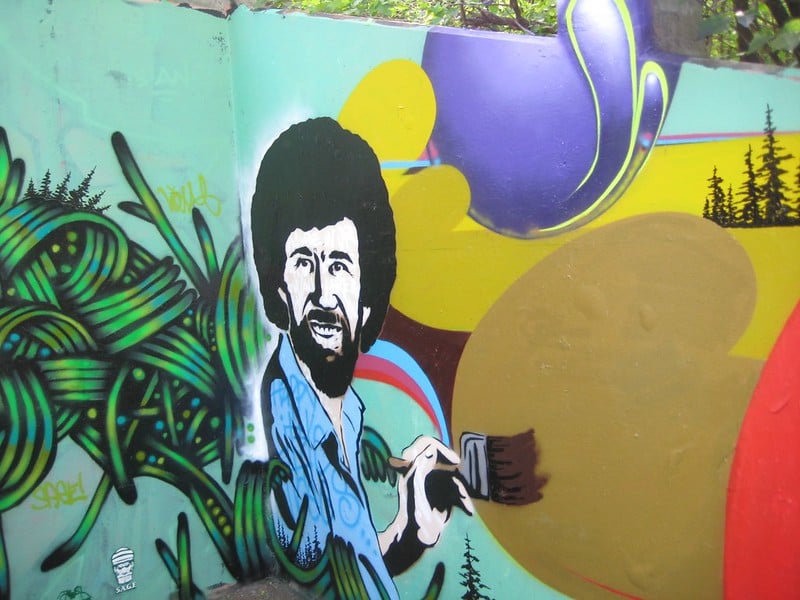
Analysis of 381 episodes concluded that 91% of Ross’s paintings contained at least one tree. Estimates suggest that just from the paintings he created on The Joy of Painting, Ross painted over 27,300 trees. His work rarely contained human subjects or signs of human life, though on rare occasions he would incorporate a cabin, sometimes with a chimney but without smoke, and possibly unoccupied.
He Learned His Signature Technique from German Painter Bill Alexander
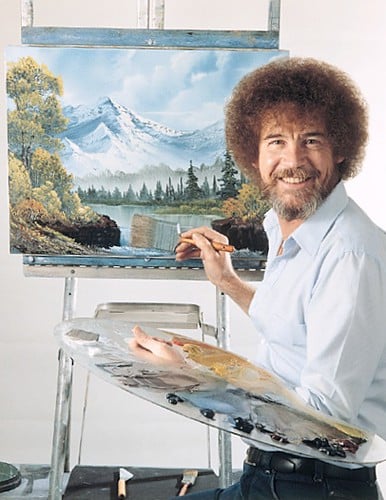
Ross discovered a TV show called The Magic of Oil Painting, hosted by German painter Bill Alexander, who used a 16th-century painting style called alla prima, widely known as ‘wet-on-wet’. This technique allowed him to create a painting within thirty minutes. Ross studied and mastered the technique, eventually taking the place of (and proving much more successful than) his teacher on PBS.
Alaska Shaped His Artistic Vision

While stationed at Eielson Air Force Base in Alaska, Ross encountered dramatic landscapes with majestic mountains, pristine lakes, and snow-covered forests that would later dominate his paintings. Ross painted prolifically while serving in the military and sold paintings of the Alaskan landscape to tourists, eventually earning more from art sales than his military salary. The natural beauty of Alaska became the foundation for the landscapes that would make him famous.
He Received Hundreds of Fan Letters Daily

Ross received upwards of two hundred fan letters every single day. In many episodes, Ross can be heard mentioning a fan he received a letter from, indicating that he read many of them and took their messages to heart. His connection with viewers was genuine, and he often incorporated their stories and requests into his television commentary.
His Shows Required Meticulous Planning Despite Appearing Spontaneous
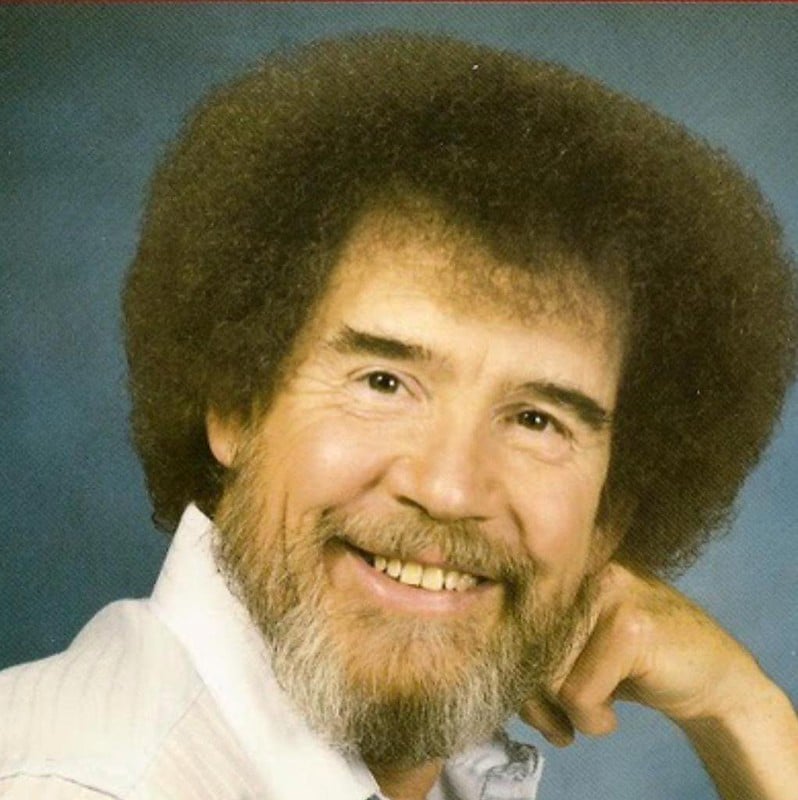
Ross made three of the same paintings for every episode, and his business partner revealed that ‘these are not as spontaneous as they look’. He would stay up late the nights before filming and talk through and rehearse what he wanted to say while painting, including the comments about mistakes being happy accidents and happy little trees. This careful preparation allowed him to appear effortless and relaxed on camera.
Animals Were His Beloved Companions
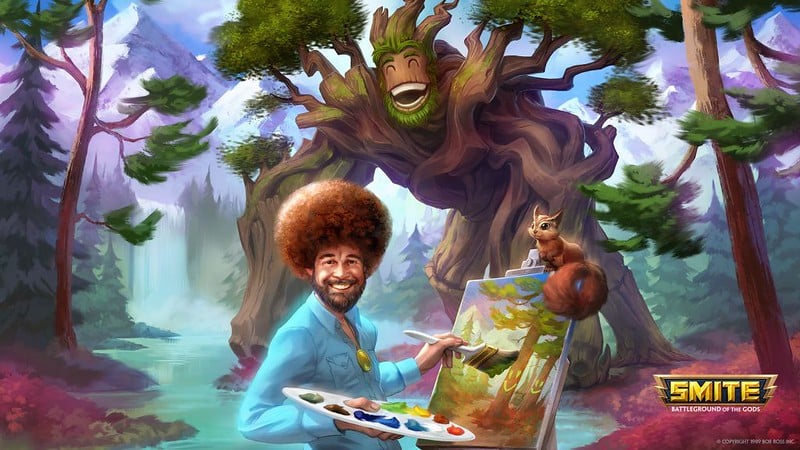
Ross loved all kinds of animals and occasionally featured them on The Joy of Painting, particularly squirrels, and he sometimes carried young squirrels around in his pocket while filming the show. He loved animals his whole life and several became pets after he had rescued and rehabilitated them, including squirrels and armadillos. One of his most famous animal companions was a squirrel named Peanut.
He Lost Part of His Index Finger in an Accident

An accident in his father’s carpentry shop cost Ross the tip of his left index finger. He seems to have been self-conscious about the injury; in later years he would position his palette in such a way as to cover the finger. This injury occurred during his youth when he was working as his father’s assistant before joining the Air Force.
His Calm Voice and Catchphrases Became Legendary
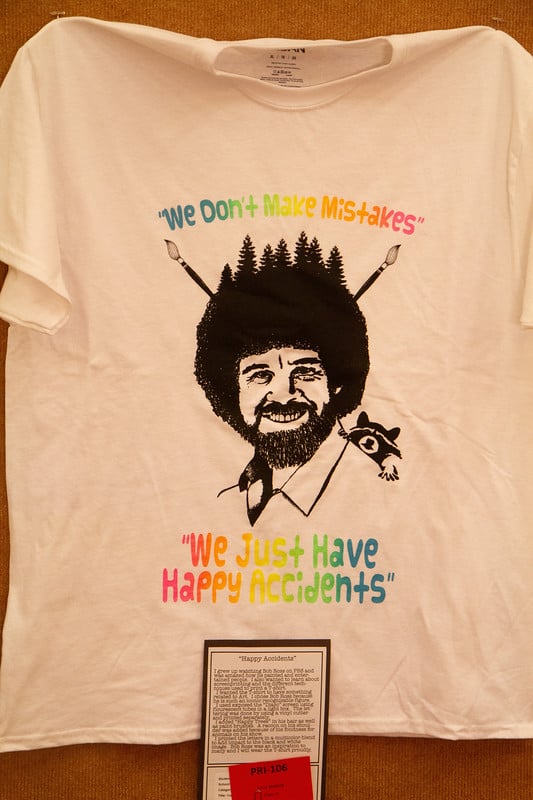
Ross was well known for phrases he tended to repeat while painting, such as ‘let’s add some happy little trees’ and ‘we don’t make mistakes; we just have happy accidents’. In most episodes, Ross would enjoy cleaning his paint brush, striking it against the trash can while saying he would ‘beat the Devil out of it’. These phrases became so iconic that they’re still quoted and referenced in popular culture today.
He Built a Multimillion-Dollar Art Empire
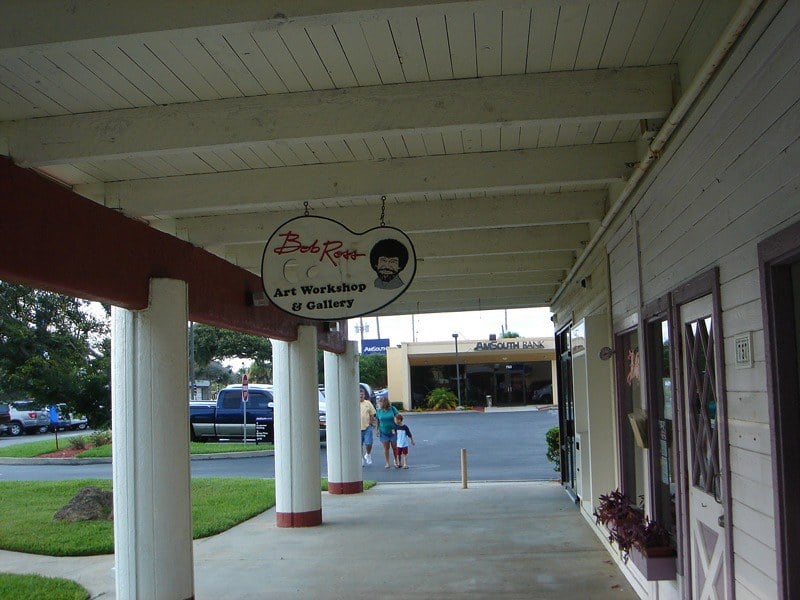
With help from the Kowalskis, Ross spawned an empire that included videos, how-to books, art supplies, and certified Bob Ross instructors, growing Bob Ross Inc. into a $15 million business. His folksy approach led him to market his painting technique and establish a hugely successful company selling instructional materials and offering painting workshops, all of which continued to be profitable in the 21st century.
Art Critics Initially Dismissed His Work
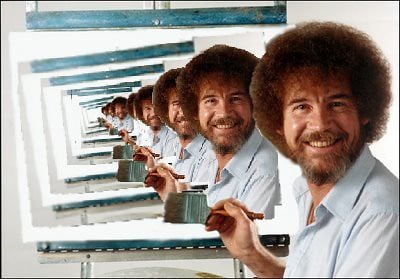
Ross’s legacy was hounded continuously by art critics who claimed he really couldn’t paint and that his lessons had no value for aspiring painters, with many deriding him as a commercial artist who created a product, not art. Some art supply stores infamously hid his line of art supplies in out-of-the-way corners or back rooms so as not to offend the more critical patrons. Despite this criticism, his influence on amateur artists was undeniable.
He Died Young But Left a Lasting Legacy
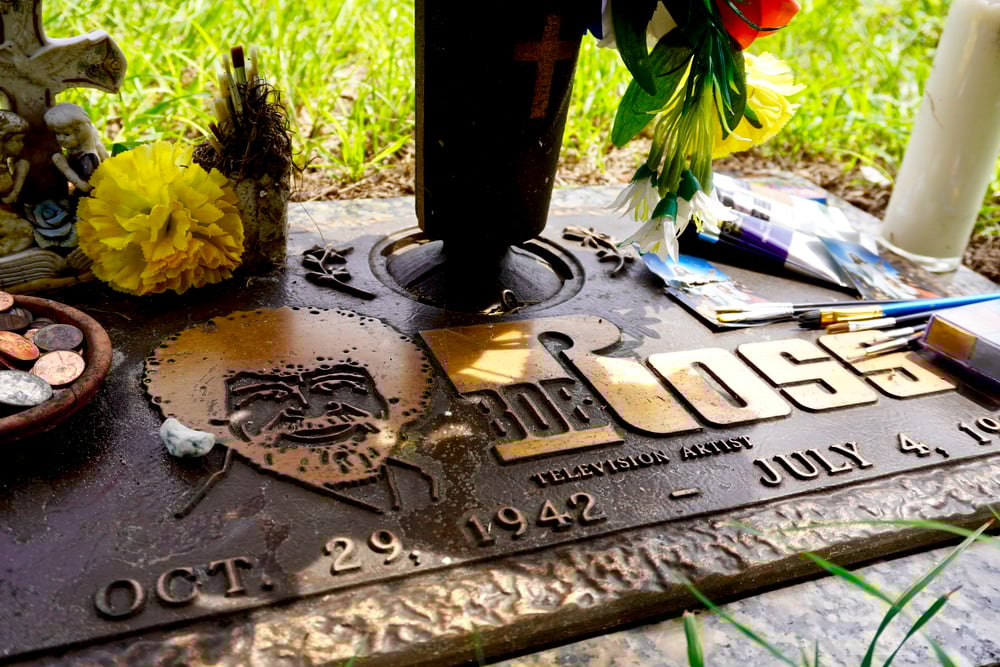
Ross died at the age of 52 on July 4, 1995, in Orlando, Florida, due to complications from lymphoma. At the time of his death, he had prepared seven paintings for a potential 32nd season of The Joy of Painting. Interest in Ross had a resurgence in the 21st century with the availability of The Joy of Painting on streaming platforms like YouTube.
His Popularity Exploded in the Digital Age

Ross’s videos became popular with devotees of autonomous sensory meridian response (ASMR), and Twitch streams created new interest in Ross and caused his popularity to grow. His smooth, low voice, once mocked for its soporific effect, is now once again reaching millions through renewed interest in his cult classic series. A new generation has discovered the therapeutic value of watching him paint, proving that his calming influence transcends time.
The Gentle Giant Lives On
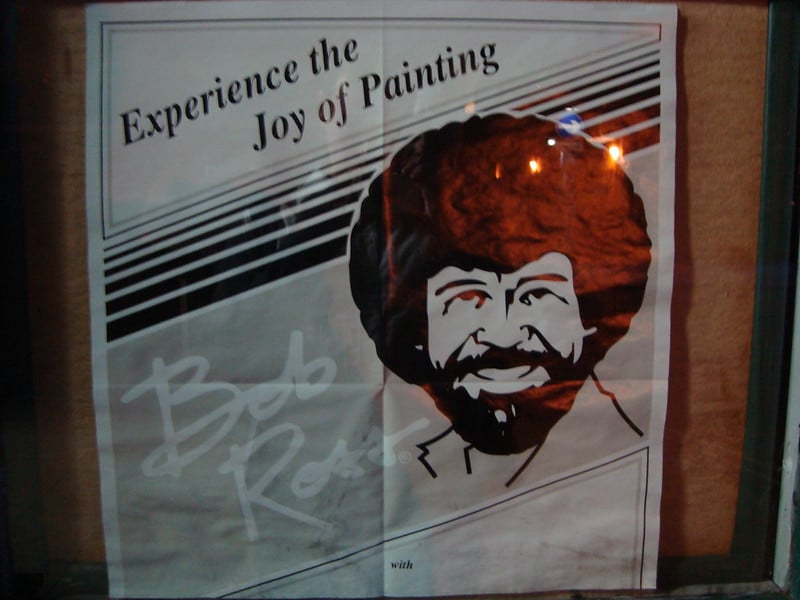
The man who transformed from a demanding drill sergeant into America’s most beloved art teacher created something far more valuable than paintings – he gave people permission to be creative without fear of judgment. Ross repeatedly said everyone has inherent artistic talent and could become an accomplished artist given time, practice and encouragement. Today, his message that there are no mistakes, only happy accidents, continues to inspire people far beyond the art world. Whether you’re facing a blank canvas or life’s challenges, Bob Ross reminds us that with patience and a positive attitude, beautiful things can emerge from the most unexpected places.
More from Go2Tutors!

- 16 Historical Figures Who Were Nothing Like You Think
- 12 Things Sold in the 80s That Are Now Illegal
- 15 VHS Tapes That Could Be Worth Thousands
- 17 Historical “What Ifs” That Would Have Changed Everything
- 18 TV Shows That Vanished Without a Finale
Like Go2Tutors’s content? Follow us on MSN.