Dictators With Bizarre Hobbies and Secret Talents
Power corrupts, and absolute power apparently leads to some really strange pastimes. History’s most ruthless leaders often had hidden sides that seemed completely at odds with their brutal reputations.
Behind closed doors, these tyrants pursued hobbies that ranged from surprisingly artistic to downright weird. Here’s a look at the unexpected talents and odd interests that occupied the minds of history’s most feared rulers.
Saddam Hussein wrote romance novels
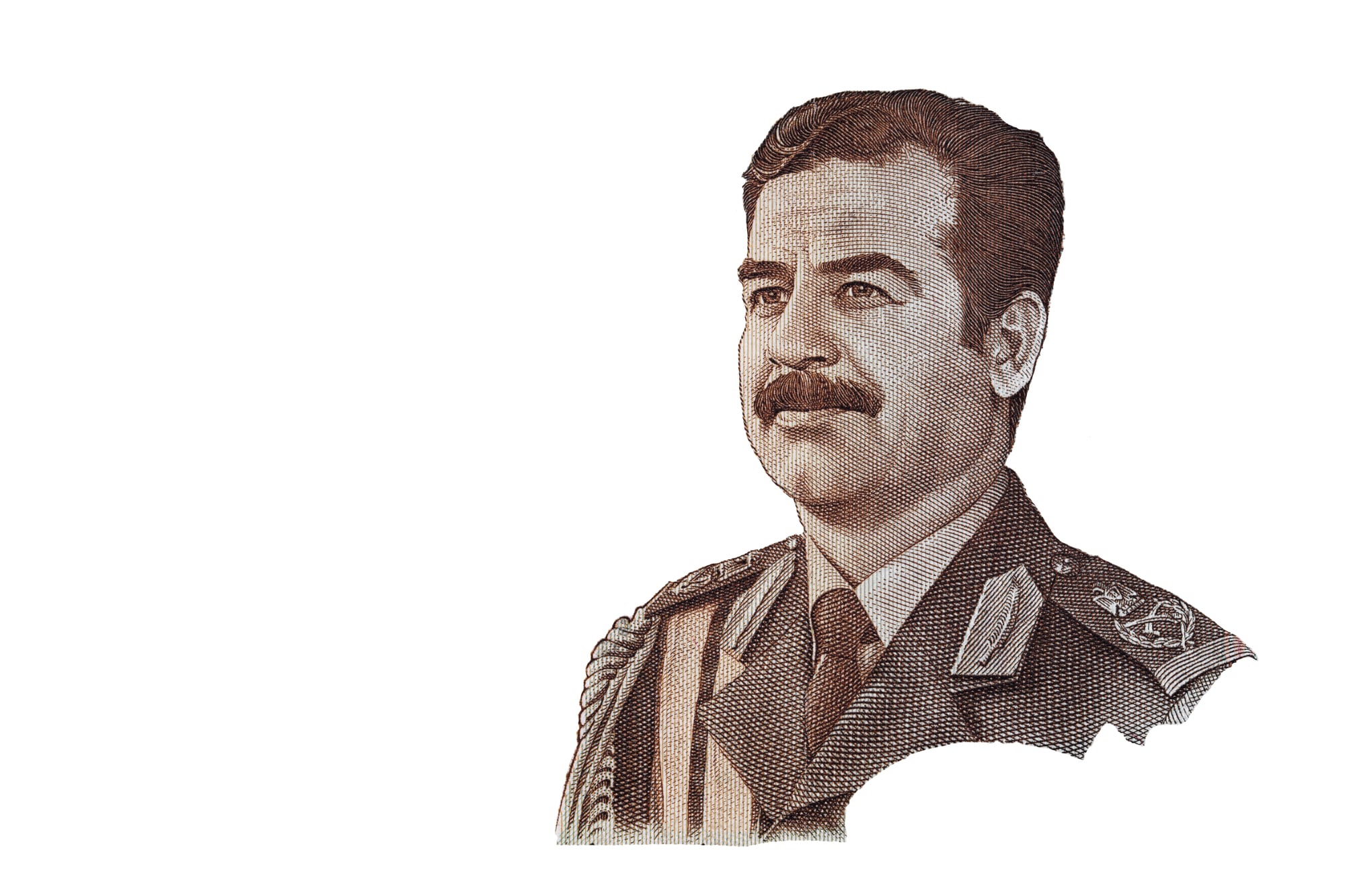
The Iraqi dictator fancied himself a serious author and published several novels under his own name. His book ‘Zabibah and the King’ told the story of a powerful ruler who falls for a simple village girl.
The plot featured thinly veiled references to Iraq’s political situation, with the king representing Saddam himself. The book became a bestseller in Iraq, though nobody dared give it a bad review.
Saddam even had the novel turned into a stage musical and later a movie. Kim Jong-il claimed to have written 1,500 books during his college years and invented the hamburger.
Kim Jong-il claimed to be a golf legend
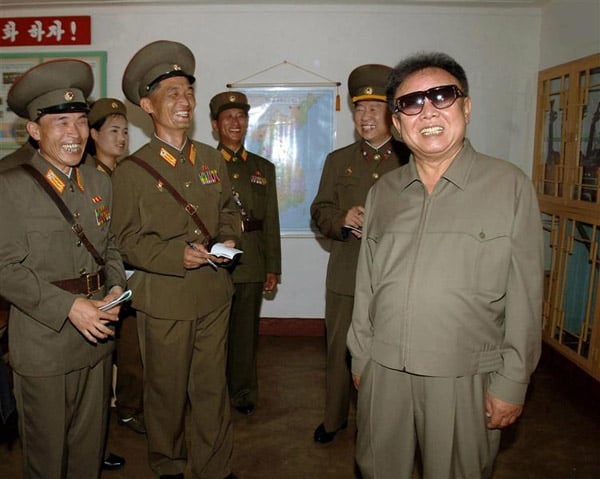
North Korea’s former leader supposedly shot 38 under par the first time he ever played golf, according to state media. That round allegedly included five birdies at the 7,700-yard course at Pyongyang.
His bodyguards swore they witnessed the whole thing. Golf magazines around the world would have considered it the greatest round ever played if anyone actually believed it happened.
Kim also claimed to have written 1,500 books during his college years and invented the hamburger. Idi Amin wanted to be Scotland’s king.
Idi Amin wanted to be Scotland’s king
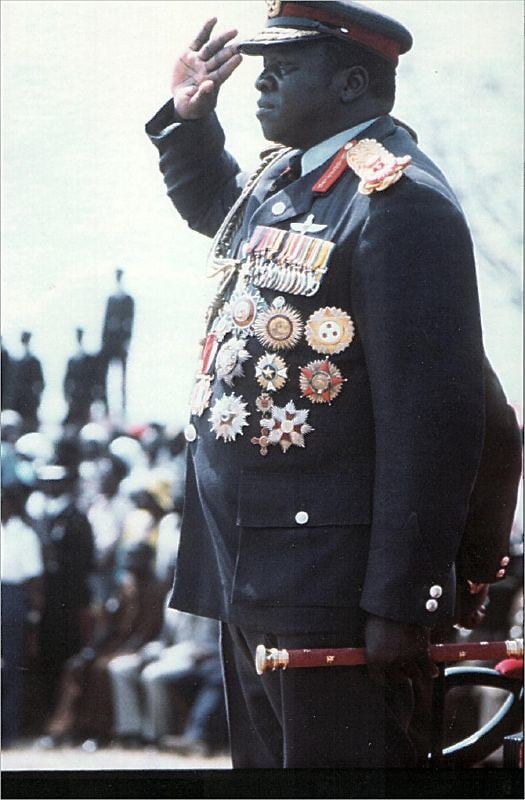
Uganda’s brutal dictator had a weird obsession with Scotland despite never visiting the country. He awarded himself made-up Scottish titles and wore kilts for official photographs.
Amin sent a telegram to Queen Elizabeth II offering to become King of Scotland if she ever needed help. He also proposed raising money to build a statue of himself in Edinburgh.
The Scottish people were not interested in any of these offers. Muammar Gaddafi surrounded himself with female bodyguards.
Muammar Gaddafi surrounded himself with female bodyguards
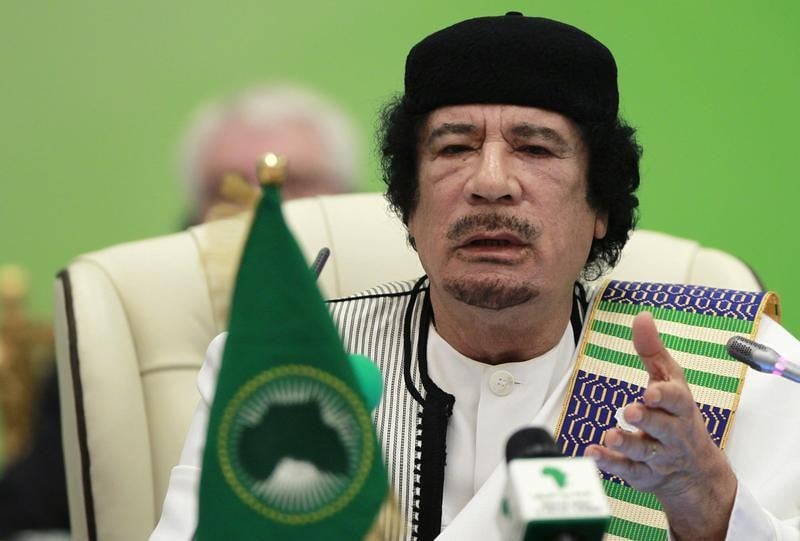
Libya’s longtime ruler created an all-women security unit called the Amazonian Guard. He recruited young women from military academies and police schools to serve as his personal protection force.
The guards dressed in military uniforms, wore red berets, and carried weapons everywhere Gaddafi went. He claimed this practice showed his progressive views on women’s rights, though critics pointed out the arrangement seemed more about his ego than equality.
Some former guards later said they faced mistreatment and were forced into the role. Joseph Stalin loved American cowboy movies.
Joseph Stalin loved American cowboy movies
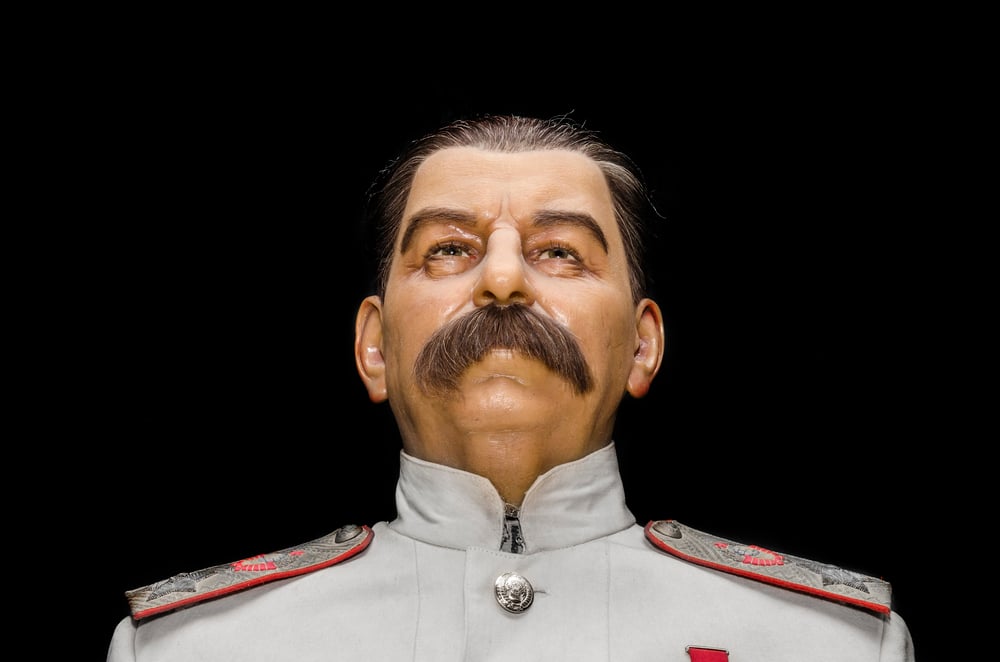
The Soviet leader watched films almost every night in his private Kremlin theater. His favorite genre was Hollywood westerns, particularly John Wayne films.
Stalin would often watch the same western multiple times, despite his government’s official stance against American culture. He kept lists of his favorite movies and invited Politburo members to watch with him, though nobody could leave until he decided the screening was over.
His movie collection included hundreds of American films captured from Germany after World War II. Saparmurat Niyazov renamed months after himself and his mother.
Saparmurat Niyazov renamed months after himself and his mother
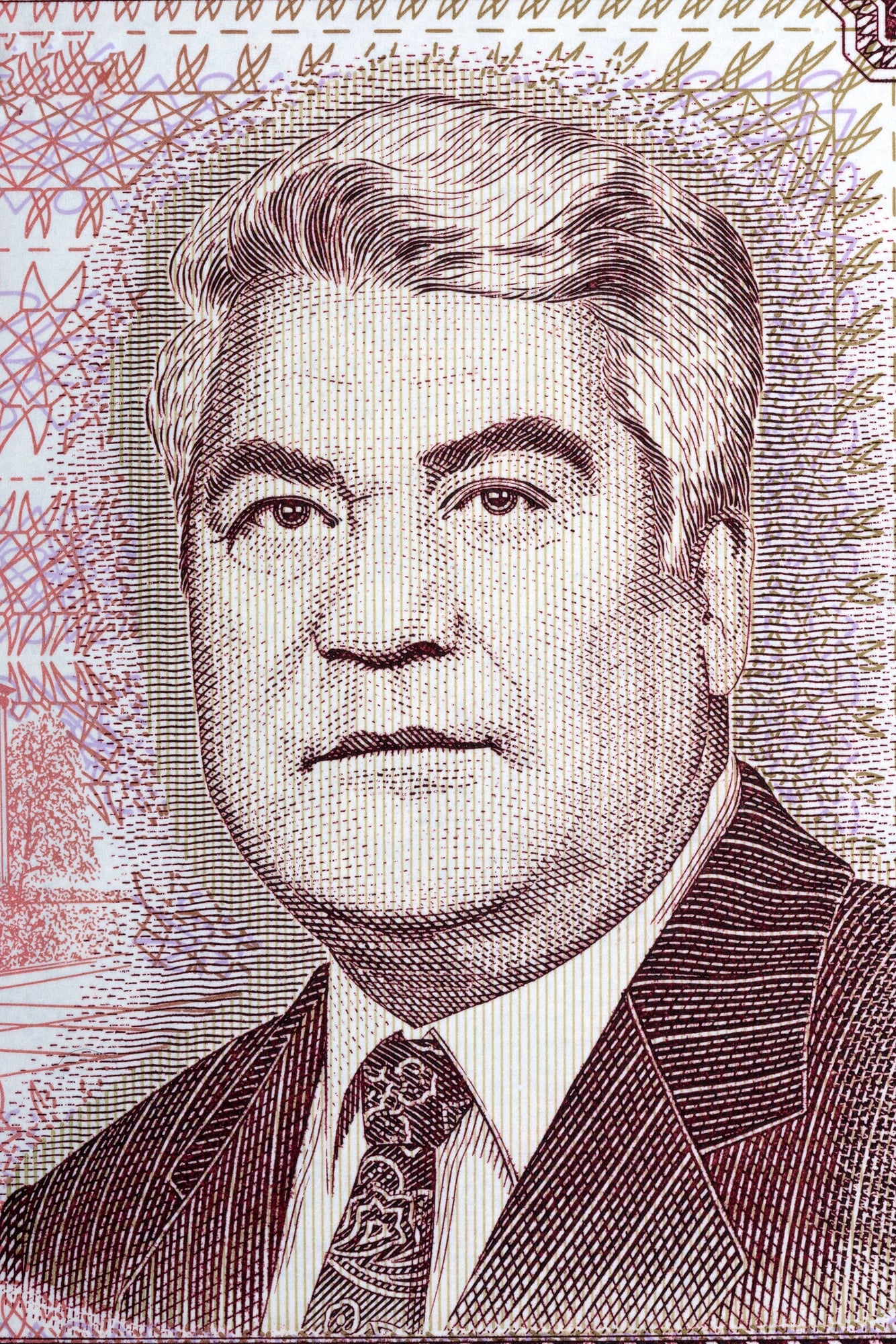
Turkmenistan’s president-for-life changed January to be named after himself and April after his mother. He also renamed bread after his mother, published his own spiritual book that he required all citizens to read, and built golden statues of himself throughout the country.
One statue rotated to always face the sun. Niyazov banned opera, ballet, and circus performances because he considered them unnecessary.
He also outlawed car radios, lip-syncing, and long hair on young men. Francisco Franco was a painter.
Francisco Franco was a painter
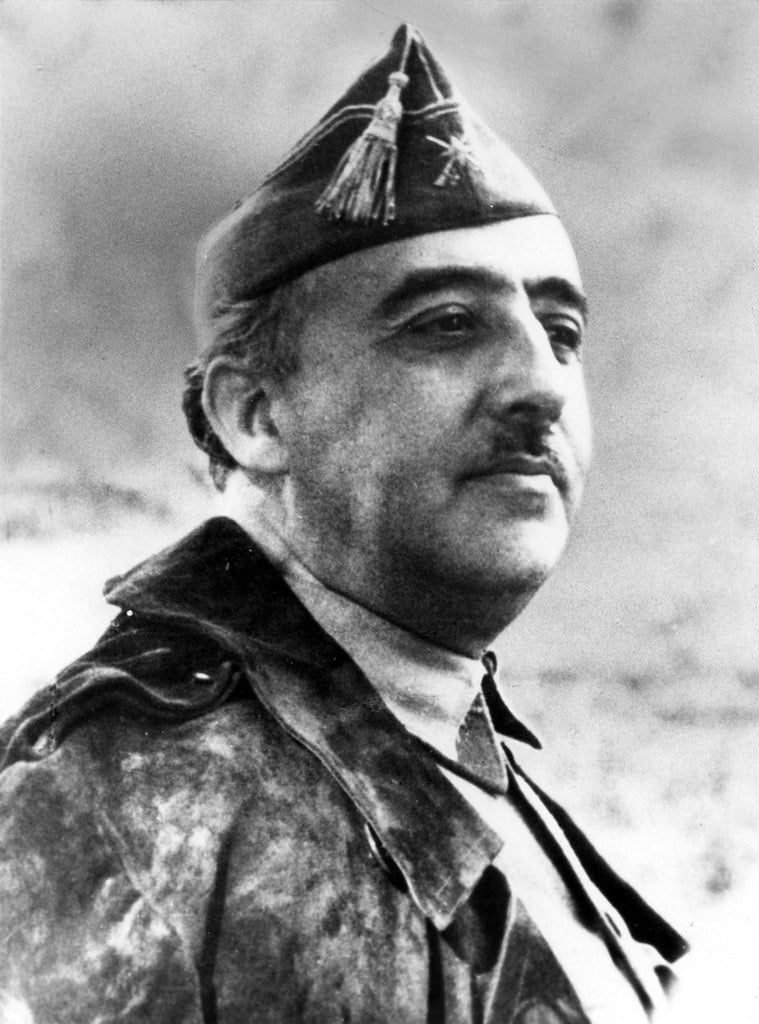
Spain’s dictator spent hours creating landscape paintings and portraits during his decades in power. He never showed his artwork publicly or tried to sell any pieces.
Franco kept his hobby private and painted mainly for relaxation after long days running the country. Some of his paintings survived and were later displayed in exhibitions after his death.
Critics who reviewed the work said he had decent technical skill but nothing exceptional. Mao Zedong refused to brush his teeth.
Mao Zedong refused to brush his teeth
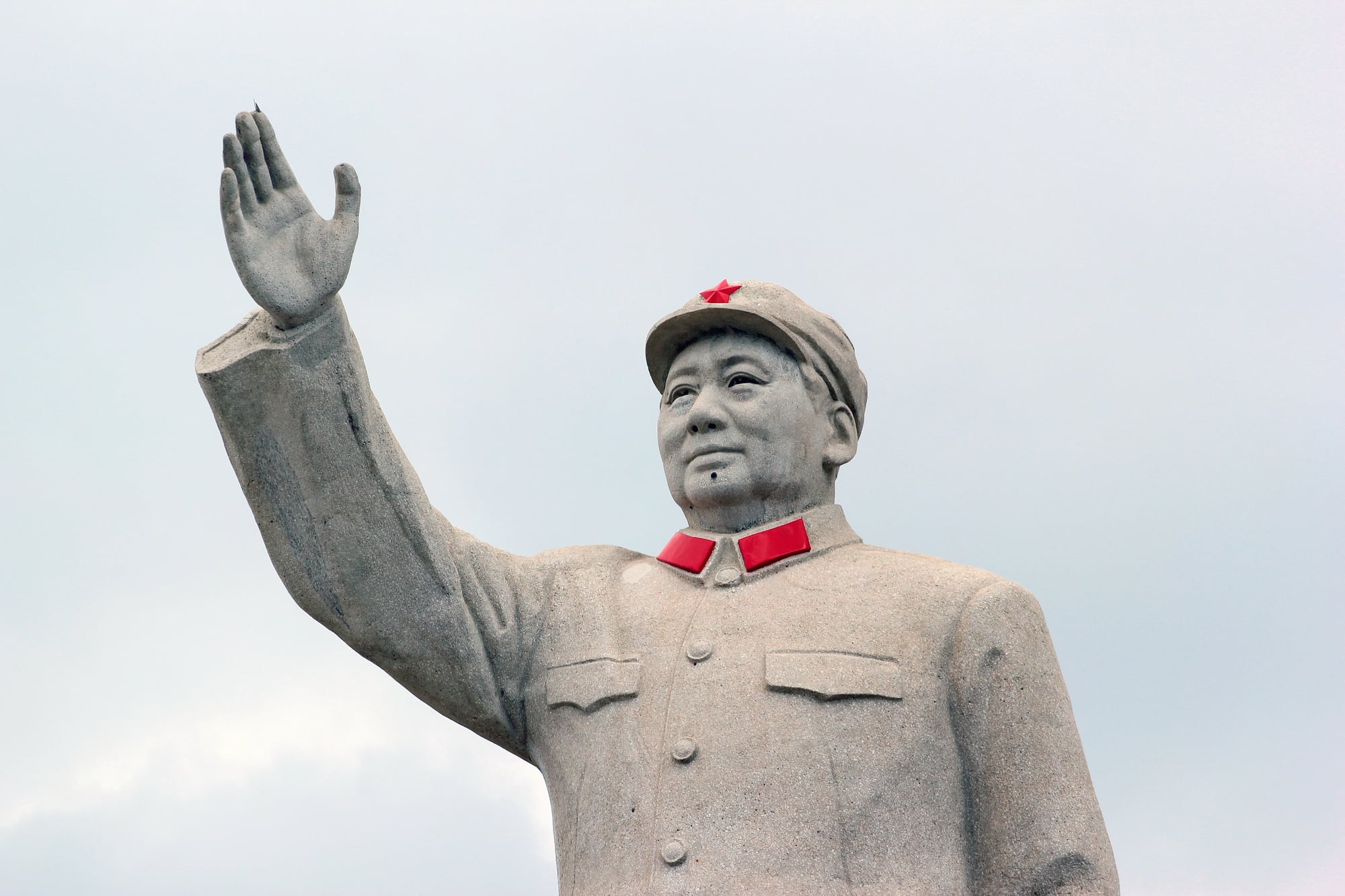
China’s revolutionary leader had a strange habit of cleaning his teeth by rinsing his mouth with tea instead of brushing. His personal physician tried repeatedly to convince him to use a toothbrush and toothpaste.
Mao argued that tigers never brushed their teeth and their teeth were fine. He insisted the tea rinse method was better and more natural.
His teeth eventually turned green from the tea staining, but he never changed his routine. Benito Mussolini played the violin.
Benito Mussolini played the violin
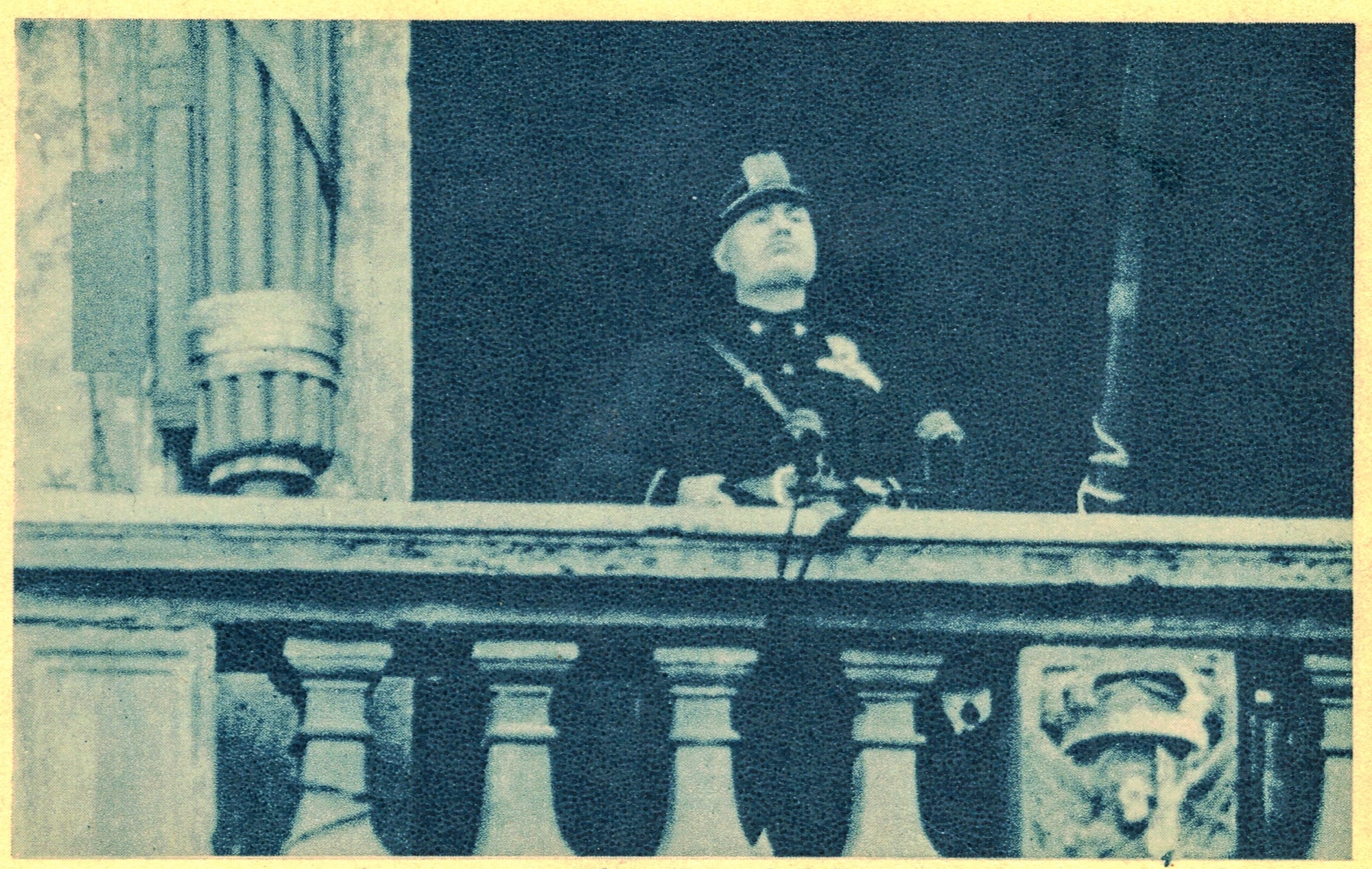
Italy’s fascist leader studied violin as a child and continued playing throughout his life. He sometimes performed for small groups of friends and colleagues at private gatherings.
Mussolini also learned to play several other instruments and genuinely loved classical music. He would occasionally conduct orchestras during cultural events, though musicians had to pretend he was doing a good job.
His public image focused on strength and aggression, but music remained his lifelong passion. Fidel Castro loved dairy farming.
Fidel Castro loved dairy farming
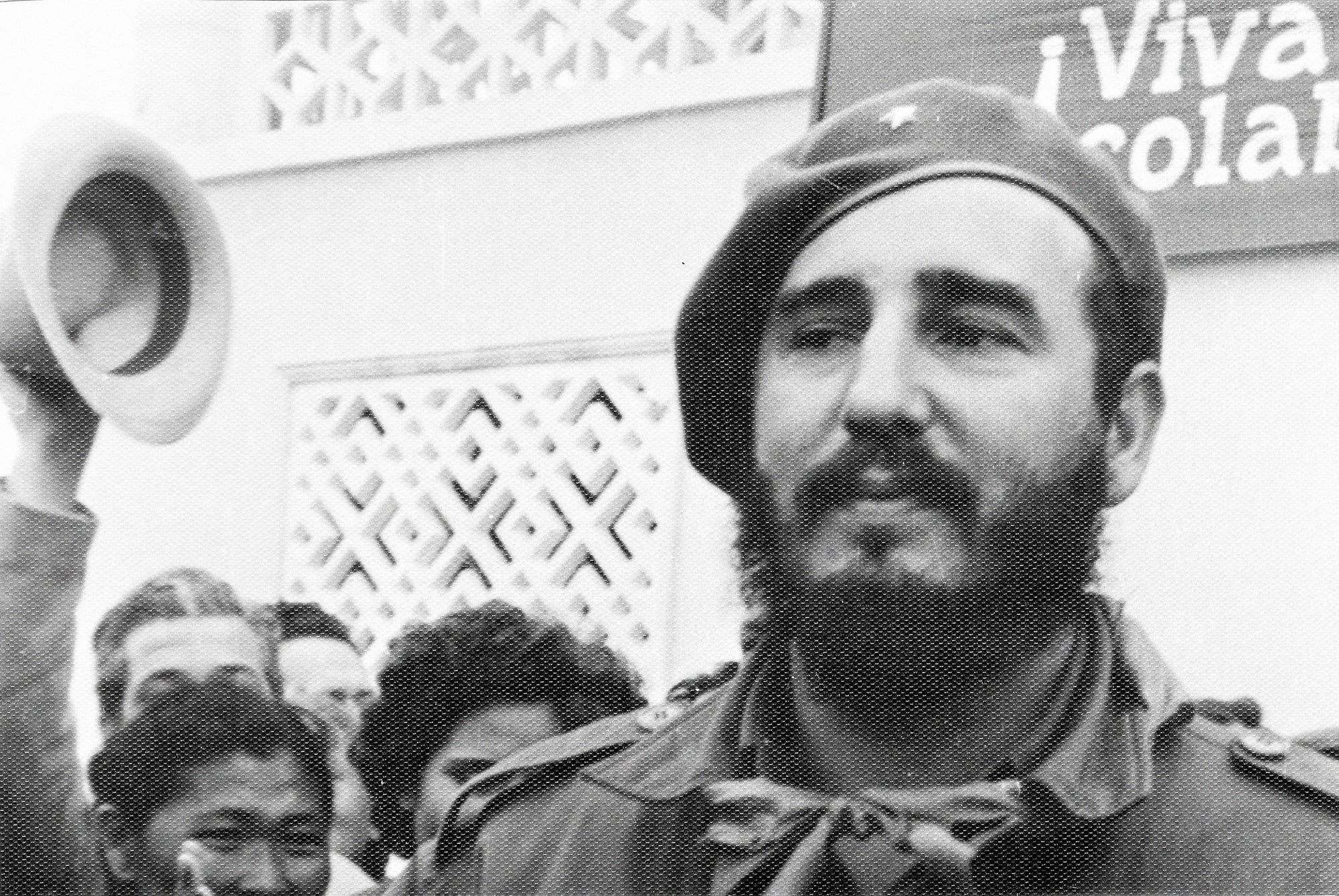
Cuba’s longtime leader became obsessed with cattle breeding and ice cream production. He spent enormous amounts of time and resources trying to create a super cow that could thrive in tropical weather.
Castro personally oversaw breeding programs and visited farms regularly to check on the animals. He even named his favorite cow ‘Ubre Blanca’ and tried to break milk production records with her.
The dictator also opened dozens of ice cream parlors across Havana because he thought Cubans deserved better frozen desserts. Pol Pot wrote poetry.
Pol Pot wrote poetry
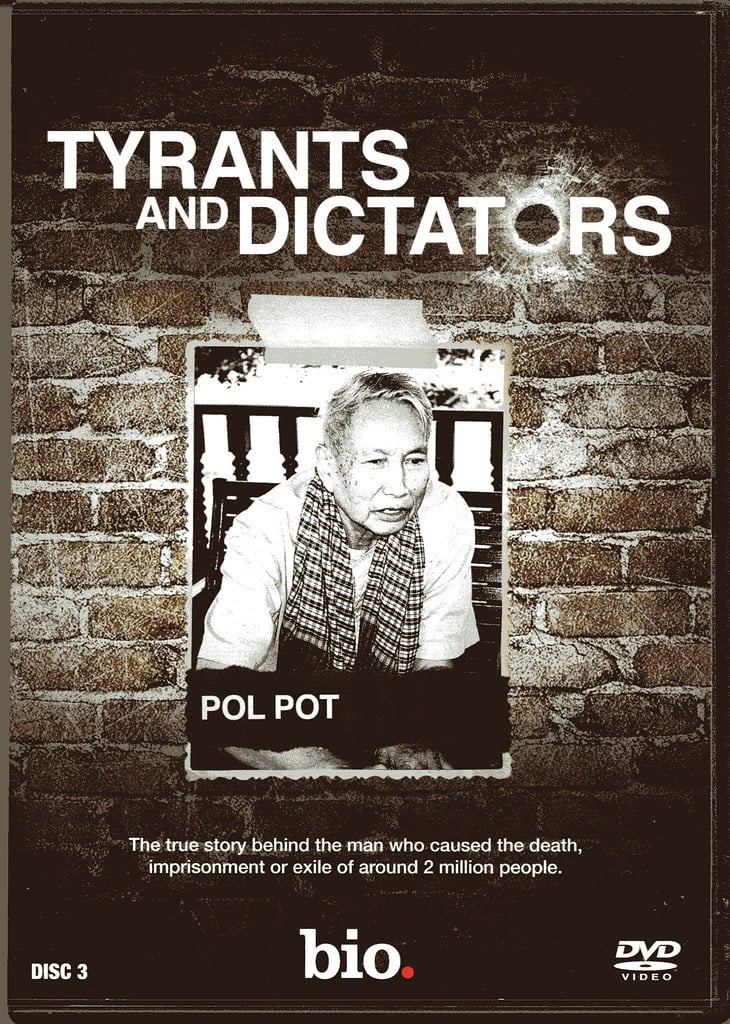
Cambodia’s genocidal leader composed verses in French during his time as a student in Paris. He continued writing poetry throughout his life, even during the years when his regime murdered millions of people.
The poems focused on nature, love, and philosophy rather than politics. Pol Pot kept most of his writing private and only shared pieces with close associates.
The contrast between his gentle poetry and his monstrous actions remains deeply disturbing to historians. Enver Hoxha built thousands of concrete bunkers.
Enver Hoxha built thousands of concrete bunkers
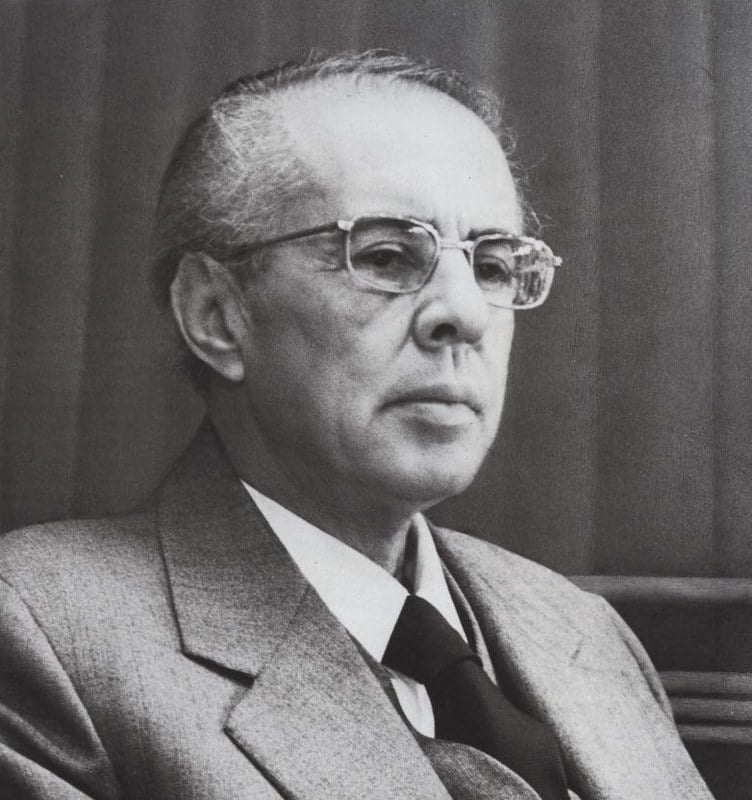
Albania’s paranoid ruler constructed over 750,000 military bunkers across the small country during his rule. He feared foreign invasion constantly and wanted every citizen to have access to shelter during an attack.
The mushroom-shaped bunkers dotted every landscape from beaches to mountain tops. Hoxha sometimes personally inspected bunker construction sites and tested their strength.
Many of these bunkers still exist today, serving as reminders of his extreme paranoia and wasted resources. Rafael Trujillo wore elaborate uniforms covered in medals.
Rafael Trujillo wore elaborate uniforms covered in medals
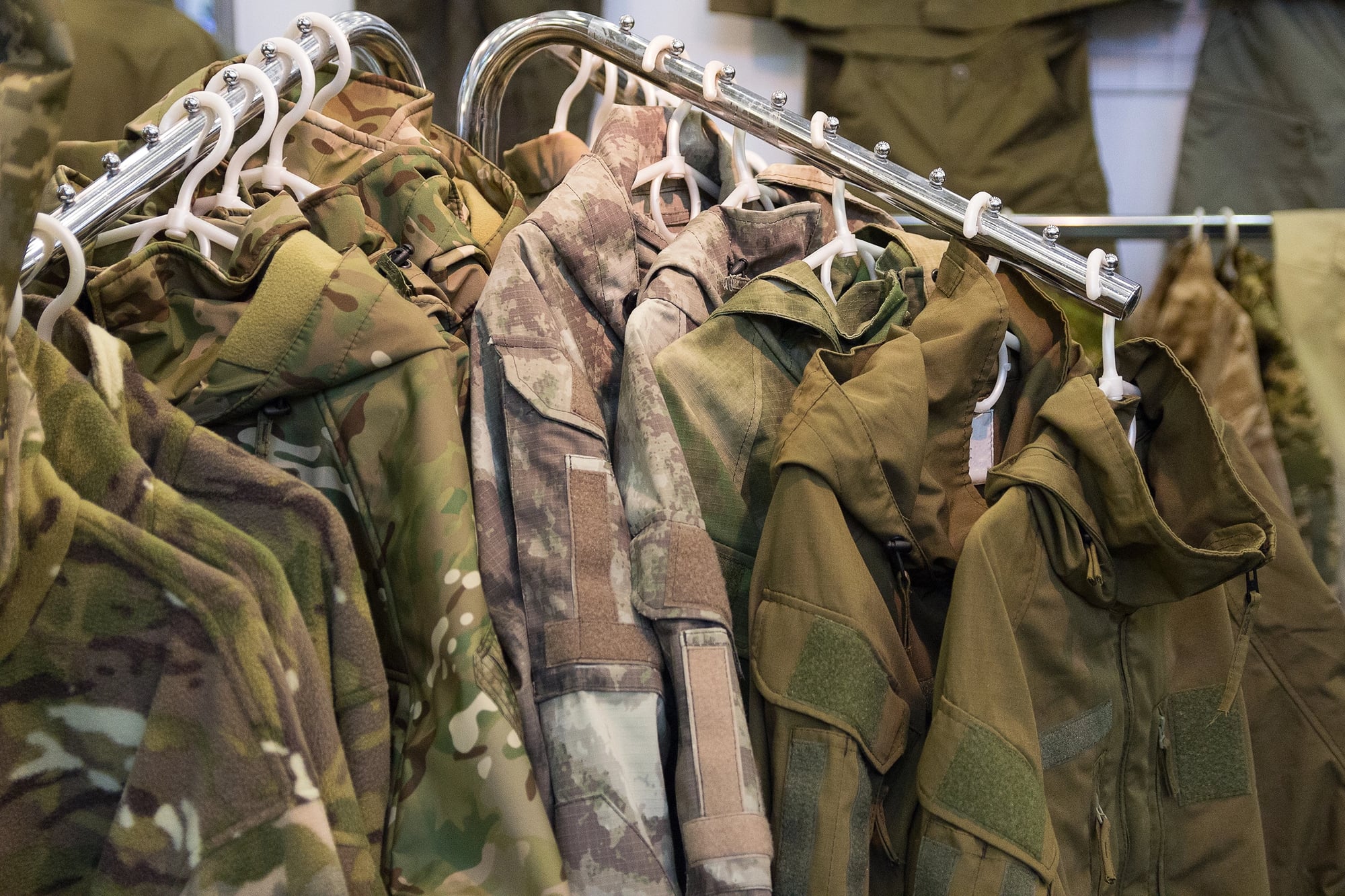
The Dominican Republic’s dictator owned a wardrobe with over 2,000 suits and military uniforms. He changed clothes multiple times per day and never wore the same outfit twice in a month.
Trujillo awarded himself medals for made-up military victories and wore them on elaborate uniforms decorated with gold braiding. He spent hours each day grooming himself and applying makeup and perfume.
His obsession with appearance extended to forcing others around him to dress impeccably as well. Nicolae Ceausescu collected hunting trophies.
Nicolae Ceausescu collected hunting trophies
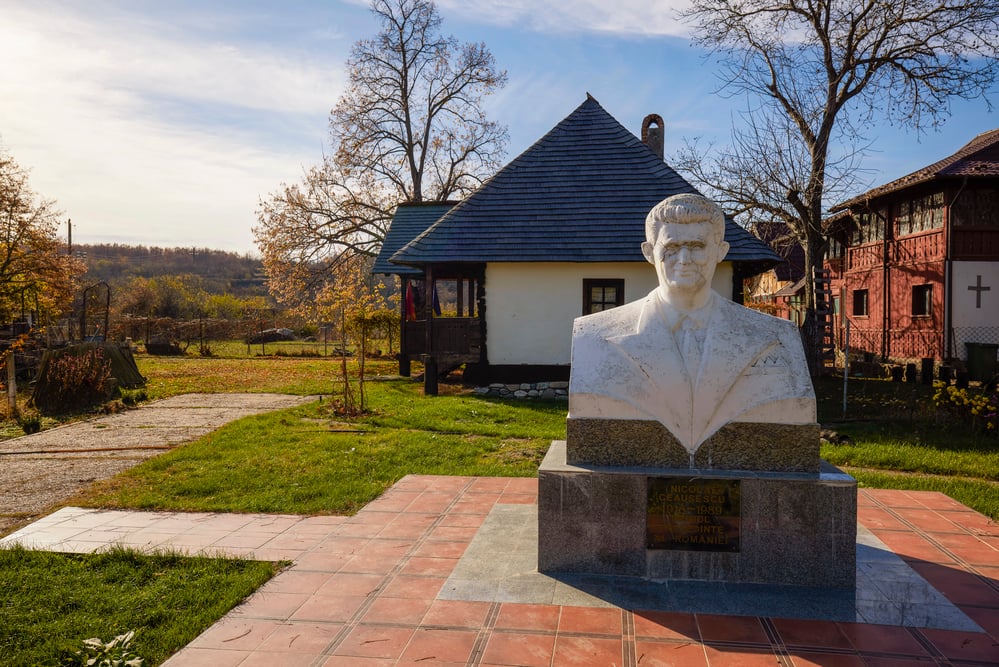
Romania’s communist leader went on elaborate hunting trips where thousands of animals were driven toward him so he could shoot them easily. He kept rooms full of stuffed bears, deer, and wild boar in his palaces.
Ceausescu liked to brag about his hunting skills, though everyone knew the hunts were staged to guarantee he never missed. He received hunting trophies as diplomatic gifts from other countries and displayed them prominently.
His wife Elena also participated in these hunts and claimed to be an excellent shot. Papa Doc Duvalier practiced voodoo.
Papa Doc Duvalier practiced voodoo
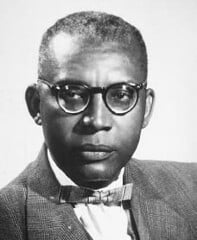
Haiti’s ruler studied ethnography and wrote books about voodoo before taking power. He used his knowledge of local religious practices to control the population through fear and superstition.
Duvalier dressed like Baron Samedi, a voodoo spirit of death, and encouraged rumors that he had supernatural powers. He kept a private voodoo temple in his palace and consulted priests regularly.
His secret police force, the Tonton Macoute, used voodoo symbolism to terrify citizens into obedience. Turkmenbashi banned recorded music.
Turkmenbashi banned recorded music
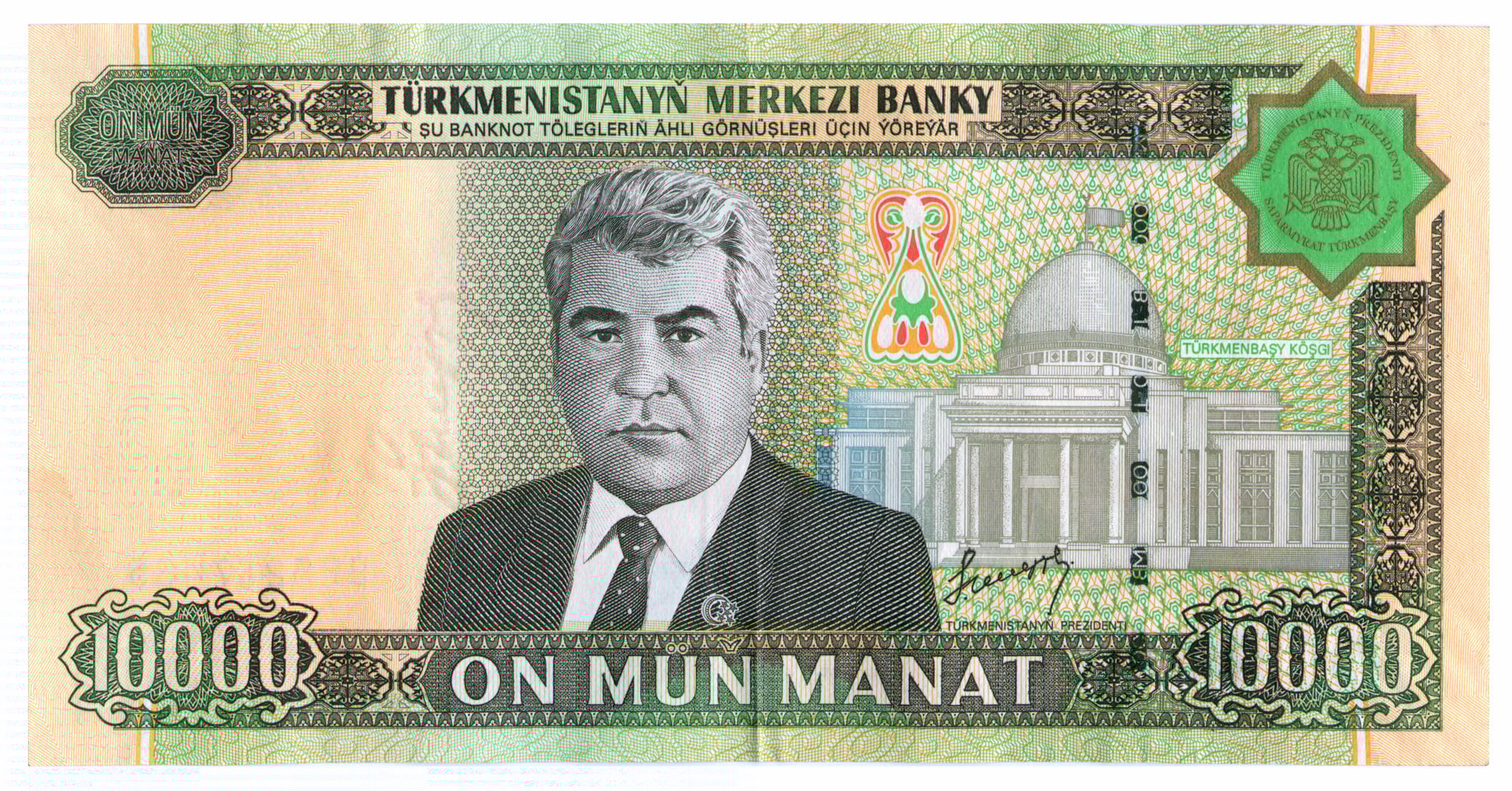
Niyazov decided that lip-syncing harmed artistic development, so he outlawed recorded music at public events. Performers had to sing live or not at all under his rules.
He also banned dogs from the capital city because he disliked their smell. Niyazov required doctors to swear an oath to him instead of the Hippocratic Oath.
His random prohibitions and bizarre requirements kept citizens constantly off-balance and easier to control. Mobutu Sese Seko spent millions on shopping trips.
Mobutu Sese Seko spent millions on shopping trips

The ruler of Zaire regularly chartered Concorde jets to fly to Paris for shopping sprees. He bought expensive suits, shoes, and accessories from the finest European designers while his country remained desperately poor.
Mobutu owned multiple palaces stocked with imported champagne and gourmet food. He changed his look frequently and popularized the abacost, a Mao-style suit jacket he declared the national costume.
His personal fortune reached billions while most citizens lived on less than a dollar per day. Vlad the Impaler collected Turkish turbans.
Vlad the Impaler collected Turkish turbans
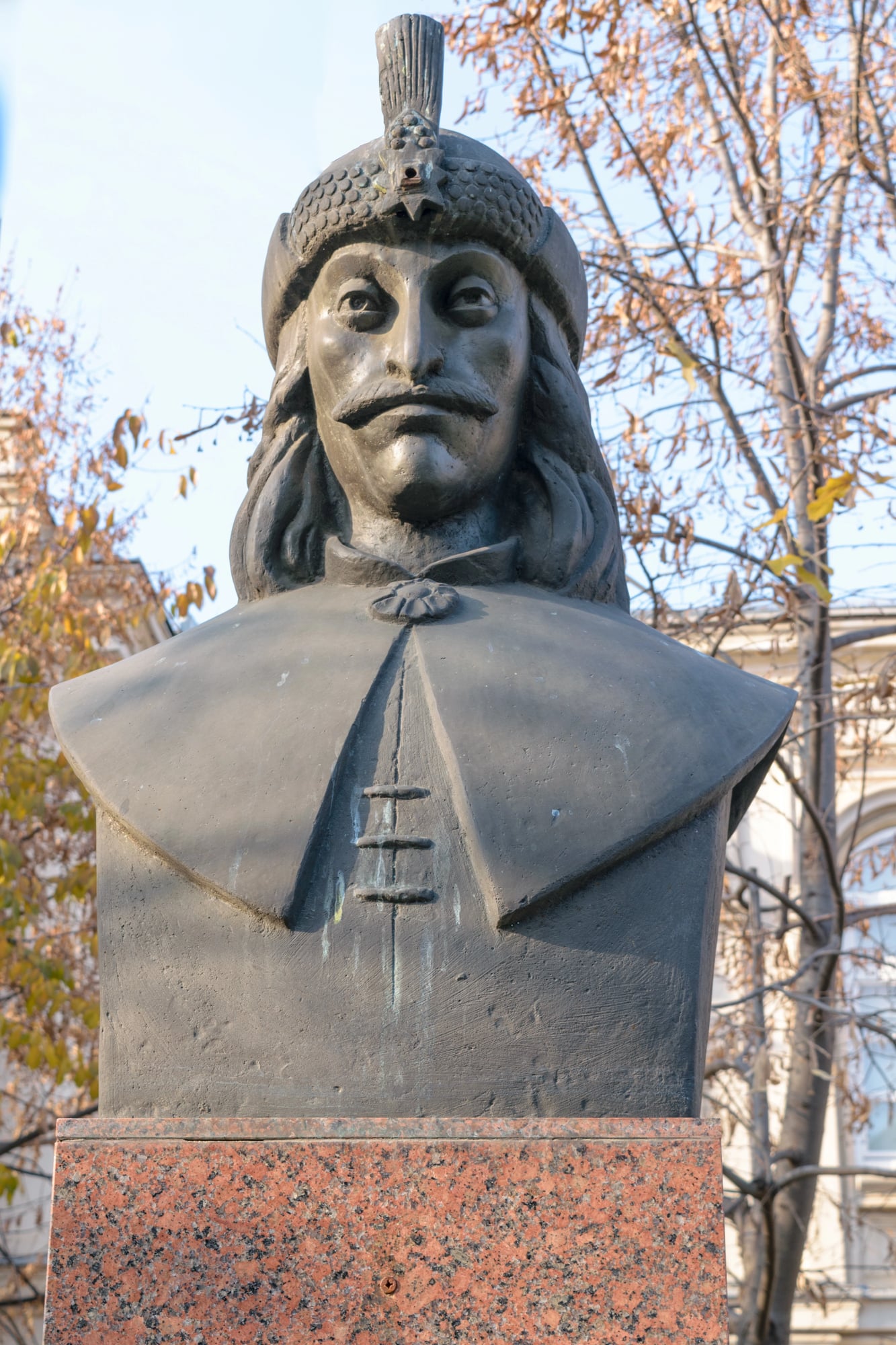
The inspiration for Dracula had numerous brutal practices, but he also had an odd fascination with Ottoman headwear. According to historical accounts, Vlad demanded that Turkish ambassadors remove their turbans in his presence.
When they refused, citing religious custom, he supposedly had the turbans nailed to their heads. Vlad kept a collection of turbans taken from defeated enemies as trophies.
His cruelty became legendary, but these small details about his fixations show how personal his brutality could be. The human cost of unchecked power.
The human cost of unchecked power
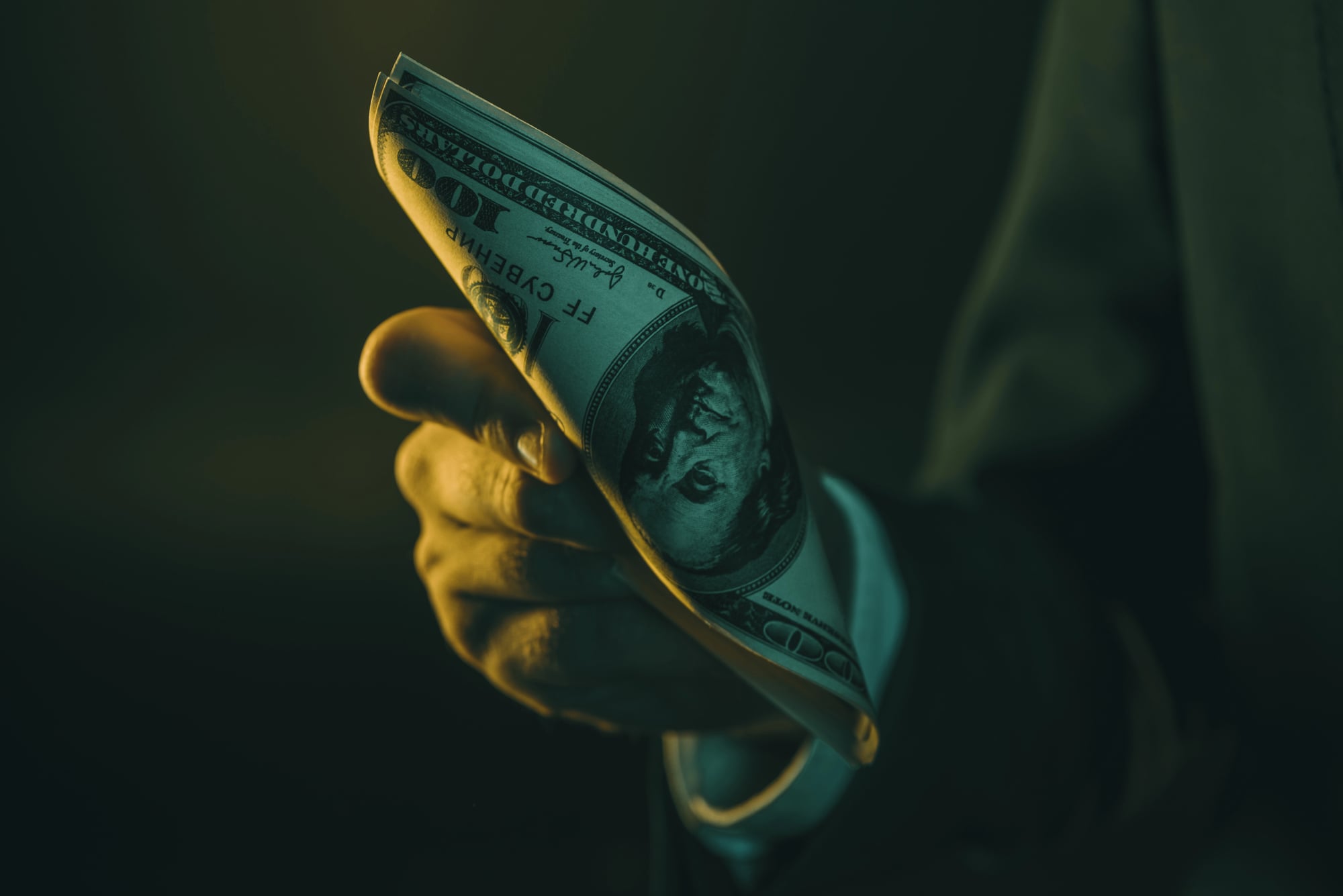
These strange hobbies and talents might seem amusing or absurd at first glance. But they reveal something darker about absolute power and how it warps human behavior.
When nobody can tell you no, when your every whim becomes reality, reality itself starts to bend in unhealthy ways. The golf scores that never existed, the bunkers that bankrupted a nation, the statues that demanded constant attention remind us why checks on power matter.
These weren’t just odd habits but symptoms of the corruption that comes when one person controls everything and everyone around them.
More from Go2Tutors!

- The Romanov Crown Jewels and Their Tragic Fate
- 13 Historical Mysteries That Science Still Can’t Solve
- Famous Hoaxes That Fooled the World for Years
- 15 Child Stars with Tragic Adult Lives
- 16 Famous Jewelry Pieces in History
Like Go2Tutors’s content? Follow us on MSN.