17 Weekend Rituals That Defined Past Decades
Weekends used to mean something different. Back then, how people spent those two precious days off work said everything about who they were and what mattered to their generation. Every decade had its thing – specific activities that became as much a part of the era as the music or clothes.
These weren’t random pastimes either. They created bonds between neighbors, gave families something to look forward to, and marked the end of another long week. From car-based movie watching to wandering through climate-controlled shopping centers, these traditions built the social fabric of their times. Here is a list of 17 weekend rituals that captured what made each decade tick.
Drive-In Movie Theaters
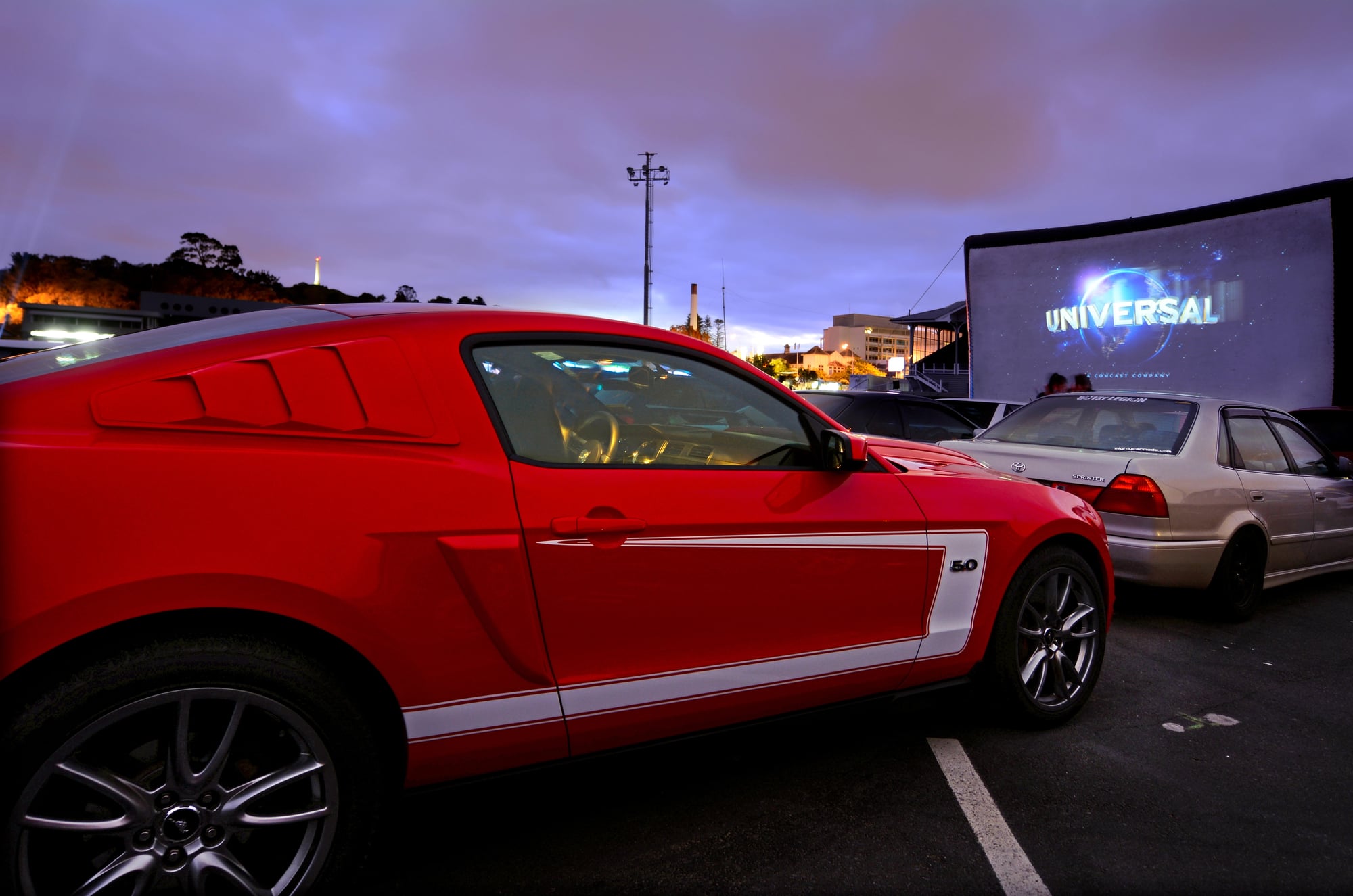
The 1950s made car-based cinema an American institution. Parents loaded up the family sedan with quilts and popcorn while teenagers saw their chance for unsupervised romance under the stars.
By the late fifties, over 4,000 drive-ins dotted the landscape, turning vacant lots into temporary neighborhoods where everyone came to watch Hollywood’s latest offerings without leaving their cars.
Roller Skating Rinks

Disco lights shining over wooden floors — that’s what weekend fun looked like for kids in the seventies and early eighties. Local skating rinks pumped out music while hosting themed nights and group games that made Friday and Saturday feel like parties.
The whole experience meant strapping on those telltale orange rental skates, figuring out how to skate backwards, then praying your crush would grab your hand during the slow couples’ songs.
Mall Walking and Window Shopping

Shopping centers became weekend destinations during the Reagan years. Entire families would show up when the doors opened, then spend the day drifting from store to store like they were strolling down Main Street.
These enclosed spaces offered climate control and guaranteed social interaction — you couldn’t avoid running into people you knew while browsing the latest fashions or grabbing a bite at the food court.
Sunday Afternoon TV Movies
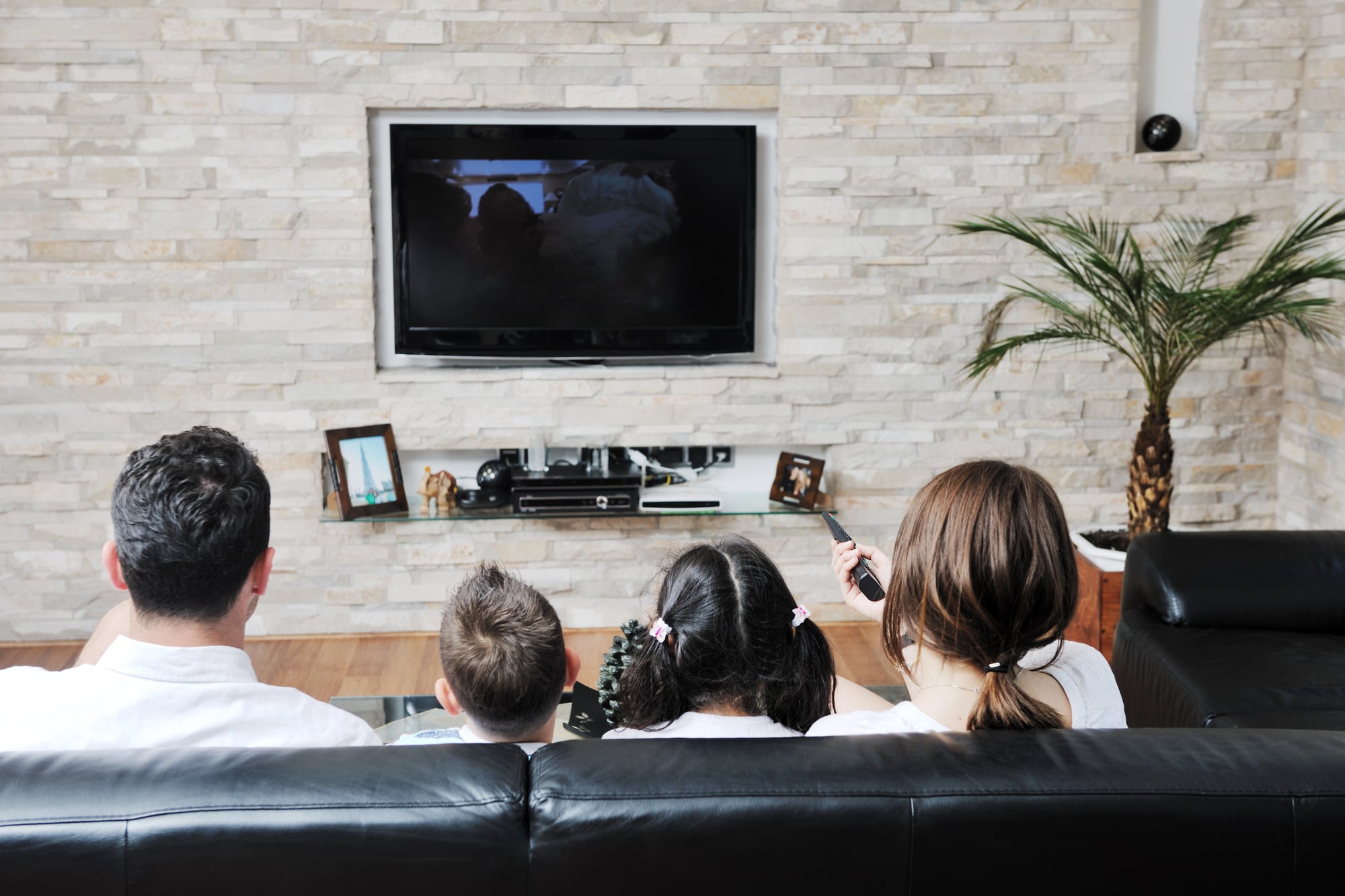
Long before Netflix existed, Sunday afternoons belonged to whatever movie the networks decided to broadcast. Families would gather in living rooms after lunch, maybe folding laundry or paying bills during commercial breaks.
Nobody had to choose what to watch or worry about finding something everyone could enjoy — the programming decisions were made for them.
Blockbuster Video Store Visits
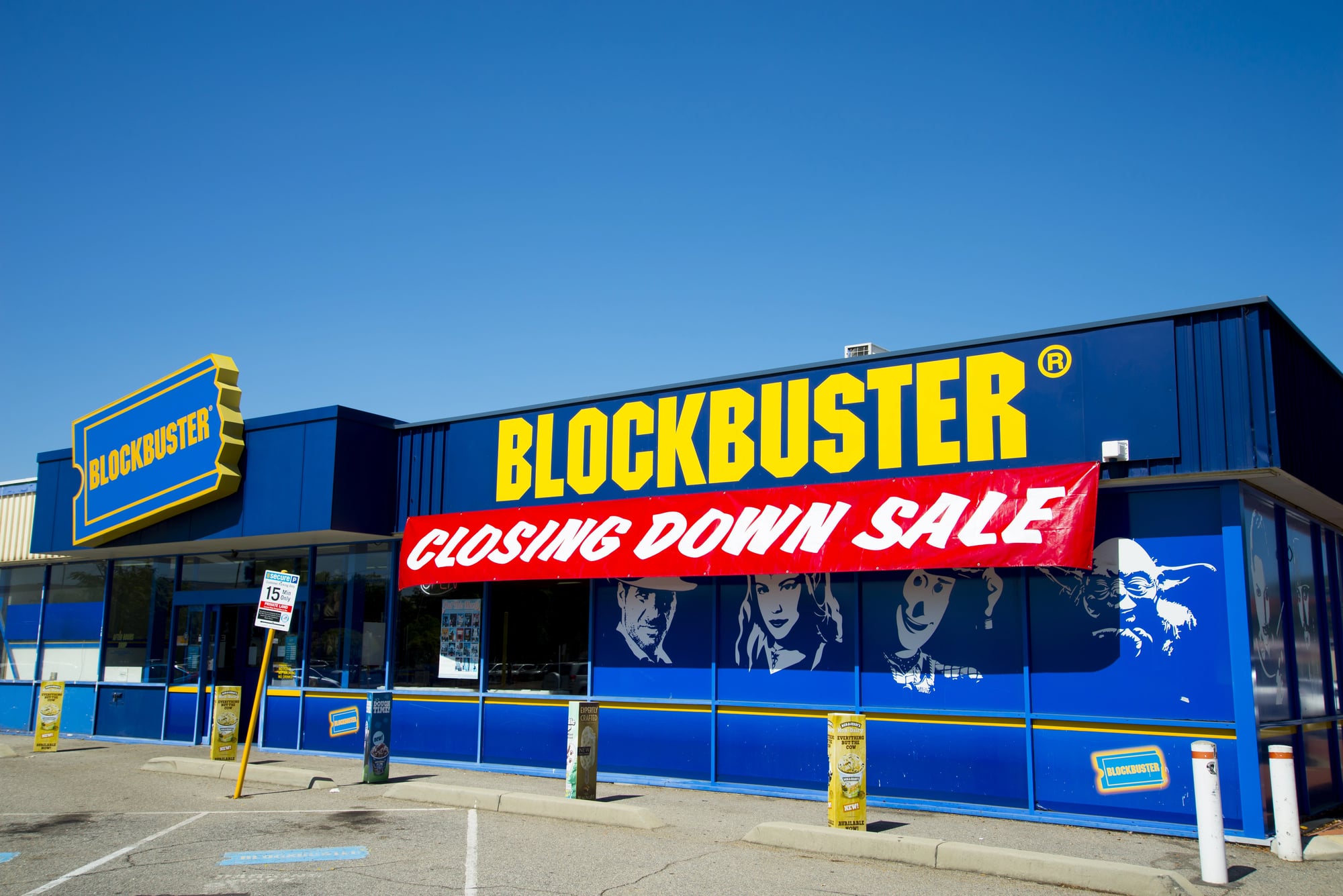
Friday meant one thing in the nineties: driving to the video store. Parents and kids would wander the aisles arguing about what to rent, hoping their first choice hadn’t already been snatched up by another family.
Children learned to negotiate as everyone tried finding a movie that wouldn’t bore the adults or traumatize the younger siblings. That smell of plastic cases and industrial carpet still triggers nostalgia for millions of Americans.
Record Store Browsing

Music lovers treated record shops like libraries crossed with social clubs. Saturday afternoons meant flipping through vinyl, examining album artwork, and debating the merits of different bands with fellow customers and store employees.
People would spend hours hunting for rare pressings or discovering new artists through recommendations from other browsers. The ritual included reading every word on the liner notes before deciding whether to spend hard-earned money on an unknown album.
Sunday Night Family Dinners

Extended families actually gathered weekly during the middle of the last century. These weren’t casual meals either — they required hours of preparation and brought together grandparents, cousins, aunts, and uncles around the same table every week.
Sunday dinner created a reliable rhythm when families often lived within walking distance of each other and shared meals were the primary form of entertainment.
Arcade Gaming Sessions

Video games meant leaving the house in the late seventies and eighties. Kids would bike to the local arcade with pockets full of quarters, then spend entire afternoons mastering Pac-Man or Street Fighter while crowds formed to watch the best players compete.
These spaces developed their own social hierarchies based on high scores and gaming skills rather than traditional popularity markers from school.
Saturday Morning Cartoon Marathons
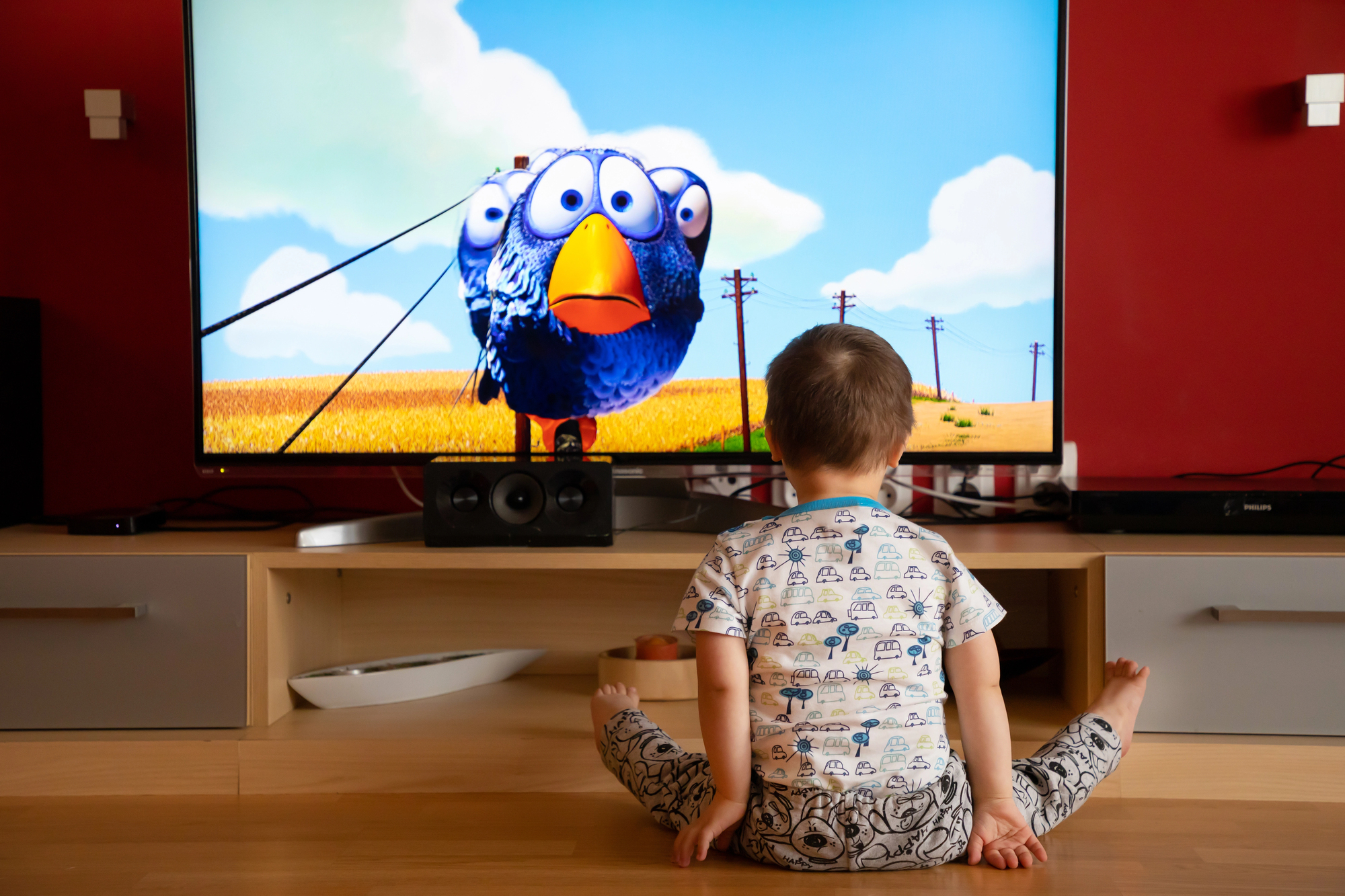
Children built their entire weekend schedule around animated programming that started early and ran until noon. Kids would wake up before their parents, fix themselves bowls of sugary cereal, then camp out in front of the television for hours of content designed specifically for their age group.
This created shared cultural references across entire generations who grew up watching identical characters and storylines.
Sunday Drives Through the Countryside
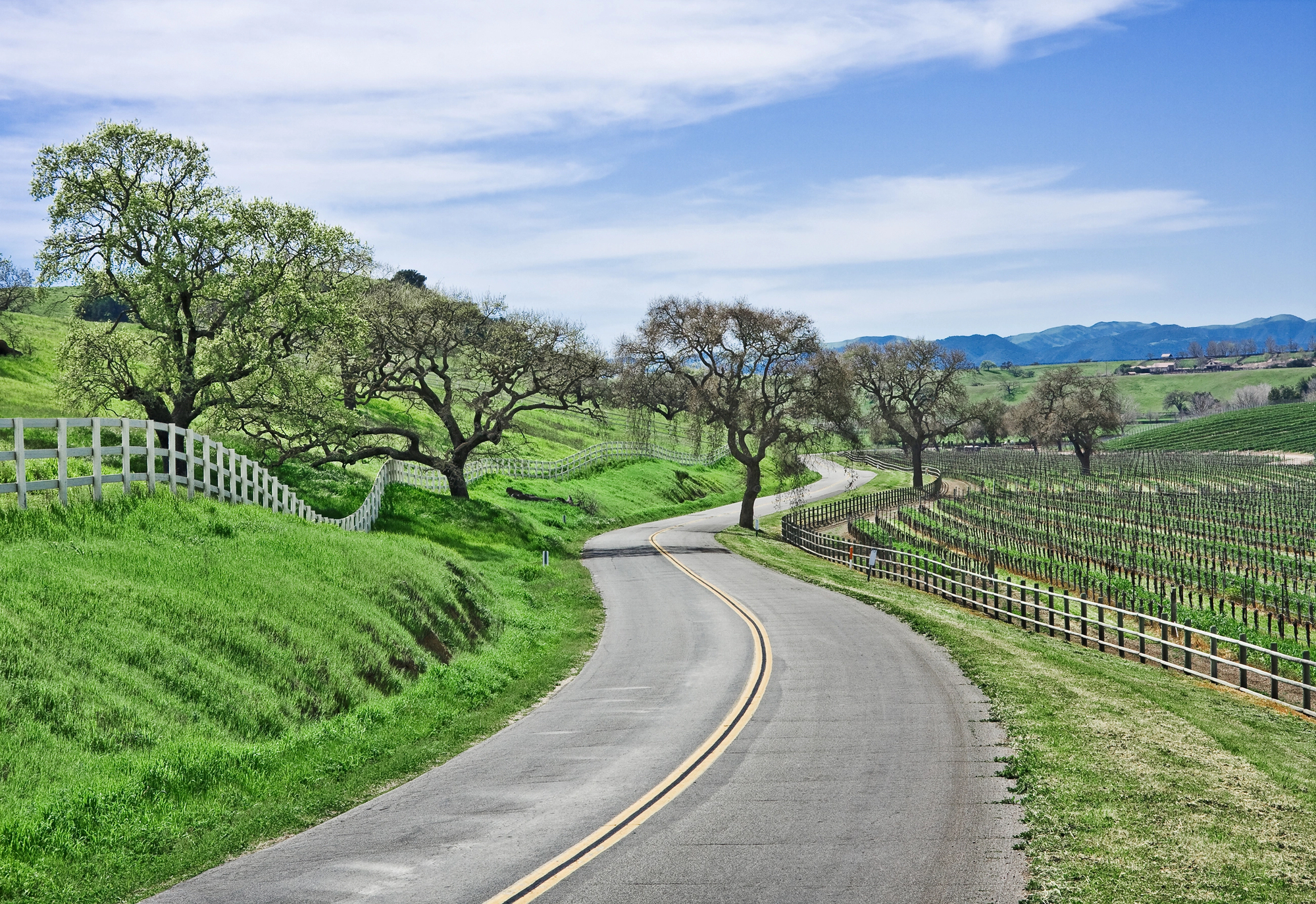
Before highways carved up rural America, families would pile into cars for leisurely tours of the surrounding countryside. These weren’t trips to specific destinations — they were about seeing how the landscape was changing, stopping at farm stands for fresh produce, or finding scenic spots for photographs.
The journey itself was entertainment during an era when car ownership still felt like freedom rather than necessity.
Bowling League Nights

Working-class communities built social networks around weekend bowling leagues. Teams would show up in matching shirts for competitions that mixed athletic skill with socializing and friendly rivalry.
Local bowling alleys became neighborhood institutions where families could afford regular entertainment while developing friendships that lasted for decades. The sport provided structure for social interaction in communities where people worked similar jobs and shared similar concerns.
Dance Hall Weekend Nights
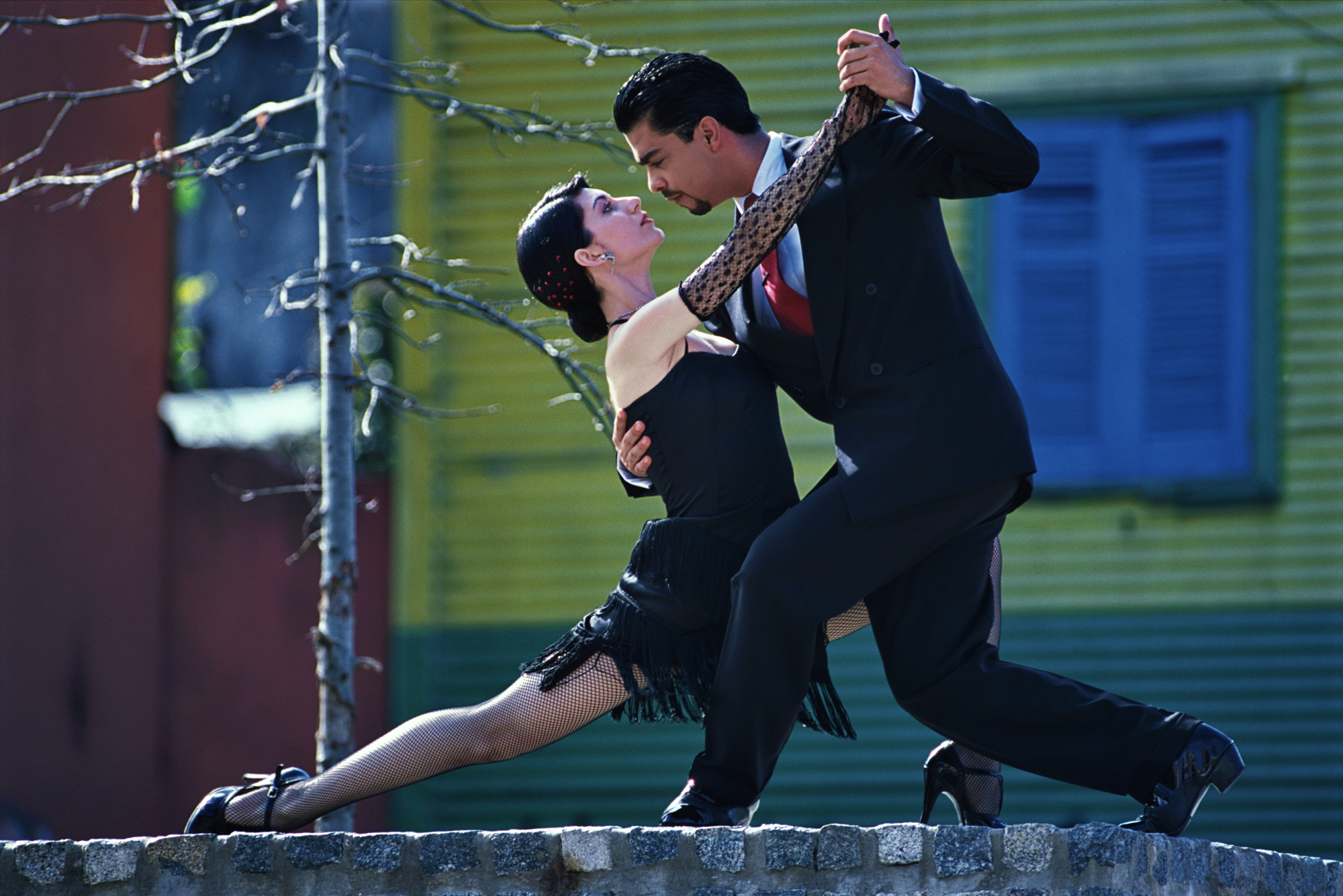
Young adults courted each other on dance floors before nightclubs existed. Live bands would play swing music, big band numbers, and early rock while couples showed off moves they’d been practicing all week.
Getting dressed up for the dance hall was part of the ritual, along with learning the latest steps and participating in a dating culture that revolved around music and physical grace rather than conversation.
Saturday Matinee Movies
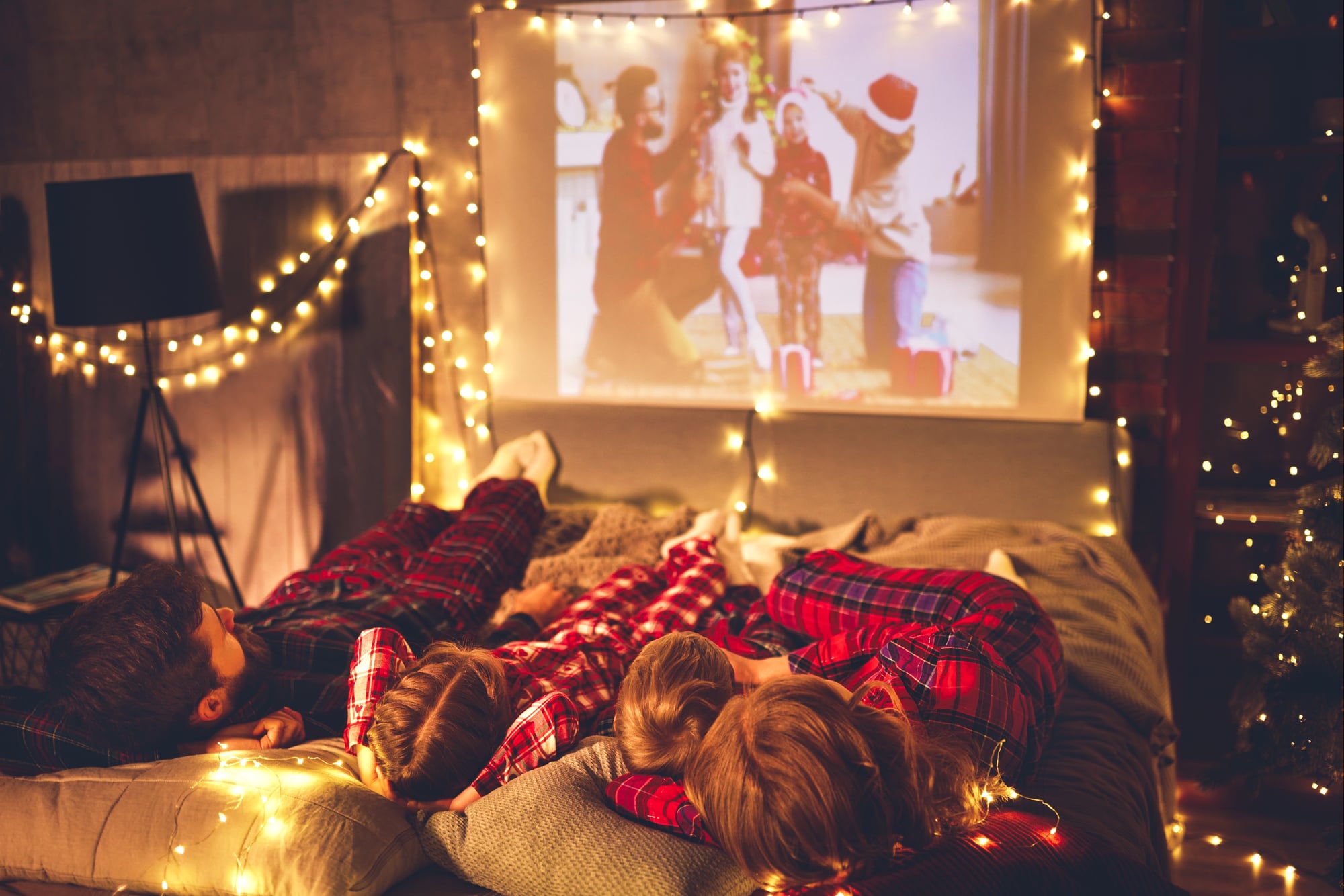
Children attended movies without parental supervision during the forties and fifties. Theaters would program serials, cartoons, and low-budget features specifically for young audiences who would cheer and boo with abandon.
Kids would save their allowance money for candy and settle in for several hours of entertainment that cost less than lunch. The experience taught independence while providing shared adventure stories that bonded entire neighborhoods of children.
Weekend Garage Sales and Flea Markets
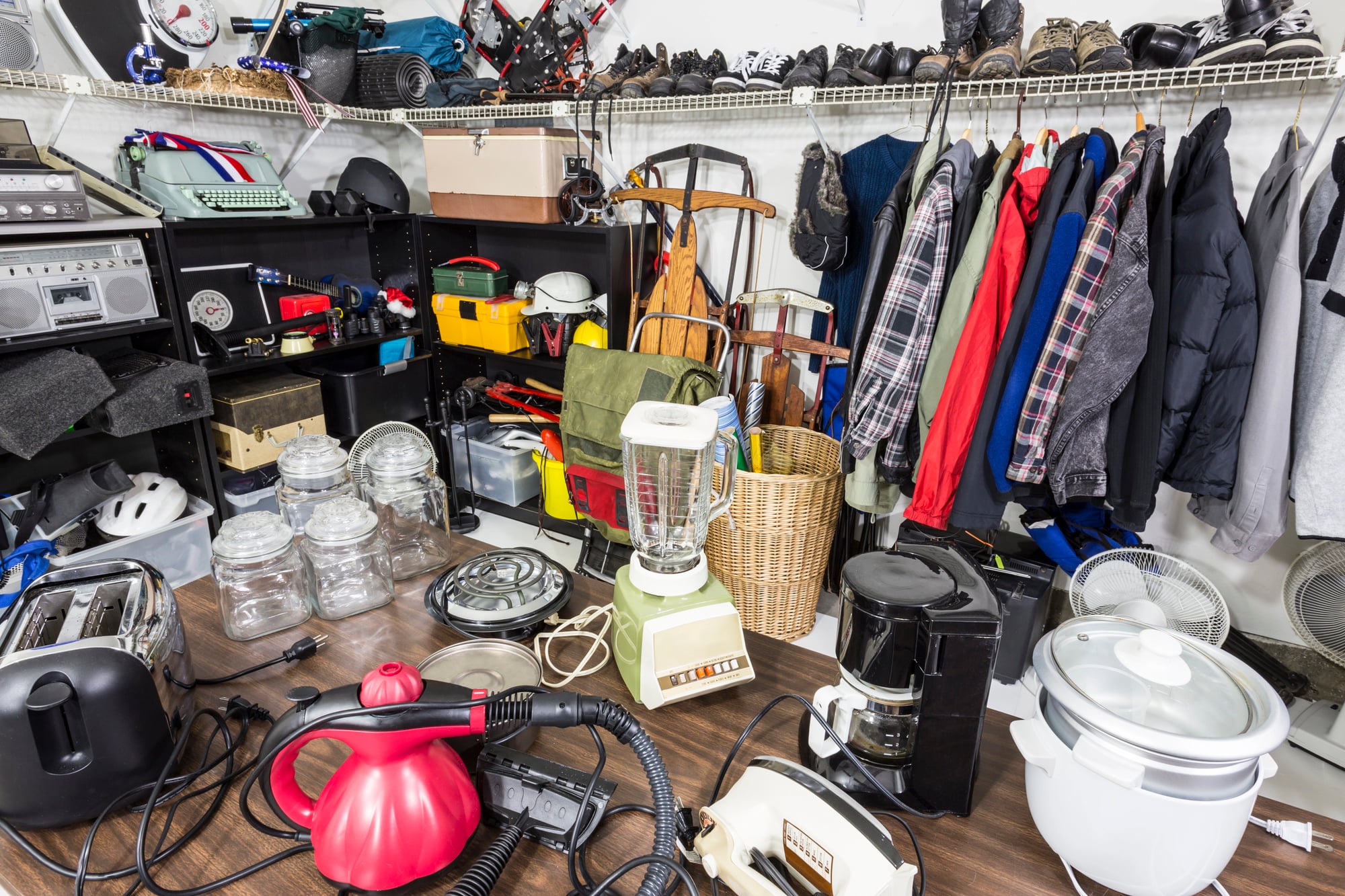
Bargain hunting became a legitimate weekend activity during the seventies and eighties. Families would start early Saturday morning with newspaper classifieds and small bills, mapping out routes through neighborhoods in search of useful items and unexpected treasures.
This combined practical shopping with the excitement of discovery — you never knew what you might find in someone else’s castoffs.
Sunday Evening Variety Shows

Television variety programming marked the end of weekends from the fifties through seventies. Shows like Ed Sullivan and Carol Burnett brought together comedy sketches, musical performances, and celebrity appearances that appealed to multiple generations watching together.
These programs served as a bridge between weekend relaxation and the approaching work week while creating shared cultural moments for families gathered around single television sets.
Ice Cream Social Gatherings
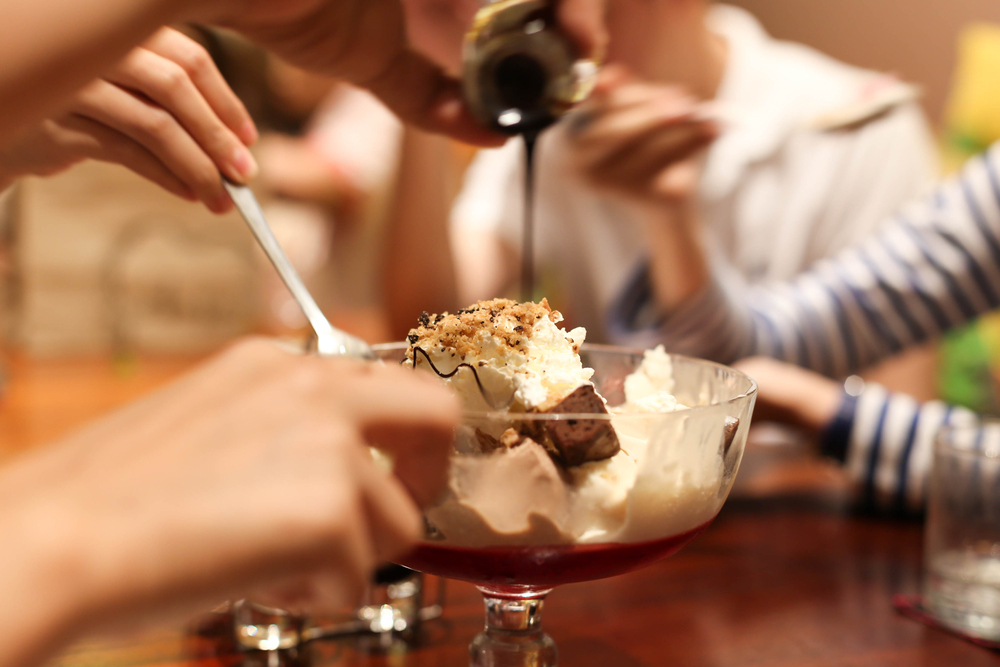
Churches and community organizations hosted ice cream socials throughout small-town America for decades. These events combined homemade frozen treats with live music and neighborhood fellowship in settings that brought together people of all ages.
Hand-cranking ice cream makers was part of the fun, along with sharing family recipes and enjoying simple pleasures that strengthened community bonds before air conditioning and television kept people indoors.
Saturday Night House Parties

Adults created their own entertainment in living rooms and basements throughout the early and mid-twentieth century. Neighbors would gather for card games, dancing, and conversation that stretched late into the night.
These parties required minimal expense or planning while providing regular opportunities for community building and adult socializing that helped maintain neighborhood relationships in an era when people knew their neighbors by name.
Simple Rituals, Lasting Impact

Looking back at these weekend traditions reveals something important about human nature. The most meaningful leisure activities often required the least technology or expense — they just brought people together regularly around shared experiences.
Each generation found its own way to mark the end of the work week and strengthen community bonds, whether that meant gathering around television sets, wandering through shopping centers, or sharing homemade ice cream at church socials. Weekend rituals may evolve with technology and social change, but the basic human need for regular breaks from routine and opportunities to connect with others never goes away.
Today’s weekend habits will probably seem just as quaint to future generations as these glimpses into America’s leisure past seem to us now.
More from Go2Tutors!

- The Romanov Crown Jewels and Their Tragic Fate
- 13 Historical Mysteries That Science Still Can’t Solve
- Famous Hoaxes That Fooled the World for Years
- 15 Child Stars with Tragic Adult Lives
- 16 Famous Jewelry Pieces in History
Like Go2Tutors’s content? Follow us on MSN.