17 Weird Things Humans Have Launched Into Space
When space agencies plan missions, they obsess over every detail—fuel efficiency, payload limits, scientific value. Then people come along with strange ideas, sentimental tokens, or over-the-top marketing stunts. Somehow, against all odds, these oddities find their way aboard rockets headed for orbit.
The results? A space-bound list of 17 items that ranges from the quirky to the downright bizarre.
Pizza Hut’s Orbital Advertisement

In 2001, Pizza Hut paid Russia’s space agency $1 million to place its logo on a Proton rocket—a 30-foot flying billboard sent on an ISS resupply mission. It didn’t stop there. Russian cosmonauts also filmed a zero-gravity commercial featuring Pizza Hut slices, circling Earth at over 17,000 mph.
Luke Skywalker’s Lightsaber
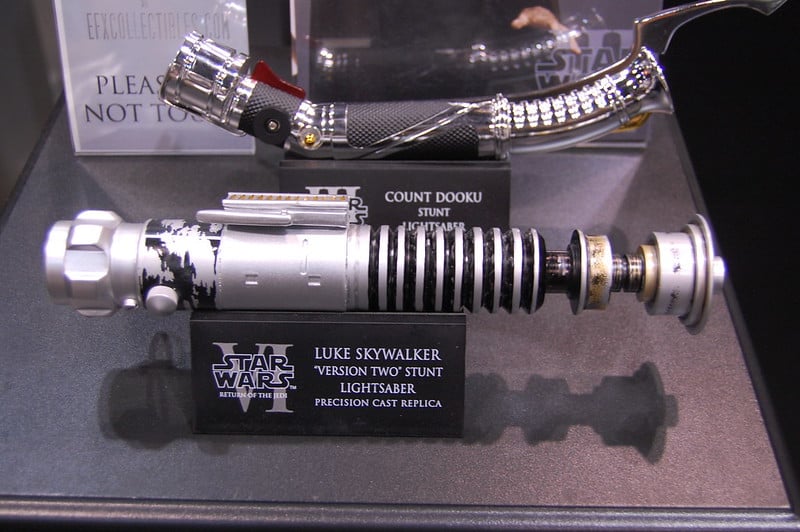
For a Star Wars promotion in 2007, NASA agreed to fly Luke Skywalker’s original lightsaber prop aboard a space shuttle. It spent two weeks orbiting Earth on the ISS, making it the only lightsaber to have officially reached space. Astronauts took promo photos in full gear—sci-fi meeting reality.
Smuggled Corned Beef Sandwich
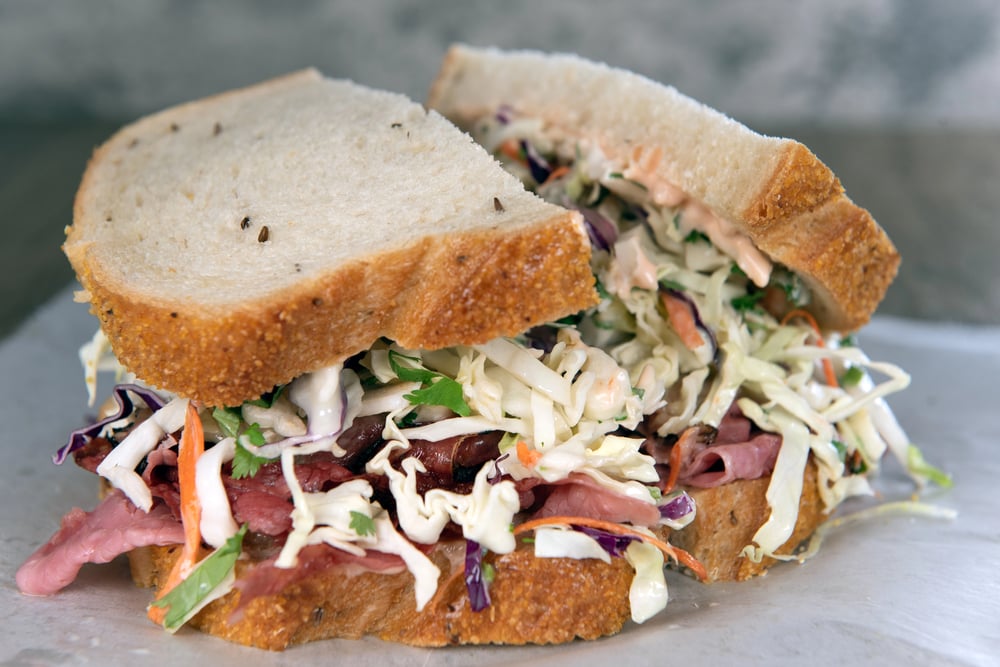
During the Gemini 3 mission in 1965, astronaut John Young brought a corned beef sandwich aboard in his suit pocket. He handed it to Gus Grissom mid-flight—much to NASA’s horror. Loose crumbs floated around the cabin, posing a risk to electronics. The stunt sparked an actual congressional hearing.
Buzz Lightyear’s Space Tour

A Buzz Lightyear action figure spent over a year on the ISS as part of a Disney-NASA educational campaign. He traveled more than 200 million miles, starring in videos that explained physics to kids back on Earth. Not bad for a toy designed to say, “To infinity and beyond!”
Human Ashes in Orbit

Cremated remains have made their way into space aboard numerous private and commercial launches. Star Trek creator Gene Roddenberry’s ashes, for example, were sent into orbit. Some burn up upon reentry—others travel farther, into deep space. Premium services can cost over $12,000 per gram, depending on the trajectory.
Orb-Weaving Spiders

Golden orb spiders were transported to the ISS to study web construction in microgravity. Initially disoriented, they eventually adapted—spinning nearly symmetrical webs using new techniques. Their silk, formed in space, showed subtle differences in structure and strength, offering insight for materials scientists back on Earth.
10.5 Million Tardigrades

The European Space Agency launched over 10 million tardigrade spores in 2007 to test life’s limits. These “water bears” endured cosmic radiation, vacuum exposure, and extreme temperature swings. Many survived intact, reinforcing the theory that some lifeforms could potentially travel between planets.
A McDonald’s Big Mac

Unofficially, a Big Mac once made it into space—smuggled aboard the Mir space station by Russian cosmonauts. Surprisingly, the burger held its shape in zero gravity. Eating it without scattering sesame seeds took skill, but it happened. McDonald’s never approved the stunt, yet it became a fast food legend.
Lego Minifigures to Jupiter

In 2011, NASA partnered with Lego to include three custom minifigures aboard the Juno spacecraft. Representing Jupiter, Juno, and Galileo, the tiny travelers were made from space-grade aluminum. They now orbit Jupiter permanently, as part of an outreach effort to engage children in astronomy.
Golf Clubs on the Moon
— Photo by EWYMedia
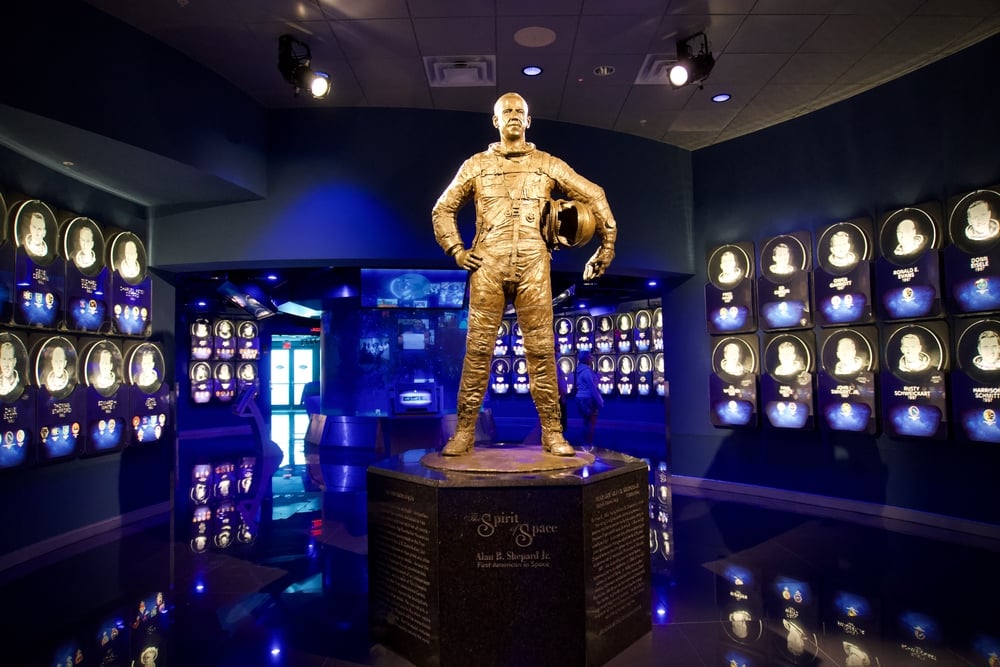
Alan Shepard famously brought a golf club on Apollo 14 in 1971. During a moonwalk, he hit two —one reportedly sailing hundreds of yards in the Moon’s low gravity. Later astronauts continued the tradition with specially adapted equipment, blending recreation with historical spectacle.
Mutated Salmonella

NASA scientists launched Salmonella bacteria into space to study its behavior in zero gravity. The results were unsettling. In orbit, the bacteria became more toxic and resistant to antibiotics. These experiments have helped researchers understand potential health risks during long-duration missions.
Cola Wars in Orbit
— Photo by monticello
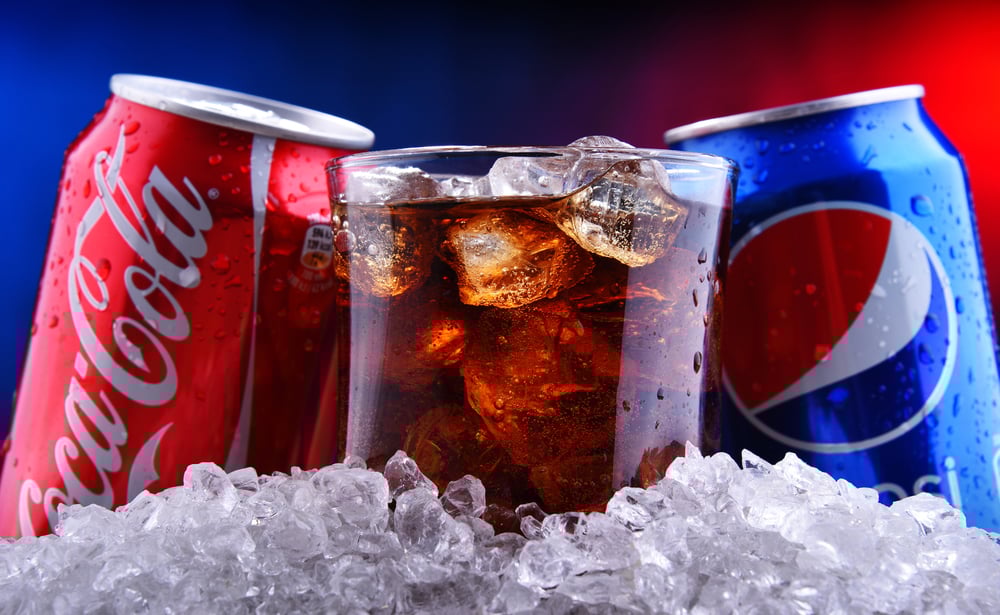
Both Coca-Cola and Pepsi entered space in the 1980s, each creating specialized dispensers for microgravity use. While carbonation behaves unpredictably in zero-G—leading to excess foam and altered taste—both drinks made it onto shuttle missions. The verdict? Neither tasted quite right beyond Earth.
Toy Cars in Microgravity

Miniature cars like Hot Wheels have hitched rides to orbit for both personal and educational purposes. Astronauts used them to demonstrate momentum and impact physics without gravity. For others, these toys served as reminders of home or tributes to childhood curiosity.
Space-Ready Musical Instruments

From harmonicas to full guitars, astronauts have brought instruments into space. In the silence of orbit, these instruments offered emotional relief and unexpected acoustic surprises. Sound behaves differently in pressurized environments—some notes resonate more, others fade quickly, creating an alien musical experience.
Wedding Rings in Orbit

Many astronauts bring wedding bands as symbolic tokens. In some cases, couples have held virtual ceremonies with one partner on Earth and the other orbiting above. The gesture—equal parts romantic and surreal—underscores the sacrifices made in pursuit of exploration.
Freeze-Dried Ice Cream

Often touted as “astronaut ice cream,” freeze-dried versions have made the journey to space, though they’re rarely eaten on missions. The dry texture creates crumbs, which float and pose a hazard. Ironically, regular ice cream (in sealed packaging) would be easier to manage aboard the ISS.
Interstellar Messages
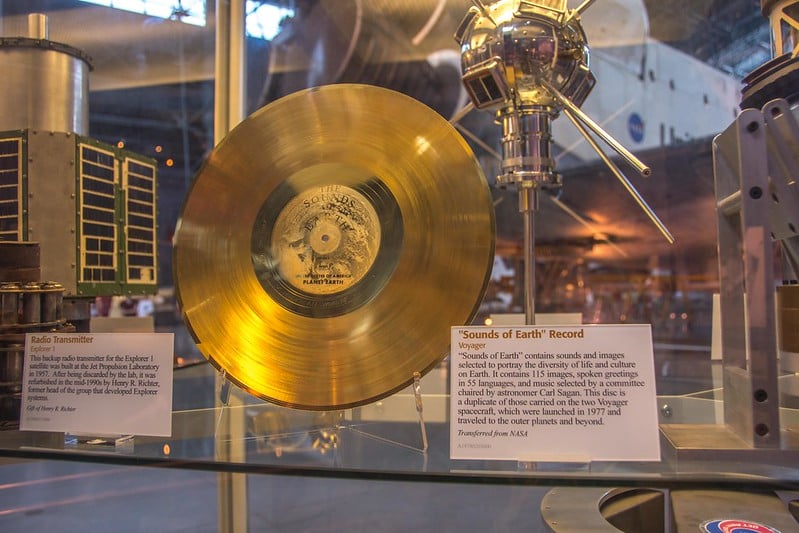
Humanity has sent messages, music, and artwork into space for potential alien contact. The most famous: the Voyager Golden Records, launched in 1977. These discs carry greetings in 55 languages, music from around the world, and photos of life on Earth—serving as time capsules for whoever (or whatever) may find them.
A Touch of the Absurd

For all the precision of aerospace engineering, space exploration still reflects human eccentricity. Whether smuggling sandwiches or launching toy figures toward Jupiter, these strange objects remind us that behind every spacecraft is a species that thrives on meaning, memory, and humor. Even among the stars, there’s always room for a slice of Earth.
More from Go2Tutors!

- 16 Historical Figures Who Were Nothing Like You Think
- 12 Things Sold in the 80s That Are Now Illegal
- 15 VHS Tapes That Could Be Worth Thousands
- 17 Historical “What Ifs” That Would Have Changed Everything
- 18 TV Shows That Vanished Without a Finale
Like Go2Tutors’s content? Follow us on MSN.