The Strongest Earthquakes Ever Recorded
The ground beneath our feet feels solid and stable, but every so often, nature reminds us just how powerful the forces inside our planet really are. Throughout history, massive earthquakes have shaken cities, changed landscapes, and left lasting marks on human memory.
Let’s look at some of the most powerful earthquakes that have ever rattled our world.
Valdivia, Chile, 1960
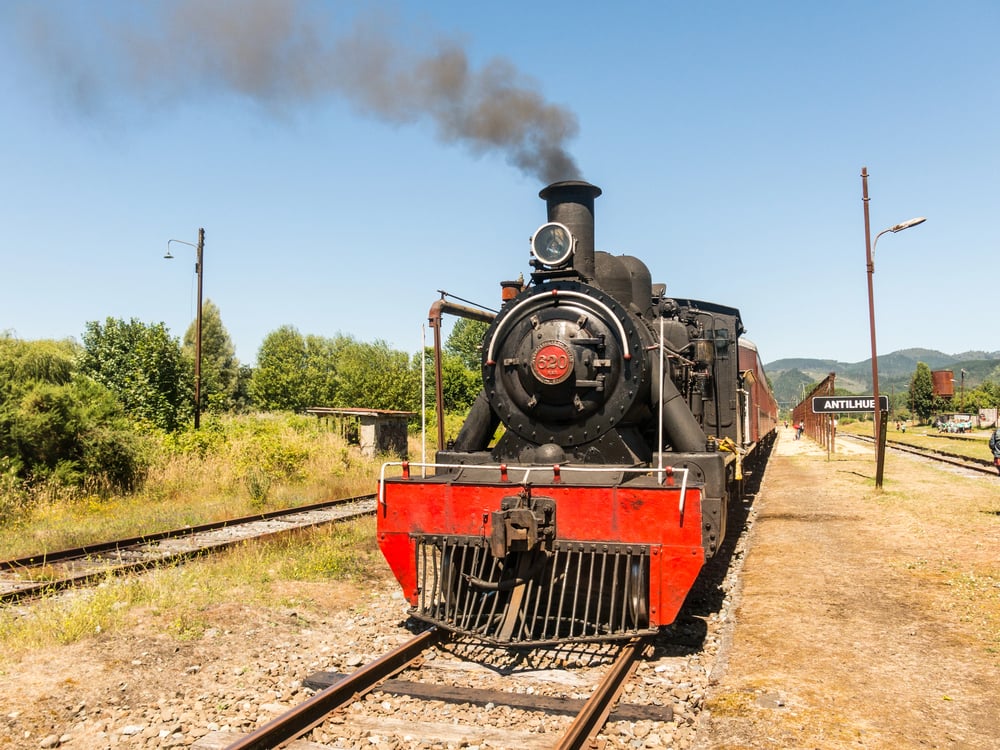
The strongest earthquake ever measured hit southern Chile on May 22, 1960, with a magnitude of 9.5. The shaking lasted nearly 10 minutes, which feels like an eternity when the earth won’t stop moving.
This quake triggered tsunamis that traveled across the Pacific Ocean, reaching Hawaii, Japan, and the Philippines. Entire towns along the Chilean coast were wiped away, and the landscape changed so dramatically that rivers found new paths and lakes appeared where dry land once stood.
Prince William Sound, Alaska, 1964
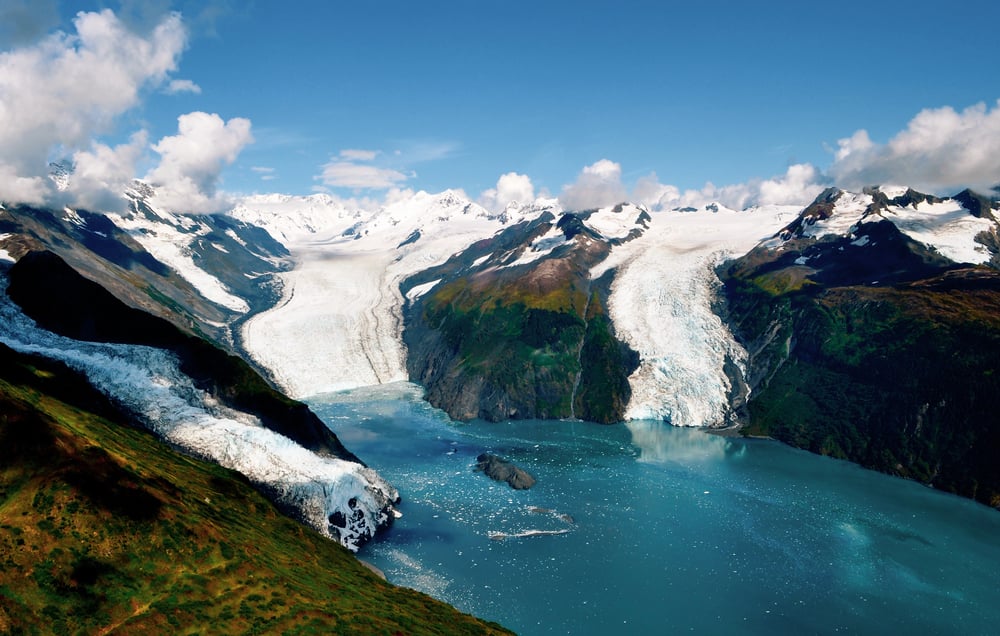
Alaska experienced its most powerful earthquake on Good Friday in 1964, measuring 9.2 on the scale. The shaking went on for more than four minutes, causing the ground to rise and fall like ocean waves.
Coastal communities faced devastating tsunamis, with some waves reaching heights of over 200 feet in certain inlets. The town of Valdez had to be completely relocated because the earthquake destroyed the original location so thoroughly that rebuilding there made no sense.
Sumatra, Indonesia, 2004
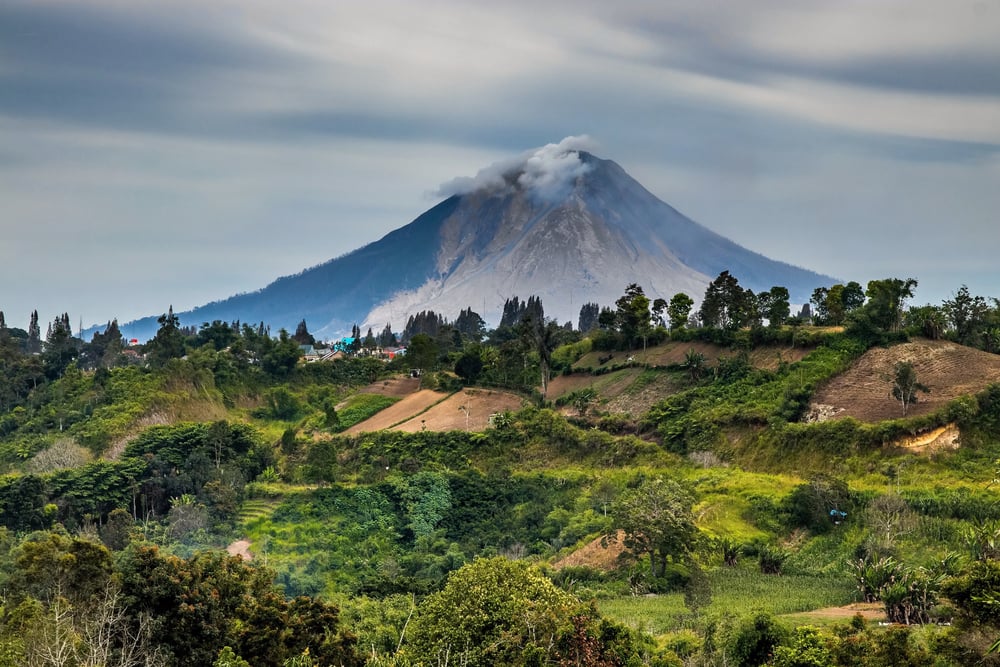
The day after Christmas in 2004 brought a 9.1 magnitude earthquake off the coast of Sumatra that changed countless lives forever. This quake happened underwater, creating tsunamis that killed more than 230,000 people across 14 countries.
The waves traveled thousands of miles, hitting shores as far away as Africa. Scientists later discovered that this earthquake was so strong it actually made the entire planet vibrate and slightly altered Earth’s rotation.
Tōhoku, Japan, 2011
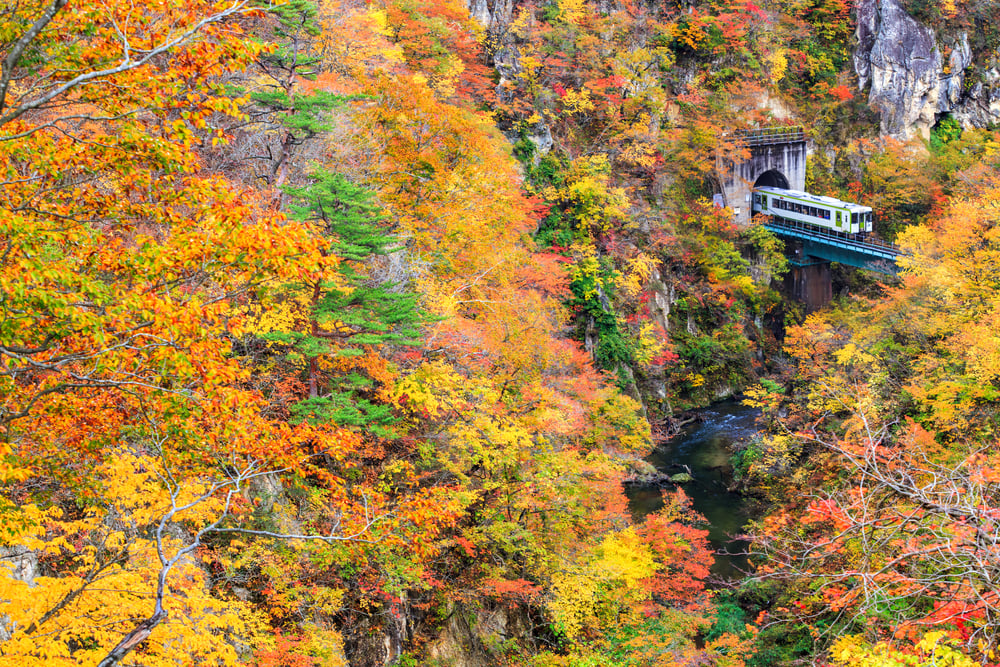
Japan’s most powerful recorded earthquake struck on March 11, 2011, with a magnitude of 9.1. The shaking moved the main island of Japan about eight feet to the east and shifted Earth’s axis by nearly four inches.
Massive tsunamis followed, with waves reaching heights of 130 feet in some areas. The disaster triggered the Fukushima nuclear accident, adding a modern technological crisis to an ancient natural threat.
Kamchatka, Russia, 1952
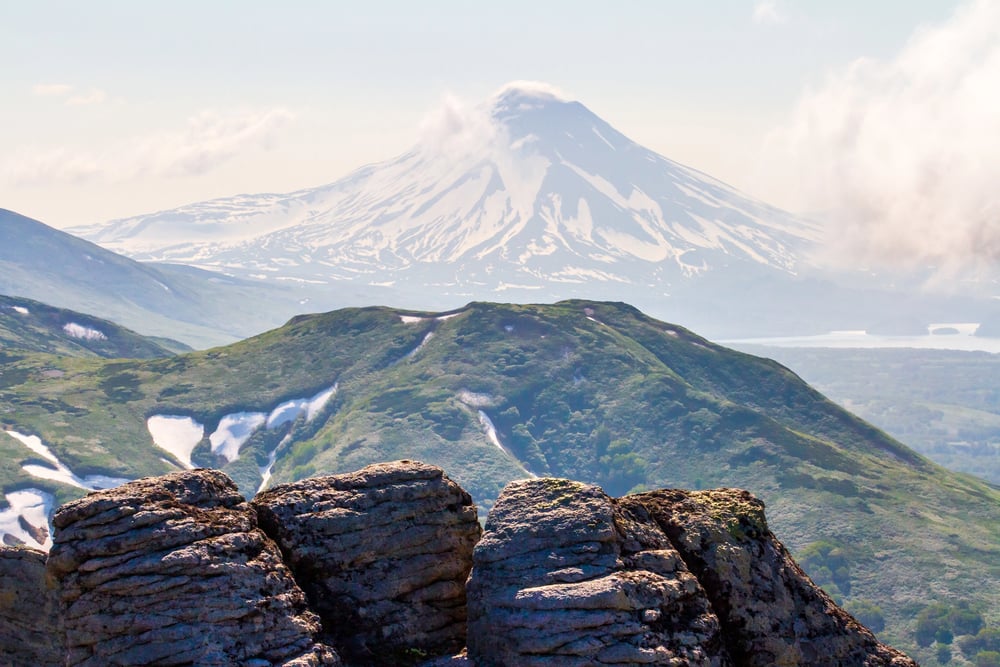
The remote Kamchatka Peninsula experienced a 9.0 magnitude earthquake in November 1952 that few people witnessed directly. This quake generated tsunamis that traveled across the Pacific, causing damage in Hawaii and even reaching South America.
The waves were so powerful they destroyed a lighthouse that stood 50 feet above sea level. Because the region was so sparsely populated, the death toll remained relatively low despite the earthquake’s enormous strength.
Maule, Chile, 2010

Chile got hit again in February 2010 with a 8.8 magnitude earthquake near the Maule region. This quake was so strong it shortened Earth’s day by about 1.26 microseconds through changes in the planet’s rotation.
The shaking lasted about three minutes, and the earthquake released energy equivalent to nearly 100,000 atomic bombs. Modern building codes helped many structures survive, but the disaster still caused billions of dollars in damage.
Ecuador and Colombia, 1906
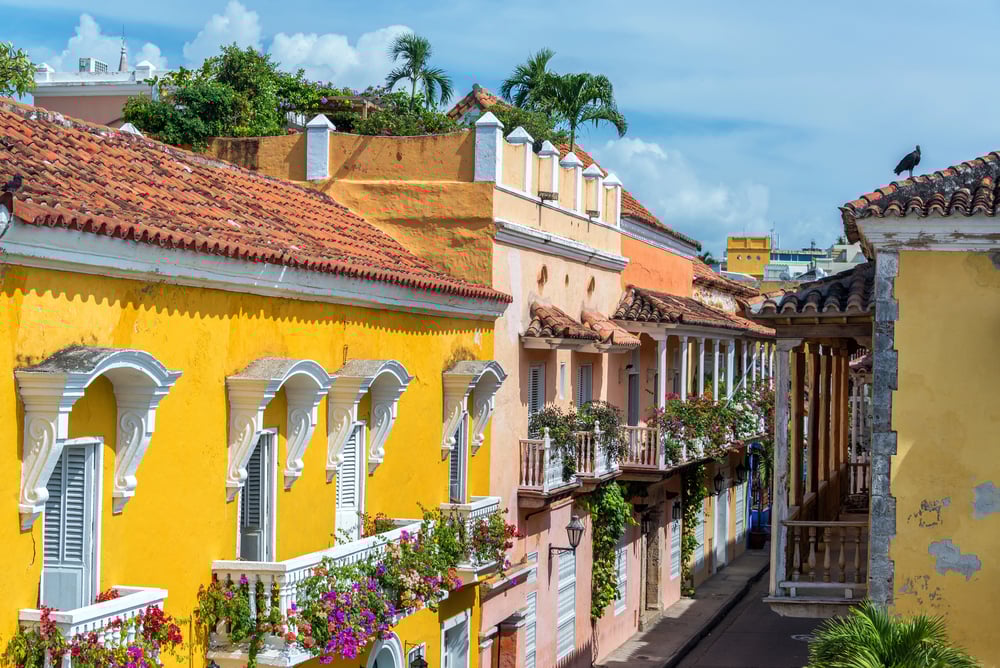
A massive 8.8 magnitude earthquake struck off the coast of Ecuador and Colombia in January 1906, creating a tsunami that traveled all the way to Japan. The waves killed somewhere between 500 and 1,500 people along the South American coast.
Ships at sea reported feeling the shaking, describing it as though they had run aground on rocks. This earthquake ruptured a fault line that stretched for roughly 300 miles along the ocean floor.
Rat Islands, Alaska, 1965
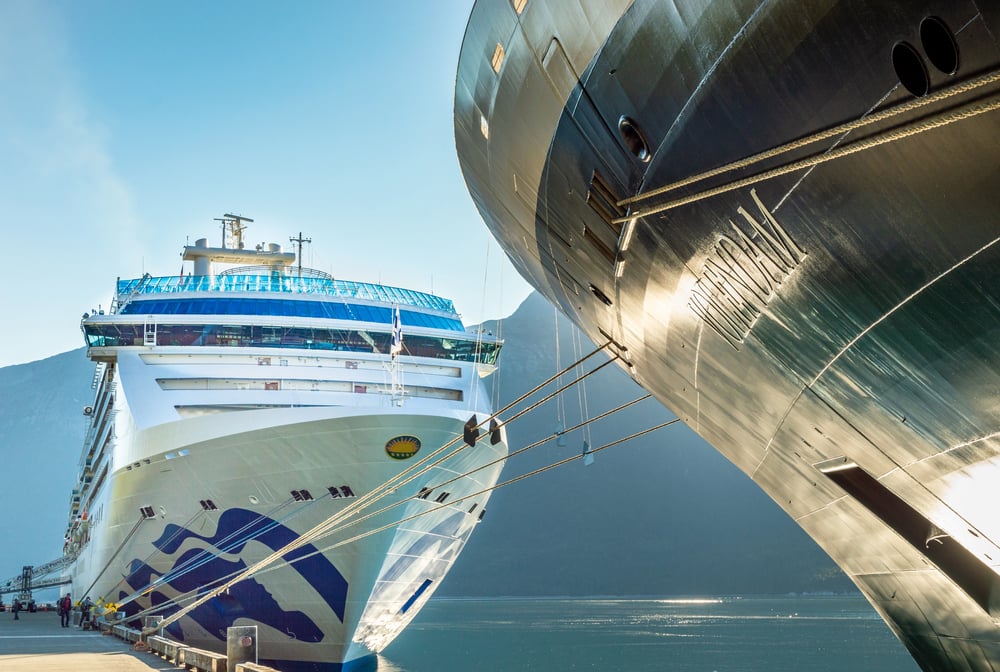
The Aleutian Islands experienced a 8.7 magnitude earthquake in February 1965 that produced a tsunami affecting the entire Pacific basin. Waves from this quake reached heights of 35 feet on nearby islands, though the remote location meant few people were in harm’s way.
The earthquake caused the seafloor to rise by as much as 30 feet in some places. This event showed scientists that the Aleutian trench could produce earthquakes just as powerful as those in more famous earthquake zones.
Assam, India and Tibet, 1950
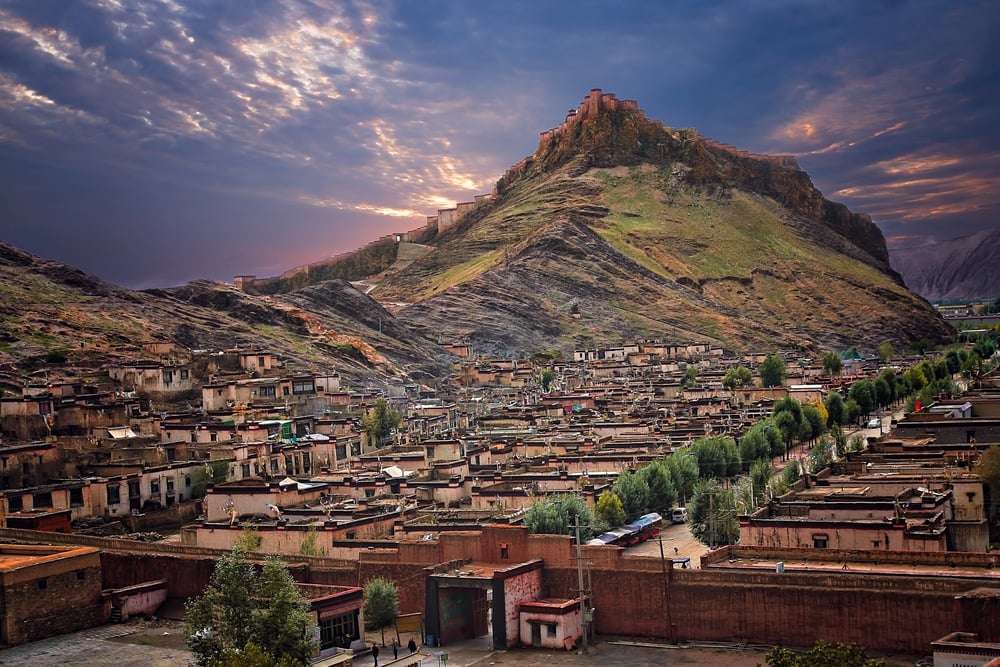
A remote region where India meets Tibet shook with an 8.6 magnitude earthquake in August 1950 that changed the course of rivers and created new lakes. Landslides buried entire villages, and the shaking could be felt over an area of 1.5 million square miles.
The earthquake caused the Brahmaputra River to completely change its appearance, with massive waves rushing upstream. Thousands died, though the exact number remains unknown because the area was so isolated and communication was limited.
Northern Sumatra, 2005
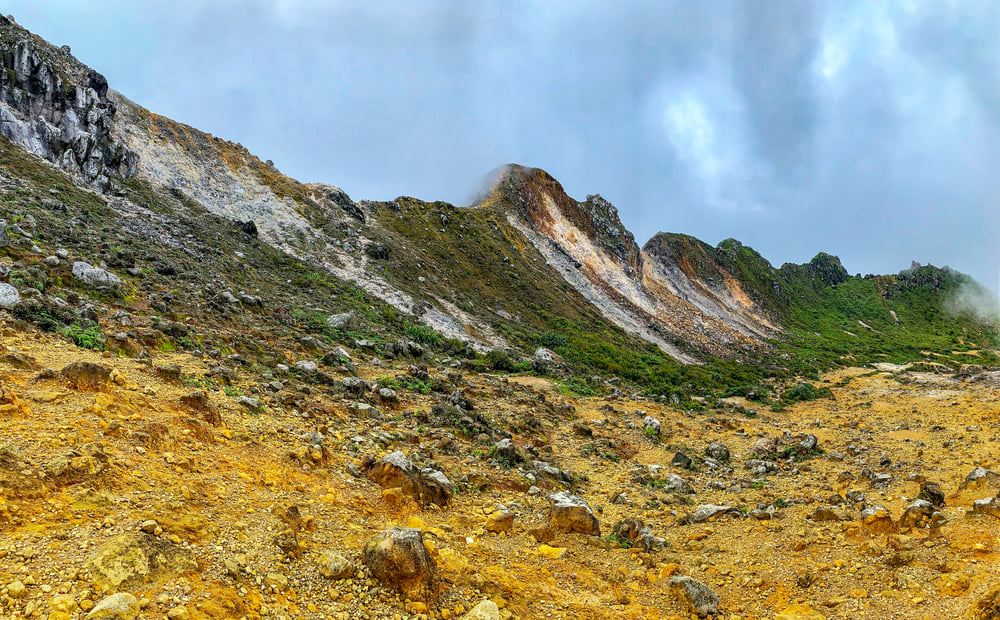
Just three months after the devastating 2004 earthquake, the same region got hit again with an 8.6 magnitude quake in March 2005. This earthquake happened on a different part of the same fault system that had caused so much destruction before.
Hundreds of people died, mostly on the island of Nias, where nearly every building in some towns collapsed. The timing created additional trauma for survivors who were still recovering from the earlier disaster.
San Francisco, California, 1906

The famous San Francisco earthquake measured around 7.9 magnitude and destroyed much of the city in April 1906. While not as powerful as some others on this list, the combination of shaking and subsequent fires killed over 3,000 people and left half the city’s population homeless.
The earthquake ruptured the San Andreas Fault for nearly 300 miles, with some areas shifting by as much as 20 feet. This disaster fundamentally changed how Americans thought about earthquake risk and building safety.
Lisbon, Portugal, 1755
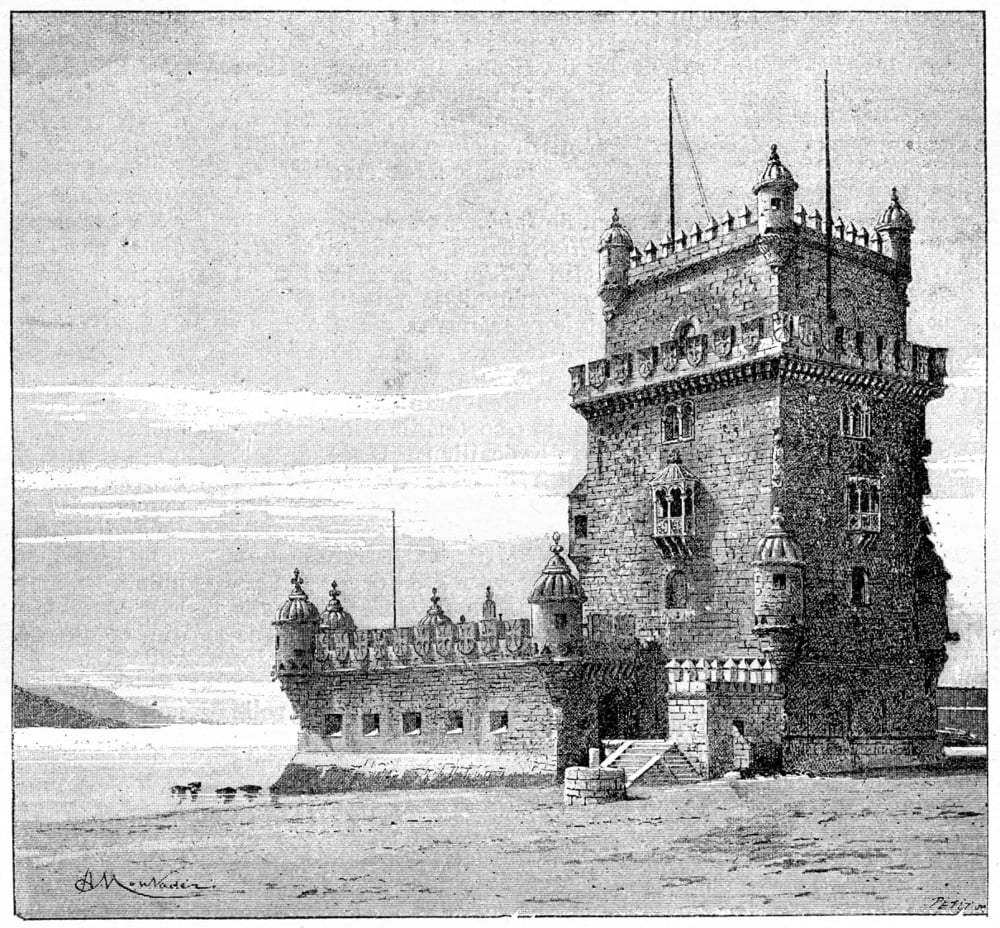
Portugal’s capital experienced a devastating earthquake estimated at 8.5 to 9.0 magnitude on All Saints’ Day in 1755. The quake struck during a major religious holiday when churches were packed with worshippers, increasing the death toll dramatically.
Tsunamis followed within minutes, with waves reaching 30 feet high in some areas. This earthquake affected European philosophy and religion because people struggled to understand why such destruction would happen on a holy day.
Anchorage, Alaska, 1964
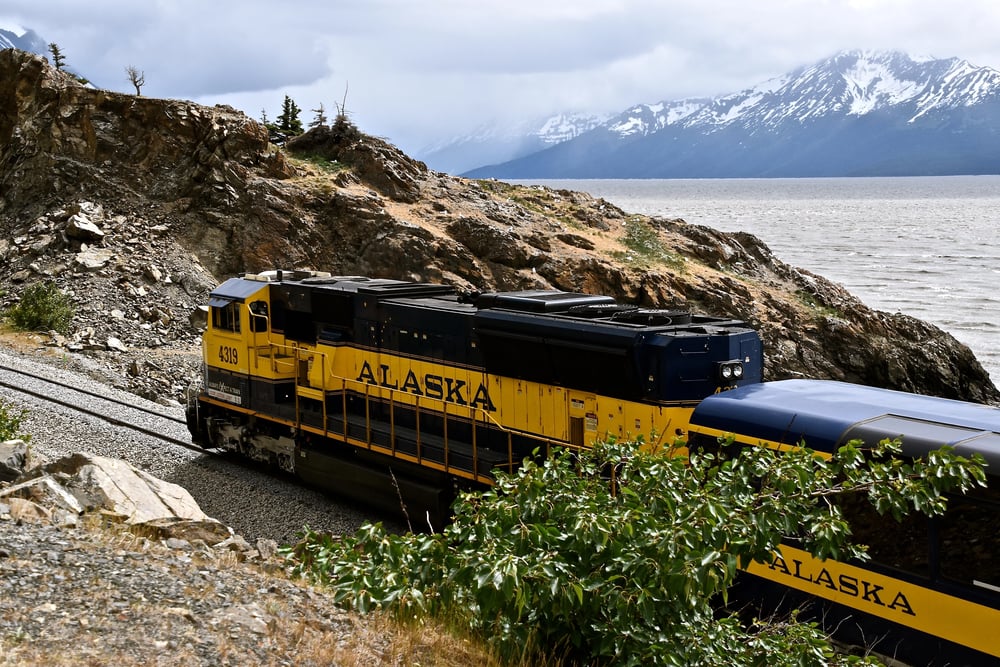
The same earthquake system that hit Prince William Sound also devastated Anchorage with ground shaking that turned solid earth into something resembling liquid. Entire neighborhoods slid downhill as the soil beneath them liquefied, and buildings split apart as the ground opened up.
One man famously survived by riding a chunk of his street as it slid 1,200 feet downhill. The damage was so extensive that some areas of Anchorage had to be completely abandoned and rebuilt elsewhere.
Cascadia Subduction Zone, 1700
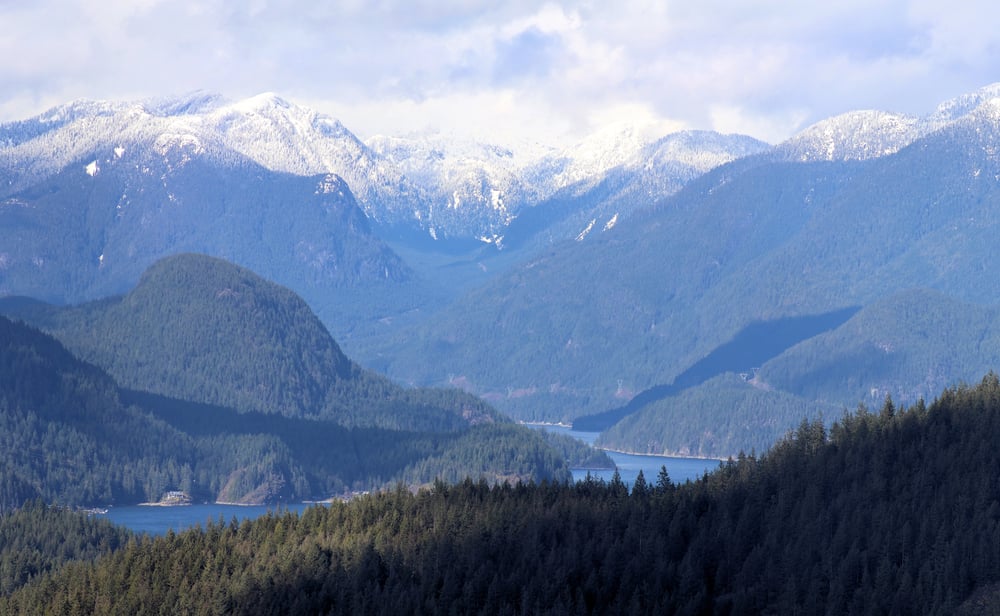
The Pacific Northwest experienced a massive earthquake estimated at 9.0 magnitude in January 1700, though no written records exist from the region. Scientists figured out this earthquake happened by matching Japanese tsunami records with evidence of sudden land changes along the coast.
Native American oral histories describe the night when the earth shook and the ocean rushed inland. This discovery worried modern experts because it means the same thing could happen again to cities like Seattle and Portland.
Haiti, 2010
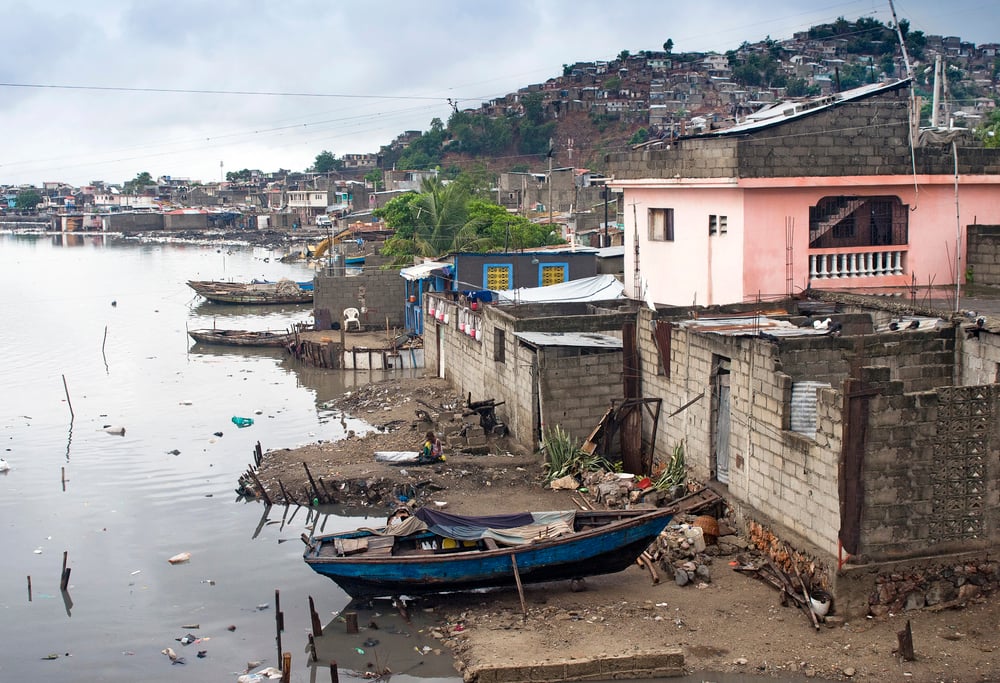
A 7.0 magnitude earthquake hit near Port-au-Prince in January 2010, proving that earthquake strength alone doesn’t determine disaster impact. The shallow depth and poor building construction turned this into one of history’s deadliest earthquakes, killing over 200,000 people.
Buildings that would have survived in earthquake-prepared regions crumbled like sandcastles. The disaster showed how poverty and lack of building codes can make a moderately strong earthquake far more deadly than much larger quakes elsewhere.
Kamchatka, Russia, 1737
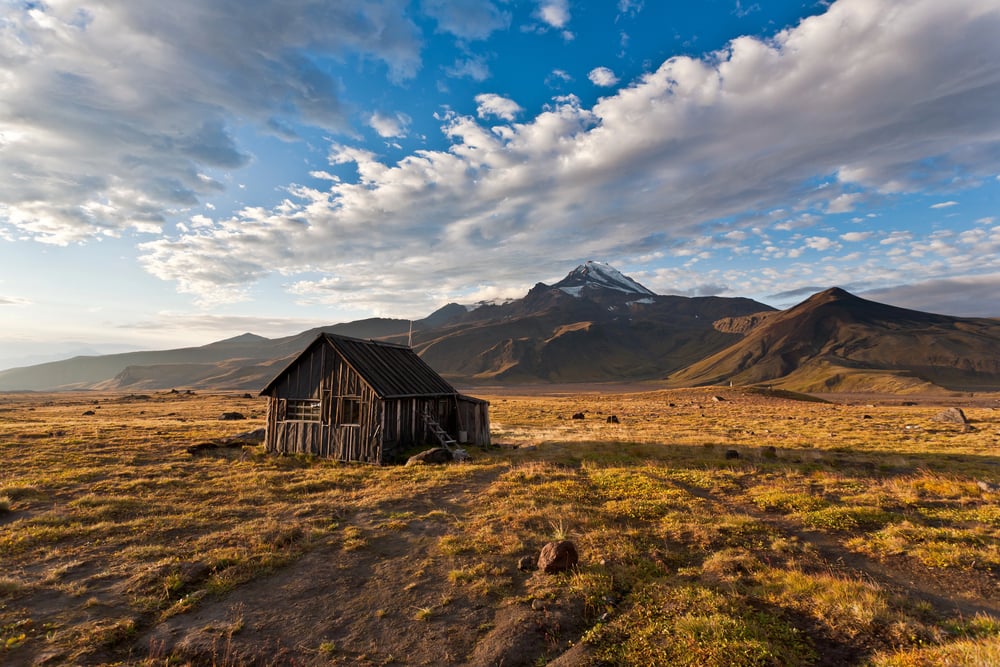
Historical records describe a massive earthquake in Kamchatka in October 1737 that scientists now estimate reached about 9.0 magnitude. The details are sketchy because the region was barely populated and record-keeping was minimal.
Reports mention the ground shaking for hours and massive waves destroying coastal settlements. This earthquake remains one of the least studied major quakes because so little documentation survived.
Shaanxi, China, 1556
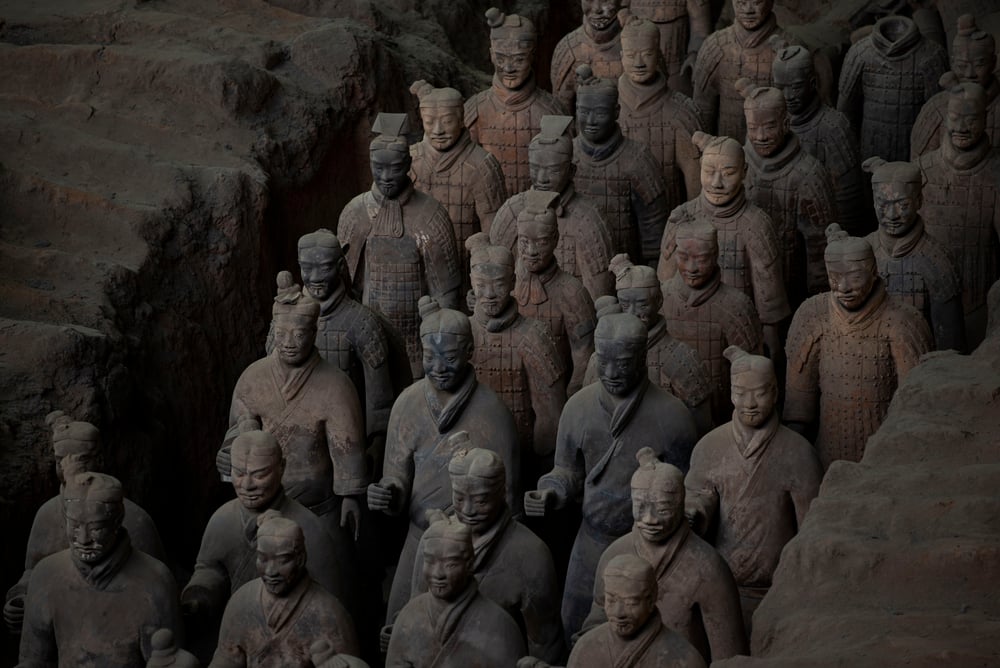
Back then, a massive shake hit central China – January 1556 – and it likely measured between 8.0 and 8.3 on the scale. Close to 830,000 lost their lives; certain guesses say more.
Because folks had made homes inside loose stone walls along hillsides, those dugouts gave way without warning. Whole towns vanished under tons of rubble overnight.
Lima, Peru, 1746
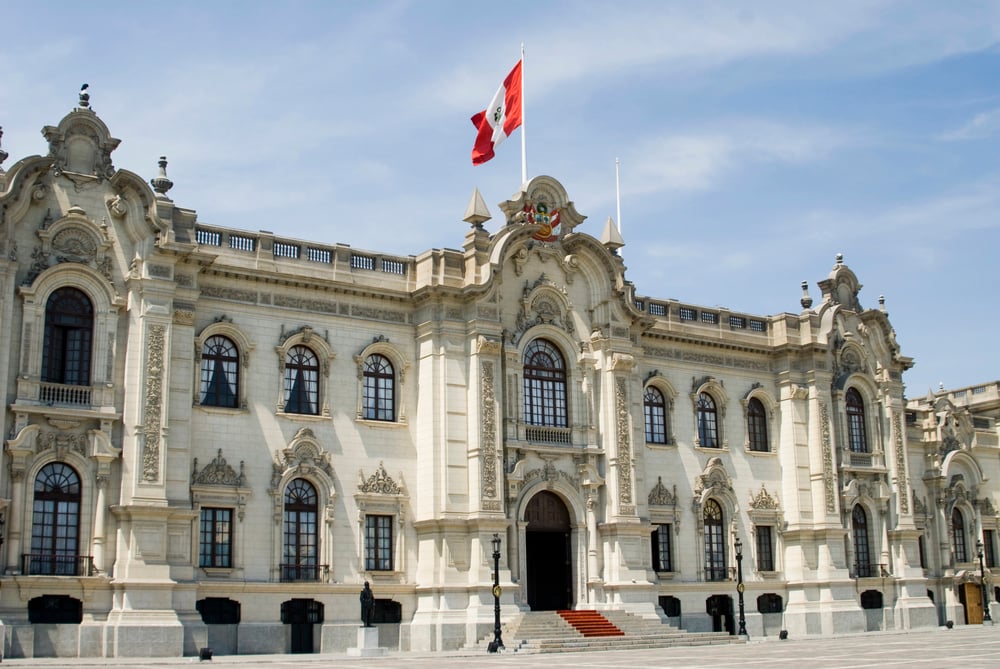
A huge earthquake shattered Peru’s capital one October morning in 1746, its force measured at 8.6 shaking almost every structure into rubble. Waves followed – after the ground stopped trembling – the sea pulling back until sand stretched where water should be.
Then it surged forward, a towering wave obliterating Callao, the coastal town near the city. Out of five thousand people who lived there, only two hundred remained after the flood receded.
Those who lived described the silence before chaos, how the shoreline vanished and then roared back without warning. Afterward, officials under Spanish rule reshaped Lima’s layout, carving broader avenues while demanding stronger foundations for homes.
Buildings rose differently now, shaped more by fear than old plans.
The Ground Still Moves Today
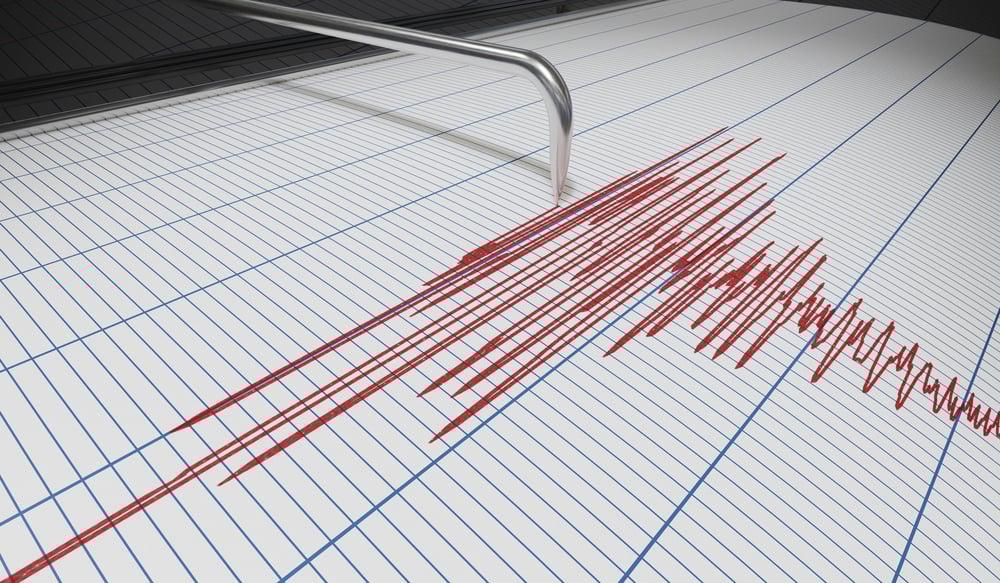
Big shakes like these show the ground under us is never really still, even if it feels solid day after day. While machines now map out where danger could flare up next, guessing exactly when stays beyond reach.
Slow pushes deep below keep lifting peaks and shifting lands apart, quietly piling stress for years. Looking back at old quakes gives towns clearer eyes – ways to brace buildings, plan exits, shield people before the jolt hits.
More from Go2Tutors!

- The Romanov Crown Jewels and Their Tragic Fate
- 13 Historical Mysteries That Science Still Can’t Solve
- Famous Hoaxes That Fooled the World for Years
- 15 Child Stars with Tragic Adult Lives
- 16 Famous Jewelry Pieces in History
Like Go2Tutors’s content? Follow us on MSN.