18 bizarre auctions that made history

Auctions have been around for thousands of years, from ancient Rome to modern digital marketplaces. While most people think of fine art or antiques when they picture auction houses, history is filled with sales that range from the downright bizarre to the absolutely shocking. These aren't your typical estate sales or art exhibitions.
From entire empires being sold to the highest bidder to sacred relics being turned into farm fertilizer, the auction world has witnessed some truly extraordinary moments. Here is a list of 18 auctions that defied all expectations and made headlines for reasons no one could have predicted.
The Roman Empire Goes to the Highest Bidder

In 193 AD, the Praetorian Guard auctioned off control of the entire Roman Empire after assassinating Emperor Pertinax. Didius Julianus won with a bid of 25,000 sesterces per guard member – roughly equivalent to $1 billion in today's money. The 'auction' took place at the gates of the Praetorian camp, with soldiers acting as heralds announcing the empire was for sale. Julianus ruled for just 66 days before being executed, making it history's most expensive buyer's remorse.
Ancient Egyptian Cat Mummies Become English Fertilizer

In February 1890, approximately 180,000 mummified cats weighing 19.5 tons were sold at auction in Liverpool for use as agricultural fertilizer. These sacred offerings to the goddess Bastet had been discovered by an Egyptian farmer who literally fell through a pit into the massive burial site. The auctioneer even used a cat's head as his gavel, adding insult to ancient Egyptian religious practices. Most of these revered creatures ended up crushed and spread across English fields like manure.
The Titanic Bandleader's Violin

Wallace Hartley's violin, recovered from the Titanic disaster, sold for £900,000 in 2013 (approximately $1.7 million). Hartley was the bandleader who famously played music with his fellow musicians as the ship sank, attempting to calm passengers during the disaster. His body was reportedly pulled from the water days after the April 1912 sinking with his violin case still strapped to his back. The instrument required extensive forensic analysis to verify its authenticity before the sale.
A Blood Sample from Ronald Reagan

In May 2012, a collector auctioned off a vial of Ronald Reagan's blood that had been taken during his hospitalization after the 1981 assassination attempt. The seller claimed he was 'a real fan of Reaganomics and felt that President Reagan himself would rather see me sell it'. The lab sample had been preserved without the president or his family's knowledge, raising serious ethical questions about medical privacy. The blood eventually sold to a private collector for an undisclosed sum.
Elvis Presley's Hair Collection

A jar containing Elvis Presley's hair sold for $115,000 in 2002. The hair had been collected over time by the King's personal barber, who turned his regular trimmings into a small fortune decades later. Other Elvis memorabilia that found their way to auction included the white jumpsuit he wore at Madison Square Garden, which sold for over $1 million. Hair from celebrities has become a surprisingly lucrative market, with locks from various famous figures commanding impressive prices.
Marilyn Monroe's Subway Dress

Marilyn Monroe's iconic white halter dress from The Seven Year Itch sold for $4.6 million in 2011. This was the dress that billowed up as she stood over a subway grate in the famous scene that cemented her status as a cultural icon. The dress was sold by actress Debbie Reynolds, who had been collecting vintage Hollywood gowns. The sale price made it one of the most expensive pieces of clothing ever sold at auction.
New Zealand Put Up for Sale
In 2006, a mischievous Australian listed the entire country of New Zealand for sale on eBay, starting the bidding at just $0.01 AUD. The tongue-in-cheek auction attracted worldwide attention and managed to reach $1,300 before eBay removed the listing for violating their policies against selling intangible items. The prank highlighted the absurd lengths some people will go to for internet fame and demonstrated that even entire nations aren't off-limits in the digital age.
John Lennon's Dental Remains

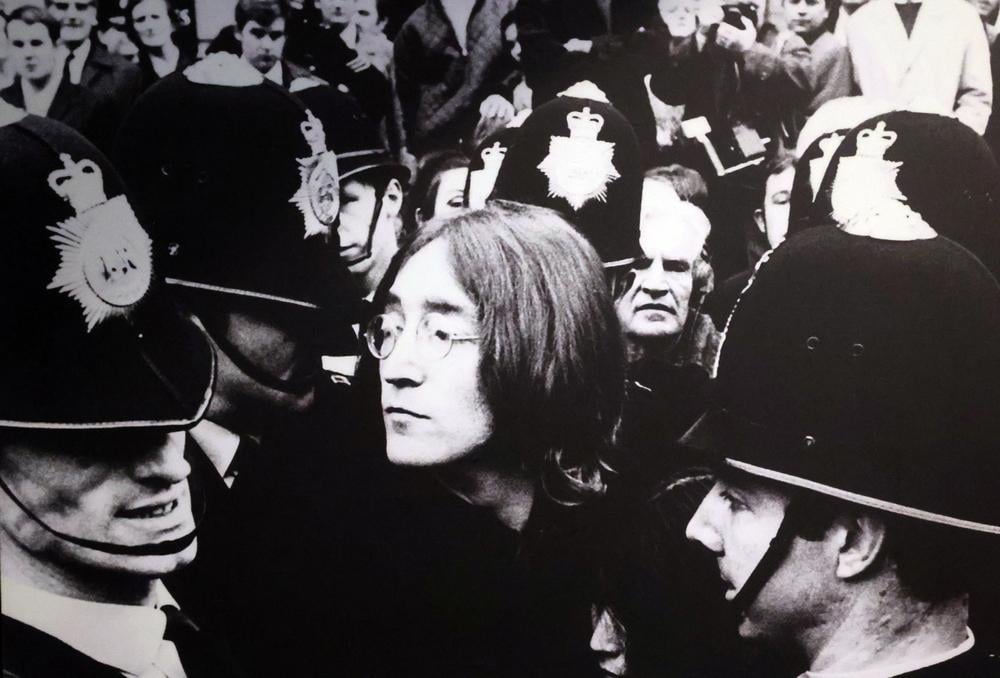
John Lennon's molar sold for $31,200 in 2011 to a Canadian dentist named Michael Zuk. The tooth is now on display in Zuk's dental surgery, giving patients something truly unusual to look at during their appointments. Celebrity teeth have become an oddly popular collectible, with fans apparently willing to pay extraordinary sums for the most intimate remnants of their idols. The sale raised questions about what should and shouldn't be considered appropriate memorabilia.
The Fake Library That Fooled Collectors
In 1840, bibliophiles from across Europe descended on the small Belgian town of Binche for an auction of Count J.N.A. de Fortsas' collection of books so rare that no other copies existed anywhere. The catalog promised volumes like studies on ancient Egyptian phallic hieroglyphics and other tantalizing titles that collectors couldn't resist. When auction day arrived, no one could find the venue or any trace of the supposed count. The entire thing had been an elaborate hoax by French antiquarian Renier Chalon, who wanted to expose the gullibility of book collectors.
Navy Carrier Pigeons

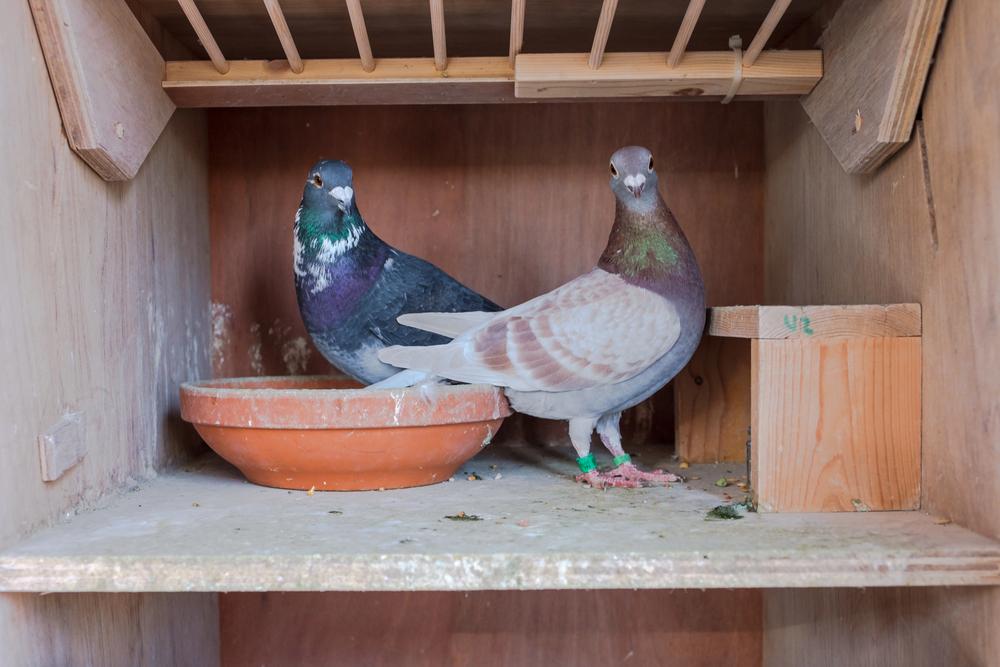
In December 1901, the U.S. Navy auctioned off 55 carrier pigeons from the Brooklyn Navy Yard. These birds had been used for ship-to-shore communication before radio technology made them obsolete. The sale marked the end of an era in military communications, as these feathered messengers had served faithfully during various conflicts. The pigeons were sold to private buyers who presumably found more peaceful uses for their remarkable homing abilities.
William Shatner's Kidney Stone

Star Trek actor William Shatner's kidney stone sold for $25,000 in 2006. The unusual medical memento was purchased by an online casino, making it one of the most bizarre celebrity artifacts ever to change hands at auction. Shatner reportedly donated the proceeds to charity, proving that even the most personal bodily functions can serve a good cause. The sale opened up a whole new category of celebrity collectibles that most people never imagined existed.
An Invisible Sculpture

An Italian artist sold an 'invisible' sculpture at auction, leaving many scratching their heads about what exactly they were purchasing. The conceptual artwork challenged traditional notions of what constitutes art and value, proving that sometimes the idea is worth more than the physical object. The sale sparked debates about the nature of art in the modern world and whether creativity alone justifies extraordinary prices. Buyers were essentially purchasing a certificate and the concept rather than any tangible item.
Royal Wedding Cake from 1981

A slice of cake from Prince Charles and Princess Diana's 1981 wedding sold for $925 despite being over three decades old. The preserved piece of culinary history represented a moment of royal celebration that captivated the world. The buyer presumably didn't intend to actually eat the ancient confection, making it more of a historical artifact than a dessert. Royal memorabilia continues to command high prices, even when it's technically inedible.
London Bridge Crosses the Atlantic
When London Bridge was sold to an American entrepreneur and relocated to Arizona, it marked one of the most unusual transactions in auction history. The buyer didn't just purchase the bridge – they physically moved this iconic structure across the globe, stone by stone. The sale demonstrated the extraordinary lengths people will go to own a piece of history, even if it means completely changing its location and context. The bridge now sits in Lake Havasu City, far from its original Thames River home.
J.K. Rowling's Writing Chair

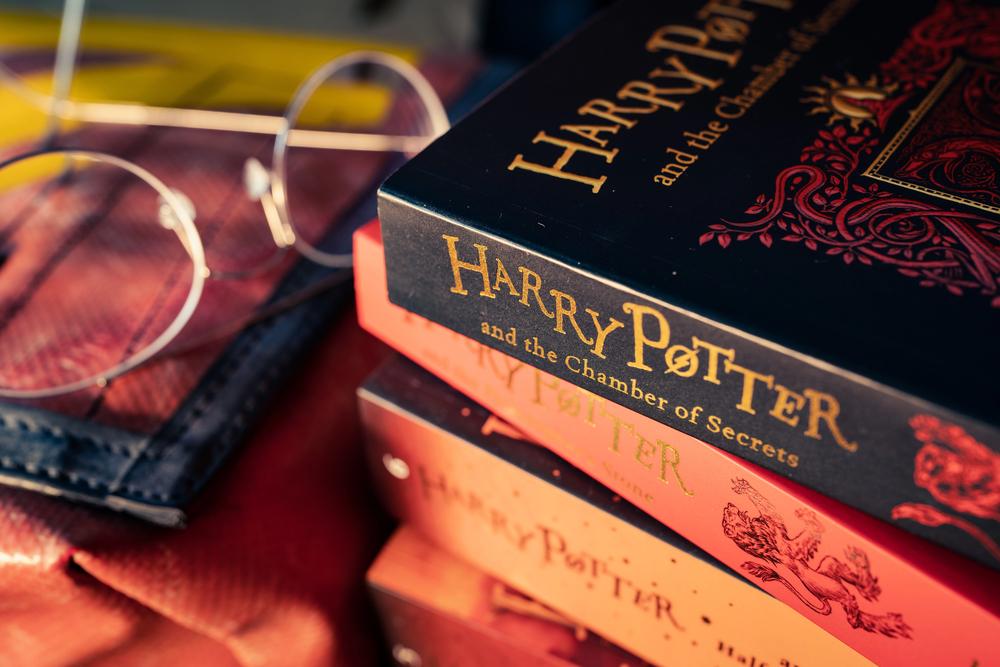
The chair that J.K. Rowling sat in while writing her first two Harry Potter books sold for $394,000 in 2016. This simple piece of furniture witnessed the creation of one of the most successful literary franchises in history. The chair serves as a tangible connection to the creative process behind the beloved wizard series. For fans, owning the actual seat where Harry Potter came to life was apparently worth nearly half a million dollars.
Queen Victoria's Personal Undergarments

Queen Victoria's underwear, embroidered with her initials 'VR' for Victoria Regina, sold for $16,300 in 2015. The pristine undergarments had been carefully preserved, wrapped in tissue and kept in a temperature-controlled environment. Royal intimates represent perhaps the most personal connection possible to historical figures, making them particularly sought after by collectors. The sale price proved that even the most private aspects of royal life can become public commodities.
The Count's Nonexistent Town
Entire towns have gone under the hammer, offering buyers the unique opportunity to own significant chunks of the American dream. From Old West ghost towns with colorful histories to small picturesque villages, these sales redefine property investment entirely. Buyers get more than just real estate – they acquire the infrastructure, buildings, and sometimes even the governing rights of complete communities. These auctions appeal to those seeking the ultimate in privacy and control over their environment.

More from Go2Tutors!

- 16 Historical Figures Who Were Nothing Like You Think
- 12 Things Sold in the 80s That Are Now Illegal
- 15 VHS Tapes That Could Be Worth Thousands
Like Go2Tutors’ content? Follow us on MSN.