17 Odd Moments from the First-Ever Super Bowl
The inaugural Super Bowl, played on January 15, 1967, between the Green Bay Packers and Kansas City Chiefs wasn’t yet the cultural phenomenon we know today. While now it’s America’s most-watched sporting event with astronomical ad costs and elaborate halftime shows, the first championship game between the NFL and AFL was comparatively modest and surprisingly quirky.
Let’s journey back to the Los Angeles Memorial Coliseum for a look at some of the strangest aspects of Super Bowl I.
Here is a list of 17 odd moments and facts about the first-ever Super Bowl that highlight just how different things were back then.
Two Different Broadcasts

The first Super Bowl remains the only one ever broadcast on two networks simultaneously. Both NBC (which had AFL rights) and CBS (which had NFL rights) aired the game, with completely different announcers and camera crews competing against each other on the sidelines.
The networks even used different colored microphones to distinguish themselves during interviews.
The Not-Sold-Out Stadium
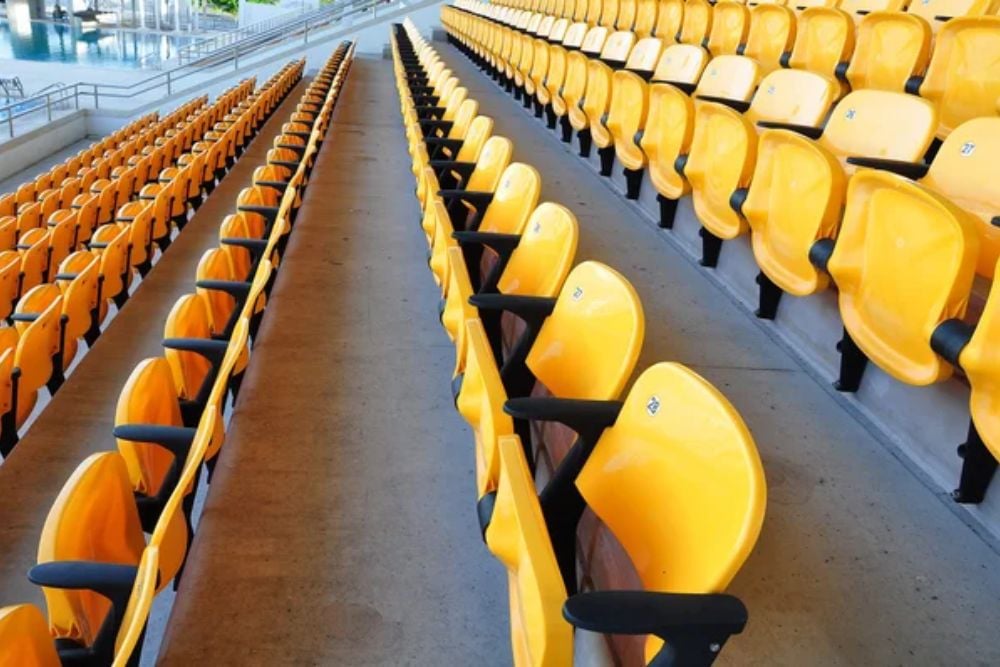
Super Bowl I did not sell out despite being played in the enormous Los Angeles Memorial Coliseum with a capacity of over 90,000. On game day, over 30,000 seats stayed unfilled.
Though residents were not yet sure this new championship game was worth going, ticket prices varied from $6 to $12 (around $50-$100 in today’s currency).
Missing Game Footage
The NFL lacked a full record of the first Super Bowl for decades. In those days, both CBS and NBC routinely cleaned and reused costly videotape. The NFL eventually put together a full game in 2016 from incomplete tapes discovered in a Pennsylvania attic and other locations.
Prior to this finding, it was the only Super Bowl that lacked a full broadcast recording.
The Confused Halftime Show
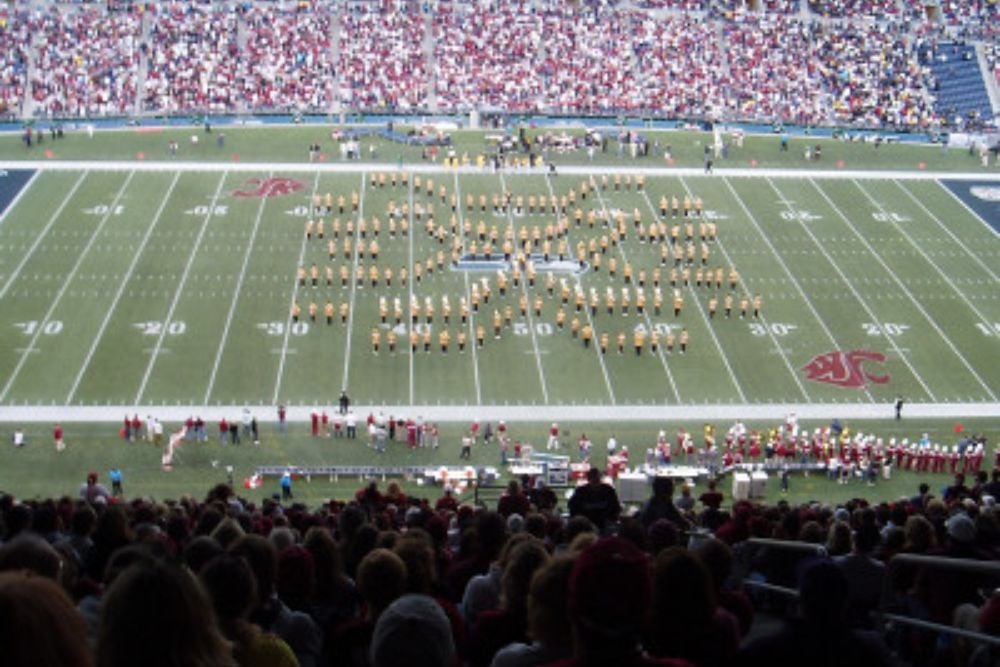
The halftime entertainment featured two college marching bands, the Grambling State University Marching Band and the University of Arizona Symphonic Marching Band. It also included the release of hundreds of pigeons, two men flying with jetpacks, and a confused mix of performances that lacked any cohesive theme or star power.
The Missing Trophy
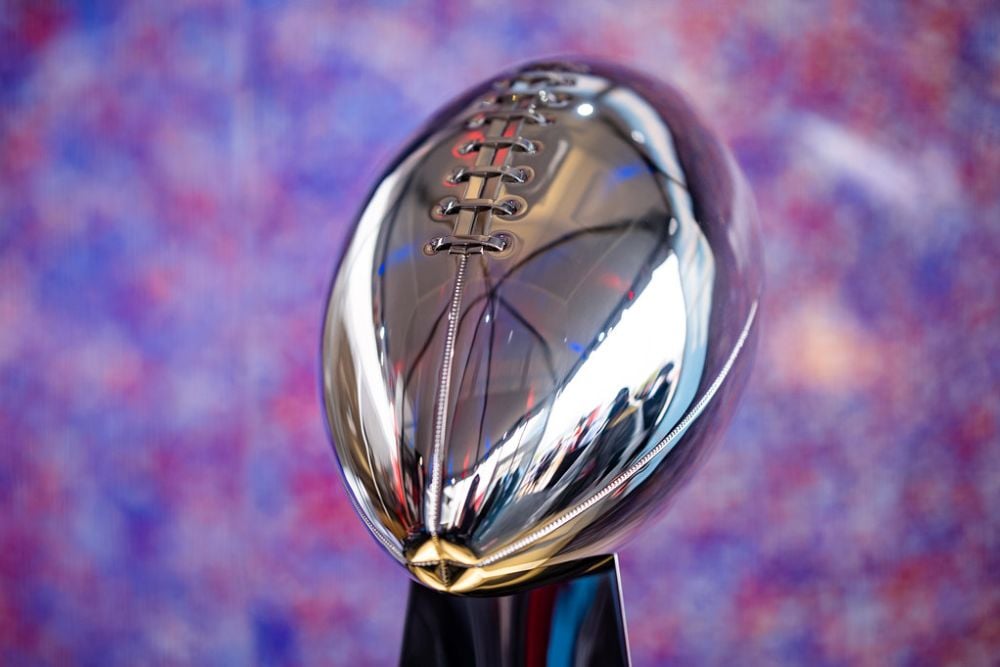
The winner’s trophy wasn’t ready for the big game. The now-iconic Vince Lombardi Trophy (ironically named after the winning coach) didn’t exist yet.
Instead, a simple trophy was presented without the fanfare we’re accustomed to today, and it wasn’t even available immediately after the game ended.
Competitive Halftime Interviews
Both networks raced to get exclusive halftime interviews, leading to chaotic scenes in the locker rooms. Coaches had to deal with two separate interview requests, often saying the same things to different networks just minutes apart.
Players were confused about which camera crew they should be speaking to.
The Delayed Second Half
The second-half kickoff was actually delayed because NBC was still in a commercial break. When the referee signaled the start, the Chiefs kicked off, but officials had to ask them to rekick once NBC returned from commercials.
This coordination issue between competing networks created an unprecedented delay in the middle of the championship game.
Player Smoking on the Sidelines

Some players were spotted taking drags from cigarettes on the sidelines during the game. This behavior, unthinkable in today’s health-conscious NFL, was not uncommon in the 1960s when awareness about the health impacts of tobacco was still developing in mainstream culture.
The Quarterback Who Called His Own Plays
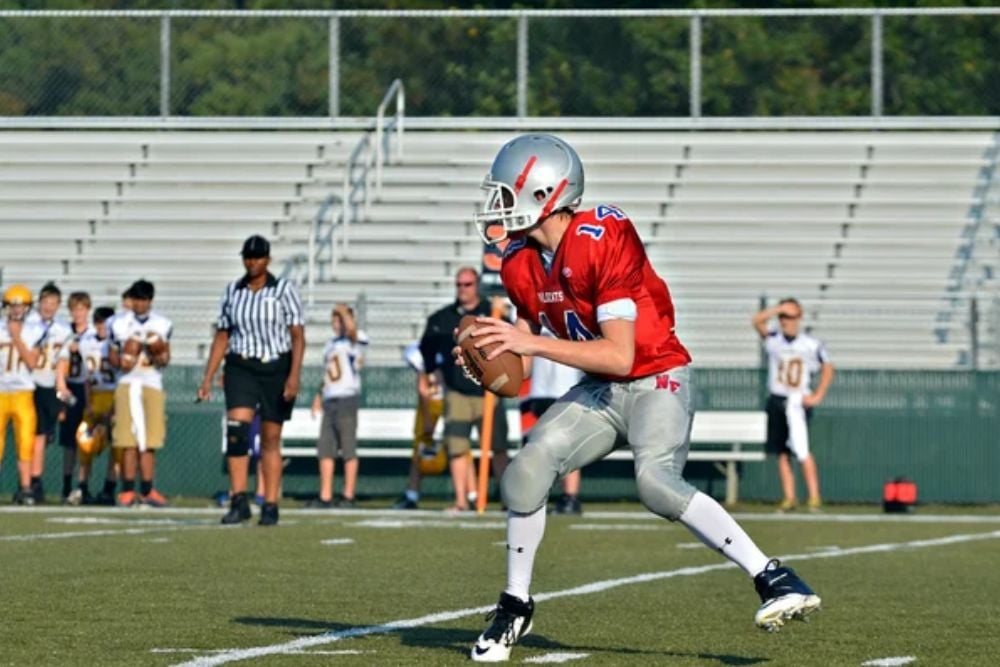
Unlike today’s game where coaches send in plays through headsets, Packers quarterback Bart Starr called his own plays throughout Super Bowl I. This old-school approach shows how much the game has changed, with today’s quarterbacks often receiving instructions from offensive coordinators through their helmet communication system.
The Confusion About Game Naming
The term ‘Super Bowl’ wasn’t officially used until the third championship game. The first contest was officially called the “AFL-NFL World Championship Game,” but the media and players had already started using the catchier “Super Bowl” nickname.
Commissioner Pete Rozelle reportedly disliked the name, thinking it sounded too gimmicky.
The Missing Roman Numerals
The Roman numeral tradition (making this game Super Bowl I rather than Super Bowl 1) didn’t begin until the fifth championship. For the first four games, the NFL simply used regular numbers.
The transition to Roman numerals was made to give the game a sense of gravitas and historical importance.
The Different Footballs
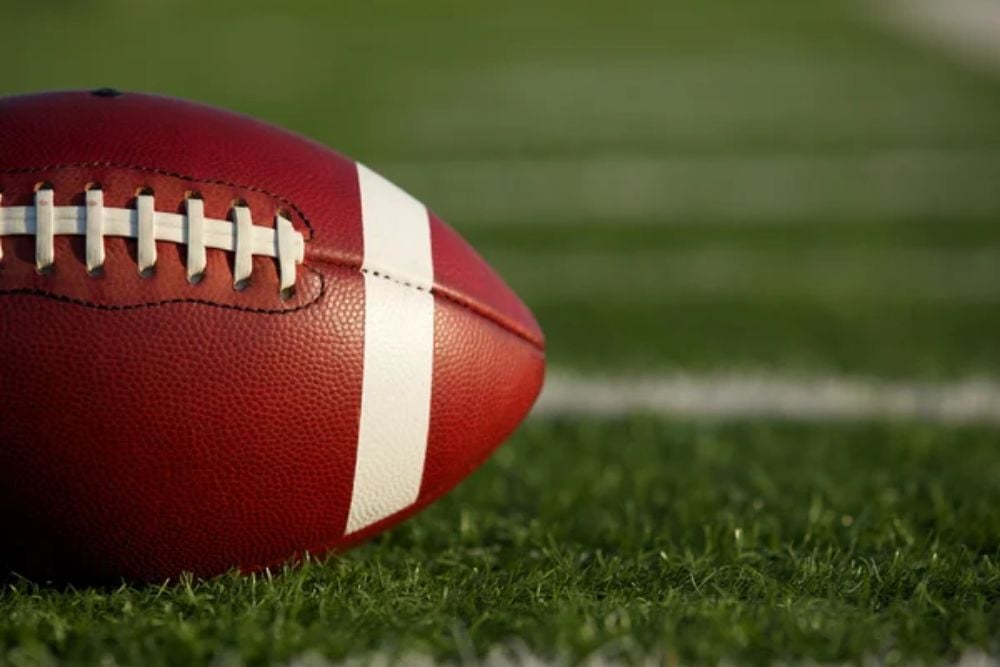
Each team actually used different footballs when on offense. The NFL’s Packers used the slightly thinner NFL ball when they had possession, while the AFL’s Chiefs used the slightly fatter AFL ball during their offensive drives.
This odd compromise highlighted how the leagues were still separate entities despite the championship game.
The $15,000 Bonus

Each Packers player received a $15,000 bonus for winning Super Bowl I, about $125,000 in today’s money. While that’s a substantial sum, it pales in comparison to the roughly $157,000 bonus that players on the winning team received for Super Bowl LIX.
Even accounting for inflation, today’s champions earn significantly more.
The Network Taping Over History

CBS recorded its broadcast on videotape but later erased it to save money, a standard practice in the era before anyone realized the historical significance of the game. NBC’s broadcast was also mostly lost.
The NFL Network eventually paid $1 million for a partial recording discovered in 2005 that had been stored in an attic for decades.
The Technological Confusion
The first Super Bowl featured experimental technology that often didn’t work properly. A radio-controlled TV camera blimp repeatedly malfunctioned during the broadcast, sometimes capturing nothing but crowd shots or the ground when it was supposed to be filming the action on the field.
The Missing Mascots
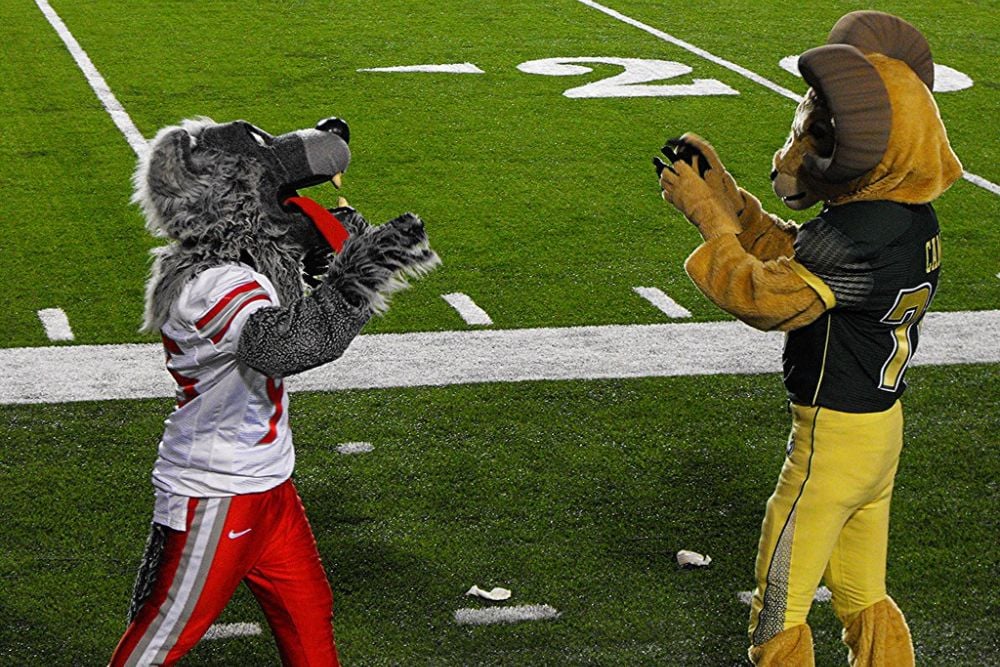
Team mascots, now a staple of NFL games, were noticeably absent from Super Bowl I. The elaborate costumed characters that entertain fans today didn’t become a regular part of the NFL experience until years later.
The focus remained entirely on the game itself, without the peripheral entertainment we now expect.
The Mysterious Third Trophy

In a bizarre administrative mix-up, a third championship trophy was created because both networks wanted to present their own award to the winning team. NFL Commissioner Pete Rozelle eventually decided only one trophy would be presented, leaving an extra trophy that mysteriously disappeared from NFL records.
The Legacy That Almost Wasn’t
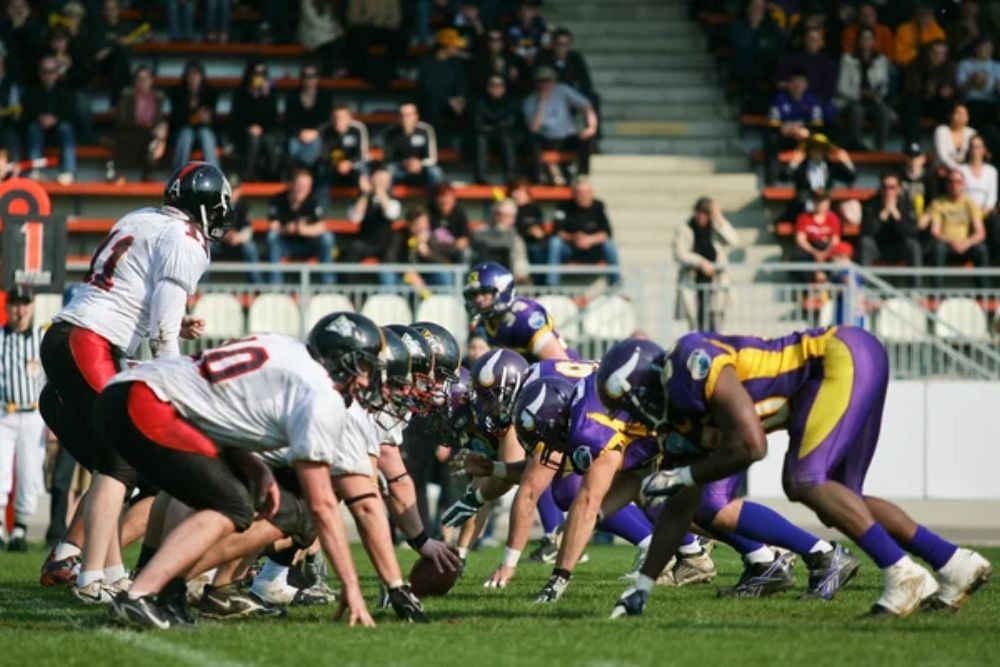
The first Super Bowl may seem primitive by today’s standards, but it laid the foundation for what would become America’s biggest sporting event. From humble beginnings with empty seats and competing broadcasts emerged an annual tradition that transcends sports to become a cultural touchstone.
The contrast between Super Bowl I and the modern spectacle reminds us how traditions evolve over time. What began as an experiment in inter-league competition has transformed into a national holiday that brings together millions of Americans, whether they’re football fans or just there for the commercials and halftime show.
More from Go2Tutors!

- The Romanov Crown Jewels and Their Tragic Fate
- 13 Historical Mysteries That Science Still Can’t Solve
- Famous Hoaxes That Fooled the World for Years
- 15 Child Stars with Tragic Adult Lives
- 16 Famous Jewelry Pieces in History
Like Go2Tutors’s content? Follow us on MSN.