15 Ridiculous Things That Have Been Banned in Different Countries
Public safety, social order, and common protections are the main justifications for the majority of laws
Then there are the ones that leave you wondering what unusual chain of circumstances led to the formation of such strange regulations. These strange laws, which range from food limitations to fashion prohibitions, frequently represent particular cultural concerns, curiosities from the past, or bureaucratic overreach that has somehow persisted into the present.
Let’s examine truly ludicrous items that have been outlawed in several nations, demonstrating that legal ridiculousness transcends national boundaries.
Kinder Surprise Eggs in the USA
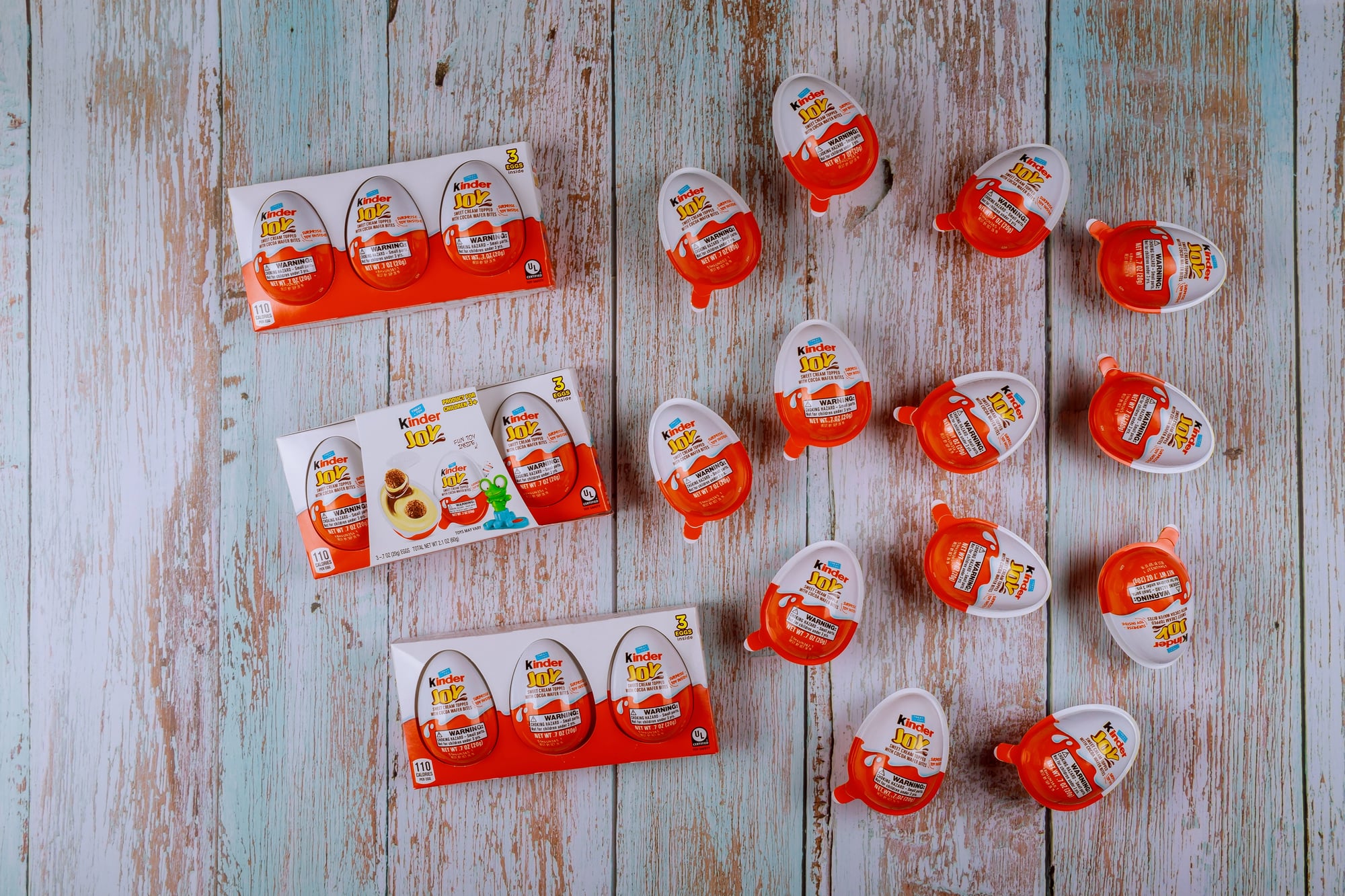
The USA maintains a surprisingly rigid ban on these chocolate eggs containing toy surprises — with potential fines reaching $2,500 per egg. American food safety laws don’t mess around with non-edible items embedded in food, regardless of their worldwide popularity.
Border agents routinely confiscate thousands of these innocent-looking treats, treating the chocolate eggs with nearly the same seriousness as illicit substances.
Winnie the Pooh in China
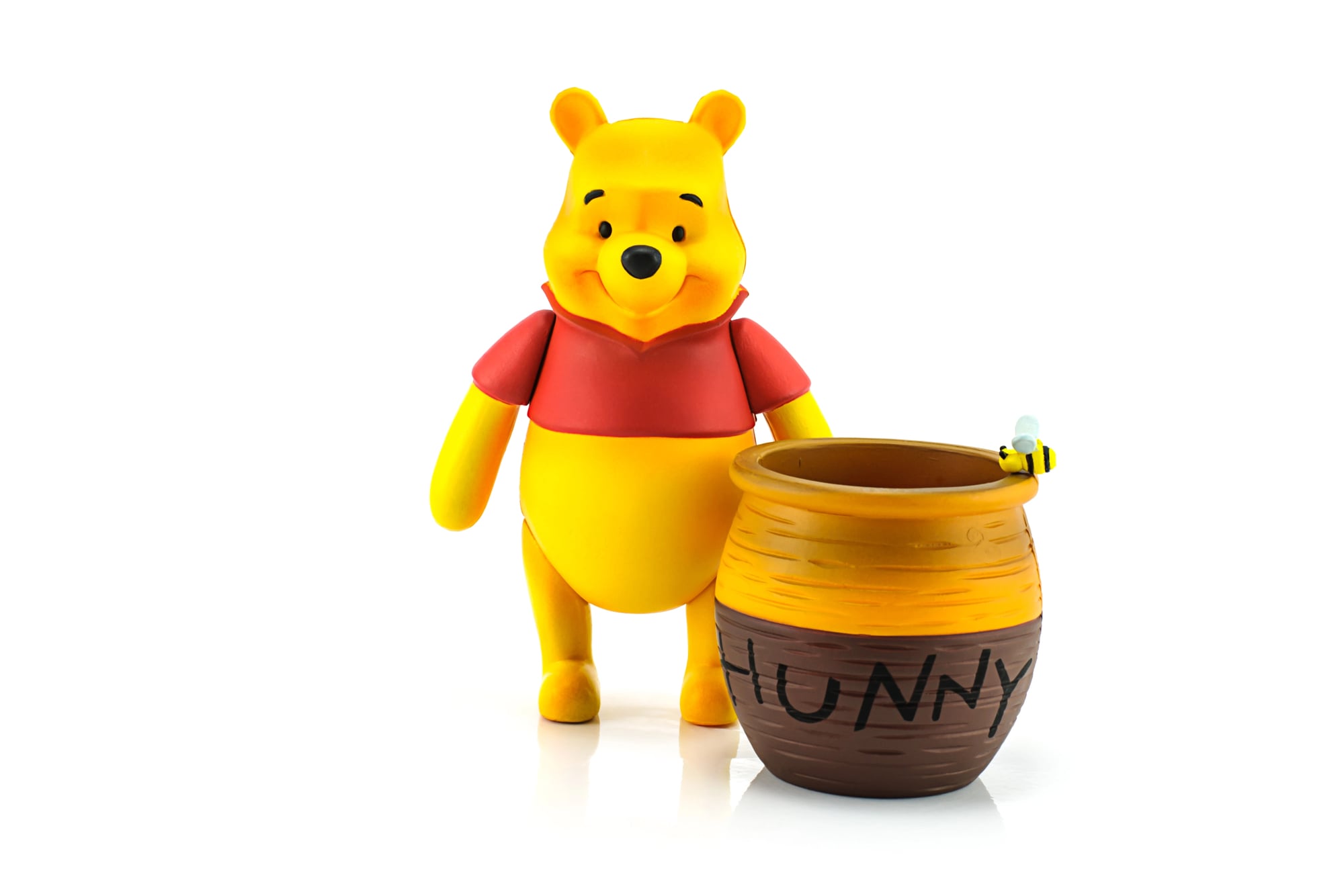
Chinese authorities banned images of Winnie the Pooh after internet users pointed out resemblances between the cartoon bear and President Xi Jinping. This seemingly harmless children’s character became politically radioactive overnight — with mentions scrubbed from social media platforms across the country.
It’s probably the only time a honey-loving fictional bear has been classified as a threat to national political stability.
Blue Jeans in North Korea
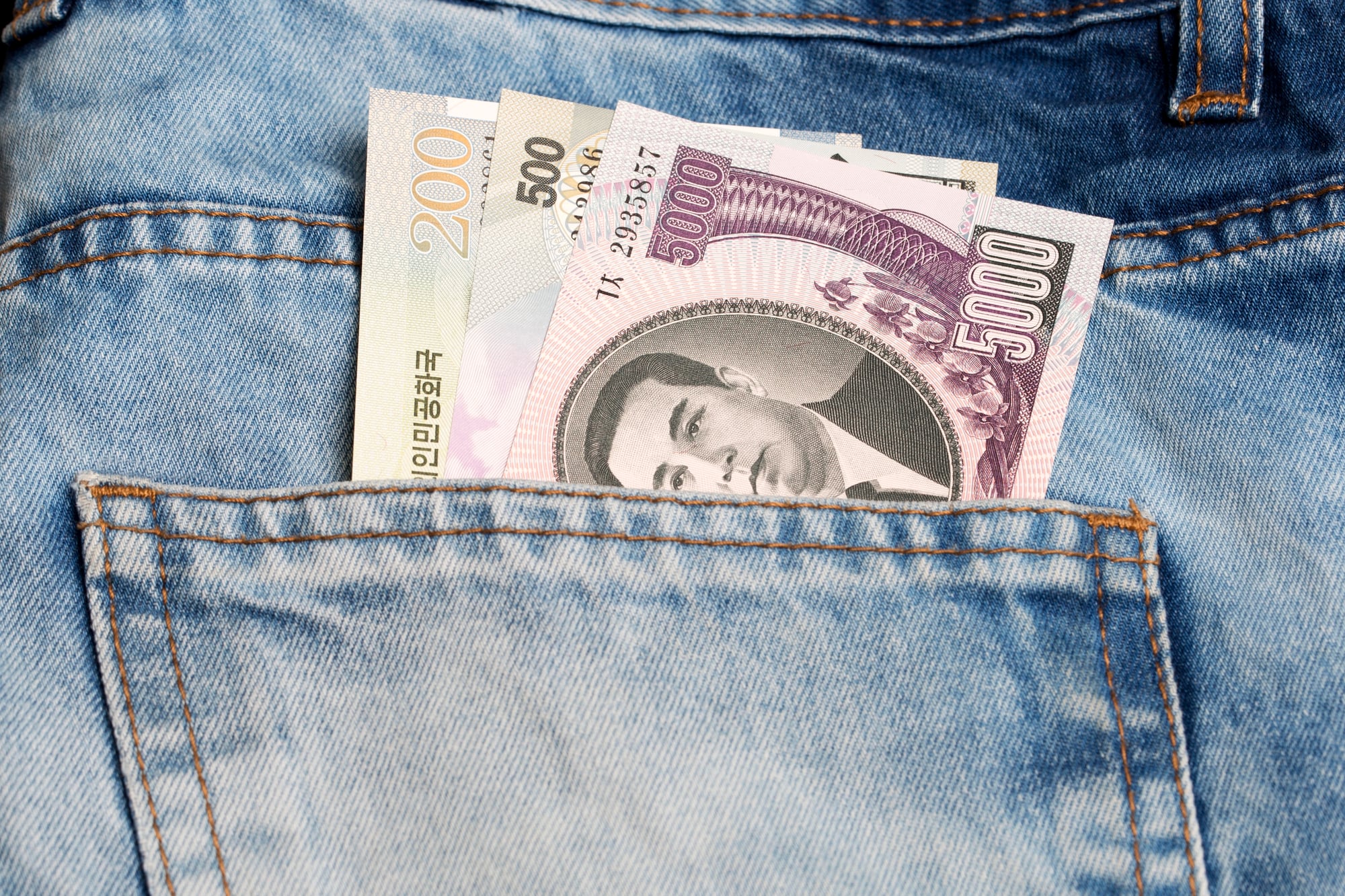
North Korea doesn’t allow citizens to wear blue jeans — considering them symbolic of American imperialism and Western cultural contamination. The denim restriction exists alongside ridiculously strict regulations on hairstyles, with only government-approved cuts permitted for the general population.
What’s standard casual wear in most countries becomes a politically dangerous fashion statement under this peculiar clothing prohibition.
Chewing Gum in Singapore
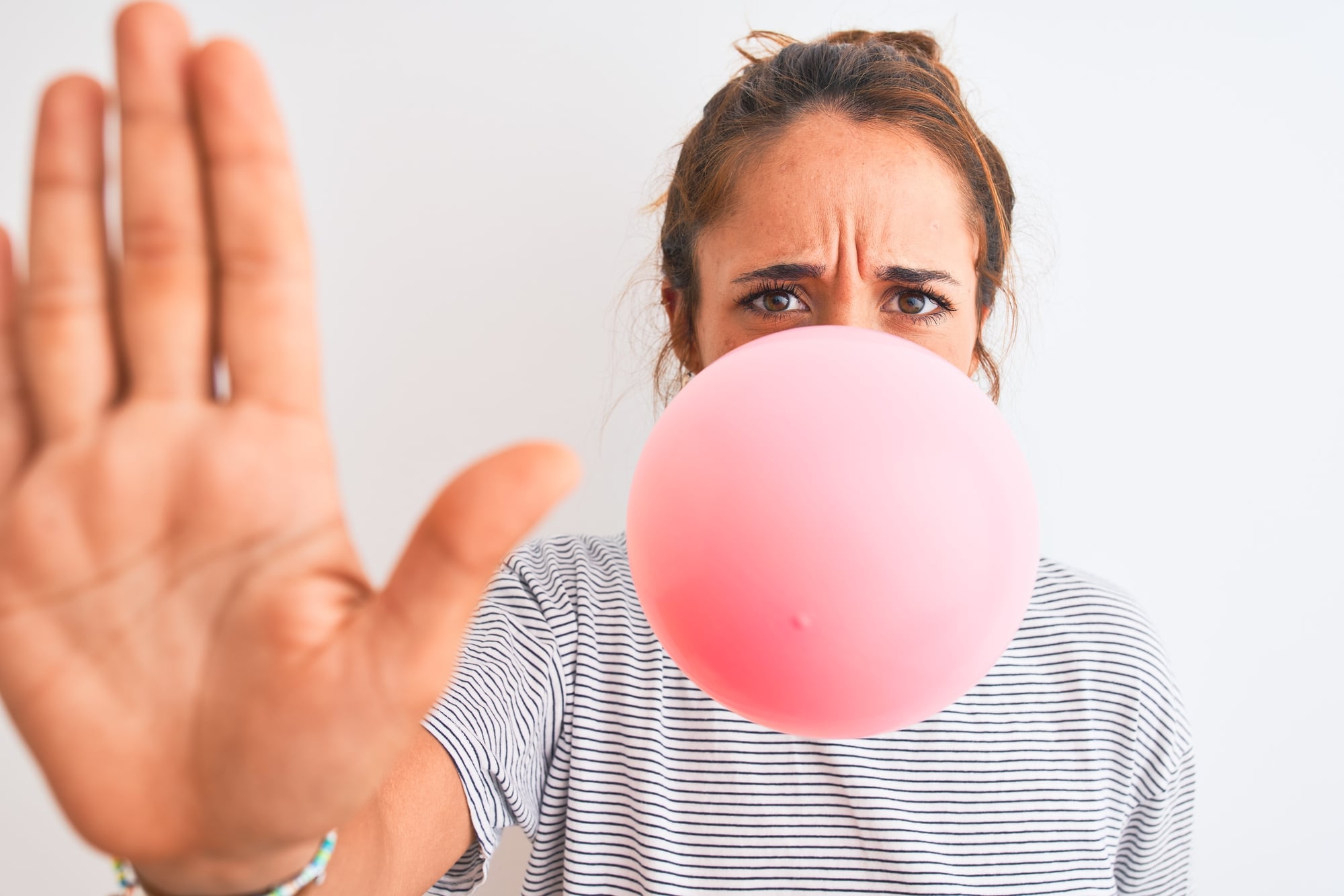
Singapore famously outlawed the importation and sale of chewing gum in — triggered by maintenance headaches after workers reported difficult-to-remove gum stuck in public housing door sensors and on subway trains. The prohibition remains largely intact decades later, though exceptions exist for therapeutic dental or nicotine gums with a prescription.
Tourists still express genuine shock upon learning their pack of Wrigley’s could technically result in hefty fines.
Baby Walkers in Canada
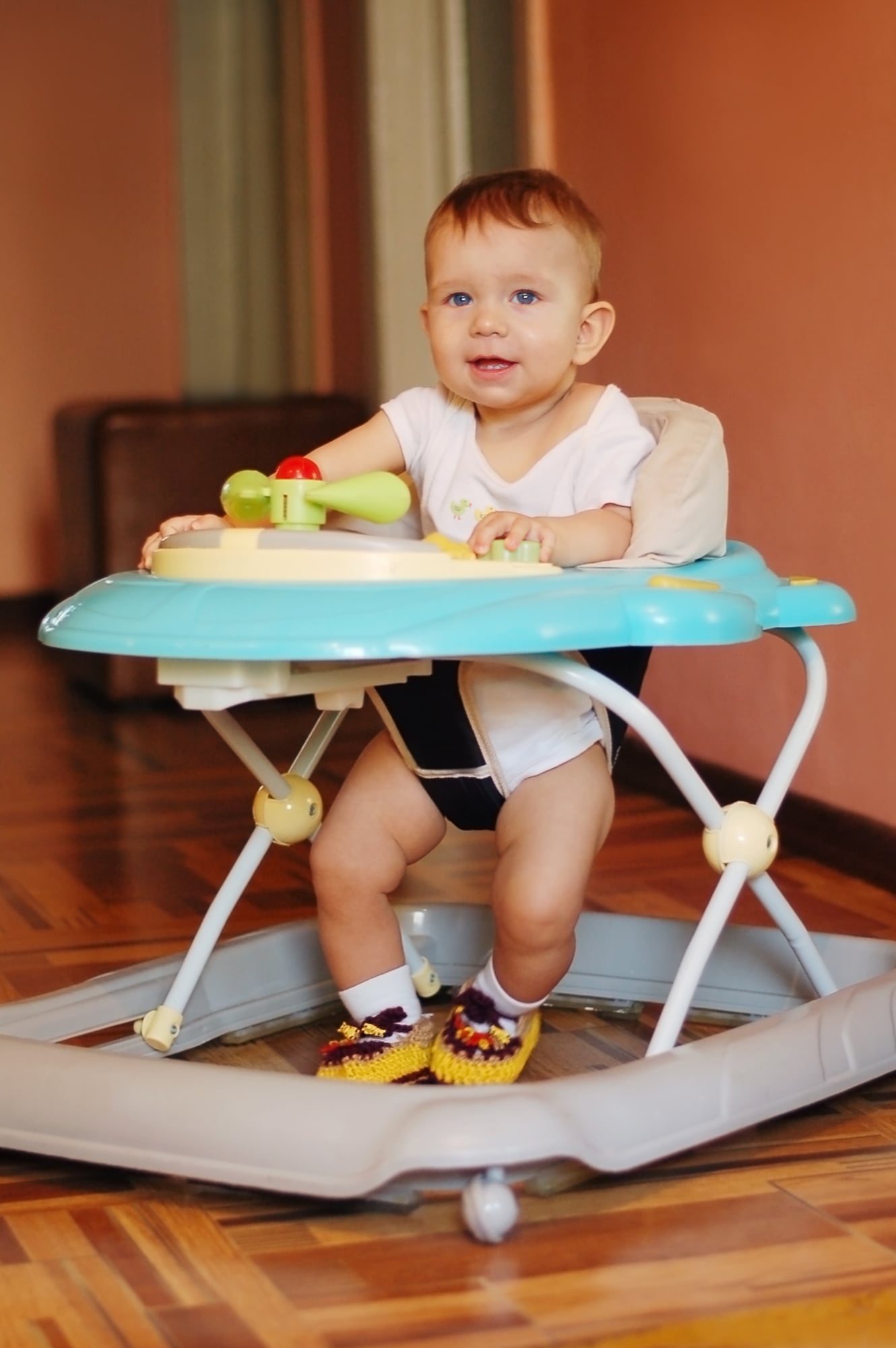
Canada completely outlawed the sale of baby walkers in — making them the only country with such a comprehensive prohibition on these devices. Health Canada determined these products presented unacceptable injury risks while offering zero developmental benefits to infants.
The ban comes with serious teeth, too — including potential prison sentences for commercial importers caught with these seemingly innocent baby accessories.
Reincarnation Without Permission in China

China implemented possibly history’s most metaphysically ambitious regulation by banning Tibetan Buddhist monks from reincarnating without government permission. This bizarrely specific law requires official approval for all reincarnations — effectively asserting state control over spiritual processes spanning multiple lifetimes.
The prohibition serves obvious political purposes regarding Dalai Lama’s succession, though its practical enforceability across the cosmic cycle remains questionable at best.
Time Travel in China
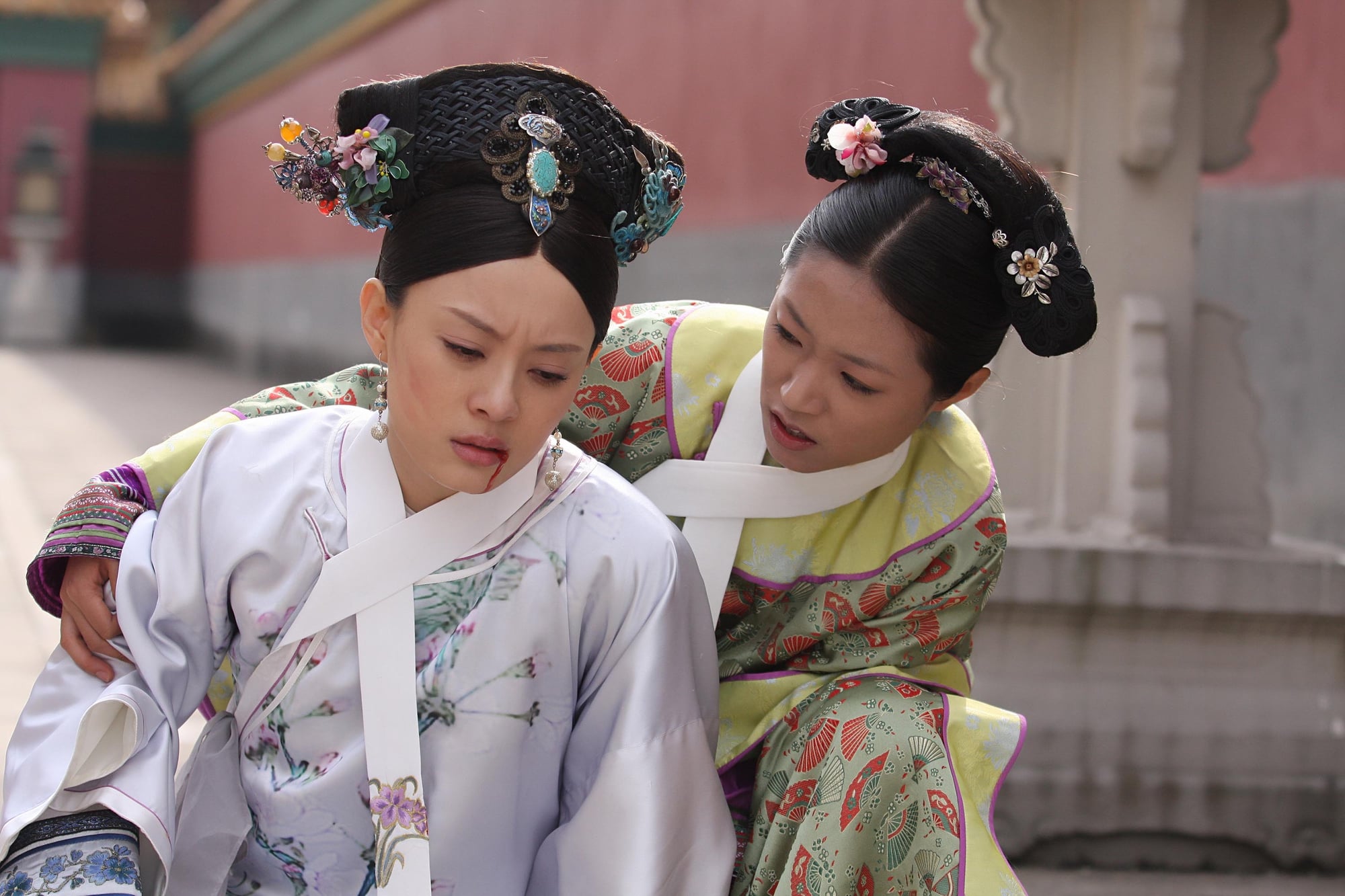
Chinese media regulators issued guidelines effectively prohibiting time travel plots in television shows and movies — deeming them disrespectful to historical accuracy. The ban specifically targets dramas where characters travel back to ancient Chinese dynasties and then alter historical events.
This unusual content restriction reflects official concerns about portraying Chinese heritage with appropriate reverence, apparently threatened by fictional characters messing with the timeline.
Naming Children “Nutella” in France
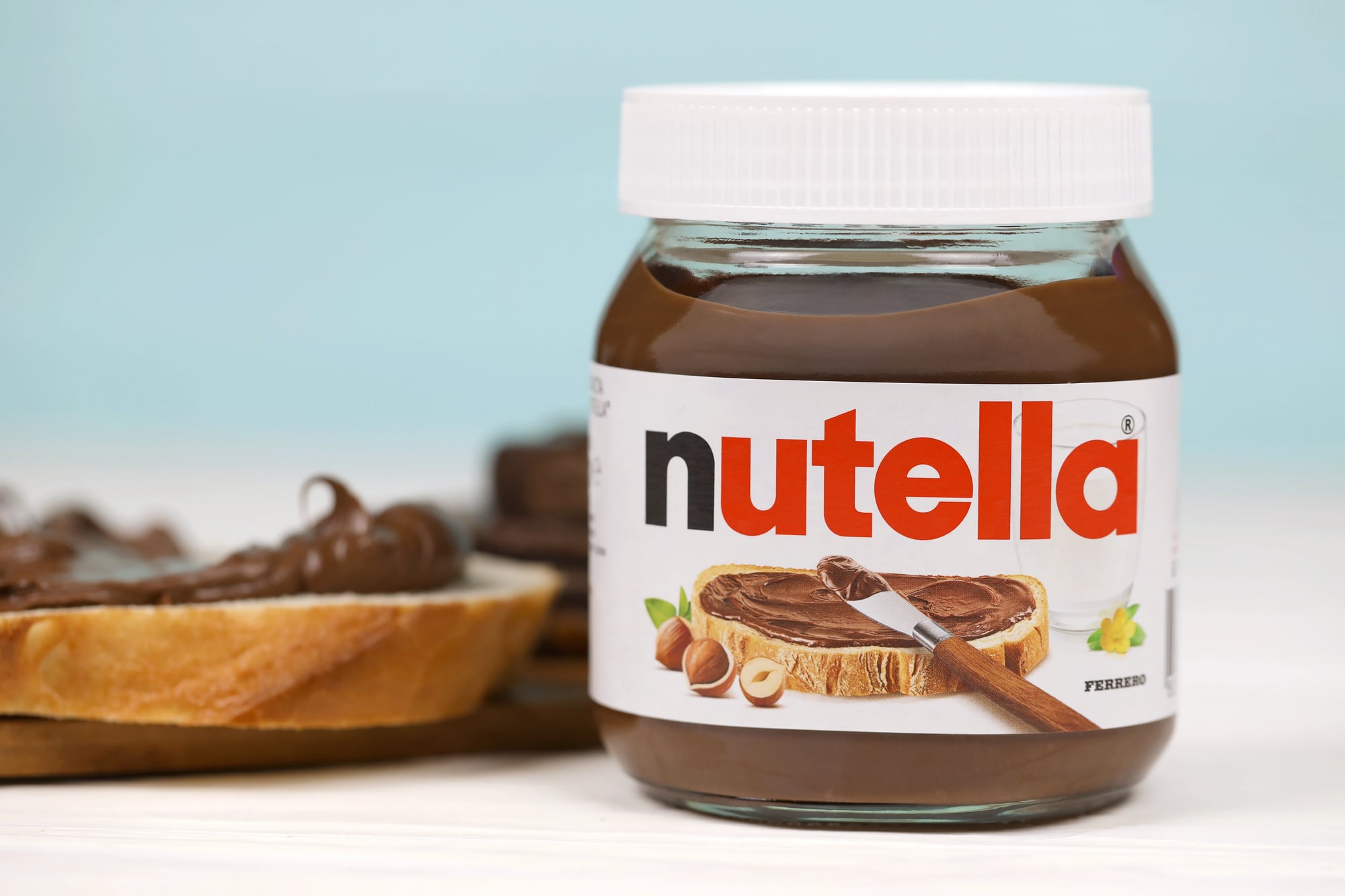
French courts have actively prevented parents from naming their children after the popular chocolate spread — ruling that such names could lead to mockery and negative life consequences. This naming prohibition extends to other brands like “Strawberry” and unusual spelling variations deemed potentially harmful to children’s future well-being.
Even parental naming rights face limitations when authorities determine certain choices might prove socially problematic for the child.
High Heels at Ancient Sites in Greece
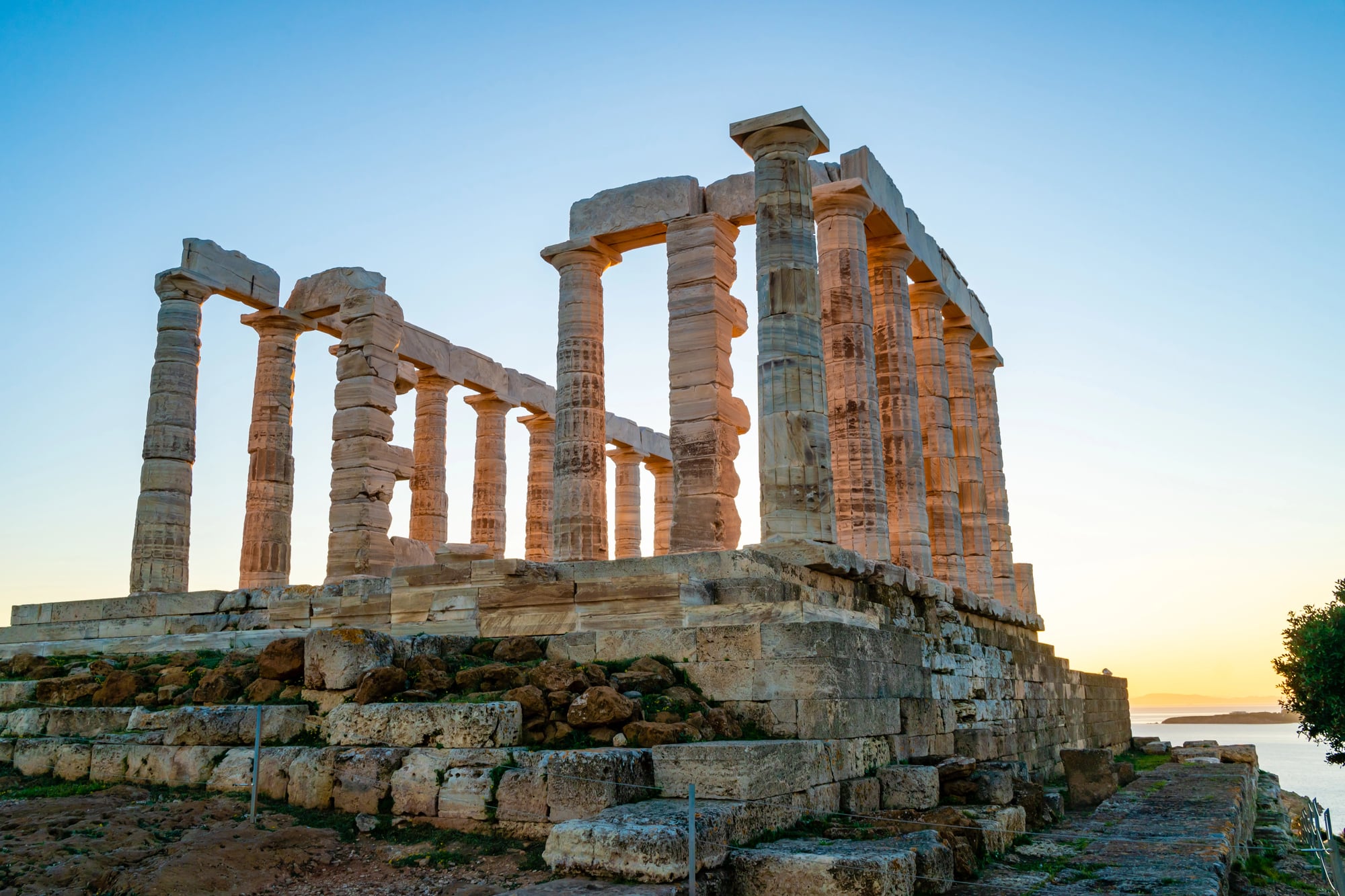
Greek officials banned high-heeled shoes at ancient monuments including the Parthenon — after discovering that sharp heels caused surprisingly significant damage to historic marble floors. Each stiletto step exerts concentrated pressure on tiny contact points, essentially micro-chiseling irreplaceable archaeological treasures with each tourist’s step.
Fashion takes a backseat to preservation concerns in this case of practical prohibition aimed at saving historical sites.
Memes in Australia During Elections
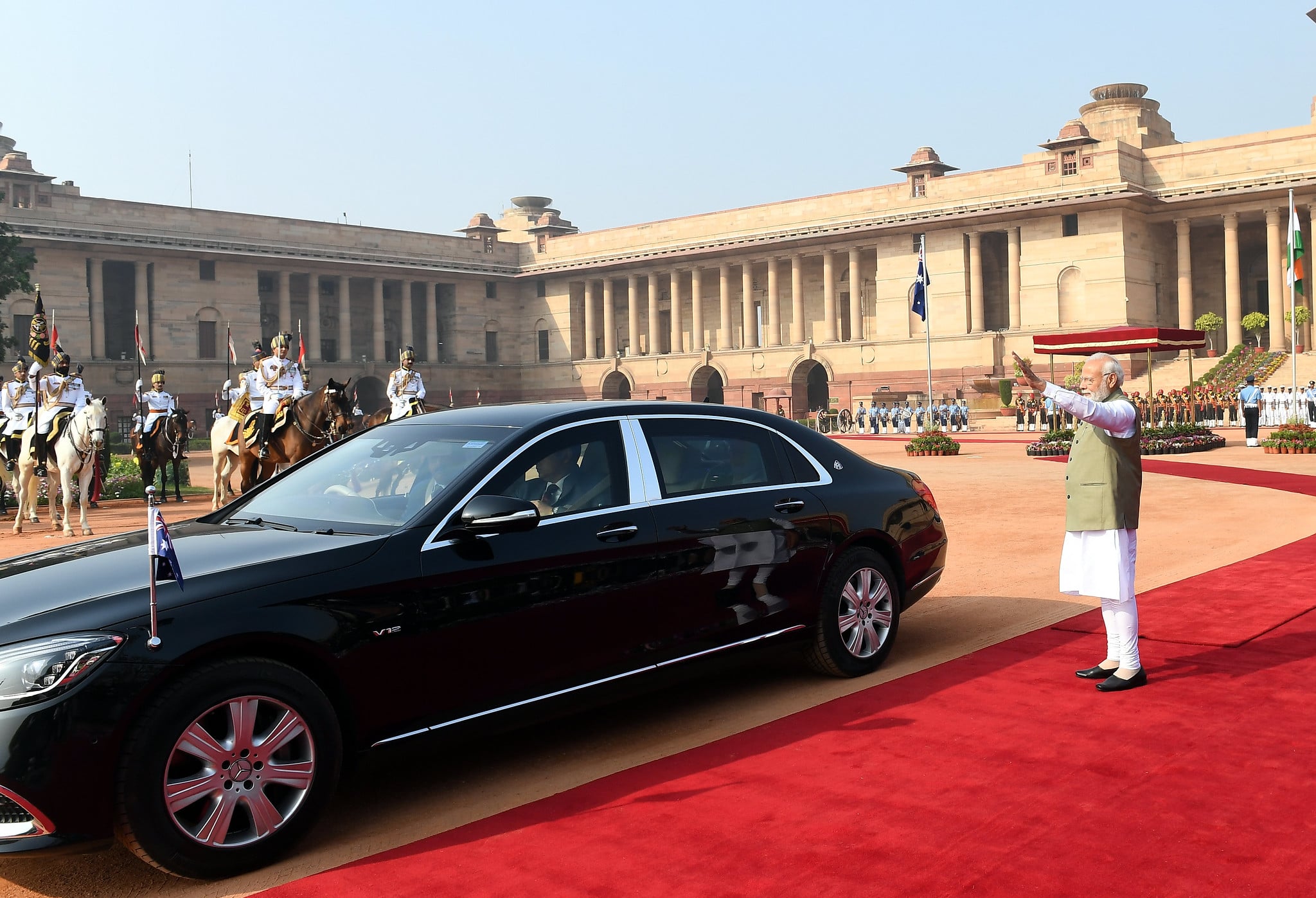
Australian electoral laws technically prohibited sharing political memes during election periods — unless they included complete information about who authorized them. The obscure provision required even social media jokes to carry formal authorization statements previously designed for conventional campaign materials.
Nobody expected “dank memes” would need to comply with pre-internet regulations designed for campaign posters and pamphlets.
Lip Syncing in Turkmenistan

The former president of Turkmenistan banned lip-syncing at all public concerts and cultural events, insisting on authentic musical performances throughout the country. This strange rule even extended to recorded background music during television performances, requiring completely live instrumentation instead.
The lip sync ban came alongside other bizarre cultural regulations including prohibitions on opera, ballet, and certain forms of traditional music deemed insufficiently patriotic by the regime.
Scrabble in Romania

Romania’s communist government banned the board game Scrabble during the 1980s, fearing its emphasis on word formation might encourage independent thinking or Western values. Can you imagine classifying a simple letter-tile game as potentially subversive?
This forced dedicated players to organize underground Scrabble competitions, perfectly exemplifying how authoritarian regimes can identify threats in even the most innocent recreational activities.
Samosas in Somalia
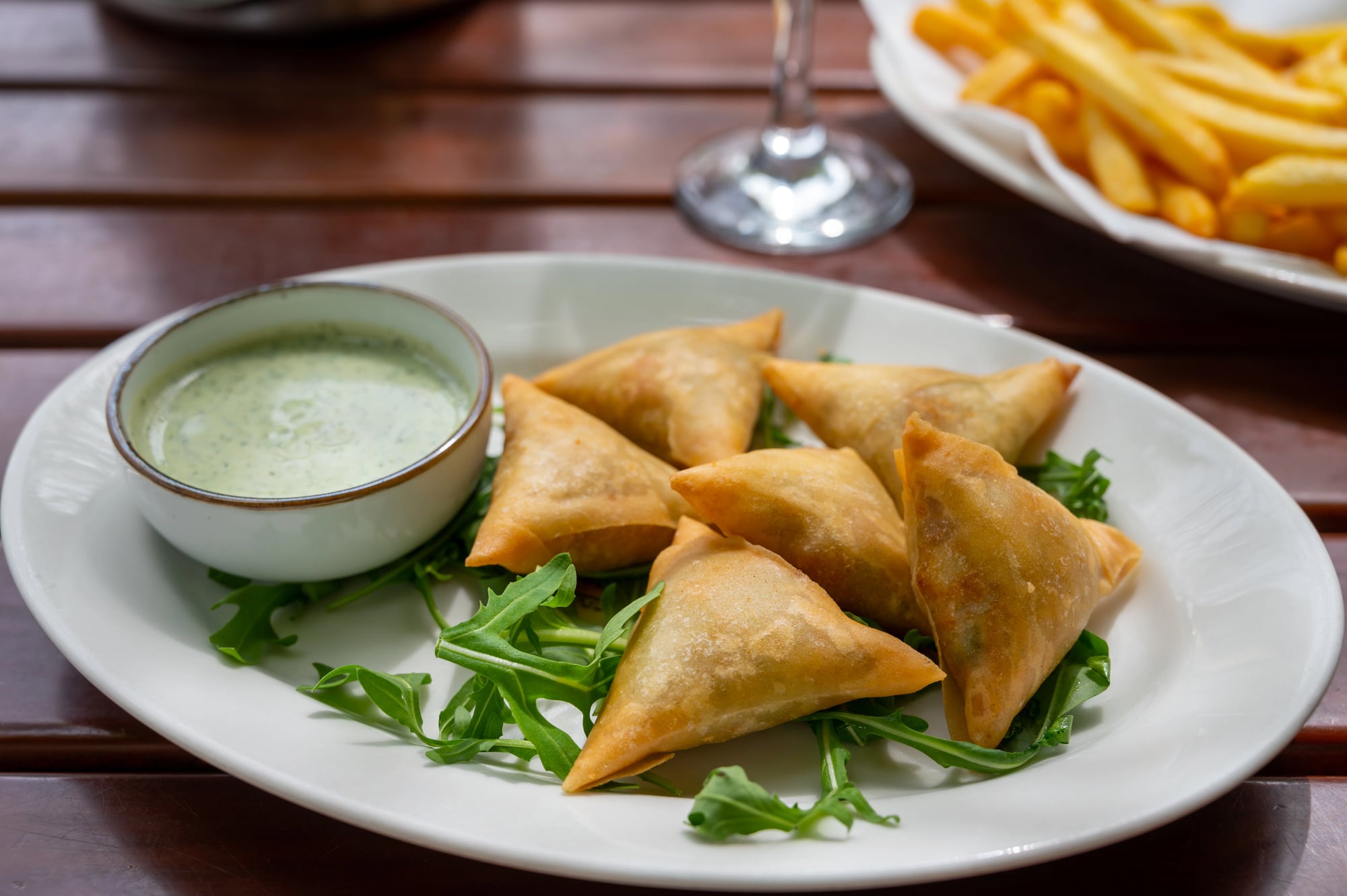
Al-Shabaab militants banned triangular samosas in territories they controlled, claiming the three-cornered pastries supposedly resembled the Christian trinity symbol. This absurd food regulation forced cooks to create alternative shapes for the popular filled pastries despite their centuries-old traditional form.
Somehow, pastry geometry became a religious battleground, transforming innocent culinary traditions into perceived theological offenses requiring official correction.
Death in Longyearbyen, Norway
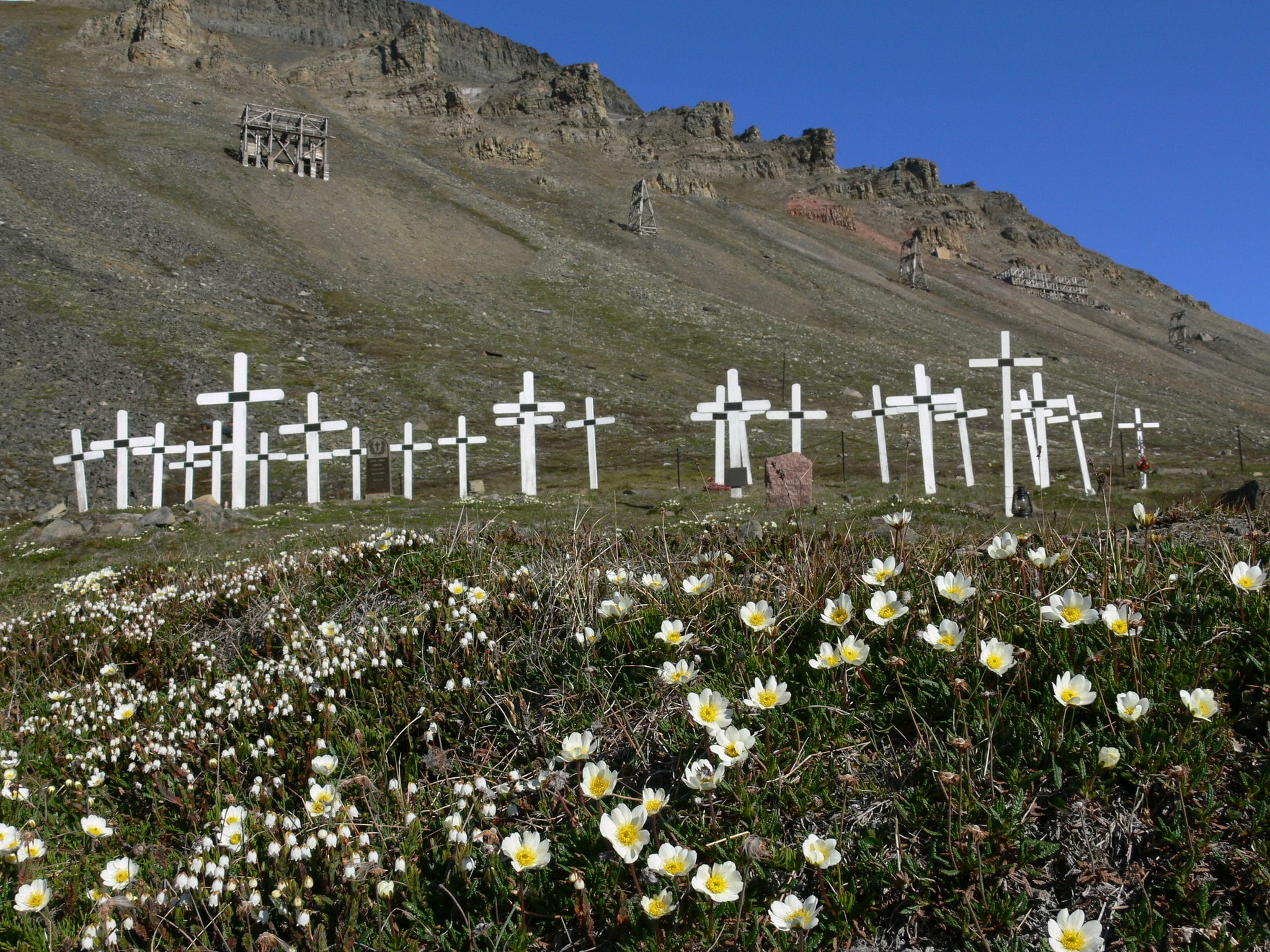
The remote Arctic town of Longyearbyen, Norway effectively bans dying within city limits. Anyone seriously ill must be transported to the mainland.
This unusual prohibition exists because bodies buried in the local permafrost don’t decompose and may preserve diseases indefinitely, as scientists discovered when recovering perfectly preserved influenza virus samples from bodies buried there.
Frowning in Milan

Milan, Italy briefly implemented local regulations prohibiting public frowning except during funerals or hospital visits. The unusual ordinance aimed to improve the city’s atmosphere and promote positive civic feelings among residents and visitors.
While largely unenforceable and primarily symbolic, this anti-frowning measure represents perhaps the most direct governmental attempt to legislate facial expressions in modern times.
When Laws Get Weird
These strange prohibitions remind us that legal systems worldwide contain peculiar outliers reflecting unique cultural anxieties, historical circumstances, or simply bureaucratic oddities that somehow survived into modern times. Some prohibitions actually serve understandable purposes despite their weird specificity, while others show how easily legal authority can drift into absurd territory.
The next time you encounter a seemingly sensible regulation, remember that somewhere, someone needed an explicit law preventing reincarnation without proper paperwork or banning the consumption of triangular pastries for theological reasons.
More from Go2Tutors!

- The Romanov Crown Jewels and Their Tragic Fate
- 13 Historical Mysteries That Science Still Can’t Solve
- Famous Hoaxes That Fooled the World for Years
- 15 Child Stars with Tragic Adult Lives
- 16 Famous Jewelry Pieces in History
Like Go2Tutors’s content? Follow us on MSN.