18 Breakfast Customs From Around the World
Every culture has figured out its own answer to the same basic question: what should the first meal of the day accomplish? Some lean into comfort, others prioritize fuel, and a few seem determined to wake you up whether you’re ready or not.
The results reveal something deeper than food preferences — they show how different societies think about mornings, family, and the rhythm of daily life.
Japan

The traditional Japanese breakfast operates like a well-orchestrated symphony where every element has earned its place through centuries of refinement. Rice sits at the center, accompanied by miso soup, grilled fish (often salmon), pickled vegetables, and tamagoyaki — that perfectly rectangular omelet that requires genuine skill to master.
What strikes you immediately is the balance: salty and sweet, warm and cool, soft and crisp, all arranged with the kind of visual precision that makes Western breakfast plates look like they were assembled during an earthquake.
But there’s something else happening here that goes beyond aesthetics. The meal feels deliberate in a way that suggests mornings matter — that how you begin shapes everything that follows.
Each small dish serves a purpose, and nothing feels hurried or accidental.
England

A full English breakfast doesn’t apologize for anything. Bacon, sausages, black pudding, baked beans, grilled tomatoes, mushrooms, fried bread, and eggs — all of it glistening on a single plate like a challenge to your digestive system.
This is food that assumes you’re about to spend the day doing actual physical work, the kind that requires serious caloric backup.
The portions make sense when you consider the climate and history. Cold, damp mornings and a culture built on manual labor created a breakfast that functions more like armor than a meal.
It’s designed to stick with you, which it absolutely will, sometimes until dinner.
Mexico

Breakfast in Mexico understands something fundamental about flavor that many cultures never quite grasp: morning doesn’t have to be bland. Chilaquiles transform yesterday’s tortillas into something alive — crispy chips swimming in red or green salsa, topped with eggs, cheese, and crema.
The dish manages to be both rustic and sophisticated, using simple ingredients to create layers of texture and heat that wake up every part of your mouth.
And then there’s the timing, which reveals a different relationship with the morning meal entirely. Mexican breakfast often extends well into what other cultures would call late morning, turning the meal into a social event rather than fuel grabbed on the way out the door.
Families linger over their plates, and the conversation matters as much as the food — which is saying something, because the food is remarkable.
France

French breakfast is a masterclass in restraint. A croissant, some jam, coffee — and that’s it.
No protein, no vegetables, nothing that requires actual cooking. The whole meal can be assembled in under two minutes, yet somehow it feels more civilized than elaborate spreads that take an hour to prepare.
The genius lies in the quality over quantity approach. That croissant better be perfect — buttery, flaky, still warm from the bakery.
The coffee better be strong enough to wake the dead. When every element has to carry the entire meal, there’s no room for mediocrity.
India

Indian breakfast varies dramatically by region, but it shares one common trait: complexity earned through time and technique. Take dosa from South India — a crepe-thin pancake made from fermented rice and lentil batter that’s been soaking and fermenting for hours before it ever hits the griddle.
The batter bubbles and spreads into perfect circles, creating something that’s simultaneously crispy and tender, tangy from fermentation and deeply satisfying in a way that surprises anyone expecting typical breakfast flavors.
Served with sambar (a lentil soup loaded with vegetables and spices) and coconut chutney, dosa represents breakfast as an art form. But here’s what’s really remarkable: this elaborate meal happens every morning in countless households, suggesting a culture that believes the day’s first meal deserves serious attention and effort.
The fermentation alone requires planning ahead — you can’t decide to make dosa spontaneously, which says something about how Indians view the importance of starting the day right.
Turkey

Turkish breakfast spreads across the table like a small celebration that happens to occur every morning. Multiple cheeses, olives, tomatoes, cucumbers, honey, jam, fresh bread, and tea — lots of tea.
The variety feels almost excessive until you realize the underlying logic: everyone gets to build their own perfect bite.
The meal encourages lingering, which might be the whole point. Turkish breakfast isn’t designed for grabbing and running.
It’s meant to be shared, discussed, and extended until the morning has officially transformed into something else entirely.
China

Chinese breakfast breaks every Western rule about morning food and somehow makes perfect sense. Congee — rice porridge cooked until it reaches the consistency of creamy soup — serves as the foundation.
But the toppings and accompaniments tell the real story: pickled vegetables, dried pork floss (yes, that’s exactly what it sounds like), century eggs, and various other items that would horrify anyone expecting cereal and milk.
The beauty of congee lies in its adaptability and gentleness. It’s easy to digest, endlessly customizable, and warm in a way that reaches deep into your bones.
For a culture that values harmony and balance, starting the day with something this soothing makes intuitive sense. The meal whispers rather than shouts, preparing you for the day without overwhelming your system or your senses.
Germany

German breakfast takes efficiency seriously. Dense, dark bread sliced thick enough to support significant architectural weight.
Cold cuts arranged with geometric precision. Multiple cheeses. Hard-boiled eggs.
Everything designed to last until the next official eating opportunity, which might be hours away.
The bread deserves special mention — this isn’t soft sandwich material, but substantial stuff that requires actual chewing. It’s breakfast that assumes you’re an adult with serious responsibilities and no time for snacks.
Morocco
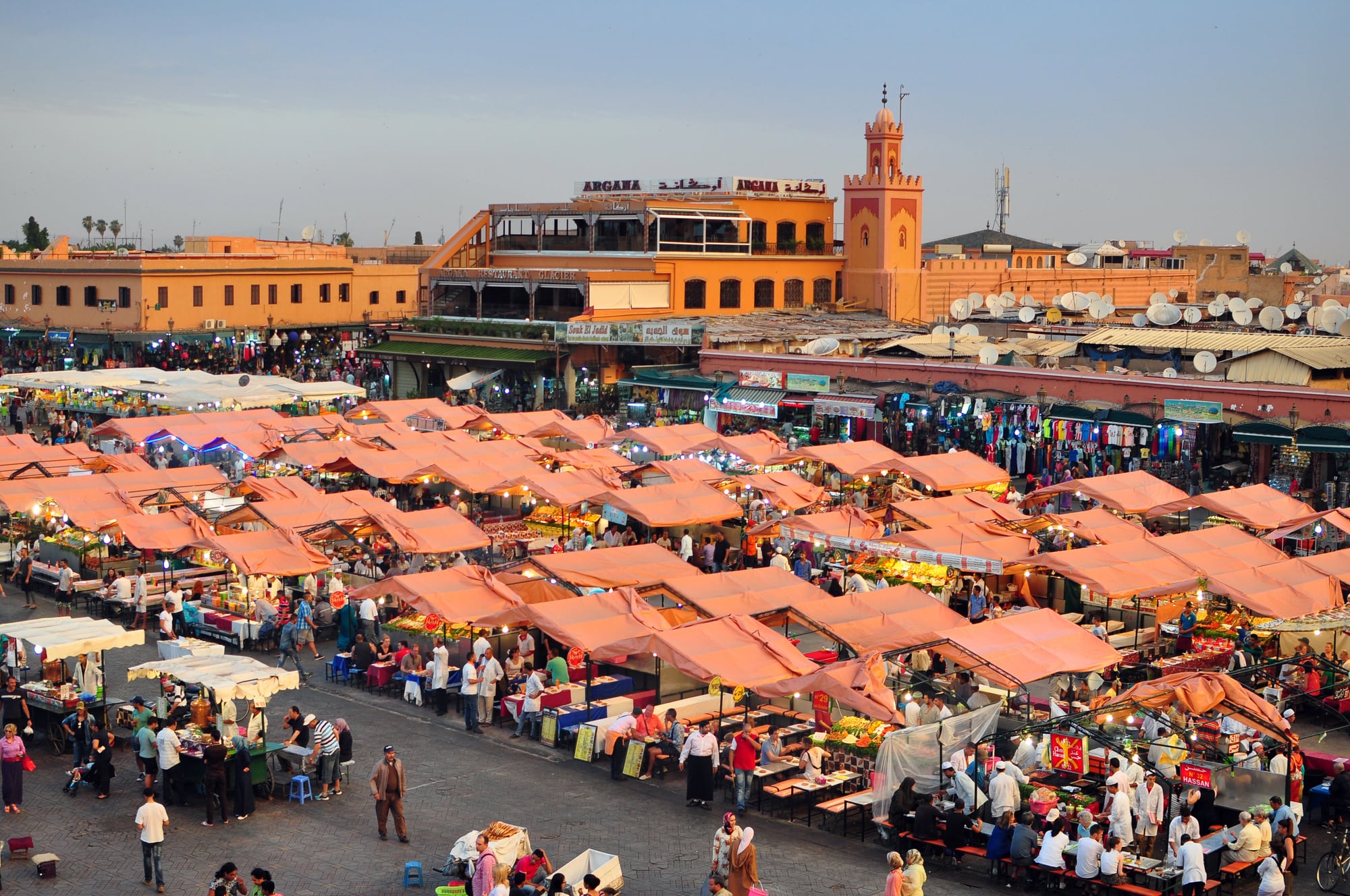
Moroccan breakfast feels like waking up inside a warm hug from someone’s grandmother, assuming that grandmother happens to be an expert in balancing sweet and savory flavors with the precision of a master chef. Khobz (round, flat bread with a slightly chewy texture) appears alongside honey, jam, butter, and soft cheese — but also harira soup when the weather turns cool, which transforms breakfast into something approaching a religious experience.
The bread, often still warm from the local baker, tears perfectly for scooping and spreading, while mint tea flows freely in small glasses that somehow never seem to empty.
But there’s a rhythm here that Western breakfasts miss entirely. Moroccan breakfast doesn’t rush toward productivity; it meanders through conversation and multiple small courses, treating the morning meal as a gradual awakening rather than fuel for immediate action.
The tea alone requires ceremony — the pouring, the steeping, the inevitable second and third glasses that extend the meal well beyond simple nutrition into something approaching meditation.
Russia

Russian breakfast doesn’t mess around. Kasha (porridge) made from buckwheat, oats, or other grains, served hot and often topped with butter or sour cream.
Sometimes accompanied by eggs, sausage, or cottage cheese. This is food that understands cold mornings and long days ahead.
The meal reflects a practical culture that values substance over presentation. Nothing fancy, nothing that requires explanation, just solid food that will keep you going regardless of what the day throws at you.
Brazil

Brazilian breakfast splits the difference between European restraint and tropical abundance. Fresh fruit — lots of it — sits alongside strong coffee, fresh bread, and often tapioca crepes filled with cheese or coconut.
The combination manages to feel both light and satisfying, perfect for a climate that can turn oppressive by midday.
The fruit deserves particular attention. Papaya, mango, passion fruit — flavors that wake up your taste buds without overwhelming them.
It’s breakfast that acknowledges the weather and works with it rather than against it.
Sweden
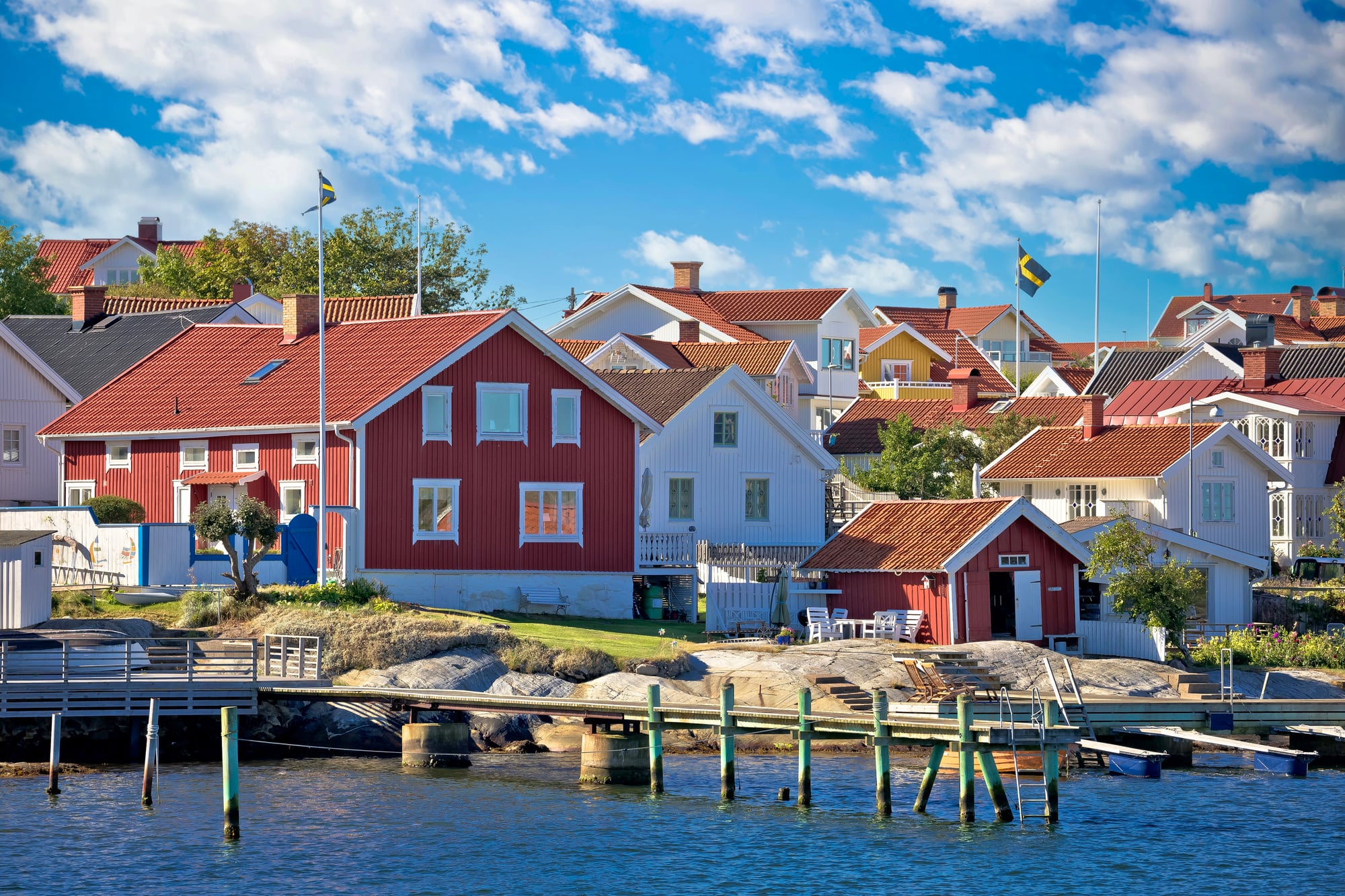
Swedish breakfast embodies the concept of lagom — that untranslatable word meaning “just the right amount.” Crisp bread topped with cheese or cold cuts, perhaps some yogurt with berries, coffee that could power a small engine.
Nothing excessive, nothing insufficient.
The meal reflects a culture that has figured out how to be satisfied without being indulgent. It’s breakfast that gets the job done efficiently and moves on to more important things.
Iran

Iranian breakfast operates on a completely different wavelength from most morning meals, treating the first hour of the day like it deserves the same attention you’d give to dinner guests. Barbari or sangak bread — flat, chewy, sometimes topped with sesame or nigella seeds — serves as the foundation for fresh herbs, multiple white cheeses, walnuts, and honey.
But here’s where it gets interesting: the herbs aren’t garnish, they’re a main component. Fresh basil, mint, cilantro, and green onions appear in quantities that would make Western breakfasts look timid.
The whole meal functions like a Middle Eastern mezze that happens to occur in the morning, encouraging you to build different combinations with each bite. Cheese with herbs and honey on warm bread.
Walnuts crushed into creamy yogurt. Strong tea to cut through the richness and prepare your palate for the next combination.
It’s breakfast as exploration rather than routine, which might explain why Iranian mornings tend to stretch longer than their Western counterparts.
South Korea

Korean breakfast rejects the Western notion that morning food should be fundamentally different from any other meal. Rice, kimchi, soup, and various banchan (side dishes) — the same foods that might appear at dinner, served without apology at 7 AM.
The kimchi alone provides more flavor complexity than most Western breakfasts achieve in their entirety.
The approach makes perfect sense once you stop expecting breakfast to be special. Why should the morning meal be limited to a narrow range of acceptable flavors when lunch and dinner get to play with the entire spectrum?
Italy

Italian breakfast is espresso and a pastry. That’s it.
No protein, no elaborate preparation, nothing that takes longer than five minutes to consume while standing at a bar counter. The simplicity feels almost aggressive in its efficiency.
But the execution has to be flawless. The espresso better be perfect — rich, concentrated, consumed quickly before it cools.
The pastry better be fresh and worth the calories. When your entire breakfast consists of two elements, both have to justify their existence.
Egypt

Egyptian breakfast brings ful medames to the table — fava beans that have been simmered slowly until they reach the consistency of chunky hummus, then dressed with olive oil, lemon juice, and spices. Served with fresh bread and often accompanied by eggs, cheese, or vegetables, it’s a meal that manages to be both ancient and completely contemporary.
The beans themselves tell a story about making the most of simple ingredients through time and technique. What starts as humble legumes becomes something rich and satisfying through slow cooking and careful seasoning.
Australia

Australian breakfast culture borrowed from everywhere and somehow made it work. Smashed avocado on toast sits next to flat white coffee and fresh fruit, creating a meal that’s part British influence, part Mediterranean sunshine, and part Pacific freshness.
The combination shouldn’t work, but it absolutely does.
The avocado toast deserves credit for being more than a social media phenomenon. When done properly — ripe avocado roughly mashed with lemon juice and sea salt on quality bread — it provides creamy richness without heaviness, perfect for a climate that can shift from cool to blazing within hours.
Thailand

Thai breakfast does what Thai food always does: balances sweet, sour, salty, and spicy in ways that make other cuisines look monotone. Jok (rice porridge) topped with ground pork, ginger, and green onions.
Thai omelets that are more like crispy pancakes studded with herbs. Fresh fruit that ranges from familiar (mango) to challenging (durian).
The meal doesn’t coddle you awake gently — it wakes up every taste bud and gets your day moving whether you’re ready or not.
A Morning Ritual Worth Preserving

These breakfast traditions reveal something hopeful about human nature: despite everything else we disagree about, most cultures have decided that mornings matter enough to do them properly. Whether that means elaborate spreads or perfect simplicity, fermented batters or fresh fruit, the care shows through.
Maybe the specific foods matter less than the underlying conviction that how you begin shapes everything that follows.
More from Go2Tutors!

- The Romanov Crown Jewels and Their Tragic Fate
- 13 Historical Mysteries That Science Still Can’t Solve
- Famous Hoaxes That Fooled the World for Years
- 15 Child Stars with Tragic Adult Lives
- 16 Famous Jewelry Pieces in History
Like Go2Tutors’s content? Follow us on MSN.



