Rare Video Games That Collectors Are Hunting for
Now seen as part of preserving popular culture, video games are no longer just forgotten items in dresser drawers or borrowed tapes on store racks. Their history matters – where they came from, how well kept they are, what was happening when they were made – all that counts more than mere sentimentality.
Over time, some specific games have pulled far ahead, sought after with steady attention instead of passing curiosity. Not every old game is rare.
Some exist in tiny numbers because of short print batches, strange release paths, broken launches, or just bad luck leaving almost nothing behind. Worth comes from proof – records, sales data, real interest – not chatter online.
Below explores titles players seek relentlessly, digging into what keeps them out of reach.
Nintendo World Championships 1990
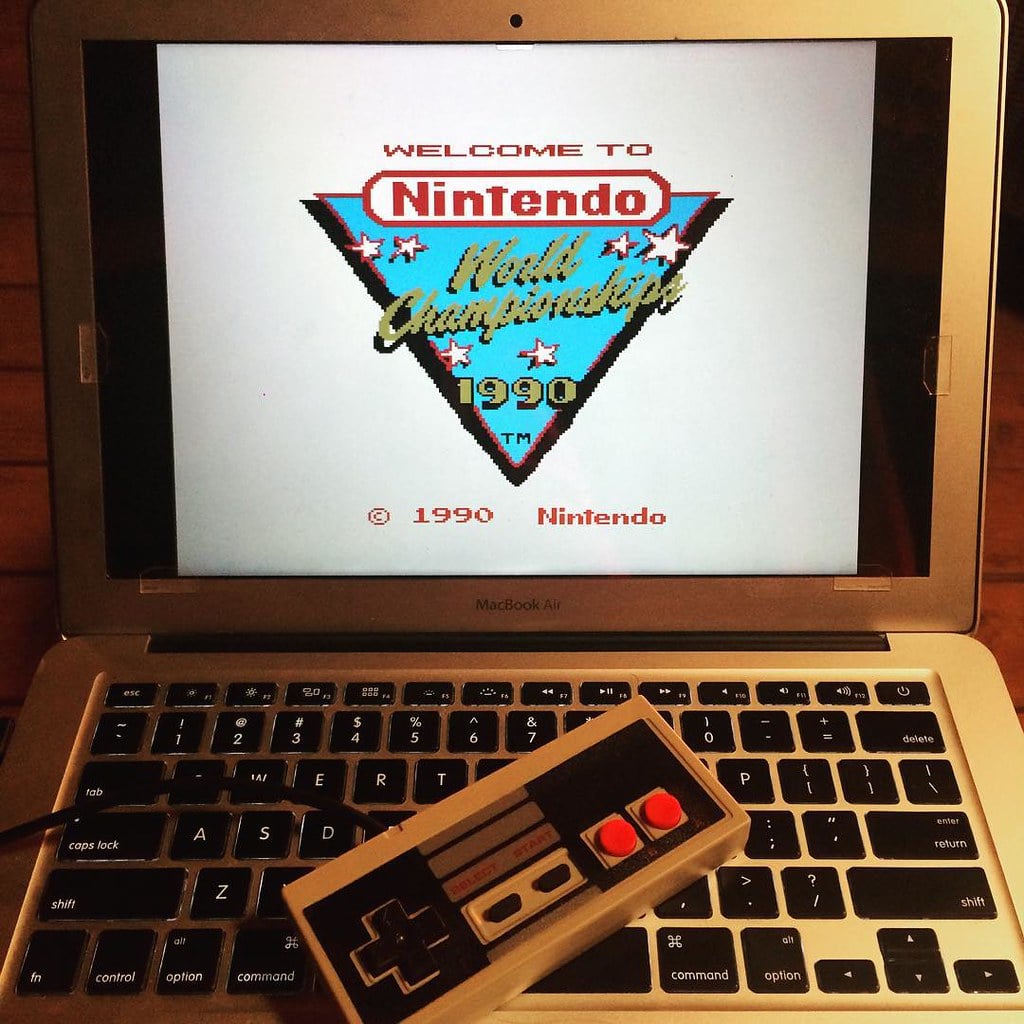
Few video games are as instantly recognisable to collectors as the Nintendo World Championships 1990 cartridge. Created for a nationwide competition, these cartridges were never sold at retail.
They were distributed to event locations and later given away as prizes, with only a small number surviving intact. The cartridge itself contains a timed challenge spanning multiple Nintendo titles, designed to test player skill rather than storytelling.
What drives its value is the combination of official Nintendo provenance and extreme scarcity. Variants with different cartridge casings add another layer of collectability, turning this game into a cornerstone of competitive gaming history.
Stadium Events
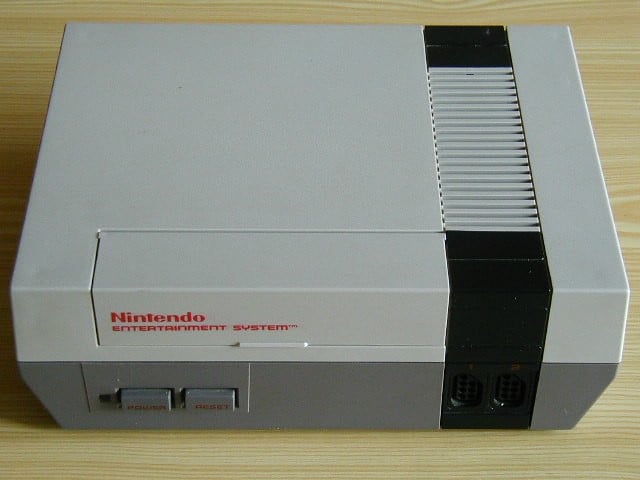
Stadium Events have become almost mythic within collecting circles. Originally released in limited quantities for the NES, it required a specific peripheral that was quickly replaced by a rebranded version.
As a result, unsold copies were pulled from shelves and destroyed. Very few complete copies remain today, particularly those with original packaging.
The game itself is simple, built around athletic challenges rather than narrative depth. Its value comes entirely from circumstance.
Stadium Events represents how quickly distribution decisions can transform an otherwise ordinary title into one of the most sought-after games in existence.
Air Raid
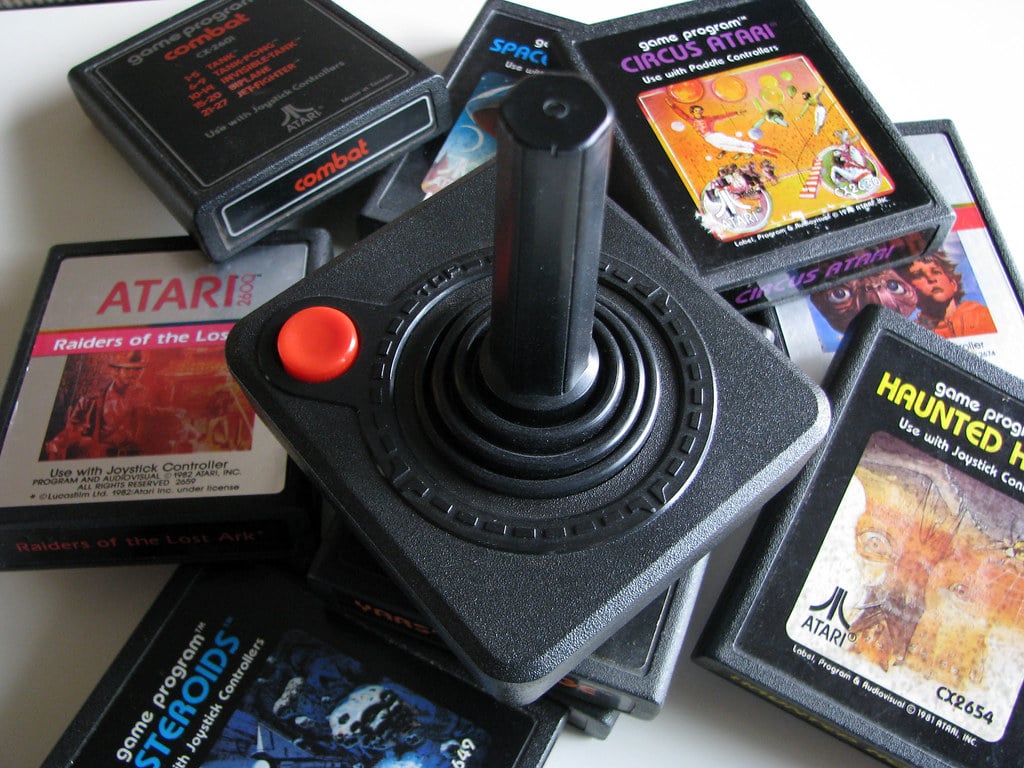
Air Raid is instantly identifiable thanks to its unusual blue cartridge, a design choice unique among Atari 2600 games. Released by a small third-party publisher, it had limited distribution even at the time of launch.
Most copies disappeared before collectors knew it existed. That said, the cartridge alone is not enough to guarantee rarity.
Complete copies with original packaging are extraordinarily difficult to find. The game’s value lies in visual uniqueness combined with obscurity.
Air Raid has become a symbol of how unconventional production choices can leave a lasting mark on collecting culture.
Gamma Attack

Gamma Attack occupies a peculiar space in video game history. It was produced by a company that created several low-profile titles, most of which were poorly documented.
Unlike those others, Gamma Attack appears to exist in only a single confirmed copy. The lack of verified additional examples has turned it into a benchmark for rarity.
Collectors debate its origins and distribution, but its existence is well established. Gamma Attack’s value does not stem from popularity or innovation, but from the sheer improbability of encountering it at all.
Super Mario Bros. (early sealed copies)

Super Mario Bros. itself is not rare. Millions were produced, and the game remains one of the most widely recognised titles in history.
Yet certain early sealed copies have become some of the most valuable video games ever sold. The distinction lies in production details such as box variation, seal quality, and manufacturing origin.
Early runs were packaged differently, and pristine examples are vanishingly scarce. These copies command high prices not because the game is unknown, but because they represent untouched artifacts from the dawn of mainstream console gaming.
The Legend of Zelda (gold cartridge editions)
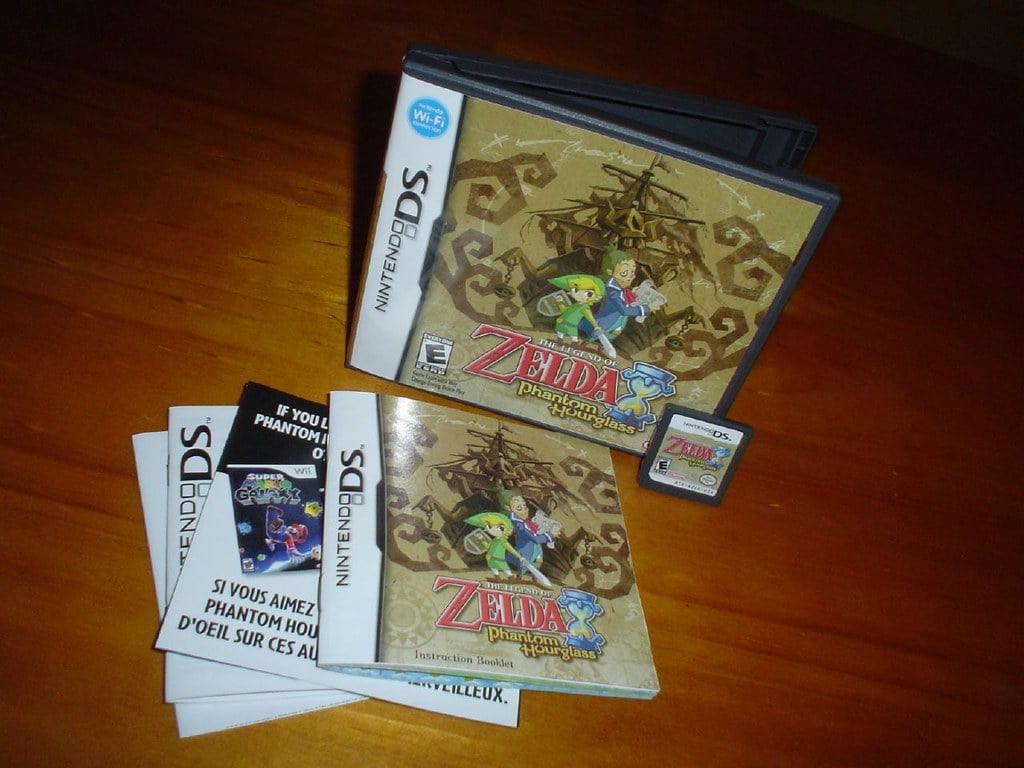
The Legend of Zelda introduced many players to expansive worlds and non-linear progression. Early gold cartridge editions are highly prized, especially when paired with original boxes and manuals.
Over time, wear and replacement cartridges reduced the number of complete sets. Collectors value these copies for their role in shaping how games approached exploration and persistence.
The gold cartridge itself became a visual icon, marking the title as something different. Its rarity today reflects both age and the way players actually used and replayed the game.
EarthBound

EarthBound struggled commercially upon release despite critical praise. Its unconventional tone and oversized packaging limited appeal at the time, leading to relatively low sales.
Many copies were discarded or separated from their boxes. Today, complete editions are fiercely sought after.
The game’s cult status grew slowly, driven by word-of-mouth and later digital rediscovery. EarthBound demonstrates how cultural reevaluation can elevate scarcity, turning overlooked titles into long-term collector targets.
Panzer Dragoon Saga
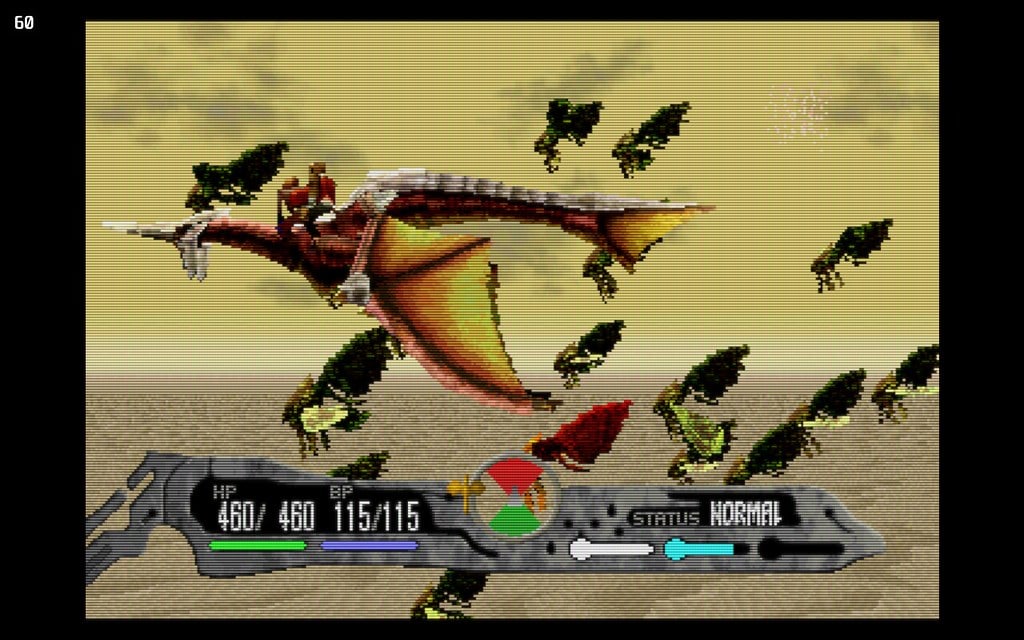
Panzer Dragoon Saga was released late in the Sega Saturn’s life cycle, at a time when the console was already losing market share. Limited production runs and regional distribution issues ensured that few copies entered circulation.
The game’s ambition and storytelling later earned it widespread acclaim. Collectors now pursue it as both a rare artifact and a reminder of an era when experimental design struggled against commercial realities.
Its scarcity reflects the volatility of hardware transitions rather than lack of quality.
Rule of Rose
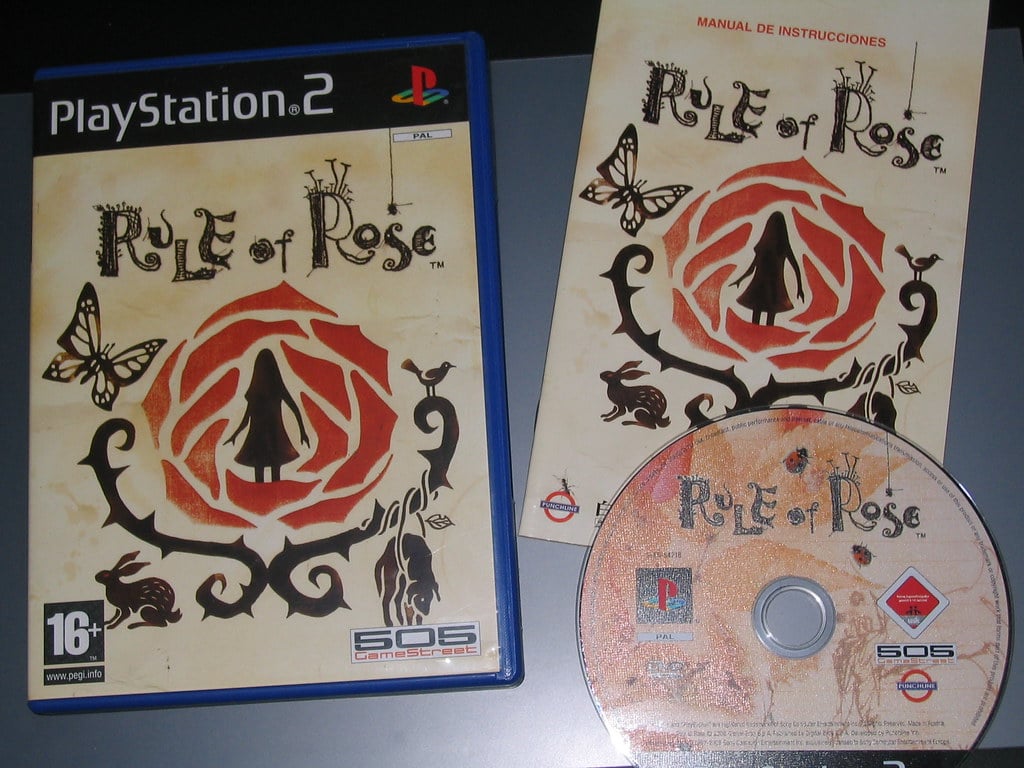
Rule of Rose became rare due to controversy rather than production limits alone. Distribution challenges and negative press reduced availability in certain regions, even as interest in the game continued to grow.
That scarcity, combined with rising appreciation for atmospheric storytelling, has driven collector demand. Complete copies are increasingly difficult to find, especially in good condition.
Rule of Rose illustrates how external perception can shape a game’s long-term availability.
Why collectors value these games

Rarity alone is not enough to sustain demand. Collectors look for clear provenance, verifiable production history, and cultural significance. Games that intersect with important industry moments tend to hold value longer than novelty items.
Condition remains critical. Packaging, manuals, and original media must be intact, with minimal wear.
Games that were played heavily during their original release often survive in poor condition, making pristine examples disproportionately valuable. Preservation, rather than age, often determines worth.
What this hunt says about gaming history

Chasing down old cartridges isn’t just nostalgia – it shows how far gaming has come. Not only do fans play them, but they preserve these titles like artifacts.
Hidden inside every hard-to-find game is a clue about where it was sold, what machines ran it, who embraced it. Later on, rare originals grow harder to find – so writing things down matters more.
Not only collectibles, these games show how digital play changed over years. Oddly enough, chasing them now counts as history too, fueled by a need to keep alive what defined gaming’s past.
More from Go2Tutors!

- The Romanov Crown Jewels and Their Tragic Fate
- 13 Historical Mysteries That Science Still Can’t Solve
- Famous Hoaxes That Fooled the World for Years
- 15 Child Stars with Tragic Adult Lives
- 16 Famous Jewelry Pieces in History
Like Go2Tutors’s content? Follow us on MSN.