Ancient Ruins With Puzzling Construction Techniques
There’s something deeply unsettling about standing in front of a structure that shouldn’t exist. Not in a supernatural way, but in a “how did ancient people without modern machinery accomplish this” kind of way.
Ancient ruins scattered across the globe continue to baffle engineers, archaeologists, and anyone who stops to actually think about the logistics involved. We’re talking about civilizations that supposedly had no advanced technology, yet somehow moved stones weighing hundreds of tons, achieved precision that would challenge modern tools, and aligned structures with astronomical accuracy that seems almost impossible.
The puzzles these ruins present aren’t just academic curiosities—they force us to reconsider what we think we know about ancient capabilities. Let’s look at some of the most mind-bending examples.
The Great Pyramid of Giza, Egypt
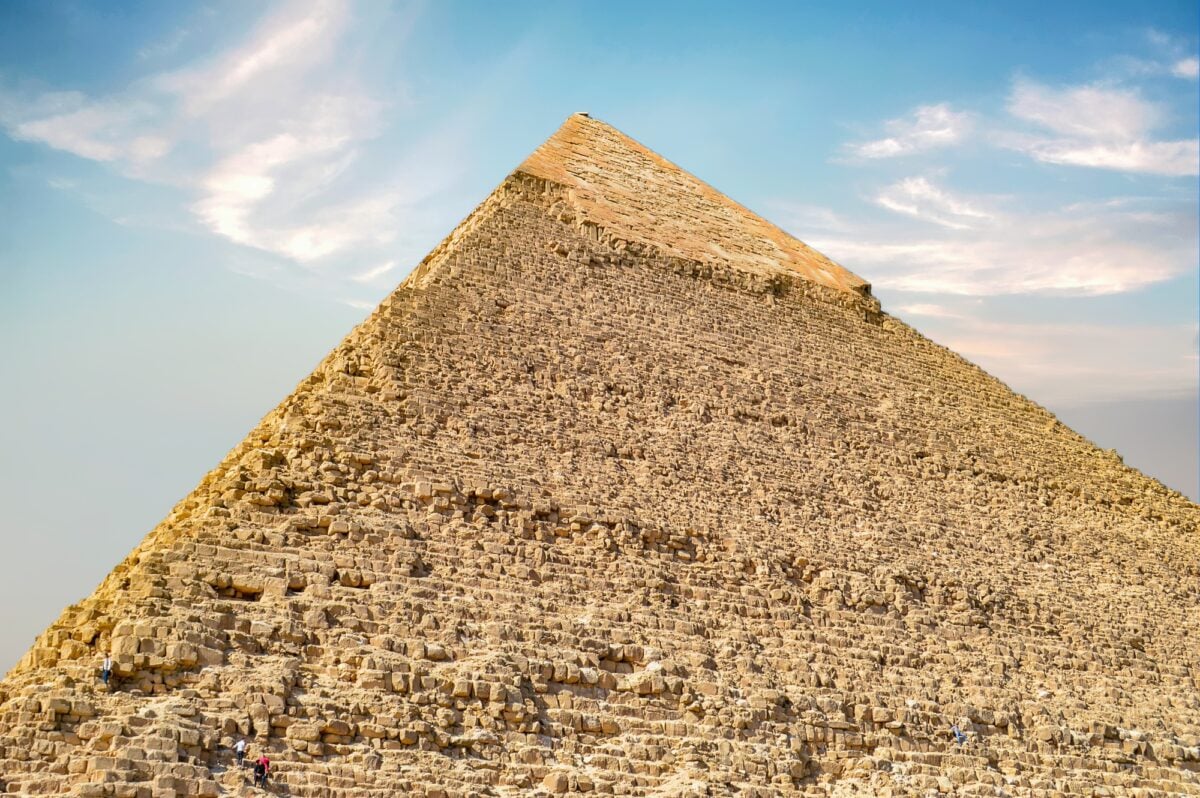
Just the numbers are absurd. You can’t fit a piece of paper between many of the 2.3 million stone blocks—some of which weigh up to 80 tons—because they were put together with such accuracy. Additionally, it was constructed approximately 4,500 years ago, give or take.
The base is level to within 2.1 centimeters, the sides are nearly perfectly aligned with the cardinal directions, and for almost 4,000 years, the entire structure was the tallest man-made structure on Earth. This engineering precision is what really gets you.
Ramps, a large workforce, and decades of labor are all part of the widely accepted theory. The problem is that no one has conclusively demonstrated how they did it.
To get to the higher levels, ramps would have to be enormous, and there is no proof of them. According to some researchers, it would take 20 years of nonstop work to move one block every two minutes.
Technically, the math is correct, but when you really think about it, the logistics seem nearly unfeasible.
Stonehenge, England
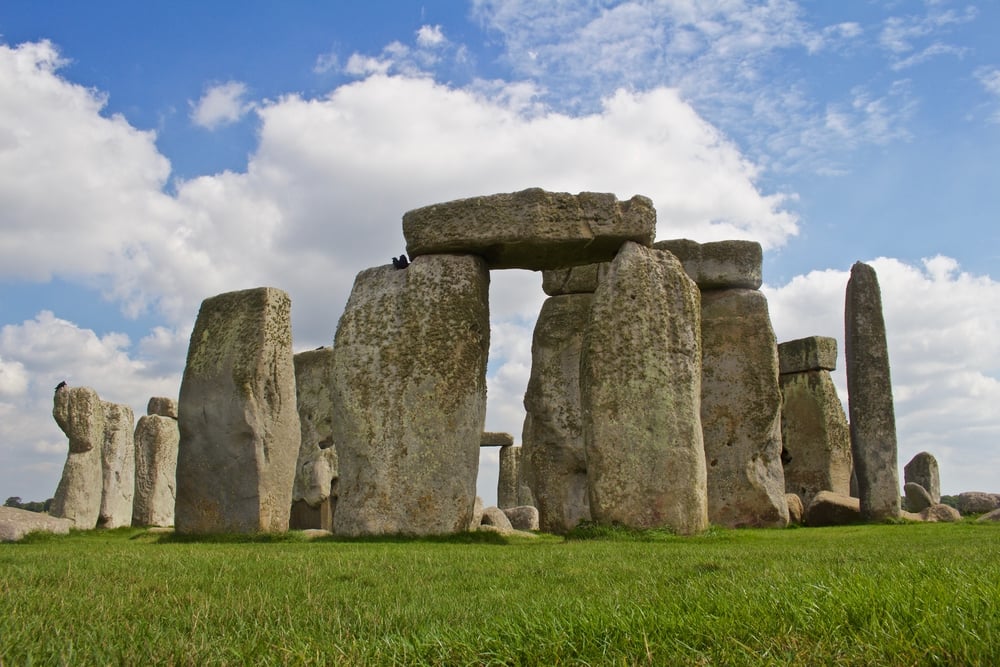
Although Stonehenge is well-known, most people are unaware of its complete history. The smaller bluestones, which can still weigh up to four tons apiece, were shipped from Wales, which is roughly 240 kilometers away.
About 30 kilometers to the north were the larger sarsen stones, which could weigh up to 25 tons. We are discussing approximately 3000 BCE. However, lifting them is more important than simply moving them.
Those stones on top that are horizontal? They needed to be elevated and placed precisely.
Additionally, the mortise and tenon joints that join them demonstrate advanced stone carpentry techniques. The site’s alignment with the sunrise of the summer solstice indicates that the person who constructed it also possessed advanced astronomical knowledge.
Machu Picchu, Peru

The Inca built this mountain citadel in the 15th century without mortar, without the wheel, and without written language (at least not in the way we understand writing). The precision is absurd.
Stones are cut and fitted so perfectly that many joints are earthquake-resistant—the stones actually move slightly during tremors and then resettle into place. What’s even weirder is the transportation.
Some stones weighed over 50 tons and were moved across difficult mountain terrain. The Inca apparently used a combination of ramps, levers, and sheer determination, but replicating their techniques has proven difficult.
And the whole complex is positioned on a ridge between two peaks with perfect drainage systems (because of course they also needed to be master hydraulic engineers).
Baalbek, Lebanon
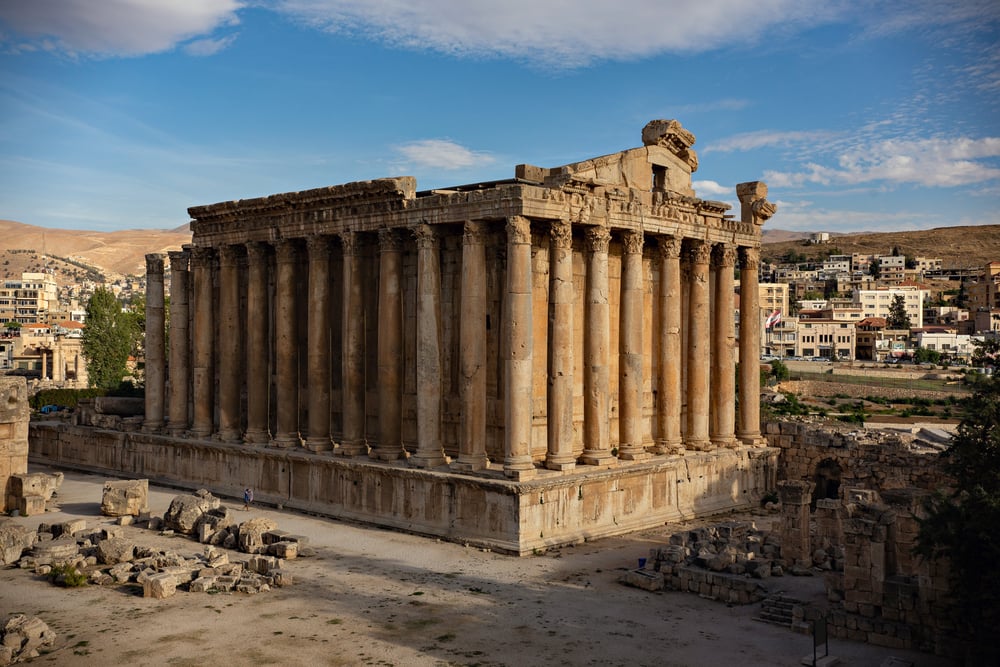
This is where things get really strange. The Temple of Jupiter at Baalbek sits on a foundation of stone blocks that are simply too large.
Three of them—called the Trilithon—each weigh approximately 800 tons. Not 800 pounds.
800 tons. That’s roughly the weight of three fully loaded 747 aircraft. Each.
They’re not just sitting there either—they’re positioned 6 meters above ground level, fitted together with almost no gaps. There’s another stone in the quarry nearby that weighs around 1,000 tons and was apparently abandoned mid-transport.
Modern cranes struggle with loads this heavy, and we’re supposed to believe the Romans (who built on top of an earlier structure) just… moved them? The original construction date of the foundation is disputed, but it might predate the Roman period entirely.
Göbekli Tepe, Turkey
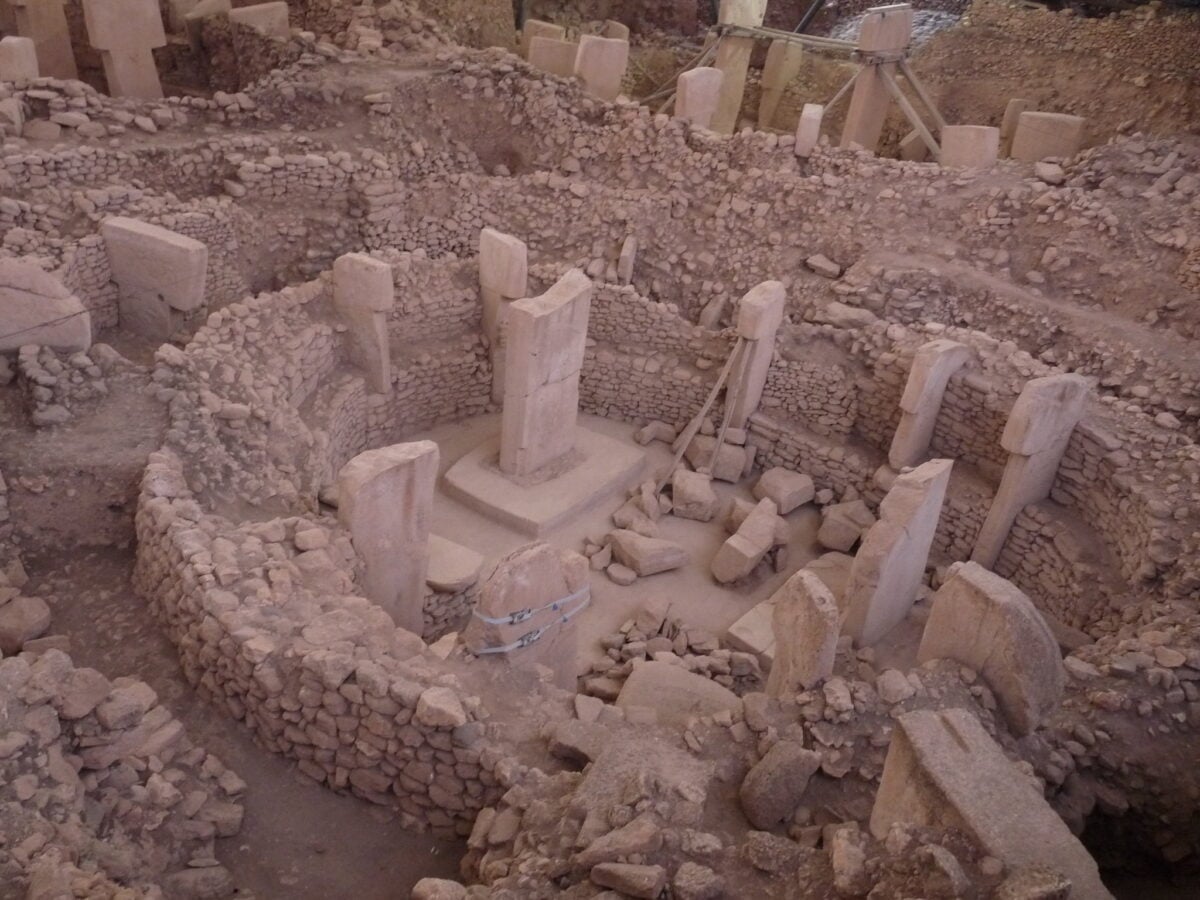
This site breaks everything we thought we knew about human civilization, it was built around 9600 BCE, which makes it older than agriculture, older than pottery, older than the wheel. Hunter-gatherers supposedly didn’t have the social organization or motivation to build monumental architecture.
Except they did. The site consists of massive T-shaped limestone pillars, some weighing up to 20 tons, arranged in circles.
They’re decorated with intricate carvings of animals. This required planning, specialized labor, and the ability to quarry and transport heavy stones.
The implications are huge—it suggests that complex social structures and monumental construction came before settled agricultural societies, not after.
Puma Punku, Bolivia
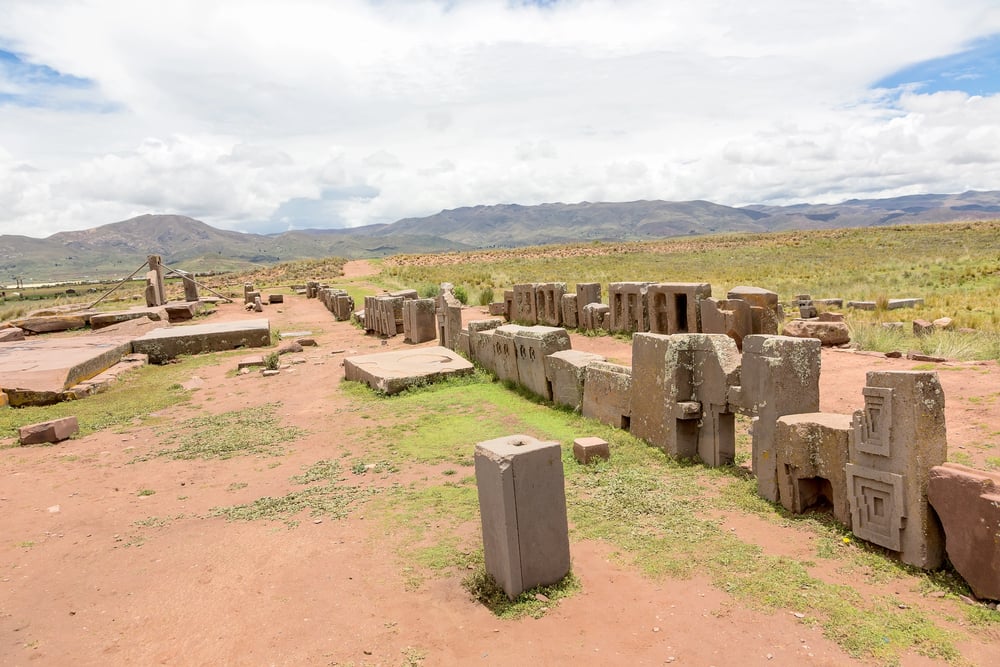
If you want precision that seems impossible for ancient technology, Puma Punku delivers. This site, part of the larger Tiwanaku complex, features stone blocks with perfectly flat surfaces and precise right angles.
Some blocks have intricate cuts and drilled pits that look almost machined (they’re not, but they look that way). The H-blocks interlock with precision cuts that would be challenging to replicate today without power tools.
The stones are andesite and diorite—extremely hard materials. The Tiwanaku people supposedly used stone tools and maybe bronze, which is softer than the stones they were cutting.
Something doesn’t quite add up here. And some of these blocks weigh over 100 tons, transported from quarries at least 10 kilometers away.
Sacsayhuamán, Peru
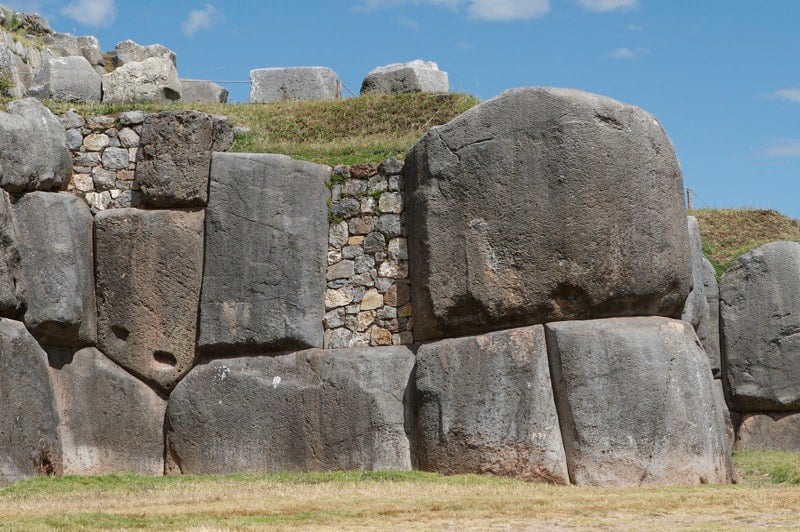
Another Inca masterpiece that shouldn’t exist. The fortress walls outside Cusco are made of stones so precisely fitted that, again, you can’t slide a blade between them.
But unlike Machu Picchu, some of these stones are absolutely massive—the largest is estimated at 200 tons. They’re also irregularly shaped, which somehow makes the precision even more impressive.
Each stone is unique, carved to fit perfectly with its neighbors like a three-dimensional jigsaw puzzle. The Inca supposedly used no mortar, no advanced mathematics (that we know of), and no written plans.
Just lots of workers, time, and techniques that have been lost to history.
The Moai of Easter Island
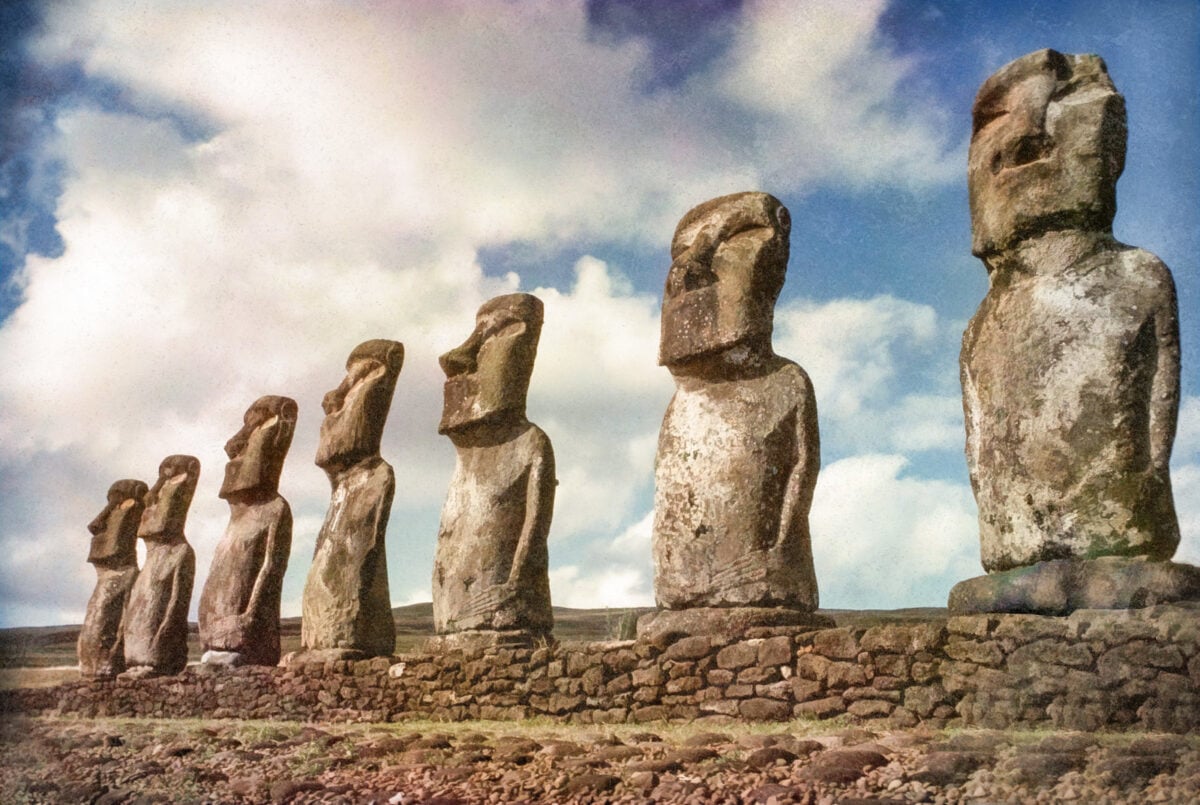
The moai statues are famous, but the logistics of creating and moving them are genuinely baffling. Nearly 1,000 statues were carved from volcanic tuff, most of them at Rano Raraku quarry.
The average moai weighs around 13 tons (though some are much larger), and they were transported across the island to various locations—sometimes over 10 kilometers away. Recent theories suggest they were “walked” upright using ropes, which experiments have shown is possible but difficult.
But here’s what really bothers me: the island’s population when the moai were being built (roughly 1400-1650 CE) was maybe 15,000 people at its peak. The amount of resources and labor dedicated to creating these statues was enormous.
Why? The cultural significance must have been profound, but the engineering challenge they took on seems almost reckless given their limited resources.
Derinkuyu, Turkey
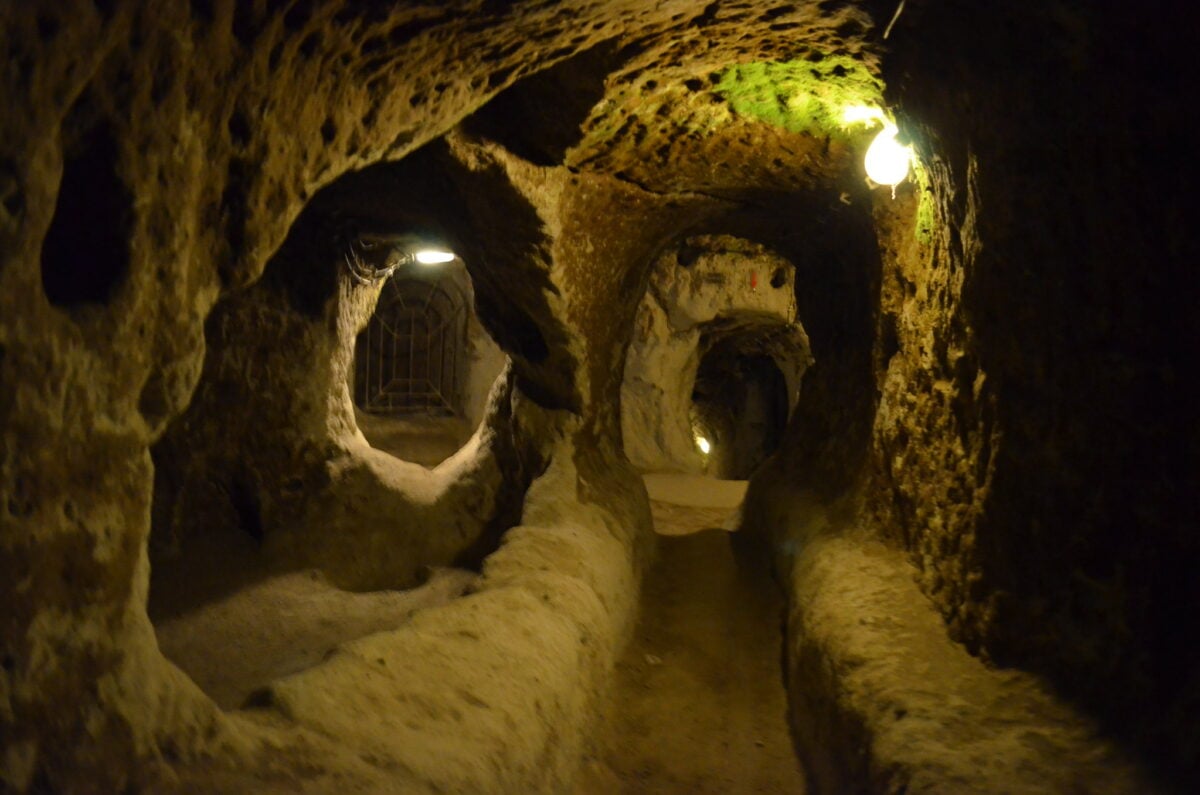
This underground city in Cappadocia could hold up to 20,000 people along with their livestock and food supplies. It extends at least 60 meters underground, with multiple levels connected by narrow passages.
Built into soft volcanic rock, probably around the 7th or 8th century BCE (though dating is difficult). The ventilation system is sophisticated—air shafts ensure breathable air even at the deepest levels.
There are wells, storage rooms, stables, churches (added later), and even a wine press. But the big question is excavation technique: How did they remove all that rock? Where did it go?
The precision required to create stable chambers and tunnels without modern surveying equipment is impressive, and doing it all underground, in the dark, makes it that much more remarkable.
Angkor Wat, Cambodia

The largest religious monument in the world, built in the early 12th century. The temple complex covers over 400 acres and required an estimated 5 million tons of sandstone.
The sandstone blocks were quarried from Phnom Kulen, about 50 kilometers away, and likely transported via a combination of rivers and overland routes during the rainy season. The architectural precision is stunning—the temple is aligned with the spring equinox, and the central tower creates five perfectly symmetrical peaks.
The bas-reliefs cover thousands of square meters with intricate detail. And it was built in approximately 30 years, which means the construction pace was intense.
The hydraulic engineering around the site is equally impressive, with sophisticated water management systems that are still studied today.
Newgrange, Ireland
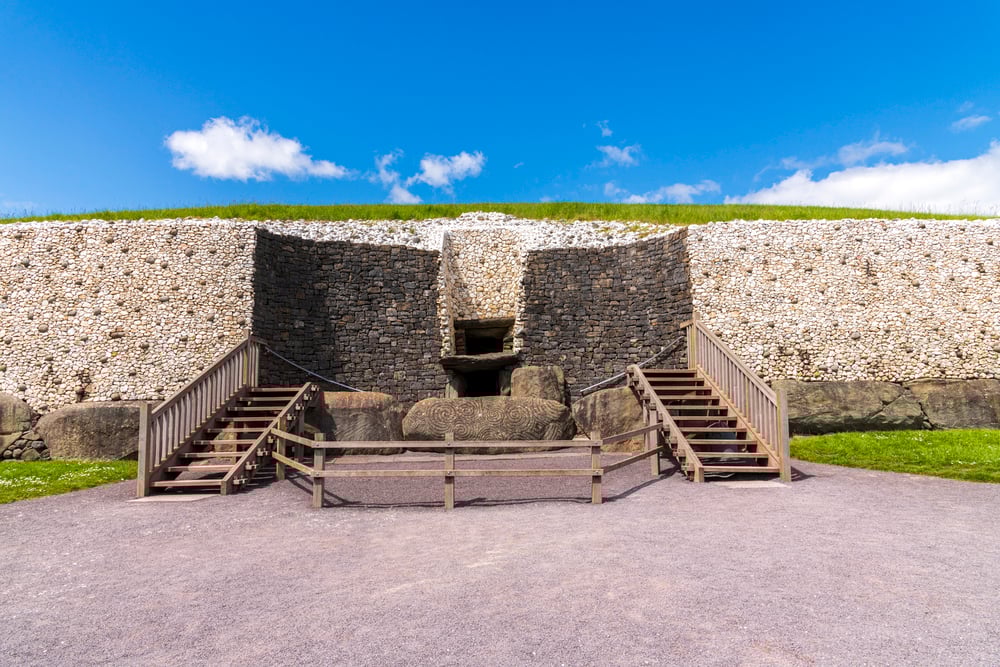
This passage tomb predates both Stonehenge and the Egyptian pyramids (built around 3200 BCE). The construction is impressive enough—a circular mound about 85 meters in diameter, built with layers of stone and earth.
But the real puzzle is the winter solstice alignment. Once a year, for about 17 minutes, sunlight enters through a roof-box and illuminates the inner chamber.
This required precise astronomical knowledge and exact architectural planning. The passage and chamber had to be positioned and angled perfectly, and they had to account for the sun’s position thousands of years in the future (or they got really lucky).
The white quartz facade that once covered the exterior required transporting stones from 70 kilometers away. All this for a tomb.
Teotihuacan, Mexico
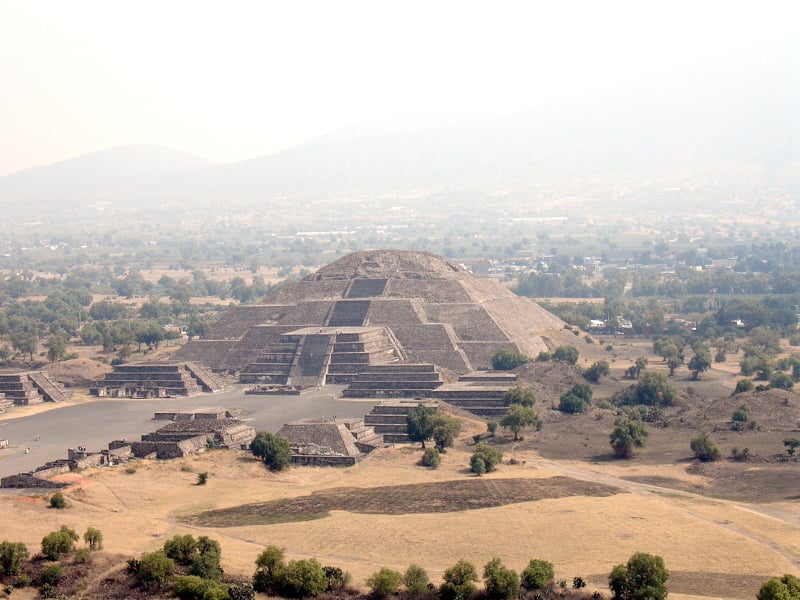
What brings you here is the layout of the city. One of the biggest cities in antiquity, Teotihuacan was constructed beginning about 100 BCE and may have had as many as 125,000 residents at its height.
The grid used for the entire urban plan is oriented 15.5 degrees east of north, coinciding with the sunset point on specific dates. Built in phases around 200 CE, the Pyramid of the Sun is one of Mesoamerica’s biggest constructions.
Approximately one million cubic meters of material were needed for construction. It appears that neither pack animals nor wheels were available to the city’s builders.
Human labor was used to carry everything. We don’t know who constructed it because the city was already old when the Aztecs discovered it, but the accuracy of the urban design points to centralized authority and advanced mathematical and astronomical knowledge.
Nan Madol, Micronesia
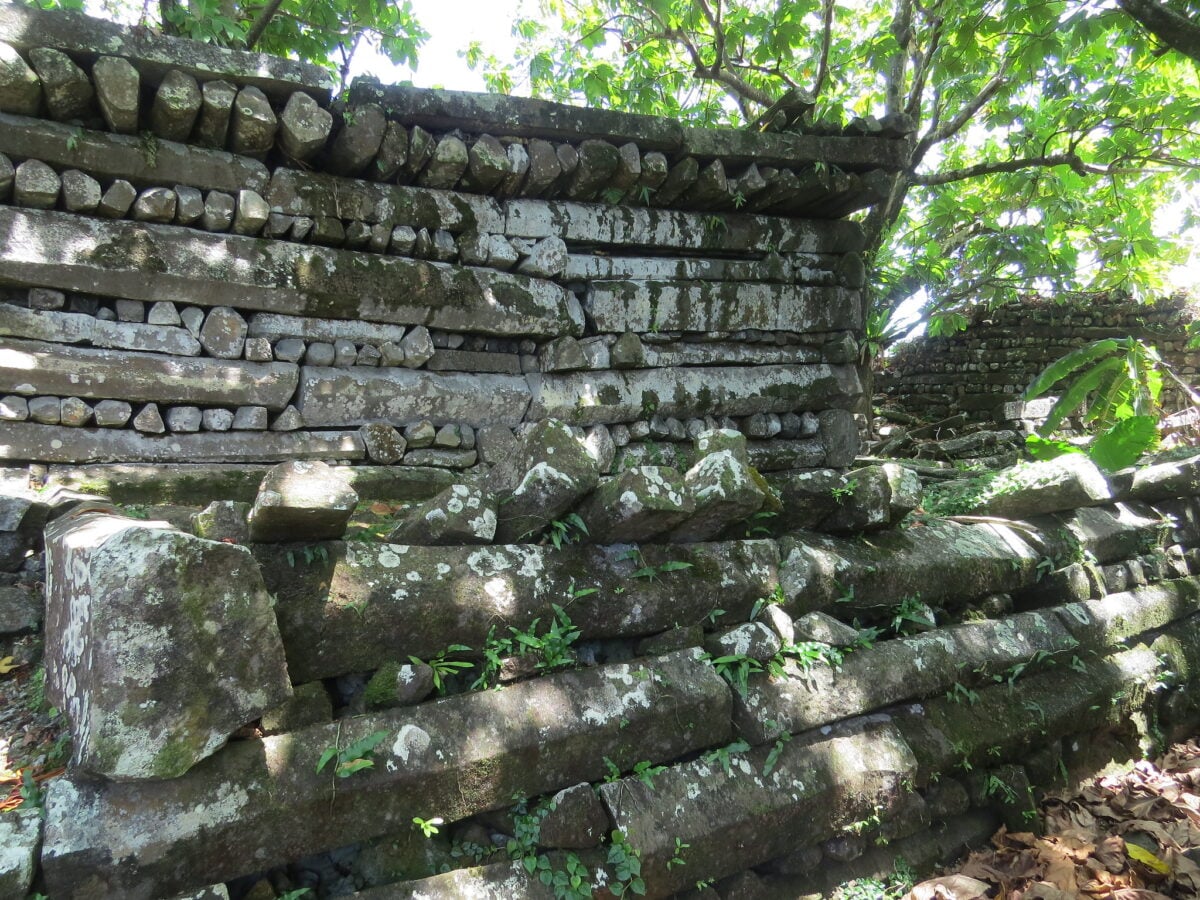
Built between 1200 and 1500 CE, this artificial island complex is situated on a coral reef in Pohnpei. Massive basalt columns were stacked in a crisscross pattern to create about 100 artificial islets.
The weight of some columns can reach 50 tons. The problem is that the basalt needed to be moved from the other side of the island.
After moving these enormous stones across the water, they stacked them to build platforms and walls. Precise stacking was done without the use of mortar.
It is truly amazing how much engineering is needed to build on a coral reef while managing tides and guaranteeing structural stability. Furthermore, we still don’t fully understand how they were able to move such large stones without the use of even simple cranes or boats that could support such weight.
The Real Question Nobody Wants to Ask
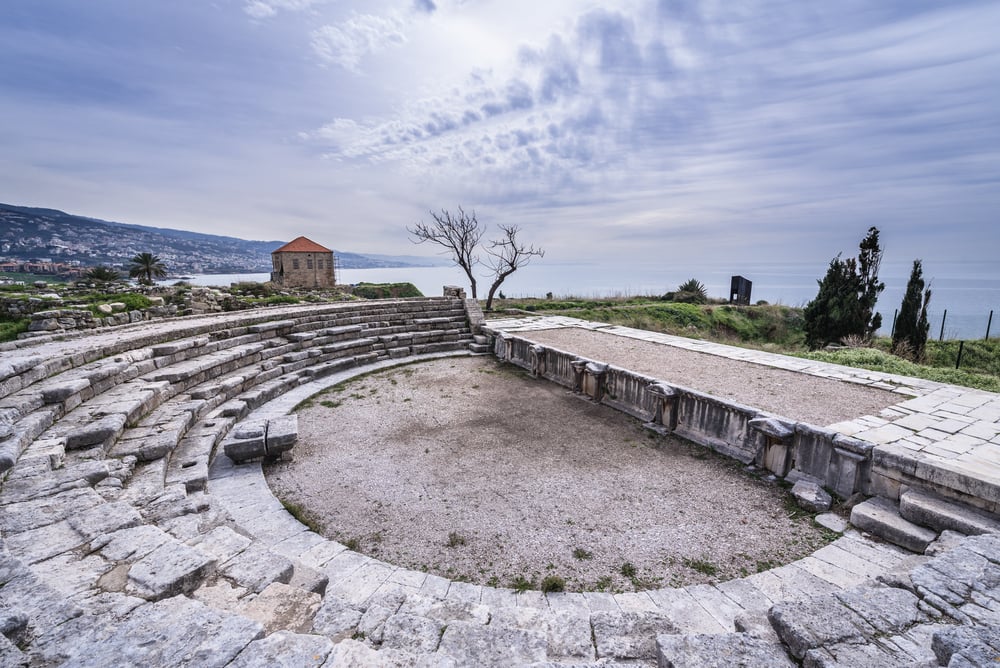
Look, I’m not saying it was aliens (it wasn’t). But maybe we’ve been underestimating ancient peoples pretty severely.
We assume that because they didn’t have computers or diesel engines, they must have been primitive. That’s probably wrong.
These weren’t just random people moving rocks around—they were civilizations with deep knowledge, sophisticated organization, and techniques we’ve simply lost. The truth is probably more impressive than any conspiracy theory: human ingenuity, patience, and sheer determination can accomplish things that seem impossible.
We just can’t figure out exactly how they did it, which might say more about the gaps in our knowledge than about ancient capabilities.
More from Go2Tutors!

- The Romanov Crown Jewels and Their Tragic Fate
- 13 Historical Mysteries That Science Still Can’t Solve
- Famous Hoaxes That Fooled the World for Years
- 15 Child Stars with Tragic Adult Lives
- 16 Famous Jewelry Pieces in History
Like Go2Tutors’s content? Follow us on MSN.