Petite Birds With the Shortest Wings
You notice them flitting through the garden or darting between branches so quickly you almost miss them. These tiny birds seem to defy physics with their rapid movements and impossibly small proportions.
Their wings barely look capable of flight, yet they manage some of the most impressive aerial feats in nature. Understanding what makes these compact fliers special reveals just how diverse bird evolution can be.
The Goldcrest’s Miniature Frame
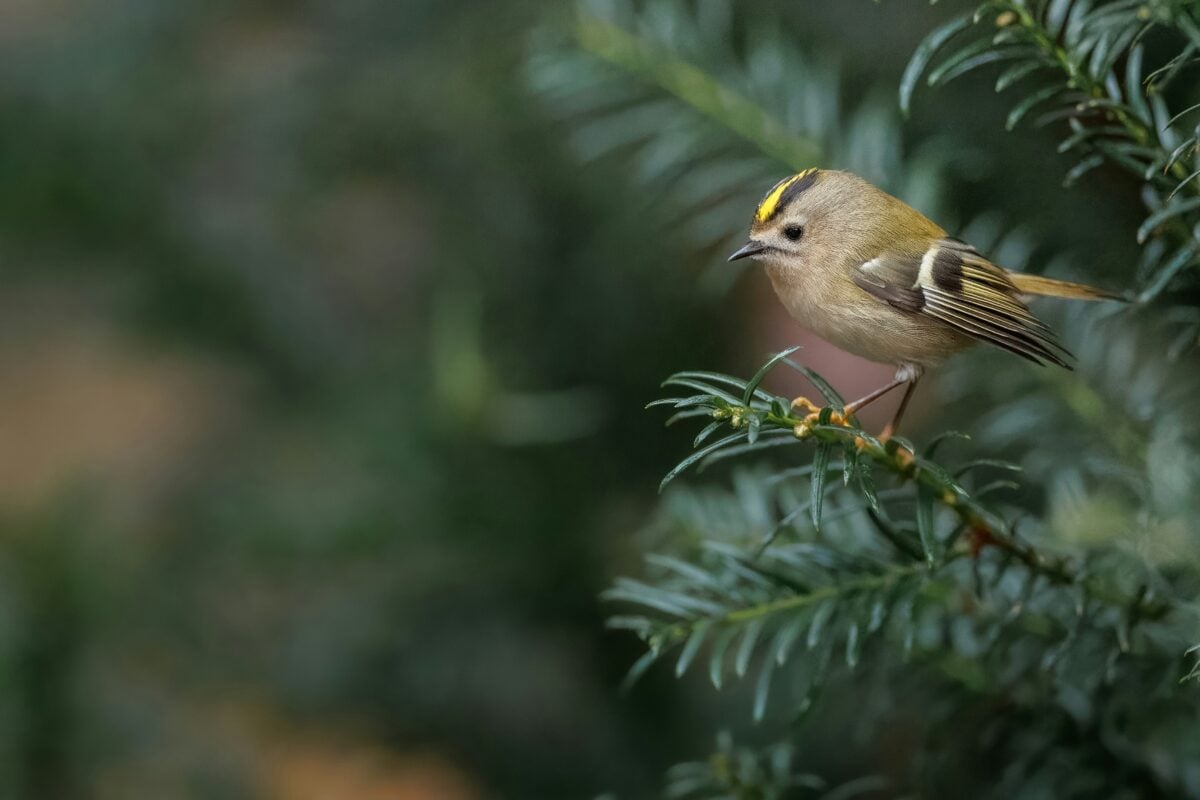
The goldcrest holds the title of Europe’s smallest bird, weighing less than a teaspoon of sugar. Its wings span just 5.5 to 6 inches, which sounds like nothing until you see one hovering at the tip of a conifer branch.
These birds live year-round in forests across Europe and Asia, staying active even through harsh winters that would seem impossible for something so small. Their short wings beat incredibly fast to maintain flight.
You’ll often spot them hanging upside down from branches, picking insects from needles with a precision that their wing size doesn’t seem to allow. The rapid wing beats create a distinctive whirring sound when they pass close by.
Bee Hummingbirds Take It Further

Cuban forests host the world’s smallest bird. The bee hummingbird measures about 2 inches long, with wings that span less than 3 inches.
Males weigh approximately 1.6 grams—lighter than a dime. Their wings beat 80 times per second during normal flight and up to 200 times during courtship displays.
These birds drink nectar from flowers that other hummingbirds can’t access. Their size lets them hover in front of blooms barely bigger than their heads.
The short wings provide incredible maneuverability in tight spaces between leaves and branches.
Winter Wrens Stay Close to the Ground

Winter wrens rarely fly more than a few feet at a time. Their wings measure only 4.5 to 5.5 inches across, perfectly suited for their lifestyle of hopping through dense undergrowth.
These birds prefer staying hidden in brush piles, root tangles, and rocky crevices where long wings would be a liability. Their flight pattern looks almost mechanical—short, rapid bursts that carry them from one hiding spot to another.
The stubby wings let them maneuver around obstacles that would clip larger species. You’ll hear their surprisingly loud song long before you spot them scurrying through the leaf litter.
Pygmy Nuthatches Work in Groups

These birds measure just 3.5 to 4.3 inches long, with wings that barely extend beyond their rounded bodies. Pygmy nuthatches live in pine forests across western North America, often moving in small flocks that chatter constantly as they search for insects in bark crevices.
Their wings serve a different purpose than those of birds that need sustained flight. Short, powerful strokes let them cling to vertical tree trunks and hop upward against gravity.
The compact wing structure means less air resistance when moving through dense conifer branches where precision matters more than speed.
Firecrest Wings Beat Faster Than Eyes Can Track
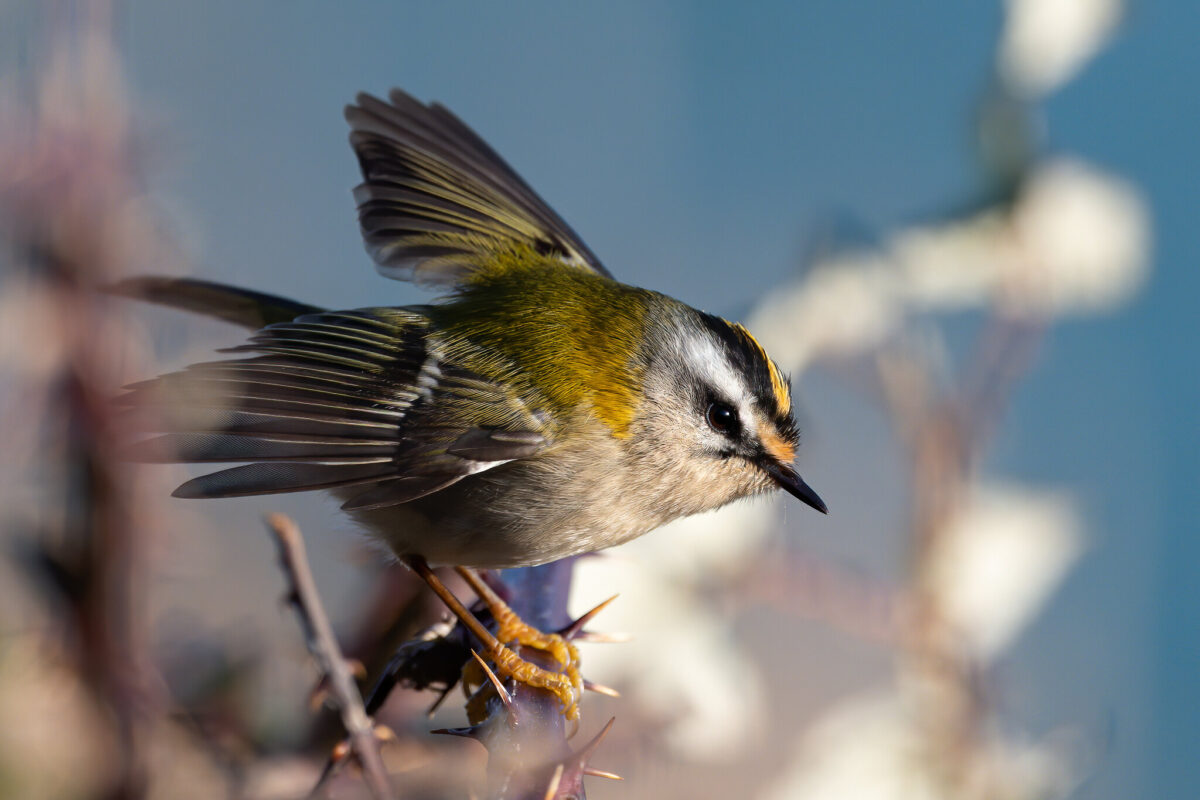
Slightly smaller than goldcrests, firecrests pack incredible energy into a frame that weighs about 5 grams. Their wings span roughly 5.5 inches but beat so rapidly during their hovering flights that they blur into invisibility.
These birds migrate thousands of miles despite their tiny size, crossing mountains and seas with wings that seem inadequate for such journeys. During breeding season, males perform aerial displays that showcase their wing power.
They rise vertically through the air, then drop suddenly while keeping their wings in constant motion. The short wing length actually helps with these sharp changes in direction.
Bushtits Form Living Chains
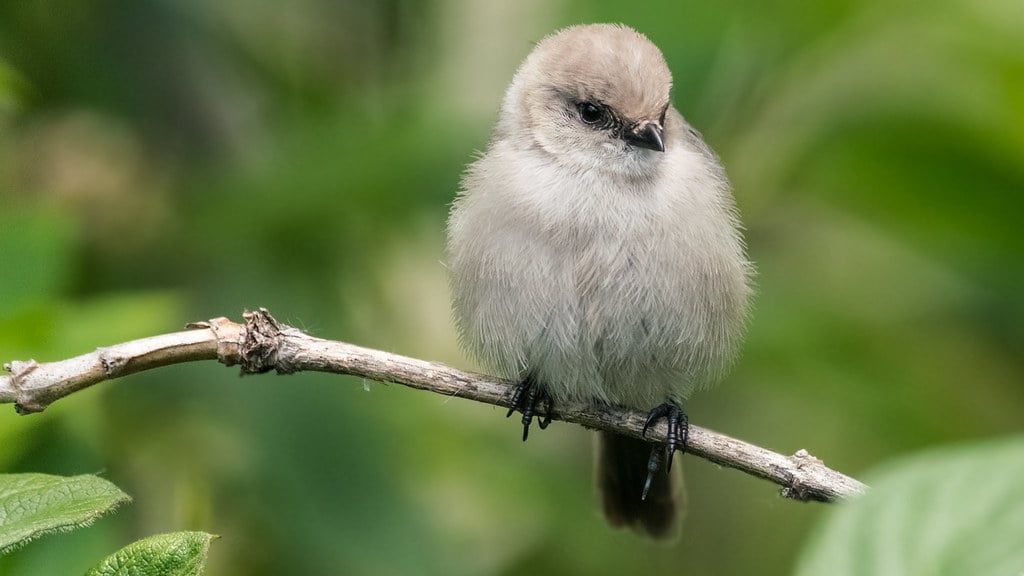
Bushtits have wings that measure only 6 to 7 inches across, proportionally short for their 4.5-inch body length. These North American birds travel in flocks of up to 40 individuals, creating a constant stream of tiny bodies moving through trees and shrubs.
Their flight looks almost bouncing, with quick wing beats followed by brief glides. They build remarkable hanging nests that can stretch up to a foot long.
The parents fly in and out hundreds of times daily to feed their young, and their short wings let them navigate the tight entrance without damaging the delicate structure.
Ruby-Crowned Kinglets Pack Punch
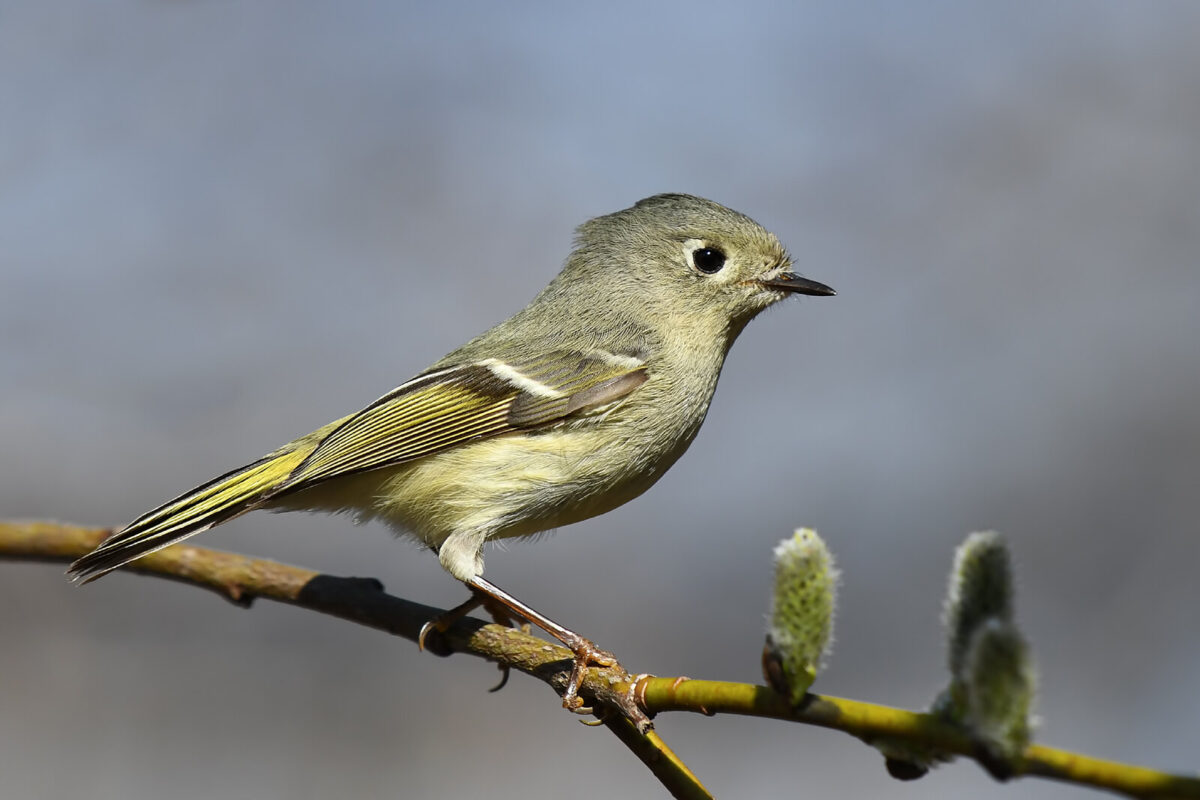
A ruby-crowned kinglet weighs about the same as two pennies, with wings spanning just 6.5 to 7 inches. These birds breed across northern forests and migrate as far south as Central America each year.
Their wing structure allows for a distinctive flight pattern—rapid, jerky movements that make them hard to follow with your eyes. They hover frequently while feeding, plucking insects from the undersides of leaves and branches.
The short wings provide stability in this position, letting them maintain their spot while stretching to reach food. During migration, they fly mostly at night and can cover impressive distances for such small creatures.
Verdin Adaptations for Desert Life

Verdins inhabit the hot deserts of the southwestern United States and Mexico, measuring just 4.5 inches long. Their wings span about 6.5 inches, kept short partly as an adaptation to extreme heat.
Smaller wings mean less surface area exposed to scorching desert sun, and less energy needed to keep their bodies cool. These birds build thorny nests that protect them from predators and provide insulation from temperature extremes.
Their short wings let them navigate dense mesquite and acacia branches where thorns would snag larger wings. They fly in quick dashes between bushes, rarely staying airborne for more than a few seconds.
American Goldfinch Wing Proportions

American goldfinches have relatively short wings for their body size, spanning about 7 to 9 inches on a 5-inch body. This gives them exceptional maneuverability while feeding on seed heads that sway in the wind.
They can hover briefly and change direction instantly, skills that help them stay balanced on thin plant stems. Their flight pattern stands out—a distinctive up-and-down roller coaster motion created by alternating wing beats with brief closures.
The short wings make this energy-efficient technique possible. During winter, you’ll see them in flocks at thistle feeders, where their compact wing structure lets them jostle for position without knocking into each other.
Lesser Goldfinch Mastery
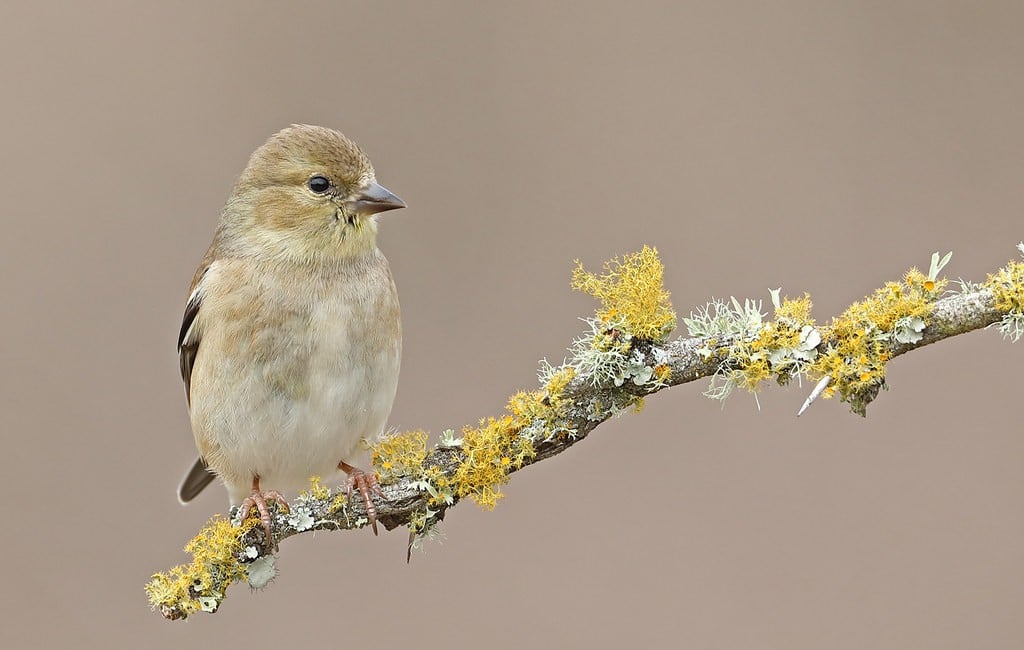
Even smaller than their American cousins, lesser goldfinches measure just 3.5 to 4.5 inches long with proportionally short wings. These birds live year-round in parts of the southwestern United States and Mexico.
Their wings provide incredible precision when landing on swaying grass stems to harvest seeds. You’ll notice they can fly backward briefly, a rare ability in small songbirds.
The short wings let them generate enough power for these momentary reversals without losing control. They often feed while hanging upside down, using their wings for balance as much as flight.
Golden-Crowned Kinglets in Winter
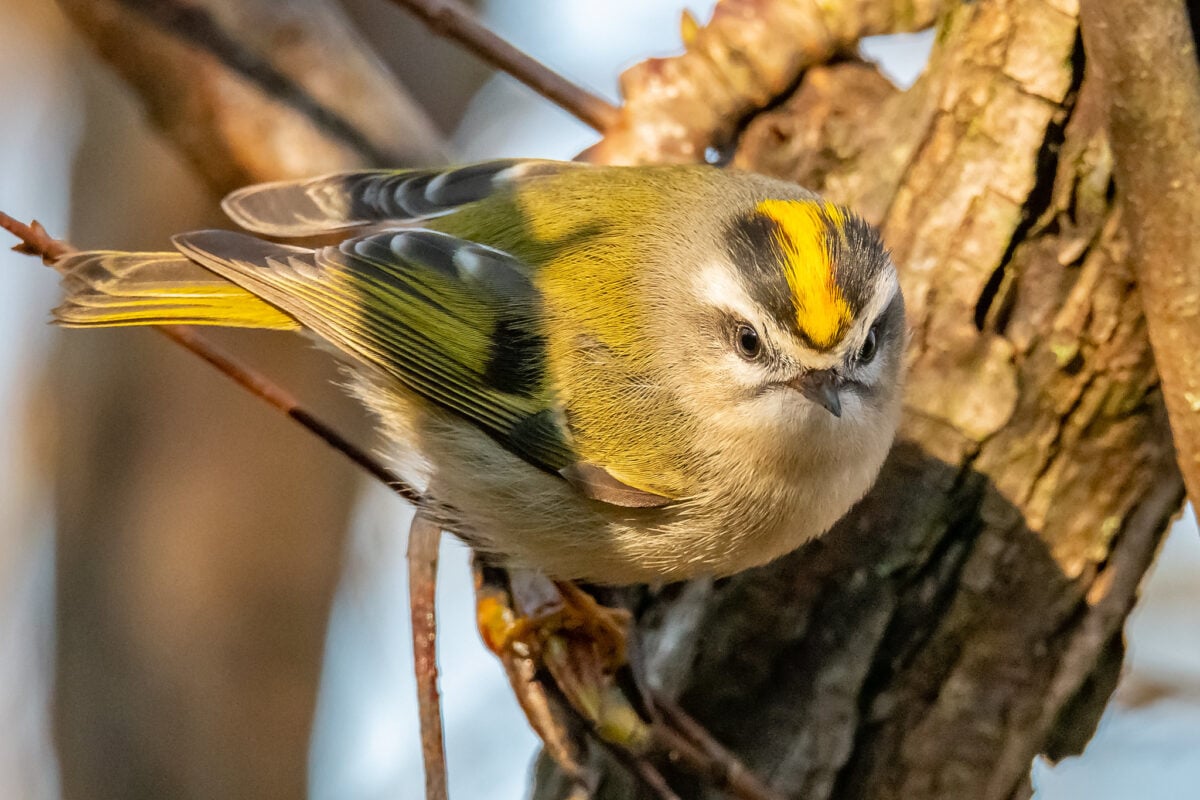
Golden-crowned kinglets survive winters in climates that regularly drop below freezing. Their wings span only 6.5 to 7 inches, yet they maintain enough body heat to stay active in conditions that would kill larger birds.
The short wings reduce heat loss compared to longer appendages. These birds hover constantly while feeding, picking microscopic insects from conifer needles.
Their wings beat so fast they create a slight humming sound. In severe cold, they huddle together in tight groups, their compact wings folding neatly against their bodies to conserve warmth.
Calliope Hummingbird Migration Feat
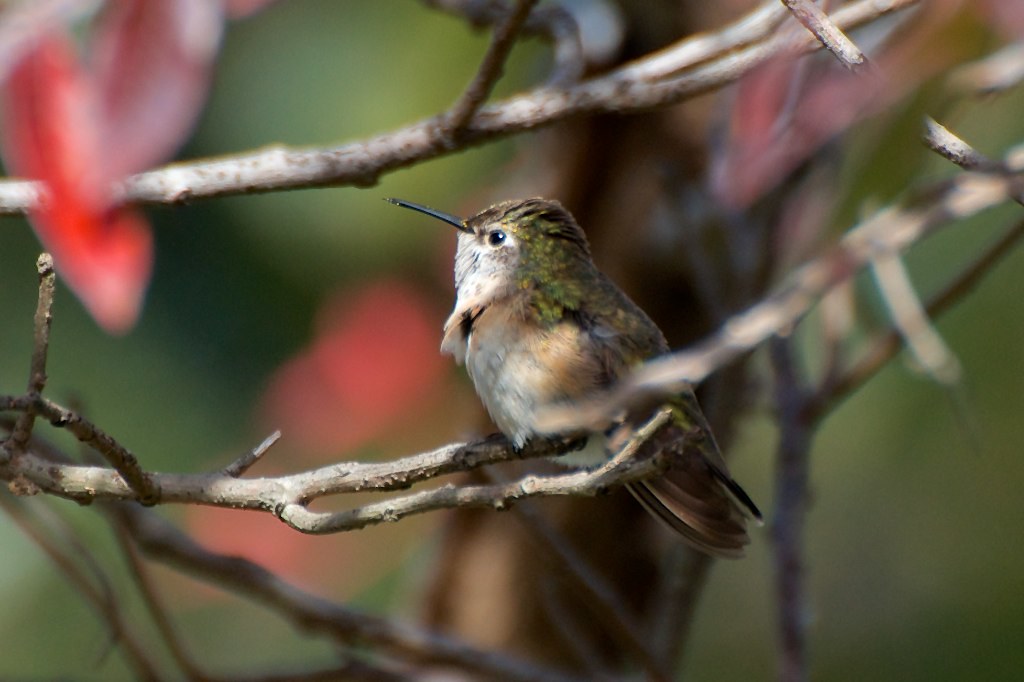
The calliope hummingbird holds the record as North America’s smallest bird, weighing about 2.5 grams. Wings spanning barely 4 inches carry this bird on a migration route that stretches from Canada to Mexico and back each year.
The journey covers thousands of miles, accomplished on wings that look too small for the task. Their wings beat up to 95 times per second during courtship dives.
Males perform U-shaped flight displays where they climb high, then plunge downward at speeds that seem reckless given their size. The short wings provide the rapid acceleration needed for these aerial acrobatics.
Tufted Titmouse Woodland Navigation
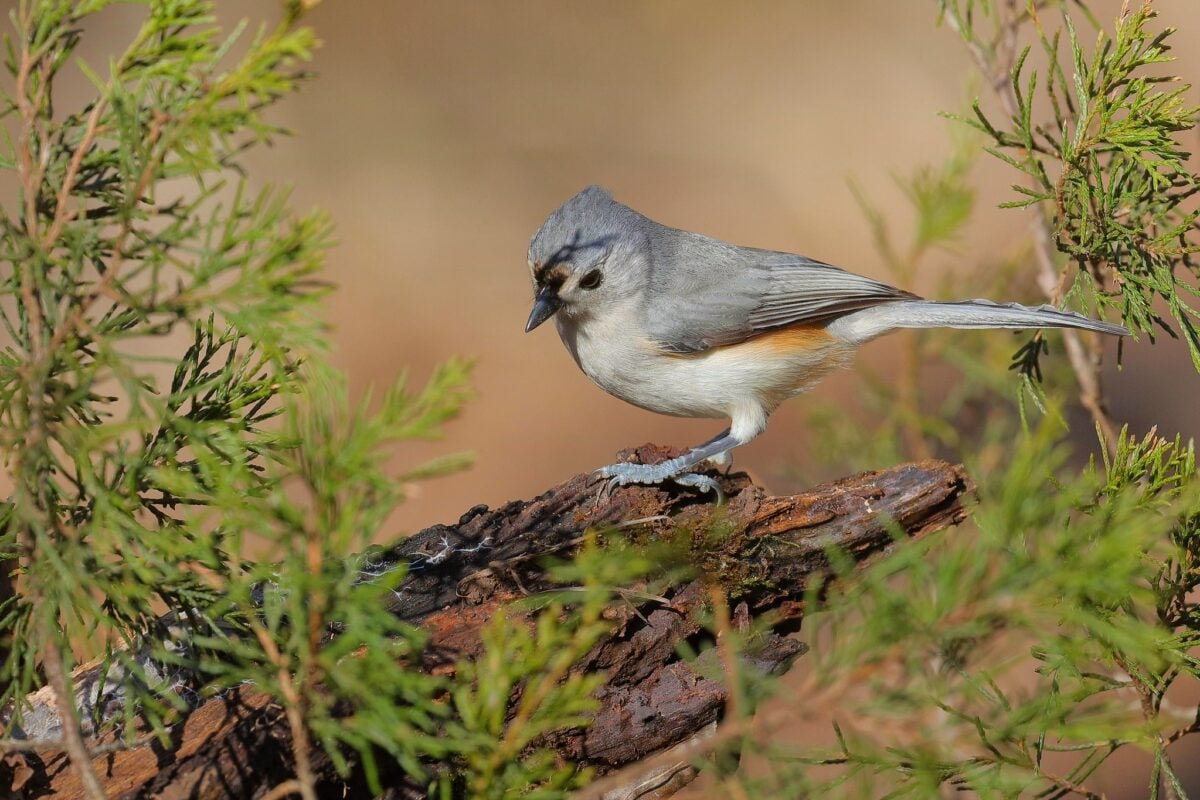
Tufted titmice have relatively short wings for their body size, giving them excellent control in dense forest environments. Their wingspan of 9 to 10 inches might not sound small, but relative to their chunky 6-inch body, the wings stay compact.
This lets them weave through branches and twigs with precision that longer-winged species can’t match. They fly in an undulating pattern similar to goldfinches but with more power behind each stroke.
Short wings mean they tire less quickly when making repeated trips between food sources and their caches. During winter, you’ll see them at feeders, where their wing structure lets them land on almost any perch, no matter how unstable.
Carolina Wrens and Their Rapid Flights

Standing five and a half inches tall, Carolina wrens have tiny seven-inch wings. Throughout the eastern U.S., they keep moving all year without pause. Instead of long trips, they dart quickly from one hiding spot to another nearby.
Built not for endurance but sudden sprints through thickets, their flight stays close to shelter. Through thick bushes they move, small wings helping them dart where others get stuck.
Gaps too tight for long-winged birds are no problem at all. Sound travels easily though, thanks to their strong, clear singing.
Hidden deep in vines, they weave quietly on quick wingbeats. Distance hears the voice first, sight finds nothing.
Small Wings Big Stories

Wings got shorter not just because of shrinking bodies. Through thick forests, tight turns favored smaller shapes.
Hovering demanded less effort when limbs stayed brief. Migrating creatures found lighter loads easier to carry far distances. Cold places kept warmth better with tucked edges.
In blazing sands, less surface meant safer stays under sun. Out in nature, small changes pile up until they make a big difference.
Wings shaped by endless time reveal how simplicity wins when flying matters most. It is not about being largest or loudest – just fitting perfectly into your world.
Flight works best when form follows function without extra weight. Tiny bodies cut through air using only what they need.
More from Go2Tutors!

- The Romanov Crown Jewels and Their Tragic Fate
- 13 Historical Mysteries That Science Still Can’t Solve
- Famous Hoaxes That Fooled the World for Years
- 15 Child Stars with Tragic Adult Lives
- 16 Famous Jewelry Pieces in History
Like Go2Tutors’s content? Follow us on MSN.