18 Business Ideas That Were Too Early
Timing is everything in business. Some of history’s most brilliant ideas failed spectacularly not because they were bad concepts, but because they arrived decades before the world was ready for them. These pioneering ventures lacked essential infrastructure, faced cultural resistance, or simply couldn’t overcome technical limitations that wouldn’t be solved for years.
What makes these stories particularly fascinating is how many “revolutionary” modern businesses are actually revivals of much older ideas. The entrepreneurs who tried these concepts first were visionaries — they just had the misfortune of being too far ahead of their time. Here is a list of 18 business ideas that were too early.
Video Calling (1920s-1960s)

AT&T introduced “Picturephone” at the 1964 World’s Fair, offering video calls decades before Skype existed. The technology worked but it required expensive equipment and dedicated phone lines that cost hundreds of dollars per month.
People also felt uncomfortable being seen while talking — a cultural barrier that persisted until smartphones made video calls casual and convenient.
Home Shopping Networks (1940s)

Radio shopping shows existed in the 1940s, with hosts describing products that listeners could order by mail. The concept worked on a small scale but lacked the visual component that would make TV shopping networks successful decades later.
Without seeing products demonstrated, consumers remained skeptical about buying items they couldn’t examine in person.
Like Go2Tutors’s content? Follow us on MSN.
Electric Cars (1890s-1910s)

Electric vehicles actually outsold gasoline cars in the early 1900s, with companies like Detroit Electric producing thousands of vehicles annually. They were quieter, cleaner, and easier to operate than gas cars — but battery technology couldn’t support long-distance travel.
The discovery of cheap oil and the invention of the electric starter for gas engines killed electric cars for nearly a century.
Tablet Computers (1960s-1980s)

Alan Kay conceptualized the “Dynabook” tablet in 1968, envisioning a portable computer for education and creativity. Various companies attempted tablet-like devices throughout the 1980s and 1990s, but they were too heavy, too expensive, and had terrible battery life.
The technology needed decades of miniaturization and software development before becoming practical.
Online Banking (1970s)

Stanford Federal Credit Union offered online banking through dial-up connections in 1974, allowing members to check balances and transfer funds from home computers. The service attracted only a few hundred users because personal computers were rare and expensive, plus people didn’t trust financial transactions over phone lines.
It took the internet boom of the 1990s for online banking to become mainstream.
Like Go2Tutors’s content? Follow us on MSN.
GPS Navigation (1980s)

Automotive GPS systems appeared in luxury cars during the 1980s, but they cost thousands of dollars and required expensive map updates on physical cartridges. The systems were slow, inaccurate, and couldn’t provide real-time traffic information.
Only when satellite coverage improved and smartphones provided cheap, constantly updated maps did GPS navigation become ubiquitous.
Streaming Music (1990s)

Services like MP3.com and Listen.com offered streaming music in the late 1990s, but dial-up internet connections made the experience painfully slow. A single song could take 20 minutes to buffer, while streaming quality was terrible compared to CDs.
Broadband internet and better compression algorithms were necessary before streaming could challenge physical media.
Social Networking (1980s-1990s)

Bulletin board systems (BBS) and services like CompuServe offered social networking features decades before Facebook. Users could create profiles, send messages, and join discussion groups, but these services required technical knowledge and expensive hourly fees.
The concept needed free internet access and user-friendly interfaces before reaching mass adoption.
Like Go2Tutors’s content? Follow us on MSN.
Food Delivery Apps (1960s-1980s)

Pizza delivery existed for decades, while some cities had telephone-based food delivery services that connected restaurants with customers. However, coordinating multiple restaurants, tracking orders, and processing payments required technology that wouldn’t exist until smartphones and GPS made everything seamless.
Early attempts were limited to single restaurants or required expensive infrastructure.
Ride Sharing (1970s-1990s)

Informal ride-sharing networks existed in many cities, often organized through bulletin boards or classified ads. Some companies tried to formalize the process with phone-based matching services — but without GPS tracking, mobile communication, and digital payments, these systems were inefficient and unsafe.
Trust and coordination remained major barriers.
E-commerce (1970s-1980s)

Retailers experimented with electronic catalogs and ordering systems through cable TV and early computer networks. The French Minitel system allowed shopping from home terminals starting in 1982 — but credit card processing, secure connections, and reliable shipping networks weren’t mature enough for large-scale e-commerce.
Most people preferred shopping in person.
Like Go2Tutors’s content? Follow us on MSN.
Digital Photography (1970s)

Kodak invented digital cameras in 1975 but shelved the technology to protect its film business. Early digital cameras produced terrible image quality, cost thousands of dollars, and required expensive computer equipment to view photos.
The technology needed decades of improvement in sensors, storage, and display technology before becoming consumer-friendly.
Portable Music Players (1970s-1980s)
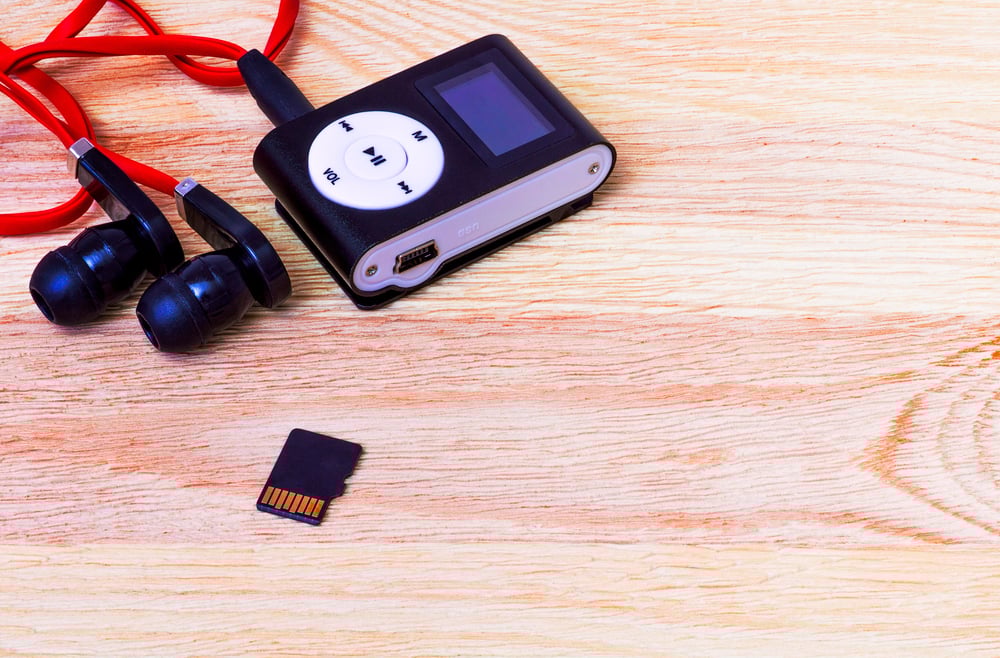
Before the Walkman succeeded in 1979, several companies tried portable music devices that failed commercially. These early attempts were too bulky, had poor sound quality, or used impractical formats.
Sony’s success came from perfecting the technology and marketing, proving that timing and execution matter as much as innovation.
Voice Recognition Software (1960s-1980s)

IBM and other companies developed voice recognition systems decades before Siri, but early versions could only understand simple commands from specific users after extensive training. The processing power needed for natural language recognition wouldn’t exist until the 2000s, while cloud computing finally made sophisticated voice AI practical for consumer devices.
Like Go2Tutors’s content? Follow us on MSN.
Smart Home Automation (1980s-1990s)

X10 technology allowed remote control of lights and appliances starting in the 1970s, while several companies offered comprehensive home automation systems. These early systems were expensive, unreliable, and required professional installation — plus they couldn’t learn user preferences or integrate with external services.
Modern smart homes need wireless networking and artificial intelligence.
Virtual Reality (1980s-1990s)

VR companies like VPL Research created immersive virtual worlds in the 1980s, but the technology was prohibitively expensive and caused motion sickness in most users. Graphics were primitive, headsets were heavy and uncomfortable, and computing power couldn’t create convincing virtual environments.
VR needed decades of improvement in displays, processors, and motion tracking.
Personal Computers for Business (1970s)

Early personal computers faced skepticism from businesses that couldn’t see practical applications beyond simple calculations. Companies like Digital Equipment Corporation famously dismissed the PC market — yet within a decade, personal computers transformed every office.
The resistance came from established computing paradigms and lack of business software.
Like Go2Tutors’s content? Follow us on MSN.
Mobile Payments (1990s)

Several companies attempted mobile payment systems using early cell phones and smart cards throughout the 1990s. These systems required special hardware, had security concerns, and faced resistance from credit card companies and retailers.
Mobile payments needed smartphones, near-field communication technology, and digital wallets before achieving widespread acceptance.
When Innovation Meets Reality

These premature business ideas remind us that brilliant concepts often fail not because they’re wrong, but because they’re ahead of their time. Success requires the right combination of technology, infrastructure, consumer behavior, and market conditions — elements that can take decades to align properly.
Today’s entrepreneurs should study these early failures not as cautionary tales, but as proof that persistence and timing can turn yesterday’s impossible ideas into tomorrow’s billion-dollar businesses. The next time someone dismisses a new concept as impractical, remember that every transformative technology once seemed impossible until suddenly it became inevitable.
More from Go2Tutors!

- 16 Restaurant Chains That Went Too Fast
- 12 Things Sold in the 80s That Are Now Illegal
- 15 VHS Tapes That Could Be Worth Thousands
- 17 Historical “What Ifs” That Would Have Changed Everything
- 18 TV Shows That Vanished Without a Finale
Like Go2Tutors’s content? Follow us on MSN.