15 Wild Examples of Mass Hysteria That Really Happened
When groups of people have comparable physical or psychological symptoms that spread through social ties rather than an underlying sickness, it’s known as mass hysteria or mass psychogenic illness. These intriguing instances demonstrate the strength of our minds and the extent to which people around us have an impact on us.
This list of 15 amazing mass hysteria examples from history that actually happened demonstrates how bizarre human behavior can go when specific circumstances are present.
The Dancing Plague of 1518

In the summer of 1518 in Strasbourg, France, a woman named Frau Troffea stepped into the street and began dancing uncontrollably. Within a month, approximately 400 people had joined this bizarre dance marathon.
Many dancers collapsed from exhaustion or even died from heart attacks and strokes. Physicians of the time actually prescribed more dancing as a cure, believing the afflicted needed to “dance it out” of their systems.
The Halifax Slasher

In November 1938, several people in Halifax, England reported being attacked by a mysterious man with a hammer and “bright buckles” on his shoes. Panic spread through the town as more victims came forward with similar stories and wounds.
The hysteria grew so intense that vigilante groups formed to hunt down the attacker. When police investigated thoroughly, they discovered all the “victims” had inflicted their own injuries and fabricated their stories, causing ten people to be charged with public mischief.
The June Bug Epidemic

In 1962 at a textile factory in the Southern United States, workers began experiencing strange symptoms including numbness, nausea, and vomiting after reports spread that they had been bitten by an insect. The “illness” affected 62 employees, primarily women, despite no insect being found.
Medical investigators determined that anxiety and stress in the workplace had manifested as physical symptoms, spreading from person to person through social connections rather than actual bug bites.
The Tanganyika Laughter Epidemic

Perhaps one of the most peculiar cases occurred in 1962 at a mission-run girls’ school in Tanganyika (now Tanzania). What began as laughter among a few students rapidly spread throughout the school, with affected students experiencing fits of laughter lasting from a few hours to days.
The symptoms were so severe that the school was forced to close. The laughing sickness eventually spread to neighboring villages, affecting about 1,000 people before finally subsiding several months later.
The Jakarta Needlestick Panic

In 2001, reports emerged in Jakarta, Indonesia, that a mysterious needleman was randomly stabbing women with hypodermic needles infected with HIV. As news spread, hundreds of women reported being pricked by needles in crowded places.
Medical examinations found no evidence of actual needle punctures in most cases, and no HIV transmissions were confirmed. The panic died down after authorities publicly addressed the concerns and provided factual information about HIV transmission.
The Windshield Pitting Epidemic

In April 1954, residents of Seattle, Washington, began noticing tiny pits and dings in their car windshields. As local newspapers reported the phenomenon, thousands of people across the city discovered similar damage on their vehicles.
The “epidemic” spread to other cities and caused widespread concerns about everything from cosmic rays to nuclear fallout. Scientists eventually determined the pits had always been there; people were just noticing them for the first time after being prompted to look closely at their windshields.
The Mad Gasser of Mattoon

Residents of Mattoon, Illinois, reported in 1944 that an enigmatic figure was spraying gas into homes, causing temporary paralysis, nausea, and vomiting in the victims. With their dramatic headlines, local media contributed to the fear.
There was never any proof of a gas-wielding attacker, even after more than two dozen incidents were reported and copious police searches were conducted. Experts came to the conclusion that the physical problems were probably brought on by fear and worry brought on by the first news stories.
The Malaysian School Hysteria

Throughout the 1970s and 1980s, Malaysian schools experienced waves of mass hysteria where students and staff reported seeing spirits and experiencing symptoms like screaming, fainting, and bizarre behavior. In some schools, hundreds of students were affected simultaneously.
Cultural beliefs about spirits and high-pressure academic environments contributed to these outbreaks, which sometimes caused schools to close temporarily until the hysteria subsided.
The Pokemon Seizures

In December 1997, an episode of the Pokemon animated series featured rapidly flashing red and blue lights that reportedly triggered seizures in nearly 700 Japanese children. While some children genuinely experienced photosensitive epileptic seizures, many more reported symptoms despite not having epilepsy.
The mass reaction led to nationwide panic, with the show being temporarily suspended and the episode banned worldwide.
The Brussels Coca-Cola Scare

In June 1999, dozens of Belgian school children became ill after drinking Coca-Cola, reporting nausea, headaches, and breathing difficulties. The scare spread rapidly, eventually affecting over 200 people across Belgium. Coca-Cola recalled 14 million bottles, which became one of the largest product recalls in commercial history.
Subsequent investigations found nothing significantly wrong with the products, a few bottles had a minor quality issue with carbonation, but nothing that could explain the widespread symptoms, which were ultimately attributed to mass psychogenic illness.
The Radio War of the Worlds Panic
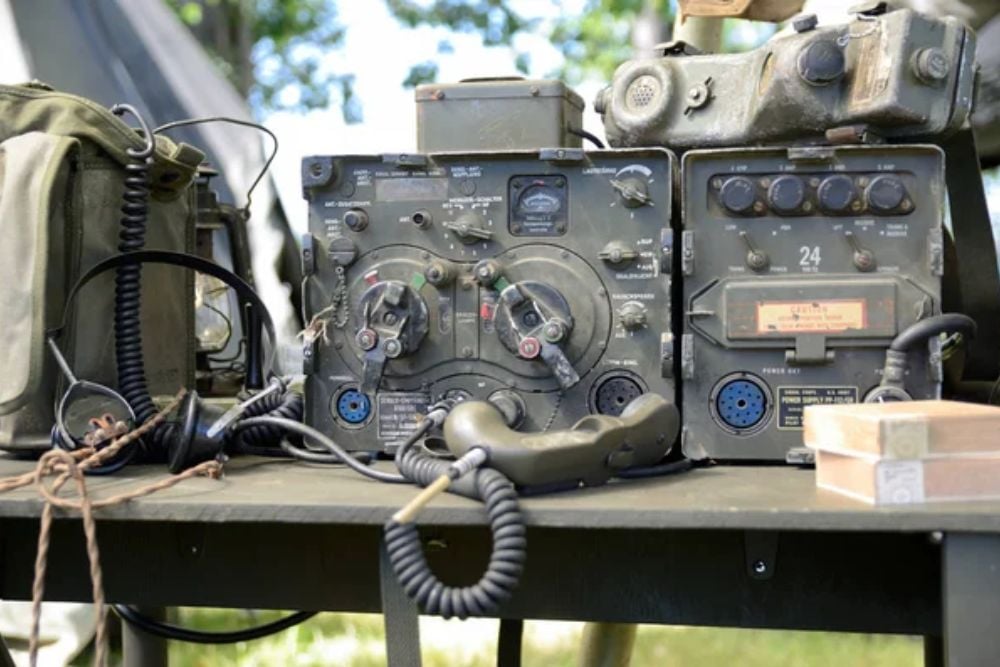
On October 30, 1938, Orson Welles broadcast a radio adaptation of H.G. Wells’ ‘The War of the Worlds,’ structured as a series of news bulletins describing an alien invasion. Though the broadcast included disclaimers, many listeners who tuned in late believed the events were real.
The resulting panic saw people fleeing their homes, wrapping towels around their heads to protect from poison gas, and flooding police stations with calls. While the scale of panic was likely exaggerated in subsequent reporting, it remains a fascinating example of media-induced mass hysteria.
The Salem Witch Trials

In 1692, the Massachusetts Bay Colony town of Salem became the site of one of America’s most infamous mass hysterias. It began when several young girls experienced fits, screaming, and contorted body movements.
They accused several local women of witchcraft, and the accusations spread rapidly. The panic resulted in the execution of 19 people and the imprisonment of many more before officials finally recognized the absurdity of the situation and ended the trials.
The Monkey Man of Delhi

In May 2001, residents of Delhi, India, reported sightings of a mysterious ape-like creature that attacked people at night. Descriptions varied wildly; some said it was a monkey-like figure with metal claws, and others described it as a helmeted being with glowing red eyes.
The panic resulted in at least three deaths from people jumping from buildings or running in fear. Despite thousands of police officers searching, no evidence of such a creature was ever found.
The London Monster

Between 1788 and 1790, London was terrorized by reports of a figure known as ‘The London Monster’ who would approach women with compliments before stabbing them in the buttocks or slashing their clothing and skin. Newspaper reports fueled the hysteria, with nearly 50 attacks reported. Women began wearing copper pans under their dresses for protection.
Eventually, a man named Rhynwick Williams was arrested and convicted, though many historians believe he was innocent and that most incidents were either fabricated or copycat crimes inspired by the hysteria.
The Blackout Ripper

During World War II blackouts in London, reports spread of a “ripper” attacking women in the darkness. While there were some actual murders during this period, the fear far exceeded the reality. Many women reported near-misses or suspicious encounters that they attributed to the ripper.
The panic became so severe that many women refused to go out after dark, significantly disrupting daily life and war efforts until authorities increased patrols and public messaging to calm fears.
The Enduring Nature of Collective Delusions

These remarkable episodes of mass hysteria remind us that humans remain deeply susceptible to social contagion. While modern communication and scientific understanding have changed how these events manifest, they continue to occur in new forms, from the viral spread of internet challenges to vaccination scares.
These collective experiences reveal fascinating insights about human psychology and our enduring capacity to be influenced by those around us, even when it defies rational explanation.
More from Go2Tutors!

- 16 Historical Figures Who Were Nothing Like You Think
- 12 Things Sold in the 80s That Are Now Illegal
- 15 VHS Tapes That Could Be Worth Thousands
- 17 Historical “What Ifs” That Would Have Changed Everything
- 18 TV Shows That Vanished Without a Finale
Like Go2Tutors’s content? Follow us on MSN.



