18 Details About the Black Dahlia Case You Forgot
Few crimes in American history have lingered in public memory like the 1947 killing of Elizabeth Short. Dubbed the ‘Black Dahlia’ by the press, the case quickly became a media spectacle in Los Angeles and has remained unsolved for nearly eight decades.
Books, documentaries, and amateur investigations continue to revisit it, each promising fresh insight into a mystery that never quite settles. Here’s a closer look at the details that shaped the case — and why so many of them still matter.
Elizabeth Short Was Not A Hollywood Starlet
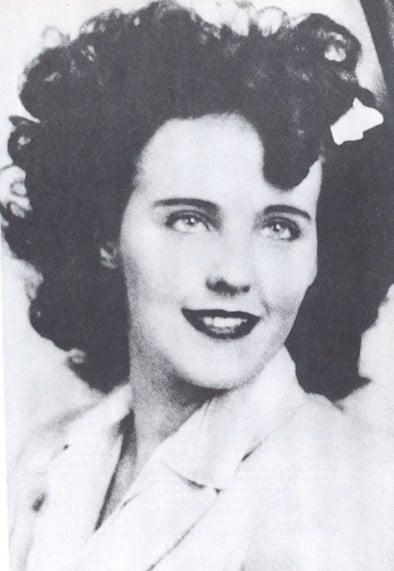
Popular lore often paints Elizabeth Short as an aspiring actress chasing fame in Hollywood. In reality, there is little evidence that she had secured acting work or serious studio connections.
She moved between friends’ homes and acquaintances, navigating postwar Los Angeles without stable employment. That gap between myth and documentation shaped the way the public viewed her.
The press amplified the idea of a glamorous dreamer, which made the story feel cinematic. The truth was more complicated and far less theatrical.
The Nickname Came From The Press

Elizabeth Short did not publicly call herself the ‘Black Dahlia.’ The nickname was popularized by reporters after her death, likely inspired by the 1946 film The Blue Dahlia and her reported preference for black clothing.
Even so, the moniker stuck instantly. It transformed a homicide investigation into a brand, making headlines more dramatic and easier to market.
The name itself became inseparable from the case.
The Body Was Discovered By A Local Resident

On January 15, 1947, a woman walking with her young child in the Leimert Park area of Los Angeles came across what she initially believed was a discarded mannequin. The discovery quickly drew police attention.
The location was a vacant lot, not a secluded alley. That visibility intensified public alarm.
A crime scene in an open neighborhood space suggested boldness rather than secrecy.
The Media Frenzy Was Immediate

Within days, newspapers published extensive coverage. Graphic details were circulated widely, and reporters competed aggressively for exclusive information.
The case unfolded during an era when tabloids thrived on sensational crime stories. Still, this level of exposure created complications.
Investigators struggled to separate legitimate leads from tips influenced by media narratives. The line between reporting and spectacle blurred quickly.
The LAPD Received Hundreds Of False Confessions

In the weeks following the discovery, more than 50 people reportedly confessed to the crime. Many were dismissed after basic verification, as timelines and evidence did not align.
False confessions are not unusual in high-profile cases. In this instance, the volume overwhelmed investigators and underscored the case’s national reach.
The FBI Was Involved

Although the case fell under local jurisdiction, the Federal Bureau of Investigation assisted by running background checks and analyzing correspondence. Records show that federal authorities helped evaluate some of the numerous tips.
Even so, coordination across agencies in 1947 was far more limited than today. Forensic databases and rapid communication systems did not yet exist.
Forensic Science Was Limited

Modern viewers often assume advanced forensic techniques were available. In reality, DNA profiling would not be developed for decades.
Investigators relied heavily on fingerprints, witness statements, and physical evidence gathered at the scene. That technological limitation continues to fuel speculation.
Many believe that, with contemporary methods, the case might have unfolded differently.
A Letter Was Sent To The Press

Shortly after the murder, a letter and personal items believed to belong to Elizabeth Short were mailed to the Los Angeles Examiner. The envelope had been cleaned with gasoline, likely to remove fingerprints.
The correspondence heightened public anxiety. It also reinforced the perception of a perpetrator seeking attention.
Whether the letter was authentic or staged remains part of the case’s complexity.
Several Suspects Drew Public Attention

Over the years, various suspects emerged, including physicians, drifters, and individuals with alleged connections to Short. None were definitively charged with the crime.
One suspect, Dr. George Hodel, was later implicated by his son, a former LAPD detective who conducted his own private investigation. Even so, official closure has never occurred.
The Case Coincided With Postwar Anxiety

The late 1940s marked a period of adjustment in Los Angeles. Returning veterans, rapid urban growth, and shifting social norms created tension.
High-profile crimes tapped into broader fears about instability in a growing city. The Black Dahlia case became a symbol of that unease.
It reflected more than a single act of violence; it captured a city in transition.
Police Corruption Allegations Surfaced

Rumors of corruption within the Los Angeles Police Department circulated in subsequent decades. Some critics argued that mishandled evidence or internal politics hindered progress.
While no definitive proof established systemic obstruction in this case, the speculation contributed to its mystique. The absence of resolution invited doubt.
The Crime Influenced Crime Reporting
Coverage of the Black Dahlia case reshaped how newspapers handled violent stories. Sensational headlines, dramatic imagery, and personal detail became central selling points.
That shift foreshadowed modern true crime media. The blending of tragedy and spectacle became part of the industry’s formula.
Hollywood Mythology Took Hold

Over time, the case became embedded in Hollywood lore. Films, novels, and television series fictionalized aspects of the story, often blurring fact and imagination.
These retellings kept the case alive but sometimes distorted it. The myth often overshadowed the documented record.
The Case Remains Officially Unsolved

Despite decades of speculation and renewed investigations, the murder of Elizabeth Short has never been officially solved. The Los Angeles Police Department continues to list it as an open case.
Unresolved status gives the case enduring power. Without closure, every theory remains provisional.
Public Archives Keep Interest Alive

Declassified documents, digitized newspaper archives, and online forums have made primary sources more accessible. Amateur researchers regularly revisit the evidence.
This accessibility democratizes investigation. At the same time, it can amplify unverified claims.
The Victim’s Story Was Often Overshadowed

Media narratives frequently centered on sensational details rather than Elizabeth Short’s life. Personal history, family relationships, and ordinary struggles received less sustained attention.
That imbalance reflects broader patterns in crime coverage. Victims can become symbols rather than individuals.
The Case Inspired Generations Of Writers

Authors from James Ellroy to contemporary true crime journalists have revisited the Black Dahlia story. Ellroy’s novel The Black Dahlia reimagined the case within fictionalized police corruption narratives.
Literature extended the case beyond court records. It turned an unsolved investigation into enduring cultural material.
Modern Technology Has Reopened Questions

Advancements in forensic genealogy and archival analysis have prompted periodic calls to reexamine preserved evidence. Similar techniques have resolved other decades-old cases.
Even so, time complicates recovery. Physical evidence degrades, witnesses pass away, and documentation gaps widen.
The passage of nearly eighty years presents formidable obstacles.
Why The Case Still Echoes

The Black Dahlia case persists not only because it is unsolved, but because it sits at the intersection of media, myth, and mystery. It emerged at a moment when newspapers were hungry for spectacle and Los Angeles was redefining itself.
That combination created a narrative larger than the crime alone. Today’s true crime boom mirrors some of those same dynamics.
Stories travel quickly, details are debated publicly, and unsolved cases generate ongoing fascination. The Black Dahlia investigation remains a reminder that when fact, rumor, and storytelling converge, a case can transcend its era and become part of cultural memory.
More from Go2Tutors!

- The Romanov Crown Jewels and Their Tragic Fate
- 13 Historical Mysteries That Science Still Can’t Solve
- Famous Hoaxes That Fooled the World for Years
- 15 Child Stars with Tragic Adult Lives
- 16 Famous Jewelry Pieces in History
Like Go2Tutors’s content? Follow us on MSN.



