12 School Essentials That Modern Students Rarely Experience
School used to be a completely different world. Students carried actual books, wrote with real pencils, and learned from teachers who wrote on blackboards with chalk. Technology was limited to overhead projectors and maybe a computer lab with ancient machines that took forever to boot up.
Those days are gone by the day. Today’s students live in a digital universe where tablets replace textbooks and smartboards have made chalk obsolete.
Here’s a list of 12 school essentials that modern students rarely experience — items that were absolutely crucial to education just a generation ago.
Pencil Sharpeners

Every classroom had at least two pencil sharpeners — the manual crank version mounted on the wall and maybe an electric one that sounded like a garbage disposal. Kids would volunteer to sharpen pencils just to get out of their seats for a minute.
The satisfying grind of wood and graphite, the smell of cedar shavings, and the inevitable pencil that got eaten by a broken sharpener were all part of the daily school experience.
Overhead Projectors
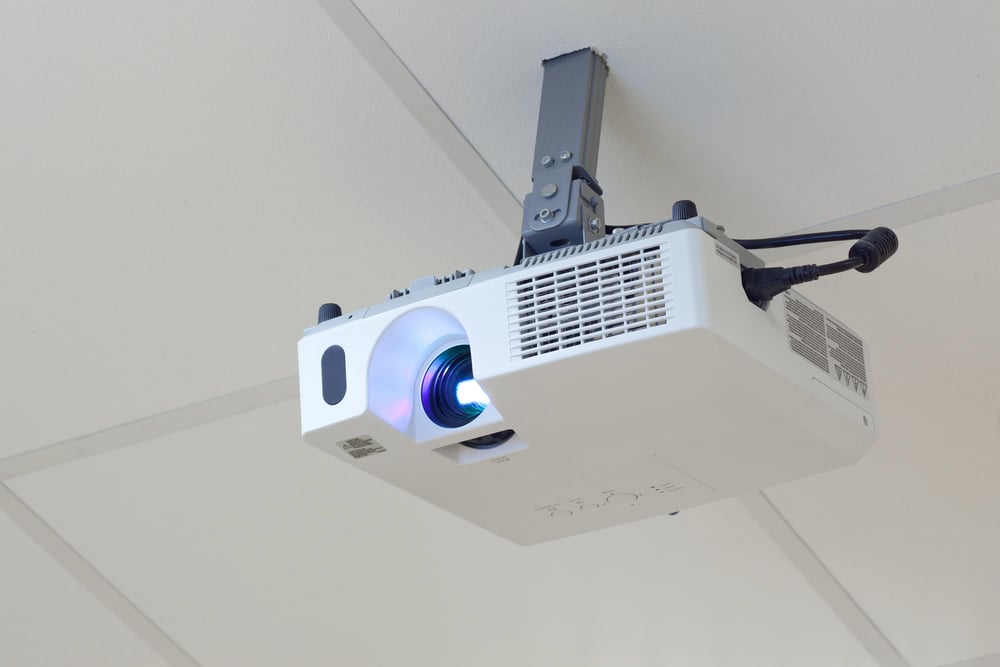
Teachers ruled their classrooms from behind massive overhead projectors that cast images onto pull-down screens. These bulky machines generated enough heat to warm half the room and made that distinctive humming sound that became white noise for learning.
Teachers would write on clear plastic sheets with special markers, and students in the back row squinted to read backwards letters that appeared when teachers forgot to flip the transparency.
Mimeograph Machines

The purple-inked worksheets from mimeograph machines had a smell that every student from the ’70s and ’80s remembers. Teachers would crank out copies on these alcohol-based duplicating machines, and students would get high off the fumes while pretending to study.
The copies were often smudged and hard to read, but that distinctive purple ink was part of the school experience.
Library Card Catalogs
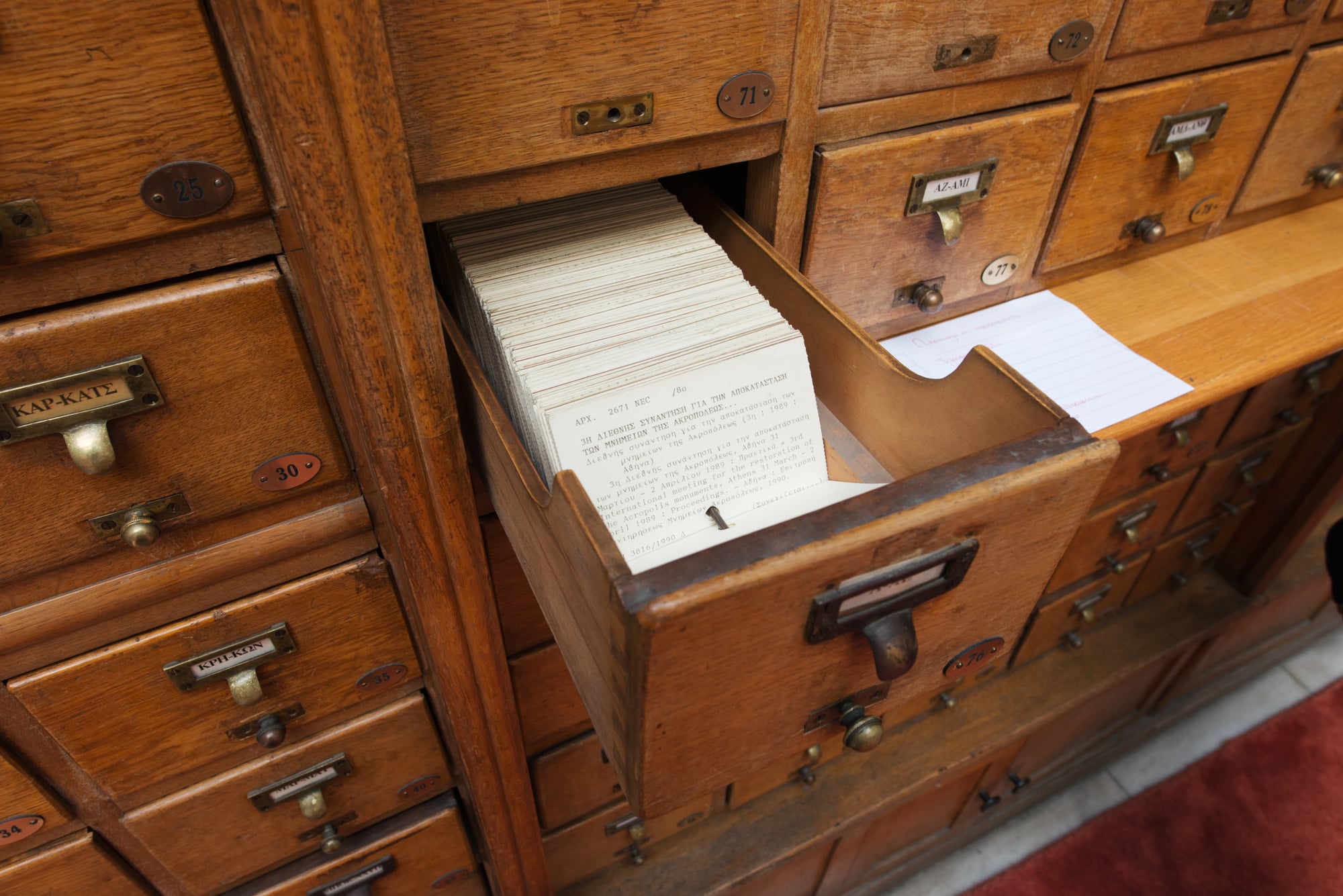
Before computers, finding books meant digging through wooden card catalogs with tiny drawers full of index cards. Students learned the Dewey Decimal System by heart and could navigate those narrow drawers faster than modern kids can type search terms.
The satisfying thunk of closing a drawer and the musty smell of old index cards made research feel like detective work.
Filmstrip Projectors

Educational filmstrips came with audio cassettes that made a distinctive beep when it was time to advance to the next frame. Teachers would dim the lights, and students would settle in for 20 minutes of grainy images and monotone narration about everything from dinosaurs to dental hygiene.
The mechanical click-advance sound and the inevitable student who advanced too fast made these presentations memorable for all the wrong reasons.
Chalkboards and Erasers

Real blackboards covered in actual chalk dust were the centerpiece of every classroom. Teachers would write lessons in flowing cursive while chalk dust settled on everything within a 10-foot radius.
The wooden erasers left streaky marks that required the perfect technique to clean properly, and clapping erasers outside was both a punishment and a privilege that covered you in white powder.
Slide Rules
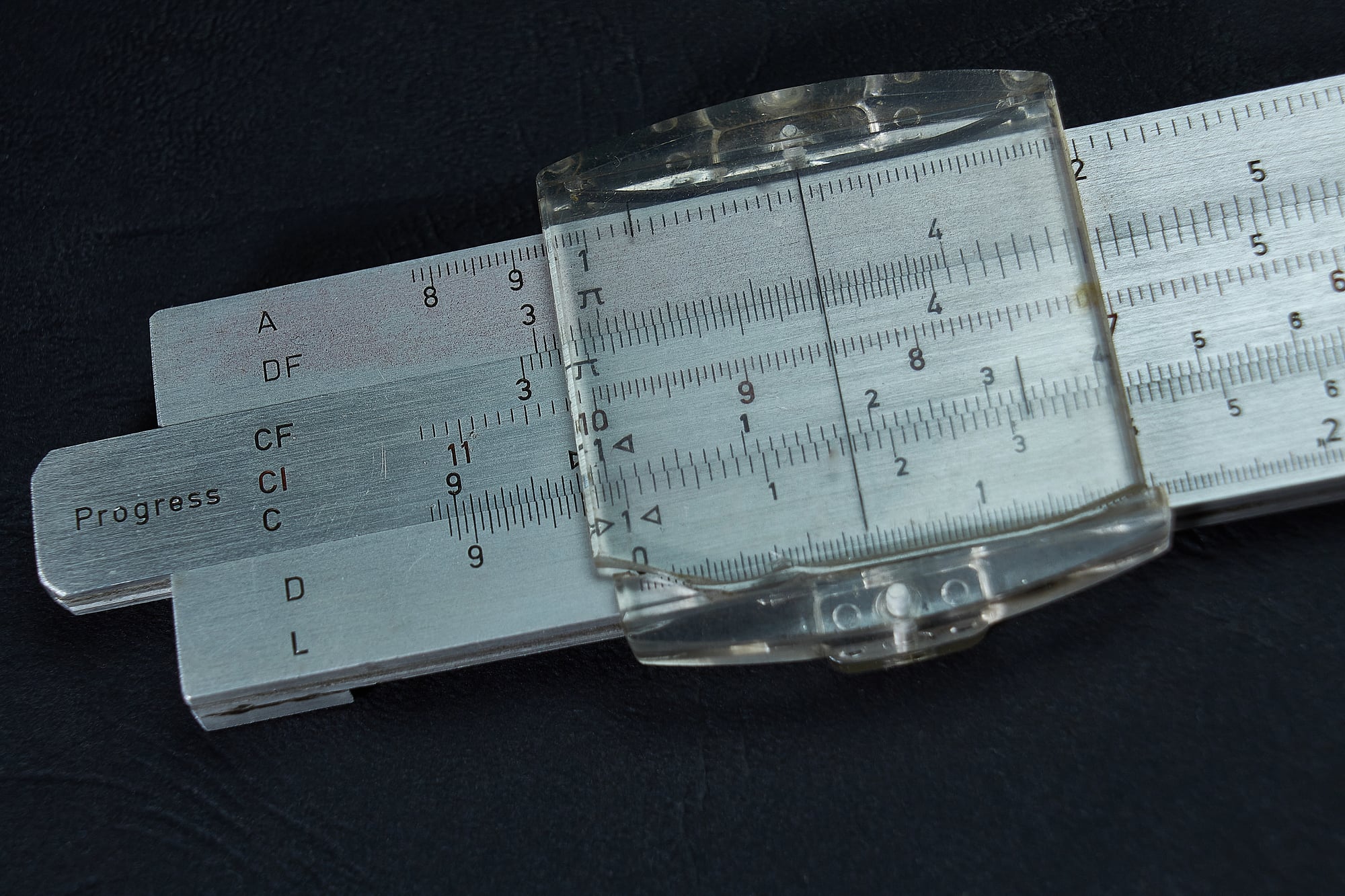
Before calculators became affordable, high school math and science students used slide rules for complex calculations. These analog computers consisted of sliding logarithmic scales that could multiply, divide, and calculate roots faster than manual math.
Learning to use a slide rule was like mastering a musical instrument — it required practice, precision, and an understanding of mathematical relationships that calculators would later make obsolete.
Encyclopedia Sets
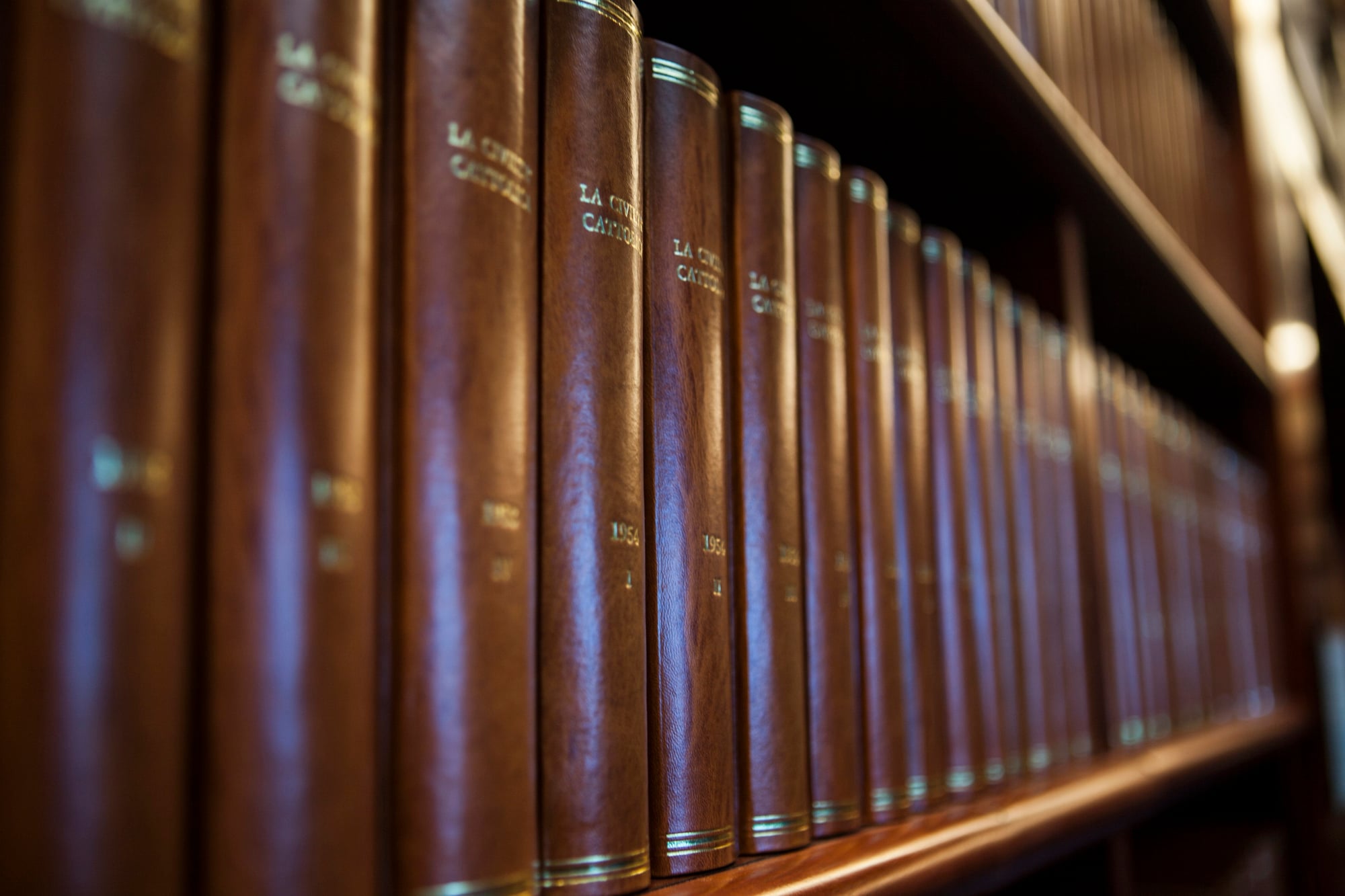
Every school library had multiple sets of encyclopedias — usually Britannica or World Book — that students used for research projects. These massive collections of knowledge took up entire shelves and were updated annually with thin supplement books.
Students would camp out at encyclopedia tables, taking notes by hand and learning to synthesize information from multiple volume entries.
Typewriters

High school typing classes were filled with rows of manual and electric typewriters where students learned proper finger placement and speed. The rhythmic clacking of keys, the satisfying ding of the margin bell, and the occasional ribbon jam were all part of learning this essential office skill.
White-out was precious currency for fixing mistakes, and changing ribbons was an art form that separated beginners from experts.
Cassette Tape Players
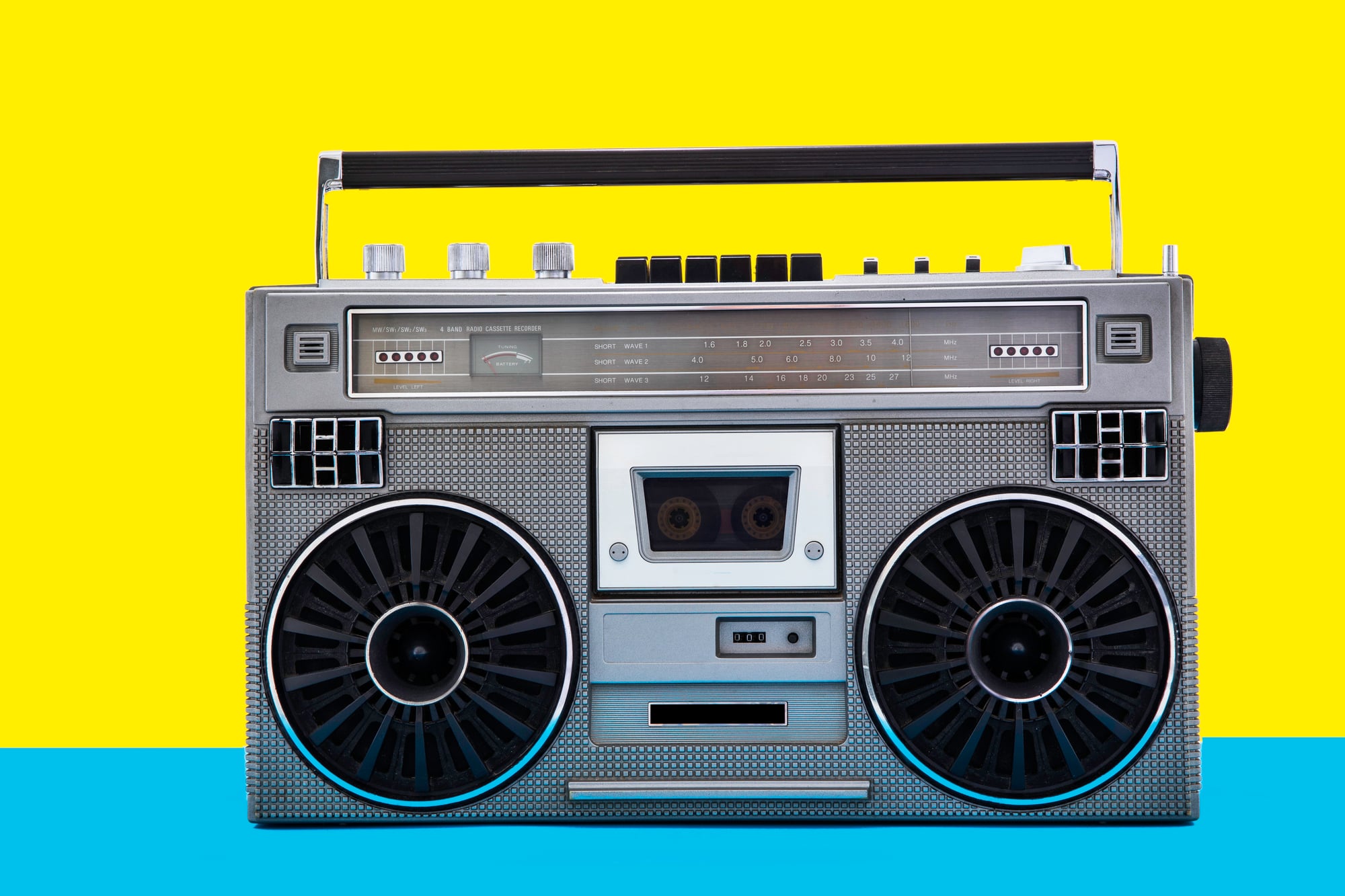
Language labs and music classes relied on cassette tape players for audio instruction. Students would wear bulky headphones and follow along with lessons on individual tape decks.
The mechanical whir of rewinding, the click of stopping and starting, and the occasional tape getting eaten by the machine were constant background sounds in audio-equipped classrooms.
Manual Pencil Sharpeners

Individual handheld pencil sharpeners were essential supplies that every student carried. These small metal devices could sharpen pencils anywhere, anytime, though they often broke lead and created more problems than they solved.
The tiny metal shavings would scatter across desks, and teachers constantly reminded students to throw away the debris properly.
Correction Fluid

Before word processors and backspace keys, students relied on white correction fluid to fix typing and writing mistakes. This thick, chemical-smelling liquid came in small bottles with tiny brushes for precise application.
Waiting for correction fluid to dry completely before typing over it was an exercise in patience, and the bumpy texture it left behind marked every mistake permanently.
Physical Globes
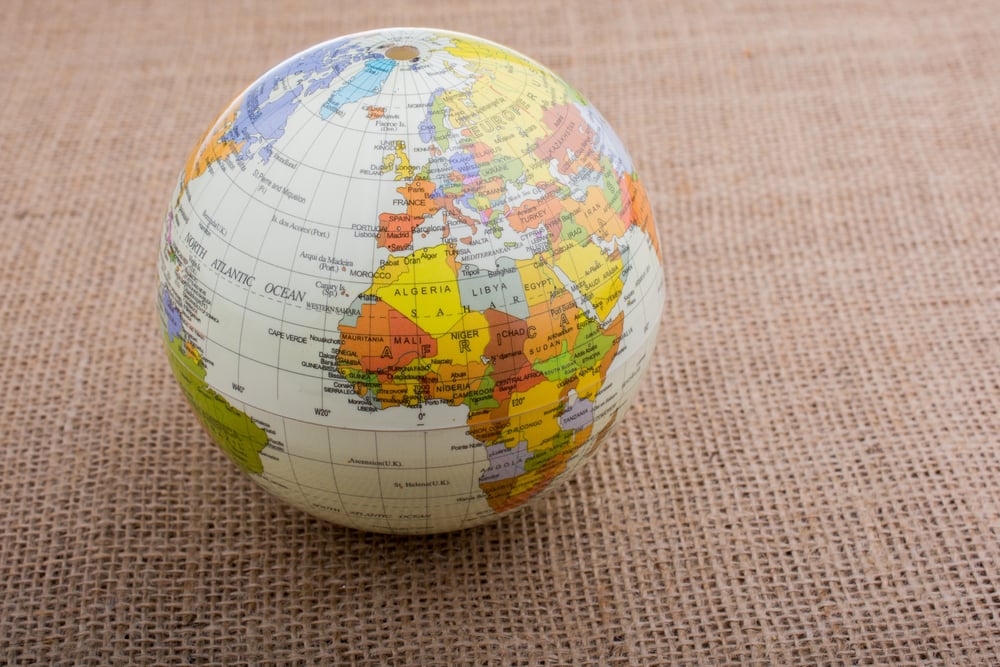
Every classroom had at least one spinning globe that students could actually touch and rotate. These three-dimensional representations of Earth showed political boundaries, geographic features, and time zones in ways that flat maps couldn’t match.
Students would spin the globe to find countries, trace shipping routes with their fingers, and discover just how big the Pacific Ocean really was compared to everything else.
When Learning Required Patience

These 15 school essentials represent an era when education moved at a more deliberate pace. Students had to wait for filmstrips to advance, walk to card catalogs to find information, and physically handle books to learn from them.
Mistakes required correction fluid or starting over completely, which made students think more carefully before writing or typing.
Modern classrooms are faster, more efficient, and infinitely more connected to the world’s information. But something was lost when we traded the tactile experience of learning for digital convenience.
Today’s students will never know the satisfaction of perfectly sharpening a pencil, the anticipation of waiting for a filmstrip to load, or the detective work required to find information in a card catalog. Progress always comes with trade-offs — we just don’t always realize what we’re giving up until it’s already gone.
More from Go2Tutors!

- The Romanov Crown Jewels and Their Tragic Fate
- 13 Historical Mysteries That Science Still Can’t Solve
- Famous Hoaxes That Fooled the World for Years
- 15 Child Stars with Tragic Adult Lives
- 16 Famous Jewelry Pieces in History
Like Go2Tutors’s content? Follow us on MSN.



