18 Digital Trends That Crashed Hard
The digital world moves at lightning speed, and what’s hot today can be completely forgotten tomorrow. Every few months, a new platform, app, or technology promises to be the next big thing that will change how we connect, work, or entertain ourselves. Yet for every success story, there are dozens of digital trends that burned bright for a moment before crashing spectacularly.
Here is a list of 18 digital trends that captured everyone’s attention before falling into obscurity.
Clubhouse

Clubhouse exploded during the pandemic as an audio-only social platform where people could join live conversations like attending a party. The invite-only format created artificial scarcity that had everyone begging for access codes in early 2021.
Once the exclusivity wore off and people returned to normal social interactions, the app’s user base plummeted faster than a stone dropped from a skyscraper.
Google Stadia

Google Stadia promised to revolutionize gaming by streaming high-end games directly to any device with an internet connection. The technology worked surprisingly well when your connection was solid, eliminating the need for expensive gaming consoles or PCs.
Unfortunately, input lag, data usage concerns, and a limited game library meant most gamers were stuck with traditional hardware, leading Google to shut down Stadia in early 2023.
Vine

Vine pioneered the concept of ultra-short video content with its six-second looping videos that became cultural phenomena. The platform created internet stars and launched countless memes that are still referenced today.
Twitter’s decision to shut down Vine in 2017 left a void that TikTok would eventually fill, proving the format was ahead of its time but poorly managed.
Second Life
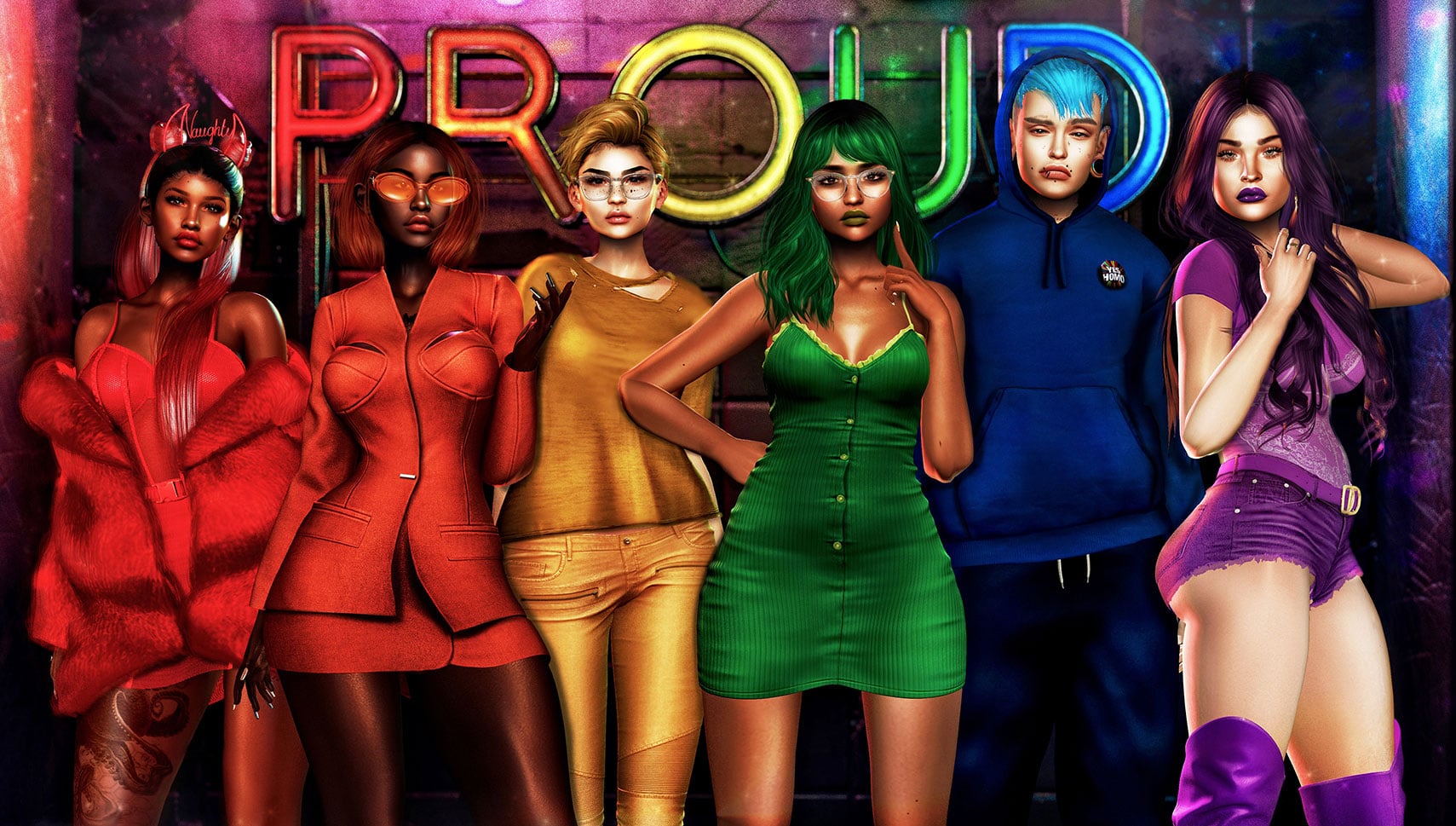
Second Life was supposed to be the future of virtual worlds, where people would conduct business meetings, attend concerts, and live alternate digital lives. The platform attracted massive media attention and even had companies buying virtual real estate for millions of dollars.
The clunky interface, steep learning curve, and limited appeal beyond tech enthusiasts meant Second Life never achieved mainstream adoption.
Pokemon Go Plus

The Pokemon Go Plus wearable device lets players catch Pokemon and spin Pokestops without constantly staring at their phones. It seemed like the perfect accessory for the mobile gaming phenomenon that had everyone wandering around neighborhoods hunting digital creatures.
Poor connectivity, limited functionality, and the game’s declining popularity made the device more frustrating than helpful for most users.
Google Plus Circles

Google Plus introduced Circles as a way to organize your social connections into different groups, sharing content with family, friends, or colleagues separately. The concept was genuinely better than Facebook’s one-size-fits-all approach to social sharing.
However, the complexity of managing multiple circles and the lack of network effects meant people stayed on platforms where their friends already were.
Quibi
Quibi raised nearly $2 billion to create premium short-form content specifically designed for mobile viewing. The platform featured high-production shows from major celebrities, all formatted for viewing in 10-minute episodes during commutes or breaks.
Launching during a pandemic when people were stuck at home with big screens available made Quibi’s mobile-only approach seem completely backwards.
Facebook’s Metaverse

Facebook bet the company on virtual reality social spaces, even changing their name to Meta to signal their commitment. The concept involved working, socializing, and playing in photorealistic virtual worlds using VR headsets.
Despite spending billions on development, the graphics looked dated, the user experience was clunky, and most people weren’t ready to strap computers to their faces for social interaction.
Cryptocurrency Gaming

Play-to-earn gaming promised to revolutionize the industry by letting players earn real money through gameplay using blockchain tokens and NFTs. Games like Axie Infinity attracted millions of players, particularly in developing countries where the earnings could supplement real income.
When cryptocurrency values crashed and the economics stopped working, most players abandoned these games faster than a sinking ship.
NFT Profile Pictures

NFT profile pictures became status symbols on social media, with some digital images selling for hundreds of thousands of dollars. Twitter even added special verification for NFT avatars, and celebrities flocked to show off their expensive digital art collections.
The speculative bubble burst when people realized they were paying enormous amounts for glorified screenshots, leaving most NFT collections worthless.
Google Wave Email Replacement
Google Wave attempted to reinvent email by combining real-time collaboration, threading, and multimedia sharing into one platform. The concept was revolutionary, allowing multiple people to edit messages simultaneously and see changes as they happened.
Unfortunately, Wave was so different from traditional email that users couldn’t figure out when to use it instead of familiar communication tools.
Foursquare Check-ins
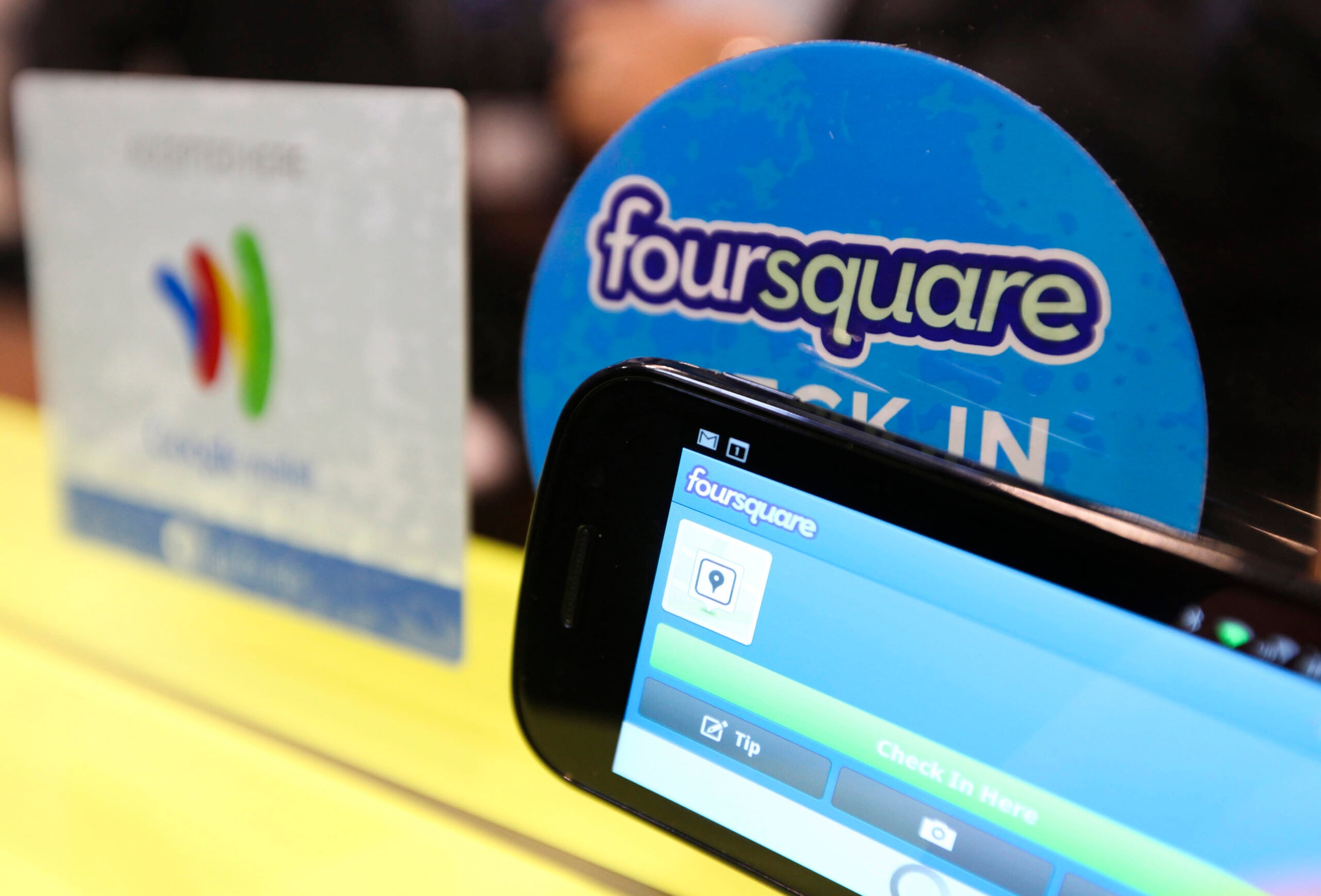
Foursquare turned visiting physical locations into a game, with users checking in to earn points, badges, and mayorships of frequently visited places. The location-sharing aspect helped friends discover new restaurants and events while building detailed profiles of user preferences.
Privacy concerns and the novelty wearing off led most users to abandon the check-in habit, though the location data business thrived.
3D Movie Streaming

Streaming services rushed to offer 3D versions of movies and shows when 3D TVs were popular, promising an immersive home theater experience. The technology worked well enough, and some content was specifically produced for 3D viewing.
However, most people found the glasses annoying, the effect caused headaches during longer viewing sessions, and there simply wasn’t enough compelling 3D content to justify the extra hassle.
Google Glass Social Networks

Several social networks emerged specifically for Google Glass users to share photos and videos captured from their unique first-person perspective. These platforms promised to create entirely new forms of social interaction based on augmented reality experiences.
When Google Glass failed to achieve mainstream adoption, these specialized social networks lost their entire potential user base almost overnight.
Periscope Live Streaming

Periscope made live streaming accessible to everyone, letting users broadcast their experiences in real-time to followers around the world. The platform integrated seamlessly with Twitter and created genuine moments of connection during major events and personal experiences.
Competition from Instagram Live, Facebook Live, and later TikTok Live fragmented the audience and reduced Periscope’s unique value proposition.
QR Code Restaurants

QR code menus became ubiquitous during the pandemic as restaurants tried to eliminate physical contact with shared menus. Many establishments went completely digital, requiring customers to scan codes just to see what food was available.
As health concerns diminished, most diners preferred traditional menus over squinting at small phone screens, leading many restaurants to bring back physical menus.
Augmented Reality Shopping

AR shopping apps promised to revolutionize retail by letting customers visualize products in their homes before buying. You could see how furniture looked in your living room or try on clothes virtually using your phone’s camera.
While the technology was impressive, the novelty wore off quickly, and most people preferred traditional shopping methods or simple product photos.
Blockchain Social Media

Blockchain-based social networks emerged as alternatives to traditional platforms, promising to give users control over their data and even pay them for creating content. These platforms attracted users frustrated with censorship and data harvesting by major tech companies.
However, slow performance, confusing interfaces, and limited network effects meant most users stayed on familiar platforms despite philosophical objections.
The Reality Check

Digital trends crash hard because they often solve problems people don’t actually have or create new problems worse than the ones they fix. The most spectacular failures usually involve technologies that are genuinely innovative but arrive at the wrong time, cost too much, or require people to change deeply ingrained habits.
Success in the digital world isn’t just about having the best technology—it’s about timing, user experience, and understanding what people actually want versus what they say they want. The graveyard of failed digital trends serves as a reminder that revolutionary doesn’t always mean practical, and sometimes the simplest solutions win over the most sophisticated ones.
More from Go2Tutors!

- The Romanov Crown Jewels and Their Tragic Fate
- 13 Historical Mysteries That Science Still Can’t Solve
- Famous Hoaxes That Fooled the World for Years
- 15 Child Stars with Tragic Adult Lives
- 16 Famous Jewelry Pieces in History
Like Go2Tutors’s content? Follow us on MSN.