18 English Language Oddities
English has always been the scrappy mutt of languages, picking up habits from every corner of the world and somehow making them stick. It borrows freely, breaks its own rules without apology, and leaves learners scratching their heads at nearly every turn.
Yet somehow, millions of people manage to wrestle it into submission daily.
These oddities aren’t bugs in the system — they’re features that reveal just how chaotic and wonderful English really is.
Silent Letters That Serve No Purpose

Half the letters in some English words just sit there doing nothing. Knee, gnome, lamb, debt — each one carrying around dead weight that no one bothers to pronounce.
These silent passengers hitchhiked into English from other languages and never bothered to adapt.
Spelling That Defies All Logic

Tough, through, though, thought. Four words that should rhyme but absolutely refuse to cooperate.
English spelling committed to preserving the historical baggage of every word rather than making sense for anyone trying to learn it.
Words That Mean Their Own Opposite
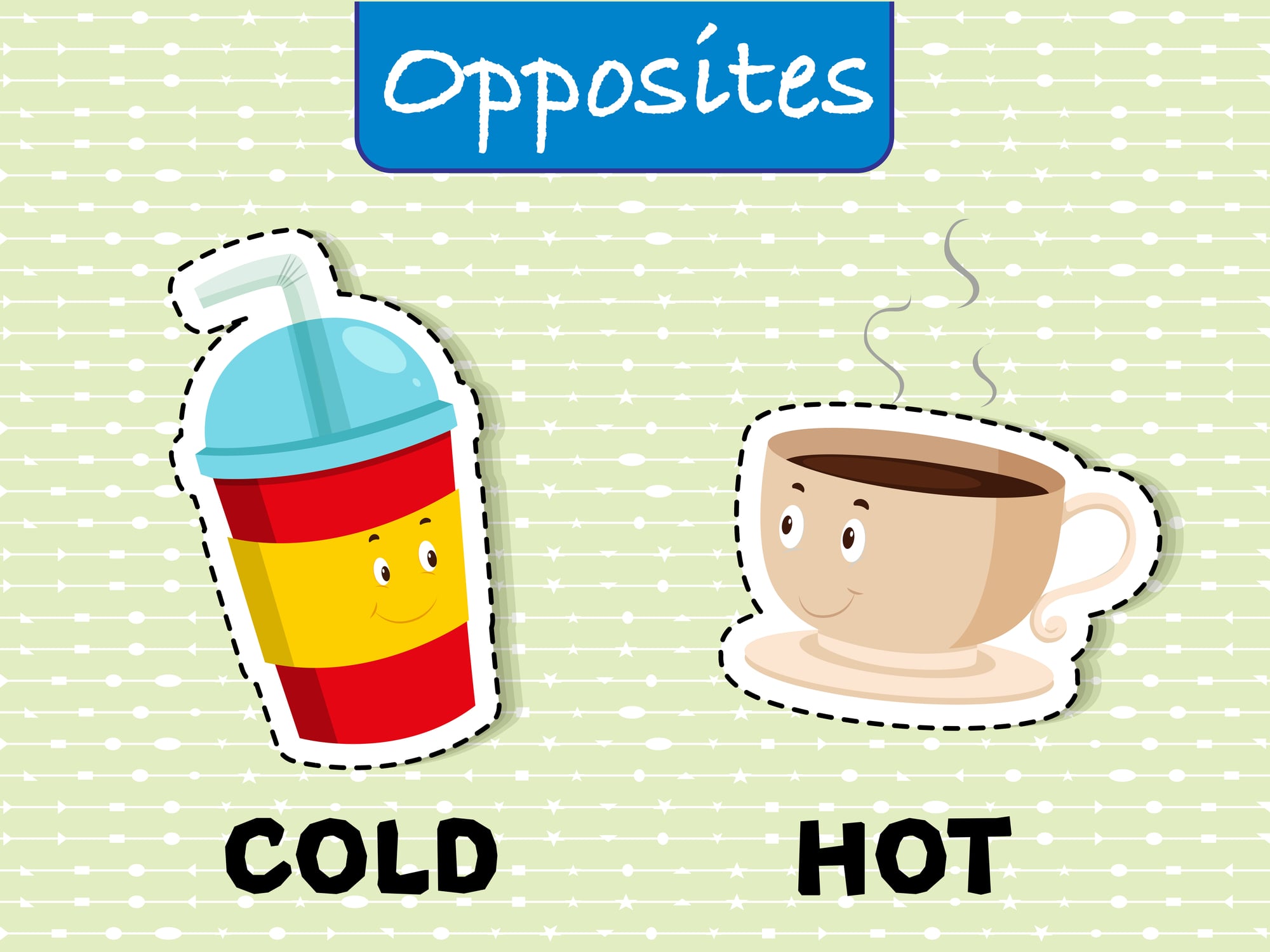
Sanction can mean to approve something or to punish it (and here’s where English gets particularly stubborn about refusing to pick a side, because why would you want clarity when you could have a word that means both permission and prohibition, forcing everyone to guess from context whether you’re supporting something or condemning it entirely). Cleave means to stick together.
Also means to split apart.
So bolt can mean to secure something in place or to run away quickly — which is saying something about a language that can’t decide if a word means staying or leaving. And dust means to remove dust from something, but also to apply dust to something.
Go figure.
The Plural That Ignores Math Entirely
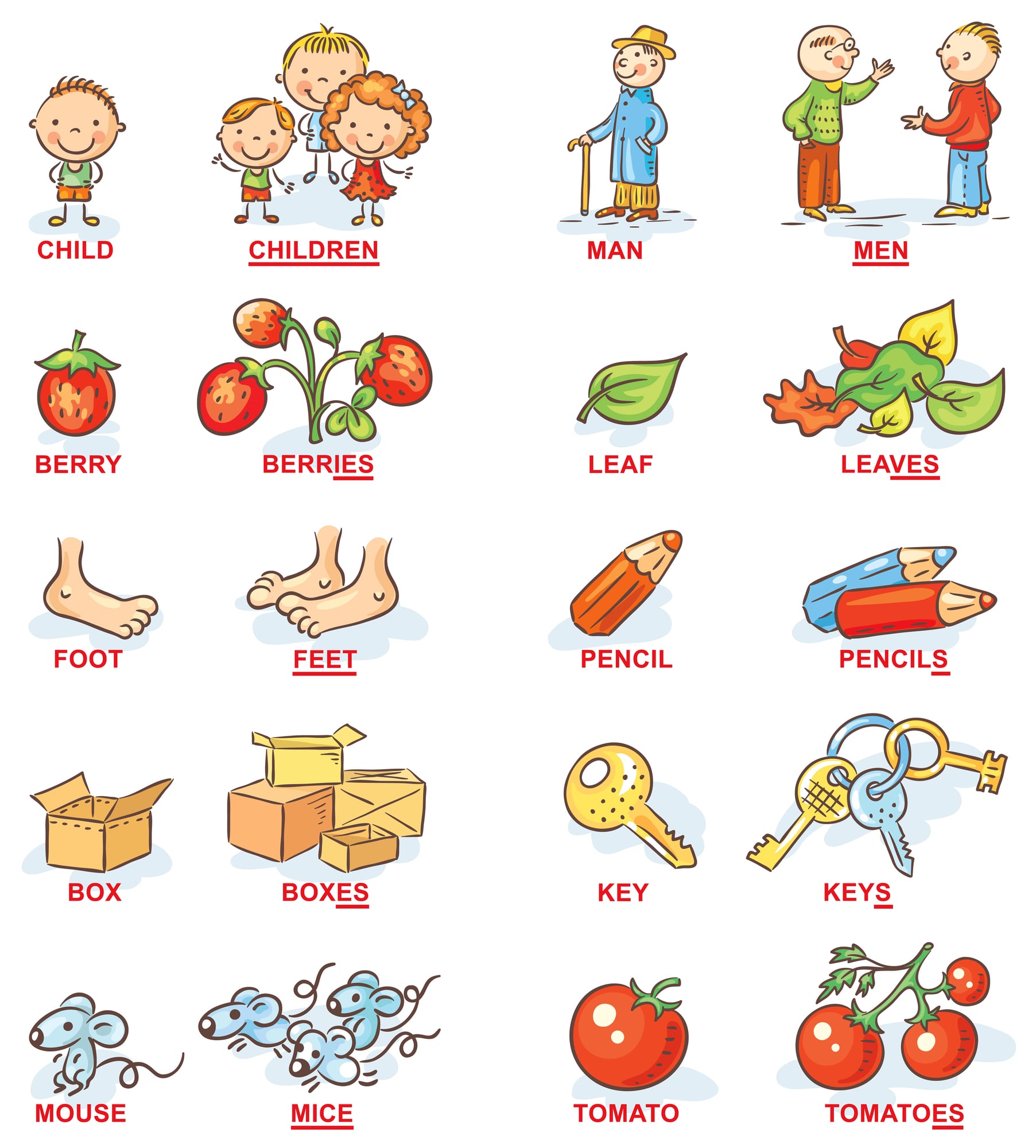
Sheep remains sheep whether there’s one or a thousand. Same with deer, fish, and moose — they simply refused to learn basic addition.
But then mouse becomes mice, house stays houses, and goose turns into geese just to keep everyone guessing.
English plurals exist in their own private universe where mathematical rules go to die. One child, two children — logical enough.
But then one ox becomes two oxen, while one box becomes two boxes, because consistency is apparently overrated. Series stays series, but thesis becomes theses, and the word data causes arguments because no one can agree if it’s singular or plural anymore.
Contractions That Break Their Own Rules

Will not becomes won’t instead of willn’t. Cannot becomes can’t instead of cannont.
These contractions decided early on that following patterns was beneath them.
Words That Sound Identical But Mean Everything Different

There, their, they’re. To, too, two.
Right, write, rite. English homophones multiply like rabbits, turning every sentence into a potential landslide of confusion for anyone trying to make sense on paper.
Question Tags That Work Backwards

You’re coming, aren’t you? It’s nice, isn’t it?
The tag flips the positive to negative and the negative to positive — a linguistic seesaw that somehow everyone just accepts as normal.
Pronunciation That Ignores Spelling Entirely

Colonel sounds like kernel. February gets pronounced as FEB-roo-ary by most people, despite that extra R sitting right there in the middle.
Wednesday becomes WENZ-day because apparently three syllables was asking too much.
Arkansas and Kansas should rhyme but don’t. English pronunciation operates on the principle that if something looks straightforward, it probably isn’t.
Add in words like epitome (which sounds nothing like it looks) and you’ve got a language that treats spelling as merely a suggestion rather than an instruction manual.
The Verb Tenses That Multiply In The Dark

English technically has dozens of verb tenses when other languages make do with a handful. Present perfect continuous progressive — because apparently “I am eating” wasn’t specific enough.
We needed “I have been eating” and “I will have been eating” and seventeen other variations just to cover all the possible ways someone might consume food across time.
Adjective Order That Everyone Knows But Can’t Explain

A big red car sounds right. A red big car sounds wrong.
Nobody teaches this rule, yet native speakers nail it every time. Opinion, size, age, shape, color, origin, material, purpose — that’s the secret order that everyone follows without knowing why.
Words Borrowed So Often They Lost Their Meaning

Entrepreneur, rendezvous, café — these French words settled into English and now half the population mispronounces them.
English has a habit of adopting foreign words and then gradually butchering them until they’re barely recognizable to their original speakers.
Prepositions That Follow No Logic
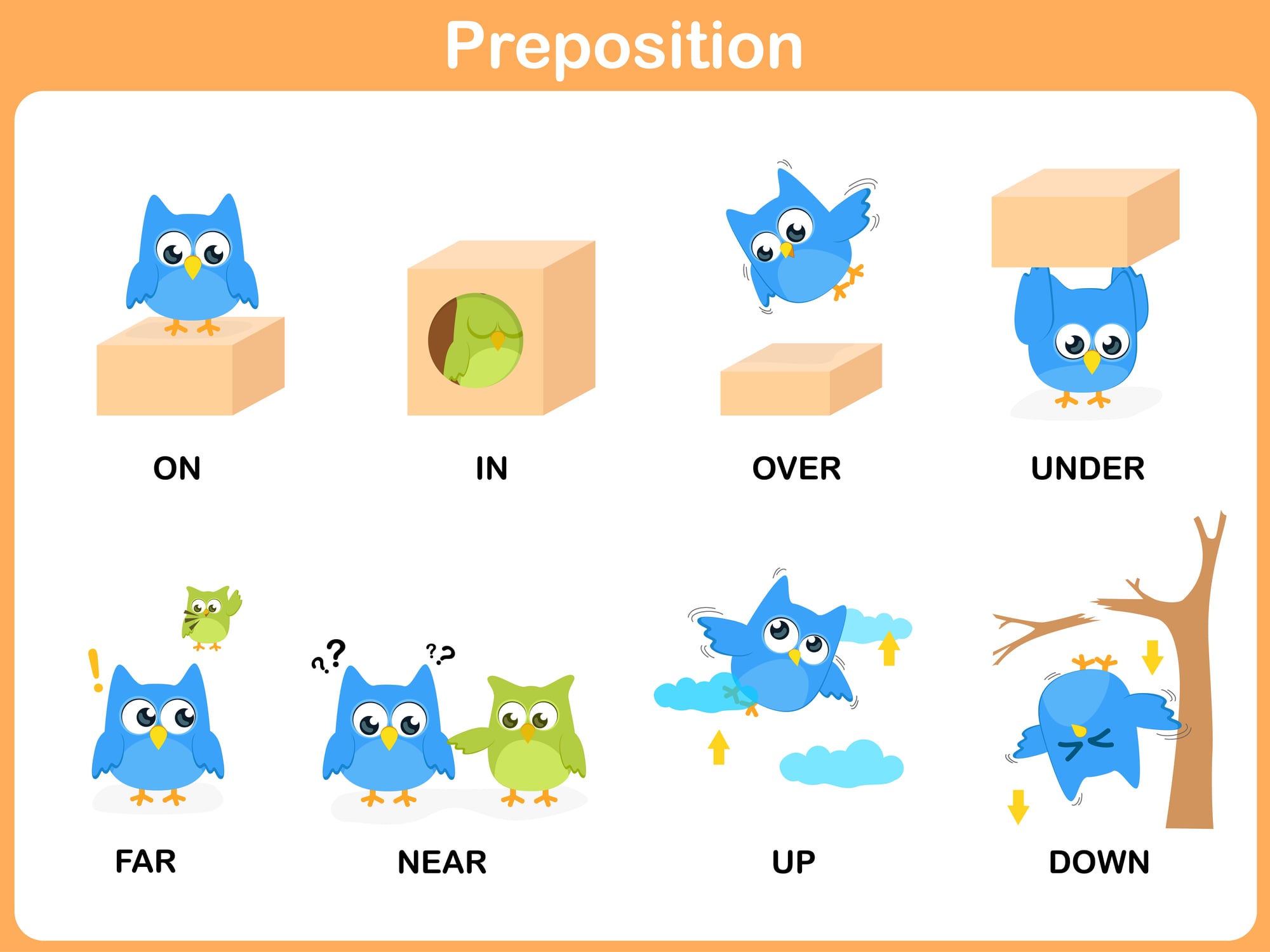
You get in a car but on a bus. You’re at the office but in the building.
In time means early, on time means punctual, and at time means nothing at all. English prepositions exist to humble anyone who thinks they understand patterns.
Every preposition choice feels arbitrary because it usually is — historical accident frozen into permanent confusion. You arrive at a destination, arrive in a city, and arrive on time, because English couldn’t be bothered to pick just one preposition and stick with it.
Why say “different from” when you could also say “different than” and “different to” depending on which English-speaking country you happen to be standing in?
The Past Tense That Can’t Make Up Its Mind
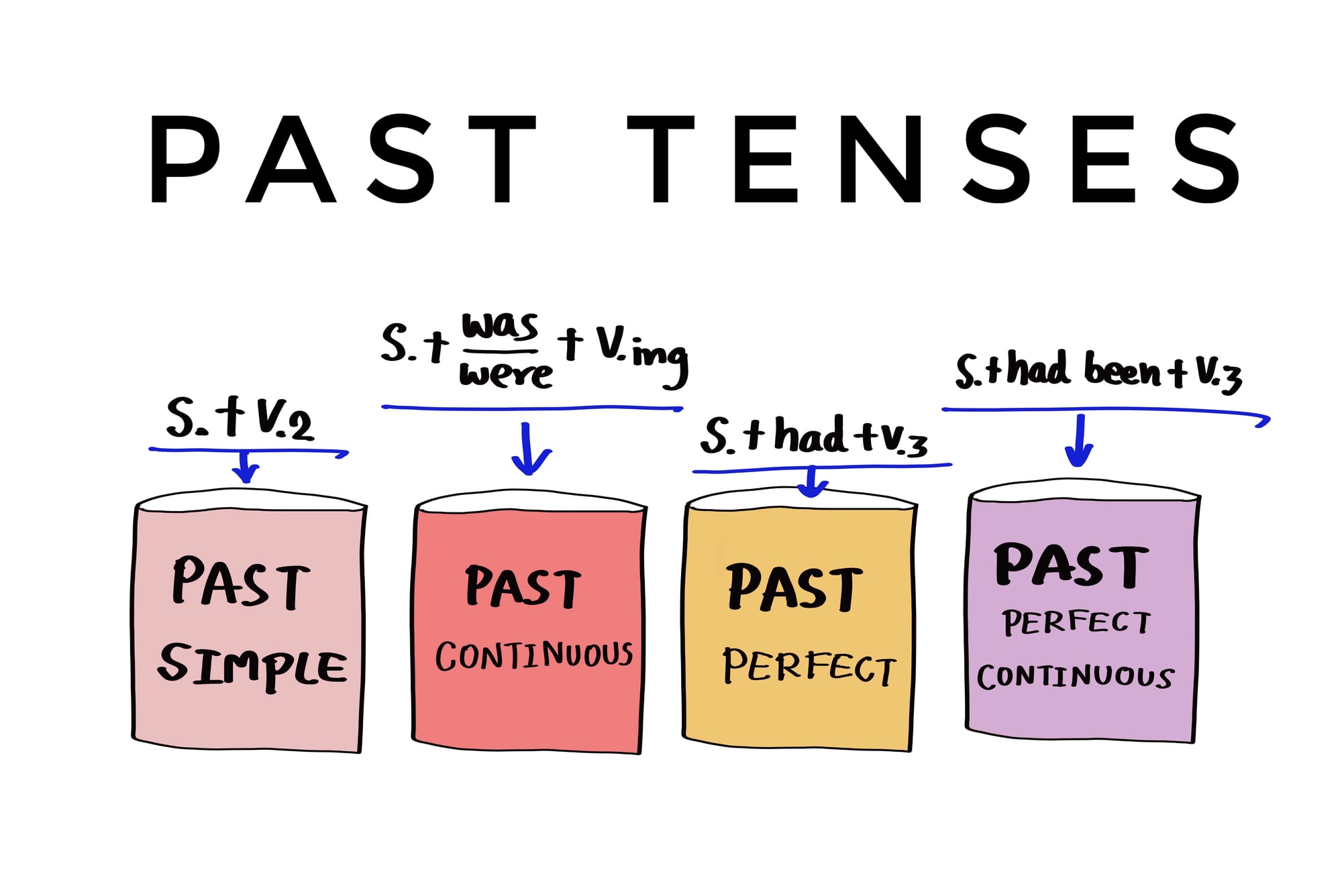
Walk becomes walked. Run becomes ran. Sing becomes sang.
Go becomes went — which isn’t even the same word anymore. English past tense operates on the principle that if half the verbs follow the rule, that’s close enough.
Collective Nouns That Sound Like Poetry
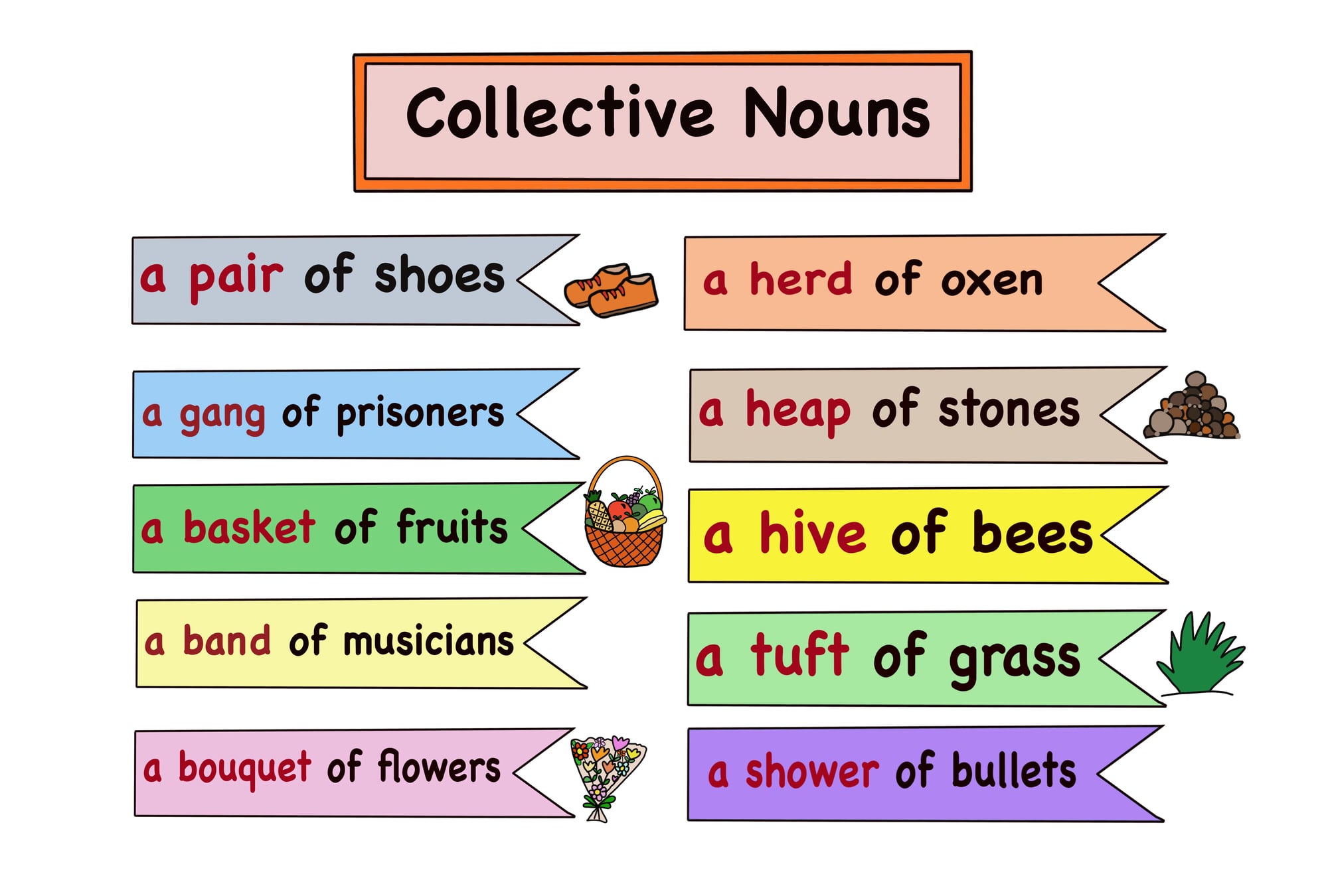
A murder of crows sounds ominous. A gaggle of geese sounds silly.
An embarrassment of pandas captures something essential about those clumsy bears that regular grammar never could. English went completely overboard with collective nouns, creating tiny poems disguised as functional vocabulary.
Capitalization Rules That Contradict Themselves

You capitalize Internet but not website. Democratic Party gets capitals, but democratic principles don’t.
English treats some words like proper nouns and others like common ones based on rules that shift depending on context, formality, and apparently the phase of the moon.
Letters That Change Jobs Without Notice

The letter C can sound like S or K, depending on its mood. G can be hard or soft.
Y sometimes thinks it’s a vowel. These letters refuse to commit to a single sound, leaving pronunciation as a guessing game.
Ch makes completely different sounds in chair, chaos, and machine — three pronunciations for the same two letters, because consistency would make English too easy.
And don’t get started on ough, which changes pronunciation in every single word it appears in: rough, through, cough, bought, bough. That’s five different sounds for the same four letters.
Idioms That Make No Literal Sense

It’s raining cats and dogs. Break a leg. Bite the bullet.
English idioms sound like the fever dreams of someone who learned the language from fortune cookies and motivational posters.
The Word “Set” That Has 200+ Definitions

Set might be the most overworked word in English. Set the table, set your watch, set in stone, set sail, set up, set down, set aside, set back — it means everything and nothing, depending on what follows it.
One word doing the work of dozens because English apparently believes in efficiency through chaos.
Making Peace With Beautiful Chaos

English will never make complete sense, and that’s exactly what makes it fascinating. Every oddity tells a story about conquest, trade, immigration, and the stubborn refusal of people to speak the way grammarians think they should.
These aren’t flaws to be fixed — they’re the fingerprints of history, proving that language belongs to the people who speak it, not the rules that try to contain it.
More from Go2Tutors!

- The Romanov Crown Jewels and Their Tragic Fate
- 13 Historical Mysteries That Science Still Can’t Solve
- Famous Hoaxes That Fooled the World for Years
- 15 Child Stars with Tragic Adult Lives
- 16 Famous Jewelry Pieces in History
Like Go2Tutors’s content? Follow us on MSN.



