Bizarre Facts About North Korea
North Korea remains one of the most secretive and mysterious countries on Earth. The government controls nearly every aspect of daily life, creating a society that operates under rules most people would find hard to believe.
From bizarre laws to strange customs, the Democratic People’s Republic of Korea has developed its own unique way of doing things that often seems completely disconnected from the rest of the world. Let’s dive into some of the strangest realities of life inside this isolated nation.
Only three TV channels exist

Only three television channels are available nationwide, and they are all under government control. Only state propaganda, documentaries honoring the Kim family, and carefully chosen news that presents North Korea in a favorable light are shown on these channels.
Unlike in other places, citizens are unable to browse through hundreds of options. There are few entertainment programs and a strict schedule.
When they do air, their purpose is not to amuse viewers but to strengthen allegiance to the regime.
The year is different there

North Korea doesn’t follow the standard Gregorian calendar that most of the world uses. Instead, they operate on the Juche calendar, which began in 1912, the year Kim Il-sung was born.
This means that while it’s 2025 in most countries, North Korea is in the year 114. Official documents, newspapers, and all government materials use this dating system.
The change was made to honor the founder of North Korea and separate the country further from Western influence.
Owning a Bible is illegal
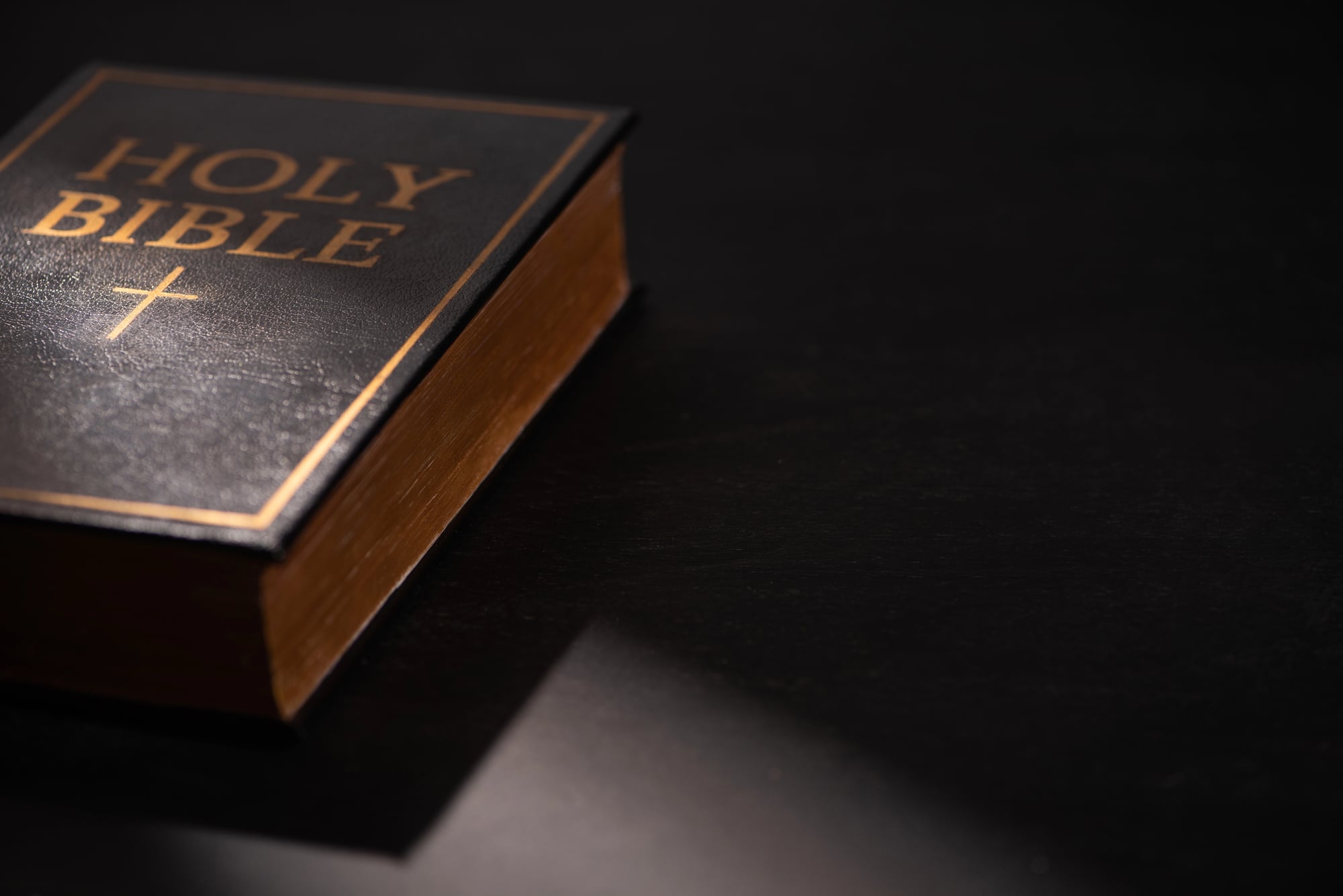
Religious texts, especially Christian materials, are strictly forbidden in North Korea. Anyone caught with a Bible faces severe punishment, including imprisonment in labor camps or even execution.
The government sees religion as a threat to the absolute loyalty citizens must show to the Kim family. Underground Christian communities do exist, but they operate in complete secrecy, knowing that discovery could mean death.
North Korea officially promotes atheism and treats the ruling family as the only figures worthy of devotion.
Tourists can’t use local currency

Foreign visitors to North Korea aren’t allowed to handle the country’s money, known as the won. Instead, tourists must use foreign currencies like euros, Chinese yuan, or U.S. dollars for all their purchases.
The government keeps its currency isolated to maintain control over the economy and prevent outsiders from understanding the true financial situation inside the country. Even when tourists buy souvenirs or pay for meals, they’re doing so in a completely separate economic system from what citizens use.
Jeans are considered Western propaganda

Wearing blue jeans can land someone in serious trouble because the government views them as a symbol of American imperialism. The authorities have banned this type of clothing along with other Western fashion items.
Citizens must dress conservatively and avoid anything that might suggest influence from capitalist countries. Fashion police actually patrol the streets, checking people’s clothing and hairstyles.
This obsession with controlling appearance extends to hairstyles too, with only government-approved cuts being legal.
Students must pay for their own desks and chairs

The education system requires families to provide furniture for their children’s classrooms. Parents have to either buy or build desks and chairs, then transport them to school.
If a family can’t afford these items, their children might have to sit on the floor or stand during lessons. The government doesn’t supply these basic necessities despite education being technically free.
This practice places an additional financial burden on families who are already struggling with poverty and food shortages.
Owning a car requires special permission

Private car ownership is extremely rare and requires government approval that only the elite can obtain. Most citizens will never drive a car or even ride in one regularly.
The streets of Pyongyang, the capital city, often look empty despite being home to millions of people. Those few cars that do exist belong to high-ranking officials or foreign diplomats.
The lack of vehicles isn’t just about poverty; it’s also a deliberate policy to limit freedom of movement and keep citizens from traveling without permission.
The internet is replaced by a domestic intranet

North Koreans don’t have access to the real internet that connects the rest of the world. Instead, they use Kwangmyong, a domestic intranet that only connects to government-approved North Korean websites.
This system contains maybe a few thousand sites compared to the billions available on the actual internet. Email services exist, but they only work within the country.
The government monitors all digital activity, and browsing anything unapproved is impossible because the infrastructure simply doesn’t connect to the outside world.
Electricity is a luxury

Power outages happen so frequently that they’re considered normal rather than emergencies. Many homes go without electricity for hours or even days at a time.
People have adapted by timing their activities around the unpredictable power schedule. Even in Pyongyang, the showcase capital where conditions are best, blackouts are common.
Satellite images of the Korean Peninsula at night show South Korea blazing with light while the North is almost completely dark except for a small glow around Pyongyang.
There’s a fake propaganda village

Kijong-dong sits right on the border with South Korea and appears to be a thriving town with nice houses and buildings. The catch is that nobody actually lives there.
It’s a complete fabrication built to make North Korea look prosperous to people viewing it from the South. The buildings are just empty shells without interior rooms.
Lights turn on and off automatically on timers to create the illusion of activity. South Koreans have nicknamed it ‘Propaganda Village’ because its only purpose is to serve as an elaborate deception.
Pizza was introduced by Kim Jong-il personally

The former leader reportedly became obsessed with creating the perfect pizza and sent chefs to Italy to learn the craft. He then ordered the construction of a pizza restaurant in Pyongyang.
The story goes that he was personally involved in taste-testing and approving recipes. This bizarre project happened while much of the country faced famine.
Today, pizza is available in some restaurants in the capital, but it remains an expensive luxury that only the privileged class can afford.
Basketball has different rules

Kim Jong-il loved basketball so much that he changed the scoring system for games played in North Korea. Slam dunks are worth three points instead of two.
Missing a free throw results in losing a point. A three-point shot made in the final three seconds of the game is worth eight points.
These rules apply to domestic games and were apparently created to make the sport more exciting according to the leader’s personal preferences. Dennis Rodman, the former NBA star, has visited multiple times and participated in games under these modified rules.
Children are assigned instruments at birth
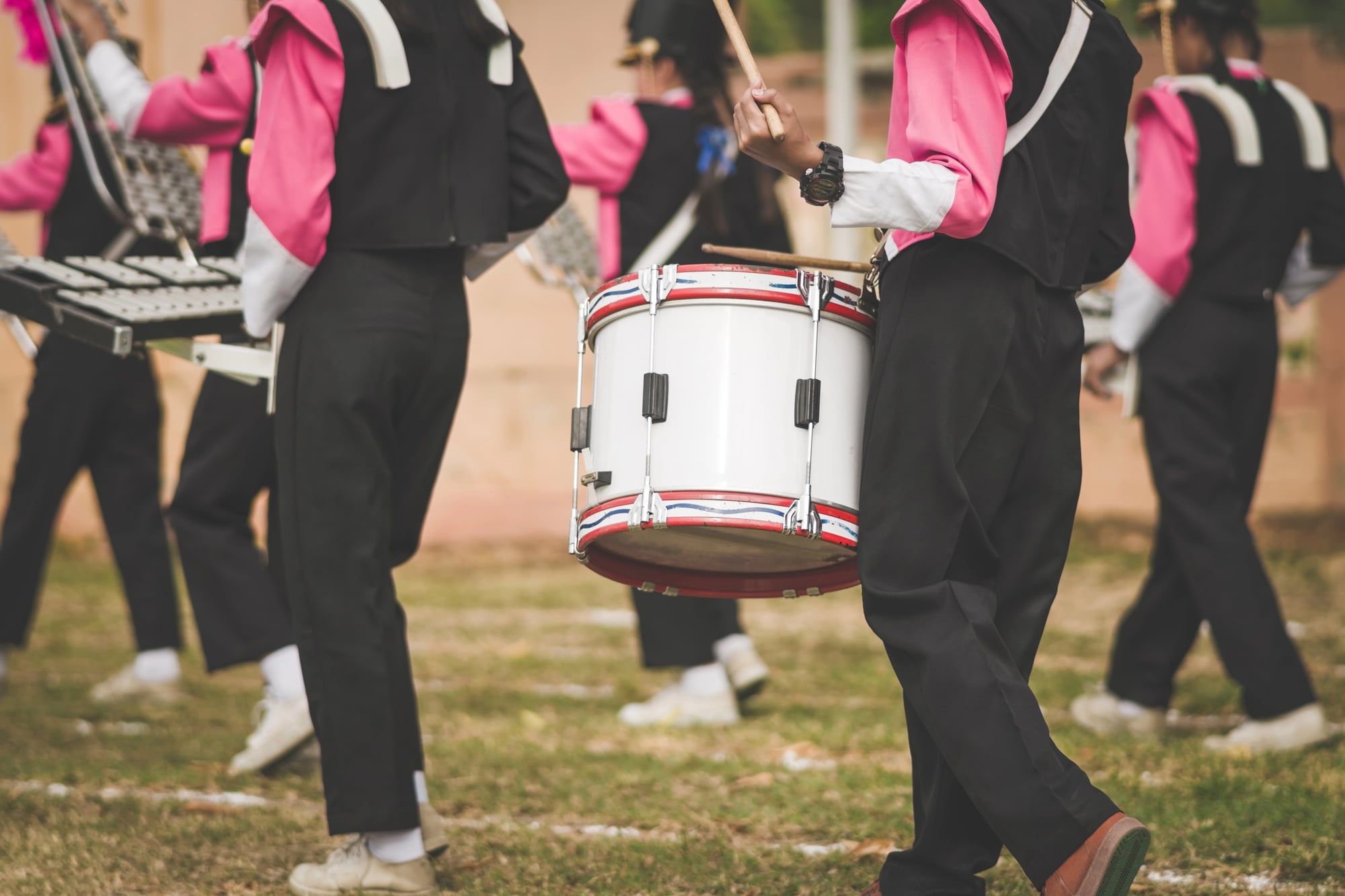
The government assigns musical instruments to babies based on the country’s needs for different orchestra members. A child might be designated to play the violin, trumpet, or any other instrument before they can even walk.
As they grow up, they’re expected to practice and master their assigned instrument whether they have interest or talent. This system treats music education like a state planning exercise rather than a personal choice.
The goal is to ensure North Korea always has enough musicians to fill its state orchestras and military bands.
Visitors must bow to statues

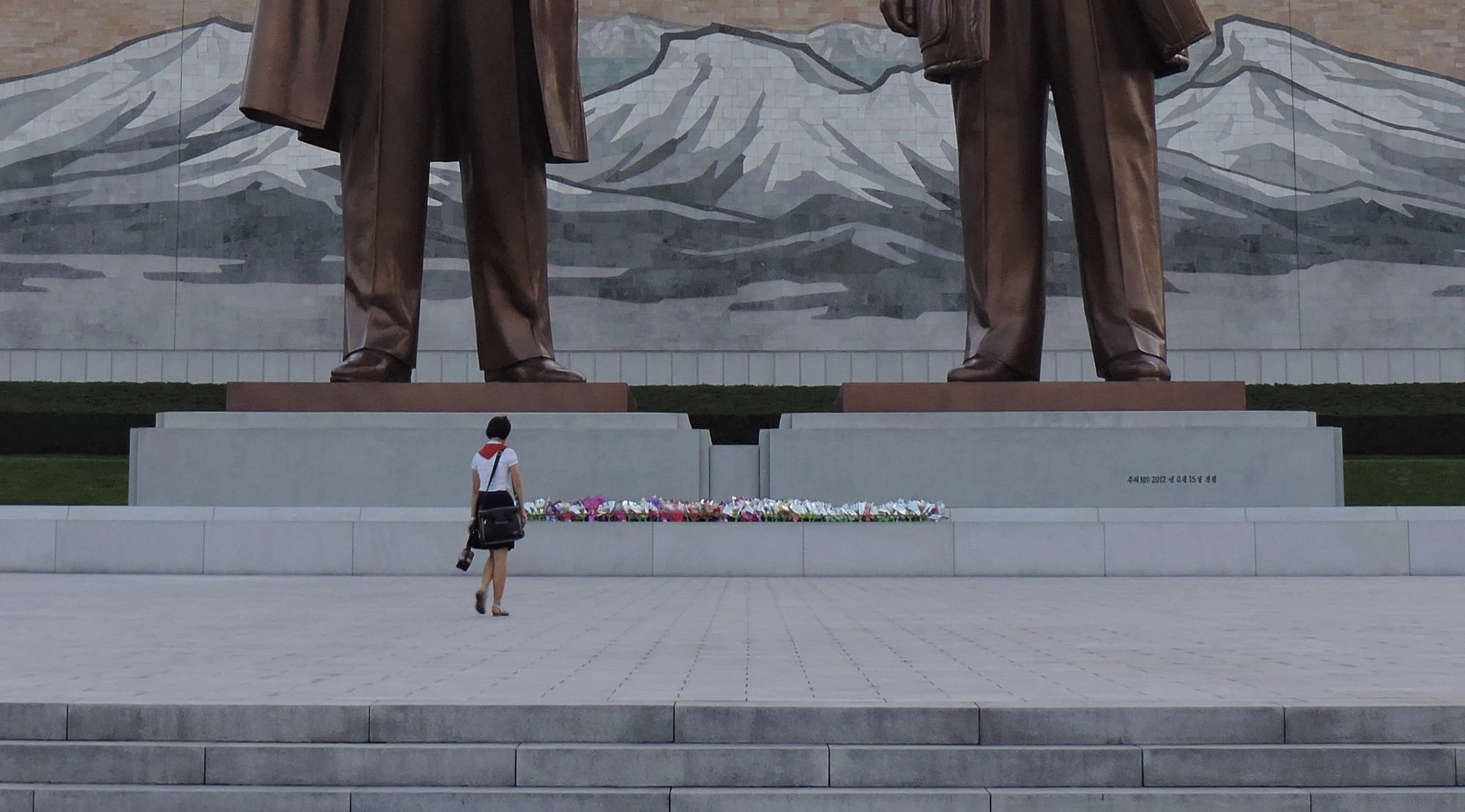
Foreign tourists visiting North Korea are required to bow before the massive statues of Kim Il-sung and Kim Jong-il. Tour guides strictly enforce this rule and watch to ensure visitors show proper respect.
Some tourists have tried to refuse and were threatened with serious consequences. The statues, which stand over 60 feet tall, are located throughout the country, with the most famous ones in Pyongyang.
Citizens must bow to these monuments regularly, and failing to show adequate reverence can result in punishment.
The country has its own operating system
North Korea developed its own computer operating system called Red Star OS that looks somewhat like Apple’s Mac OS. The system secretly takes screenshots and watermarks files to track what users are doing.
It’s designed to prevent people from sharing or accessing unauthorized information. The operating system also makes it nearly impossible to disable the monitoring features.
Very few North Koreans have computers, but those who do must use this heavily surveilled system that reports their activities to authorities.
Students must spend time working farms

Students are frequently sent by their schools to work on farms in the countryside for weeks or months at a time. This field trip is an essential component of education, not a choice.
Instead of going to regular classes, young people work hard in agriculture. The government presents this as a means of developing character and imparting useful skills, but in reality, it’s a way to augment the farm labor force without paying wages.
Participating in these work assignments, students as young as elementary school age miss a substantial amount of classroom instruction.
Defectors can face execution for their families
Under the government’s guilt by association system, a person who flees North Korea faces harsh punishment for their entire family. Siblings, parents, and even members of the extended family may be executed or sent to labor camps.
Defection is strongly discouraged by this harsh policy. People live with the knowledge that their loved ones back home are suffering as a result of their choice, even if they manage to flee to South Korea or another country.
The regime uses this collective punishment to deter attempts at escape because it views defection as one of the worst possible crimes.
The reality behind the curtain

North Korea’s bizarre practices reveal a government more concerned with control than the wellbeing of its people. These strange rules and customs aren’t just quirky differences but tools of oppression designed to keep citizens isolated and dependent.
While some of these facts might seem almost comical from the outside, they represent daily hardships for millions of people trapped in a system that denies them basic freedoms. The country’s extreme isolation continues to produce new oddities that baffle outsiders, but behind each strange policy is a population struggling to survive under one of the world’s most repressive regimes.
More from Go2Tutors!

- The Romanov Crown Jewels and Their Tragic Fate
- 13 Historical Mysteries That Science Still Can’t Solve
- Famous Hoaxes That Fooled the World for Years
- 15 Child Stars with Tragic Adult Lives
- 16 Famous Jewelry Pieces in History
Like Go2Tutors’s content? Follow us on MS