Everyday Items That Are Strictly Banned In Japan
Traveling to Japan means stepping into a culture where respect, order, and meticulous attention to detail shape daily life. What catches many visitors off guard isn’t just the cultural differences, but discovering that seemingly innocent items from home can land them in serious legal trouble.
Japan’s strict import laws don’t just target obvious contraband — they extend to everyday products that sit harmlessly in medicine cabinets, purses, and luggage around the world.
Sudafed And Cold Medicines Containing Pseudoephedrine

Pseudoephedrine gets treated like a controlled substance in Japan. Your basic cold medicine that clears sinuses? Banned.
Immigration officials will confiscate it, and carrying larger amounts can result in arrest. The Japanese government considers pseudoephedrine a precursor to methamphetamine production.
Fair point, but it means travelers learn this lesson the hard way when customs agents find their Sudafed stash.
Adderall And ADHD Medications
Japan doesn’t recognize most ADHD medications as legitimate medicine — they view them as stimulant drugs (which, to be fair, many technically are, though that’s hardly the point when someone genuinely needs them to function). Even with a prescription from a home country, bringing Adderall across Japanese borders counts as drug importation.
The bureaucratic process to get permission involves months of paperwork through Japanese medical authorities, and there’s no guarantee of approval. So people who depend on these medications face a choice: skip Japan entirely or spend weeks navigating medical bureaucracy that might not even work out.
And yet the country wonders why certain demographics avoid visiting, when the answer sits right there in their own customs regulations — though pointing that out probably wouldn’t change anything, because the policy seems designed more around blanket prohibition than accommodating legitimate medical needs, which creates exactly the kind of rigid system that looks orderly from the outside but causes genuine hardship for people who didn’t choose to need prescription medication in the first place.
Vicks Inhalers
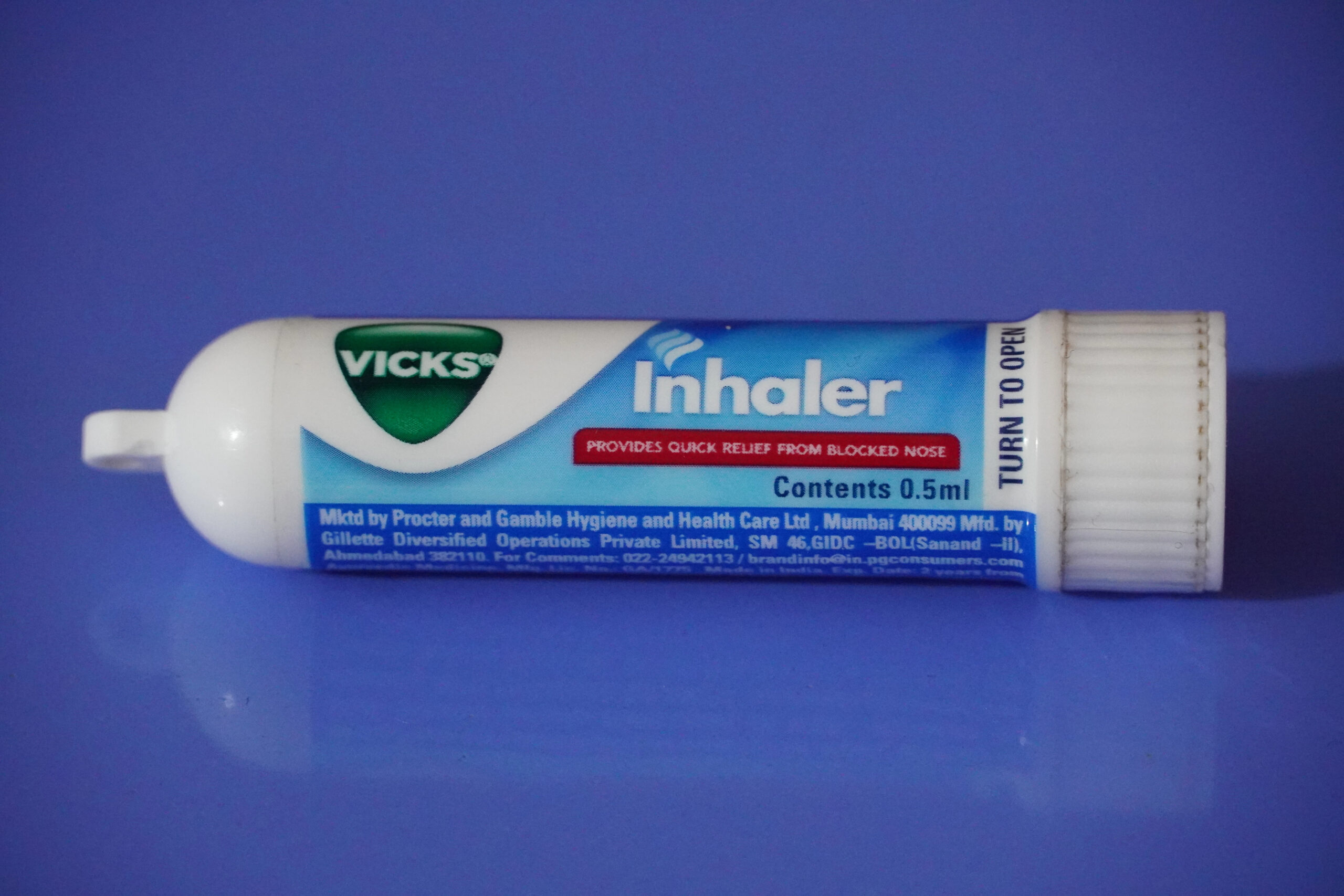
There’s something almost poetic about how a tiny plastic tube designed to help people breathe can become contraband the moment it crosses an invisible line on a map. The Vicks inhaler — that unremarkable little device tucked into coat pockets during flu season — transforms from mundane remedy to illegal substance simply by existing in Japanese airspace.
The active ingredients that make it work also happen to register on Japan’s list of prohibited stimulants. The country doesn’t distinguish between someone seeking sinus relief and someone seeking a high, which means the same chemical compound gets treated identically regardless of intent or dosage.
What’s remarkable isn’t the policy itself, but how it reveals the arbitrary nature of borders — how context shifts not based on the object, but on geography.
Tylenol PM And Sleep Aids
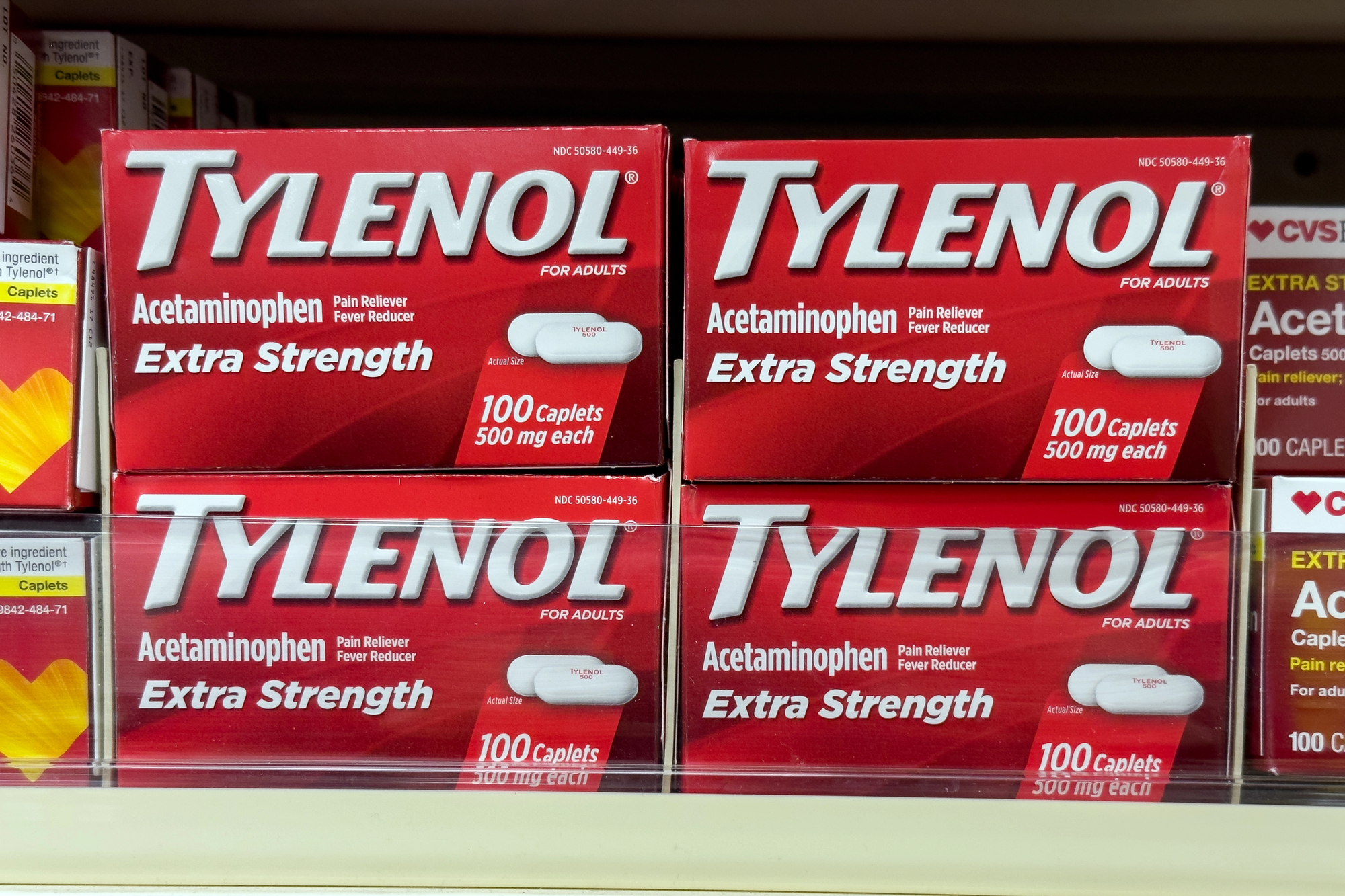
Sleep aids containing diphenhydramine get flagged as restricted substances. Tylenol PM falls into this category, along with most over-the-counter sleep medications from Western countries.
Japan maintains strict control over anything that affects the central nervous system, even mildly. The logic makes sense from a regulatory standpoint, but it catches travelers who packed basic sleep aids for jet lag management.
Turns out managing your circadian rhythm becomes a legal issue.
Robitussin And Cough Syrups
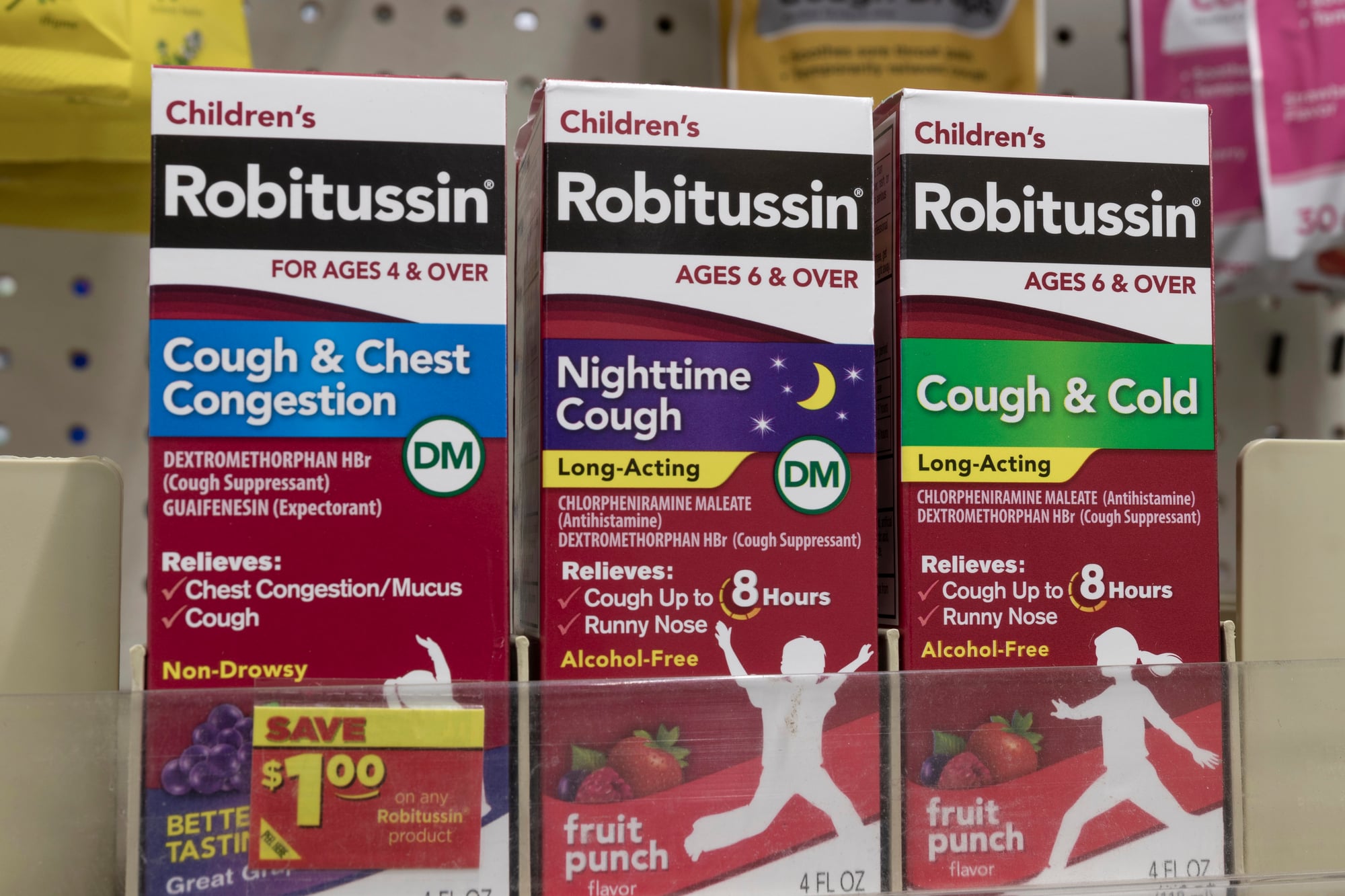
Dextromethorphan — the active ingredient in most cough syrups — lands on Japan’s controlled substance list (and given how some people abuse cough syrup to get high, this isn’t entirely unreasonable, though it does seem like using a sledgehammer to crack a nut when you consider that someone with a legitimate cough now faces potential criminal charges for carrying standard medicine). But Japan doesn’t really care about the reasonableness of individual cases: the law treats all dextromethorphan the same way, whether it’s being used to suppress a cough or being chugged by someone trying to achieve a recreational high — which means that a parent traveling with a sick child faces the same legal consequences as someone attempting to import substances for abuse, because the chemical compound matters more than the context or intent.
So travelers learn to pack throat lozenges instead and hope for the best. And yet coughing doesn’t stop being a medical issue just because the most effective treatments become illegal to possess, which creates situations where people suffer unnecessarily because geography has redefined their medicine as contraband, turning basic healthcare into an inadvertent criminal act.
Nintendo Cartridges From Other Regions
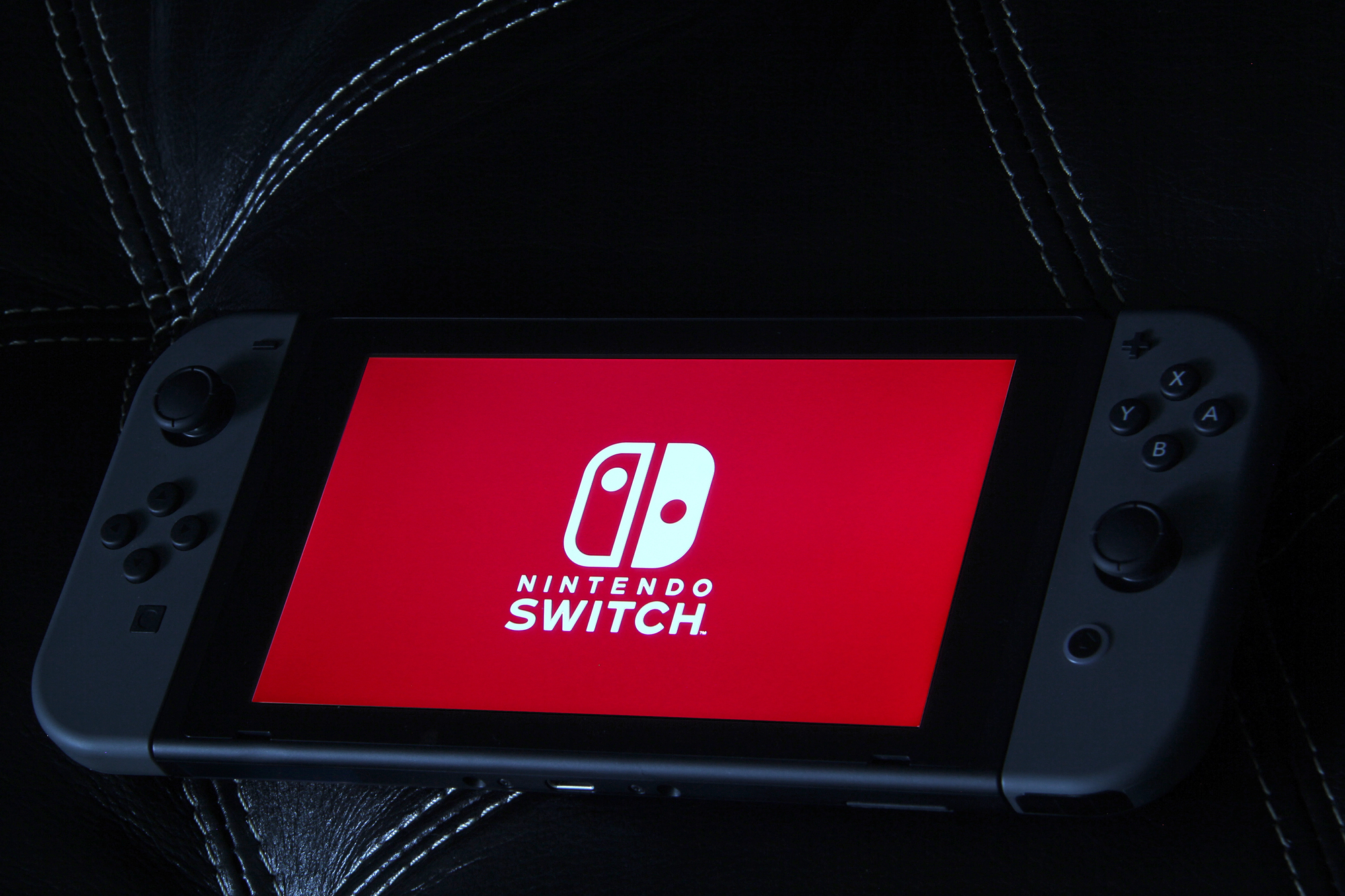
Region-locked gaming was Nintendo’s attempt to control markets, but Japan takes it seriously from a legal standpoint. Bringing gaming cartridges from other regions can trigger import violations.
The enforcement varies depending on quantities and circumstances. Personal collections usually slide through, but larger amounts raise red flags about commercial importing without proper documentation.
Prescription Glasses From Certain Countries

Like watching someone squint their way through customs because the frames on their face suddenly represent a regulatory violation, Japan’s restrictions on prescription eyewear from certain countries transform the most basic tool of vision correction into potential contraband. The restrictions don’t target the prescriptions themselves, but rather the manufacturing standards and import certifications that vary between countries.
What catches people off guard isn’t that regulations exist — most countries have standards for medical devices — but that something so fundamental to daily function can become legally problematic simply by crossing borders. Someone who sees clearly in one country might find themselves in a gray area in another, not because their vision changed, but because bureaucracy decided their particular combination of lens and frame doesn’t meet local standards.
Mary Kay Cosmetics
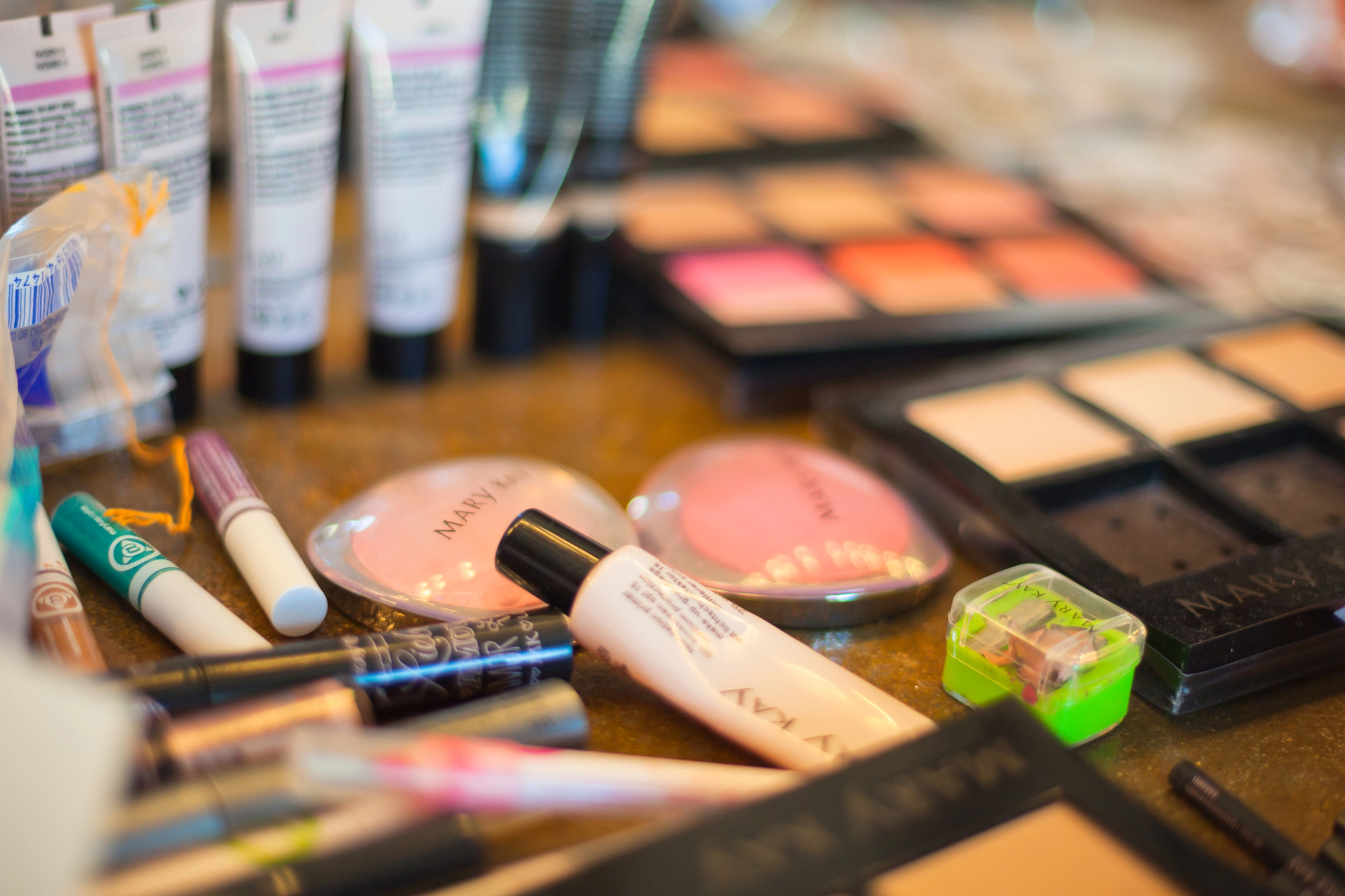
Mary Kay products contain ingredients that don’t meet Japanese cosmetic safety standards. The specific formulations trigger import restrictions, even for personal use quantities.
This one catches American travelers who pack familiar skincare routines. Japanese regulations prioritize different ingredients and testing methods, which means perfectly legal cosmetics elsewhere become prohibited imports.
The enforcement tends to focus on larger quantities that suggest commercial intent.
Quantum Health Lip Balm And Specific Brands
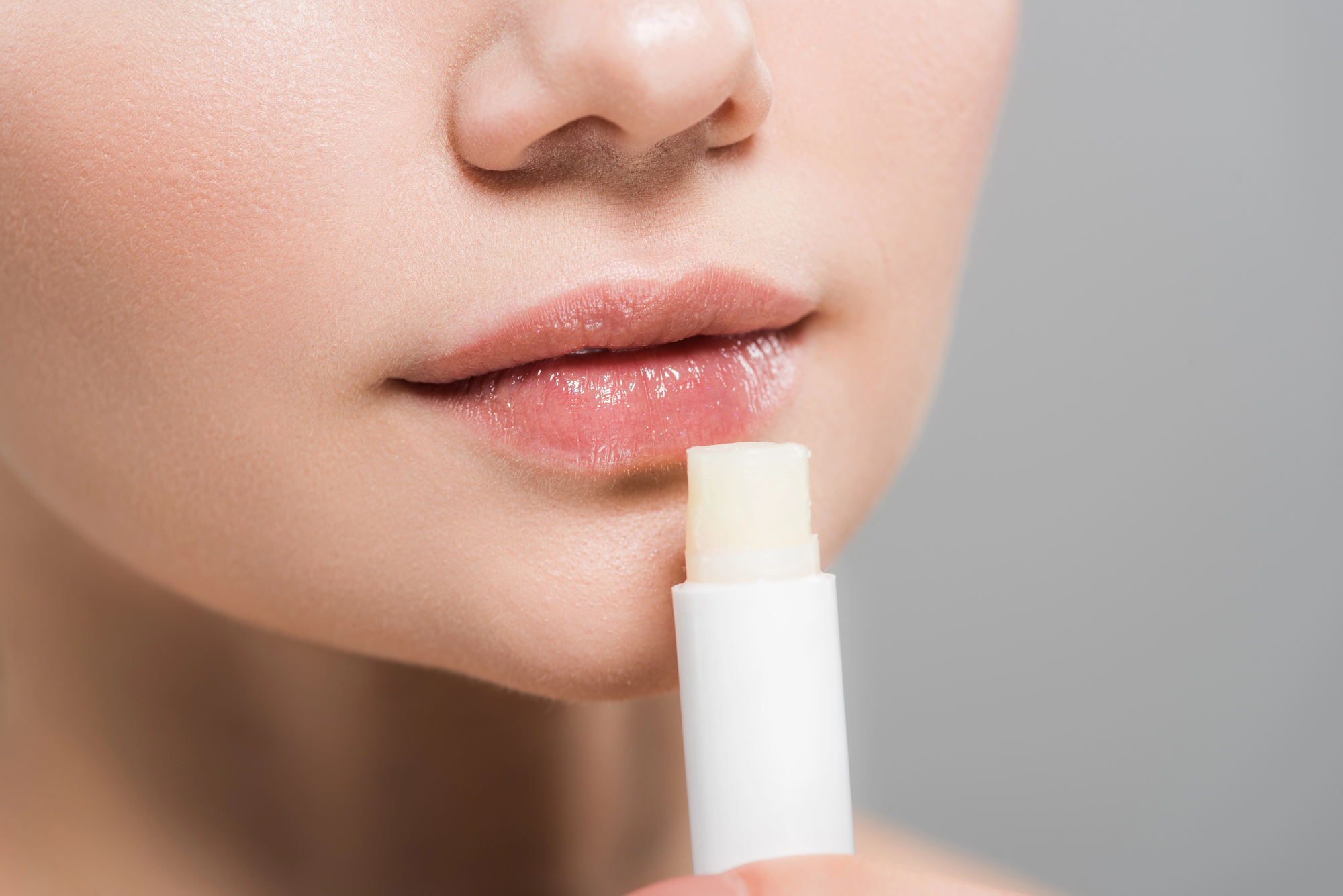
Certain lip balm brands contain menthol concentrations that exceed Japanese limits (because apparently even moisturizing your lips can become a regulatory minefield when bureaucrats decide to measure menthol content down to the milligram). Quantum Health products specifically appear on restricted lists, though the reasoning involves ingredient thresholds rather than outright bans — which means the difference between legal and illegal lip care comes down to percentages that no reasonable person would think to check before traveling.
But here’s the thing about regulatory frameworks: they don’t care about reasonableness, they care about compliance, so someone whose lips get chapped during long flights now has to research the menthol content of their lip balm like they’re importing industrial chemicals instead of basic personal care items. And yet customs officials treat both scenarios with identical seriousness, because the law measures compounds rather than intent, turning routine self-care into an inadvertent violation that most people discover only after it’s too late to matter.
Electronic Cigarettes And Vaping Devices
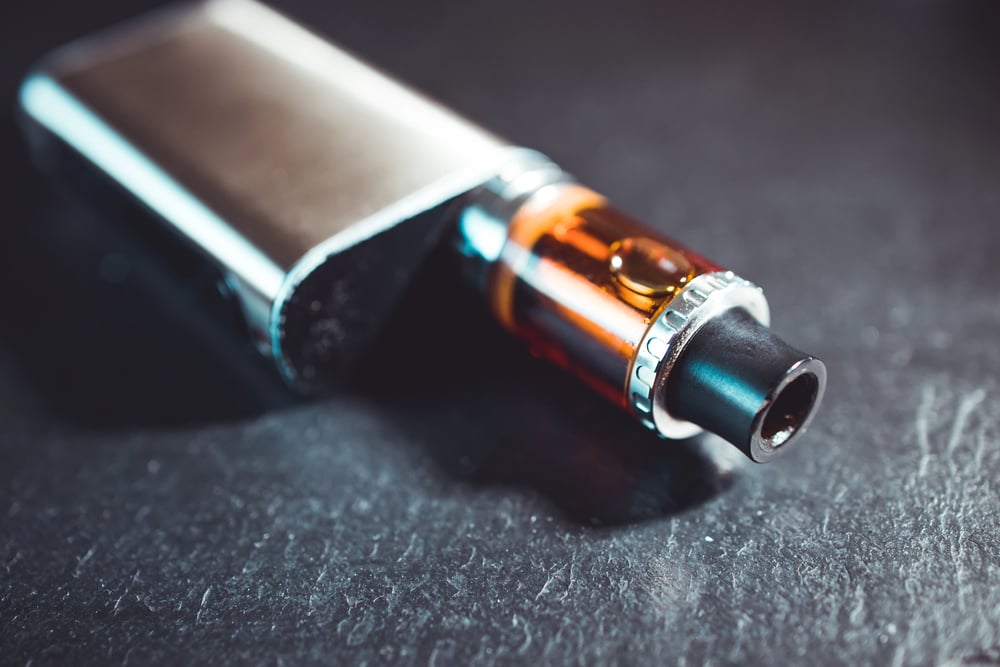
Vaping exists in a legal gray area that leans heavily toward prohibition (and considering how aggressively Japan has historically approached public health policies around substances that could theoretically be abused, this shouldn’t shock anyone familiar with their regulatory approach). The devices themselves occupy this strange middle ground where they’re not explicitly illegal to own, but they’re functionally impossible to use legally because the liquid nicotine that makes them work is banned outright — so you can technically bring the hardware, but using it becomes illegal the moment you add the substance that makes it function.
So travelers end up carrying expensive paperweights through customs, which seems like the kind of bureaucratic outcome that satisfies nobody but somehow persists anyway. And yet the enforcement varies wildly depending on which official inspects your luggage and what mood they happen to be in that day, because interpretation of gray-area laws inevitably comes down to individual judgment calls rather than consistent application of clear standards.
Certain Protein Powders And Supplements

Protein powders containing specific amino acid profiles trigger import restrictions. Japan regulates supplements more strictly than many Western countries, treating certain combinations as pharmaceutical rather than nutritional products.
The enforcement focuses on products that contain what Japanese authorities consider medicinal levels of active compounds. Standard whey protein usually passes inspection, but specialized formulations designed for bodybuilding or athletic performance often get flagged for additional scrutiny.
CBD Products
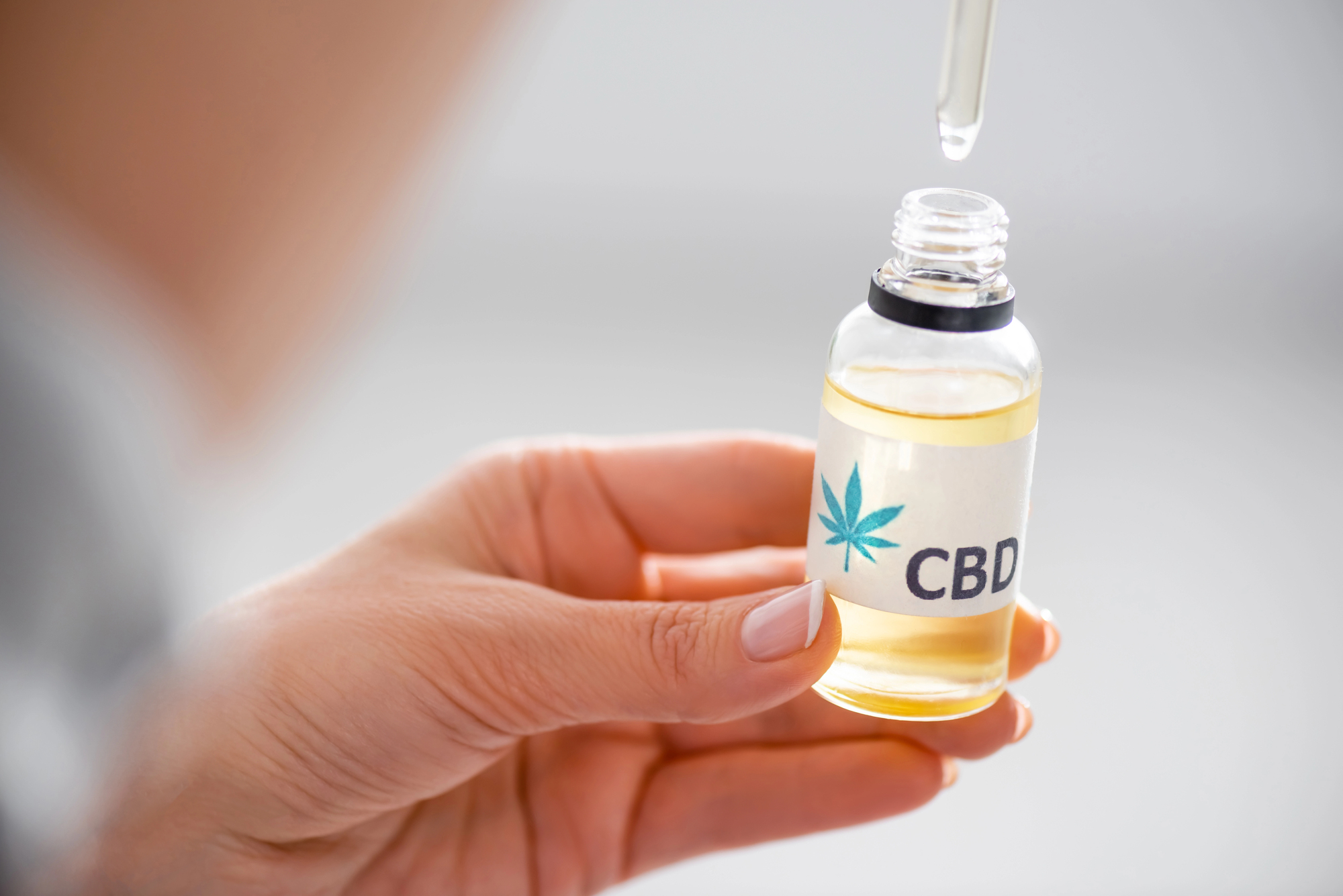
CBD operates in legal limbo that tilts toward complete prohibition. Even products containing trace amounts of cannabinoids face confiscation and potential criminal charges.
Japan doesn’t distinguish between CBD and other cannabis derivatives from a legal standpoint. The zero-tolerance approach means that products legal in many countries become serious contraband the moment they enter Japanese territory.
Medical exemptions exist on paper but remain practically impossible to obtain.
Melatonin Supplements

Sleep regulation through melatonin supplements gets treated as pharmaceutical intervention rather than nutritional supplementation, which places it under Japan’s strict medication import rules rather than the more lenient food and supplement categories (and anyone who has tried to navigate pharmaceutical import paperwork in any country knows this distinction matters enormously in terms of both complexity and likelihood of approval). The reclassification means that what counts as a basic wellness product in health food stores elsewhere becomes a controlled substance requiring medical documentation and government approval — so people accustomed to managing jet lag or sleep schedules with over-the-counter melatonin suddenly find themselves needing to either go without or spend months obtaining official permission to bring what they consider basic travel supplies.
But Japan’s medical authorities don’t particularly care what other countries consider basic: they evaluate substances based on their own criteria, which means melatonin gets grouped with medications rather than supplements, turning routine sleep management into a bureaucratic ordeal that most travelers discover only after their bottles get confiscated at customs.
Bringing Order To Chaos

Understanding Japan’s import restrictions reveals something deeper about how different societies approach risk, regulation, and individual responsibility. Where some countries might allow personal judgment to guide decisions about medicine or supplements, Japan chooses systematic prohibition followed by careful exception processes.
The approach creates frustration for travelers accustomed to more permissive systems, but it also reflects a cultural commitment to collective safety over individual convenience.
The real lesson isn’t about specific banned items — those lists change as regulations evolve. The lesson is about recognizing that crossing borders means entering different frameworks for thinking about risk, health, and personal choice.
What seems excessive from one perspective might seem prudent from another, and travelers who understand this difference navigate more successfully than those who assume their home country’s approach represents some universal standard.
More from Go2Tutors!

- The Romanov Crown Jewels and Their Tragic Fate
- 13 Historical Mysteries That Science Still Can’t Solve
- Famous Hoaxes That Fooled the World for Years
- 15 Child Stars with Tragic Adult Lives
- 16 Famous Jewelry Pieces in History
Like Go2Tutors’s content? Follow us on MSN.



