15 Facts About the North Pole Most People Don’t Know
The North Pole captures our imagination from childhood, appearing in countless holiday stories, adventure tales, and scientific discussions. Despite its cultural prominence, this remote location remains genuinely mysterious to most people, who often carry misconceptions about its geography, conditions, and significance.
Beyond the simplified stories and cartoon depictions lies a fascinating reality that few have experienced firsthand. Here is a list of 15 surprising facts about the North Pole that most people don’t know, revealing the true nature of this extraordinary location at the top of our world.
It’s All Ocean
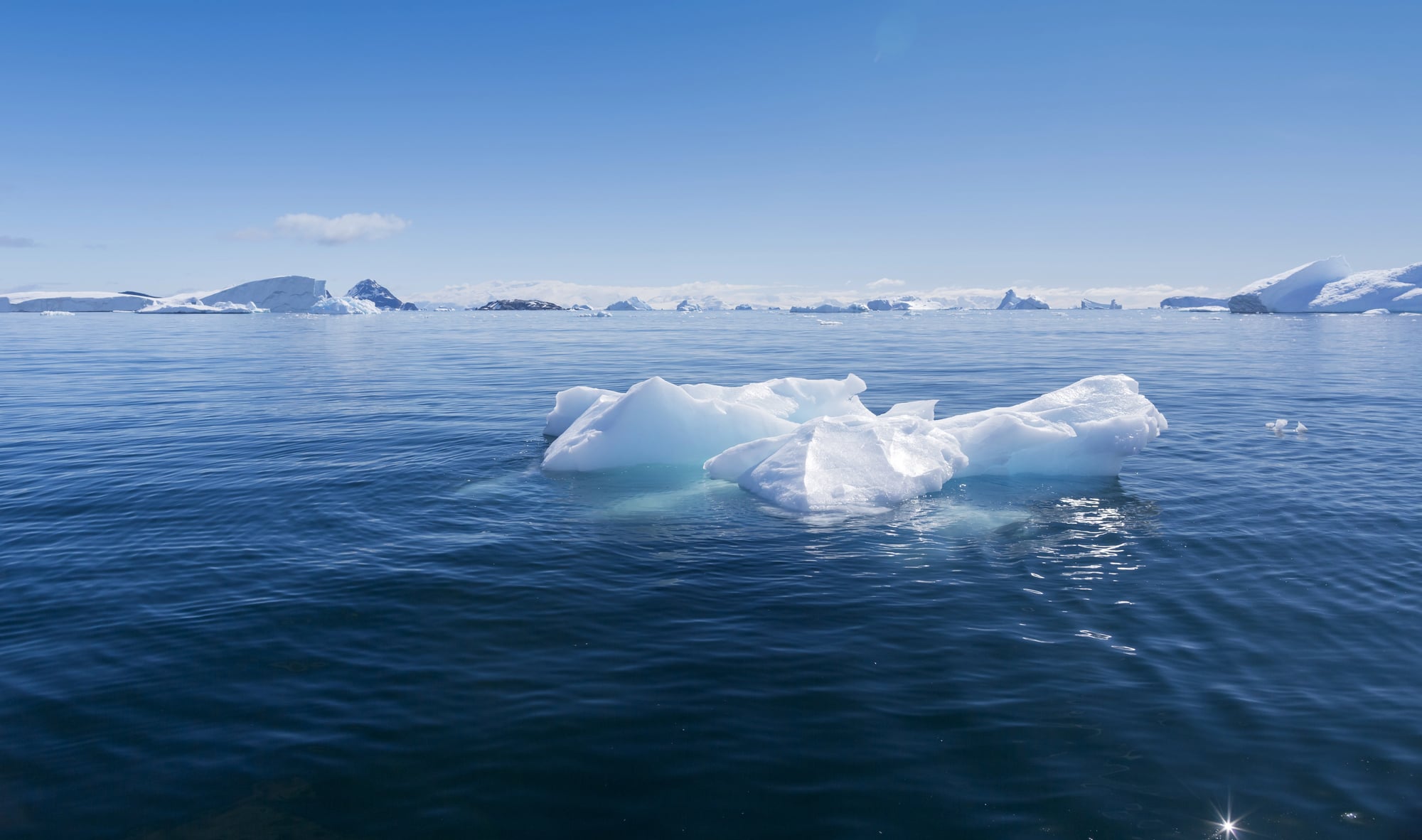
The North Pole sits in the middle of the Arctic Ocean, with no actual land beneath it – unlike Antarctica at the South Pole, which is a land continent. What exists is a constantly shifting layer of sea ice typically 6 to 10 feet thick.
This fundamental difference means the North Pole lacks permanent structures, research stations, or native populations. Scientists working there must contend with the reality that their “ground” is actually frozen seawater floating atop nearly 14,000 feet of frigid ocean.
Santa’s Workshop Couldn’t Exist There

The popular notion of Santa’s permanent workshop at the North Pole contradicts physical reality – since the ice is constantly shifting and relatively thin, no permanent structure could survive. The ice cap moves approximately 6-10 miles daily as it floats on ocean currents.
Any hypothetical workshop would drift about 2,000 miles yearly while constantly facing the threat of ice fractures. The first documented surface expedition only reached the pole in 1969, while countless fictional stories placed settlements there centuries earlier.
Like Go2Tutors’s content? Follow us on MSN.
It Has Multiple Locations

When people refer to “the North Pole,” they might actually mean one of four different locations: the Geographic North Pole (where Earth’s rotational axis meets the surface), the Magnetic North Pole (where compass needles point), the Geomagnetic North Pole, or the Northern Pole of Inaccessibility.
These points are hundreds of miles apart, with the Magnetic North Pole currently racing toward Siberia at roughly 34 miles per year. This movement requires frequent updates to navigation systems worldwide – including smartphone compass apps.
Extreme Daylight Patterns

The North Pole experiences just one sunrise and one sunset annually. The sun rises on the spring equinox around March 20th, then remains continuously visible for six months – spiraling higher until the summer solstice, then gradually descending until setting on the autumn equinox around September 23rd.
The following six months bring continuous darkness. This extreme light cycle creates serious challenges for human biological rhythms, requiring special adaptation strategies for anyone working in the region during these periods.
Compass Confusion

A traditional magnetic compass becomes useless at the Geographic North Pole, where compass needles point downward nearly vertically rather than horizontally. Navigation near the pole requires sophisticated GPS systems or celestial navigation techniques.
Military submarines operating under the polar ice cap must use gyroscopic navigation systems and inertial guidance when traditional magnetic compasses fail in this region. Even advanced navigation systems require specialized calibration when operating within a few hundred miles of this magnetically unusual location.
Like Go2Tutors’s content? Follow us on MSN.
Constantly Moving Ice
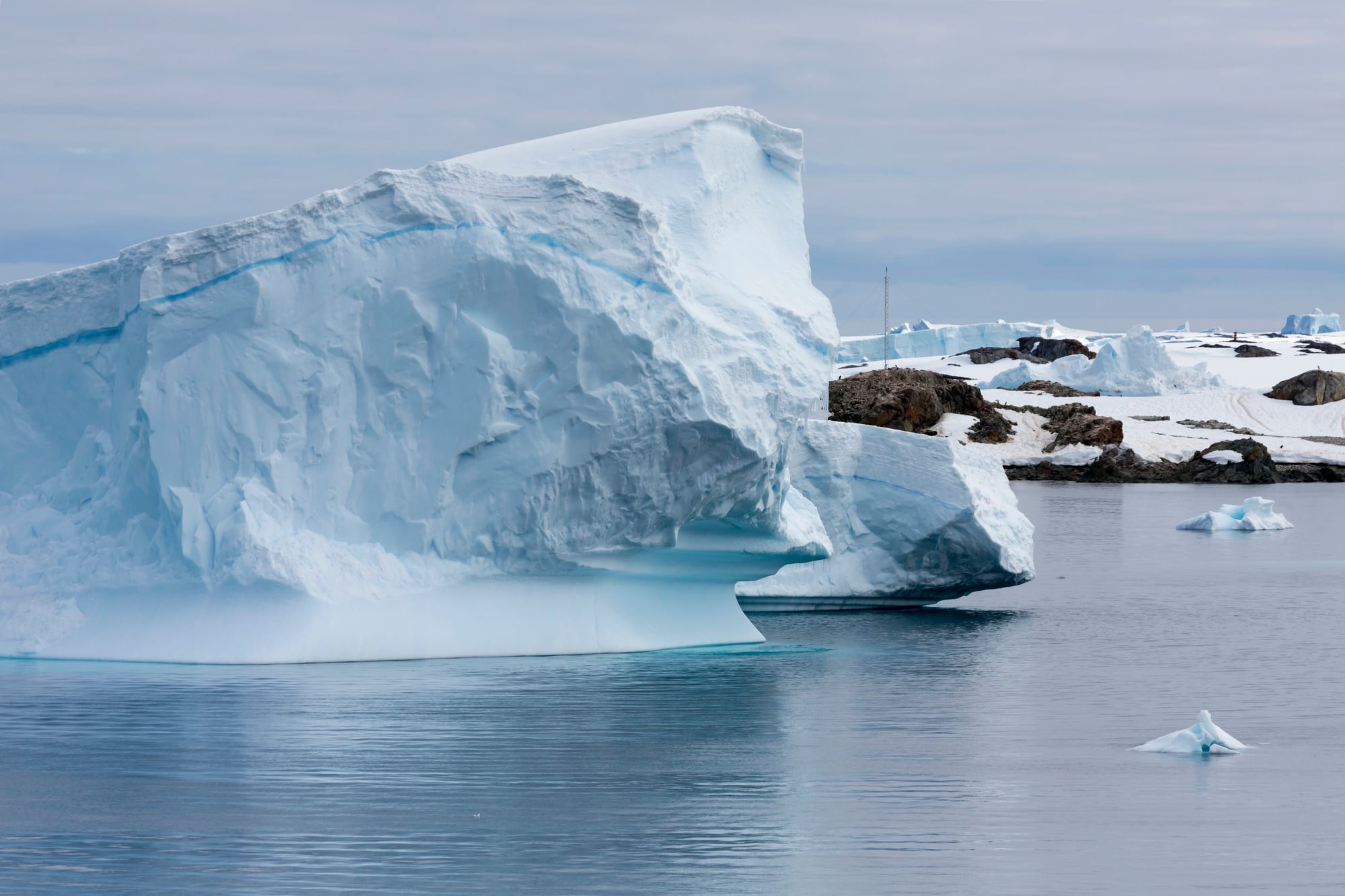
The sea ice covering the North Pole drifts about 6-10 miles daily on ocean currents – meaning someone standing at the exact pole would be carried away from it within hours. Scientific expeditions must continuously recalculate their position and adjust accordingly.
The first expedition to establish an ice camp at the pole in 1937 found itself 60 miles from its original position after just 24 hours. Modern research stations must employ sophisticated tracking systems that update their location hourly.
Surprising Temperatures
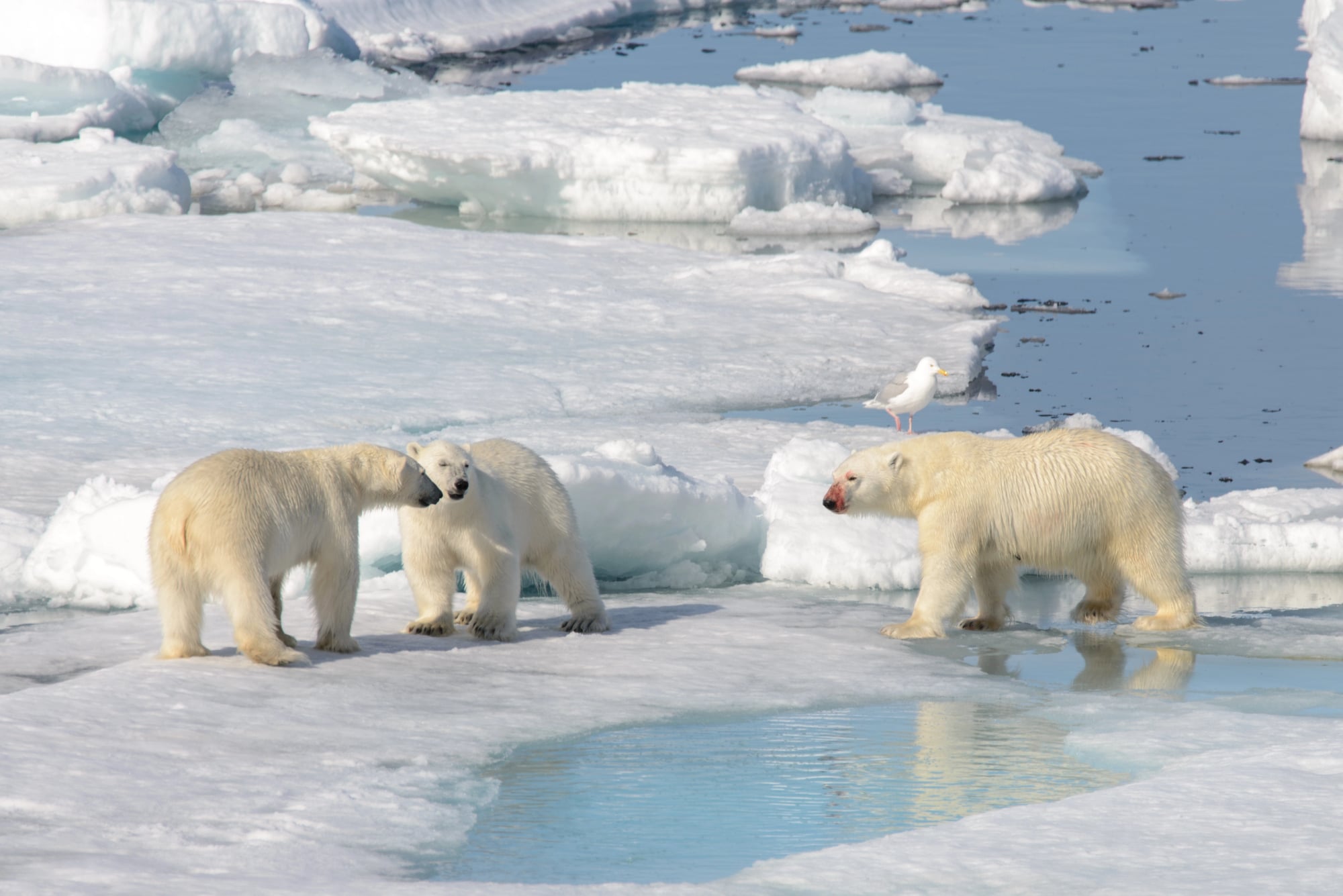
While certainly cold, the North Pole isn’t actually Earth’s coldest location. Winter temperatures typically range from -20°F to -40°F – substantially warmer than interior Antarctica, which has recorded -128.6°F.
The ocean beneath the ice moderates temperatures, preventing the extreme cold found at the South Pole. However, wind chill factors frequently push the effective temperature below -60°F, making frostbite possible within minutes on exposed skin despite the technically “warmer” readings.
Shrinking Ice Cover

The Arctic ice cap covering the North Pole has shrunk dramatically – losing about 40% of its minimum summer extent and 75% of its volume since satellite monitoring began in 1979. Scientists project that the first ice-free summer could occur between 2030-2050, fundamentally changing this region.
Some shipping companies already plan routes assuming regular ice-free periods, while nations surrounding the Arctic have begun staking territorial claims to newly accessible resources beneath the vanishing ice.
Like Go2Tutors’s content? Follow us on MSN.
No Time Zone
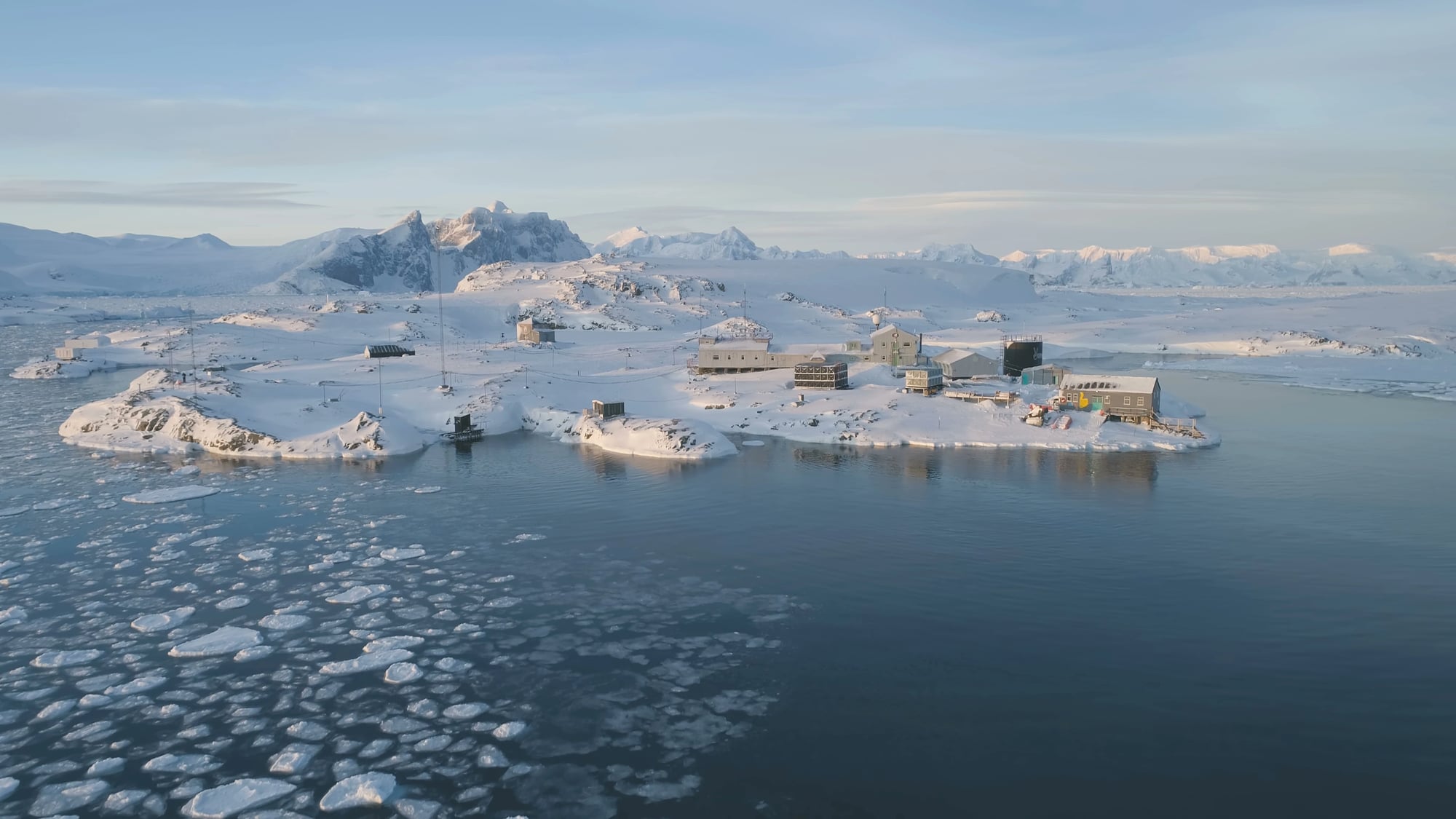
The North Pole sits at the convergence of all Earth’s time zones – making standard time measurement meaningless there. A person could walk in a small circle and technically pass through every time zone on Earth.
Research stations and expeditions typically use either UTC (Coordinated Universal Time) or the time zone of their home country or supply base for practical operations. This timekeeping challenge creates a unique situation where someone can experience 24 time zones within a few steps.
National Claims
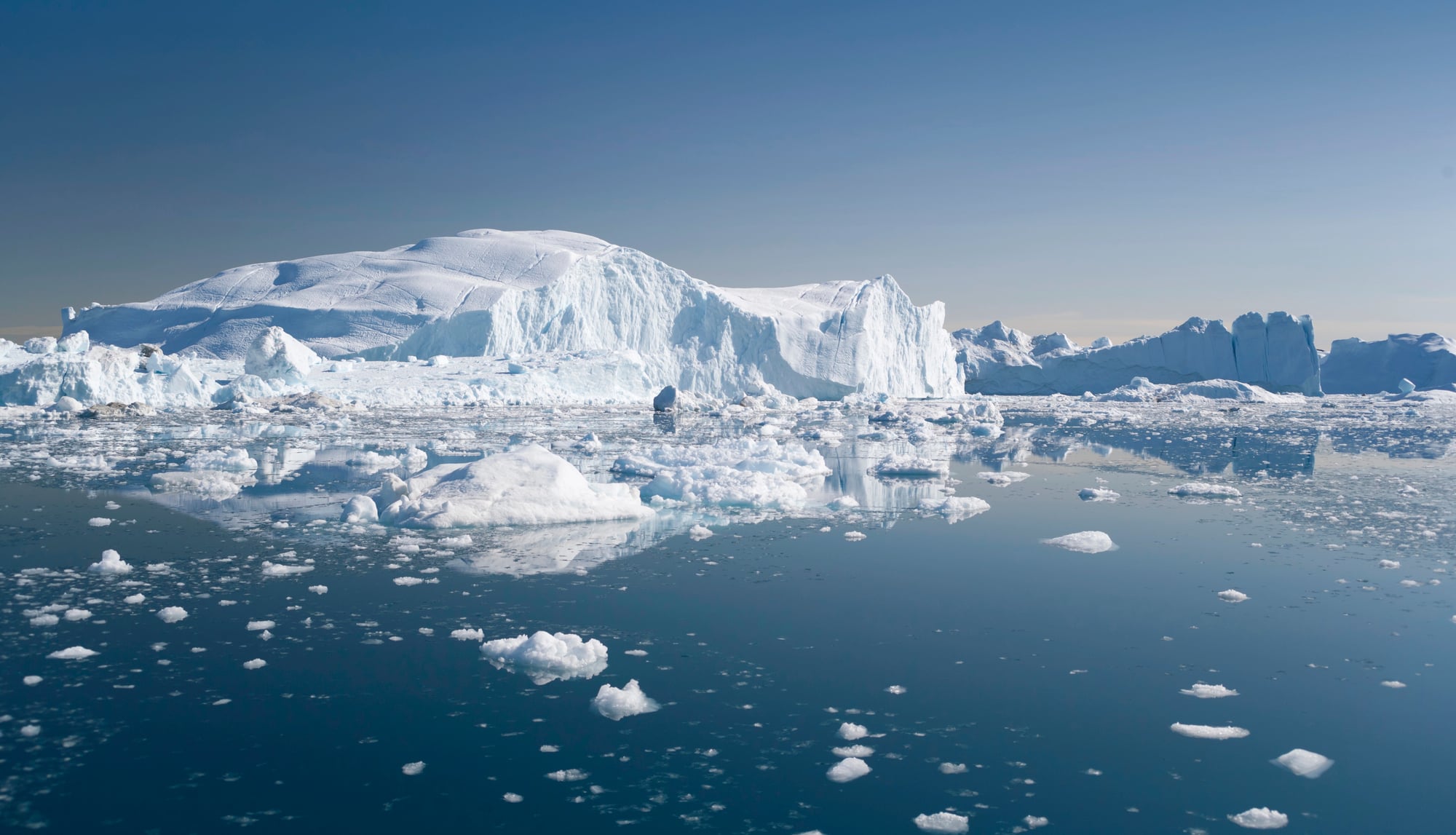
No single nation owns the North Pole, though Russia, Canada, Denmark (via Greenland), Norway, and the United States all have made territorial claims to portions of the Arctic Ocean surrounding it. Russia famously planted a titanium flag on the seabed beneath the pole in 2007 in a symbolic claim.
International law generally limits these claims to established continental shelf boundaries, though climate change and melting ice have intensified disputes over potential shipping routes and natural resources worth trillions of dollars.
Remarkably Deep Water

The ocean beneath the North Pole ice reaches depths approaching 14,000 feet – deep enough to submerge Mount Everest with over a mile of water still above it. This massive water volume harbors unique marine ecosystems adapted to permanent darkness and near-freezing temperatures.
Specialized research submarines have discovered previously unknown species living at these extreme depths, including certain fish containing natural biological “antifreeze” compounds that prevent their blood from crystallizing in subzero conditions.
Like Go2Tutors’s content? Follow us on MSN.
Migratory Bird Destination

Despite its harsh conditions, the North Pole region serves as a critical summer destination for many migratory birds. Species like the Arctic tern make extraordinary journeys from Antarctica to the Arctic annually – flying over 44,000 miles round trip, the longest migration of any animal.
The continuous summer daylight creates brief but intense feeding opportunities in surrounding waters, allowing birds to raise their young during periods of maximum food availability before returning south for another winter.
Growing Tourism

Despite extreme conditions and accessibility challenges, North Pole tourism has grown substantially – with about 1,000 visitors reaching the exact pole annually, primarily via Russian ice-breaking ships or special aircraft landings. These exclusive trips cost between $30,000-$50,000 per person.
Tour operators typically serve champagne at the pole and offer activities like brief polar plunges through holes cut in the ice – allowing tourists to briefly swim at the precise top of the world while tethered to safety lines.
Strategic Military Significance

The North Pole region holds enormous military strategic importance as the shortest missile path between Russia and North America crosses directly over it. Both nations maintain sophisticated early warning systems and patrol the Arctic with nuclear submarines capable of operating under the polar ice cap.
American and Russian military submarines have played high-stakes “cat and mouse” games beneath the polar ice since the Cold War – using the challenging acoustic environment to develop stealth technologies still classified today.
Like Go2Tutors’s content? Follow us on MSN.
Ancient Human Presence

While the exact North Pole remained inaccessible until modern times, indigenous peoples have inhabited surrounding Arctic regions for over 20,000 years. Archaeological evidence shows remarkably sophisticated adaptations to Arctic conditions, including complex tools, clothing, and hunting techniques that allowed survival in one of Earth’s most challenging environments.
Ancient Inuit knowledge of ice, weather patterns, and animal migrations contained a sophisticated understanding of Arctic processes that modern science has often validated – demonstrating how traditional knowledge prefigured scientific discoveries by centuries.
Beyond The Mythology
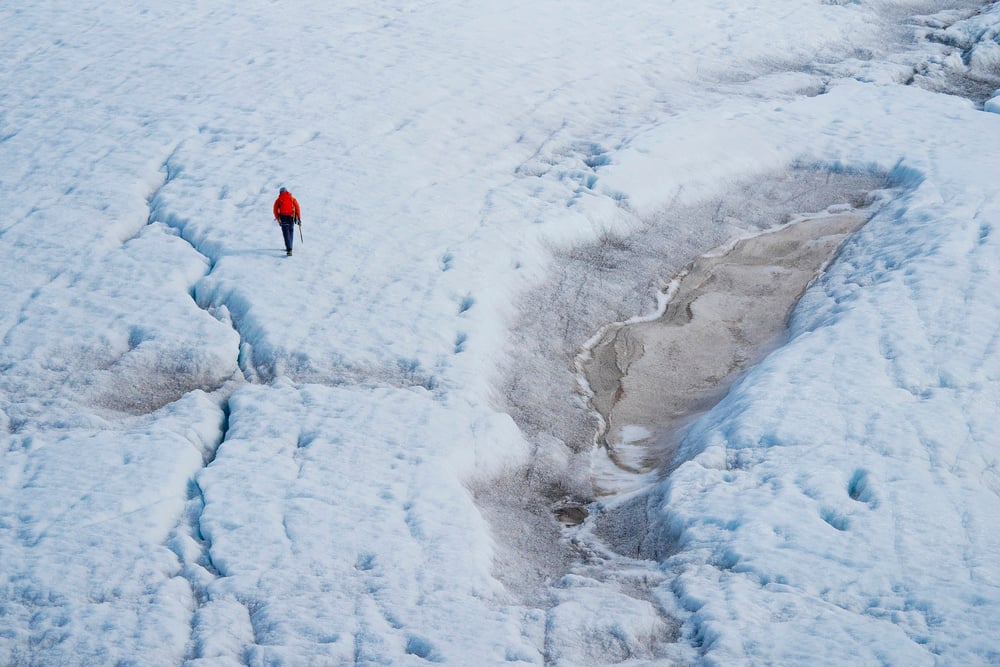
The stark difference between the North Pole’s cultural mythology and physical reality makes it one of Earth’s most misunderstood locations. Yet this remote point represents something profoundly important – a place where human imagination has created rich traditions despite extreme inaccessibility.
As climate change transforms the Arctic, our understanding of the North Pole continues evolving. While Santa’s workshop remains firmly in the realm of imagination, the scientific, environmental, and geopolitical significance of this region grows increasingly important to our planet’s future as its ice slowly disappears.
More from Go2Tutors!

- 16 Restaurant Chains That Went Too Fast
- 12 Things Sold in the 80s That Are Now Illegal
- 15 Strange Things People Have Tried to Ban (And Failed)
- 16 Collectibles People Tossed Out Too Soon
- 17 Myths from Your Childhood That Were Actually Based on Real Things
Like Go2Tutors’s content? Follow us on MSN.



