Biggest Fashion Shows That Changed Style Forever
Fashion shows aren’t just about pretty clothes walking down a runway. They’re moments when the entire world of style shifts, when designers take risks that either flop or become the new normal, and when what people wear on the streets gets completely reimagined.
Let’s look at the runway moments that didn’t just turn heads but actually rewrote the rules of fashion.
Alexander McQueen’s Spring/Summer 1999
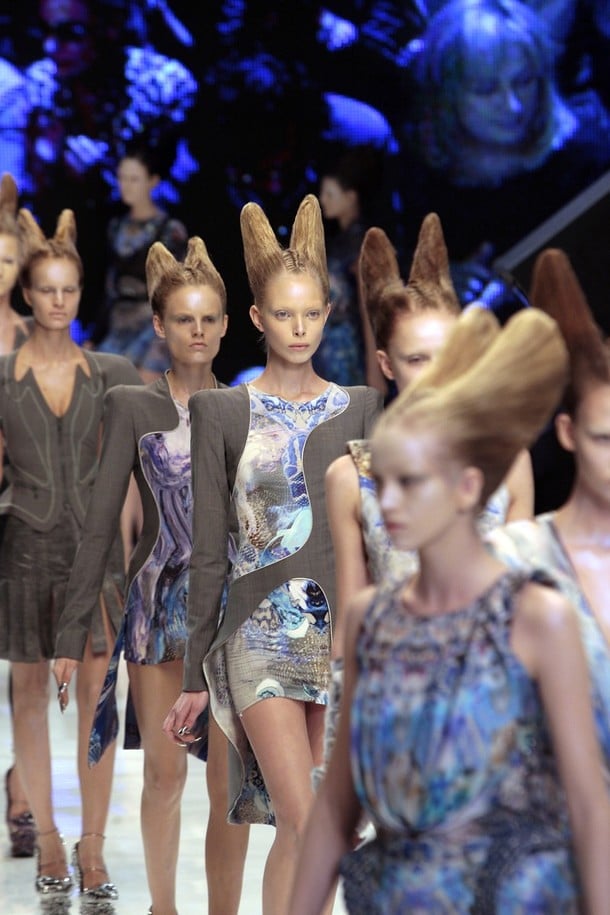
Lee Alexander McQueen turned his runway into a rotating platform where model Shalom Harlow stood in a white dress while two industrial robots spray-painted her. The dress transformed from pure white to a chaotic mix of yellow and black paint as the machines moved around her like she was a car being manufactured.
This show proved that fashion could be performance art, not just clothing on display. McQueen made people realize that a runway show could tell a story as powerful as any movie or painting.
Chanel’s Fall/Winter 2014
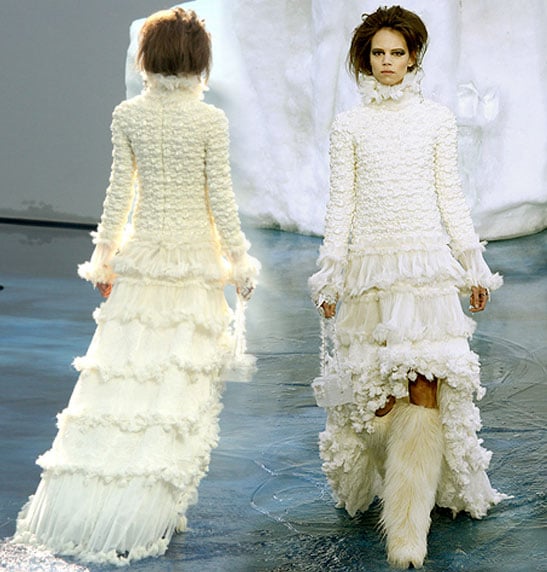
Karl Lagerfeld built an actual supermarket inside the Grand Palais in Paris, complete with Chanel-branded cereal boxes, pasta packages, and shopping carts. Models walked through the aisles like they were doing their grocery shopping, grabbing items off shelves in their tweed suits and quilted bags.
The show made high fashion feel accessible and everyday, even though the clothes still cost thousands of dollars. Lagerfeld understood that luxury brands needed to connect with how people actually lived their lives.
Yves Saint Laurent’s Fall/Winter 1965
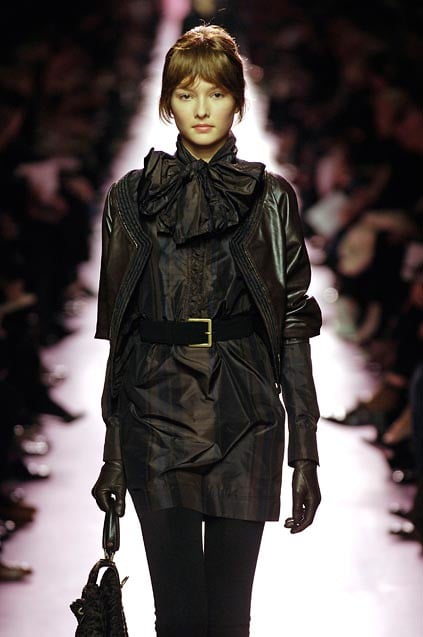
This was the moment when art stepped off museum walls and onto bodies. Saint Laurent created dresses inspired by paintings by Piet Mondrian, translating the artist’s geometric blocks of color into wearable pieces.
The simple shift dresses with their bold primary colors and black lines became instant icons. Fashion critics finally had to admit that clothing design deserved the same respect as any other art form.
John Galliano For Dior Spring/Summer 1998
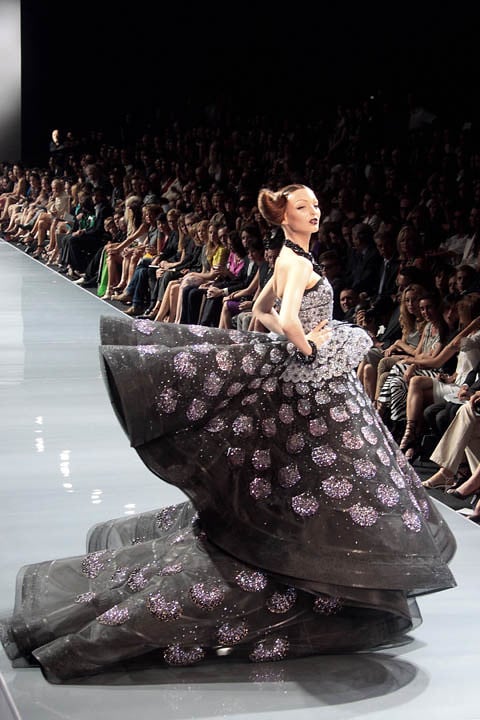
Galliano transformed the runway into a train station where homeless people appeared to be living, and then contrasted this with models wearing the most extravagant haute couture imaginable. The controversial show sparked debates about wealth, poverty, and whether fashion had any responsibility to the real world.
Whatever people thought about the message, nobody could ignore how Galliano pushed the boundaries of what a fashion show could address.
Comme Des Garçons Spring/Summer 1997
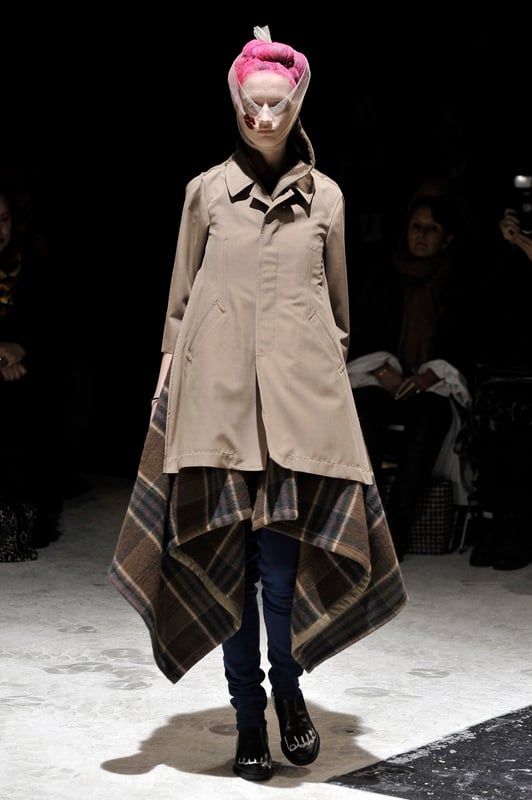
Rei Kawakubo sent models down the runway wearing padded lumps under their clothes that distorted the human body into strange, unsettling shapes. Fashion editors gasped because this directly challenged every accepted idea about making women look beautiful or flattering their figures.
The collection forced the industry to question why clothing always had to make bodies look a certain way. Kawakubo proved that fashion could be about ideas and concepts rather than just making people look attractive.
Vivienne Westwood Spring/Summer 1994
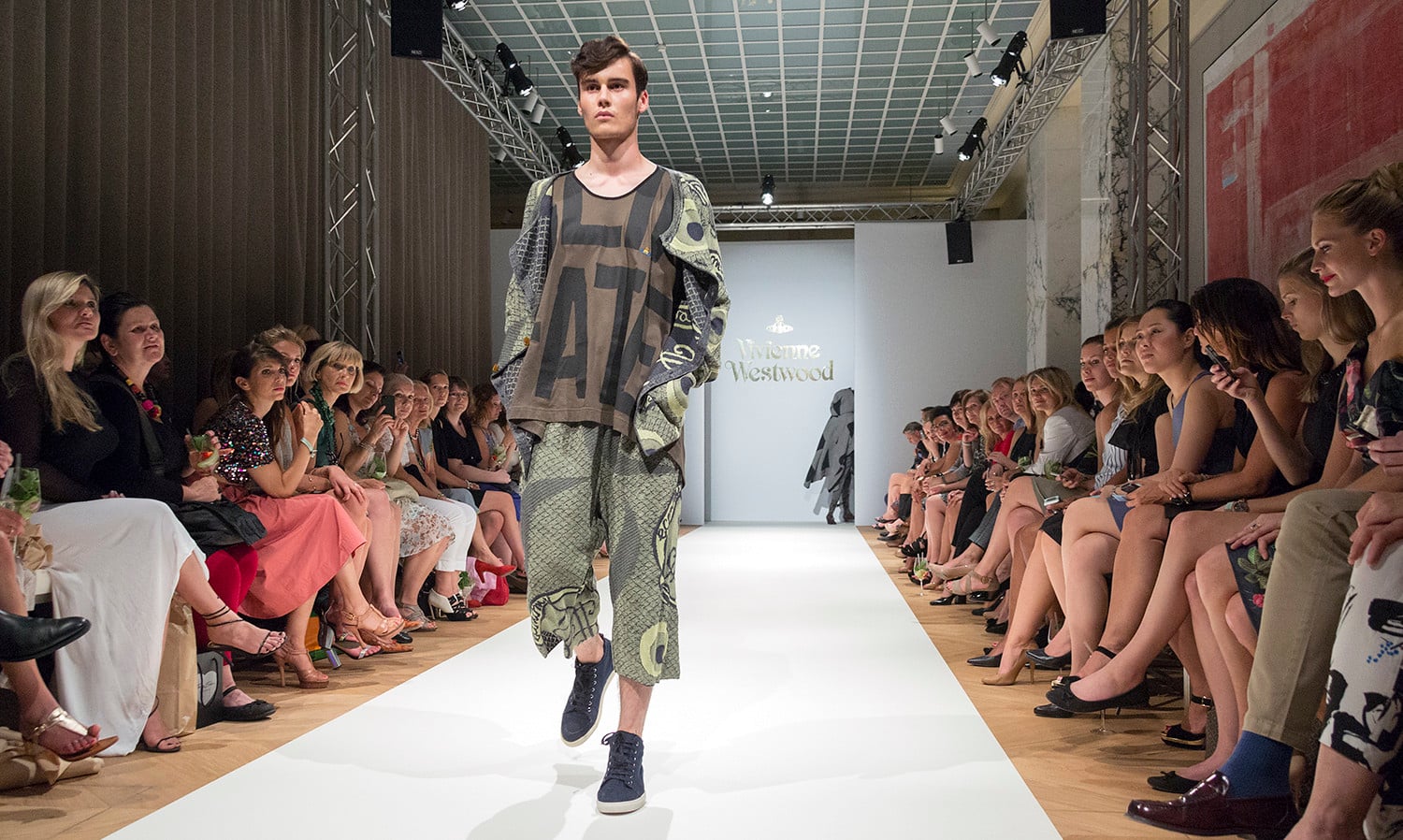
Supermodel Naomi Campbell tumbled off her platform shoes mid-runway, and instead of disaster, the moment became legendary. The show featured Westwood’s incredibly tall platform shoes that made walking nearly impossible, but models wore them anyway because they looked amazing.
The fall didn’t ruin anything; it made people talk about the show even more and cemented platform shoes as a 1990s staple. Sometimes the most memorable fashion moments are the unplanned ones.
Marc Jacobs For Louis Vuitton Spring/Summer 2012
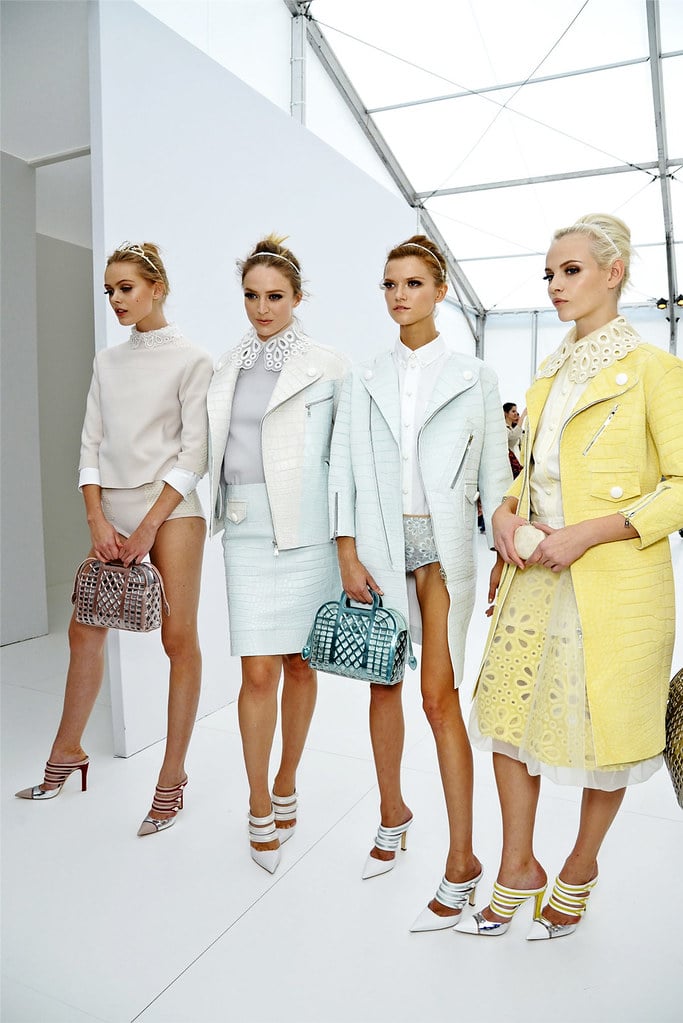
Jacobs covered the entire runway floor with a working carousel, complete with horses and vintage carnival music. Models rode the carousel between walks, and the whole show felt like a childhood memory brought to life.
The playful presentation reminded everyone that fashion should be fun and shouldn’t take itself too seriously all the time. Luxury brands learned they could be whimsical without losing their prestige.
Givenchy Spring/Summer 1997
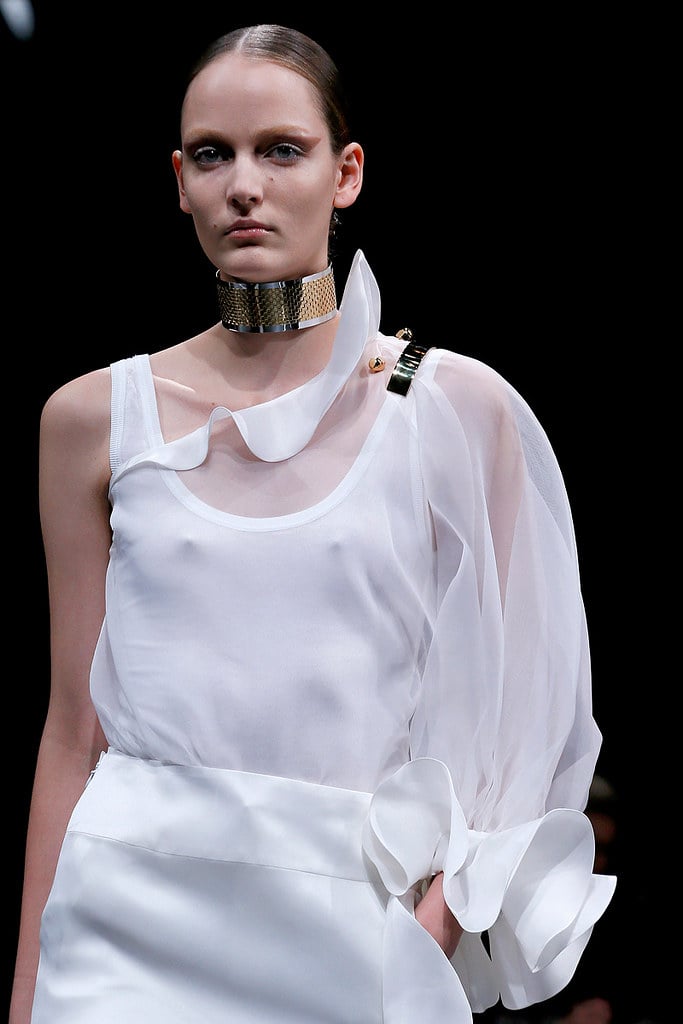
This was Alexander McQueen’s first show for Givenchy, and he decided to feature models of different races, sizes, and unconventional beauty. The fashion establishment was shocked because haute couture houses typically only used a very specific type of model.
McQueen cast women who looked like they came from real life rather than a magazine fantasy. The show opened doors for models who didn’t fit the traditional mold.
Rick Owens Fall Winter 2014
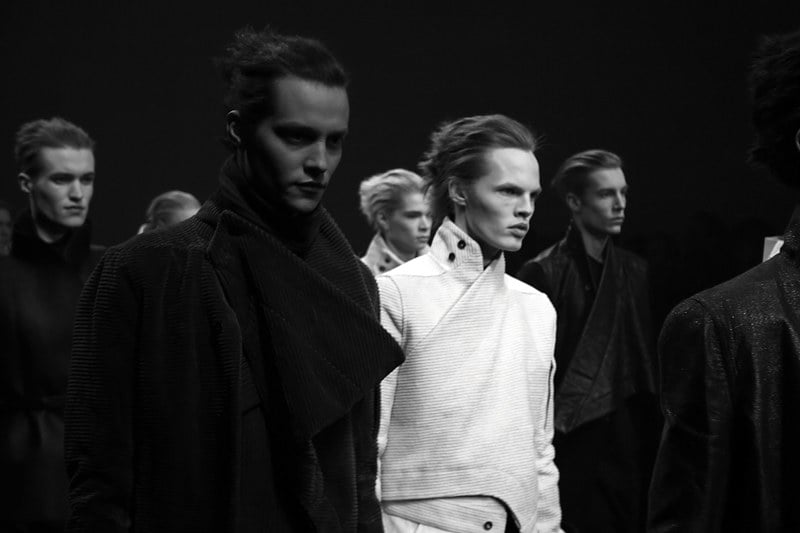
Down the catwalk they staggered, bodies bound together like living luggage, an image so odd it froze every eye in place. Not just clothing on display but something deeper – how we lean on each other, how we carry and are carried.
It spread fast, not because it was pretty, but because it unsettled, clawing its way into conversations everywhere. Silence didn’t stand a chance; the moment demanded reaction, whether praise or discomfort.
Talk shifted. Questions rose.
Fashion wasn’t just fabric anymore – it became a mirror held up roughly, without permission.
Prada Fall/Winter 2018
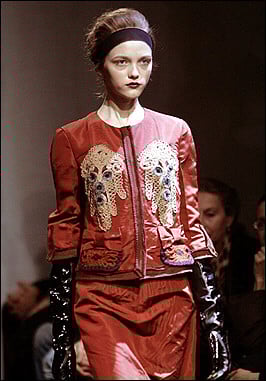
Through pages torn from storybooks, Miuccia Prada lined the path where models stepped – images probing womanhood, strength, who holds control. Superhero symbols stitched into jackets, dresses stamped with sharp visuals – all speaking loud on what society expects from women.
Instead of silence, there stood figures moving slowly by giant frames: women drawn fierce one moment, bare the next. Style stayed crisp, never heavy-handed, yet still joined the talk on gender like a quiet voice that knows its weight.
Hussein Chalayan Spring Summer 2000
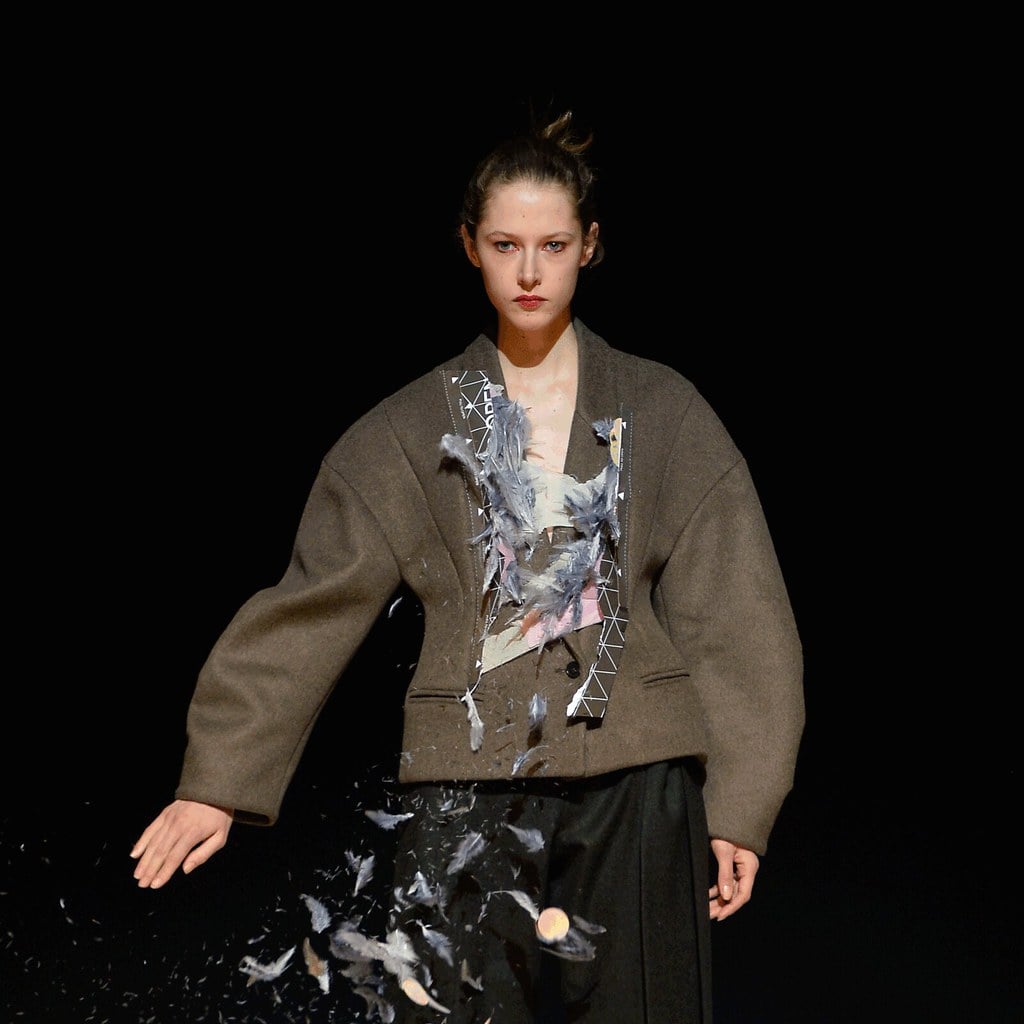
A runway appeared, built to look just like someone’s home. Out came models, peeling fabric off couches, draping it over their bodies instead.
From one armchair emerged a long sleeveless coat, worn like second skin. A table shifted shape when a woman climbed inside, its frame fanning out below her waist.
Lines got messy – was it decoration, or was it dress? Objects once fixed in place now moved with breath, with motion.
What counts as attire started feeling unclear, suddenly open to change. Boundaries people thought were solid began to bend under new weight.
Meaning twisted slightly, never snapping but stretching further than before.
Balenciaga Fall/Winter 2022
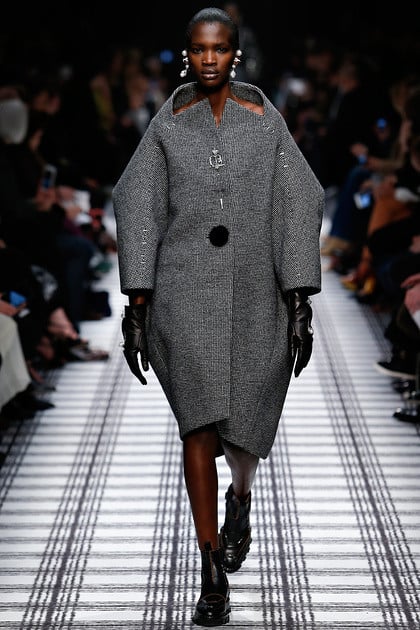
Demna staged his show in a fake snowstorm with models trudging through harsh conditions while wearing puffer coats and boots. The setting referenced climate change and global crises while simultaneously presenting winter clothing.
The show felt urgent and current rather than escapist, reflecting how younger consumers wanted brands to acknowledge real-world problems. Balenciaga proved that political awareness and commercial fashion could coexist.
Moschino Fall/Winter 2014
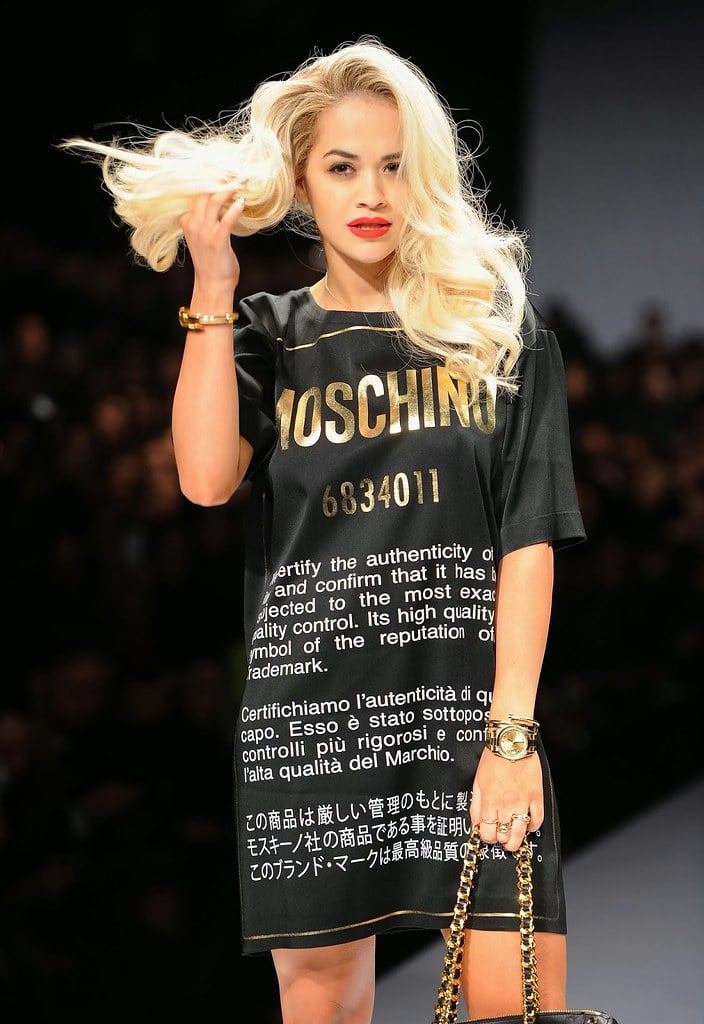
Jeremy Scott sent models down the runway dressed as McDonald’s french fries, Barbie dolls, and giant SpongeBob characters. The show celebrated consumer culture and junk food with zero apologies or pretension.
Fashion critics were divided, but regular people loved seeing high fashion make fun of itself. Scott understood that in the social media age, being talked about mattered more than being taken seriously.
Thierry Mugler Fall/Winter 1995
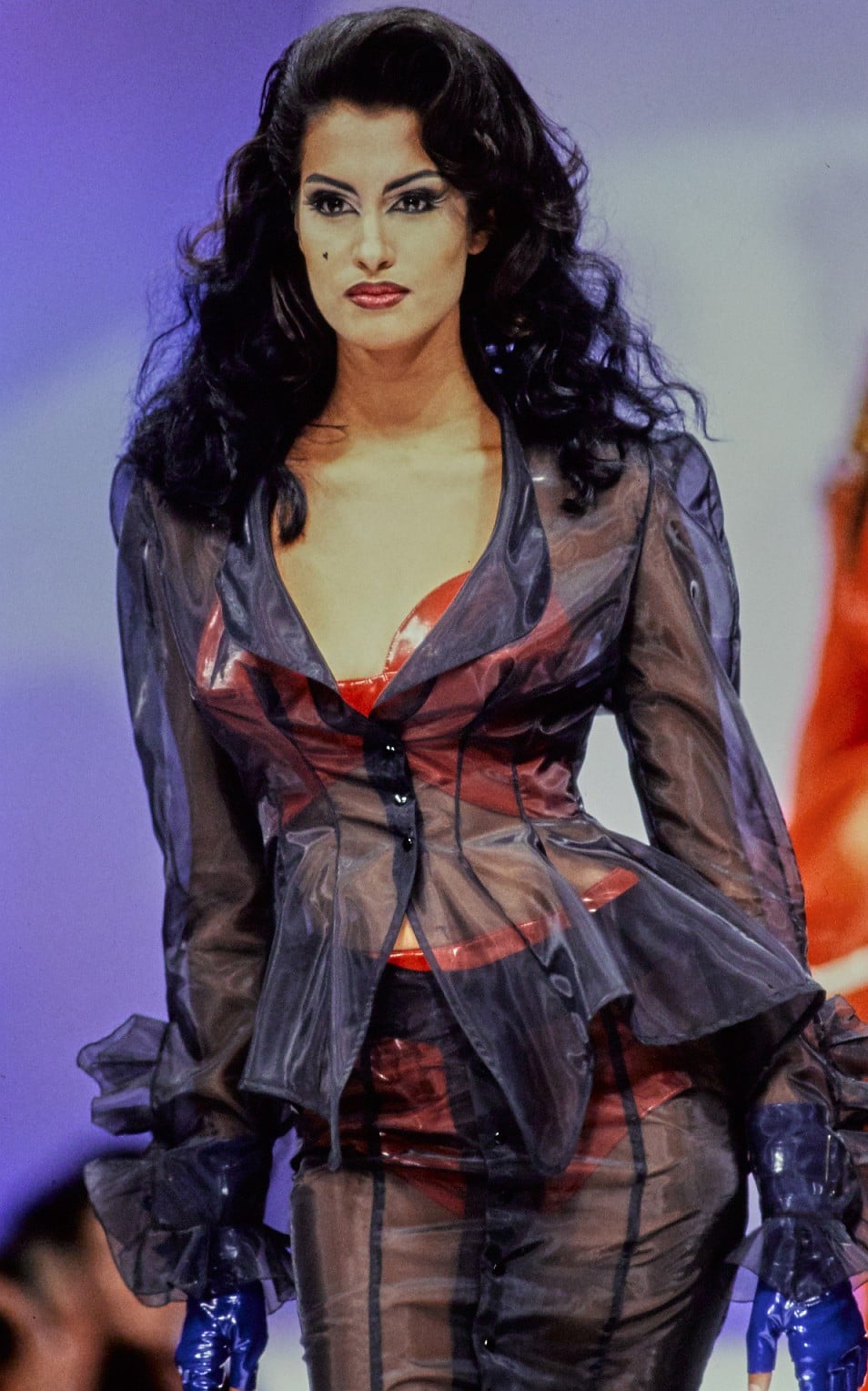
Mugler created a show that was pure theater, with models transforming on stage through quick costume changes and dramatic reveals. The clothes featured exaggerated shoulders, cinched waists, and silhouettes that looked more like armor than fabric.
Each look told a story about power, femininity, and transformation. The show proved that fashion presentations could compete with Broadway productions for sheer spectacle and entertainment value.
Maison Margiela Spring Summer 1989
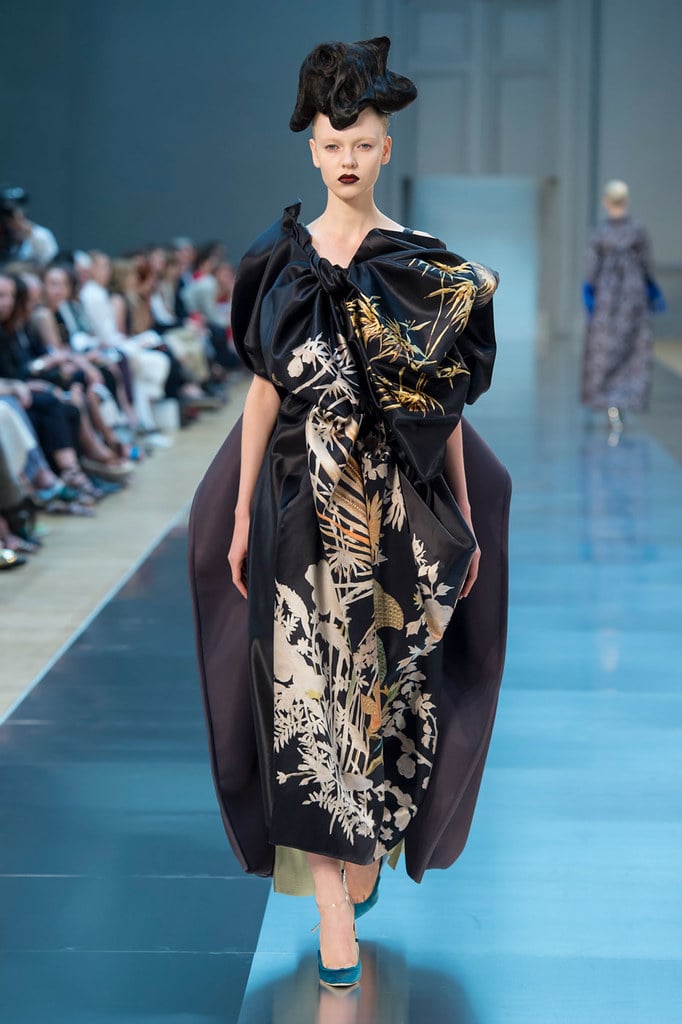
Down went the curtain on a gritty Paris street, where children ran wild behind stumbling models. Broken concrete cracked underfoot instead of polished runways.
Clothes hung open, stitches showing like secrets spilled too soon. Some pieces seemed turned backwards, others barely stitched together – like they gave up halfway.
At first, nobody knew what to make of it. Yet something shifted after that day.
Imperfection began to speak louder than finish. Ideas grew heavier than trends.
A new path opened, one where flaw meant meaning.
Coperni Spring/Summer 2023
Out came a misty spray, hitting Bella Hadid’s skin, forming cloth as it cooled under bright lights. Right there, in full view, liquid turned solid without a single misstep.
Not rehearsal, not trick – just chemistry meeting design on stage. Some folks shifted in their seats, sensing this wasn’t just another outfit being shown.
What unfolded stood apart from stitched seams and hand-cut patterns. A shift had started, quiet but clear.
Fabric born from air and reaction, not loom or needle. Eyes stayed fixed, not blinking much.
No need for explanation once the shape took form. It simply was – new, strange, real.
Reality Begins Where Runways End
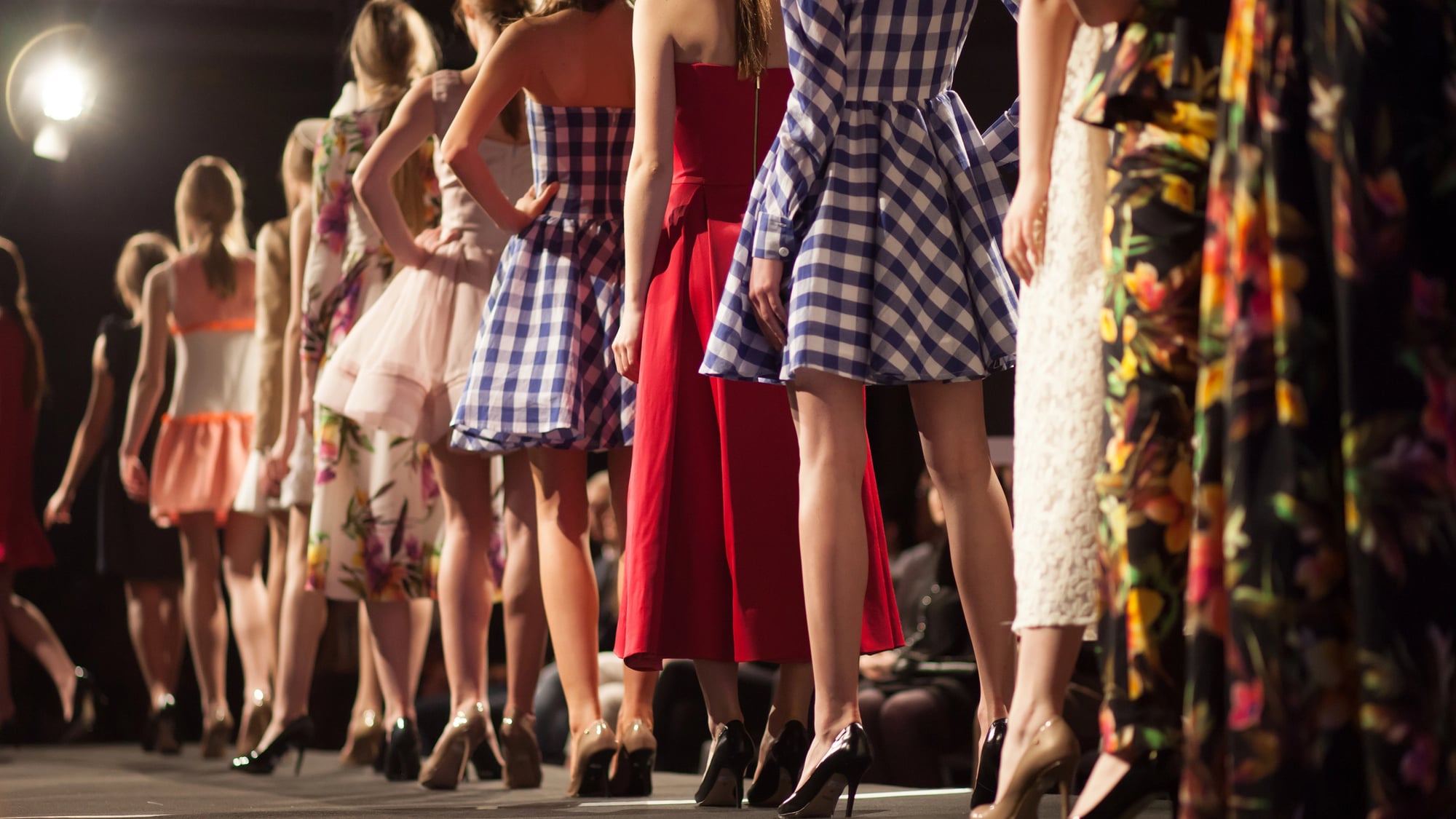
More than fleeting fads were altered by these shows. How clothing appears now carries deeper thought, thanks to fresh approaches sparking new dialogue between labels and people who wear their pieces.
Morning routines turned into statements when meaning stretched past fabric choices alone. Walking paths once built for outfits transformed, hosting clashes of belief systems, creative vision, money motives, even rebellion.
Designers today glance back not out of nostalgia but because wild moves often beat cautious steps every so often.
More from Go2Tutors!

- The Romanov Crown Jewels and Their Tragic Fate
- 13 Historical Mysteries That Science Still Can’t Solve
- Famous Hoaxes That Fooled the World for Years
- 15 Child Stars with Tragic Adult Lives
- 16 Famous Jewelry Pieces in History
Like Go2Tutors’s content? Follow us on MSN.



