18 Famous Muses Behind These Iconic Works Of Art
Most creators do not go it alone. A face in a famous artwork often belongs to someone who showed up when things were shifting.
That moment they stepped close changed everything without warning. Someone stood still while colors moved across canvas because of them.
Right then. Meet 18 individuals who stayed out of the spotlight but left their mark on legendary artworks known across the globe.
Lisa Gherardini
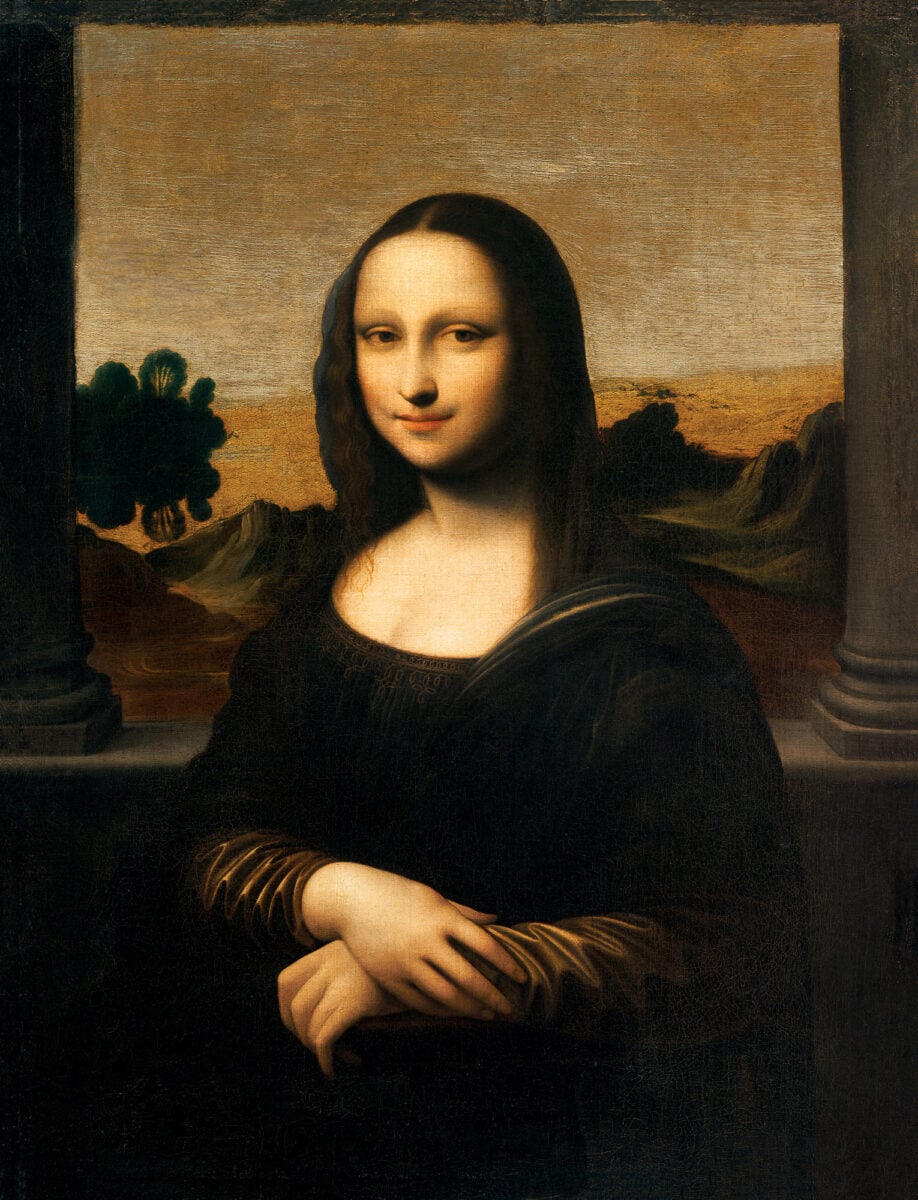
That quiet woman appears in Earth’s best-known artwork, the Mona Lisa. Created by Leonardo da Vinci across years stretching from 1503 into 1519, scholars often link her image to a merchant’s wife – Francesco del Giocondo of Florence.
Fame found her long after life ended. Her days passed without noise; she slipped away in a convent, knowing nothing of future crowds gathering at the Louvre just to see her gaze.
Simonetta Vespucci
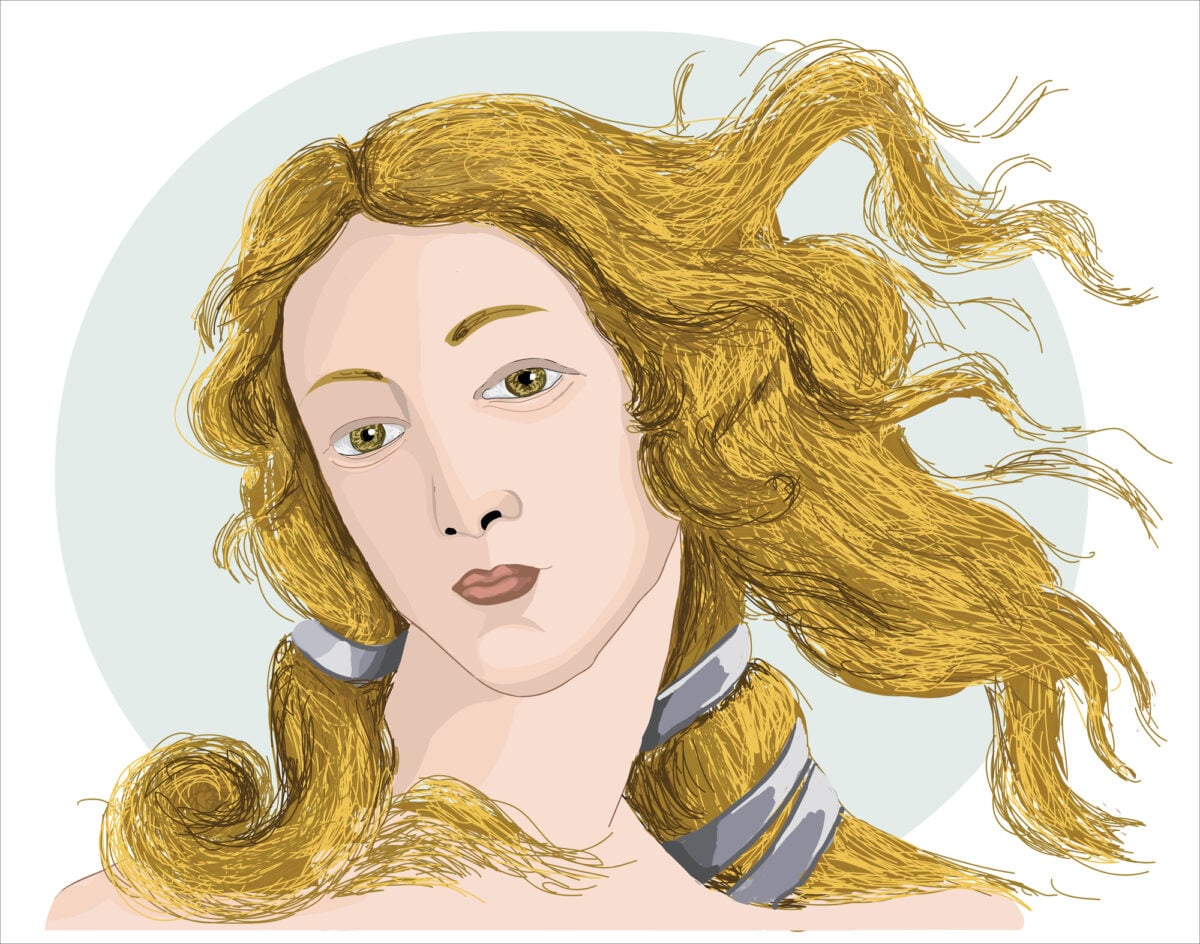
In the 1480s, Sandro Botticelli created ‘The Birth of Venus,’ with many experts thinking Simonetta Vespucci inspired the figure emerging from the waves. A woman from Florence famed for her looks, she caught the artist’s lasting attention.
Though only twenty-three when tuberculosis took her life, her image lived on. Long after she was gone, he asked to be laid to rest near where she rested – close enough to stay beside her.
Time passed, yet that choice held firm.
Victorine Meurent
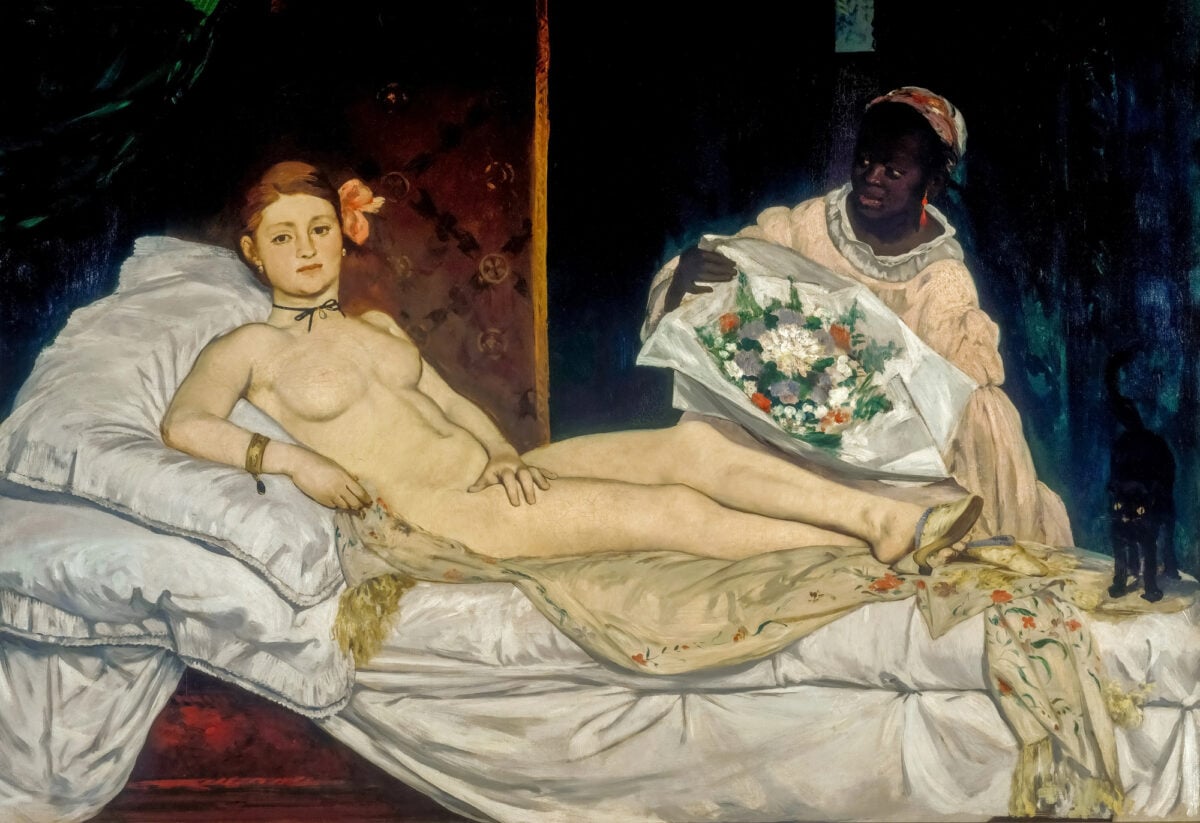
When Édouard Manet showed ‘Olympia’ in Paris during 1865, people reacted with shock. Standing calm amid the chaos – Victorine Meurent.
Not merely someone he painted, she held her own brush, showing art at the Paris Salon too. Though Manet placed her face into key paintings, years passed while memory tucked her quietly behind his name.
Saskia Van Uylenburgh
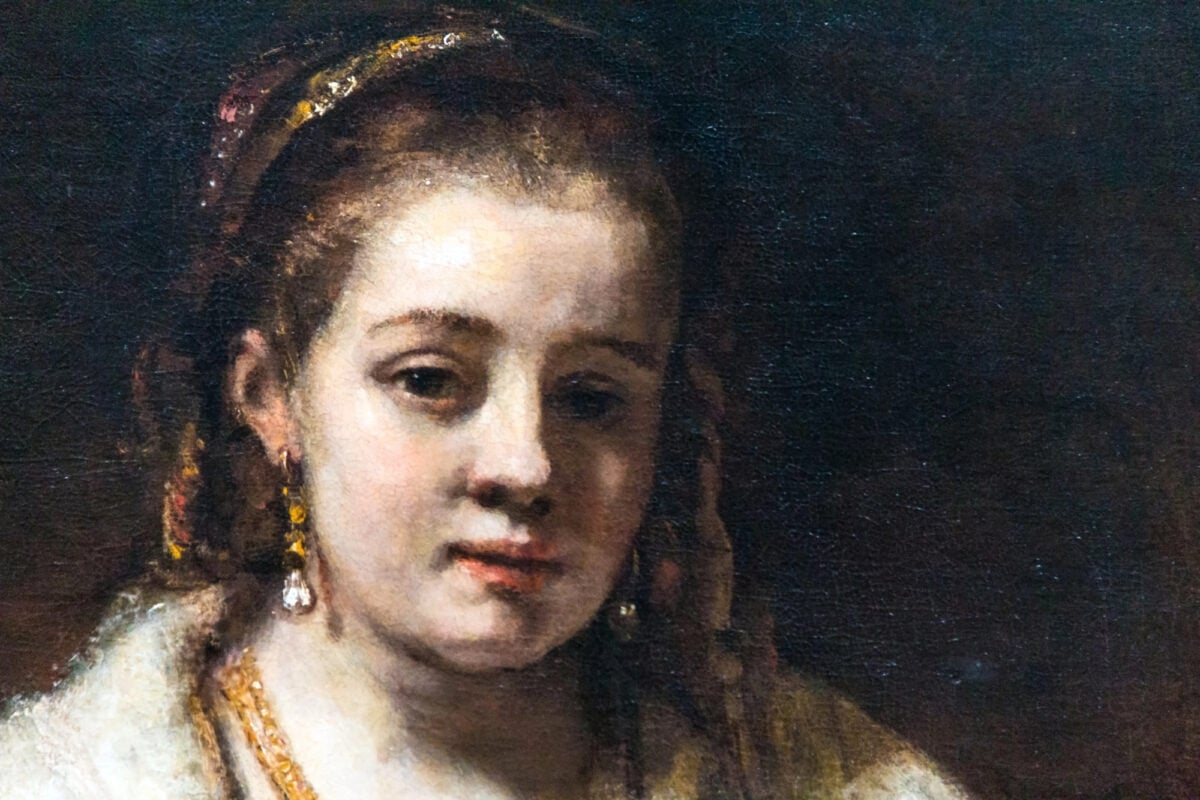
Pictures of his wife Saskia fill many of Rembrandt’s canvases – sometimes she wears the robes of ancient gods, sometimes the garb of saints. In pieces such as ‘Flora’ or ‘Saskia as Minerva,’ her face emerges from those Amsterdam days when they shared a home, laughter, perhaps quiet mornings.
Joy marked their bond, though time gave it little room to grow. By 1642, she was gone, only twenty-nine winters behind her.
The way he shaped her features – the gentle light, the unguarded look – whispers what words cannot hold.
Elizabeth Siddal
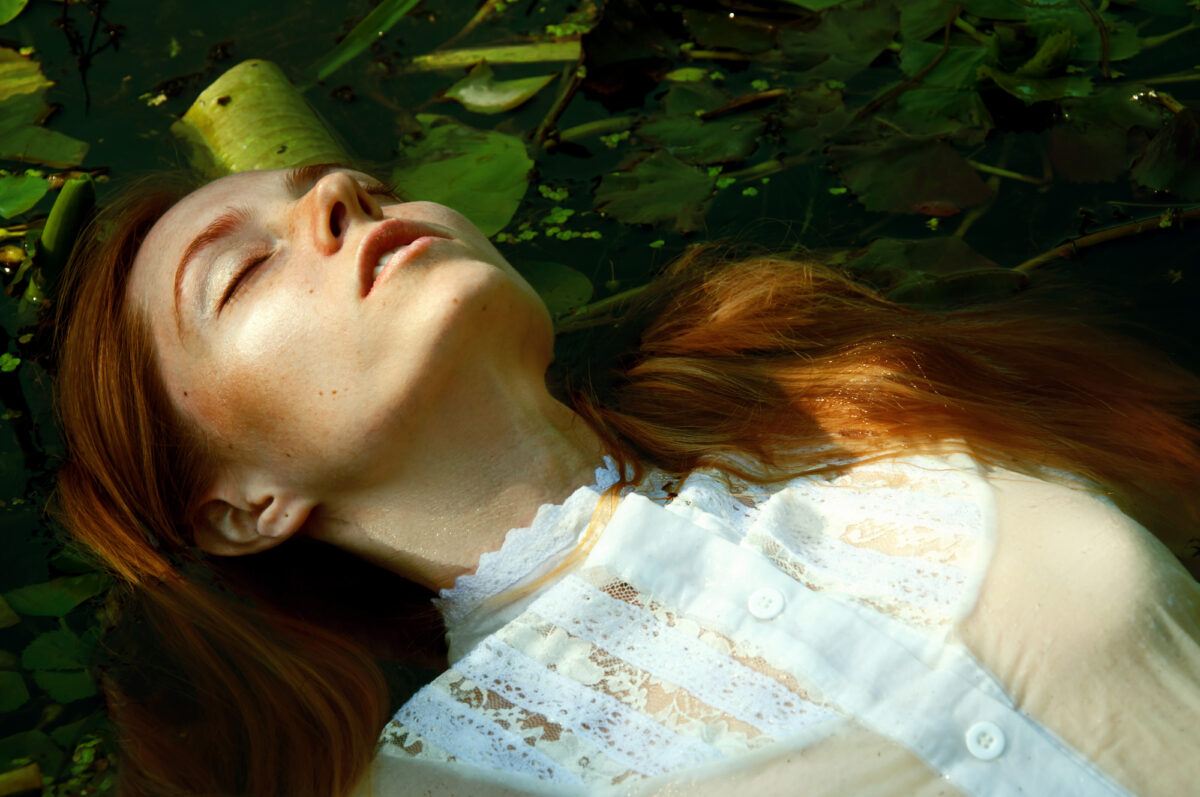
A name that lingers through every corner of the Pre-Raphaelite story is Elizabeth Siddal. Though many faces appeared in their works, it was hers that held steady across years.
Floating still in a bathtub filled with icy water, she posed for Millais’ ‘Ophelia,’ shivering as he worked stroke by stroke. Hours passed without warmth, yet she stayed motionless beneath his gaze.
After those days came marriage – Rossetti claimed her hand, then made her face bloom again and again on canvas. His brush returned to her like a memory refusing to fade.
Pale skin stretched tight over quiet sorrow, copper hair spilling beyond frame edges – that look shaped an era’s vision. Not just a woman, but a silhouette repeated until it defined them all.
The mood she carried became their signature, whispered in pigment and shadow.
Helene Fourment
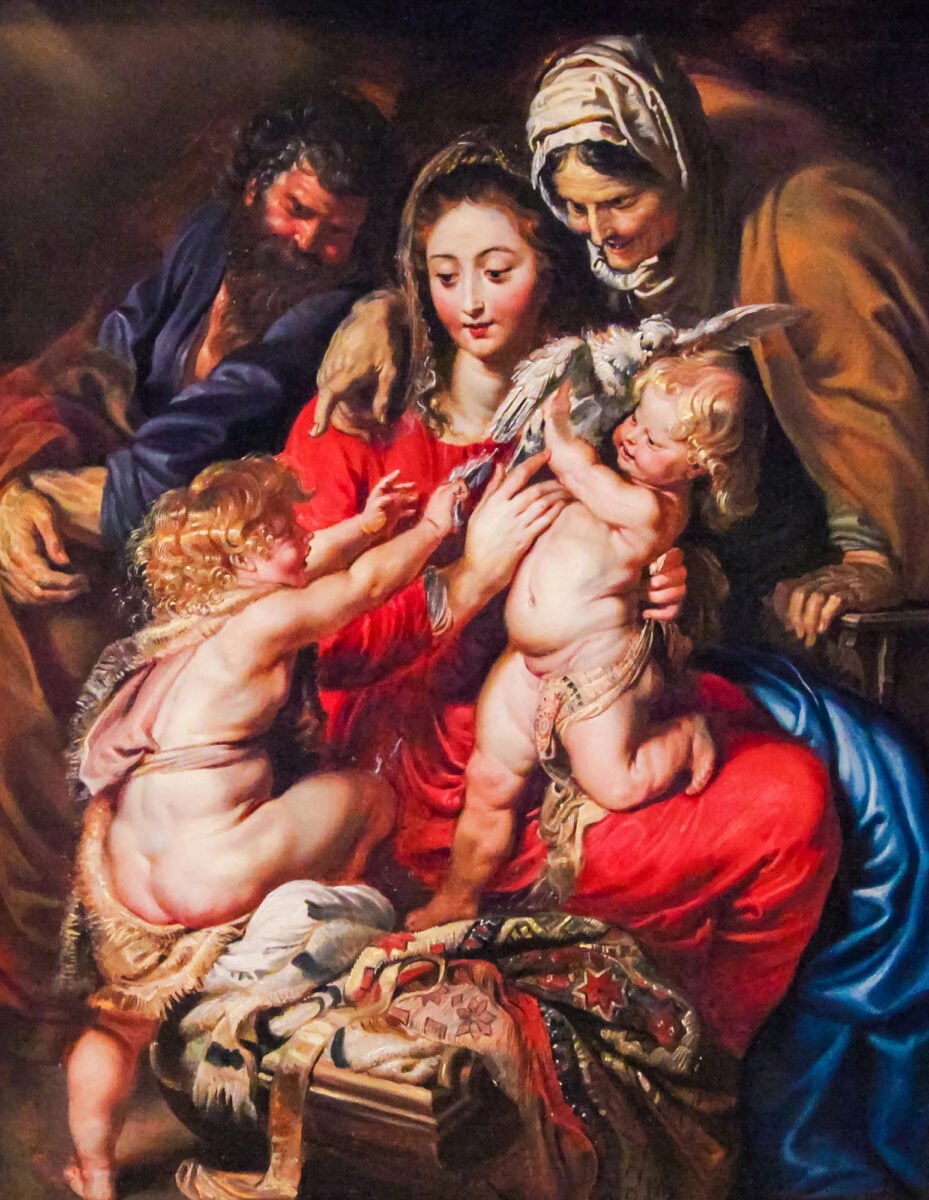
When his first wife passed away, Peter Paul Rubens wed Helene Fourment in 1630. Though just sixteen, she entered marriage with a man three times her age.
His brush captured her again and again, while his art quietly softened into richer, closer scenes. Paintings such as ‘Het Pelsken’ reveal a closeness too deep for ordinary artist-muse bonds.
Those close to him once said he believed she ranked above everything else on earth.
Kiki De Montparnasse
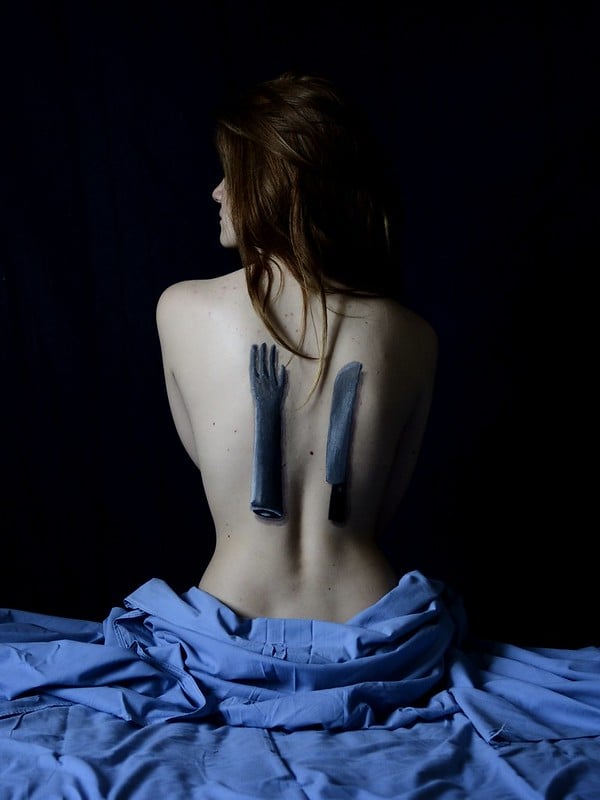
Back then, Paris buzzed with painters, writers, musicians – Kiki sat right in the middle. Man Ray photographed her for ‘Le Violon d’Ingres,’ drawing soundholes on her skin so she looked like an instrument.
She did more than pose; evenings found her singing, painting, holding court at the Café du Dôme. Few people lit up a space the way she did when walking in.
Her presence wasn’t borrowed – it came from knowing exactly who she was.
Camille Doncieux
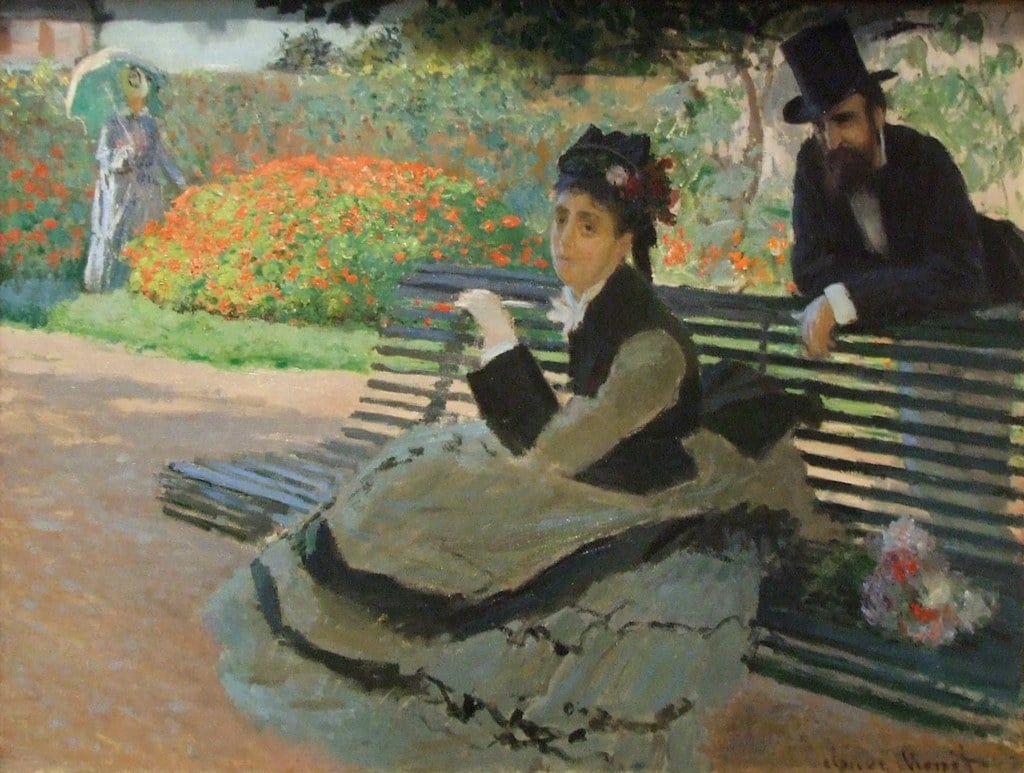
Monet turned to Camille again and again when he picked up his brush in those beginning years. Paintings like ‘Woman in the Garden’ hold her presence, also that bold costume piece called ‘La Japonaise.’
Even at the very end, weak beneath blankets, she became part of his work – a moment so raw he said it felt beyond choice, how light shifted across skin while life slipped away. The result, titled ‘Camille on Her Deathbed,’ carries a grief that hums just below silence, standing among the quietest yet strongest pieces ever made by an Impressionist hand.
Jane Burden
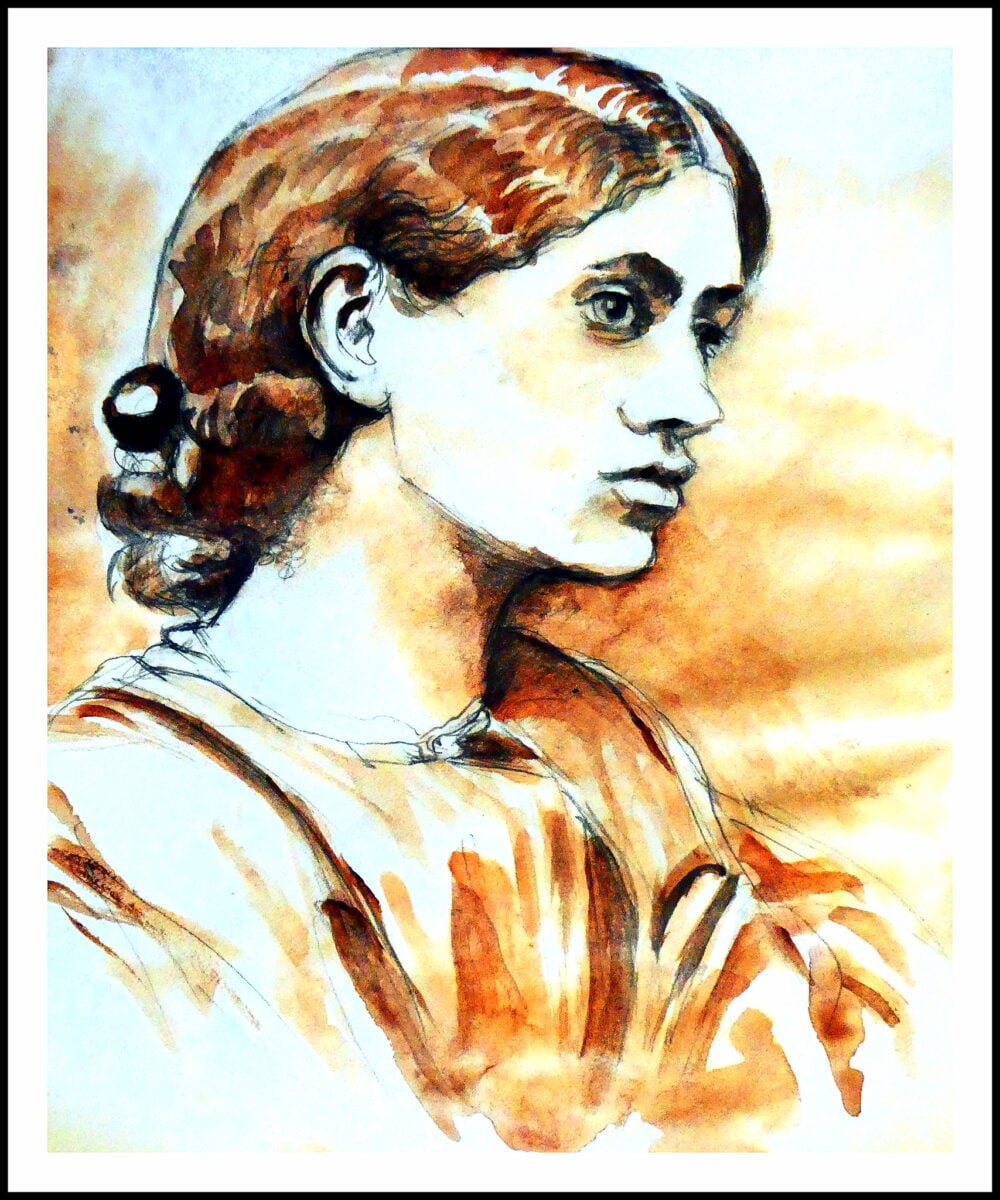
William Morris married her, but Dante Gabriel Rossetti painted her. Jane Burden’s dark features and heavy-lidded eyes were different from the typical Victorian ideal of beauty, and that made her stand out immediately to the Pre-Raphaelites.
Rossetti painted her as Proserpine, as Astarte, and as Desdemona, among others. Her relationship with Rossetti went well beyond modeling, and the tension in those portraits is hard to ignore even today.
Dora Maar
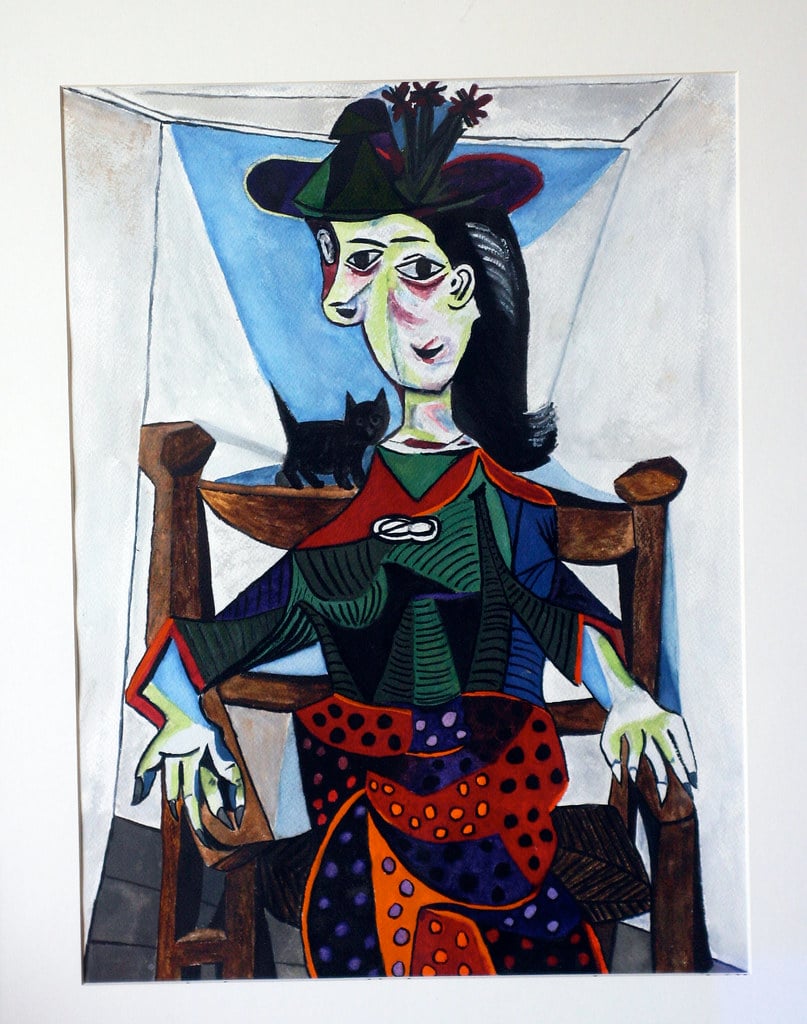
Dora Maar was a respected photographer and artist before she became Pablo Picasso’s companion, and his portraits of her reflect both his admiration and his cruelty. He called her the ‘Weeping Woman’ and painted her that way repeatedly during and after the Spanish Civil War.
The most famous version, ‘Weeping Woman’ from 1937, is now housed in the Tate Modern in London. Maar herself said Picasso kept her image as a weeping woman long after she had stopped crying.
Marie-Thérèse Walter
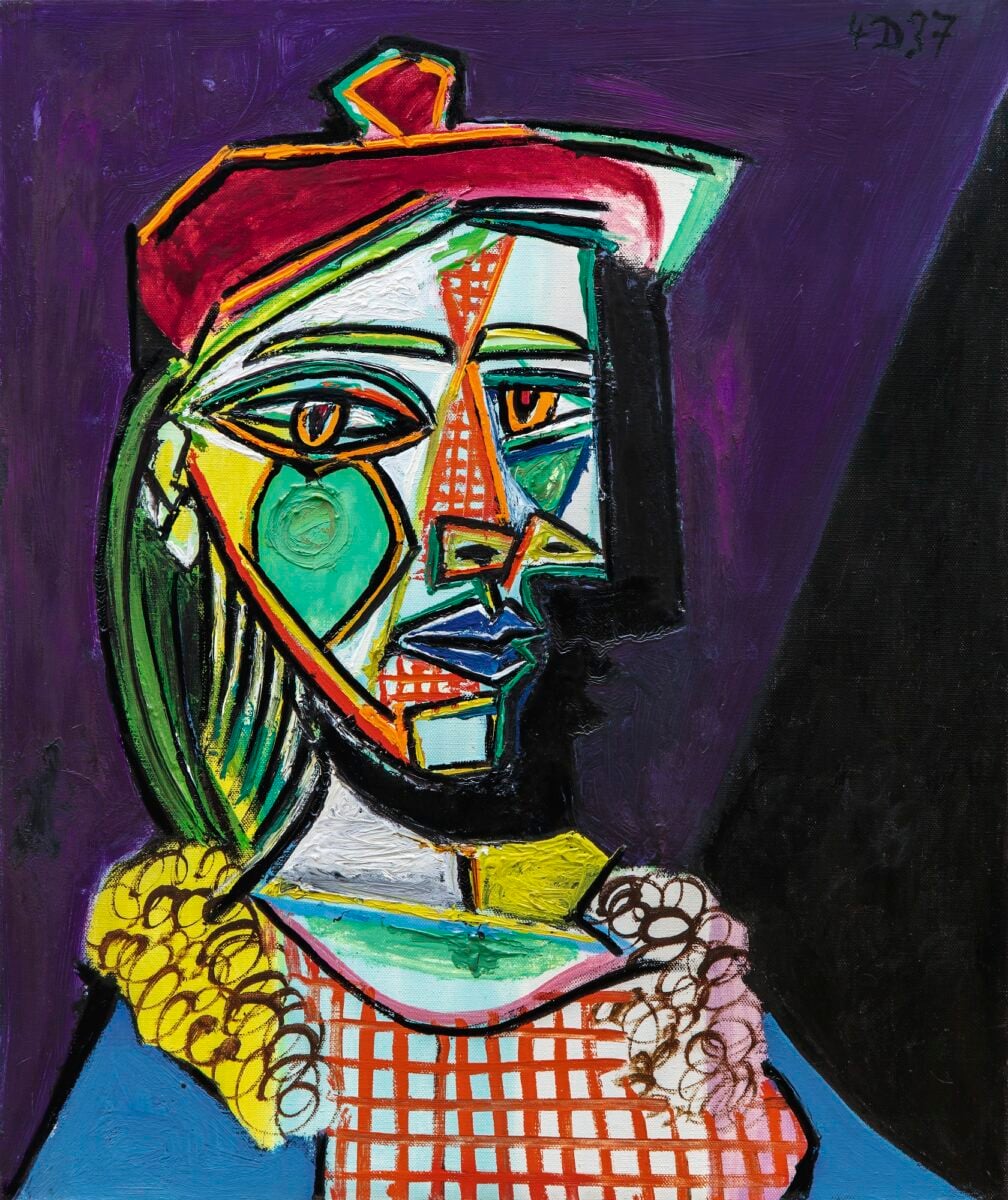
While Picasso was painting Dora Maar as grief, he was painting Marie-Thérèse Walter in very different terms. She was his secret companion for years, and he depicted her in soft, rounded forms in works like ‘Le Rêve.’
She appears in his art as warmth and stillness, a sharp contrast to the angular anguish he painted into Maar. Marie-Thérèse remained devoted to Picasso long after their relationship ended, and tragically took her own life four years after his death.
Agostina Segatori
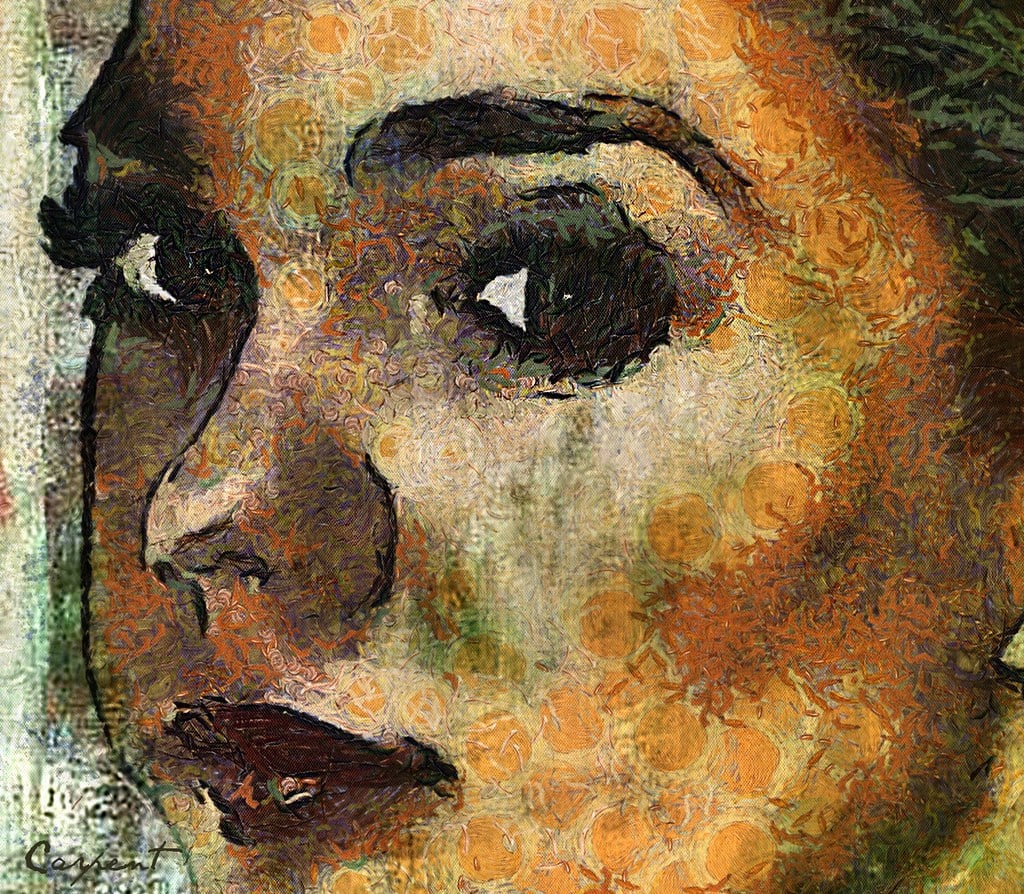
Vincent van Gogh met Agostina Segatori in Paris, where she ran a café called Le Tambourin. He painted her sitting at one of her own café tables, surrounded by Japanese prints, in ‘Italian Woman’ and ‘In the Café.’
She had previously modeled for Camille Corot and Jean-Léon Gérôme, so she knew the art world well. Van Gogh’s time in Paris was turbulent, and Segatori was one of the few steady presences in that chapter of his life.
Fernande Olivier
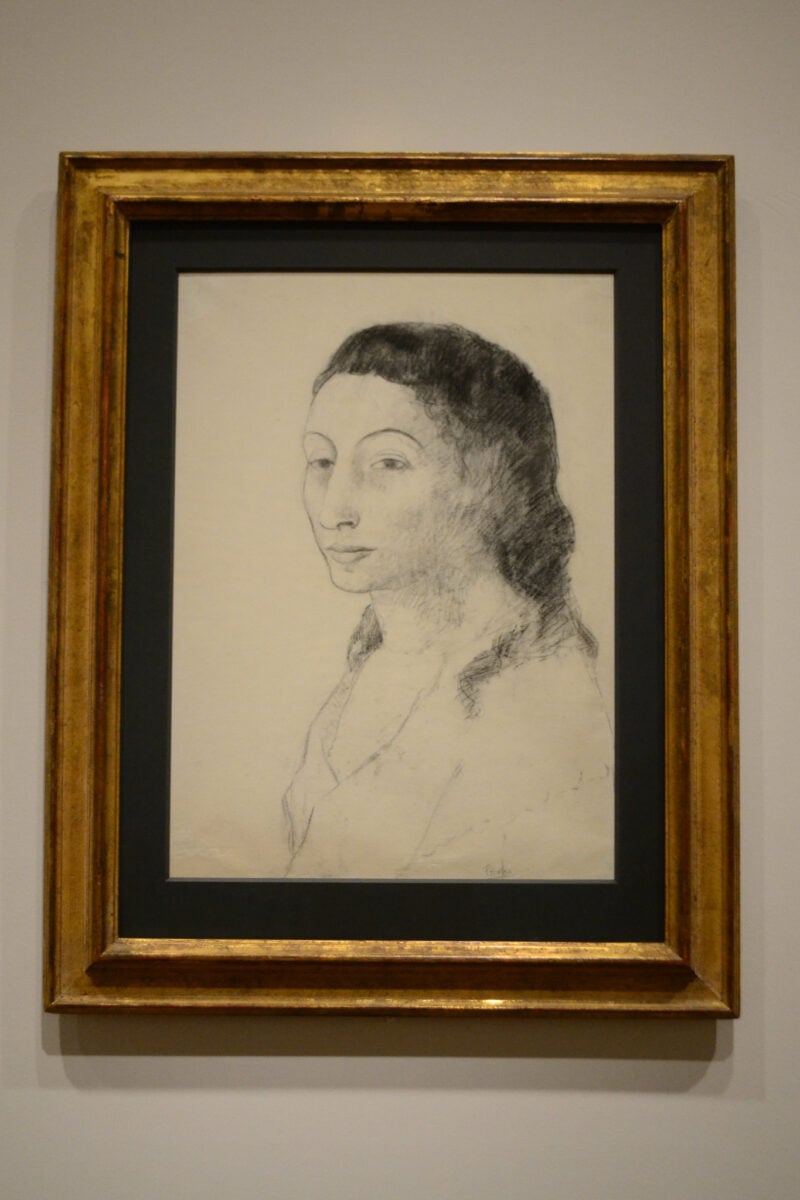
Before Picasso was famous, he was a broke, young painter in Montmartre, and Fernande Olivier was the woman sharing that cramped studio life with him. She is widely recognized as the muse behind his Rose Period and many of his early Cubist experiments.
Olivier later wrote a candid memoir about their years together that gave readers a rare street-level view of Picasso before the legend took over. She described him as brilliant, possessive, and deeply insecure, all at once.
Marguerite Kelsey
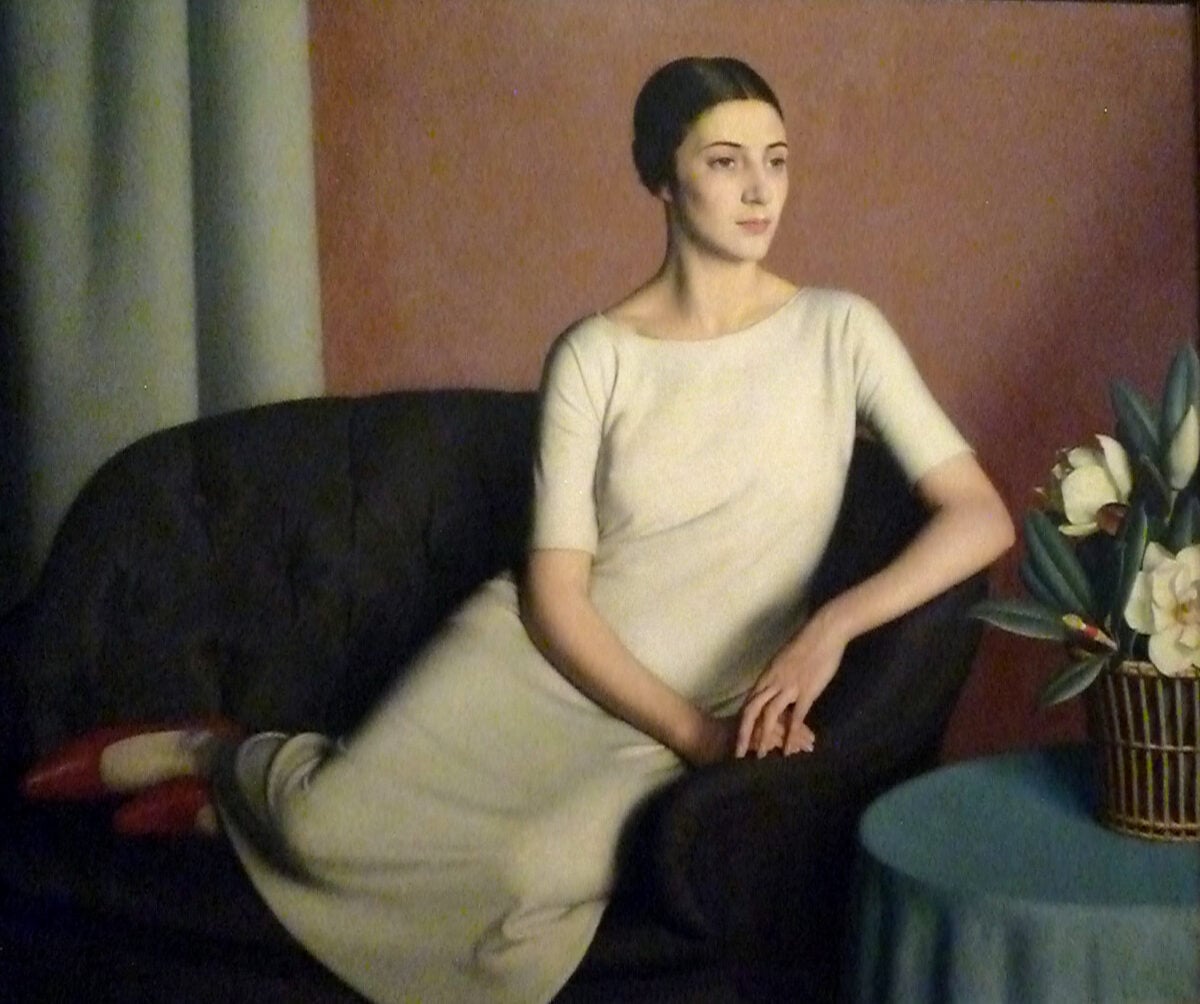
British sculptor Frank Dobson used Marguerite Kelsey as the model for some of his most refined figurative work in the 1920s and 1930s. His ‘Seated Woman’ is considered one of the finest British sculptures of the era, and Kelsey brought a quiet dignity to every session.
She modeled for multiple prominent artists of the period but remained largely outside the public eye. Her contribution to British modernist sculpture is only now getting the attention it deserves.
Lou Andreas-Salomé
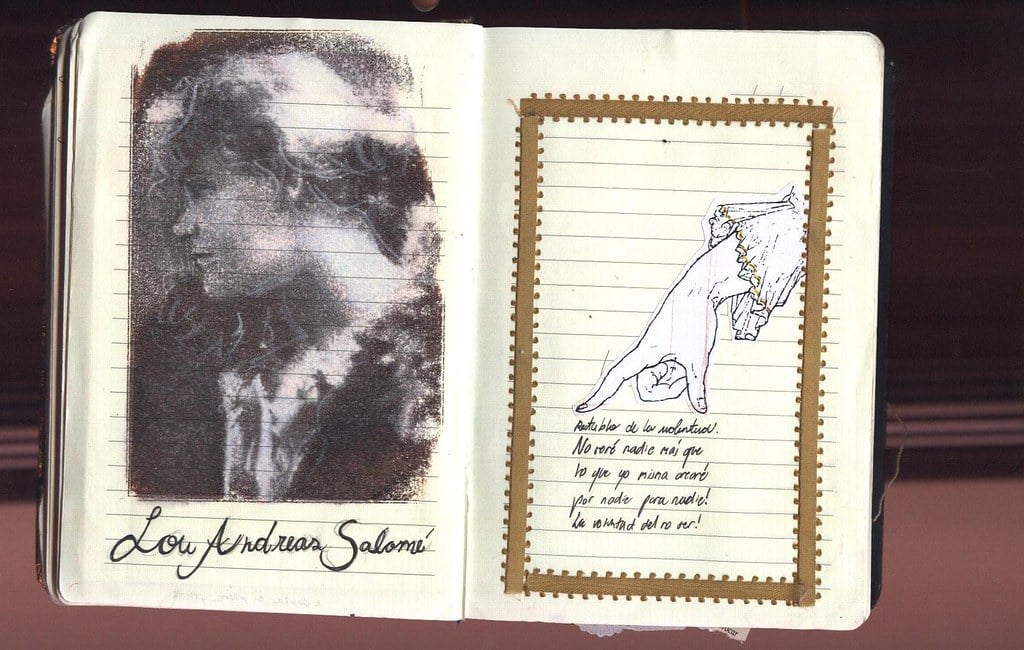
She was not a model in the traditional sense, but Lou Andreas-Salomé’s influence on artist and poet Rainer Maria Rilke was so deep that scholars treat her as the muse behind some of his most important work. They met in 1897, and Rilke credits her with teaching him how to see.
His ‘Letters to a Young Poet’ carry the fingerprints of her thinking throughout. She was also a close friend of Friedrich Nietzsche and a practicing psychoanalyst, making her one of the most intellectually consequential figures of her era.
Suzanne Valadon
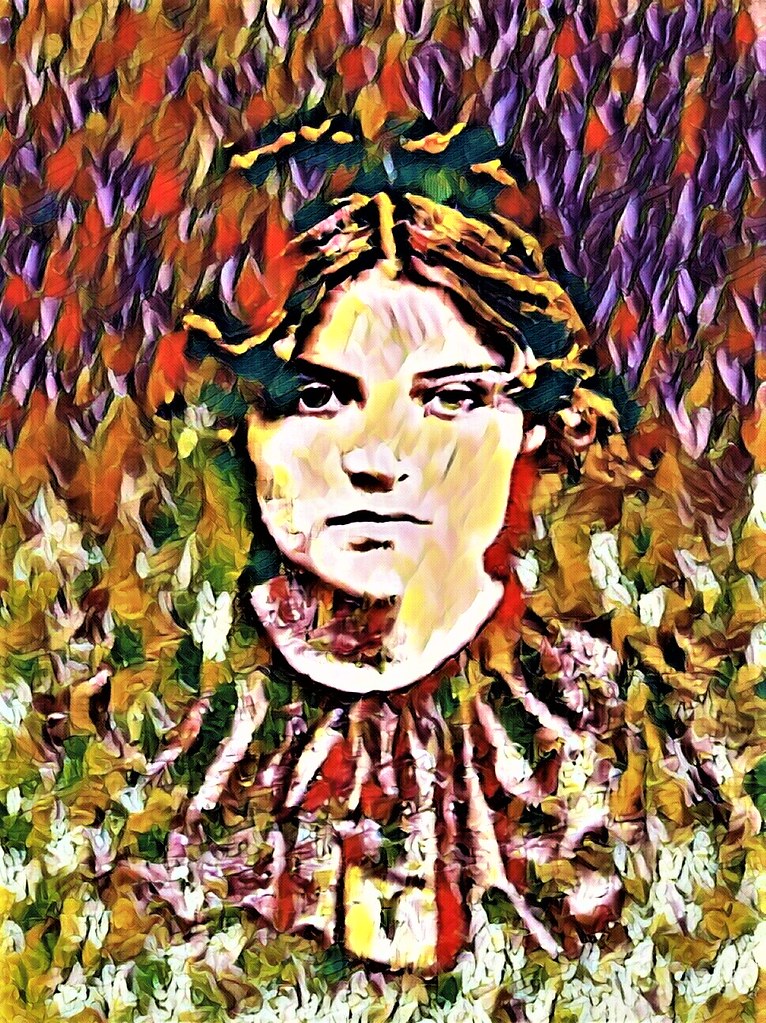
Henri de Toulouse-Lautrec, Pierre-Auguste Renoir, and Edgar Degas all painted Suzanne Valadon, but she was never content to just sit still. She studied their techniques while they worked, essentially teaching herself to paint by watching the masters up close.
She eventually became a recognized artist in her own right and the first woman admitted to the Société Nationale des Beaux-Arts. Her son, Maurice Utrillo, also became a famous painter, making her one half of a remarkable artistic legacy.
Fanny Cornforth
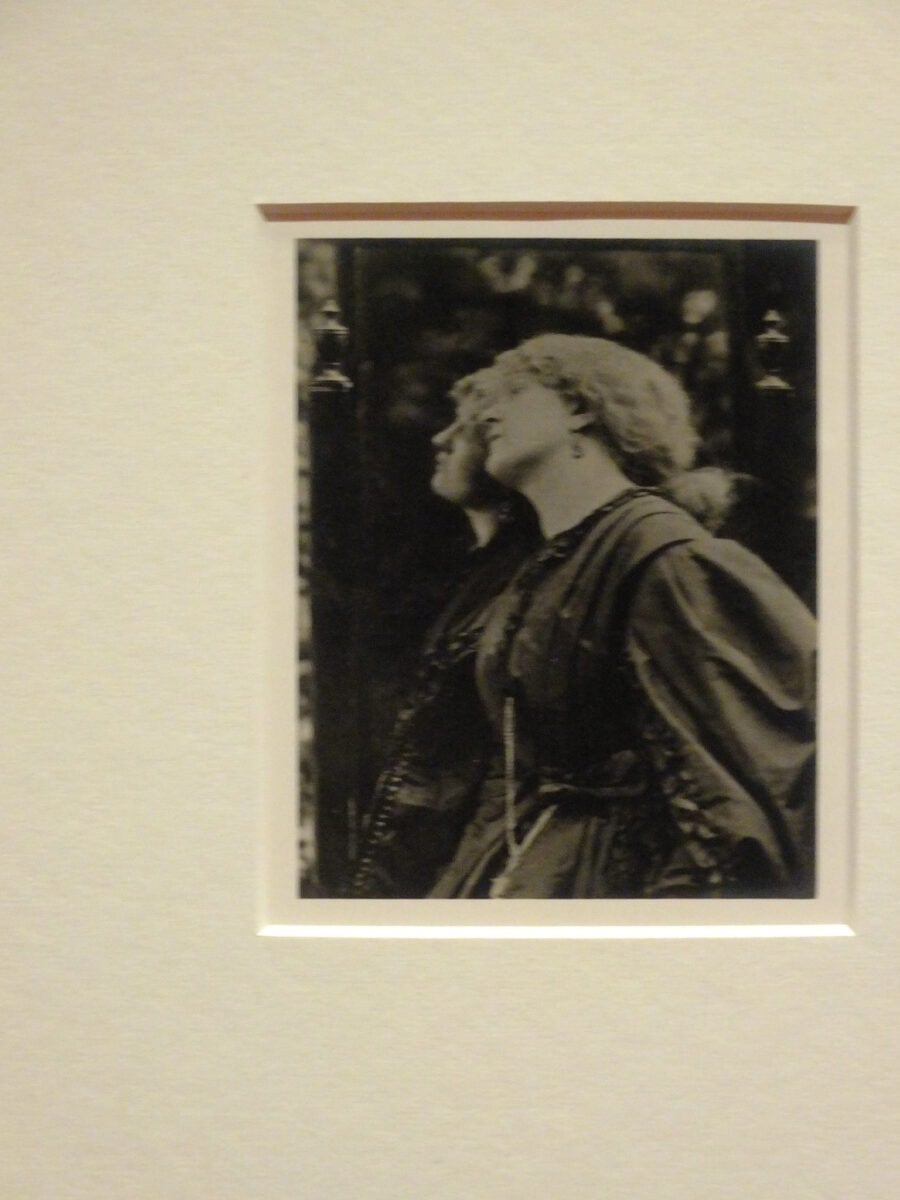
Dante Gabriel Rossetti had more than one muse, and Fanny Cornforth occupied a different place in his life than Jane Burden did. She was warmer, more grounded, and appeared in works like ‘Lady Lilith’ and ‘The Blue Bower.’
Where his paintings of Jane carried longing and tension, his paintings of Fanny had a kind of ease to them. She managed his household in later years and stayed loyal to him through his mental decline, a role history has been slow to honor properly.
Henriette Fiocre
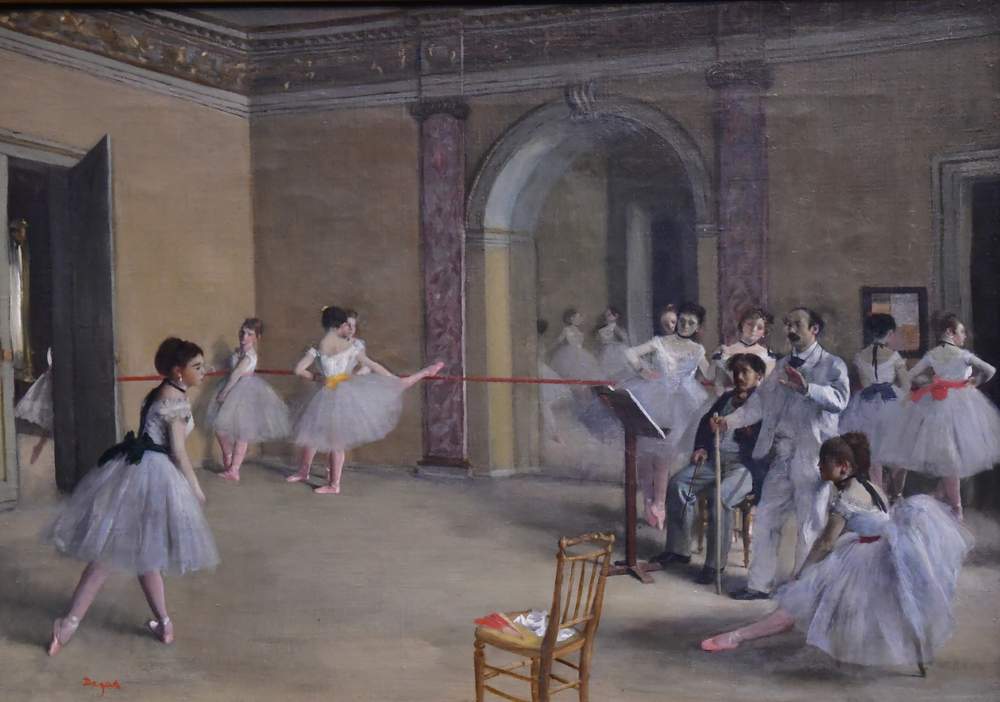
Edgar Degas painted ballet dancers more than almost any other subject, but one of his earliest and most striking works centered on a soloist named Eugénie Fiocre. His large painting ‘Scene from the Ballet of the Source,’ exhibited in 1868, shows her resting beside a pool during a performance break.
It was an unusual choice for the time, catching a dancer in stillness rather than motion. Fiocre was one of the biggest stars of the Paris Opéra Ballet, and Degas captured something in her quiet moment that the spotlight never could.
The Faces That History Almost Forgot
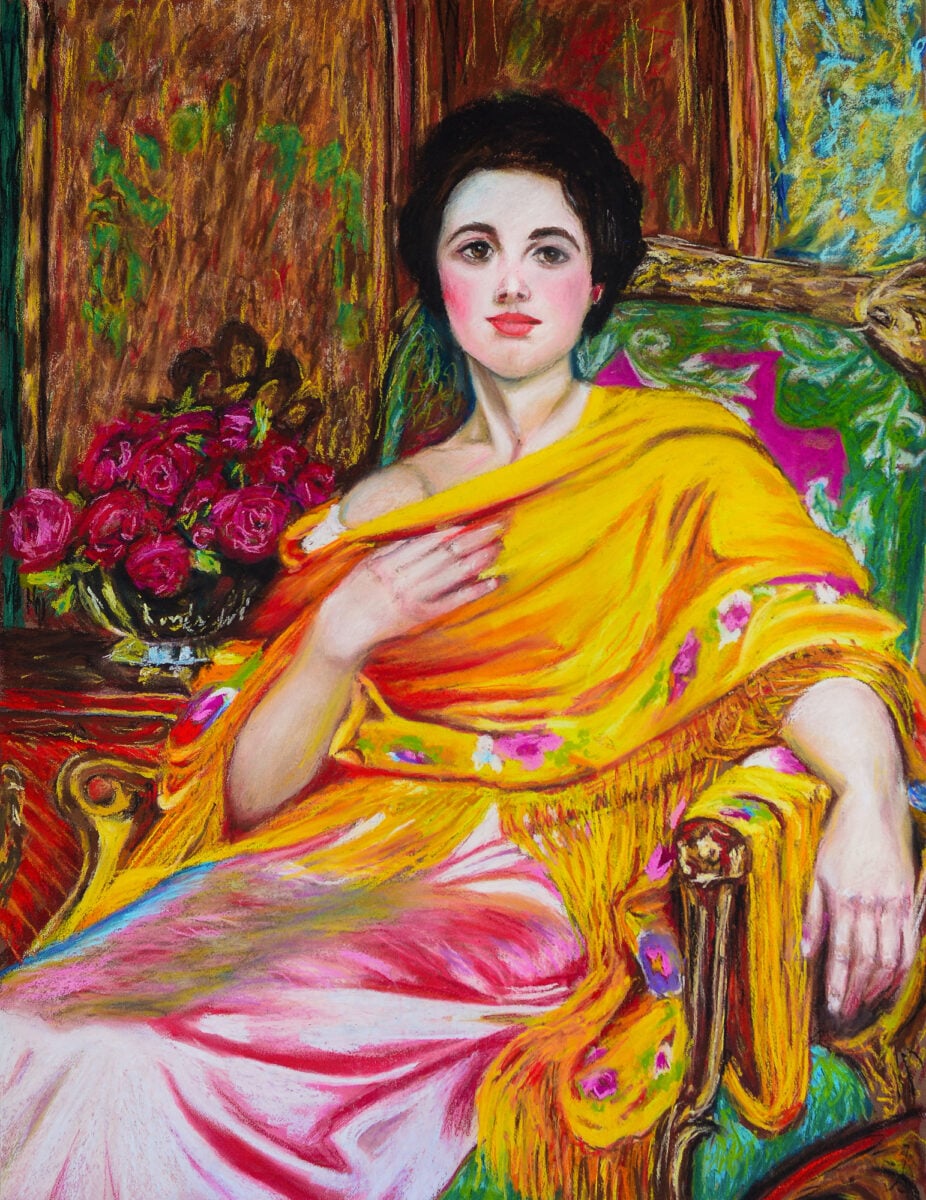
Behind every iconic brushstroke is a person who showed up, sat still, and gave the artist something real to work with. These women and men were not just props in someone else’s story.
Many of them had their own ambitions, their own complicated lives, and their own sense of who they were beyond the canvas. The art world is finally starting to look at them more honestly, giving credit where it has been long overdue.
Every great work of art carries two signatures, even when only one of them made it onto the frame.
More from Go2Tutors!

- The Romanov Crown Jewels and Their Tragic Fate
- 13 Historical Mysteries That Science Still Can’t Solve
- Famous Hoaxes That Fooled the World for Years
- 15 Child Stars with Tragic Adult Lives
- 16 Famous Jewelry Pieces in History
Like Go2Tutors’s content? Follow us on MSN.