Unusual Instruments Used in Pop Hits
Pop music has always had a knack for turning the unexpected into the unforgettable. Beyond the polished guitars, drum kits, and synths, there are sounds that make listeners pause — a whistle, a sitar, even a typewriter click.
These sonic oddities often become the signature hooks that define entire eras. Here’s a list of some of the most unusual instruments that found their way into chart-topping hits — and changed the sound of pop along the way.
Theremin
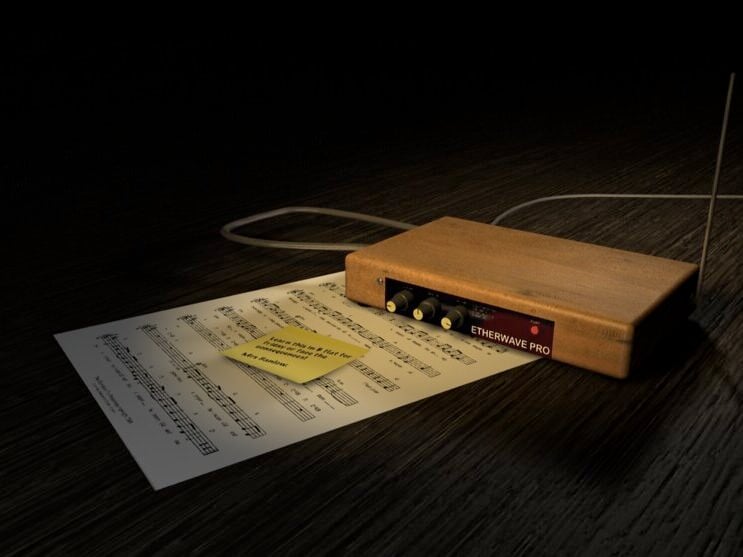
That eerie, ghost-like hum in some mid-century tracks? The Theremin. Played without physical touch, it reacts to hand movements through electromagnetic fields.
The Beach Boys used it to stunning effect in Good Vibrations, giving the song an otherworldly shimmer. It wasn’t a gimmick — it became the melody everyone remembered.
Sitar
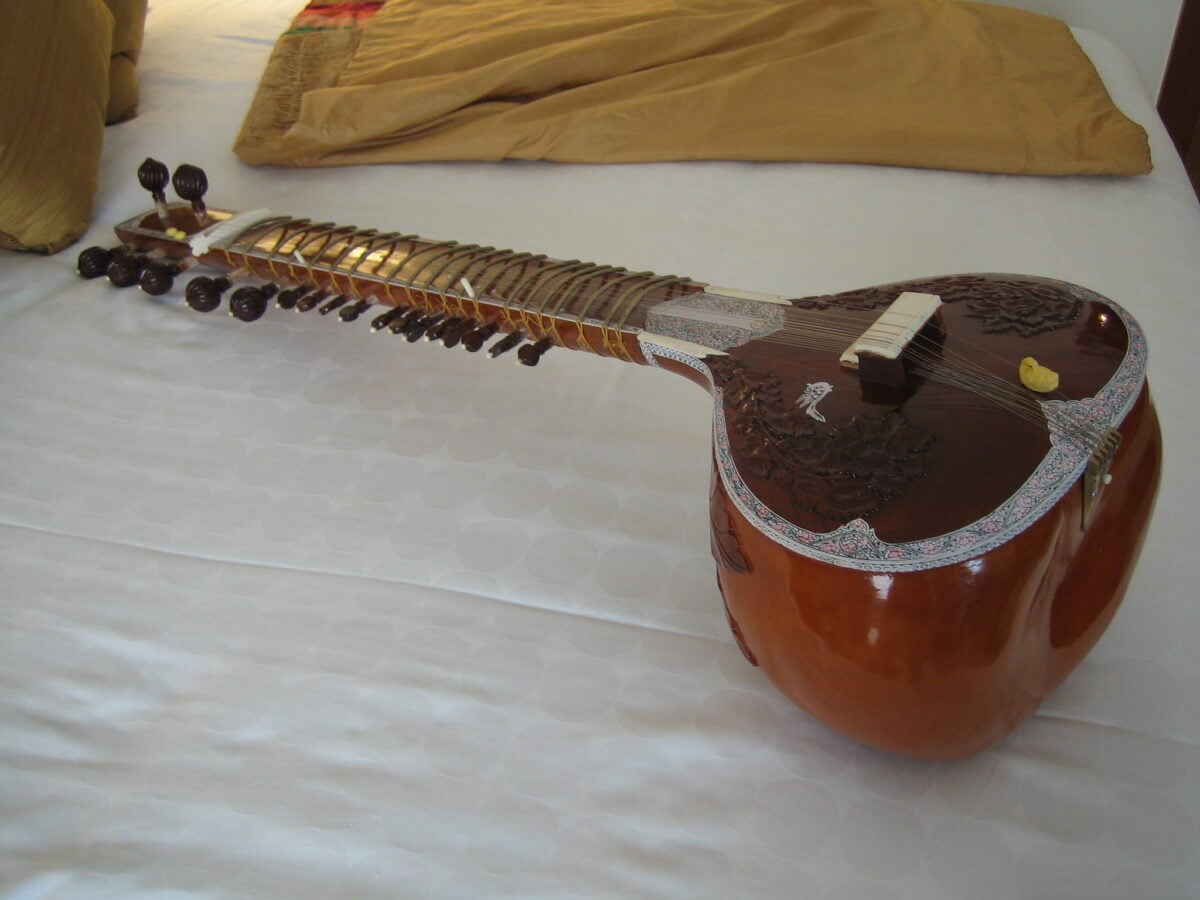
The 1960s were filled with psychedelic experiments, but few were as striking as the sitar’s entrance into Western pop. The Beatles’ Norwegian Wood introduced the instrument’s buzzing strings to mainstream audiences.
Its hypnotic drone reshaped how pop could sound — suddenly, mysticism and melody coexisted on the radio. And yes, it inspired countless imitators.
Like Go2Tutors’s content? Follow us on MSN.
Glass Bottles

Sometimes genius comes from the kitchen. Peter Gabriel’s Games Without Frontiers layered in the clinking tones of blown glass bottles, adding a brittle, human texture against the synthetic backdrop.
It wasn’t precise. That was the point — the imperfection gave it life.
Steel Drums
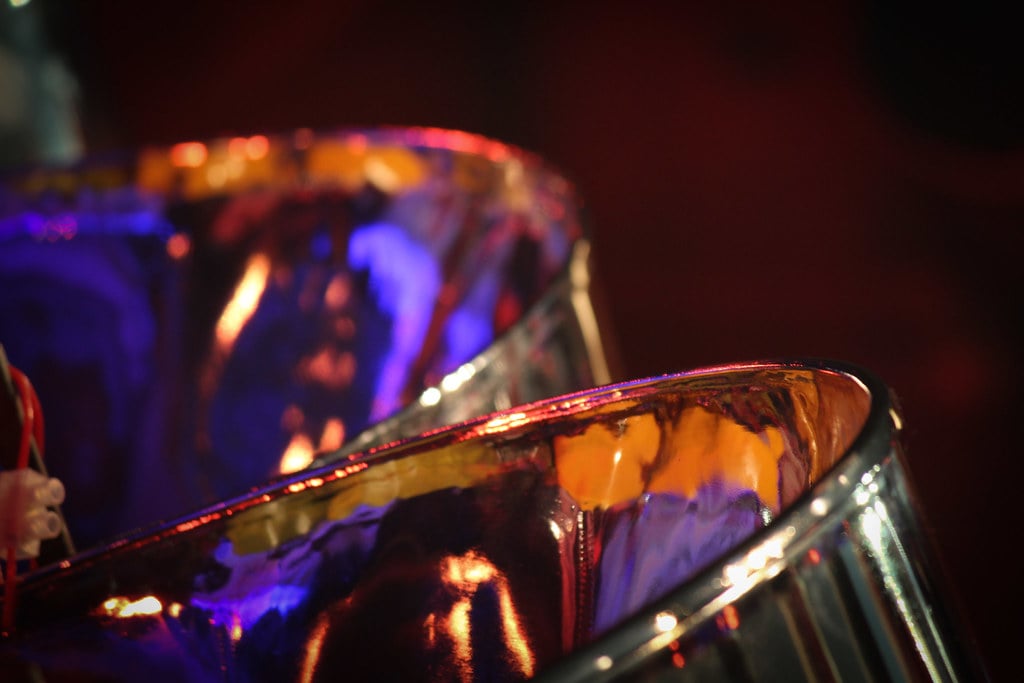
Instant sunshine. That’s the effect of steel drums. They brought tropical flair to hits like Under the Sea and even appeared subtly in modern pop remixes.
The sound is bright, metallic, and undeniably cheerful — like laughter captured in metal. Still, tuning them? A nightmare.
Typewriter

Leroy Anderson’s The Typewriter was more novelty than pop, but its influence rippled outward. Later artists sampled mechanical clicks and carriage returns in tracks to mimic rhythm sections — a literal beat from the office.
• Metal keys as percussion
• Bells as cymbals
• Paper feed as a snare substitute
It’s strange. And it works.
Like Go2Tutors’s content? Follow us on MSN.
Didgeridoo

Deep and earthy, the didgeridoo found its way from Indigenous Australian ceremonies to pop and electronic music. Jamiroquai used it to create pulsing, primal undercurrents that grounded their funky space-age sound. It hums and drones — more heartbeat than note.
Toy Piano
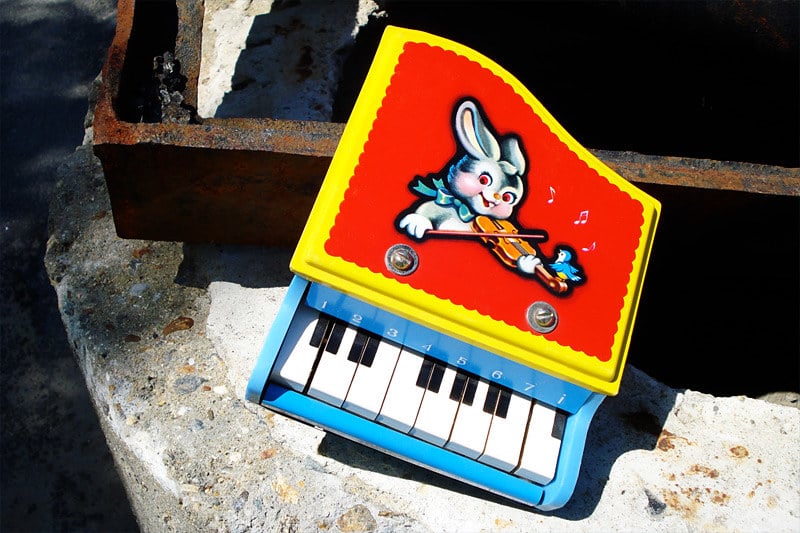
Not just for toddlers. The toy piano’s brittle, bell-like tone gave pop songs like Clocks (inspired, though not directly using one) their minimalist charm.
It adds nostalgia, too — a sound that feels half dream, half memory. A little uneven, a little haunting.
Chains and Hammers
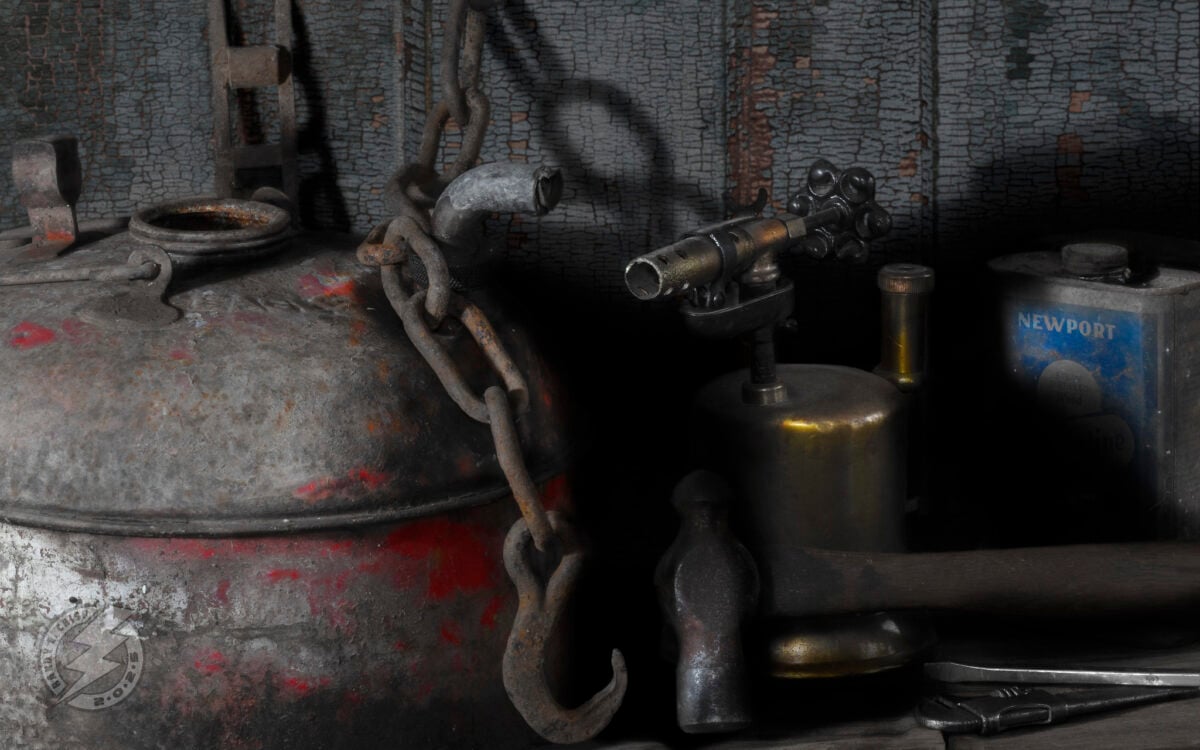
Industrial pop needed industrial noise. Think of Depeche Mode or Nine Inch Nails.
Clanging metal, scraping chains — not traditional instruments, but undeniably rhythmic. The world became the drum kit.
And somehow, it felt more honest than polished snares ever could.
Like Go2Tutors’s content? Follow us on MSN.
Bagpipes

Hard to tame, louder than expected, and yet hauntingly melodic. AC/DC’s It’s a Long Way to the Top (If You Wanna Rock ’n’ Roll) proved bagpipes could shred alongside guitars.
The result? Chaos — glorious, unforgettable chaos. You can almost smell the pub smoke.
Whistling

Technically not an instrument, but try telling that to Moves Like Jagger or Don’t Worry, Be Happy. Whistling turned into melody, mood, and memory all at once.
It’s human. Slightly imperfect. And somehow, impossible to skip.
The Art of the Unexpected
Pop thrives on surprise. The songs that stick aren’t always the ones with perfect production — they’re the ones with quirks, curiosities, and unexpected textures. A bottle, a whistle, a sitar. Strange tools that remind listeners what music really is: the sound of play.
More from Go2Tutors!

- 16 Historical Figures Who Were Nothing Like You Think
- 12 Things Sold in the 80s That Are Now Illegal
- 15 VHS Tapes That Could Be Worth Thousands
- 17 Historical “What Ifs” That Would Have Changed Everything
- 18 TV Shows That Vanished Without a Finale
Like Go2Tutors’s content? Follow us on MSN.



