18 Famous Palaces Hiding Surprising Secrets
Palaces around the world look grand and impressive from the outside, but many hide fascinating secrets that visitors never get to see. Behind their ornate walls and beautiful gardens, these royal homes hold stories of hidden rooms, secret passages, and surprising features that would shock most people. From underground tunnels to artificial caves, these palaces prove that royal life was far more complex than it appeared.
Ready to peek behind the curtain and discover what these famous palaces have been hiding? Some of these secrets will completely change how you think about royal living.
Palace of Versailles has no bathrooms in the main building

The most famous palace in France somehow forgot to include proper restrooms when it was built. The Palace of Versailles, located just outside of Paris, France, is one of the most magnificent and historically significant palaces in the world, yet guests and nobles had to use chamber pots or visit makeshift facilities in the gardens.
The smell throughout the palace was often overwhelming, especially during grand events with hundreds of attendees. Perfume became essential not for luxury, but for survival in the stinking halls. Even King Louis XIV himself had to deal with these unpleasant conditions, though he had slightly better arrangements than his guests.
Neuschwanstein Castle contains a hidden artificial cave

Deep inside this fairy-tale German castle sits something completely unexpected. Between the salon and the study is a room that would not normally be found in a royal apartment: a small grotto. The set-designer August Dirigl created the artificial dripstone cave, which originally had coloured lighting and a waterfall.
King Ludwig II built this secret retreat as his personal escape from royal duties, complete with mood lighting and water features. The grotto was designed to look like a natural cave but was entirely artificial, showcasing the king’s love for theatrical effects. Visitors today can still see remnants of this bizarre royal hideaway.
Windsor Castle has secret passages hidden under office carpets
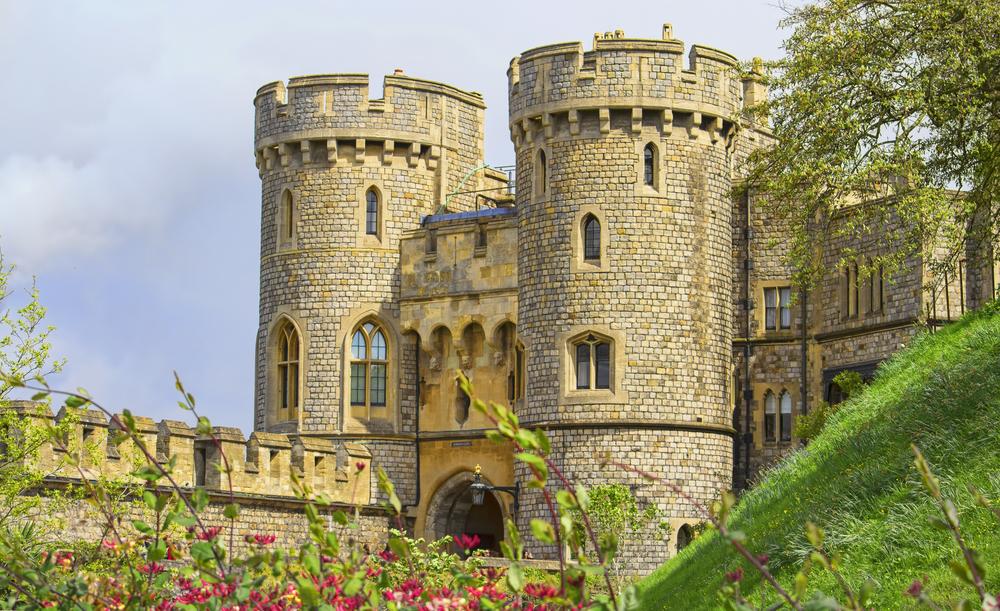
Britain’s oldest royal residence holds escape routes that most people never suspect exist. One such passage, leading out into the streets, remains concealed within the castle to this day. Its entrance is cleverly hidden beneath the carpet in an unassuming office.
These tunnels were built for emergency escapes during times of political unrest or invasion threats. The royal family could disappear from the castle without anyone knowing, emerging safely in the nearby town. Some passages remain active today, known only to security personnel and select palace staff.
Buckingham Palace produces massive carbon emissions despite green initiatives

The Queen’s main residence has an environmental problem that might surprise eco-conscious visitors. The palace currently produces 1,369 tonnes of carbon emissions per year, making it one of the least efficient buildings in London.
Despite renovation efforts to reduce this footprint by 30%, the palace still consumes enormous amounts of energy just for basic operations. The building’s age and size make it incredibly difficult to modernize without destroying its historic character.
Royal officials are working on solutions, but the palace remains an environmental challenge.
The Forbidden City has over 9,000 rooms but many remain unexplored
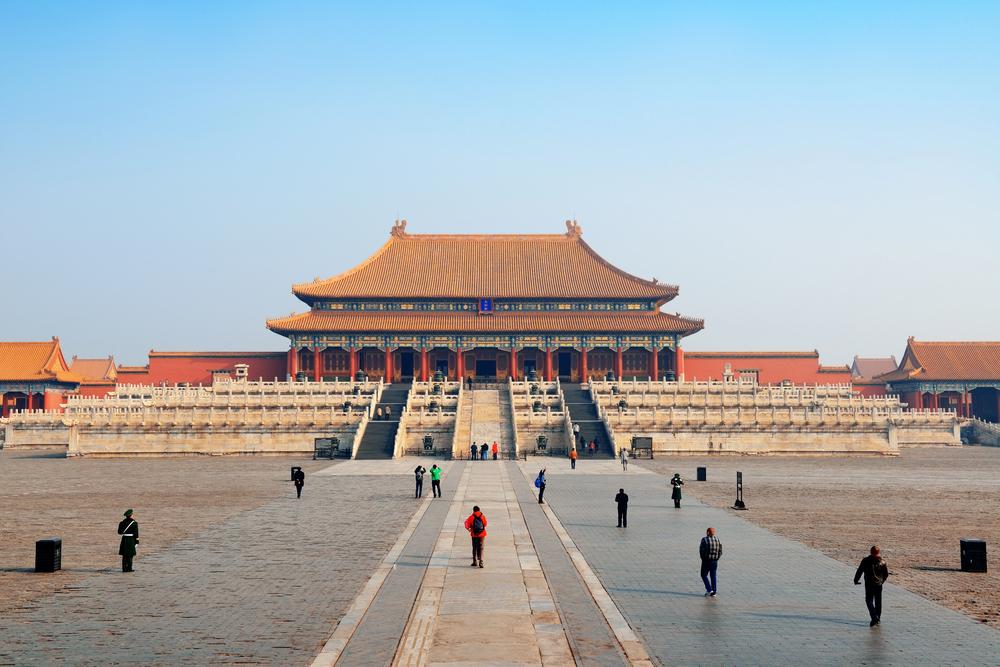
China’s imperial palace complex is so massive that even experts don’t know all its secrets. Over the years, many visitors have marveled at its vastness, its stunning beauty, and the sense of timelessness that pervades the palace.
There are countless legends and stories about the Forbidden City, some of which are based on real events, while others are pure myths. Entire sections remain closed to both tourists and researchers, with rumors of hidden treasures and forgotten chambers.
Some rooms haven’t been opened in decades, their contents remaining a mystery even to Chinese officials. The palace is so large that new discoveries are still being made during routine maintenance work.
Topkapi Palace in Istanbul housed a secret school for future sultans

The Ottoman Empire’s main palace contained an educational system that few people knew about. Young princes lived in hidden quarters where they learned languages, military strategy, and court politics away from public view.
The palace’s harem wasn’t just home to the sultan’s wives, but also served as a training ground for future rulers. These secret education programs produced some of history’s most capable leaders, but also some of its most ruthless.
The system was so secretive that even palace servants didn’t know which young men were being groomed for power.
Alhambra Palace has acoustic tricks built into its walls

This Spanish palace uses architecture to create surprising sound effects throughout its rooms. At present, five palaces can be visited: Mexuar, Comares, Patio de los Leones, Partal and Palacio del Generalife.
This Alhambra Palace known as Mexuar Palace or Maswar, is one of the three Nasrid Palaces in the Alhambra, but what most visitors don’t realize is how the builders designed rooms to carry whispers across great distances. Certain chambers can amplify quiet conversations while others muffle loud discussions, allowing for private communications or eavesdropping.
The Islamic architects who built the palace understood acoustic science better than most people realize. These sound tricks were used for both practical communication and as security measures to detect intruders.
Peterhof Palace in Russia has fountains that work without electricity

The Russian “Versailles” operates its famous water features using a system that seems impossible by today’s standards. Built in the 18th century, the palace’s 150 fountains run entirely on natural water pressure from nearby springs and reservoirs.
The engineering required to make this work across such a large area was incredibly advanced for its time. Even during World War II, when the palace was damaged, the fountain system continued to function perfectly.
Modern engineers still study this system to understand how it works so efficiently without any mechanical pumps.
Schönbrunn Palace keeps a private zoo that’s older than America
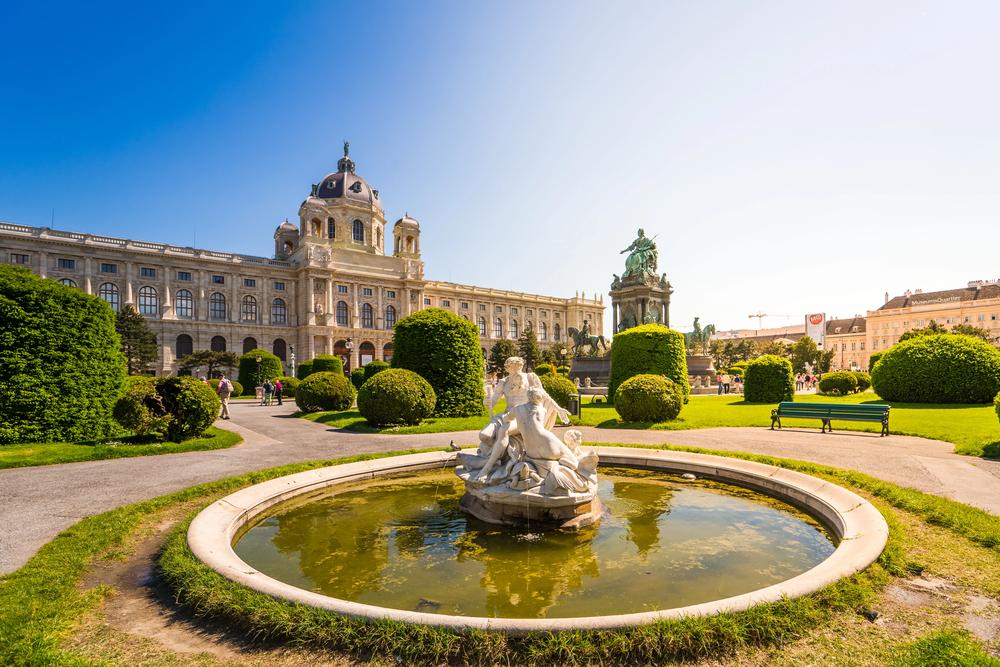
Austria’s imperial palace houses the world’s oldest continuously operating zoo, founded in 1752. The Schönbrunn Zoo started as the private collection of Empress Maria Theresa and has never stopped caring for animals.
What makes it even more surprising is that it began as a breakfast entertainment for the royal family, who ate their meals while watching exotic animals. The zoo survived two world wars, the fall of the Austrian Empire, and countless political changes.
Today it’s still running, making it older than the United States itself.
Catherine Palace has an entire room made of amber that disappeared
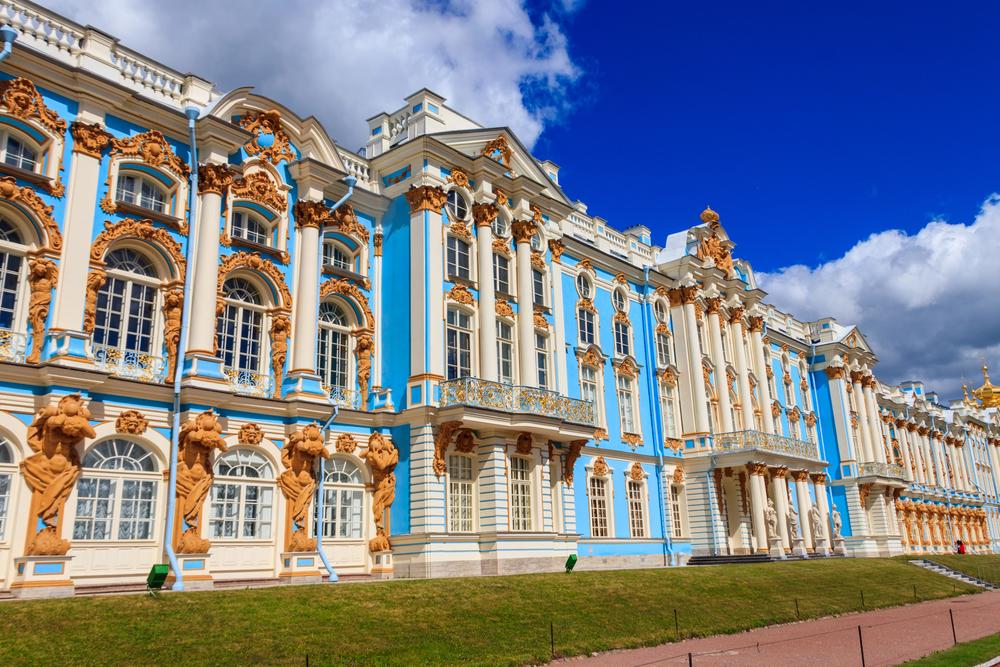
Russia’s most opulent palace once contained a room that was literally priceless, covered floor to ceiling in amber panels. The Amber Room was called the “Eighth Wonder of the World” before it mysteriously vanished during World War II. Nazi forces stripped the room and shipped it to Germany, but it was never seen again despite decades of searching.
The room that stands there today is a complete reconstruction that took 25 years and millions of dollars to complete. The original amber panels, worth hundreds of millions of dollars, remain one of history’s greatest unsolved mysteries.
Pena Palace in Portugal changes colors depending on weather conditions

This Portuguese palace looks like something from a fairy tale, but its colors actually shift throughout the day and seasons. The palace walls were painted with special pigments that react to humidity and temperature changes, creating different shades as weather conditions change.
On sunny days, the yellows and reds appear brighter, while cloudy weather makes the colors more muted and mysterious. The architects deliberately chose these reactive paints to make the palace feel alive and constantly changing.
Most visitors think it’s just their imagination, but the building really does look different each time they see it.
Mysore Palace in India uses more light bulbs than entire cities
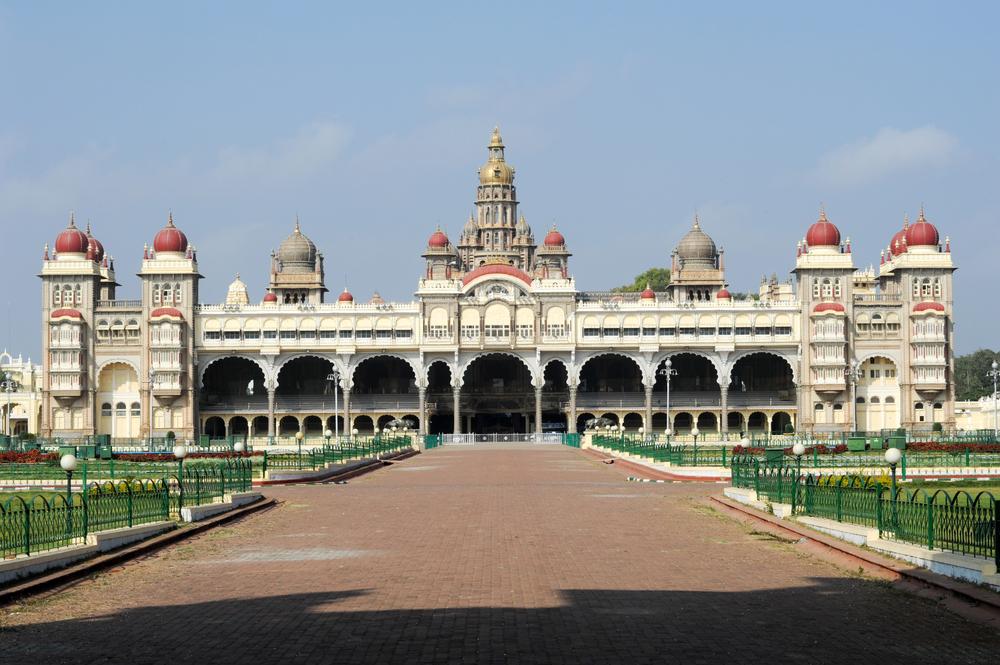
This Indian palace becomes a glowing wonderland during special celebrations, using an incredible 97,000 light bulbs to illuminate its walls and domes. The electrical system was installed in 1912, making it one of the first palaces in the world to use electric lighting on such a massive scale.
During major festivals, the palace consumes more electricity in one evening than some small towns use in a month. The light display is so bright that it can be seen from space during satellite photos.
Each bulb must be individually maintained by a team of electricians who work year-round to keep the system functioning.
Blenheim Palace was built as a thank-you gift from a grateful nation

England’s Blenheim Palace exists because one man won a really important battle and his country wanted to say thanks. Parliament gave the land and money to John Churchill, the first Duke of Marlborough, after he defeated the French at the Battle of Blenheim in 1704.
The entire palace was a national gift, not a family inheritance or personal purchase. What makes this even more interesting is that Winston Churchill was born here 170 years later, continuing the family’s military tradition.
The palace still belongs to the Churchill family today, making it one of the few palaces that remains in private hands rather than becoming a museum.
Potala Palace in Tibet sits on a building that’s mostly underground
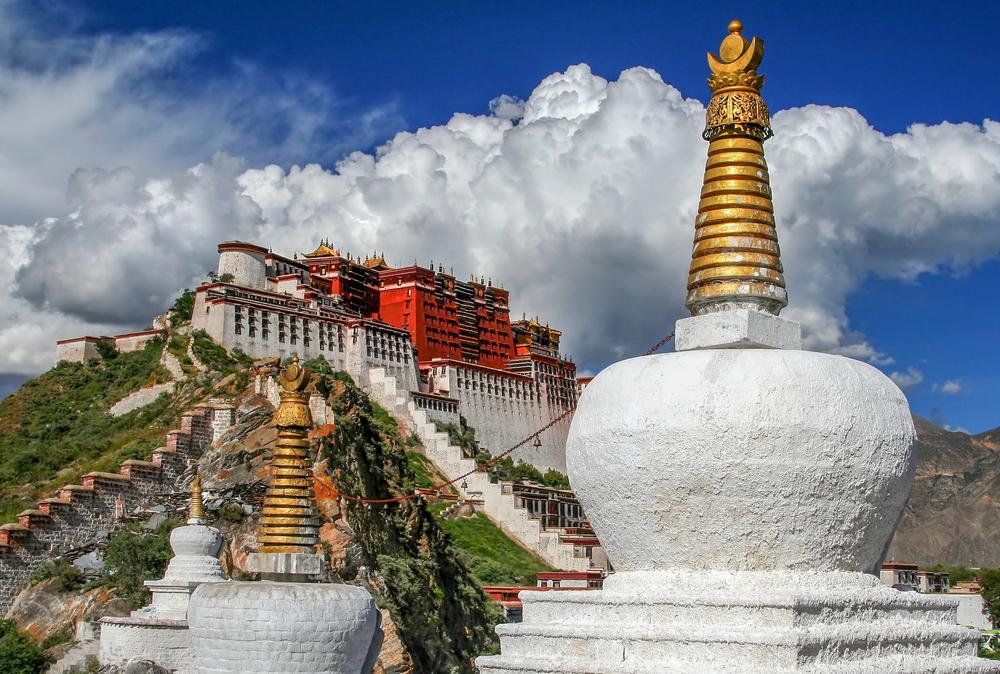
What visitors see of this famous Tibetan palace is just the tip of the iceberg. The Potala Palace appears to be a massive structure rising from the hillside, but most of its rooms and storage areas are actually built into the mountain itself.
Underground chambers stretch deep into the rock, containing treasures, religious artifacts, and living spaces that few people have ever seen. The palace was built this way for both practical and spiritual reasons, connecting the building to the sacred mountain beneath it.
Some of these underground areas remain off-limits even to researchers and government officials.
Château de Chambord in France has a double-spiral staircase designed by Leonardo da Vinci

This French Renaissance palace contains one of history’s most clever architectural puzzles. The famous double-helix staircase allows two people to walk up or down without ever meeting each other, even though they’re using what appears to be the same stairway.
Leonardo da Vinci supposedly designed this engineering wonder, creating two intertwined staircases that spiral around each other independently. The staircase was built for practical reasons, allowing servants and nobles to move through the palace without awkward encounters.
Modern architects still study this design, amazed by how it solves social problems through clever engineering.
Royal Palace of Madrid has more rooms than Buckingham Palace and Versailles combined

Spain’s royal palace is quietly one of the largest in the world, with over 3,400 rooms spread across its massive structure. Most people assume other palaces are bigger, but Madrid’s royal residence actually surpasses even the most famous ones in terms of sheer size.
The palace contains everything from throne rooms to a pharmacy, library, armory, and even its own chapel. What’s most surprising is that the Spanish royal family doesn’t actually live there anymore, preferring a smaller, more modern residence outside the city.
The massive palace now serves mainly for state ceremonies and public tours.
Hearst Castle in California has an indoor Roman pool nobody can use

American newspaper mogul William Randolph Hearst built what might be the most beautiful swimming pool ever created, but it’s been empty for decades. The Neptune Pool outdoors gets all the attention, but the indoor Roman Pool is an architectural masterpiece covered in gold-tinted tiles and surrounded by ancient art.
The pool can’t be used anymore because the building’s structure has shifted over time, and filling it with water would cause serious damage. Visitors can walk around it and admire the craftsmanship, but the pool that once hosted Hollywood celebrities now sits empty and silent.
The irony is that this incredibly expensive pool has probably been empty longer than it was ever filled.
Summer Palace in Beijing floats on an artificial lake
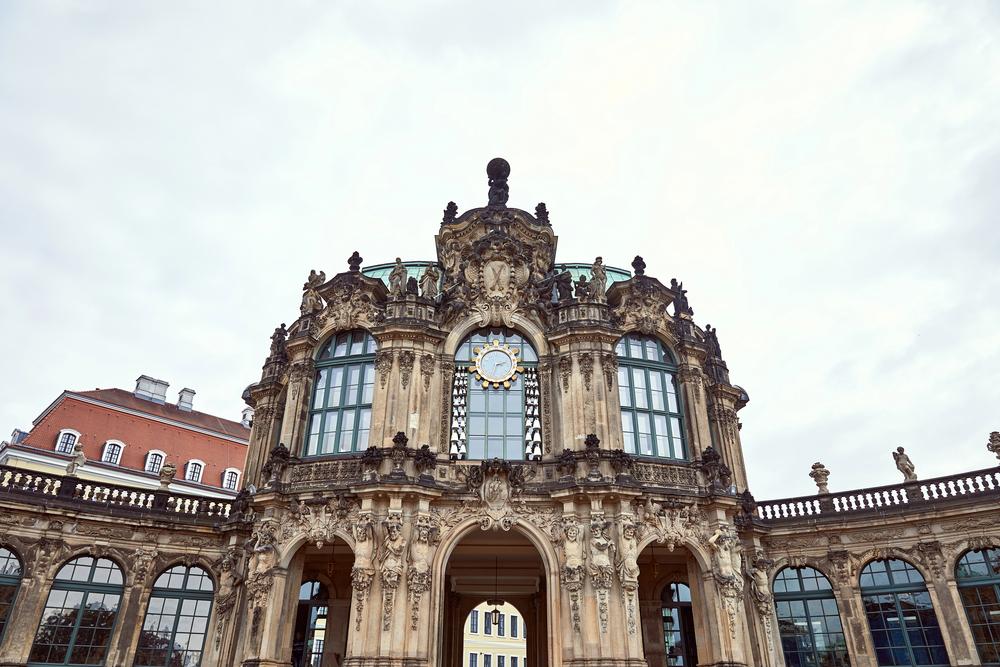
China’s Summer Palace sits on what appears to be a natural lake, but the entire body of water was created by hand over 700 years ago. Thousands of workers dug out the lake bed and used the soil to build artificial hills around the palace grounds. The lake isn’t just decorative – it also serves as a giant cooling system, making the palace more comfortable during Beijing’s hot summers.
Ice was harvested from the lake during winter months to keep food fresh throughout the year. The engineering project was so massive that it took decades to complete and required an entire workforce dedicated just to maintaining the water levels.
From ancient secrets to modern mysteries
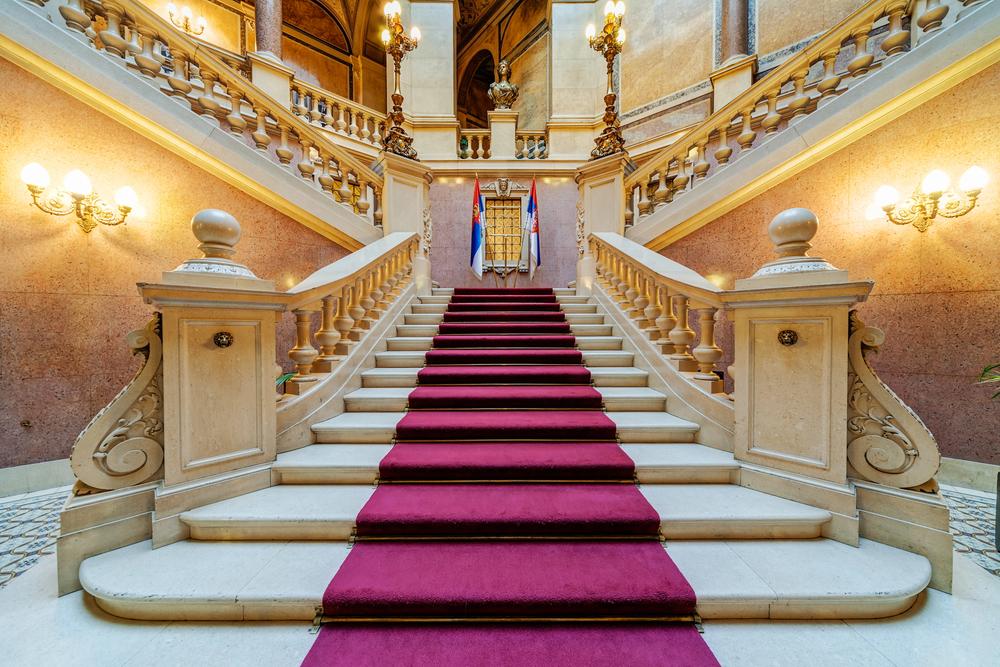
These 18 palaces remind us that royal life was never quite what it seemed from the outside. While common people imagined luxury and comfort behind palace walls, the reality often involved strange smells, hidden dangers, and bizarre architectural choices that solved problems we never knew existed.
Today’s visitors see only the polished, tourist-friendly versions of these buildings, carefully maintained and presented to show their best features. But the real stories – the secret passages, hidden rooms, and surprising engineering solutions – reveal how creative and resourceful people had to be when building homes fit for kings and emperors.
These hidden secrets prove that even the most powerful people in history faced the same basic human needs as everyone else, they just solved them in much more elaborate and expensive ways.
More from Go2Tutors!

- The Romanov Crown Jewels and Their Tragic Fate
- 13 Historical Mysteries That Science Still Can’t Solve
- Famous Hoaxes That Fooled the World for Years
- 15 Child Stars with Tragic Adult Lives
- 16 Famous Jewelry Pieces in History
Like Go2Tutors’s content? Follow us on MSN.



