15 International Foods That Aren’t Actually From the Country You Think
Food has a passport problem. Walk through any city and you’ll find Italian restaurants serving “traditional” dishes that would puzzle someone from Rome, or Chinese takeout places offering menu items that never existed in Beijing.
The stories we tell ourselves about where our favorite foods come from are often more fiction than fact. What makes this particularly fascinating is how confidently wrong we can be.
These aren’t minor details or regional variations — entire cuisines have been misattributed to the wrong continents. Some of the most “authentic” dishes you know were invented in places you’d never expect, by people trying to recreate the tastes of home with whatever ingredients they could find.
French Fries
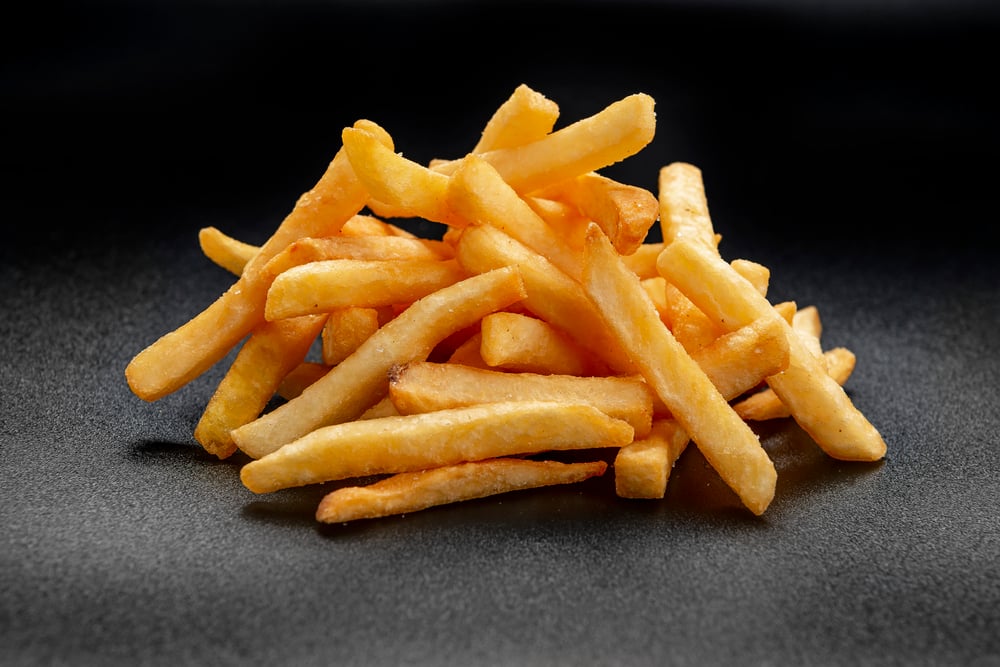
Belgium has been fighting this battle for decades. French fries aren’t French — they’re Belgian, invented in the 17th century when villagers along the Meuse River would fry small fish.
When the river froze over, they cut potatoes into fish-like strips and fried them instead. American soldiers stationed in Belgium during World War I encountered these fried potatoes and called them “French” fries because French was the dominant language in the Belgian army.
The name stuck. Belgium still hasn’t forgiven us.
Chicken Tikka Masala

Britain’s national dish was invented in Britain. Specifically, in a Bangladeshi-owned restaurant in Glasgow in the 1960s, when a customer complained that his chicken tikka was too dry and the chef (Ali Ahmed Aslam, though this is disputed) quickly improvised a creamy tomato sauce to appease him.
The dish became so popular that it spread throughout Britain’s Indian restaurants, and eventually back to India itself — where it’s now served as an “authentic” curry. Which is saying something about how food traditions actually work versus how we think they work.
Caesar Salad

Mexico, not Italy, gave birth to this salad (and the Italian immigrant who invented it would probably correct anyone who assumed otherwise). Caesar Cardini created it at his restaurant in Tijuana in 1924, during Prohibition, when Americans would cross the border for drinks and discovered his tableside preparation of romaine lettuce, parmesan, croutons, and that particular anchovy-laced dressing.
The performance was half the appeal — Cardini would toss the salad dramatically in front of diners. So while the name suggests Roman origins, this salad has always been about the theater of Mexican-Italian fusion and American excess.
Chop Suey

American Chinese restaurants are full of dishes that don’t exist in China, but chop suey might be the most famous imposter. Created in California during the Gold Rush era, it was Chinese immigrants’ attempt to feed American palates with familiar ingredients — basically, whatever vegetables and meat scraps were available, stir-fried and served over rice.
The name translates roughly to “assorted pieces,” which is honest enough. But generations of Americans grew up thinking this was authentic Chinese cuisine.
Even now, you’ll find tourists in Beijing asking for chop suey and getting blank stares from servers.
Fortune Cookies

Japan, by way of California. These crispy afterthoughts that end every American Chinese meal were actually based on Japanese tsujiura senbei — fortune crackers sold at temples and tea houses.
Japanese immigrants brought the concept to California, where Chinese restaurant owners adopted them in the early 20th century. And yet (here’s where food history gets wonderfully strange): fortune cookies never caught on in China until American tourists kept asking for them, so some restaurants started importing them from America to satisfy expectations.
The circle completes itself in the most backwards way possible.
Spaghetti and Meatballs

Italy serves pasta with many things, but giant meatballs isn’t traditionally one of them. Italian-American immigrants created this dish in New York’s Little Italy, where meat was more affordable and abundant than it had been back home, and where the portions needed to satisfy American appetites (and work schedules) were much larger than the delicate primi piatti of their homeland.
In Italy, meatballs — polpette — are usually served as a separate course, and they’re typically much smaller. The spaghetti-and-meatballs combination that defines “Italian” food for many Americans would be considered as authentically Italian as putting pineapple on pizza.
Fajitas

Texas, not Mexico. Ranch cook Sonny Falcon started grilling skirt steak — the throwaway cut that Mexican ranch hands were often given as part of their wages — and serving it with tortillas at outdoor festivals in the 1960s.
The sizzling presentation and DIY assembly made it perfect for American restaurants. Mexican cuisine has plenty of grilled meat dishes, but the fajita as we know it (complete with the dramatic sizzling platter delivery) is a Tex-Mex invention.
The word “fajita” does come from Spanish — it means “little belt,” referring to the cut of meat — but the dish itself was born north of the Rio Grande.
General Tso’s Chicken

Hunan Province has never heard of General Tso’s chicken, despite the dish supposedly honoring a 19th-century Hunanese military leader. Chef Peng Chang-kuei invented it in Taiwan in the 1950s, then brought it to New York in the 1970s, where it became the most popular dish at Chinese-American restaurants.
The real General Tso — Zuo Zongtang — was known for military campaigns, not culinary preferences. But the sweet, crispy chicken dish bearing his name has become so embedded in American-Chinese cuisine that it’s probably more famous than the actual historical figure it claims to honor.
Nachos
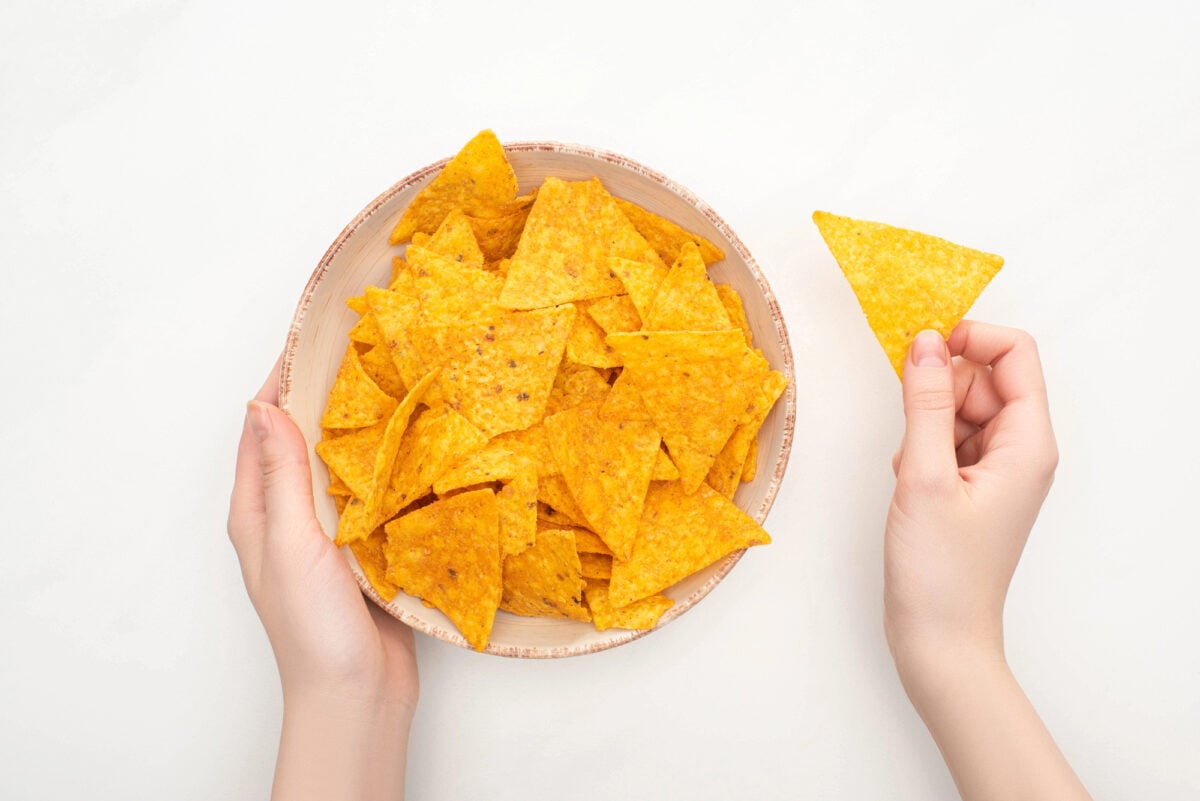
The border creates its own cuisine, and nachos are a perfect example — invented in 1943 at a restaurant called the Victory Club in Piedras Negras, Mexico, just across from Eagle Pass, Texas. Ignacio “Nacho” Anaya created them when a group of American military wives arrived after closing time, and he improvised with what was left in the kitchen: tortilla chips, cheese, and jalapeños.
But here’s what makes this story particularly interesting: Anaya created the dish specifically for American customers, using ingredients and proportions that would appeal to their tastes rather than following any traditional Mexican recipe. It was fusion from the very first bite.
Vichyssoise

This cold potato and leek soup sounds unmistakably French — the name refers to Vichy, the French spa town — but it was invented at the Ritz-Carlton in New York in 1917 by chef Louis Diat. He based it on a hot leek and potato soup his grandmother made in France, but served it cold to appeal to wealthy New Yorkers during the summer.
The soup became so associated with French cuisine that it appeared on menus across France, where it was marketed to tourists as a “traditional” dish. Sometimes a dish becomes so convincing in its cultural costume that even its supposed homeland adopts it as authentic.
Chimichanga

Arizona takes credit for this deep-fried burrito, though the exact origin story varies depending on which restaurant you ask. The most popular version involves El Charro Café in Tucson, where founder Monica Flin accidentally dropped a burrito into hot oil in 1922 and decided to serve it anyway.
The name itself is likely a euphemism — a polite way of saying something you can’t print in a family newspaper when you drop food in hot grease. But the dish caught on throughout the American Southwest and is now served in Mexican restaurants everywhere, despite being unknown in Mexico itself.
Crab Rangoon

These deep-fried wontons filled with cream cheese and imitation crab were invented at Trader Vic’s in San Francisco in the 1950s. The name suggests Southeast Asian origins, but Myanmar (formerly Burma, where Rangoon was located) has no tradition of frying cream cheese in wonton wrappers.
Victor Bergeron created them as part of his “Polynesian” menu, during the mid-century American fascination with exotic tropical foods. The fact that cream cheese wasn’t used in traditional Asian cooking didn’t stop him from marketing them as authentically Eastern.
They became a staple of American Chinese restaurants despite having no connection to any actual Asian cuisine.
Mongolian Beef

Taiwan invented this dish in the 1950s, and Mongolia had nothing to do with it. The stir-fried beef with scallions and onions was created by Chinese immigrants who had fled to Taiwan, where they opened restaurants serving food from various regions of mainland China — including some dishes they simply made up and attributed to distant provinces.
Mongolia’s traditional cuisine centers around dairy products and mutton, not the soy-sauce-based stir-fries served in American Chinese restaurants. The “Mongolian” in Mongolian beef is pure marketing, designed to make the dish sound exotic and geographically authentic to American diners who wouldn’t know the difference.
Beef Stroganoff

This creamy beef dish is Russian, but not in the way most people assume. While it was indeed named after a Russian noble family, the version served in most American and European restaurants was actually codified by French chefs working in Russia during the 19th century, then popularized in the United States by Russian immigrants and American cookbooks that simplified it further.
The dish evolved so much in its journey westward that what you’ll find in an American kitchen — ground beef in cream sauce over egg noodles — bears little resemblance to the elegant sautéed beef strips in sour cream that graced aristocratic Russian tables. But the name carries all that imperial Russian gravitas.
Irish Coffee

This coffee-and-whiskey combination was invented in 1943 at Foynes Airport in Ireland, but not for Irish customers. Chef Joe Sheridan created it specifically for American passengers whose flight had been delayed due to bad weather, adding Irish whiskey to their coffee to warm them up and topping it with cream.
The drink became popular in America when travel writer Stanton Delaplane brought the recipe to San Francisco’s Buena Vista Café, where it became a sensation. So while Irish coffee is technically Irish, it was invented by an Irishman specifically to please American palates, then exported back as a symbol of Irish hospitality.
Where Stories Stick
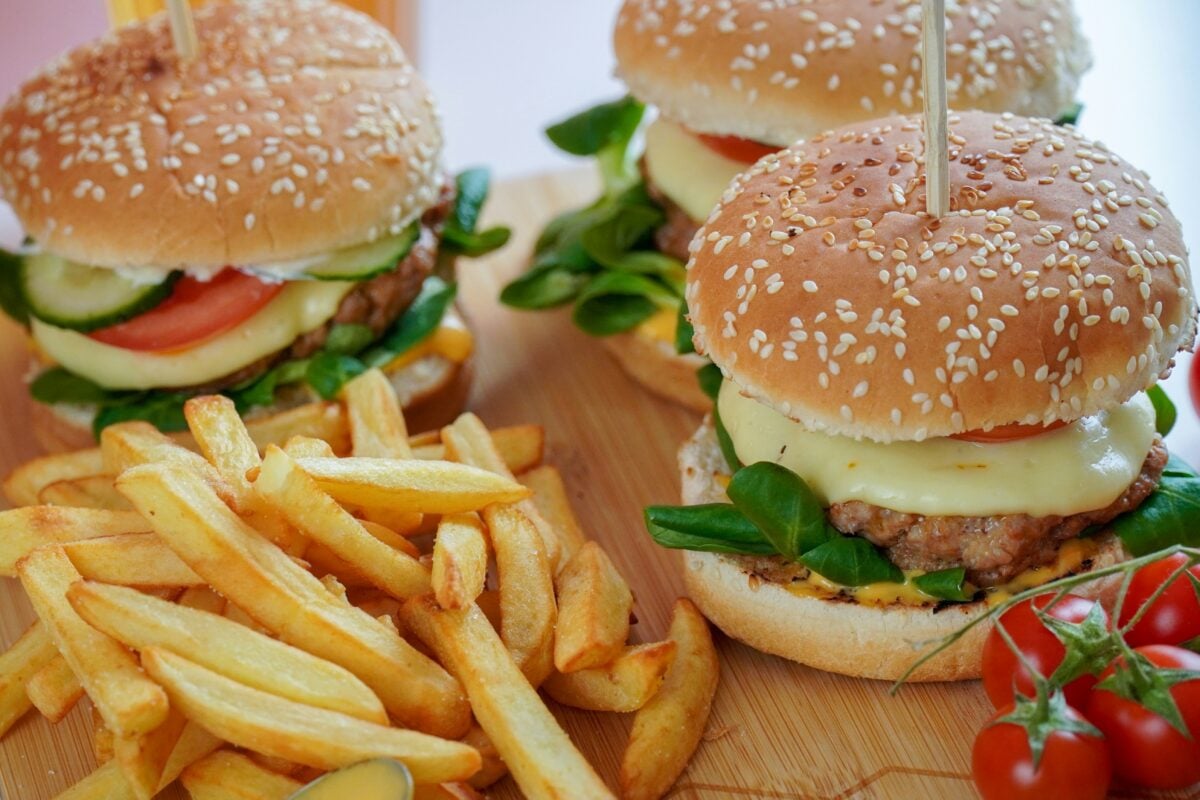
Food doesn’t respect borders the way we think it should. These dishes exist in the spaces between cultures — created by immigrants adapting to new ingredients, chefs improvising for unexpected customers, or entrepreneurs inventing traditions that never existed.
What makes them fascinating isn’t their deception, but how quickly we accept the stories they tell. The real truth is messier and more interesting than the mythology.
These foods are authentic to the experience of cultural mixing, of making do with what’s available, of creating something new while claiming something old. They’re exactly as real as the communities that created them, and exactly as traditional as any dish needs to be once people start making it with love.
More from Go2Tutors!

- The Romanov Crown Jewels and Their Tragic Fate
- 13 Historical Mysteries That Science Still Can’t Solve
- Famous Hoaxes That Fooled the World for Years
- 15 Child Stars with Tragic Adult Lives
- 16 Famous Jewelry Pieces in History
Like Go2Tutors’s content? Follow us on MSN.