18 Farming Tricks We Don’t Use Anymore
Over the past century, farming has undergone significant change. Modern machinery, chemical solutions, and scientific methods have replaced what once required ingenious workarounds, traditional knowledge, and a great deal of manual labor.
Many of the old-school techniques were creative solutions derived from necessity and generations of trial and error, even though modern methods are frequently more efficient. Before the era of industrial agriculture, human ingenuity was demonstrated by these lost farming techniques.
These 18 farming methods were once widely used but are now mostly nonexistent on contemporary farms.
Hand-Milking Cows
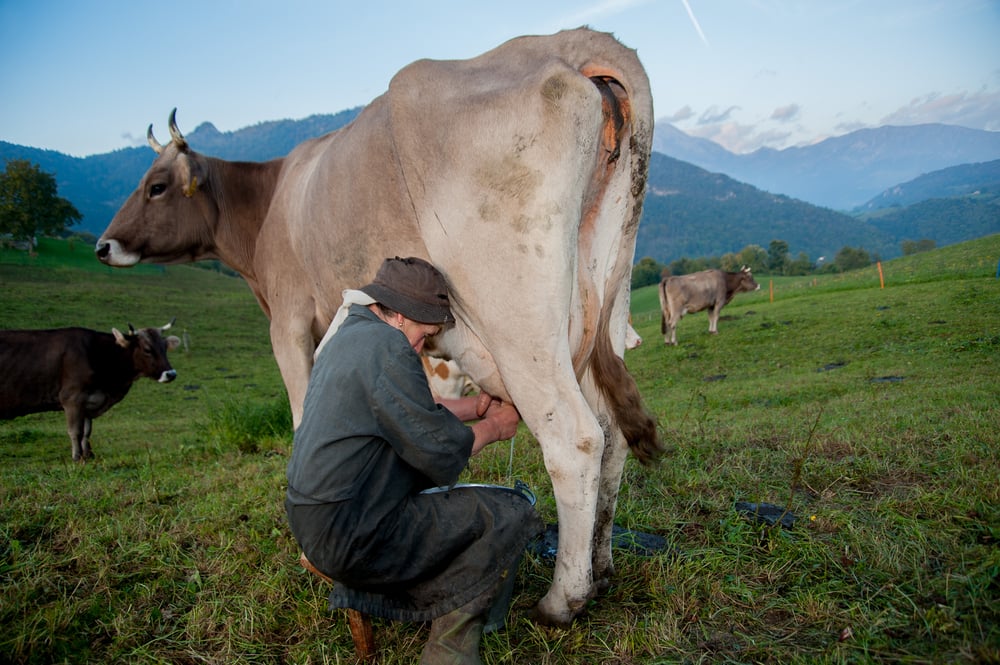
Before milking machines became standard, farmers had to milk every cow by hand twice a day. This required developing a rhythm and technique that could extract milk efficiently without stressing the animal.
Good milkers could finish a cow in about five minutes, but it meant hours of work for larger herds. The practice also required building a personal relationship with each cow, as stressed or unfamiliar animals would often hold back their milk.
Using Draft Animals for Everything

Horses, oxen, and mules were the engines of agriculture for thousands of years. These animals could plow fields, harvest crops, and transport goods with remarkable efficiency when properly trained.
Farmers had to understand animal behavior, maintain harnesses and equipment, and coordinate multiple animals for larger tasks. The relationship between farmer and draft animal was partnership-based, requiring mutual respect and understanding that took years to develop.
Companion Planting Without Science
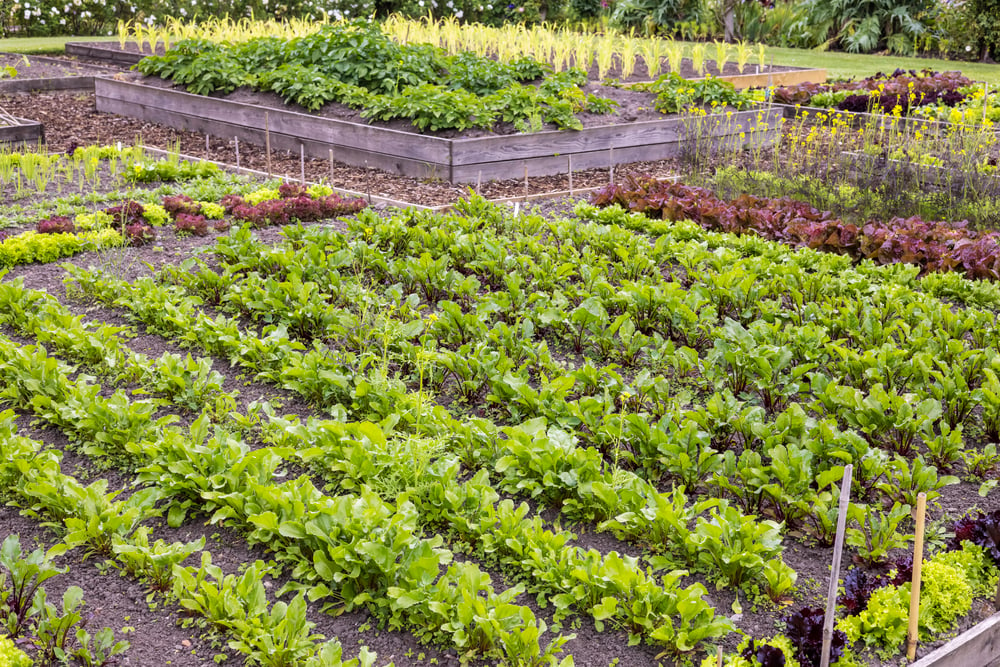
Long before scientists understood the biochemical reasons, farmers knew certain plants grew better together. They planted corn, beans, and squash together in what Native Americans called the ‘Three Sisters’ method.
The corn provided a natural trellis for beans, which fixed nitrogen in the soil for the corn and squash. This intuitive understanding of plant relationships was passed down through generations and varied by region.
Natural Pest Control Methods

Farmers once relied on clever tricks to manage pests without chemicals. They planted marigolds around vegetable gardens to repel harmful insects, used companion herbs like basil and mint to confuse pest navigation, and encouraged beneficial predators like birds and spiders.
Some farmers even hung bars of strong-smelling soap in fruit trees to deter deer and other animals from eating the crops.
Reading Weather Signs

Before reliable weather forecasts, farmers became expert observers of natural signs. They watched cloud formations, wind patterns, and animal behavior to predict weather changes.
Red sunsets meant clear weather the next day, while rings around the moon indicated approaching storms. Farmers also tracked seasonal patterns like the timing of bird migrations and the behavior of insects to plan their planting and harvesting schedules.
Crop Rotation Without Fertilizers
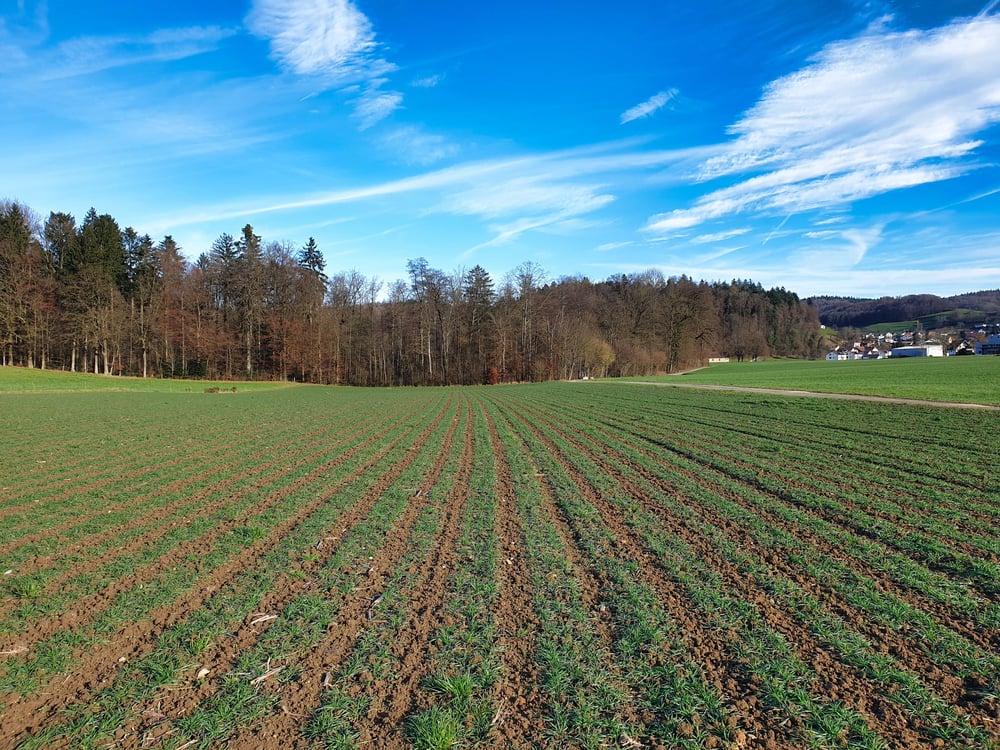
Traditional farmers practiced complex crop rotation systems that naturally maintained soil health. They alternated between crops that depleted soil nutrients and those that restored them, often including a year of letting fields lie fallow.
Legumes like clover and alfalfa were planted to fix nitrogen, while deep-rooted crops helped break up compacted soil. This system required planning years in advance and understanding how different crops affected soil composition.
Seed Saving and Selection
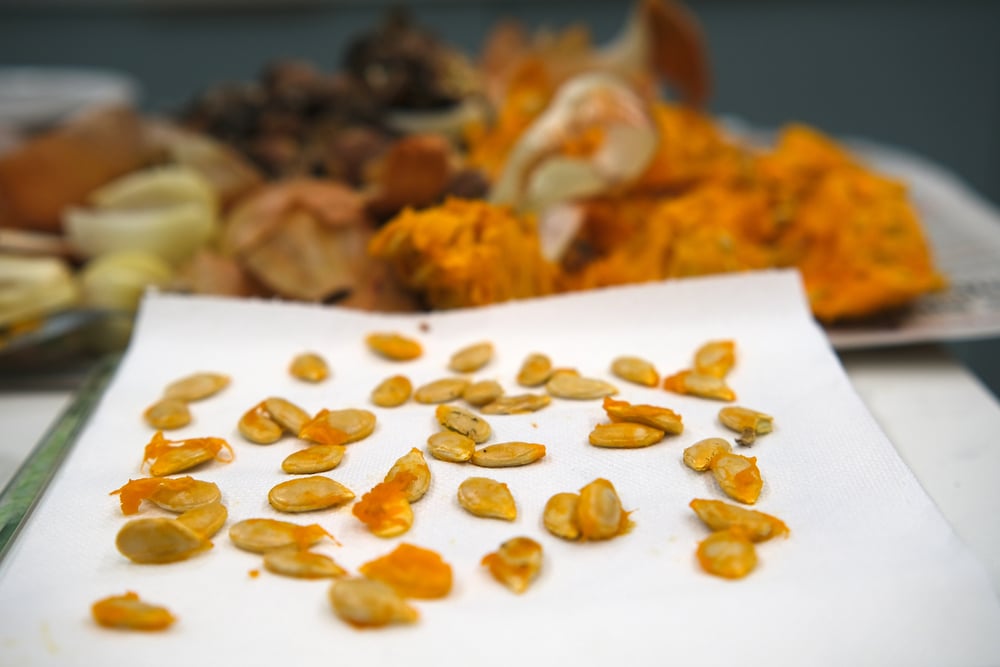
Every farmer was also a plant breeder, carefully selecting the best seeds from each harvest for the next year’s planting. They chose seeds from the most productive plants, those that showed disease resistance, or varieties that performed well in local conditions.
This practice gradually improved crop performance over time and created locally adapted varieties that were perfectly suited to specific climates and soil conditions.
Manual Threshing Techniques
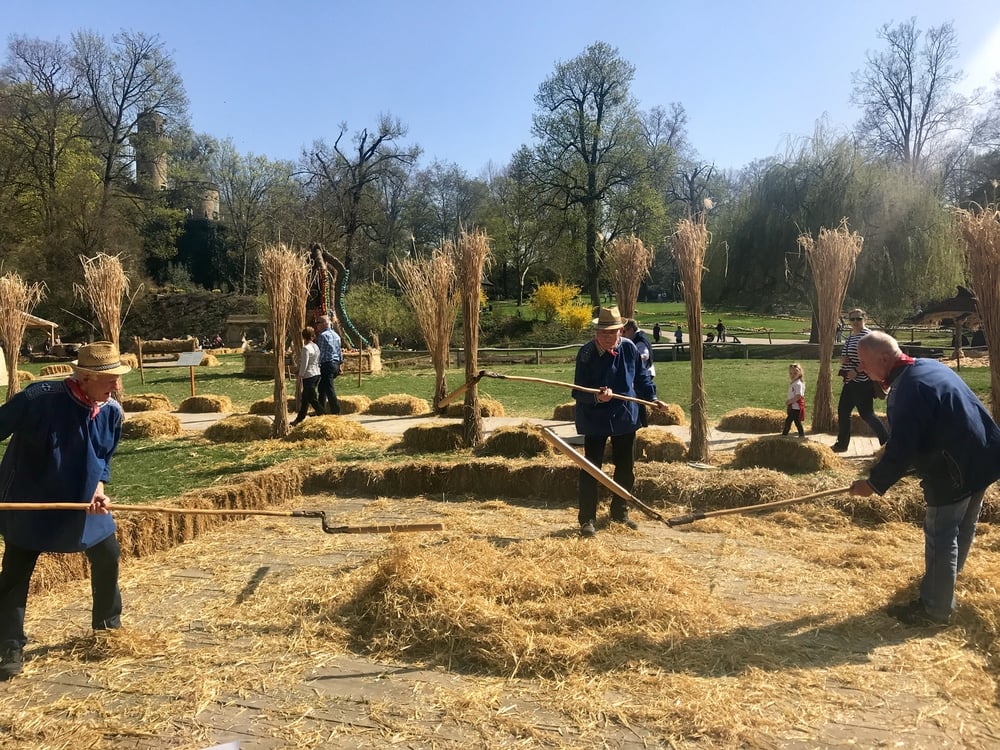
Before combining harvesters, separating grain from stalks required intensive manual labor and clever techniques. Farmers used flails to beat grain crops, or had animals trample the harvested plants to separate the seeds.
They then used winnowing baskets and the natural wind to separate the grain from the chaff, tossing the mixture into the air so the heavier seeds fell while the lighter chaff blew away.
Ice Houses for Food Storage
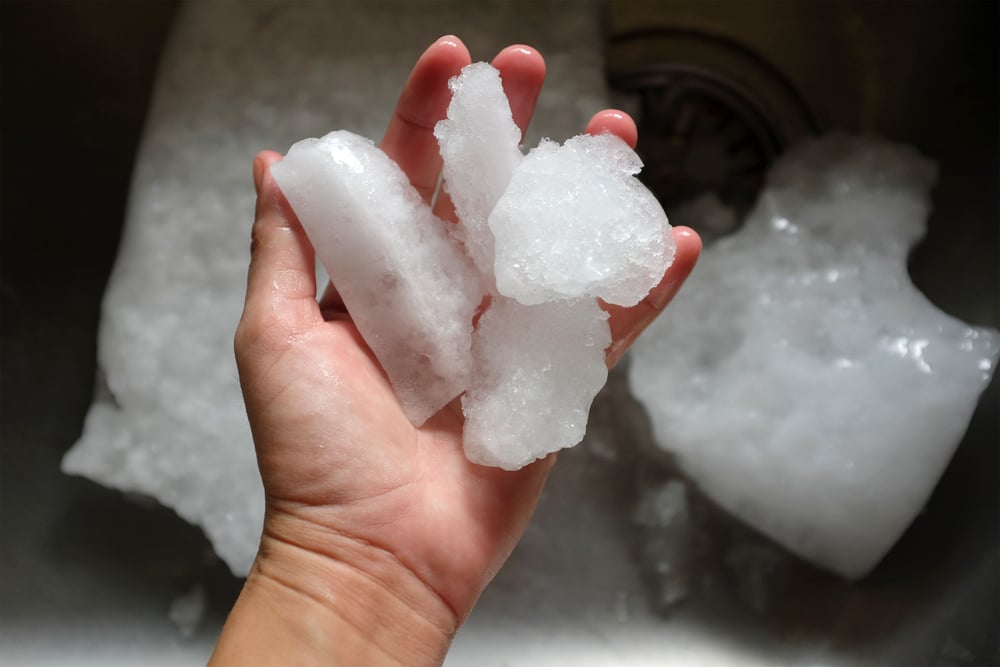
Long before refrigeration, farmers built ice houses to preserve food year-round. They cut blocks of ice from frozen ponds and lakes during winter, then stored them in insulated buildings packed with sawdust or straw.
This ice could last well into summer, allowing farmers to preserve meat, dairy products, and other perishables. The ice house was often the most valuable building on a farm after the house and barn.
Terracing Steep Slopes

Farmers on hilly terrain carved terraces into slopes to prevent erosion and create flat planting areas. These step-like structures caught rainwater and prevented valuable topsoil from washing away during heavy rains.
Building terraces required understanding water flow patterns and soil composition, plus enormous amounts of manual labor to move earth and build retaining walls. Many ancient terraces are still visible today, testament to their effectiveness.
Using Scarecrows and Noise Makers
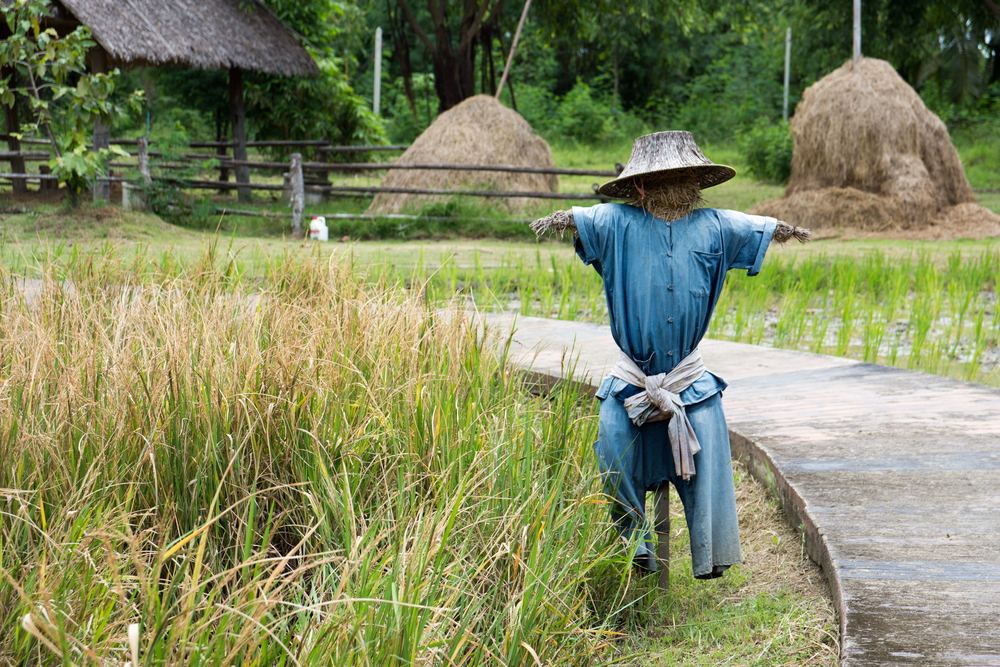
Before modern bird control methods, farmers created elaborate scarecrows and noise-making devices to protect their crops. They dressed scarecrows in old clothes and moved them regularly so birds wouldn’t get used to them.
Some farmers hung pie tins or pieces of metal that would clang in the wind, while others used wind-powered devices that created movement and sound. The most effective scarecrows were those that incorporated multiple senses and were changed frequently.
Flood Irrigation Systems
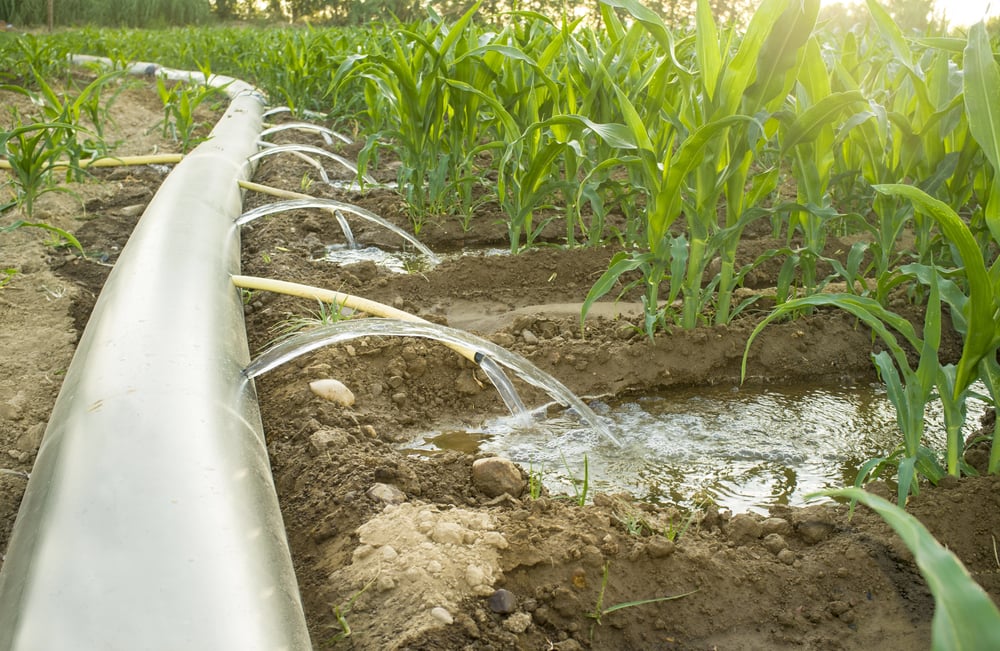
In areas without modern irrigation, farmers developed sophisticated flood irrigation systems using gravity and careful land grading. They built channels and gates to direct water from rivers or springs across their fields in a controlled manner.
This required understanding water flow, soil absorption rates, and precise timing to ensure crops got enough water without being damaged. The technique was especially important in arid regions where every drop of water was precious.
Preserving Food Without Refrigeration

Farmers developed numerous techniques for preserving food without modern refrigeration. They smoked meats in special houses, packed vegetables in sand or sawdust, and used salt curing for fish and pork.
Root cellars were dug into hillsides to maintain cool, stable temperatures for storing potatoes, apples, and other produce. These methods required understanding the science of food preservation and careful attention to temperature and humidity levels.
Making Natural Fertilizers
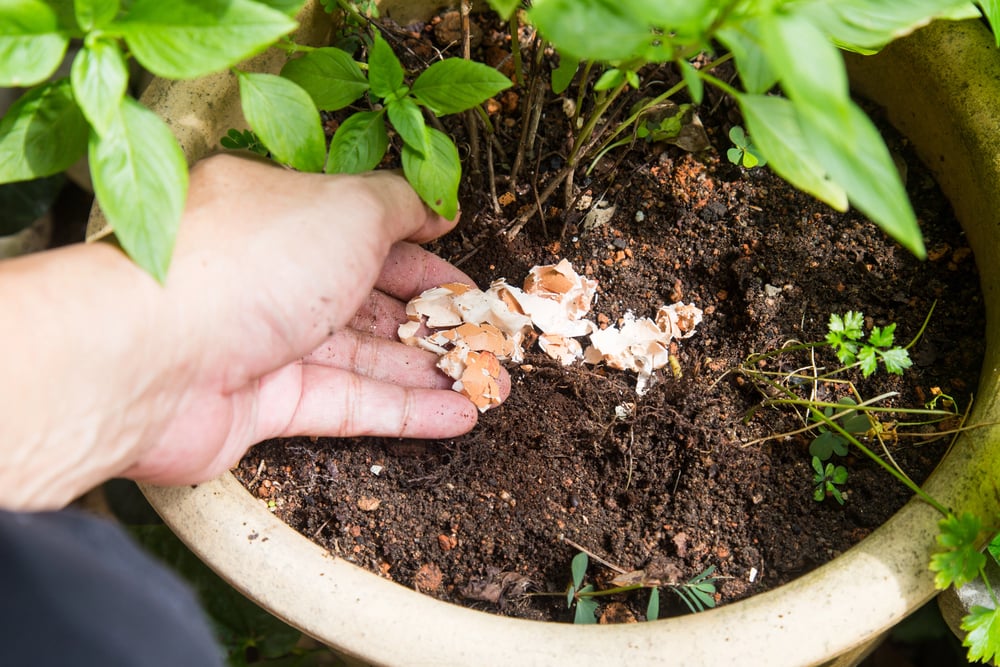
Before commercial fertilizers, farmers created their own soil amendments using available materials. They composted kitchen scraps, animal manure, and plant materials to create rich soil amendments.
Fish scraps were often buried around plants, and wood ash from fireplaces provided potassium. Green manure crops like buckwheat were grown specifically to be tilled back into the soil to add organic matter and nutrients.
Predicting Plant Diseases
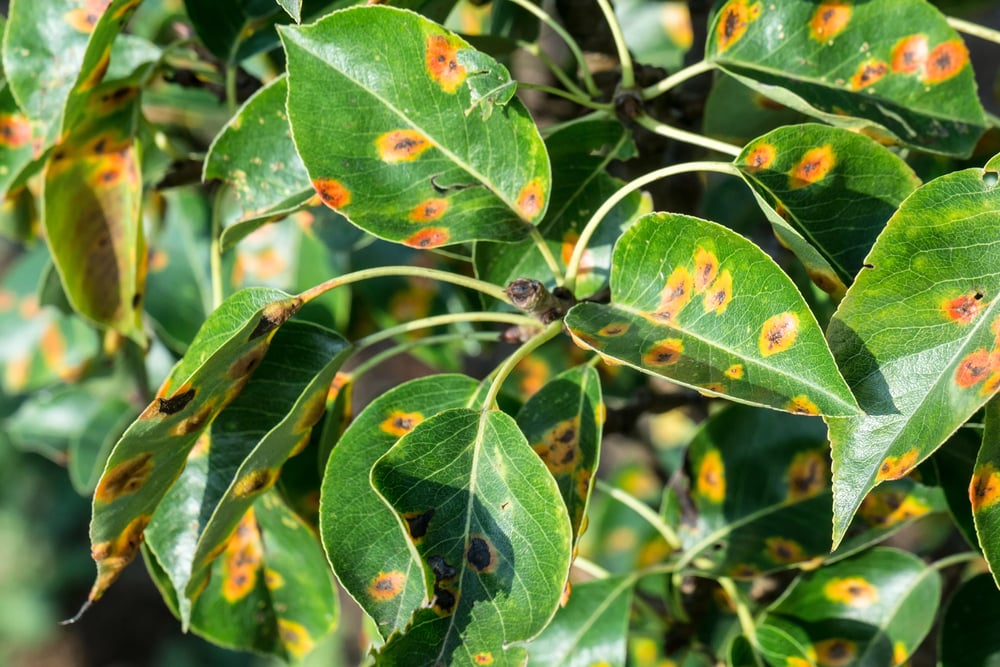
Experienced farmers could spot the early signs of plant diseases and take preventive action before problems spread. They recognized subtle changes in leaf color, growth patterns, or plant behavior that indicated trouble.
This skill required years of observation and understanding of how different diseases affected plants. Farmers also knew which weather conditions promoted disease and would adjust their practices accordingly.
Building Stone Walls

In areas with rocky soil, farmers turned the obstacle into an advantage by building stone walls to mark property boundaries and contain livestock. These walls were built without mortar, using careful stone selection and placement to create stable structures that could last for centuries.
The technique required understanding stone properties, weight distribution, and how freeze-thaw cycles would affect the construction. Many of these walls still stand today as monuments to this lost skill.
Timing by Moon Phases

Many farmers planted and harvested according to lunar cycles, believing that moon phases affected plant growth and soil conditions. They planted leafy crops during the waxing moon when energy was thought to flow upward, and root crops during the waning moon when energy moved downward.
While modern science questions these beliefs, some farmers still swear by lunar timing and claim it improves crop yields and quality.
Using Farm Dogs for Multiple Tasks
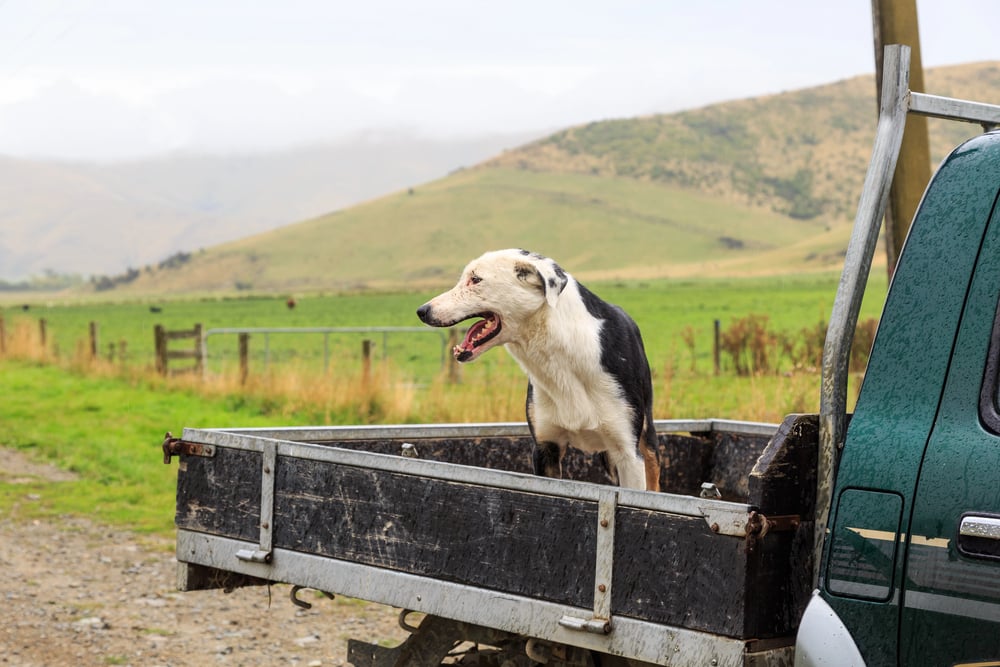
Farm dogs were trained to perform numerous specialized tasks beyond just companionship. They herded livestock, protected crops from wild animals, and even helped with hunting to supplement the family’s food supply.
Different breeds were developed for specific farm tasks, and training these dogs required understanding animal psychology and behavior. A well-trained farm dog was worth its weight in gold and could replace several human workers for certain tasks.
The Thread That Connects Yesterday and Today
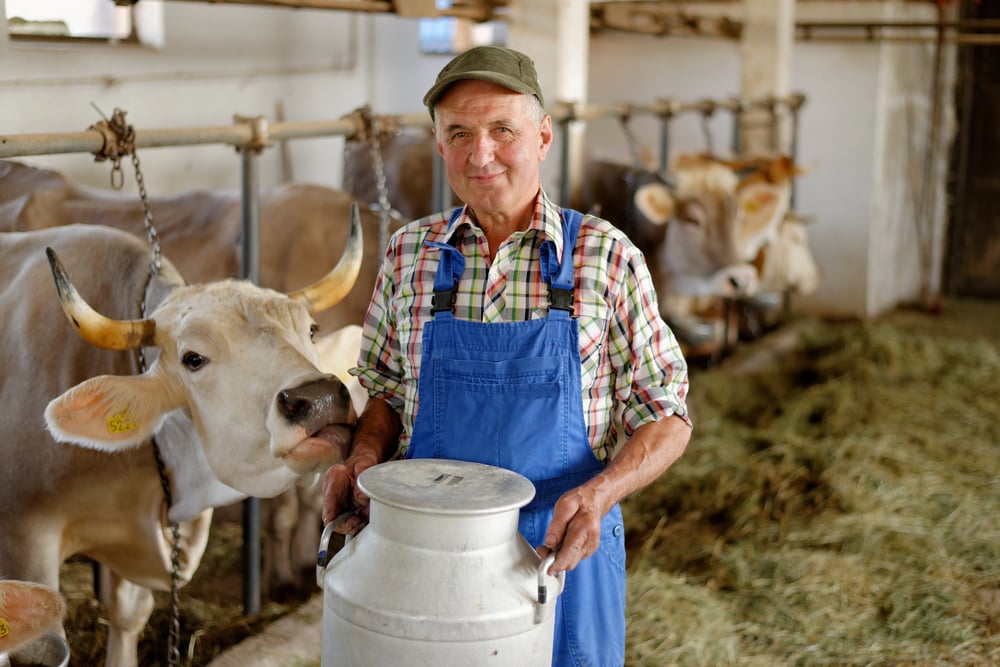
These forgotten farming techniques represent thousands of years of human ingenuity and adaptation. While modern agriculture has largely abandoned these methods in favor of efficiency and scale, many of these old practices contained wisdom that we’re only now beginning to understand scientifically.
Today’s sustainable farming movement is rediscovering some of these traditional techniques, recognizing that our ancestors developed solutions that worked with nature rather than against it. The knowledge may be old, but the principles behind these farming tricks remain as relevant as ever.
More from Go2Tutors!

- The Romanov Crown Jewels and Their Tragic Fate
- 13 Historical Mysteries That Science Still Can’t Solve
- Famous Hoaxes That Fooled the World for Years
- 15 Child Stars with Tragic Adult Lives
- 16 Famous Jewelry Pieces in History
Like Go2Tutors’s content? Follow us on MSN..