18 Facts About Mount Everest
Mount Everest captures our imagination like no other place on Earth. Standing at the roof of the world, this massive peak has drawn adventurers, scientists, and dreamers for over a century.
From its ancient geological origins to modern-day climbing controversies, Everest continues to reveal fascinating secrets about our planet and the people who dare to challenge its summit. The mountain’s story stretches far beyond just being the tallest point on Earth.
Here is a list of 18 remarkable facts about Mount Everest that showcase why this peak remains one of the most captivating places on our planet.
It’s Actually Getting Taller Every Year

Mount Everest grows about a quarter-inch taller annually due to the ongoing collision between the Indian and Eurasian tectonic plates. This same geological force that created the mountain 50 to 60 million years ago continues pushing the summit skyward today.
The relentless pressure from these massive continental plates means Everest won’t stop growing anytime soon.
The Mountain Has Two Official Heights

In 2020, China and Nepal jointly declared Everest’s official height as 29,031.69 feet (8,848.86 meters), measuring to the snow-covered summit. However, there’s also a ‘rock height’ of 28,838.58 feet (8,844.43 meters) that measures just the geological peak without snow or ice.
Think of it like measuring a person with and without their hat on.
It Wasn’t Always Called Everest

Local people knew this mountain long before Western explorers arrived. Tibetans call it Chomolungma, meaning ‘Goddess Mother of the World,’ while the Nepali name Sagarmatha translates to ‘Peak of Heaven.’ The British named it after Sir George Everest in 1865, even though he never actually saw the mountain and his name is pronounced ‘Eve-rest,’ not ‘Ever-est.’
Marine Fossils Live at the Summit
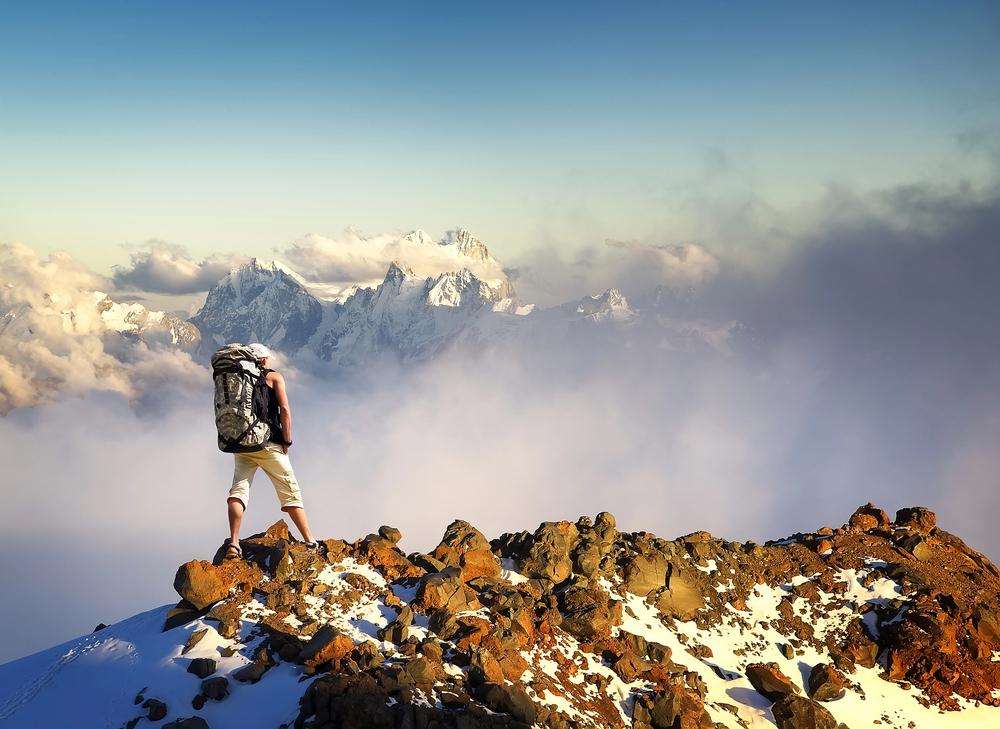
The limestone rocks at Everest’s peak contain fossils of ancient sea creatures that lived 450 million years ago. This proves the mountain was once beneath an ancient ocean called the Tethys Sea.
It’s mind-boggling to think that tiny marine organisms now rest at the highest point on Earth, carried there by the planet’s most powerful geological forces.
The Death Zone Starts at 26,247 Feet

Above 26,247 feet (8,000 meters), the human body literally begins dying due to lack of oxygen. This region, known as the ‘death zone,’ has only about one-third of the oxygen available at sea level.
Climbers can only survive here for a limited time before their organs start shutting down, which is why most summit attempts happen quickly through this area.
Two Main Routes Lead to the Top

Almost everyone climbing Everest uses either the Southeast Ridge from Nepal or the North Ridge from Tibet. The Nepal route, pioneered by Hillary and Norgay in 1953, involves the dangerous Khumbu Icefall but offers quicker descent options.
The Tibet route allows vehicles to drive nearly to base camp but requires traversing several miles above 27,000 feet.
The First Summit Happened on May 29, 1953
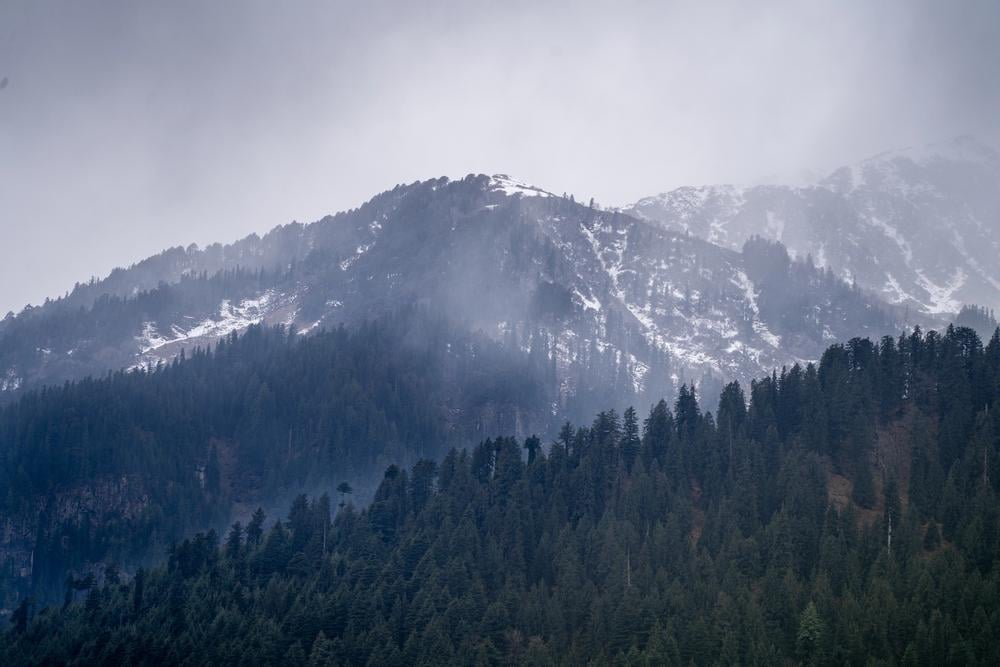
New Zealander Edmund Hillary and Nepali Sherpa Tenzing Norgay became the first confirmed climbers to reach Everest’s summit. They spent only 15 minutes at the top before beginning their descent.
Their achievement came after 10 major expeditions had failed over 32 years, including the mysterious disappearance of George Mallory and Andrew Irvine in 1924.
Climbing Season Lasts Only a Few Weeks

Everest can only be climbed safely during two brief windows each year. The main season runs from late April to early June, just before the monsoon brings dangerous snow conditions.
A shorter autumn window sometimes opens in September, but harsh winter storms make climbing virtually impossible from October through March.
It Costs More Than Most People’s Houses

A guided Everest expedition typically costs between $40,000 and $100,000 per person. This includes permits (Nepal charges $11,000 just for the climbing permit), guides, equipment, food, and logistics.
The Nepali government collected over $5.2 million in permit fees alone in 2018, making Everest big business for the region.
Sherpas Are the Real Heroes
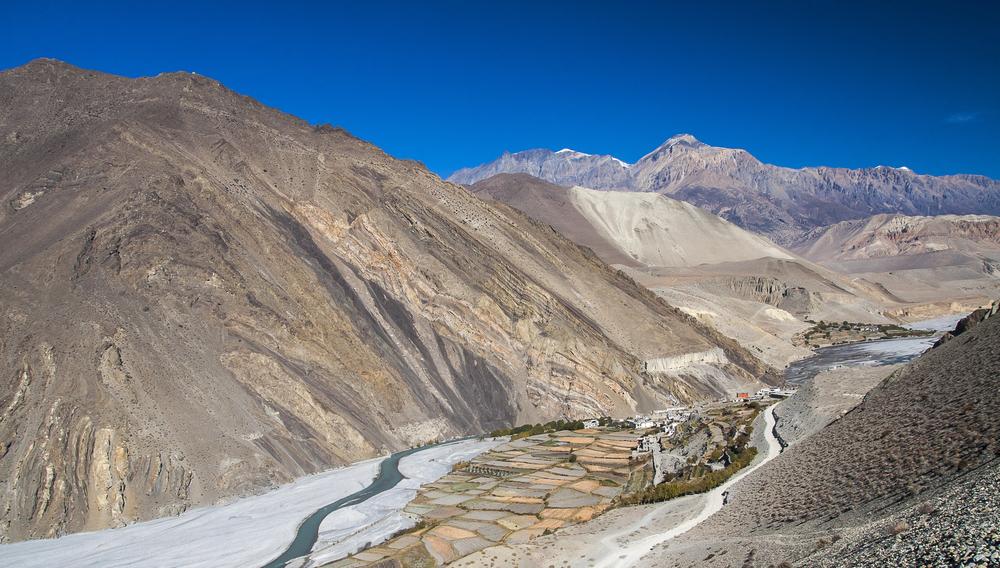
The Sherpa people, an ethnic group native to the region, make most Everest climbs possible through their expertise and physical conditioning. They fix ropes, carry supplies, set up camps, and guide climbers safely up and down the mountain.
Living at high altitude year-round gives them a natural advantage in the thin air that visiting climbers lack.
Traffic Jams Happen Near the Summit

In recent years, hundreds of climbers attempt the summit during the same narrow weather windows, creating dangerous bottlenecks. These ‘traffic jams’ force people to wait in the death zone much longer than safe, contributing to more deaths.
The 2019 climbing season saw particularly deadly crowding, with images of long queues shocking the world.
A Japanese Woman Broke the Gender Barrier

Junko Tabei became the first woman to summit Everest on May 16, 1975, as part of an all-women Japanese expedition. She later became the first woman to complete the Seven Summits (the highest peak on each continent) in 1992.
Her achievement opened the door for thousands of other women to pursue high-altitude mountaineering dreams.
The Youngest Climber Was Just 13
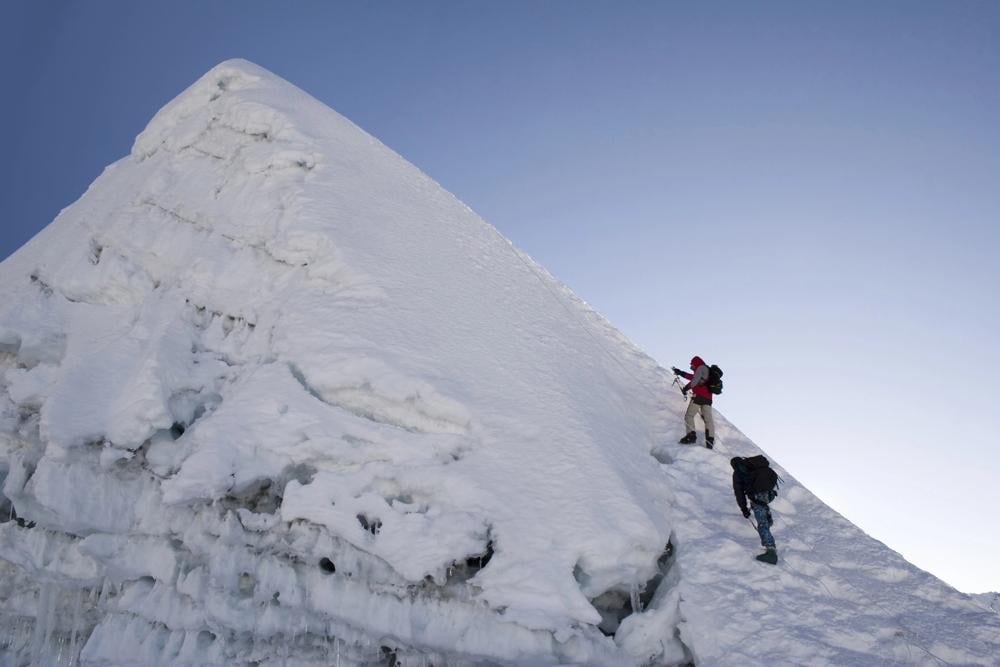
American Jordan Romero reached Everest’s summit on May 22, 2010, at age 13 years and 345 days. His record sparked intense debate about the ethics of allowing children on such dangerous expeditions.
The achievement highlighted ongoing concerns about proper experience requirements and safety standards on the mountain.
Record Holders Have Summited Over 20 Times

Multiple Sherpa climbers have reached Everest’s summit more than 20 times, with the current record standing at 28 successful ascents. These repeat climbers demonstrate incredible skill, stamina, and knowledge of the mountain’s moods.
Their achievements often go unnoticed compared to first-time foreign climbers, despite representing far greater mountaineering accomplishments.
An Olympic Torch Made It to the Top

The 2008 Beijing Olympics torch relay included a successful ascent of Everest on May 8, 2008. Chinese climbers carried the Olympic flame to the summit at 9:17 AM, marking the highest altitude the torch had ever reached.
The achievement required months of planning and specialized equipment to keep the flame burning in extreme conditions.
Bodies Remain on the Mountain

Over 300 people have died attempting to climb Everest, and many bodies remain on the mountain due to the extreme difficulty and danger of recovery operations. Some deceased climbers have become landmarks that guide others along the routes.
The harsh conditions preserve bodies for decades, creating an eerie reminder of the mountain’s deadly nature.
You Can See It From Space

Everest is visible to astronauts aboard the International Space Station, appearing as a distinctive pyramid-shaped peak among the Himalayan range. Satellite imagery helps modern climbers plan routes and monitor weather conditions.
The mountain’s massive size and isolation make it one of the few individual peaks easily identifiable from orbit.
The Weather Can Change in Minutes

Everest creates its own weather patterns due to its extreme height, with conditions changing from clear skies to deadly storms within hours. The jet stream often engulfs the summit, creating winds over 200 mph that make climbing impossible.
Understanding these weather patterns has become crucial for modern expeditions, though the mountain still surprises even experienced forecasters.
From Sacred Peak to Global Icon

What began as a sacred mountain revered by local communities has transformed into the ultimate symbol of human ambition and endurance. The commercialization of Everest climbing has brought both opportunities and challenges to the region, creating jobs while also raising concerns about environmental impact and safety standards.
Today’s climbers follow in the footsteps of legends, yet face entirely new challenges that Hillary and Norgay never imagined, from overcrowding to climate change effects on traditional climbing routes.
More from Go2Tutors!

- The Romanov Crown Jewels and Their Tragic Fate
- 13 Historical Mysteries That Science Still Can’t Solve
- Famous Hoaxes That Fooled the World for Years
- 15 Child Stars with Tragic Adult Lives
- 16 Famous Jewelry Pieces in History
Like Go2Tutors’s content? Follow us on MSN.