16 ’90s Catalogs Kids Waited All Year For
Remember those thick, glossy catalogs that would arrive in your mailbox and instantly become the most prized possession in your house? Before online shopping and Amazon Prime, mail-order catalogs were the gateway to consumer paradise for ’90s kids across America.
These colorful wish books provided hours of entertainment as we circled our most-wanted items and dreamed of the day our parents might actually order something. Here is a list of 16 legendary mail-order catalogs that defined childhood shopping experiences for an entire generation of ’90s kids.
Toys “R” Us Big Book
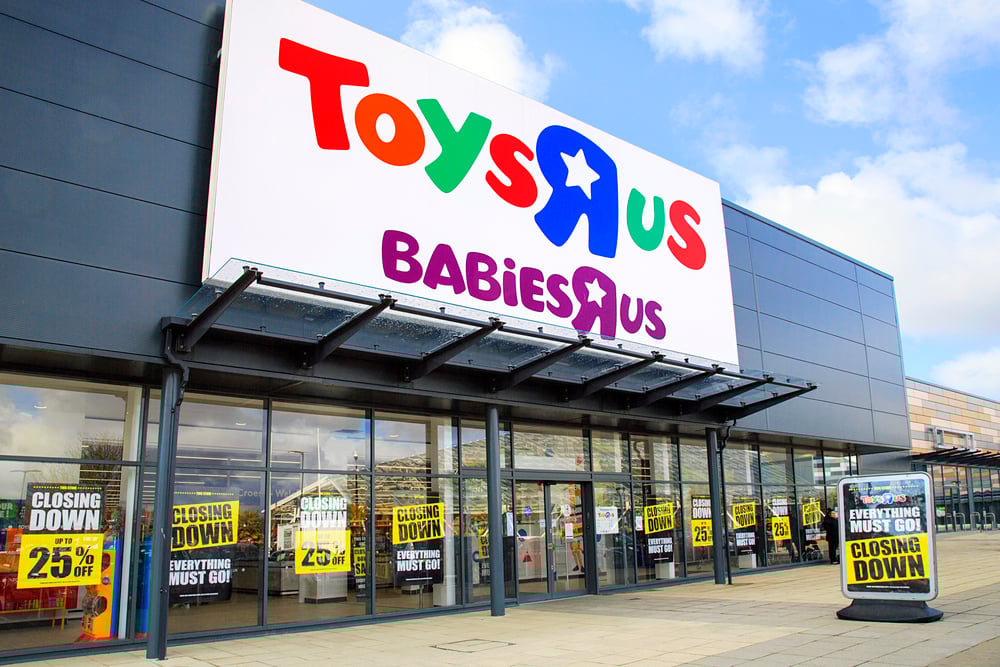
The Toys “R” Us Big Book was essentially the holiday bible for toy-obsessed children. This massive catalog arrived just in time for the winter holiday season, featuring page after page of action figures, video games, and the year’s hottest toys.
Kids would spend hours flipping through its pages, folding corners and circling items with markers to create their ultimate wish lists. The anticipation of its arrival in the mail was almost as exciting as the actual holidays themselves.
Delia’s
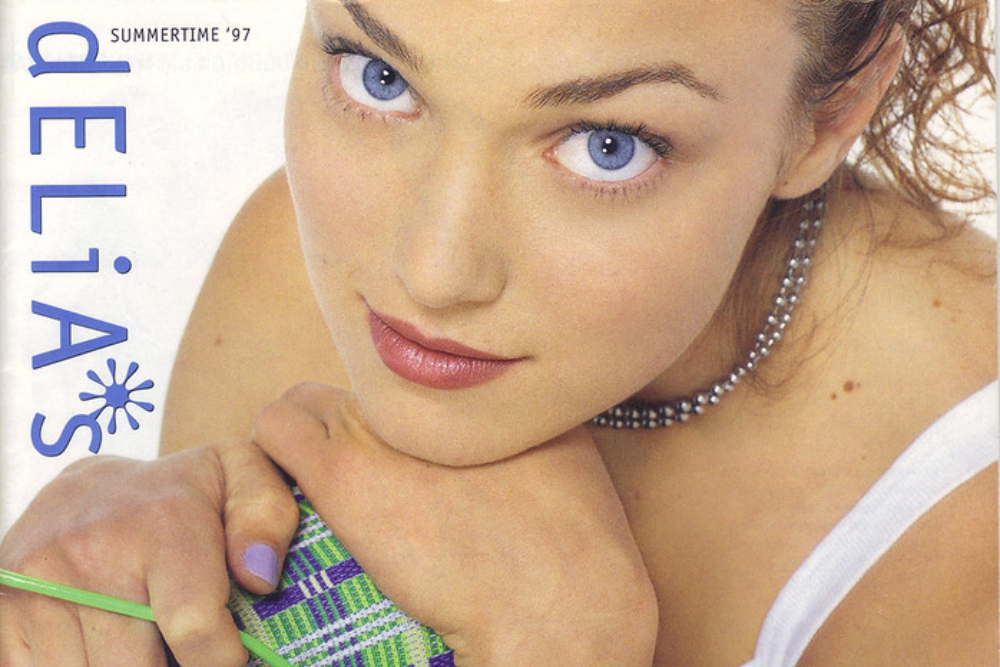
For teenage girls in the ’90s, the arrival of a Delia’s catalog was practically a national holiday. Packed with baby tees, platform shoes, and butterfly clips, this trendy catalog defined an entire generation’s fashion sense.
Friends would gather to flip through pages together, planning imaginary wardrobes and pooling their babysitting money to meet the minimum order. Delia’s wasn’t just a catalog—it was a cultural touchstone that made fashion accessible to suburban teens across America.
Oriental Trading Company
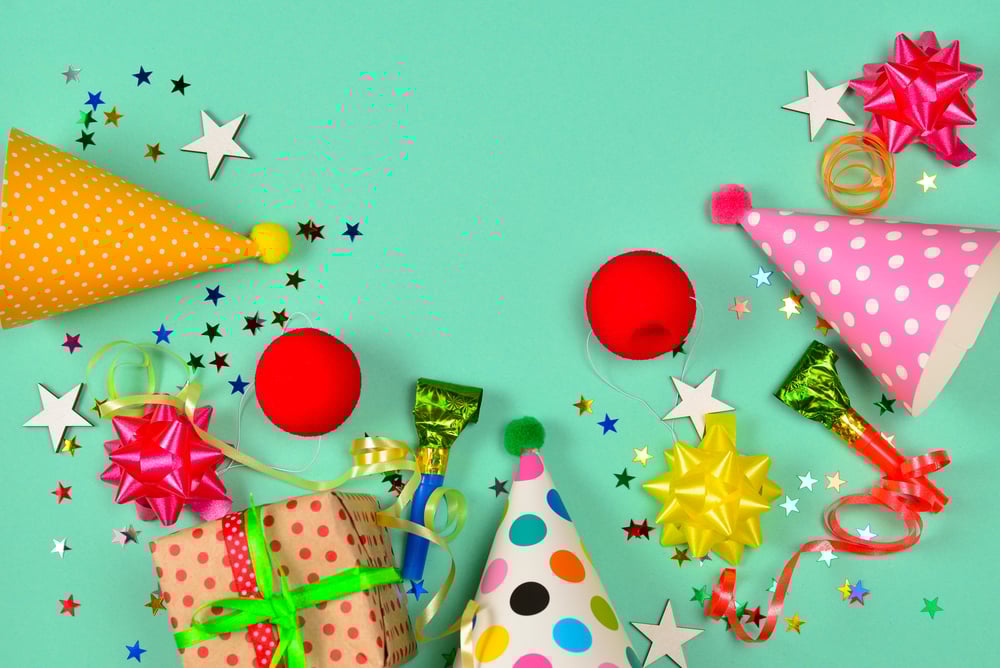
This catalog was a treasure trove of affordable party supplies, novelty toys, and seasonal decorations that seemed too good to be true. With items often sold in bulk quantities of 12 or more, kids dreamed of having enough birthday money to order their own personal supply of slap bracelets or neon pencil erasers.
School teachers and room parents also relied heavily on this catalog, which explains why classrooms across America somehow all had the same holiday decorations and prize box trinkets.
American Girl
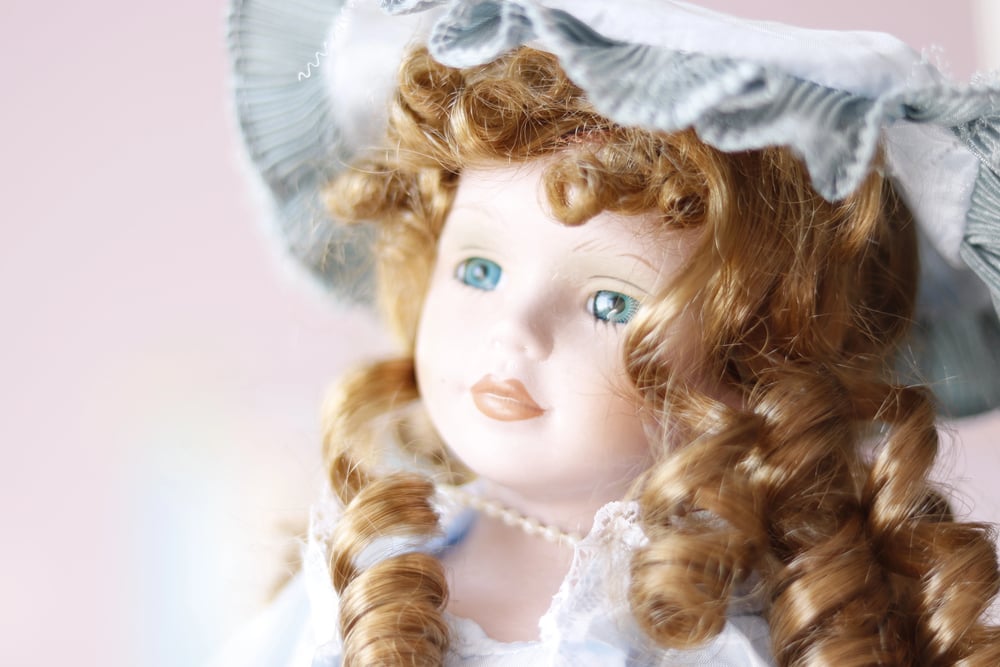
Few catalogs inspired as much longing and devotion as American Girl. Each glossy issue showcased historical dolls with their elaborate backstories, period-appropriate outfits, and matching accessories for both doll and owner. The catalog didn’t just sell products—it sold an entire experience, complete with furniture sets and hardbound books.
Many ’90s girls spent years saving up for their first Samantha or Molly doll after countless hours studying the catalog like it was required reading.
JCPenney Christmas Catalog

The JCPenney Christmas catalog (often called the ‘Wish Book’) was the heavyweight champion of mail-order shopping. Arriving in late September, this massive tome contained everything from toys to clothes to home décor, making it an essential family reading.
Kids would fight over who got to look at it first, and the toy section would become wrinkled and worn by December. Parents used it as a reference guide, asking children to ‘put a star next to what you really want’ to help Santa with his shopping list.
Scholastic Book Club
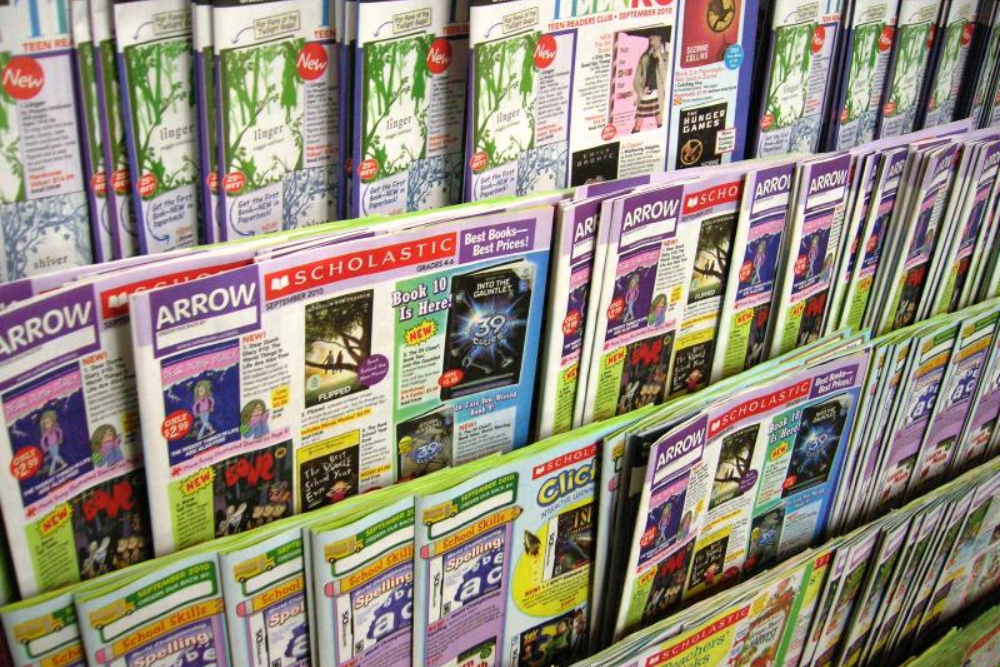
While not exactly a traditional catalog, these flimsy newsprint flyers distributed in classrooms nationwide held immense power over ’90s kids. Each month brought new opportunities to beg parents for money to order books, posters, and those weird erasers shaped like food.
The real thrill came weeks later when the teacher would distribute the ordered items, wrapped in that distinctive thin plastic packaging. Nothing beats the satisfaction of carrying home a fresh stack of Goosebumps or Baby-Sitters Club books that you’d selected yourself.
Lillian Vernon

This catalog specialized in personalized items that made kids feel incredibly special. From monogrammed backpacks to custom bedroom door signs, Lillian Vernon offered affordable ways to put your name on practically anything.
Parents loved it for holiday shopping, while kids pored over the children’s section dreaming of having their very own personalized pencil case or baseball cap. The catalog also featured an extensive selection of seasonal decorations that became fixtures in many suburban homes.
Eastbay

For athletically inclined ’90s kids, the Eastbay catalog was practically a sacred text. Filled with the latest sneakers, sports equipment, and athletic apparel, it was where many discovered new shoe releases before the internet made such information readily available.
Young athletes would study each page, circling their dream basketball shoes or soccer cleats. The catalog’s distinctive photography style—showing shoes from multiple angles against plain backgrounds—became the standard visual language for sneakerheads everywhere.
Spencer Gifts

While technically a store found in most malls, their mail-order catalog brought edgy teen merchandise to kids in areas without a local shopping center. The Spencer Gifts catalog was often hidden from parents due to its somewhat risqué humor items, black light posters, and novelty gifts.
Getting your hands on this catalog felt like accessing forbidden adult content—filled with lava lamps, door beads, and gag gifts that seemed incredibly cool to middle schoolers everywhere.
Lego Shop at Home
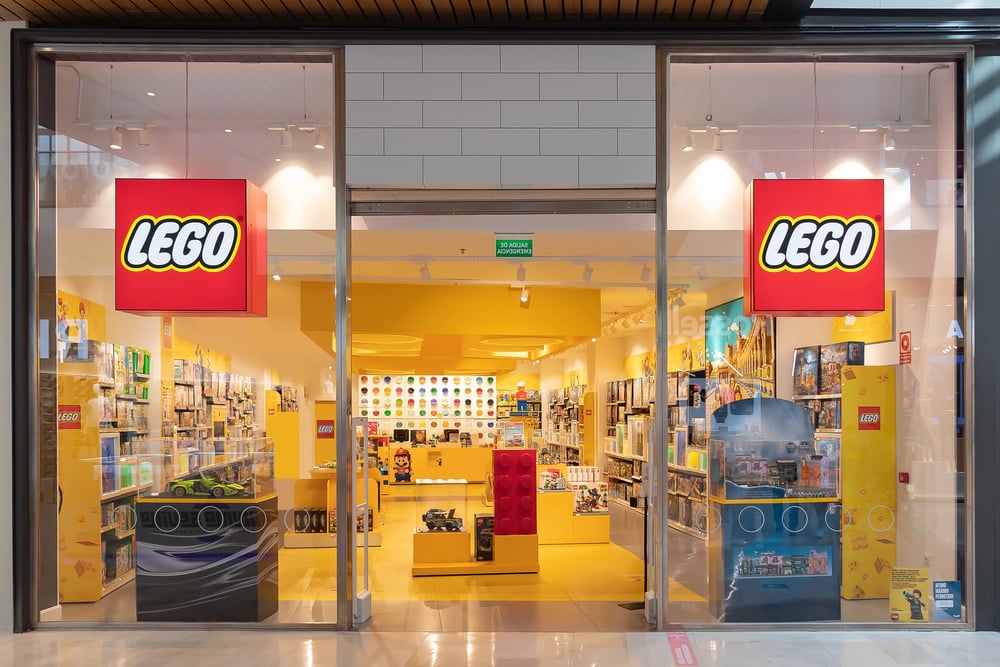
The Lego catalog was a masterclass in aspiration marketing to children. Each issue displayed elaborate building sets alongside images of completed models that seemed impossibly complex and desirable.
Kids would spend hours studying the newest space, castle, or pirate-themed sets, mentally calculating how many allowances it would take to afford them. The most coveted pages featured exclusive sets not available in retail stores, adding another layer of desire for dedicated young builders.
Fingerhut

While primarily aimed at adults, the Fingerhut catalog held a strange fascination for many ’90s kids. With its unusual payment plans and eclectic merchandise ranging from electronics to jewelry to lawn ornaments, this catalog seemed to offer a glimpse into grown-up purchasing power.
Children would marvel at the random assortment of products, wondering why anyone would need a porcelain doll collection or a matching set of NASCAR commemorative plates—yet somehow finding it all oddly compelling.
Spiegel
The Spiegel catalog represented sophisticated adult fashion that seemed impossibly mature to young eyes. Kids would flip through its pages to see what they might wear someday, or to help mom pick out an outfit for special occasions.
The home décor section offered a fantasy version of future adult life, with coordinated living room sets and fancy dinnerware. While children rarely ordered anything from Spiegel themselves, the catalog provided hours of ‘playing grown-up’ entertainment.
Sharper Image
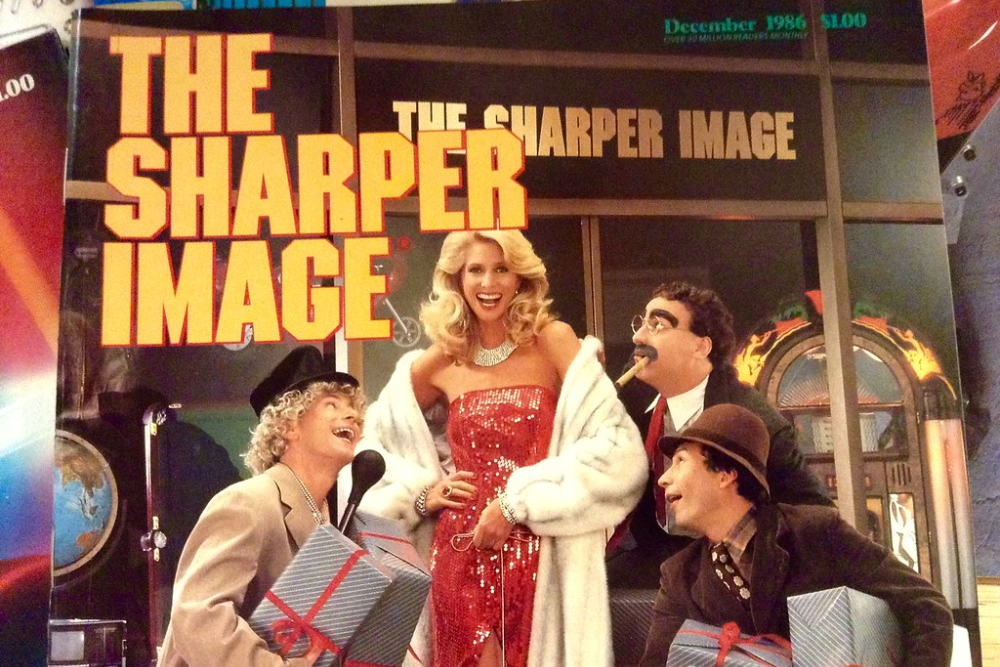
This was the catalog of impossible dreams—filled with gadgets and inventions that seemed to come from the future. From massage chairs to electronic language translators, Sharper Image showcased products most families couldn’t afford but everyone loved to look at.
Kids were especially drawn to the unusual items like indoor putting greens or deluxe air purifiers that seemed to solve problems they didn’t even know existed. The catalog practically invented the category of ‘things you definitely don’t need but suddenly want desperately.’
Current

The Current catalog specializes in stationery, greeting cards, and small gifts that are particularly appealing to craft-loving kids. Many ’90s children ordered their first personalized address labels or collected the catalog’s affordable sticker sets and novelty pens.
Parents appreciated the reasonable prices, while kids loved the seasonal sections featuring holiday-themed items. The catalog’s distinctive illustrations and affordable paper goods made it a favorite in households where letter-writing and thank-you notes were still enforced social obligations.
Signals/Wireless
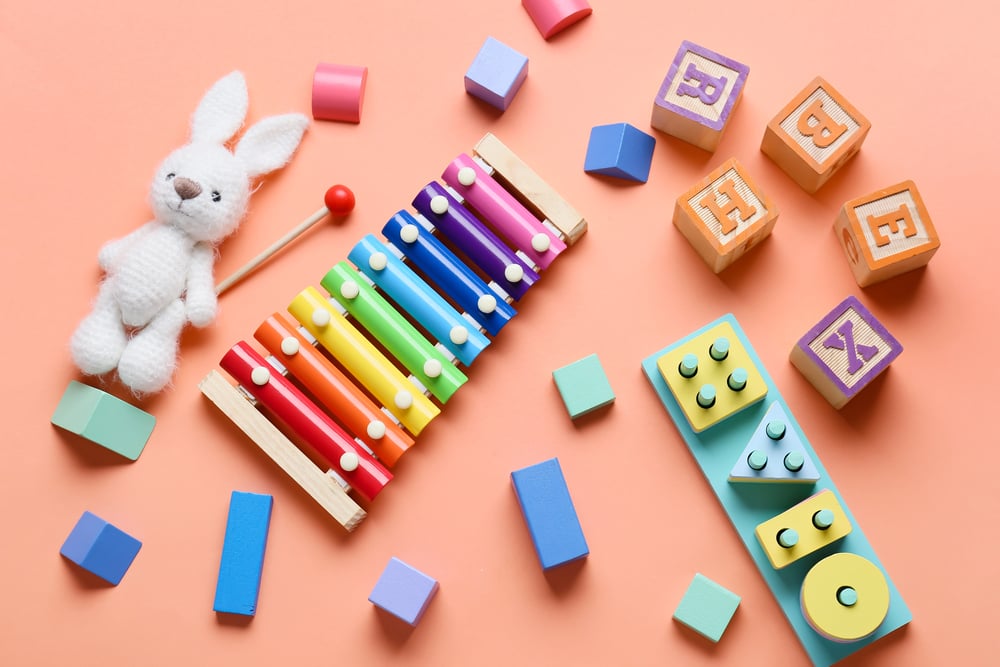
These companion catalogs (often arriving together) targeted the NPR-listening households of America with their educational toys, literary gifts, and world music collections. Kids raised in such homes developed an early appreciation for items like scientific experiment kits, multicultural games, and those little metal puzzles that came in tiny bags.
The catalogs specialized in merchandise that made learning seem fun and positioned children as little intellectuals with their geography flashcards and build-your-own robot kits.
Miles Kimball

This oddly specific catalog somehow found its way into countless American homes, offering an eclectic mix of household gadgets, personalized Christmas ornaments, and solution-oriented products. Kids were particularly fascinated by the problem-solving items like special slippers for people with bunions or cake pans shaped like numbers for birthday parties.
Miles Kimball mastered the art of selling things you never knew you needed, from decorative switch plate covers to specially designed storage containers for oddly specific purposes.
When Wishbooks Became Websites

The decline of mail-order catalogs coincided with the rise of the internet, fundamentally changing how we shop and dream about material possessions. Those glossy pages that once commanded hours of attention have largely been replaced by websites and apps that, despite their convenience, somehow lack the magical quality of a physical catalog arriving in the mail.
The ritual of circling desired items and dog-earing pages has been replaced by wishlists and shopping carts, trading tangible anticipation for digital efficiency. Today’s kids will never know the unique joy of racing siblings to the mailbox when the seasonal catalogs were due to arrive, or the weight of a particularly thick issue that promised countless treasures inside.
These mail-order catalogs weren’t just shopping tools—they were cultural artifacts that shaped the desires and dreams of an entire generation. While online shopping offers more options than even the thickest catalog could contain, it can’t replicate the special experience of physically turning pages filled with possibility, wondering which items might actually make their way from those glossy photographs into your real-life home.
More from Go2Tutors!

- The Romanov Crown Jewels and Their Tragic Fate
- 13 Historical Mysteries That Science Still Can’t Solve
- Famous Hoaxes That Fooled the World for Years
- 15 Child Stars with Tragic Adult Lives
- 16 Famous Jewelry Pieces in History
Like Go2Tutors’s content? Follow us on MSN.



