18 Global Stories Overshadowed by Apollo 11
The summer of 1969 belonged to the moon. While Neil Armstrong’s boots touched lunar soil and the world watched in collective wonder, other stories unfolded across the globe—some tragic, some transformative, all competing for attention with humanity’s greatest adventure.
History has a way of spotlighting single moments while entire chapters play out in the shadows, and July 1969 was no exception.
The Soccer War
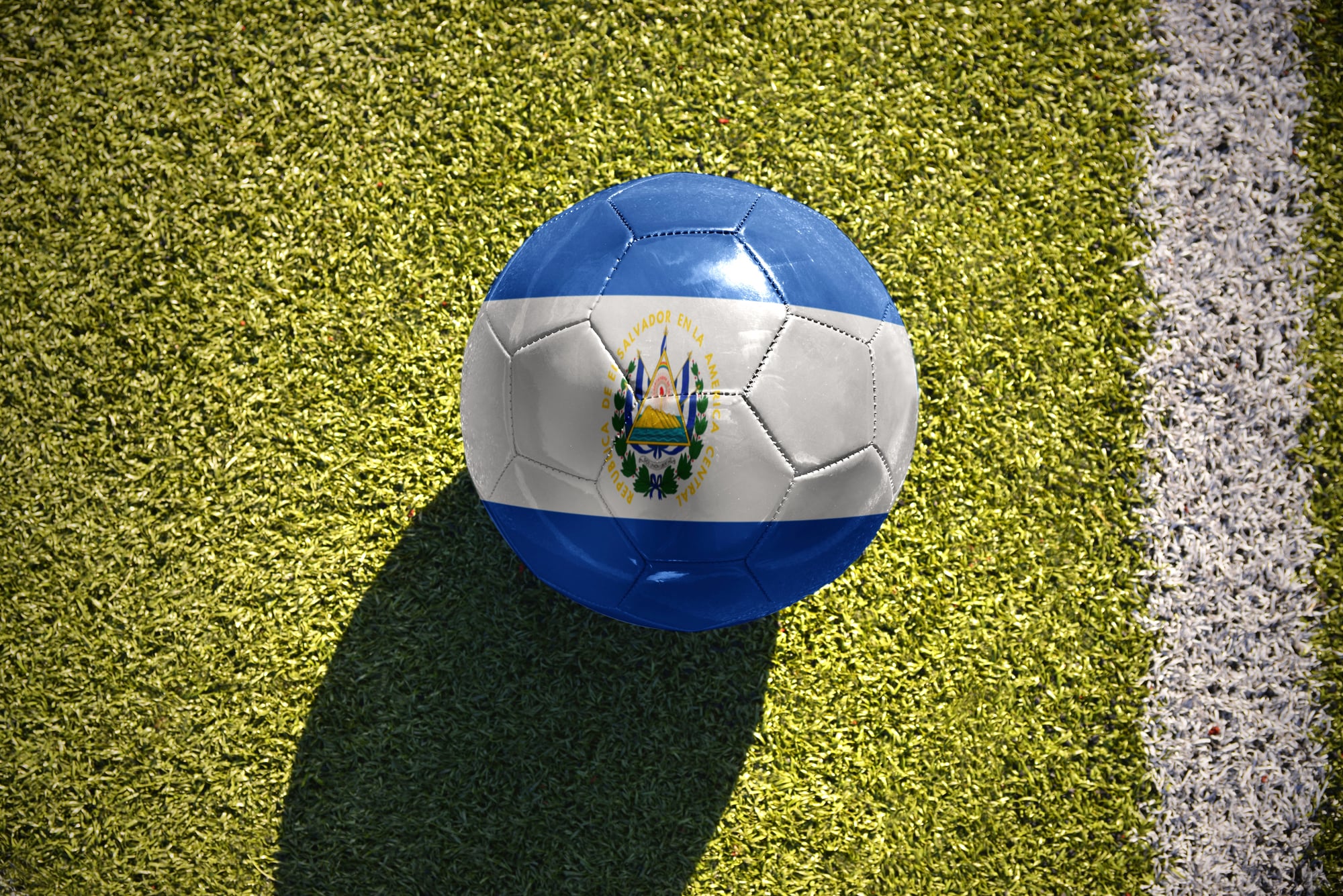
El Salvador and Honduras went to war over a soccer match. Four days of actual combat, triggered by World Cup qualifying games and simmering tensions over immigration.
Thousands died while the world’s eyes were fixed on space. The conflict had been brewing for months, but the soccer matches provided the spark.
Honduran fans attacked Salvadoran supporters after their team lost 3-0 in the decisive game. Within days, El Salvador launched air strikes against Honduran targets.
Chappaquiddick Incident
Ted Kennedy drove off a bridge on Martha’s Vineyard. Mary Jo Kopechne drowned in the submerged car.
Kennedy didn’t report the accident for ten hours—a delay that effectively ended his presidential ambitions and became one of American politics’ most enduring scandals. The timing couldn’t have been more fortuitous for Kennedy (if you can call a tragic accident fortuitous in any sense).
Apollo 11’s splashdown dominated headlines, and the moon landing celebration provided perfect cover for a story that might otherwise have consumed the news cycle for weeks.
Prague Spring’s Final Gasps
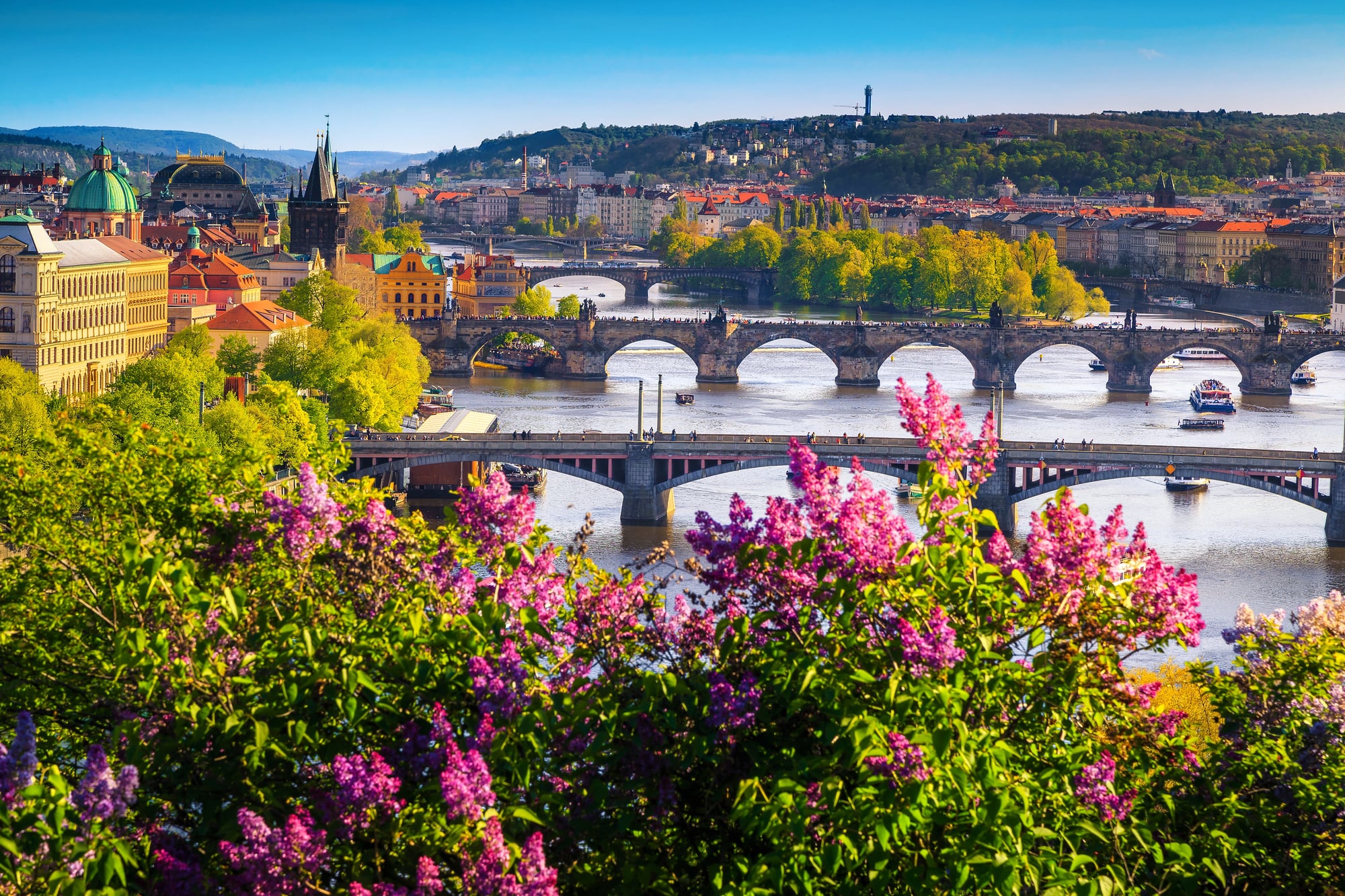
Czechoslovakia was suffocating under Soviet occupation, and the world had mostly moved on. The Prague Spring had been crushed the previous August, but resistance continued through 1969—students setting themselves on fire, underground newspapers circulating, small acts of defiance that barely registered internationally.
Jan Palach had immolated himself in January; by July, the hope he died for was all but extinguished. The Soviets were systematically dismantling everything Alexander Dubček had built, purging reformists and installing hardliners who would keep the country locked in authoritarian grip for another two decades.
While Armstrong planted an American flag on the moon, Czech citizens watched their own flag become meaningless in their occupied homeland.
Woodstock Festival

Half a million people gathered on a farm in upstate New York for three days of music that defined a generation. Jimi Hendrix, Janis Joplin, The Who—names that would echo through decades.
The festival became a symbol of counterculture rebellion, peace, and music as transformative force. But Woodstock happened in August, three weeks after the moon landing.
The cultural earthquake it represented was already being overshadowed by space exploration. Rock and roll had to compete with rocket fuel for America’s attention.
The Troubles Begin in Northern Ireland
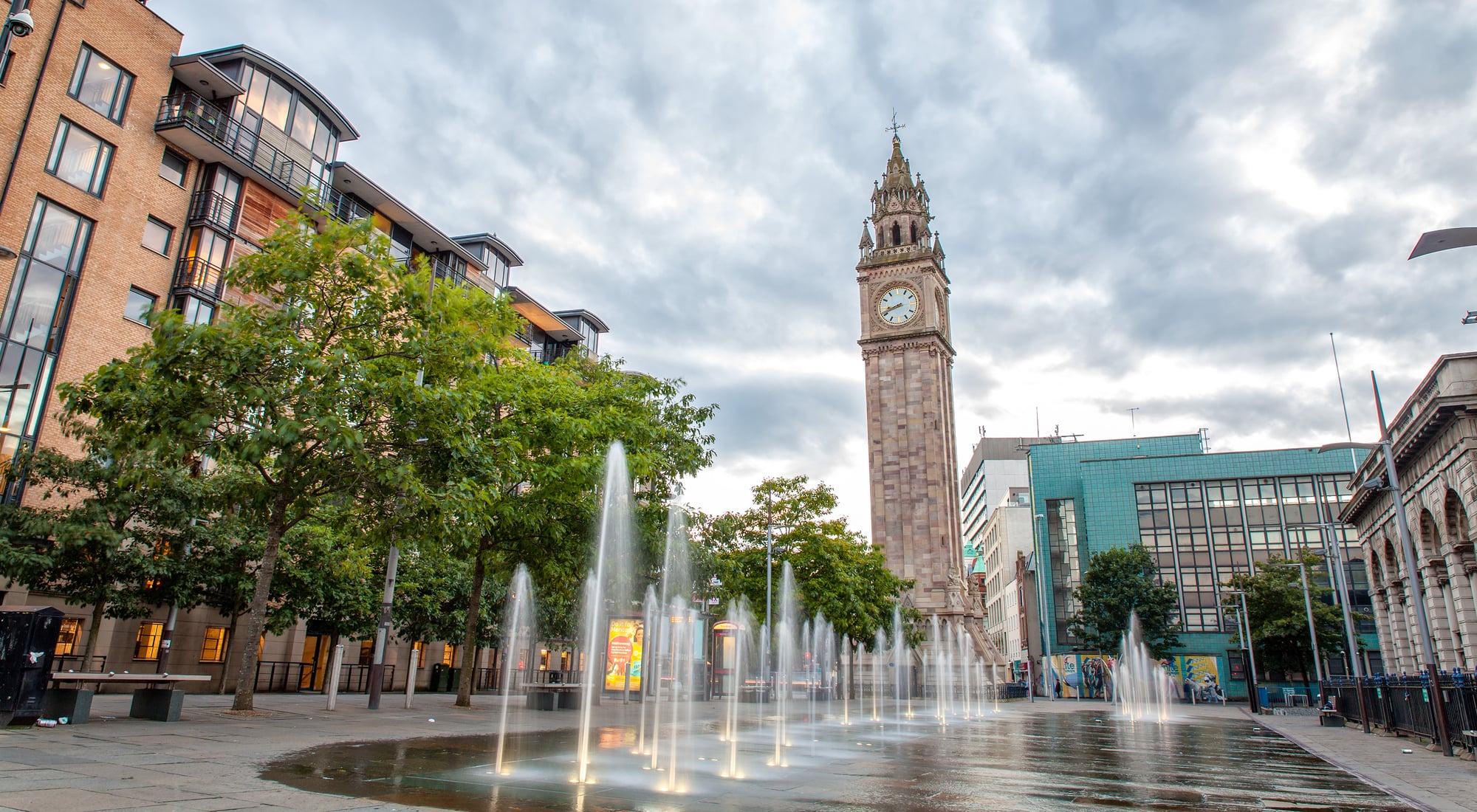
Belfast was burning. The civil rights movement in Northern Ireland had erupted into sectarian violence that would define the region for the next three decades.
British troops deployed to Derry in August, marking the beginning of what would become known as The Troubles. Catholics and Protestants were already choosing sides in a conflict that would claim thousands of lives.
Petrol bombs flew through Belfast streets while the world celebrated peaceful exploration of space. The irony wasn’t lost on those ducking for cover: humanity could reach the moon, but couldn’t stop neighbors from killing each other over religion and politics.
Manson Family Murders
Charles Manson’s followers butchered Sharon Tate and four others in Benedict Canyon. The crime shocked Hollywood and America, revealing a darkness lurking beneath the Summer of Love’s fading glow.
The murders happened just weeks after the moon landing. America was still basking in technological triumph when news broke that a cult leader had orchestrated ritualistic killings.
The contrast was jarring—human achievement at its highest and human depravity at its most senseless, separated by less than a month.
Hurricane Camille
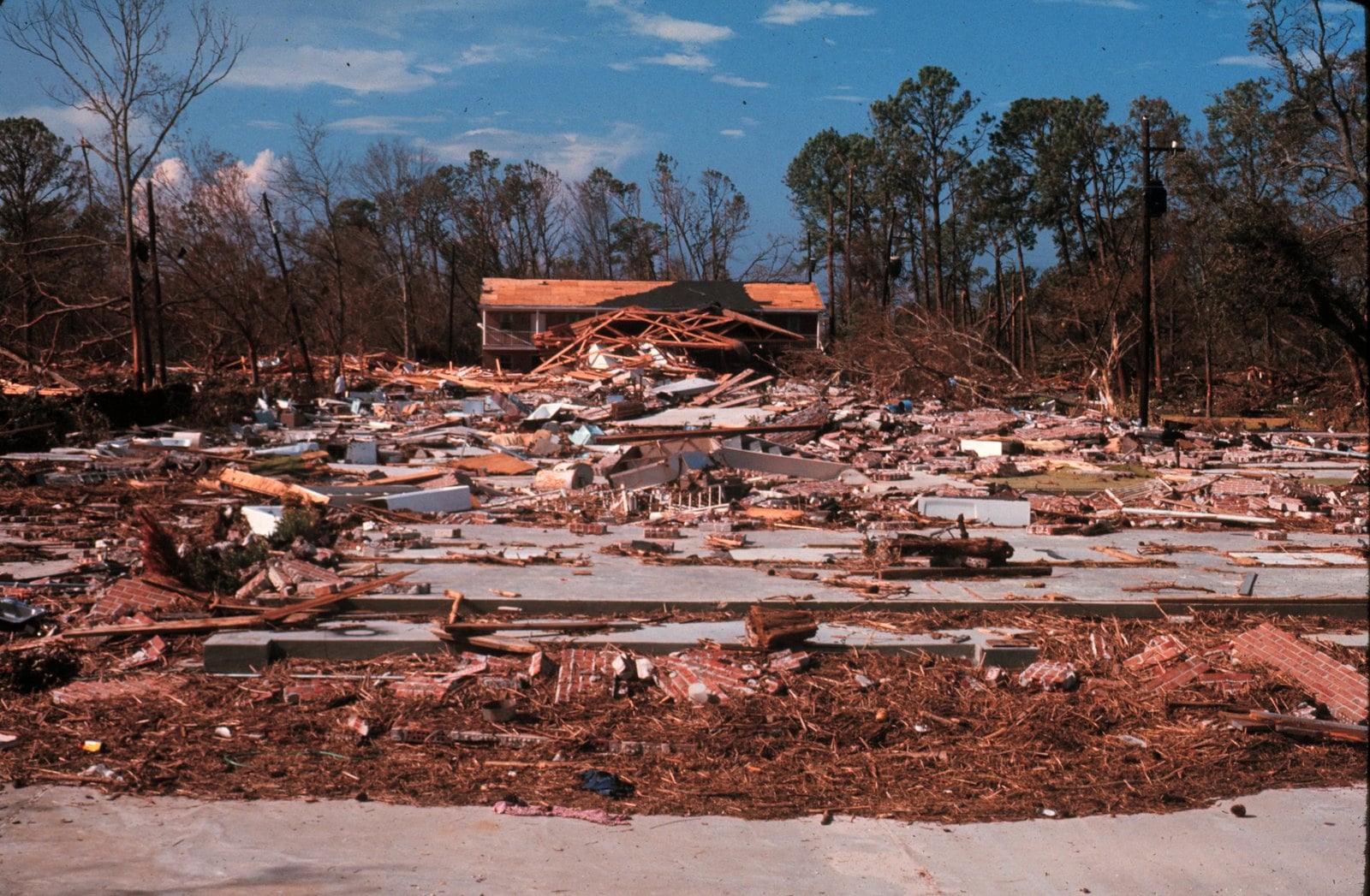
The Gulf Coast got demolished by one of the most powerful hurricanes in American history. Category 5 winds, storm surge that reached 25 feet, entire communities erased from the map.
Camille killed over 250 people and caused billions in damage across Mississippi, Louisiana, and Virginia. Natural disasters don’t wait for convenient timing.
While the nation celebrated conquering space, nature reminded everyone who was actually in charge down here on Earth.
Stonewall Riots Continue
The gay rights movement was just finding its voice, and that voice was getting stronger every day. The Stonewall riots had erupted in June, but the activism continued through the summer—protests, organizing, the birth of a movement that would reshape American society.
Police raids on gay bars were routine; fighting back wasn’t. The LGBTQ+ community was discovering its power while the world watched astronauts bounce around in low gravity.
Both represented leaps into uncharted territory, but only one made the evening news.
Cultural Revolution Intensifies in China
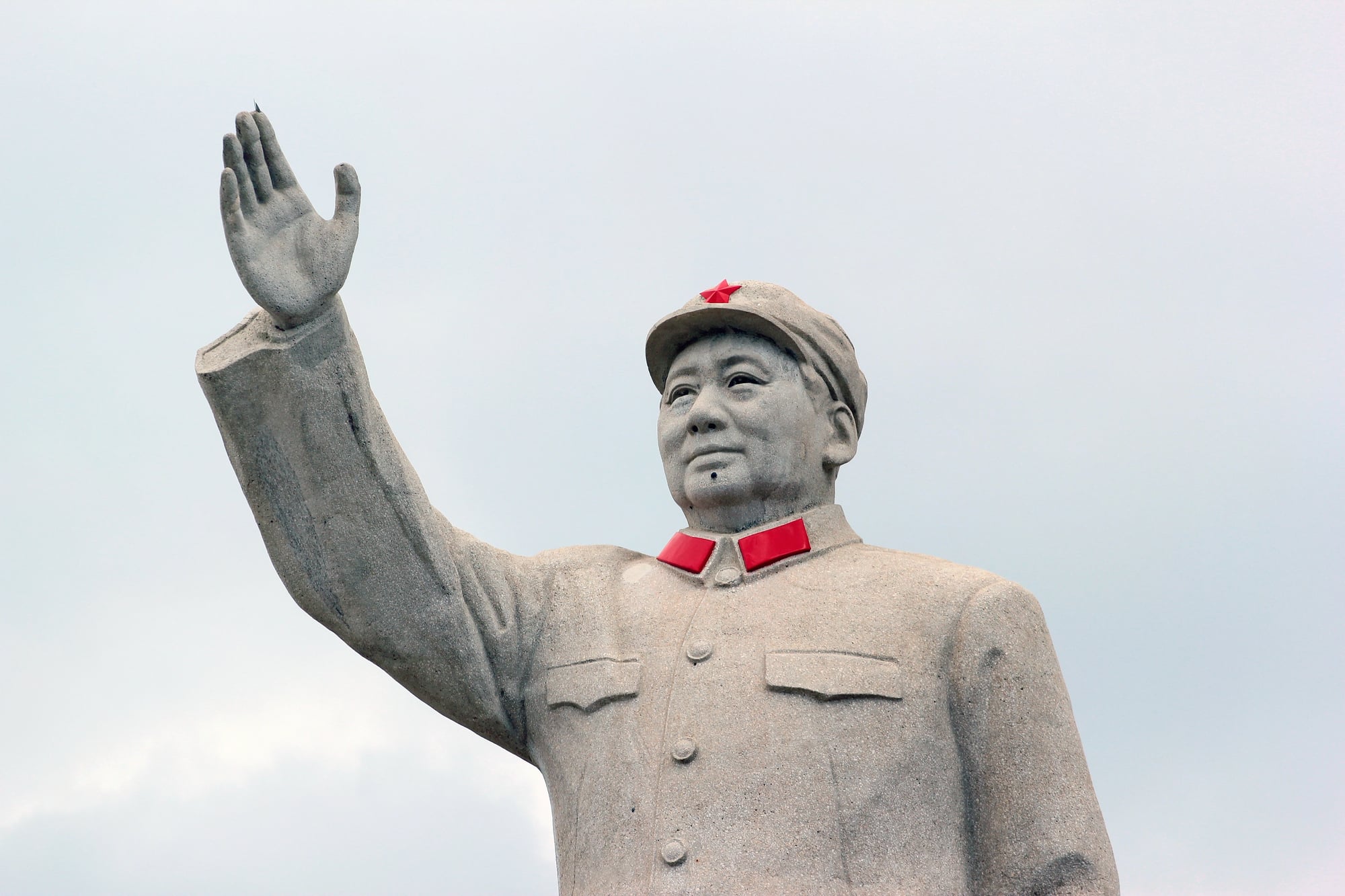
Mao Zedong was systematically destroying Chinese culture and anyone who stood in his way. The Cultural Revolution was entering its fourth year, with millions sent to labor camps, intellectuals persecuted, and ancient traditions obliterated in the name of communist purity.
While Americans celebrated human progress, the Chinese were experiencing human regression on a massive scale. Students turned against teachers, children denounced parents, and an entire civilization was cannibalizing itself.
The outside world knew little and cared less—China was still largely closed off, and besides, there were astronauts to follow.
Biafran War Reaches Peak Horror
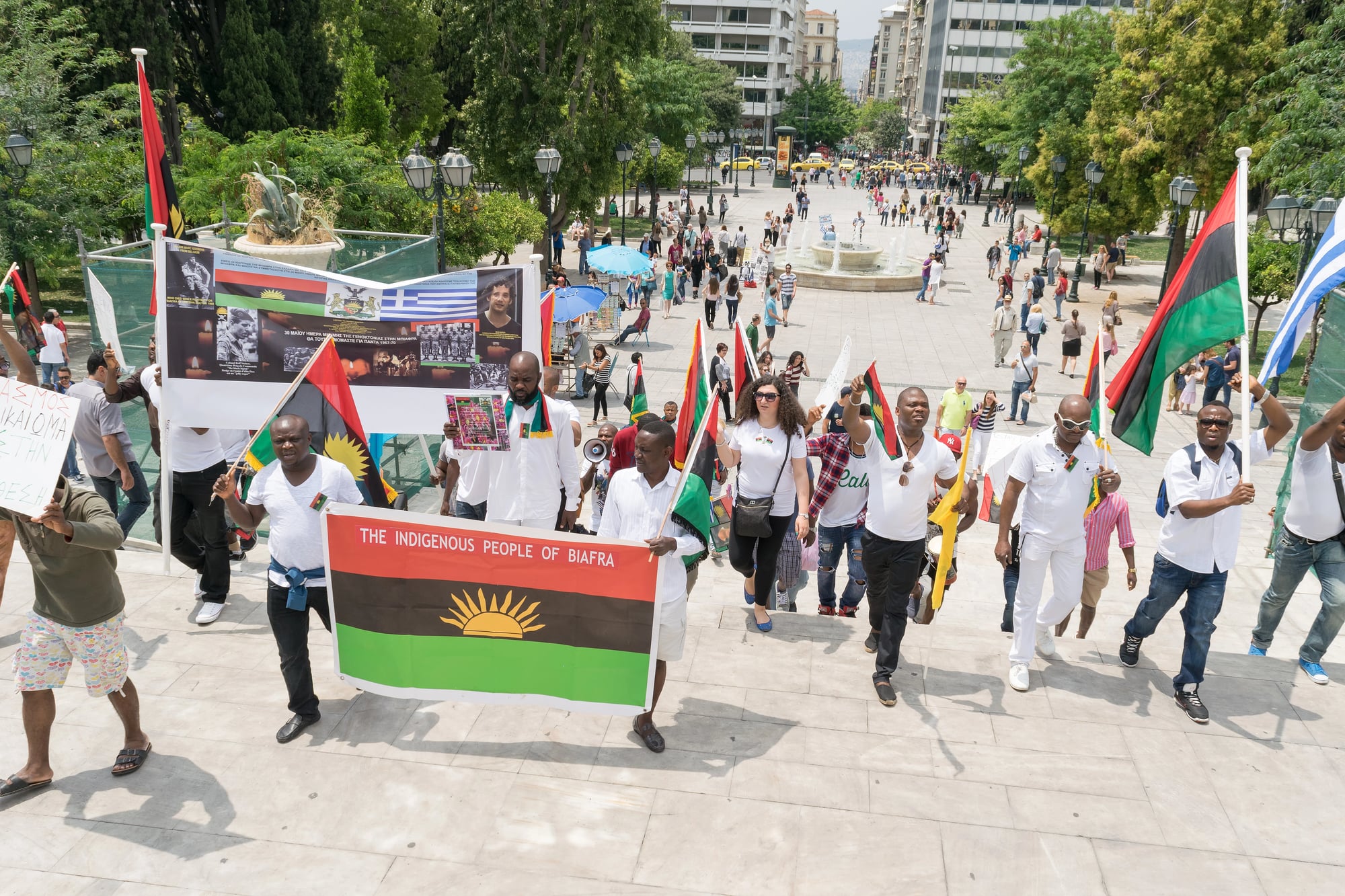
Children were starving to death in what is now Nigeria. The Biafran War had been raging since 1967, but by 1969 the famine reached genocidal proportions.
Images of skeletal children with distended bellies began appearing in Western media, introducing the world to modern humanitarian crisis photography. An estimated one million people died in the conflict, most from starvation.
But images of lunar landscapes proved more captivating than images of human suffering. The moon was exotic; African famine was becoming routine.
My Lai Massacre Investigation
The U.S. military was quietly investigating reports that American soldiers had massacred Vietnamese civilians the previous year. The My Lai investigation was gathering steam through 1969, but the story wouldn’t break publicly until November—conveniently after the moon landing’s glory had faded.
Lieutenant William Calley was already under investigation when Armstrong took his giant leap. The military knew it had a public relations disaster brewing and had every incentive to keep it quiet while America was feeling good about itself.
French Nuclear Tests in Pacific
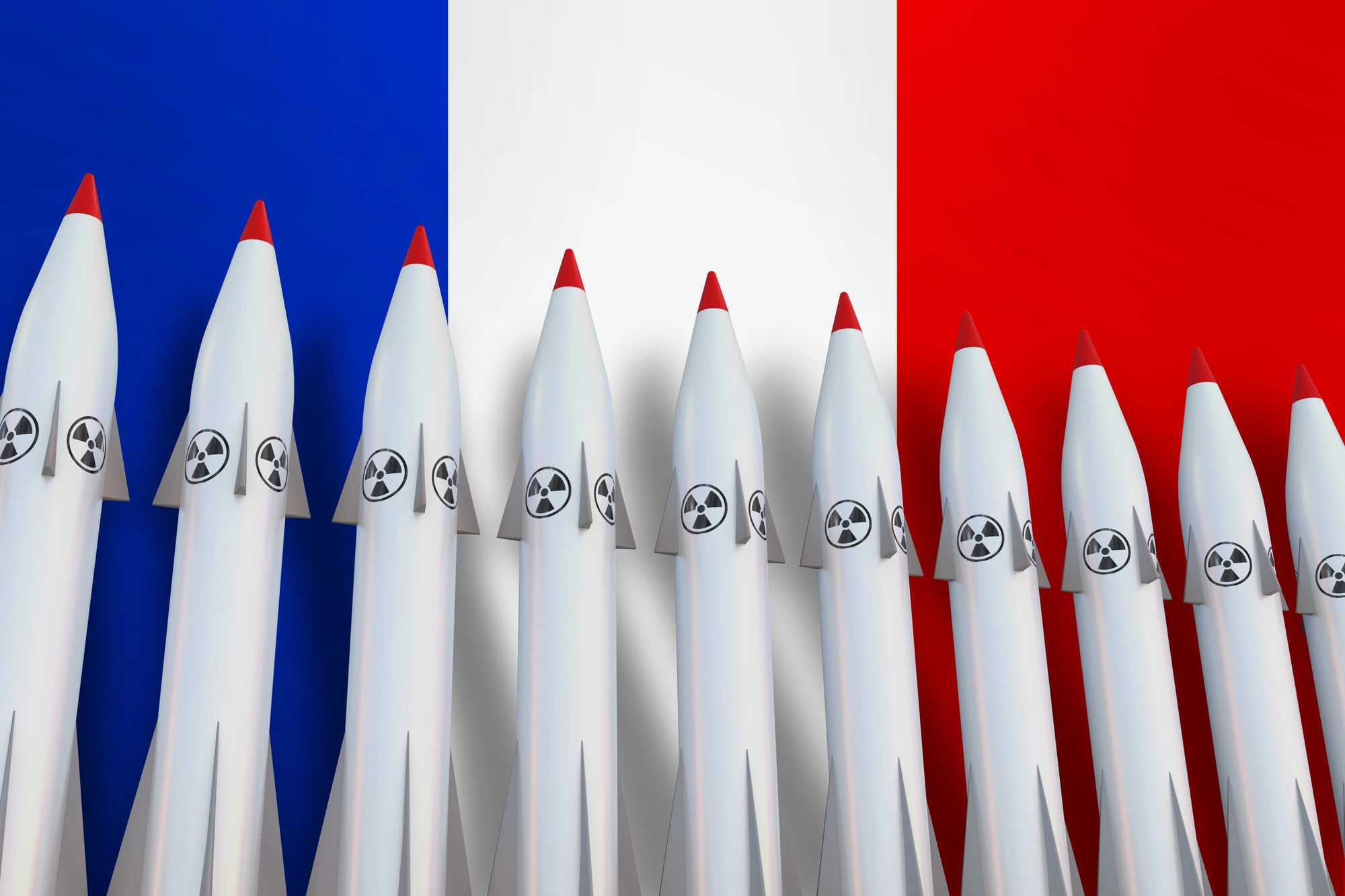
France was detonating nuclear weapons in the South Pacific, contaminating islands and irradiating indigenous populations. The tests continued throughout 1969, part of Charles de Gaulle’s push to establish France as a nuclear power independent of American protection.
Pacific islanders were treated as expendable in this atomic chess game (their health concerns dismissed, their territorial rights ignored, their environmental concerns treated as irrelevant obstacles to French grandeur). While the world marveled at peaceful space exploration, France was poisoning the ocean and everyone who lived near it.
But French nuclear policy wasn’t nearly as telegenic as American space policy, so the contamination continued in relative silence.
Yasir Arafat Takes Control of PLO
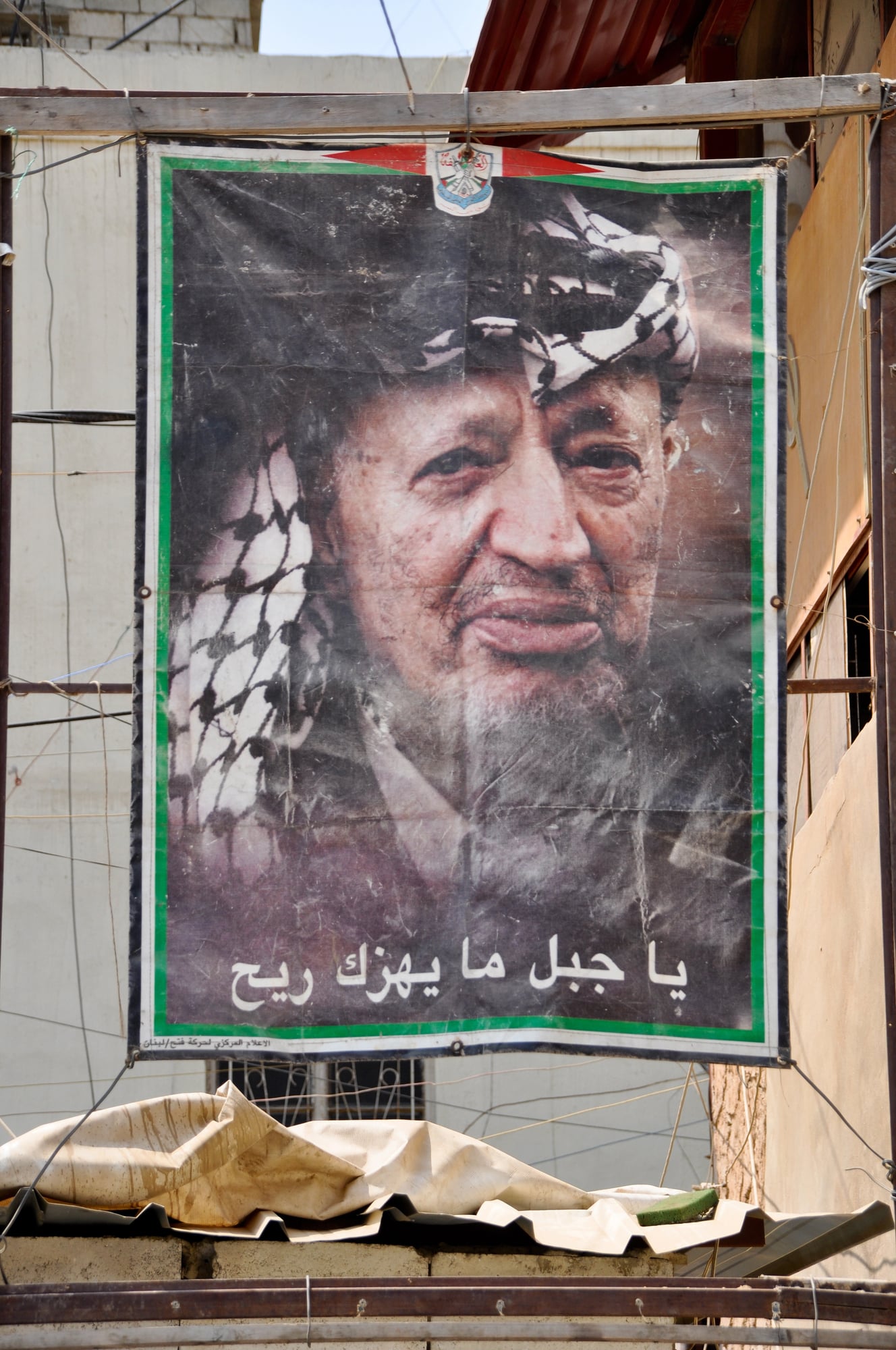
The Palestinian Liberation Organization was being reshaped into the force that would define Middle Eastern politics for decades. Yasir Arafat consolidated power in 1969, transforming the PLO from a collection of feuding factions into a centralized resistance movement.
The implications were enormous—Arafat’s leadership would influence every peace process, every war, every negotiation in the region for the next 35 years. But Palestinian politics couldn’t compete with space politics for international attention.
Nigerian Civil War Atrocities
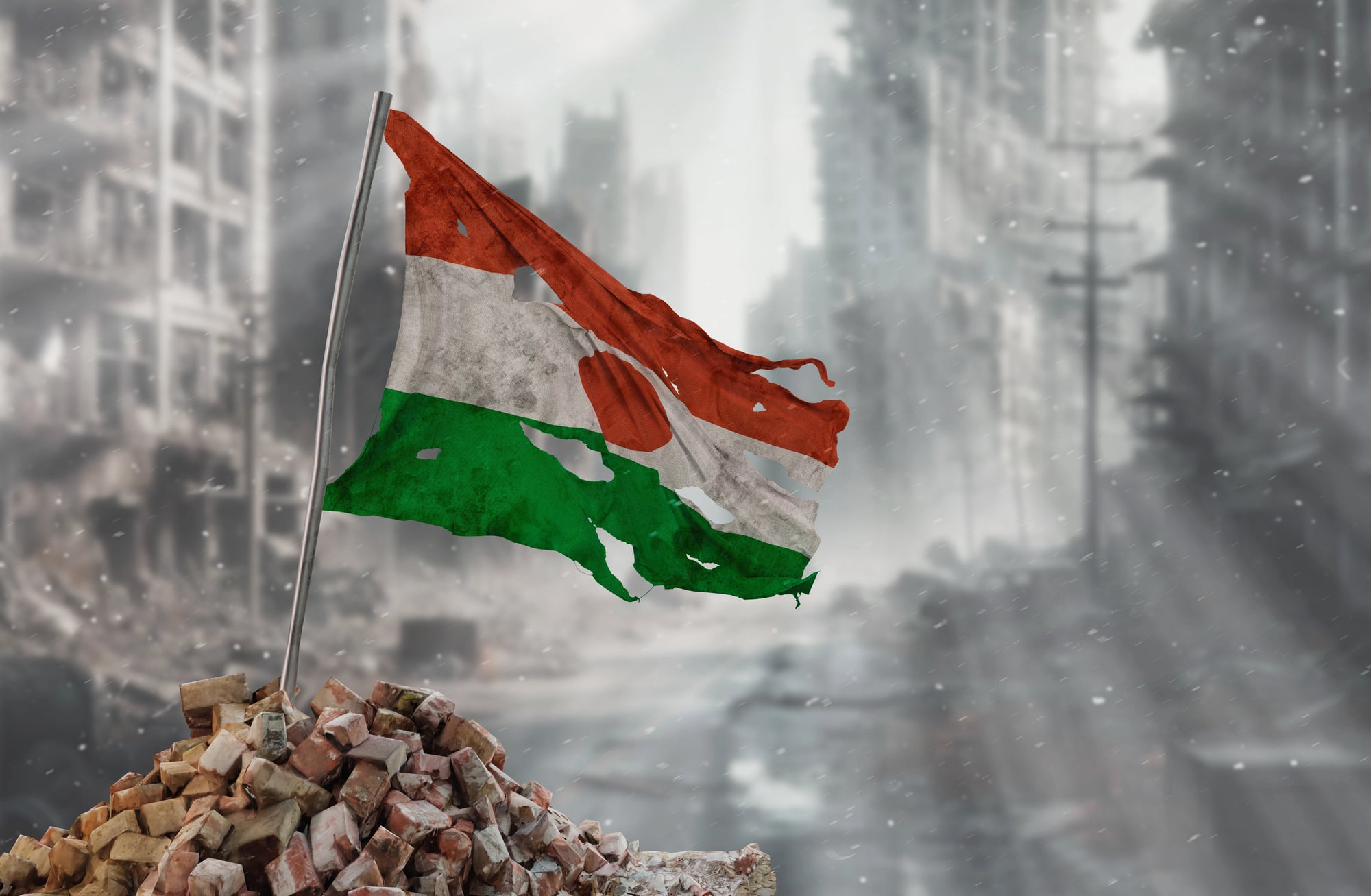
Beyond the famine, systematic war crimes were being committed on both sides of the Nigerian conflict. Mass killings, ethnic cleansing, the deliberate targeting of civilians—all the hallmarks of modern warfare at its most brutal.
The international community was largely indifferent. African civil wars were seen as inevitable, tribal, somehow less important than conflicts elsewhere.
The racism was quiet but unmistakable.
Brazil’s Military Dictatorship Tightens Grip
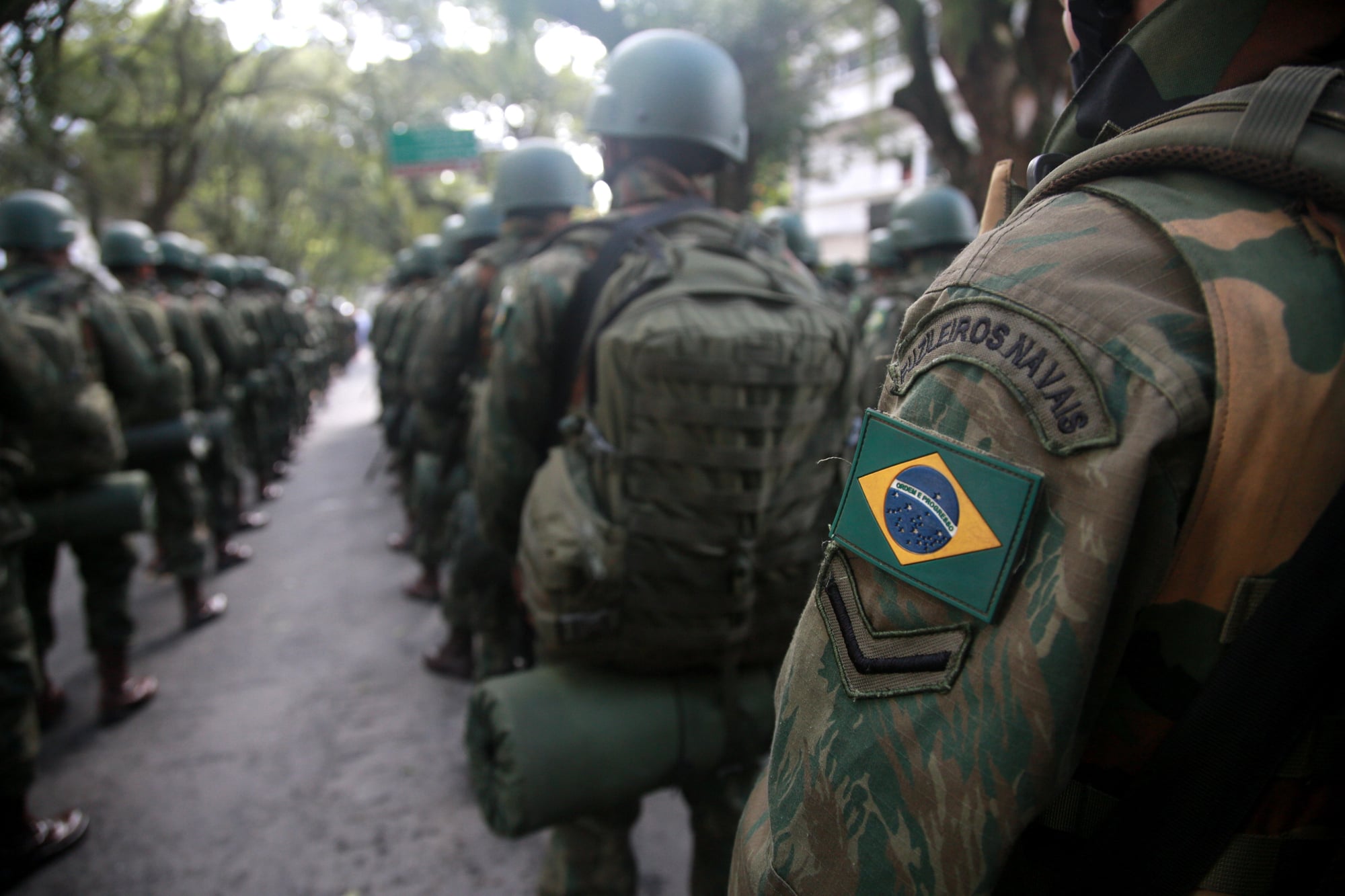
South America’s largest country was sliding deeper into authoritarianism. The military government had seized power in 1964, but 1969 marked a significant escalation in repression.
Torture became systematic, press freedom disappeared, and political opposition was crushed. The United States supported the Brazilian dictatorship as part of Cold War strategy.
Democracy was expendable if it meant keeping communists out of power. But supporting friendly dictators wasn’t the kind of story that played well during moon landing celebrations.
East Pakistan Tensions Build
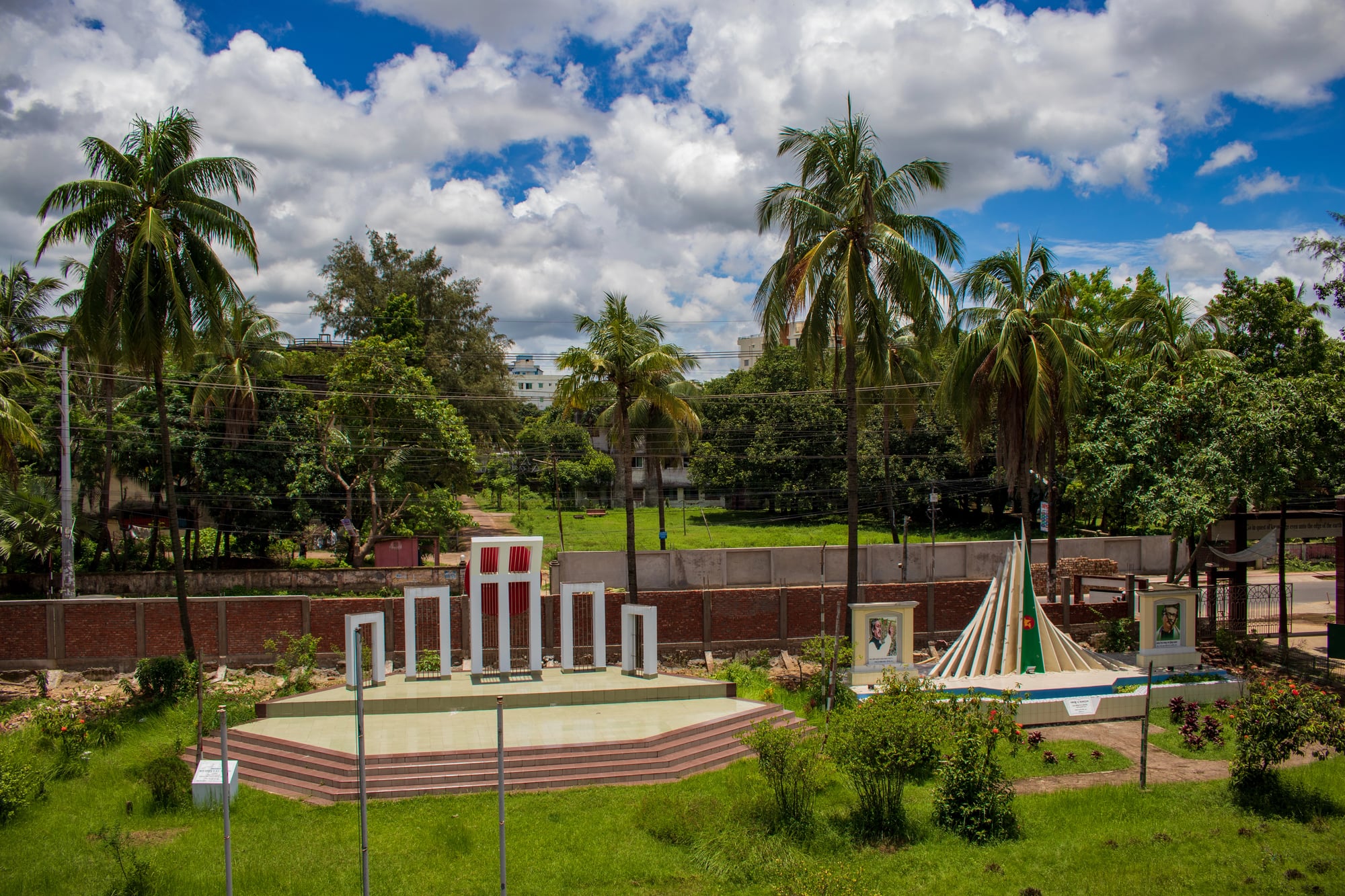
What would become Bangladesh was experiencing the political tensions that would explode into genocide two years later. Language riots, political oppression, economic exploitation—all the ingredients for catastrophe were already visible by 1969.
The Pakistani government’s discrimination against its eastern province was systematic and brutal. But the subcontinent’s internal politics barely registered in Western media, even as millions of lives hung in the balance.
Libyan Revolution
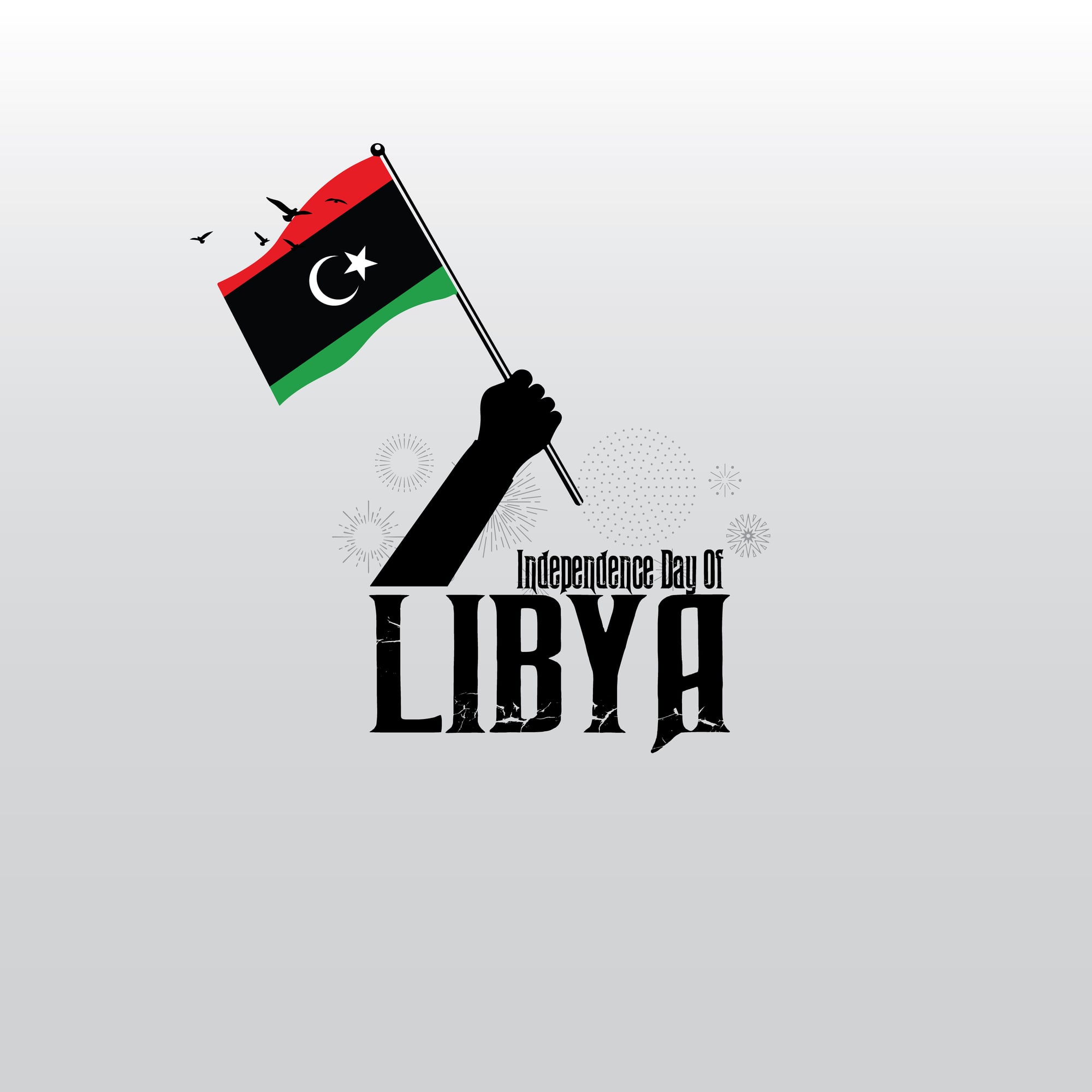
Muammar Gaddafi seized power in Libya through a military coup in September 1969. The 27-year-old colonel overthrew King Idris while the monarch was receiving medical treatment in Turkey, beginning a 42-year dictatorship that would reshape North African politics.
Gaddafi’s revolution established the template for Pan-Arab nationalism and anti-Western rhetoric that would influence the region for decades. But a Libyan coup couldn’t compete with American space triumphs for global attention.
Soviet Space Program Struggles
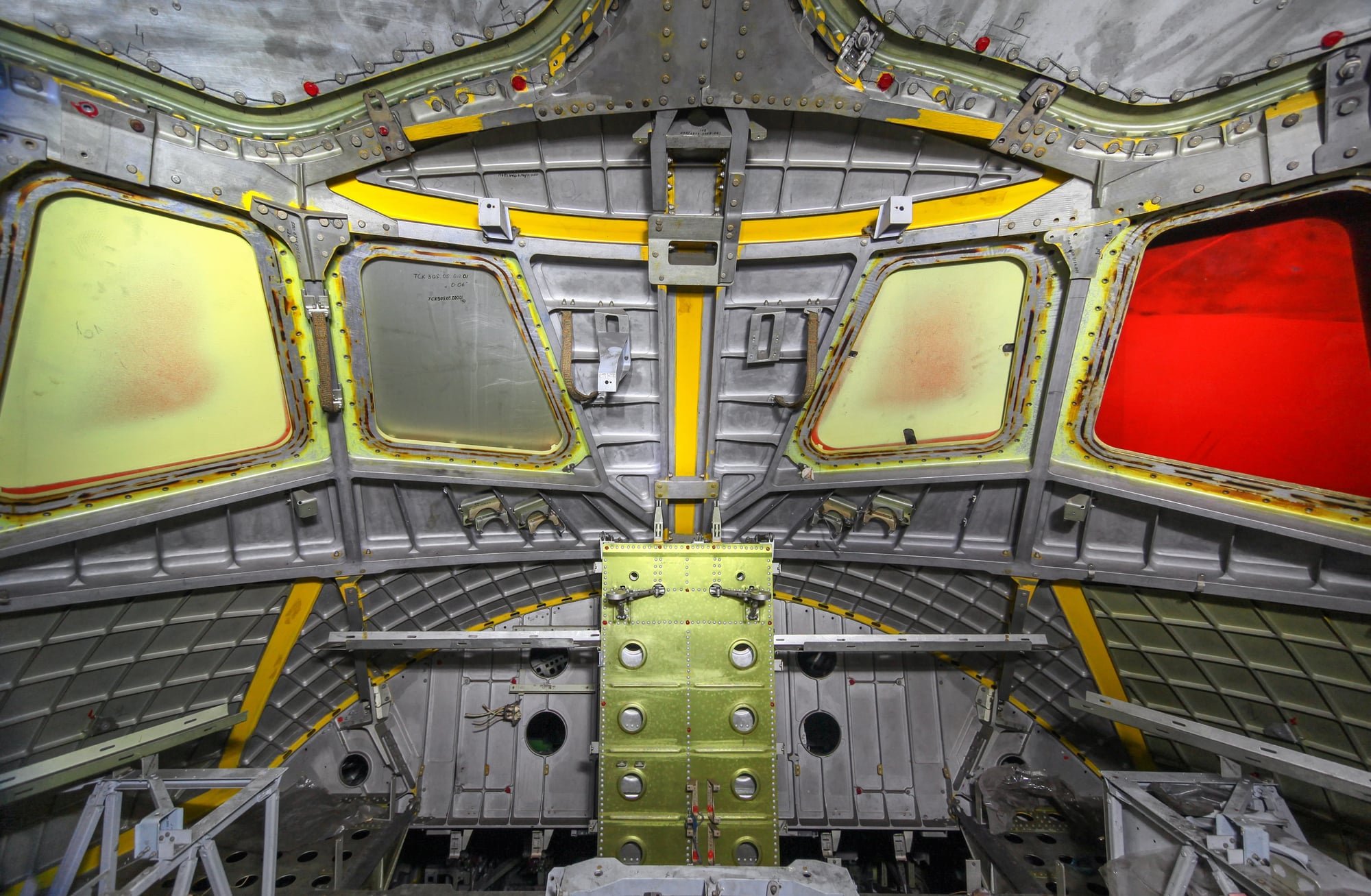
While America celebrated, the Soviet Union was quietly admitting defeat in the space race. Multiple failed missions, exploding rockets, and the death of cosmonauts—the USSR’s space program was collapsing just as America’s reached its peak.
The Soviets were masters of propaganda, so their failures remained largely hidden. But behind the scenes, the program that had launched Sputnik and Yuri Gagarin was falling apart.
The moon landing wasn’t just an American victory; it was a Soviet surrender.
The Weight of Forgotten History
History remembers what it chooses to remember. The summer of 1969 could have been remembered for war, famine, political upheaval, or cultural revolution.
Instead, it became the summer humans walked on the moon. That choice—what to remember and what to forget—shapes how we understand our past and imagine our future.
The stories that got overshadowed didn’t disappear; they just waited in the shadows for someone to notice them again.
More from Go2Tutors!

- The Romanov Crown Jewels and Their Tragic Fate
- 13 Historical Mysteries That Science Still Can’t Solve
- Famous Hoaxes That Fooled the World for Years
- 15 Child Stars with Tragic Adult Lives
- 16 Famous Jewelry Pieces in History
Like Go2Tutors’s content? Follow us on MSN.