Everyday Objects That Were Once Luxury Items
The things sitting in homes right now would have made people gasp with envy just a few generations ago. Items that seem totally ordinary today used to be symbols of wealth that only the rich could afford.
It’s wild to think about how technology and mass production turned exclusive luxuries into stuff anyone can pick up at the store. Let’s look at some everyday things that used to be serious status symbols.
Aluminum Cookware
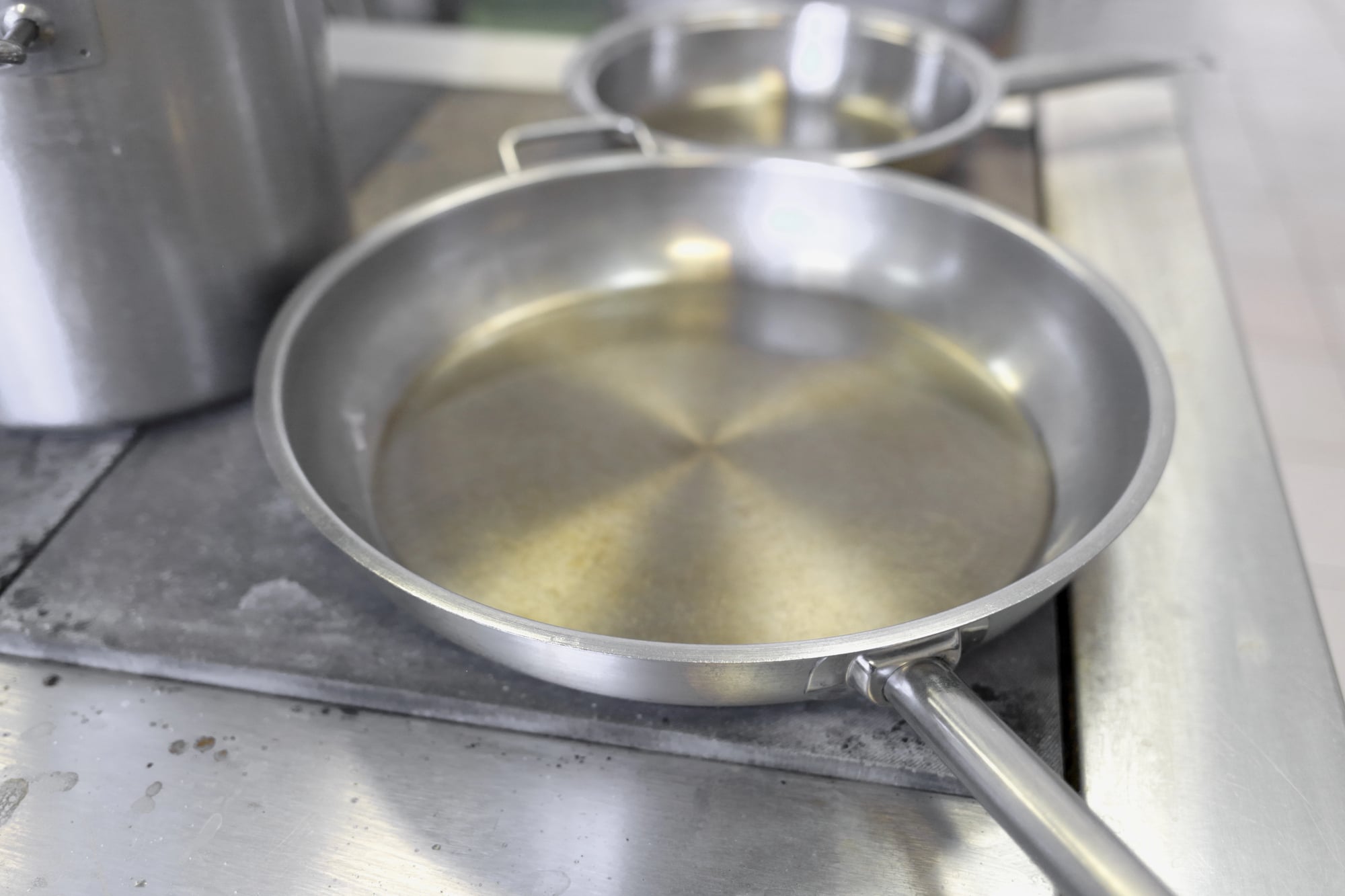
Aluminum was more valuable than gold back in the 1800s because extracting it from ore was incredibly difficult and expensive. Napoleon III of France showed off his wealth by serving food on aluminum plates while his less important guests ate from gold dinnerware.
The Washington Monument even has an aluminum cap at the top because it was considered a precious metal when they finished construction in 1884. Once new extraction methods came along in the late 1800s, aluminum became cheap enough for everyone to have pots and pans made from it.
White Bread

White bread used to be a luxury that separated the wealthy from everyone else who ate dark, grainy bread. Making white flour required extra processing and refinement that cost more money and time than regular flour production.
Rich families in medieval Europe ate soft white bread while peasants made do with dense brown loaves made from cheaper grains. The status symbol completely flipped in modern times, and now whole grain bread costs more than white bread at most stores.
Sugar
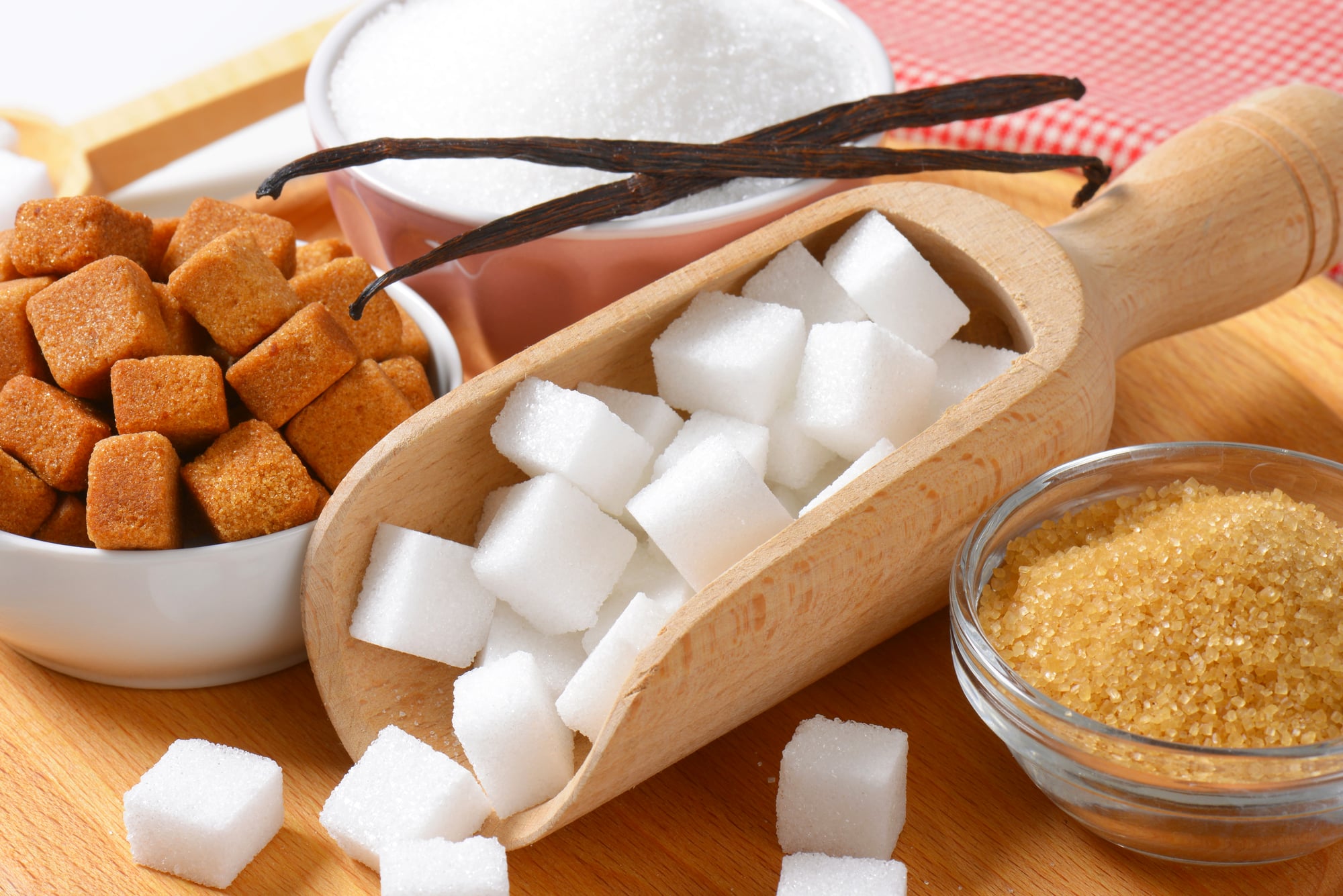
Sugar was so expensive in medieval Europe that people kept it locked up like jewelry and only brought it out for special occasions. Wealthy families would display elaborate sugar sculptures at fancy dinners to show off how much money they had.
The spice came from distant lands and required a long, dangerous journey to reach European markets, making it worth its weight in silver. Sugar plantations and improved trade routes eventually made it cheap enough that now people complain about having too much of it in their diets.
Pineapples
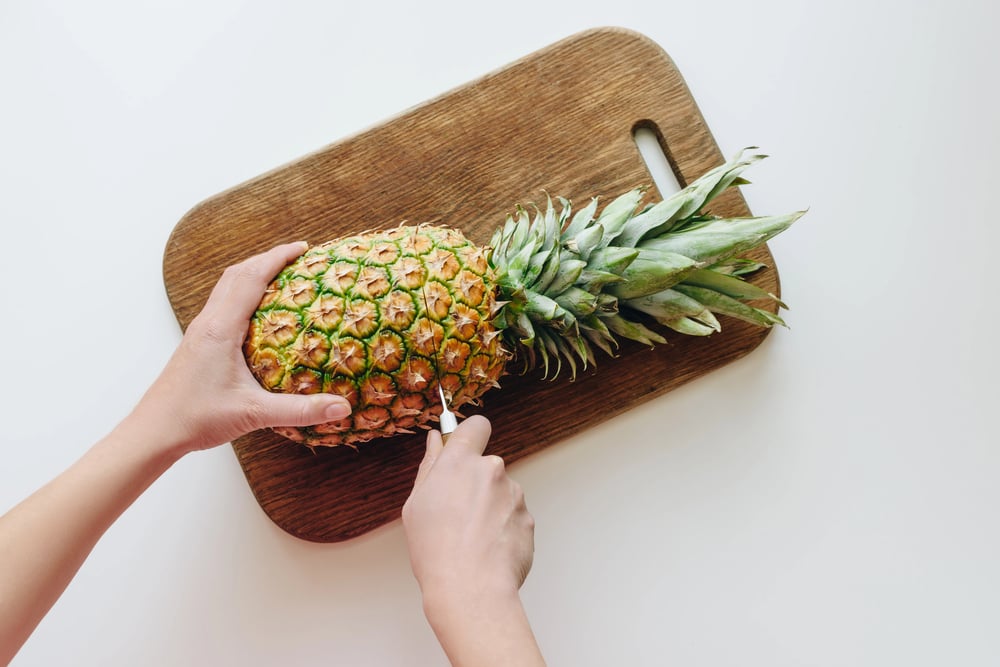
Pineapples were the ultimate status symbol in 18th century Europe, and rich people would rent them just to display at parties. A single pineapple could cost the equivalent of $8,000 in today’s money because they had to be shipped from tropical regions.
Wealthy hosts would show off a pineapple at their dinner table, and guests would know their host had serious money to burn. Some people didn’t even eat them but just kept displaying the same pineapple until it rotted because they were too valuable to consume.
Spices Like Black Pepper
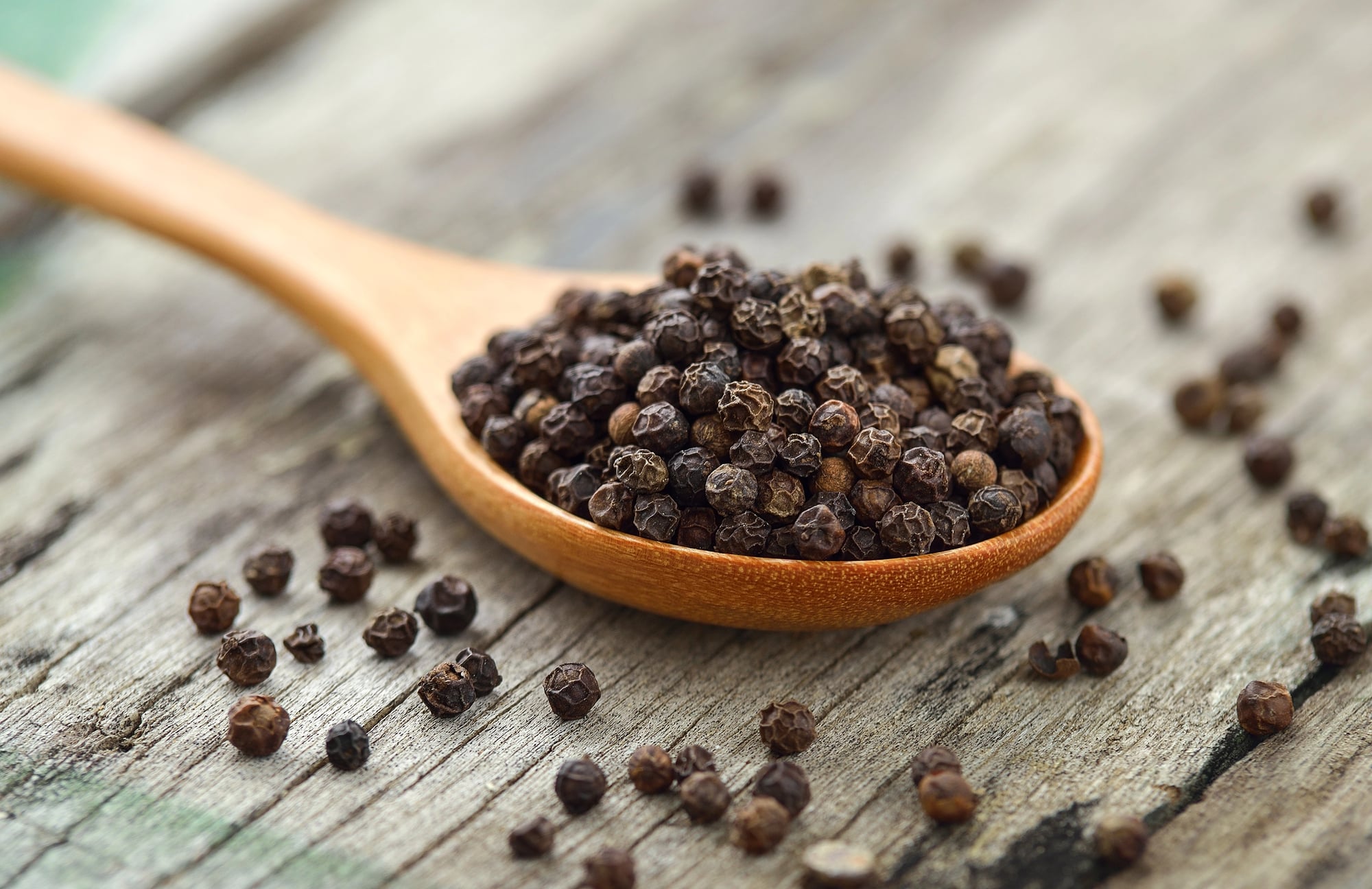
Black pepper was called ‘black gold’ in medieval times and people literally paid rent with peppercorns. The spice came from India and had to travel thousands of miles through multiple traders before reaching European kitchens.
Wealthy families kept their pepper in locked boxes, and some people included it in their wills as a valuable inheritance. The spice trade changed everything, and now pepper shakers sit on every table in restaurants and nobody thinks twice about it.
Ice

Ice used to be a luxury that only wealthy people could enjoy, especially in warm climates where it had to be imported from frozen lakes up north. The ice trade was a massive business in the 1800s, with workers cutting huge blocks from frozen lakes and shipping them around the world packed in sawdust.
Rich families had special ice houses built on their property to store the precious frozen water. Refrigeration technology killed the ice trade and made cold drinks available to everyone instead of just the upper class.
Mirrors
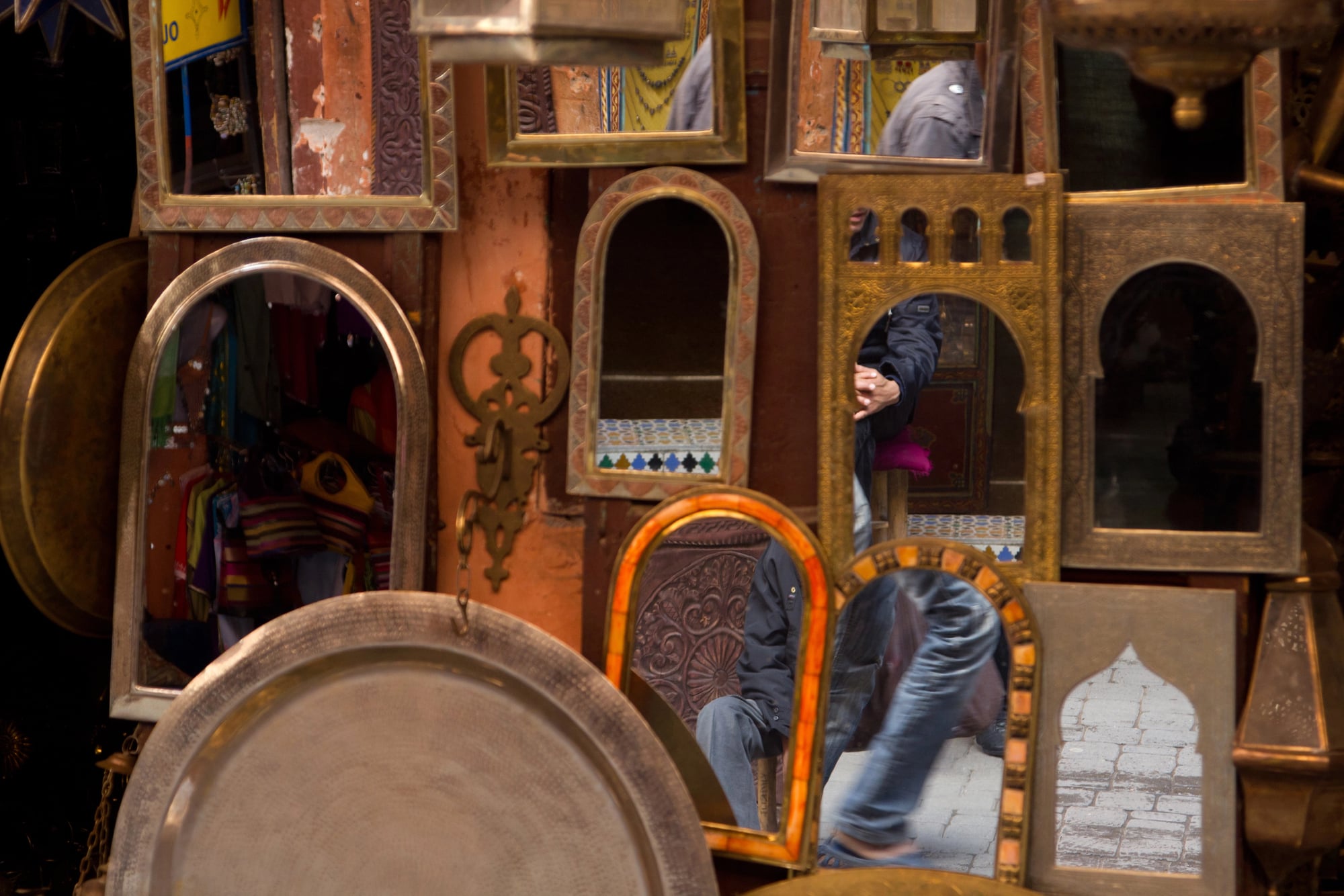
Mirrors were incredibly expensive luxury items for centuries because making clear, flat glass was extremely difficult. Venice had a monopoly on mirror production in the 1500s, and their mirrors cost as much as an entire warship.
Only royalty and the extremely wealthy could afford full-length mirrors, while regular people might own a small hand mirror if they were lucky. Modern glass production methods made mirrors so cheap that people now have entire walls covered in them without thinking about the cost.
Salmon

Salmon was so common in some areas during the 1800s that workers complained about eating it too often. The fish became a luxury item in the 1900s as overfishing and habitat destruction made wild salmon increasingly rare and expensive.
Factory workers in England actually had clauses in their contracts limiting how many times per week their employers could feed them salmon. Now wild-caught salmon costs a premium at fancy restaurants while farmed salmon has brought prices down somewhat.
Purple Clothing

Purple dye came from sea snails and required thousands of them to produce just a tiny amount of color. The Roman Empire restricted purple clothing to emperors and the highest-ranking officials because the dye was so valuable.
Making one pound of purple dye required harvesting around 250,000 snails, which explains why it cost more than gold. Synthetic dyes invented in the 1850s made purple available to everyone, ending its reign as the color of royalty.
Books

Books were rare treasures before the printing press came along because each one had to be copied by hand. Monasteries spent years producing single copies of religious texts, and a personal library was a sign of enormous wealth.
Owning even one book put someone in the upper class, while most people went their entire lives without reading anything. The printing press and mass production turned books from precious objects into something people buy and never read, which would have seemed insane to medieval scholars.
Toilet Paper
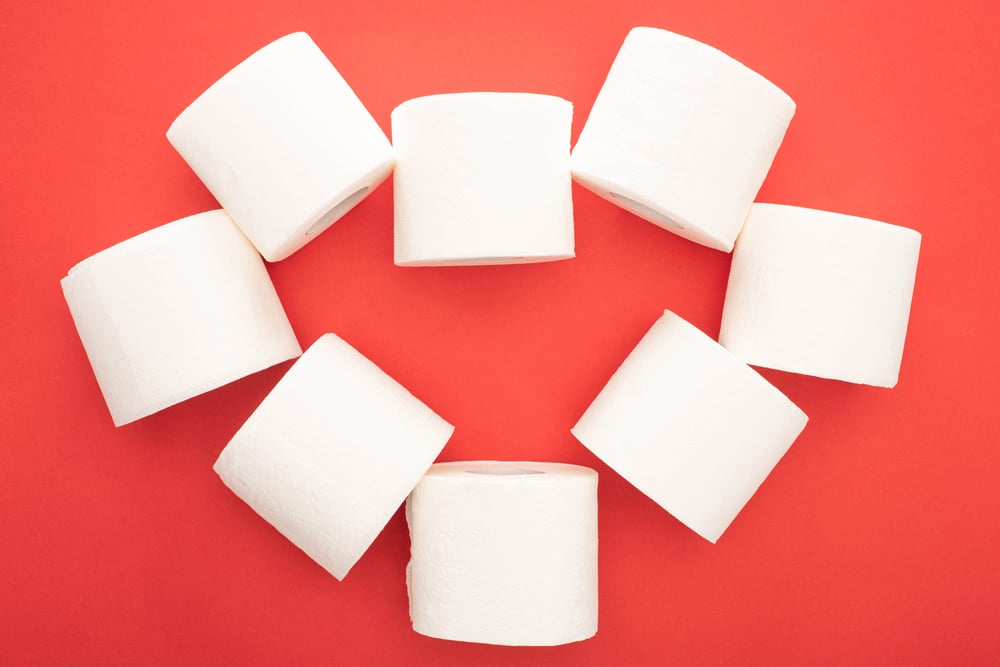
Toilet paper didn’t become widely available until the late 1800s, and even then it was considered a luxury item for wealthy families. Most people used whatever they could find, including leaves, corn cobs, or old newspaper scraps.
The first commercially available toilet paper came in individual sheets and cost quite a bit compared to other household goods. Now it’s so common that people panic buy it during emergencies and take it completely for granted the rest of the time.
Clocks And Watches
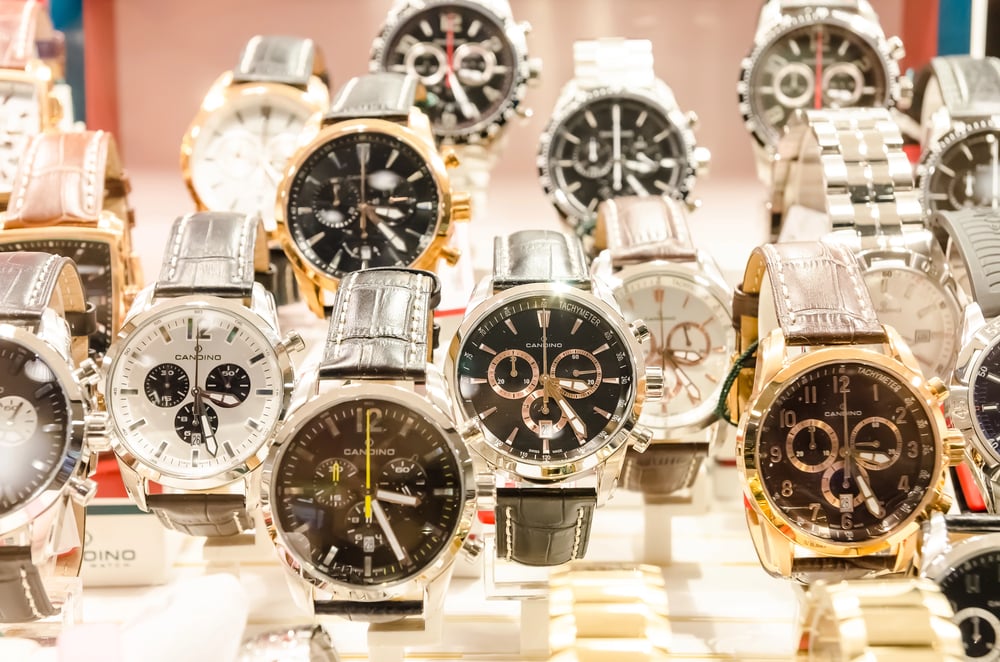
Owning a personal timepiece was a status symbol for centuries because the craftsmanship required to make them was incredibly complex and expensive. Wealthy men wore pocket watches on gold chains to show off their money, while everyone else guessed the time based on the sun.
Wristwatches were even more exclusive at first and were mainly worn by wealthy women as jewelry. Mass production made watches so cheap that people now get them free with magazine subscriptions or wear multiple fitness trackers without considering the cost.
Glass Windows

Glass windows were such a luxury in medieval times that wealthy people would take their windows with them when they moved houses. Most people had shutters or oiled paper covering their window openings because glass was too expensive.
Large glass windows were a clear sign of wealth and power, showing that the owner could afford both the glass and the heating costs for a less insulated home. Modern glass production made windows standard in every building, and now people complain if a room doesn’t have enough of them.
Chocolate
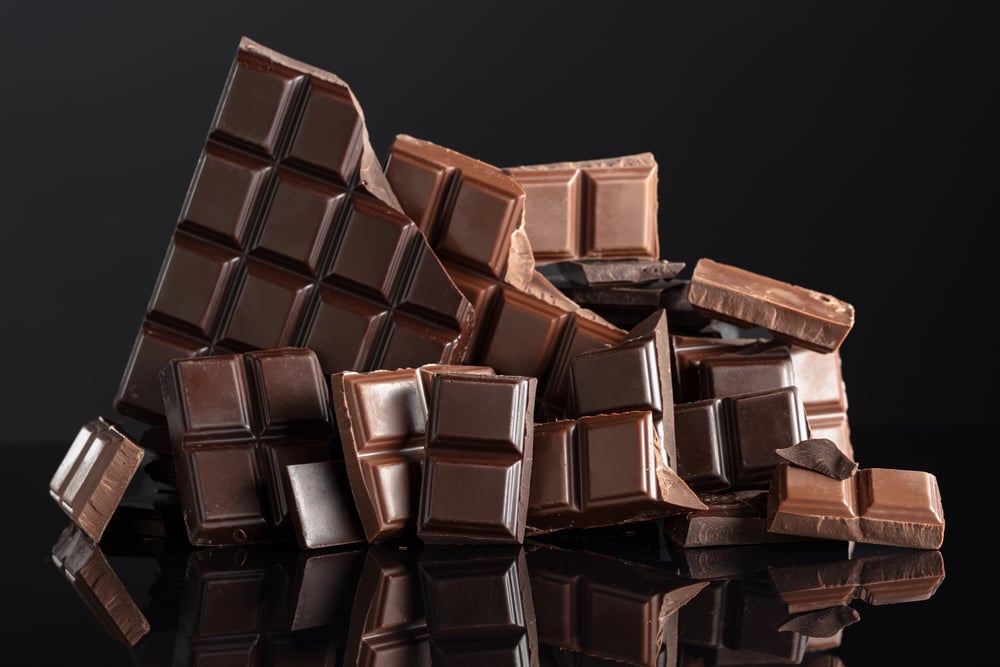
Chocolate was a drink reserved for Aztec nobility and European aristocrats for centuries before it became a common treat. The Spanish kept chocolate a secret from the rest of Europe for almost 100 years after discovering it in the Americas.
Making chocolate required importing expensive cacao beans from far away and processing them with sugar, which was also costly. The industrial revolution and chocolate processing innovations turned it from a luxury drink into candy that kids trade at lunch.
Bananas
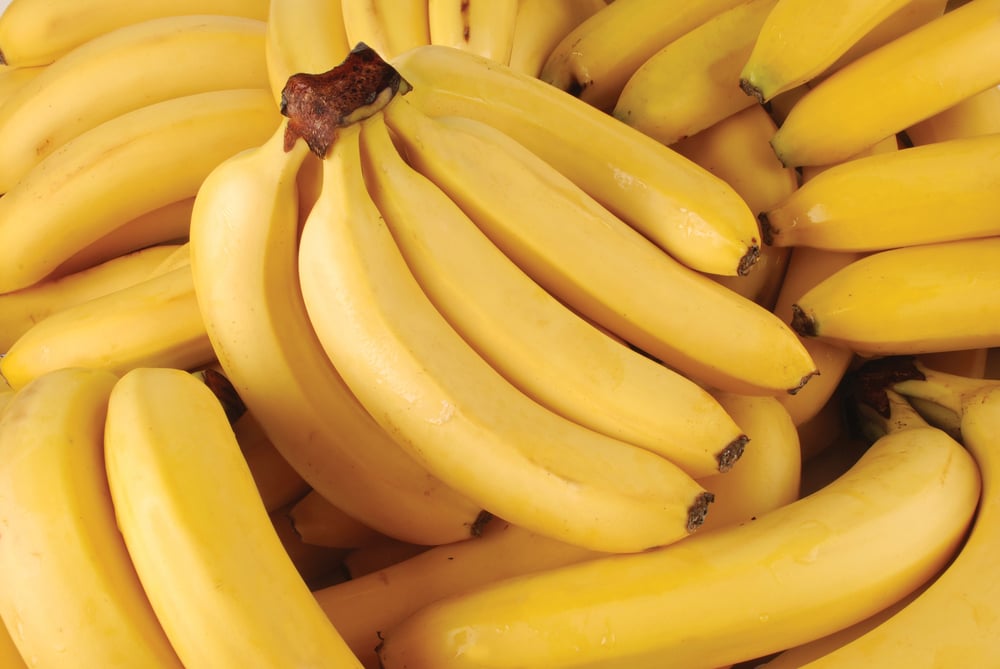
Bananas were exotic luxury fruits in America during the late 1800s and early 1900s, sold individually wrapped in foil at high prices. Most Americans had never seen a banana until improved refrigeration and shipping made it possible to import them from Central America.
The fruit was so special that people didn’t know how to eat them at first, and some folks tried eating the peel. Better transportation networks and banana plantations turned them into one of the cheapest fruits available at any grocery store.
Coffee
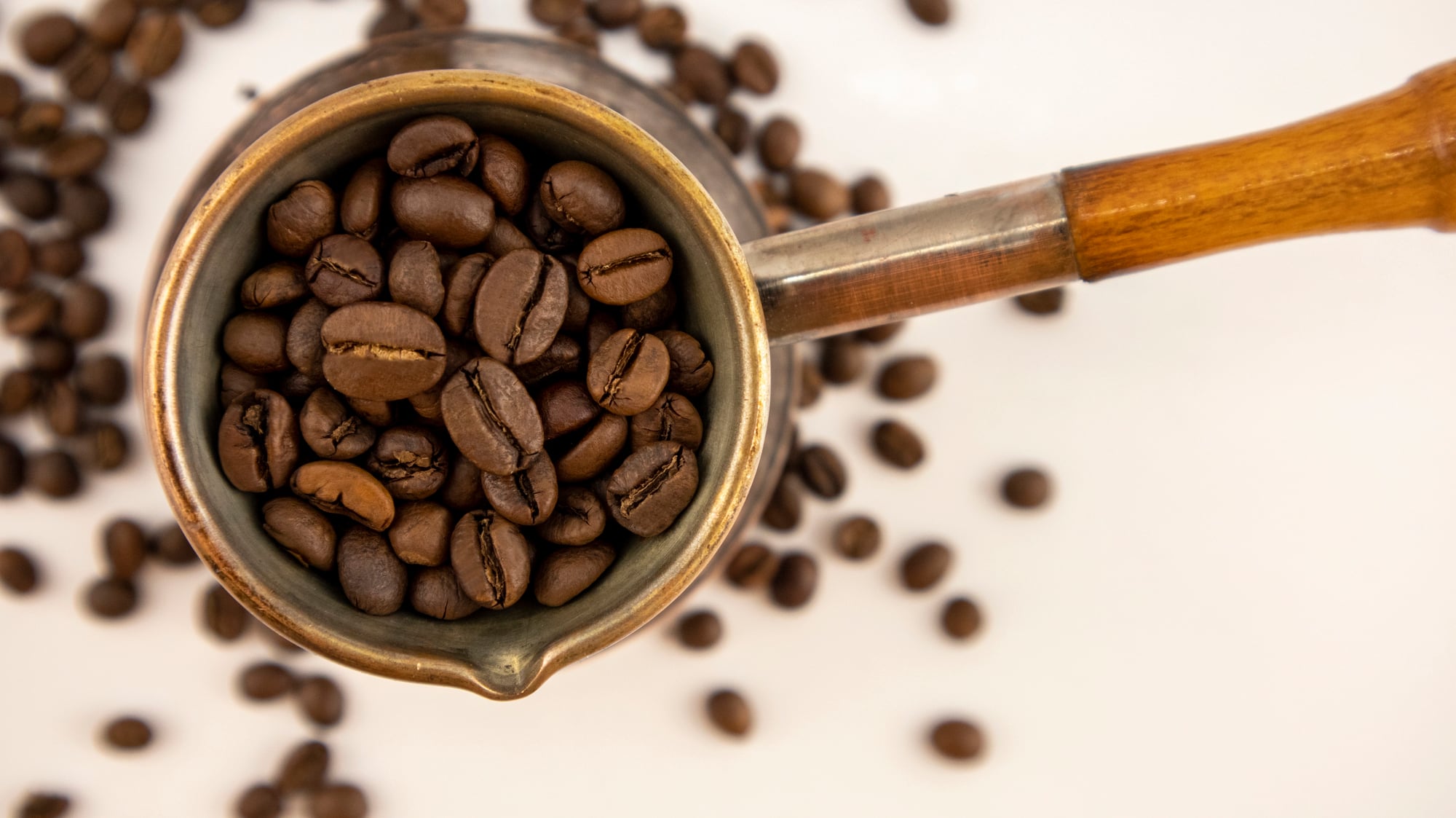
Coffee was a luxury drink in Europe during the 1600s and 1700s, enjoyed mainly by wealthy people in expensive coffeehouses. The beans came from far away, and the drink was considered exotic and sophisticated.
Regular people couldn’t afford coffee and stuck with cheaper alternatives like chicory or roasted grain drinks. Global coffee production and trade made it one of the most consumed beverages in the world, and now people complain if it costs more than a few dollars.
From Rarities To Routine
One step at a time, what felt rare now fills shelves near bus stops and back roads. Once locked behind wealth and gates, certain comforts spill into hands without second thought.
Slowly but surely, life lifts higher for many, even if quietly. A bite of something sweet, water flowing fast – moments like these humbled kings long ago.
Not so far back in time, such ease looked like dreams too bold to speak aloud.
More from Go2Tutors!

- The Romanov Crown Jewels and Their Tragic Fate
- 13 Historical Mysteries That Science Still Can’t Solve
- Famous Hoaxes That Fooled the World for Years
- 15 Child Stars with Tragic Adult Lives
- 16 Famous Jewelry Pieces in History
Like Go2Tutors’s content? Follow us on MSN.