27 Old Board Game Pieces and Tokens Collectors Pay More for Than the Full Game
There’s a specific kind of chaos that happens when someone finally cleans out a closet and finds a stack of old board games from the 1950s through the 1980s. Half the boxes are falling apart, the boards are water-stained, and the rules are long gone.
And yet somehow, tucked inside, there’s a tiny metal dog or a chipped ceramic token that turns out to be worth more than everything else in the box combined. Collectors have quietly built an entire world around these small, easy-to-overlook pieces, and the prices some of them command make no sense until you understand why they exist in the first place.
Monopoly’s Original Iron Token
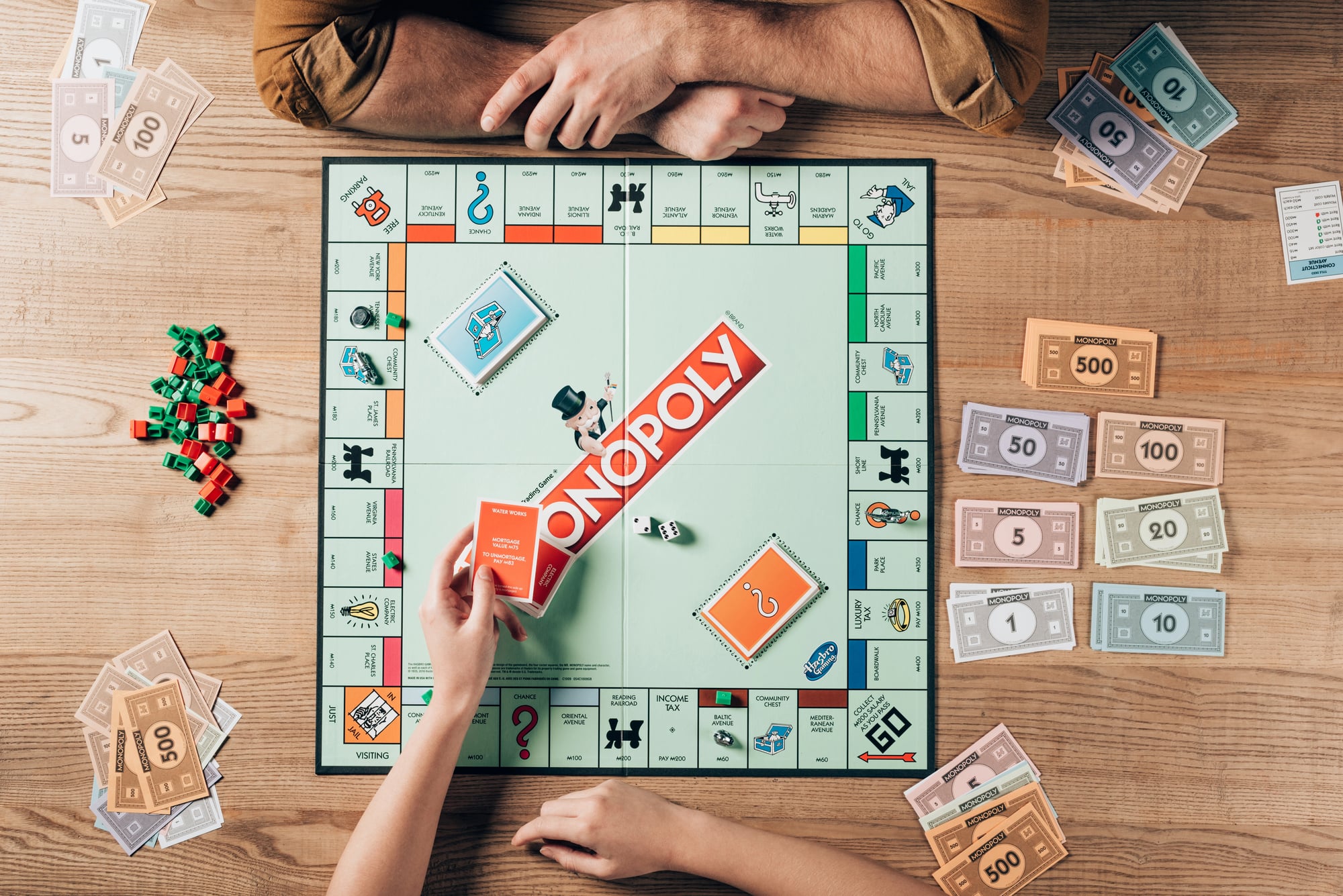
The iron token from early Monopoly sets isn’t just old, it’s scarce in a way most people don’t expect. Parker Brothers pulled it in 2013 after a public vote, and pre-vote sets with the original iron in good condition now fetch serious money on collector sites.
Rust, bent handles, and worn detailing tank the price fast. Collectors want the crisp edges from early production runs, not the flattened, mass-produced versions from later decades.
Clue’s Original Lead Pipe Weapon
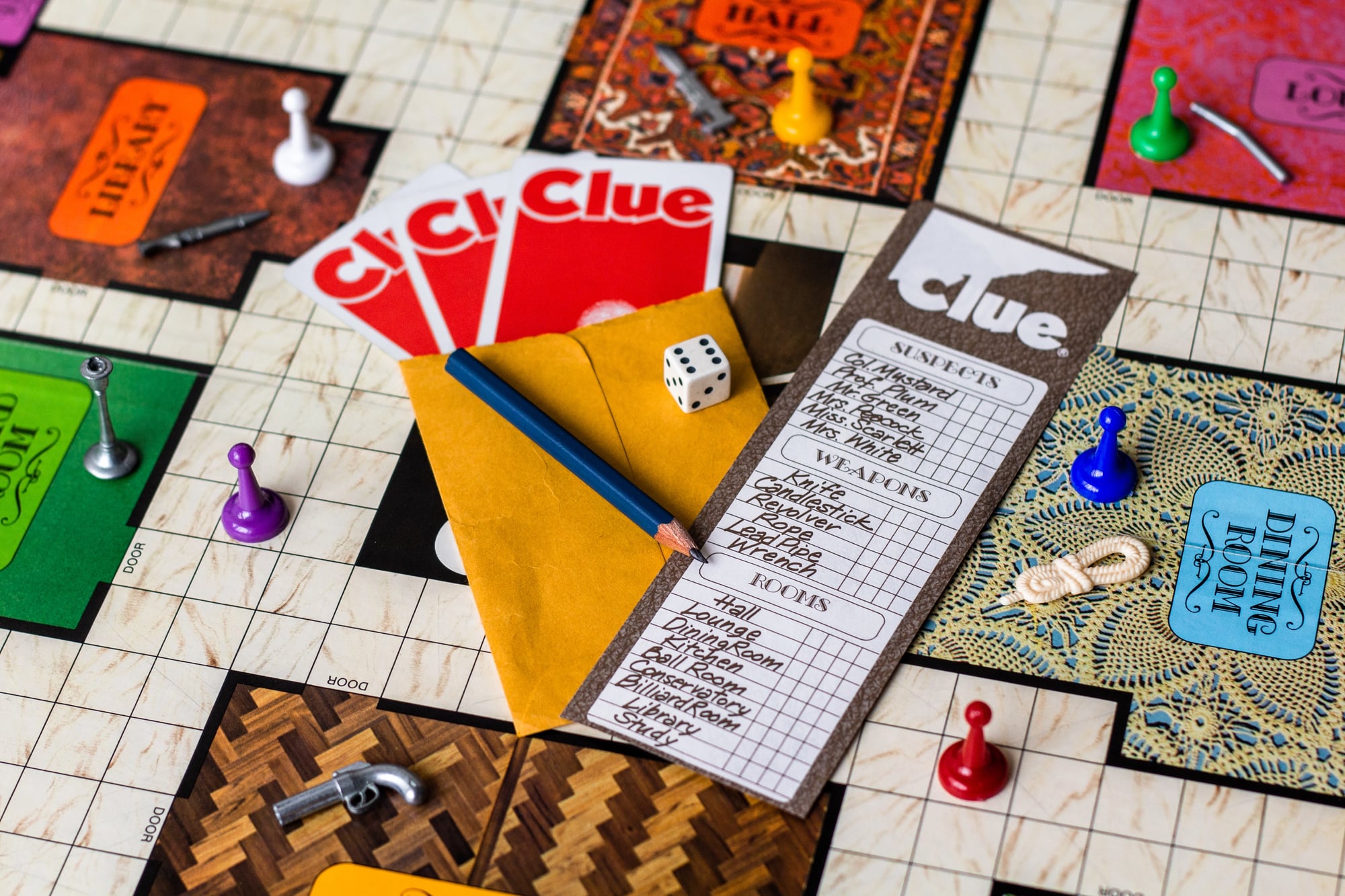
The earliest Clue sets from the 1949 UK release and the early 1950s American editions came with actual metal weapons, cast heavier and more detailed than the plastic replacements that showed up by the 1970s, and collectors will tell you the difference is obvious the moment you hold one. Weight matters here: a lead pipe that feels substantial in your palm is worth chasing, while a hollow, lightweight version from a later print run barely gets a second glance.
So the hunt isn’t really about the game at all — it’s about whether that one weapon survived decades of being lost under couch cushions or, worse, melted down by a kid with a stove and bad judgment. Complete sets are nice, sure, but a single original candlestick or revolver in solid condition can outsell the whole board.
Scrabble’s Early Wooden Tiles
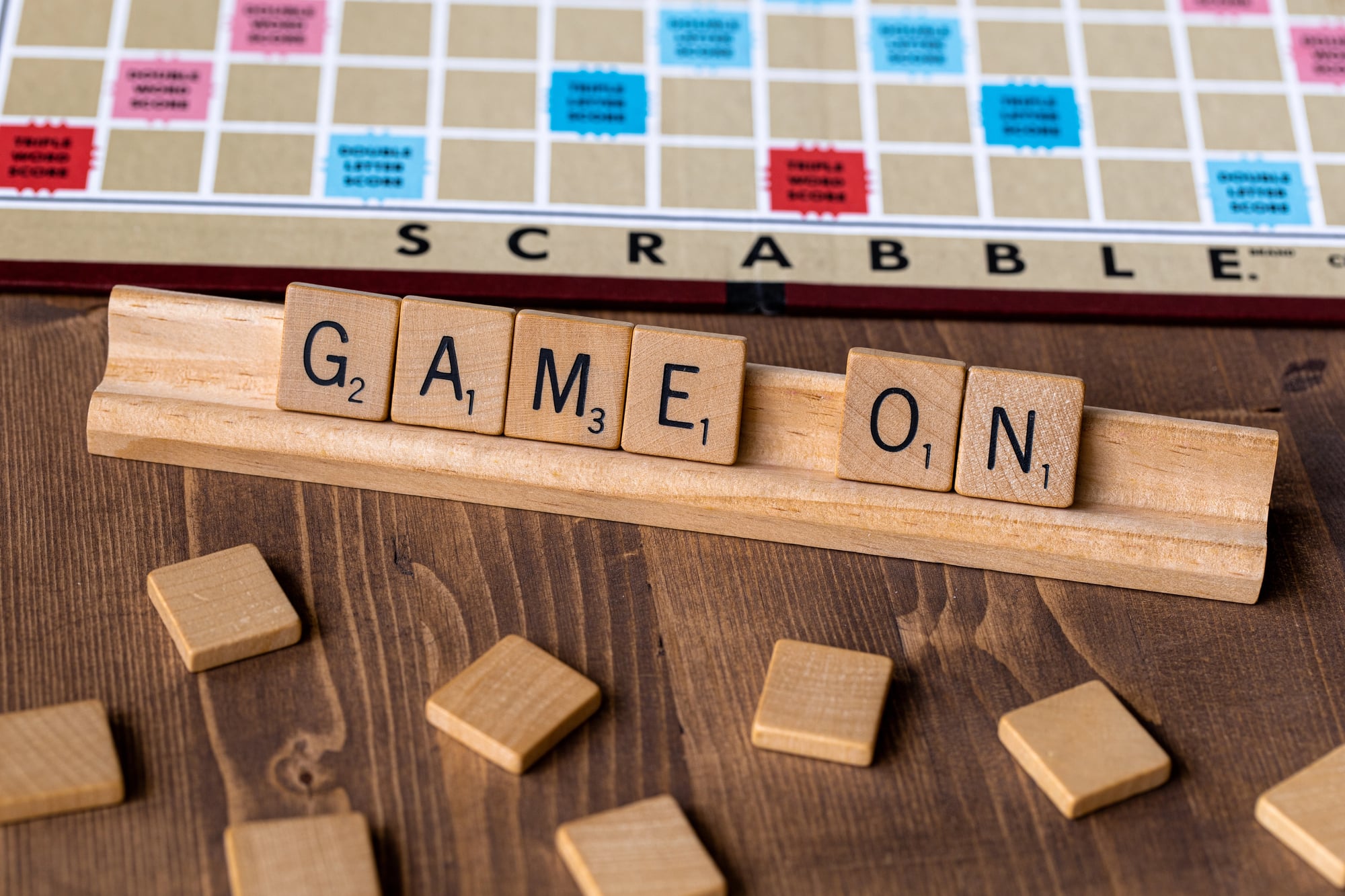
Some of these tiles have traveled through more households than the people collecting them now, and there’s something almost tender about that kind of quiet endurance. The earliest Scrabble sets, produced before the switch to lighter, cheaper wood composites, carry a density and a smoothness that newer tiles simply don’t replicate, worn soft at the edges like a doorknob touched too many times.
A full set from those original runs, letters intact and point values still legible, reads less like a game piece and more like a small artifact of patience. Nobody set out to preserve these on purpose — they just survived, tucked in drawers, indifferent to the decades passing around them.
Risk’s Original Wooden Armies
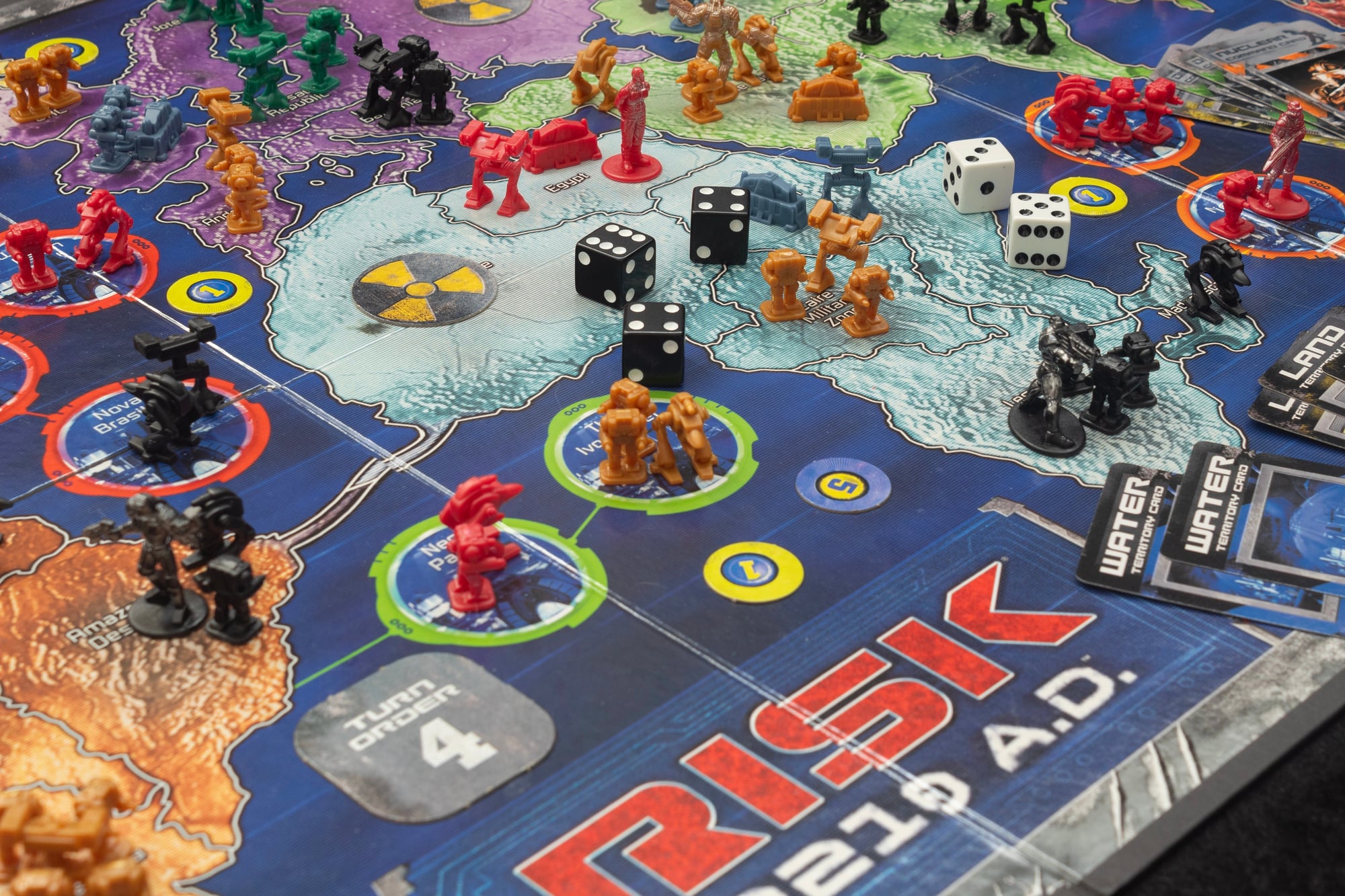
Plastic ruined Risk armies, and that’s not an exaggeration. The 1959 Parker Brothers release used solid wooden infantry, cavalry, and artillery pieces, carved with actual dimension instead of the flat, molded look that took over by the mid-1960s.
Collectors pay a premium for full sets of the wooden originals because they hold their shape and color decades later, which is saying something for pieces that small.
Operation’s Original Metal Tweezers
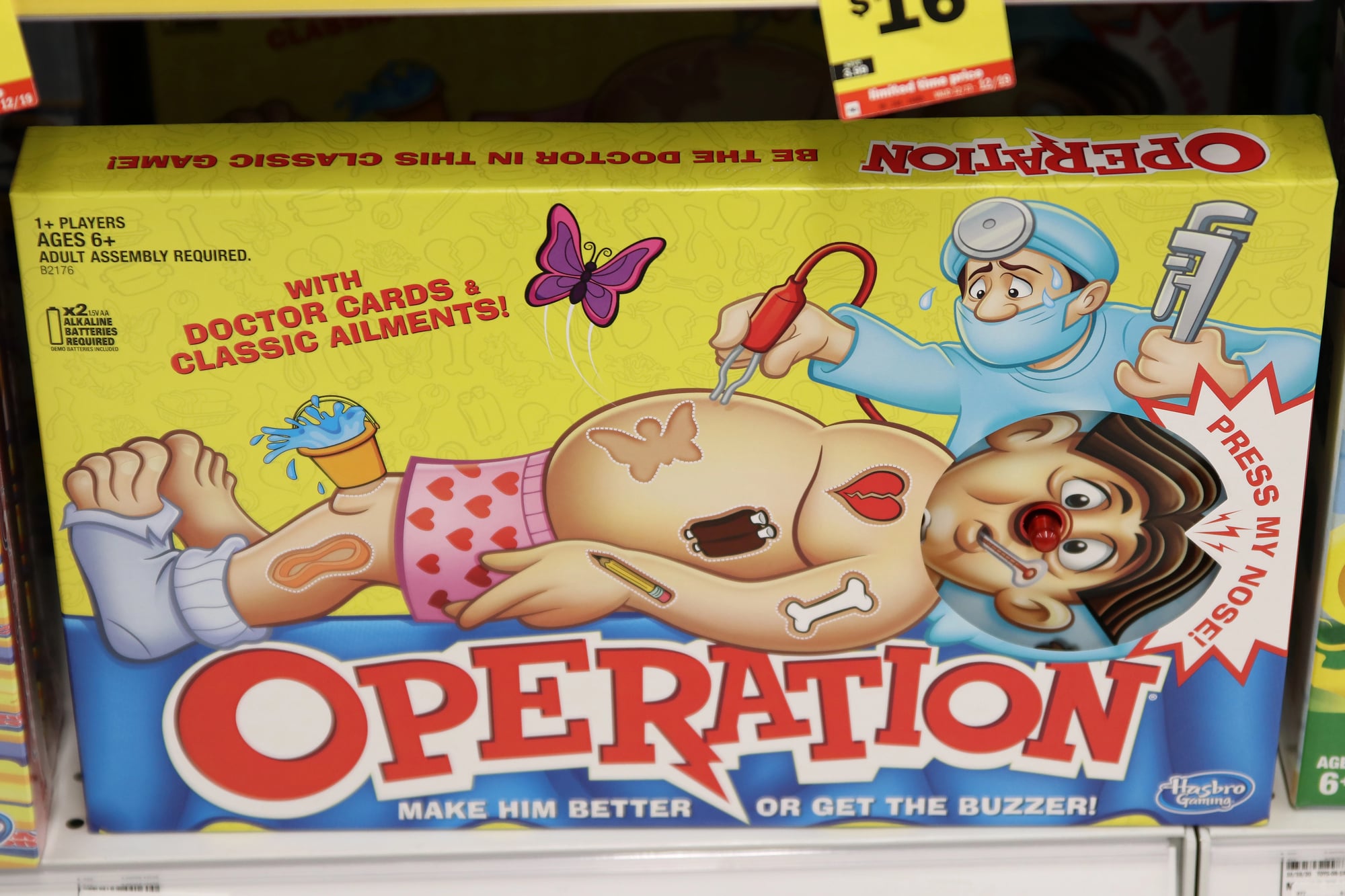
The first Operation sets from 1965 shipped with tweezers that had real heft to them. Later versions went cheap and plastic, and the difference shows up the second you try to lift the “Adhesive Brain” piece.
Collectors want the metal pair specifically — chipped paint and all — because it’s the one component that actually has to work for the game to make sense.
Sorry!’s Original Wooden Pawns
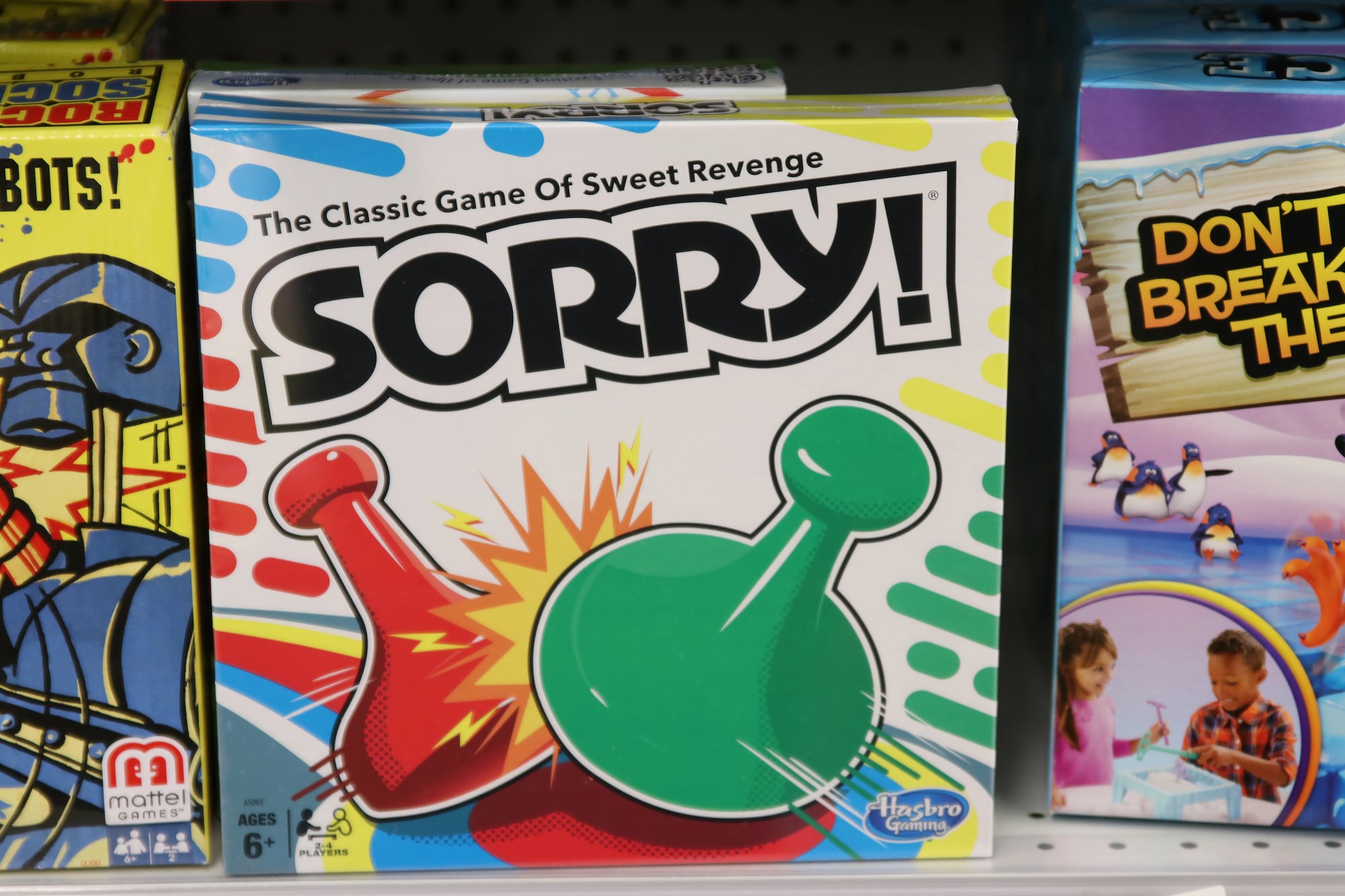
The pawns from the earliest Sorry! sets, produced back when Parker Brothers still used turned wood instead of injection-molded plastic, have a slight asymmetry to them if you look closely — no two are perfectly identical, which collectors treat as a feature rather than a flaw. And that’s the strange part: the very imperfection that would’ve gotten a modern factory in trouble is exactly what makes a full set of four colors desirable now.
Prices climb fast when the original varnish is intact, because most sets got left in humid basements and the finish either clouded over or peeled away entirely. A clean, unclouded set from a 1950s edition can outprice a mint-condition full game by a wide margin, so it’s worth checking that dusty box before it goes to a donation pile.
Trouble’s Original Pop-O-Matic Bubble
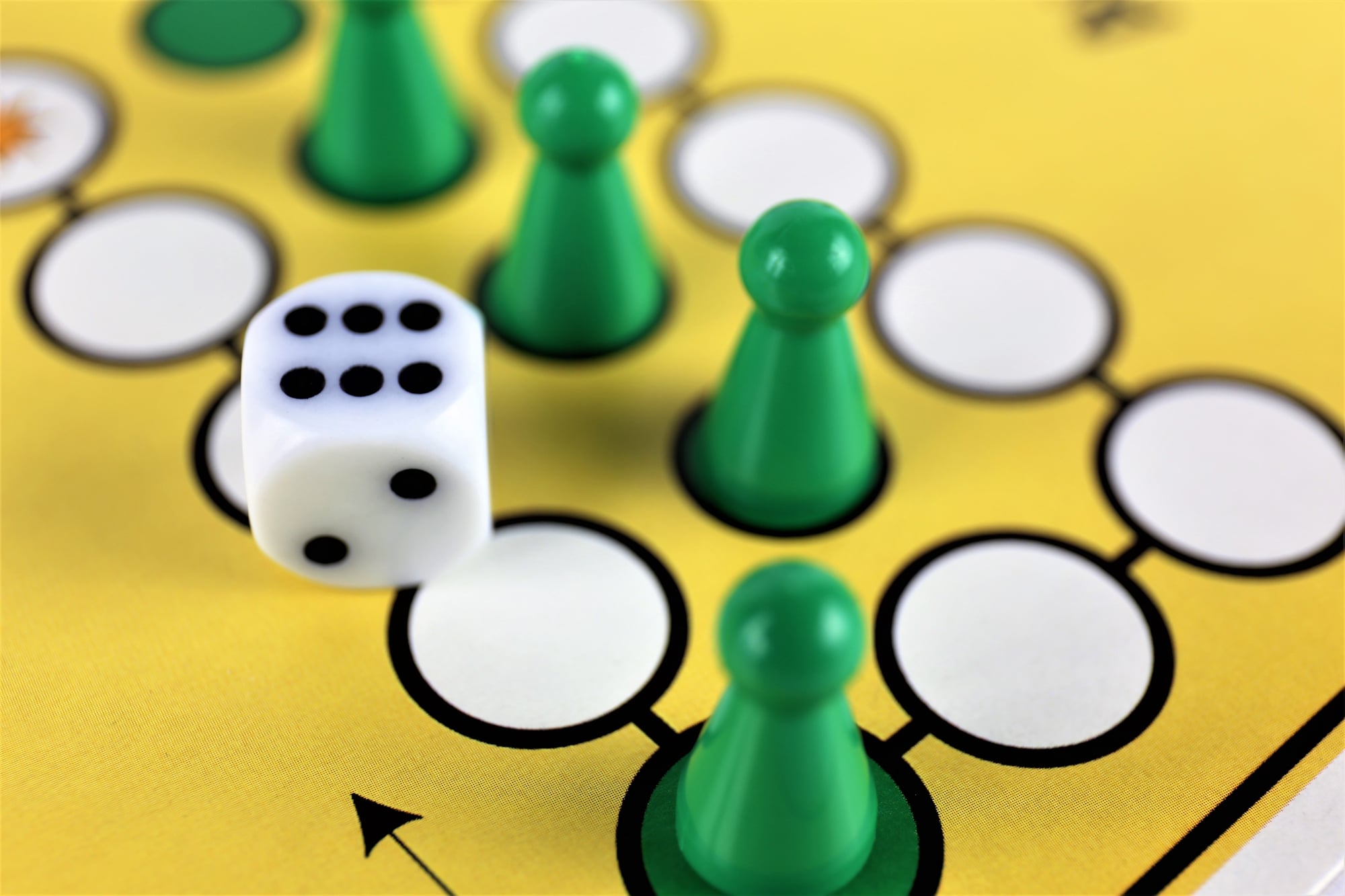
There’s something almost theatrical about the Pop-O-Matic bubble, the way it sits in the center of the board like a tiny stage waiting for its one trick to work. Early bubbles from the 1965 debut used a thicker, more domed plastic and a firmer internal mechanism, giving the die a satisfying, decisive pop instead of the mushy half-press newer versions produce.
Collectors chase the originals specifically because the sound is different: sharper, more mechanical, almost stubborn in how it refuses to feel cheap. A working bubble from that first run, still popping cleanly after sixty years, carries a kind of quiet reliability that the rest of the game never quite matches.
The Game of Life’s Tiny Metal Cars
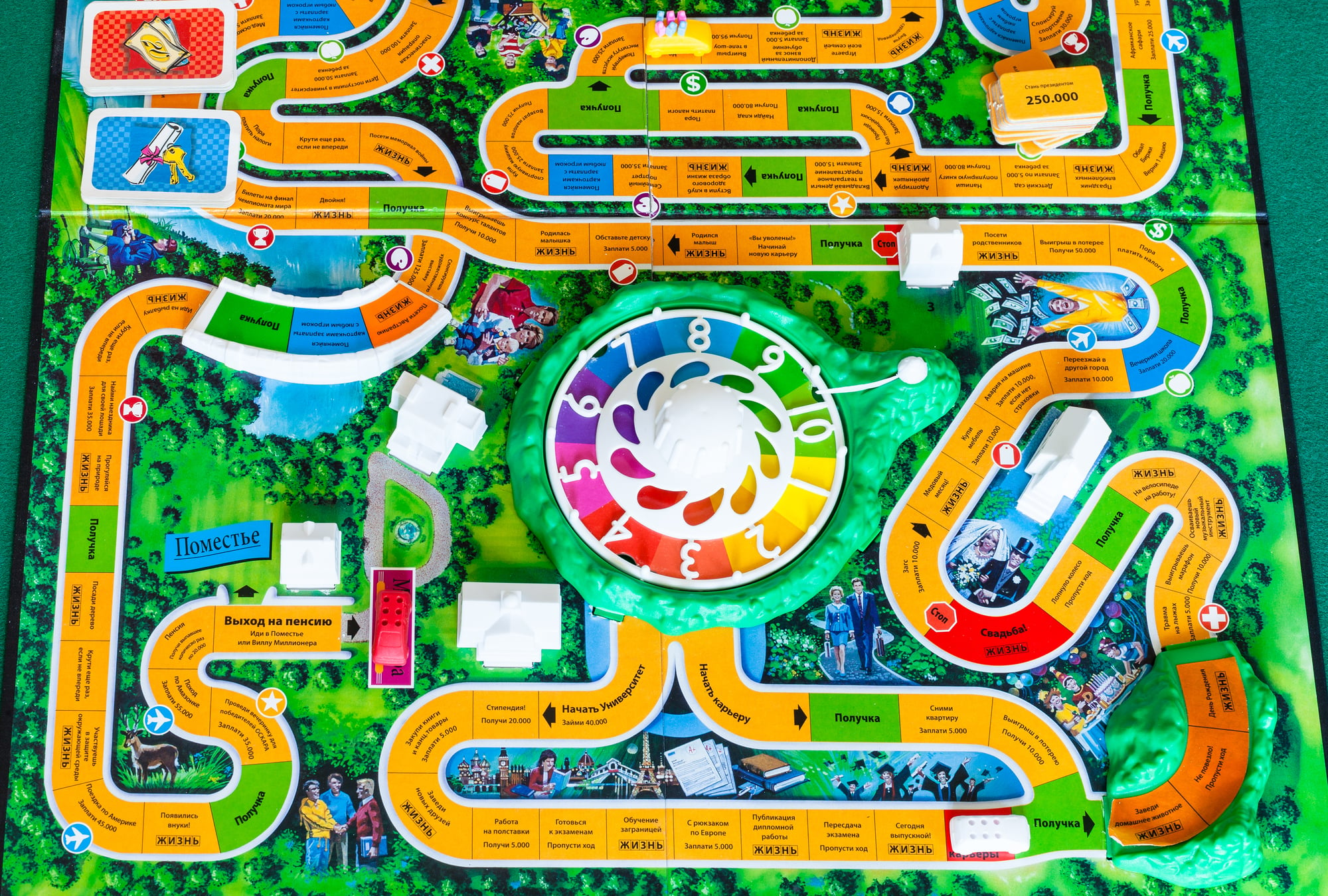
The 1960s Game of Life used actual die-cast metal cars, and nothing since has come close to matching them. Later editions switched to plastic, and it shows immediately in the weight and the paint quality.
Collectors pay real money for the metal versions with pink and blue pegs still intact, because let’s be honest, plastic pegs snap and metal ones don’t. That durability is exactly why so few complete sets survive with all their tiny passengers accounted for.
Aggravation’s Glass Marbles
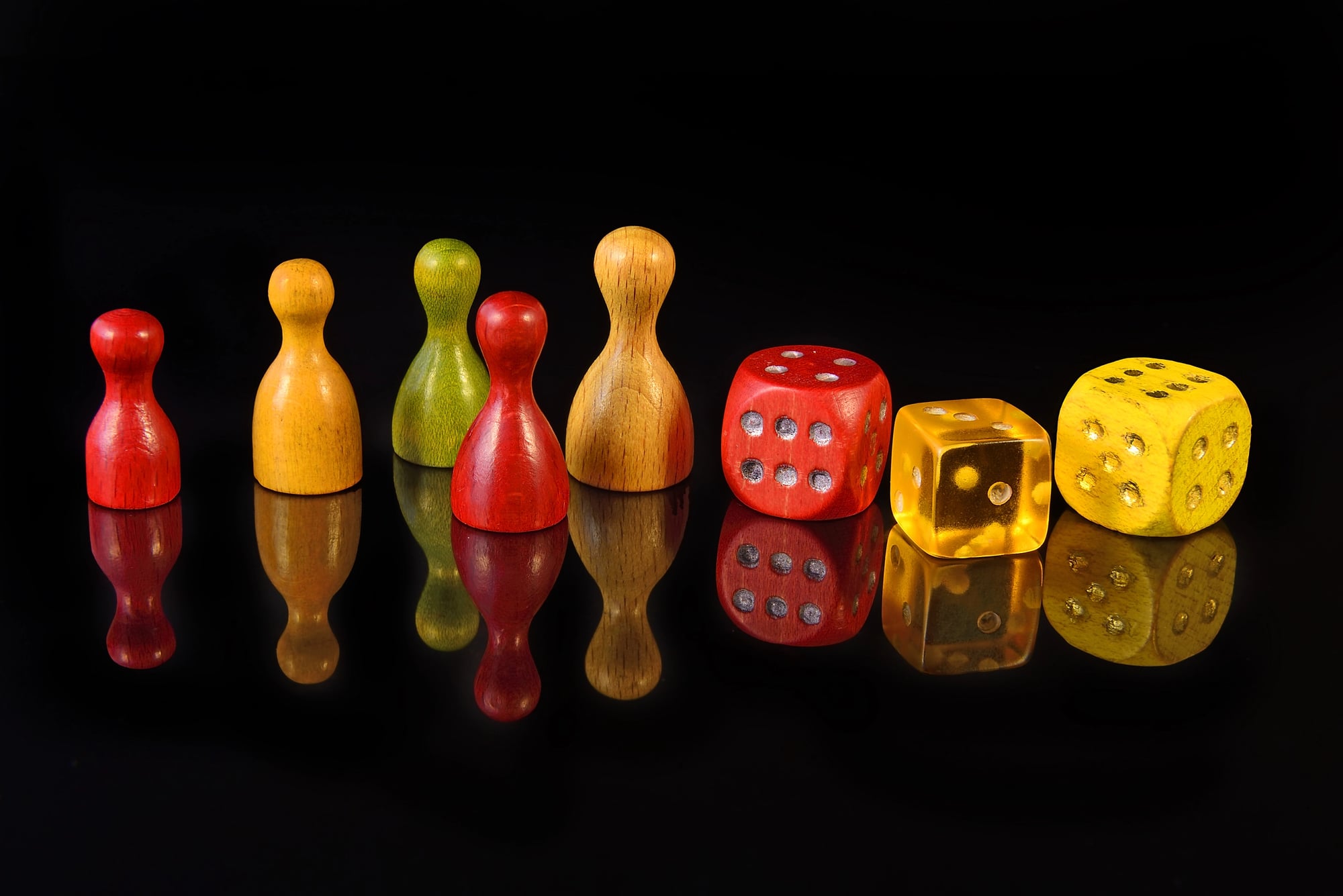
Old Aggravation sets used real glass marbles, not the plastic ones that came later. Colors were richer, the glass had actual weight, and each one had tiny imperfections from the manufacturing process.
Collectors want full sets of the original glass in matching color runs, chips and all, because complete matched sets barely exist anymore. Most got scattered, swapped, or lost the moment a kid found them more fun to roll across the floor than to use in the actual game.
Mouse Trap’s Original Steel Marble
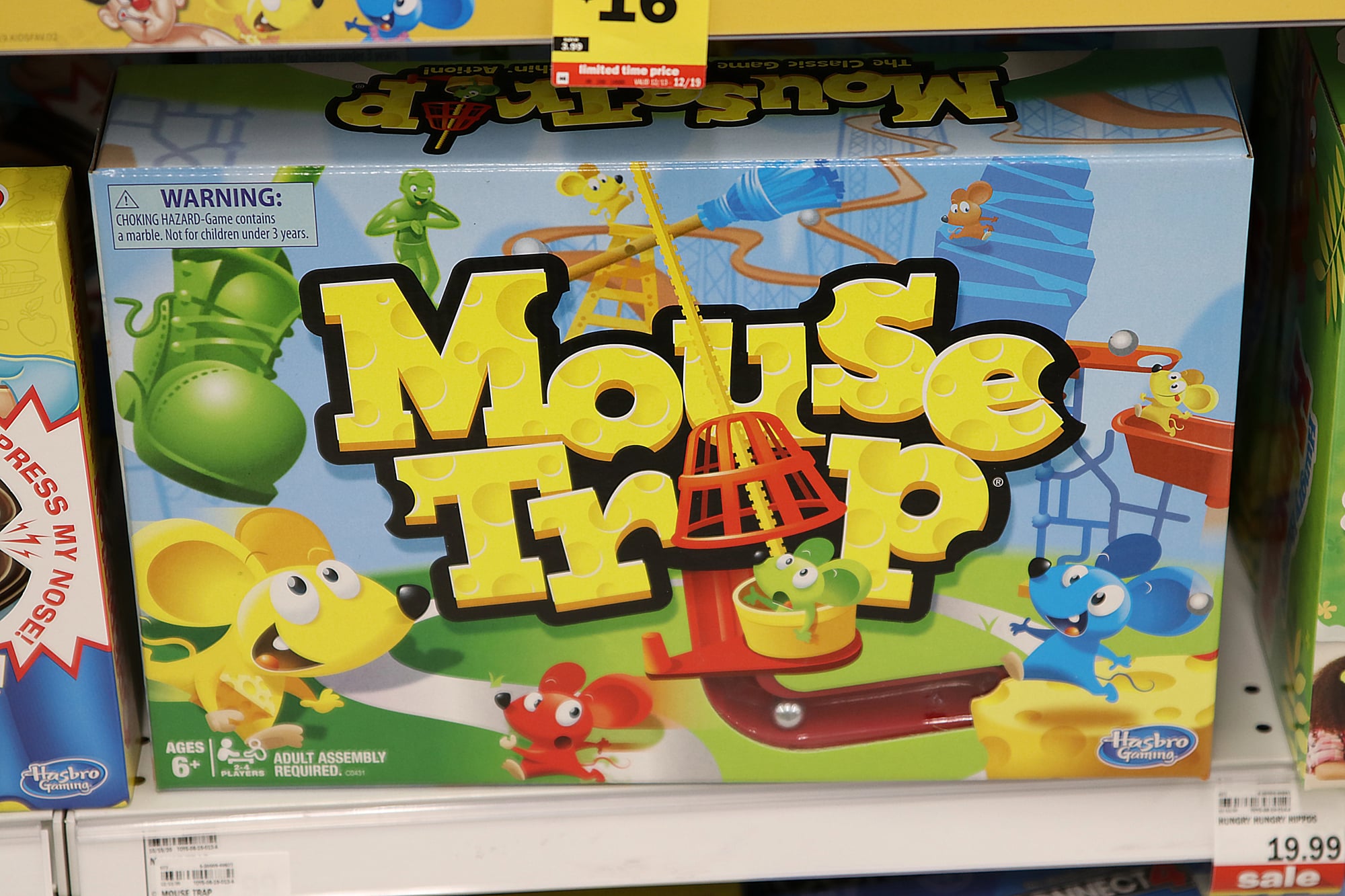
The 1963 original used an actual steel marble to trigger that ridiculous chain reaction, and it’s heavier than anyone expects the first time they pick one up — which matters, because the whole contraption depends on real momentum, not the suggestion of it. Later reissues swapped in a lighter, hollow-feeling orb that rolls fine but doesn’t sound right, doesn’t clatter through the pipes with that same satisfying weight: it’s a small difference, but collectors notice it instantly.
So a genuine steel marble from an early set, especially one still paired with its original cage and bathtub pieces, sells for more than most people would guess for something you could lose in a shag carpet in half a second. And that’s kind of the point — it survived exactly because nobody thought to protect it.
Yahtzee’s Original Leather Dice Cup
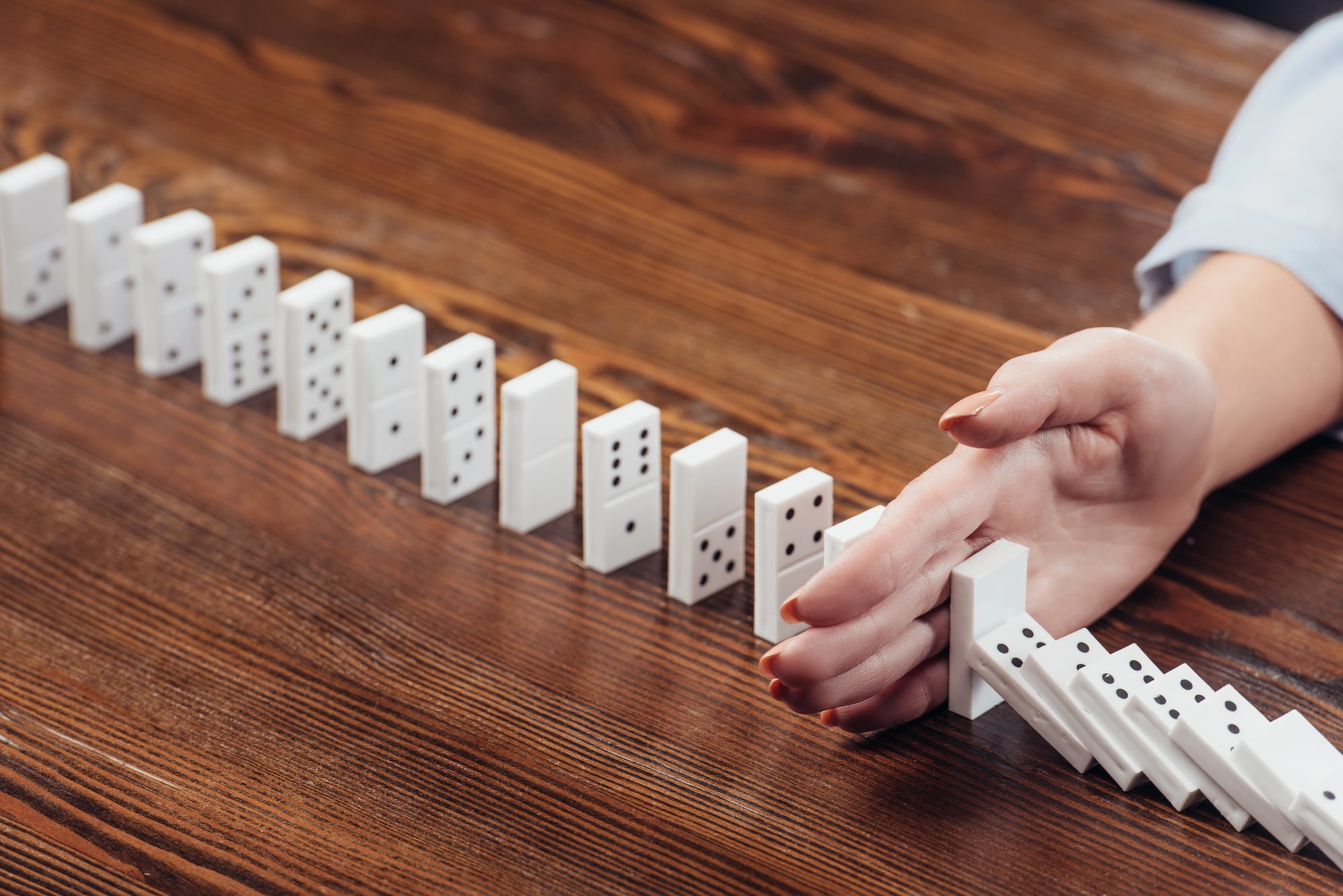
Roll a die out of a plastic tumbler and it sounds like nothing at all — a dull clatter, forgettable the second it stops. The 1956 Yahtzee sets came with a leather cup instead, stitched and stiff at first, then softened by years of hands closing around it before a throw, the way a baseball glove breaks in or a wallet molds itself to a pocket.
That sound, leather against dice, has become the thing collectors actually chase, more than the scorepad or the box art ever could. A cup that’s cracked but intact, still holding its shape after seventy years of shaking, carries a warmth that plastic never figured out how to fake.
Battleship’s Original Plastic Ships
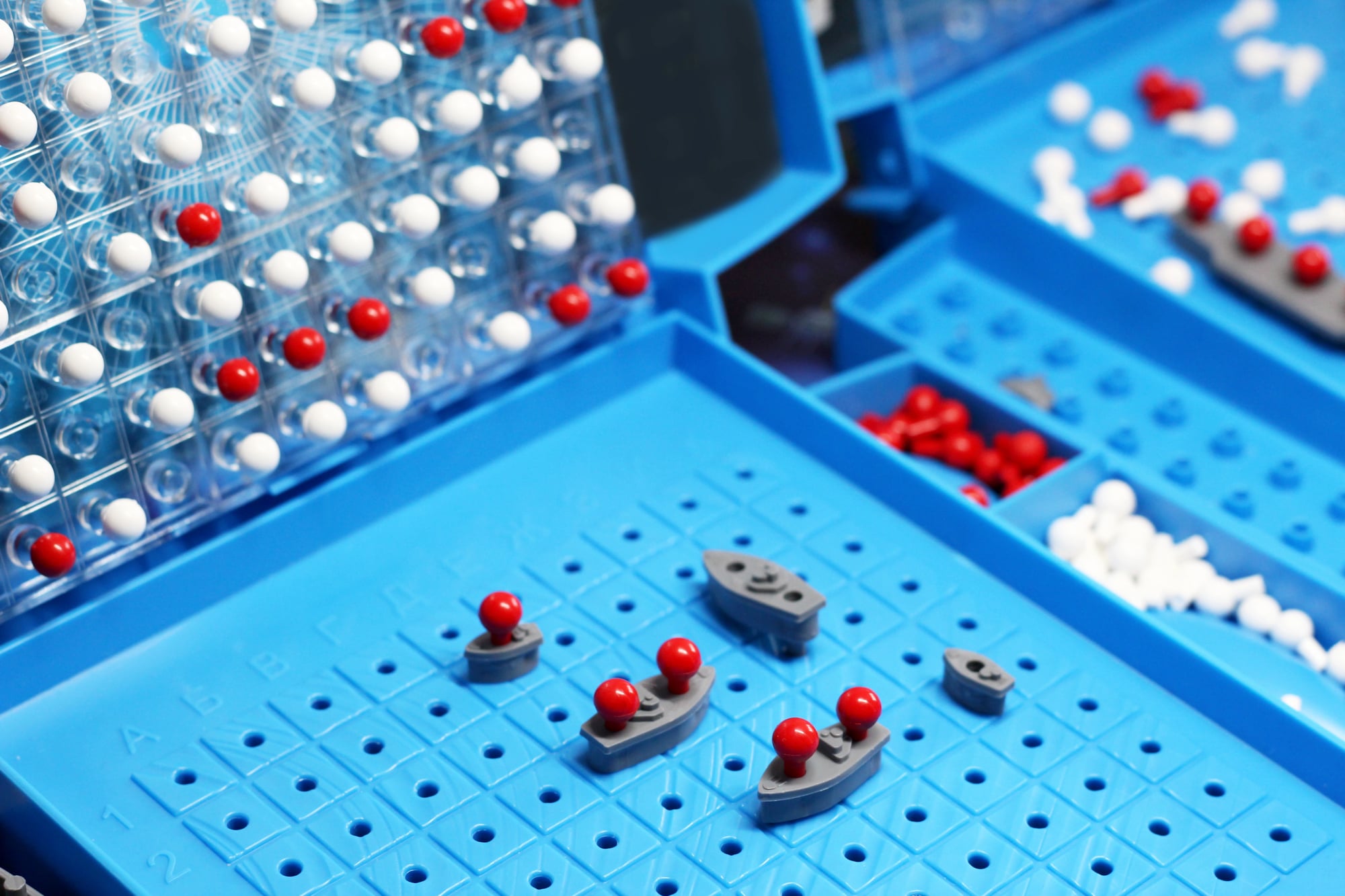
Early Battleship sets from Milton Bradley’s 1967 mass-market release get overlooked constantly, and that’s a mistake. The first-run ships came molded in a thicker, glossier plastic with crisper deck detailing than the flattened, chalky versions from the 1980s onward.
Collectors pay extra for a complete fleet in that original mold, still snapped tightly onto their pegboards, because most sets lost at least one destroyer to a couch cushion decades ago. To be fair, nobody was babying a plastic ship in 1970 — which is exactly why intact ones are rare now.
Candy Land’s Original Wooden Gingerbread Man Pawn
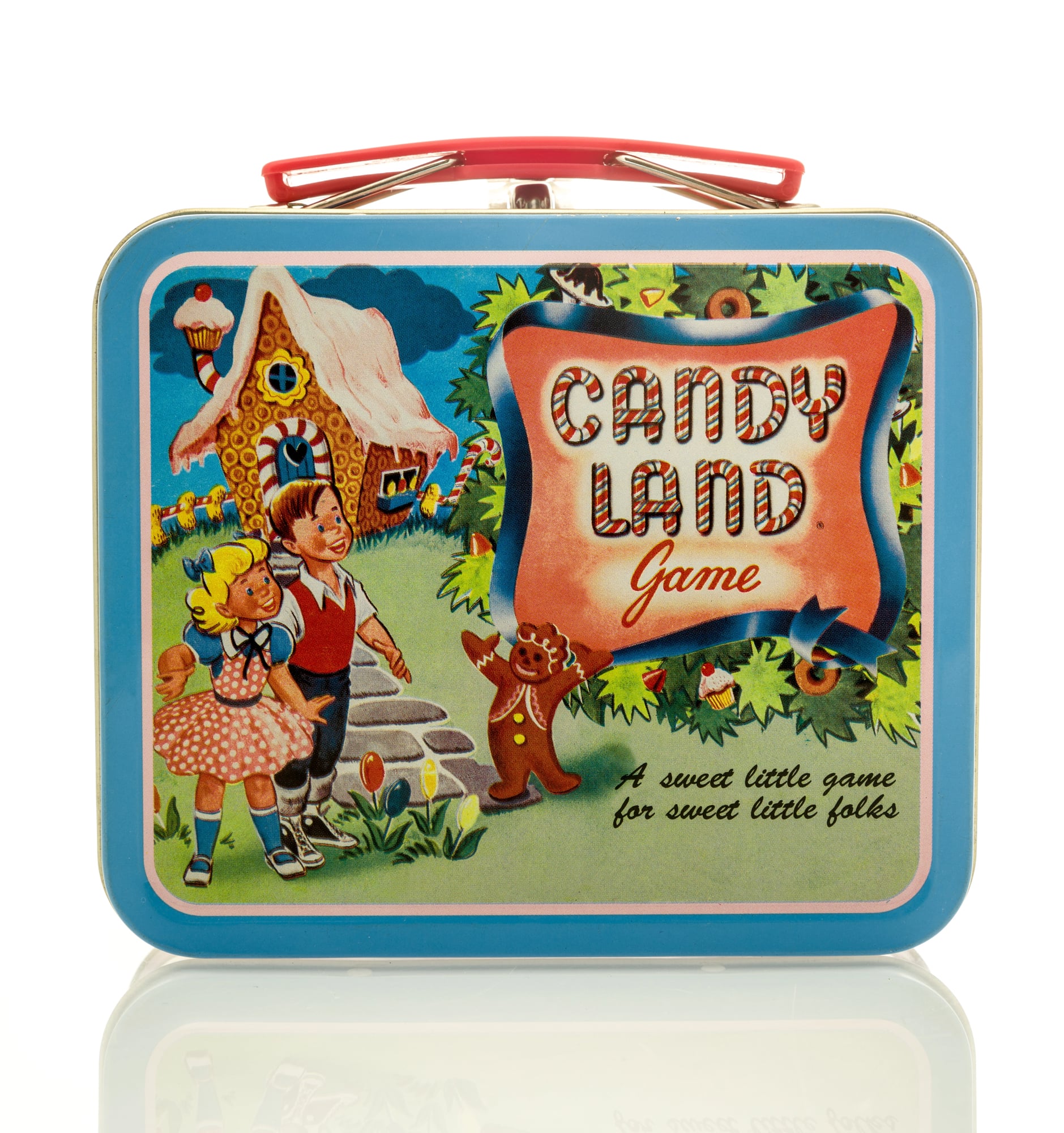
The 1949 Candy Land sets used a solid wooden gingerbread man pawn, not the flat cardboard cutout that came later. It’s small, simple, and easy to miss in a pile of loose pieces.
Collectors want it anyway, because it’s the one component tying the game back to Eleanor Abbott’s original design. A genuine wooden pawn from that first run still beats a full modern reissue, box and all.
Trivial Pursuit’s Original Cheese Wedges
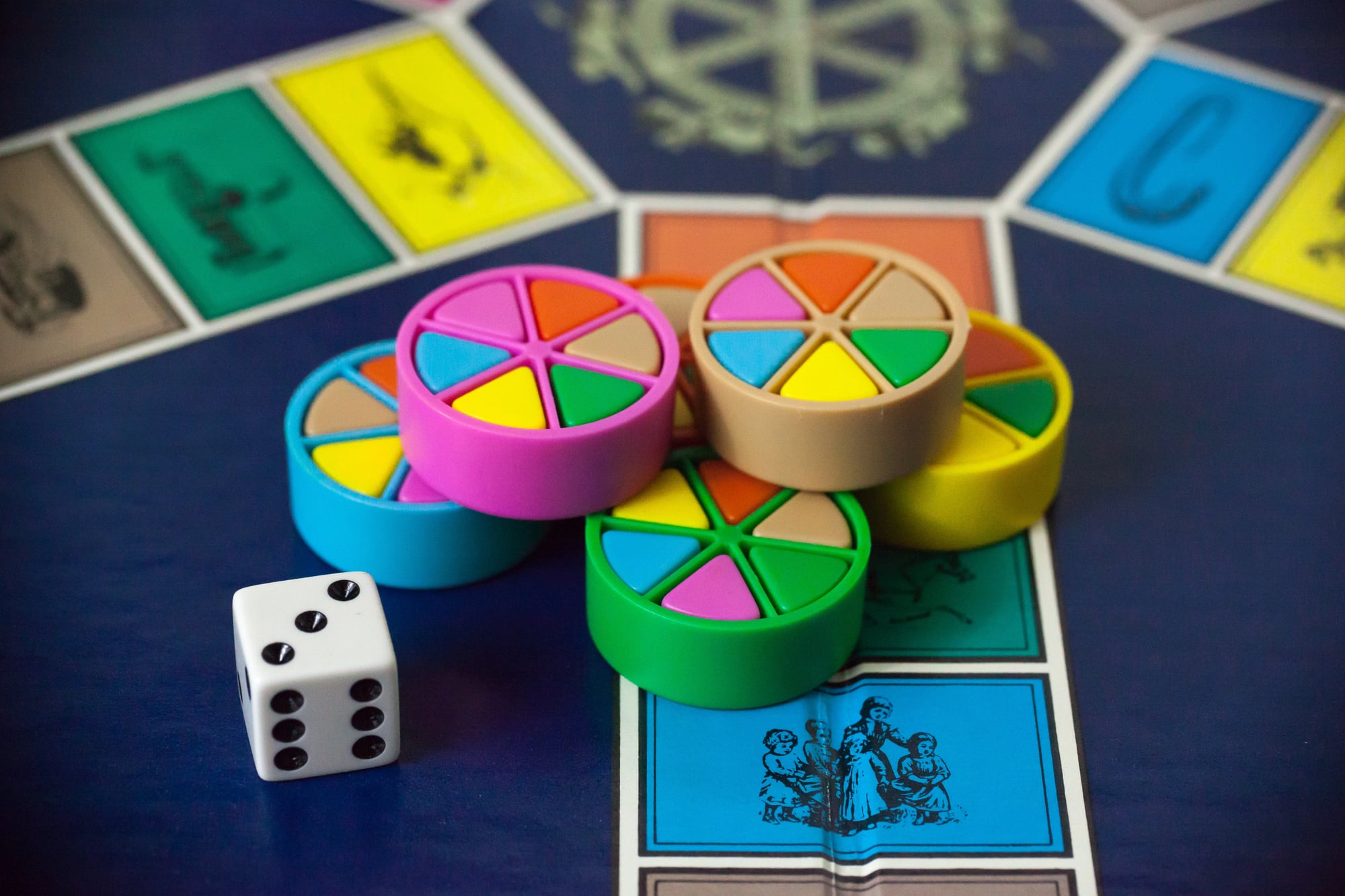
The 1981 Canadian original came with wedge pieces cut from a denser, glossier plastic than what showed up in the American licensing wave a year later — and yes, that sounds like a trivial distinction for a game literally built on trivia, but collectors take it seriously. A full set of six colors, wedges intact and not warped from decades in a hot attic, is harder to find than you’d think: people lost these constantly, one wedge sliding under a couch while the other five sat forgotten in the box.
So what you’re really paying for isn’t the plastic itself, it’s the improbable luck of a complete rainbow surviving forty-plus years of family game nights. And that’s before you even get into the fact that early wedges had a slightly different color calibration than reissues, something only obsessive collectors seem to notice or care about.
Perfection’s Tiny Plastic Shapes
There’s a particular kind of panic Perfection was built to simulate, and the shapes themselves are the quiet engine behind it. The original 1970 set used slightly thicker, more saturated plastic pieces that popped free with a crisper snap when the timer ran out, a small mechanical detail that later reissues never quite reproduced.
Losing even one shape renders the whole game pointless, which is exactly why a complete original set feels less like a toy and more like a small miracle of accounting. Somewhere between a hundred living rooms and a hundred vacuum cleaners, most of these shapes simply vanished, and the ones that didn’t now carry a strange kind of quiet luck about them.
Chinese Checkers’ Original Glass Marbles

Early Chinese Checkers sets from the 1930s through the 1950s used hand-blown glass marbles instead of the plastic pegs manufacturers switched to later. Six full colors, no chips, no cloudiness — that’s the target collectors chase.
Nobody cares about the board. A matched set of vintage glass sitting in its original wooden bowl beats a boxed modern reissue every single time.
Pit’s Original Brass Bell
Pit’s brass bell is the single best piece of equipment any board game ever produced, and nobody who’s actually played the game will argue otherwise. The 1903 original and the early Parker Brothers reissues used real brass, heavy enough to leave a dent if someone slammed it too hard mid-corn-trade.
Later plastic versions look the part but sound like a toy, which defeats the entire purpose of a game built around shouting and chaos. Turns out a game about commodities trading managed to produce one genuinely valuable commodity of its own.
Ouija’s Original Wooden Planchette
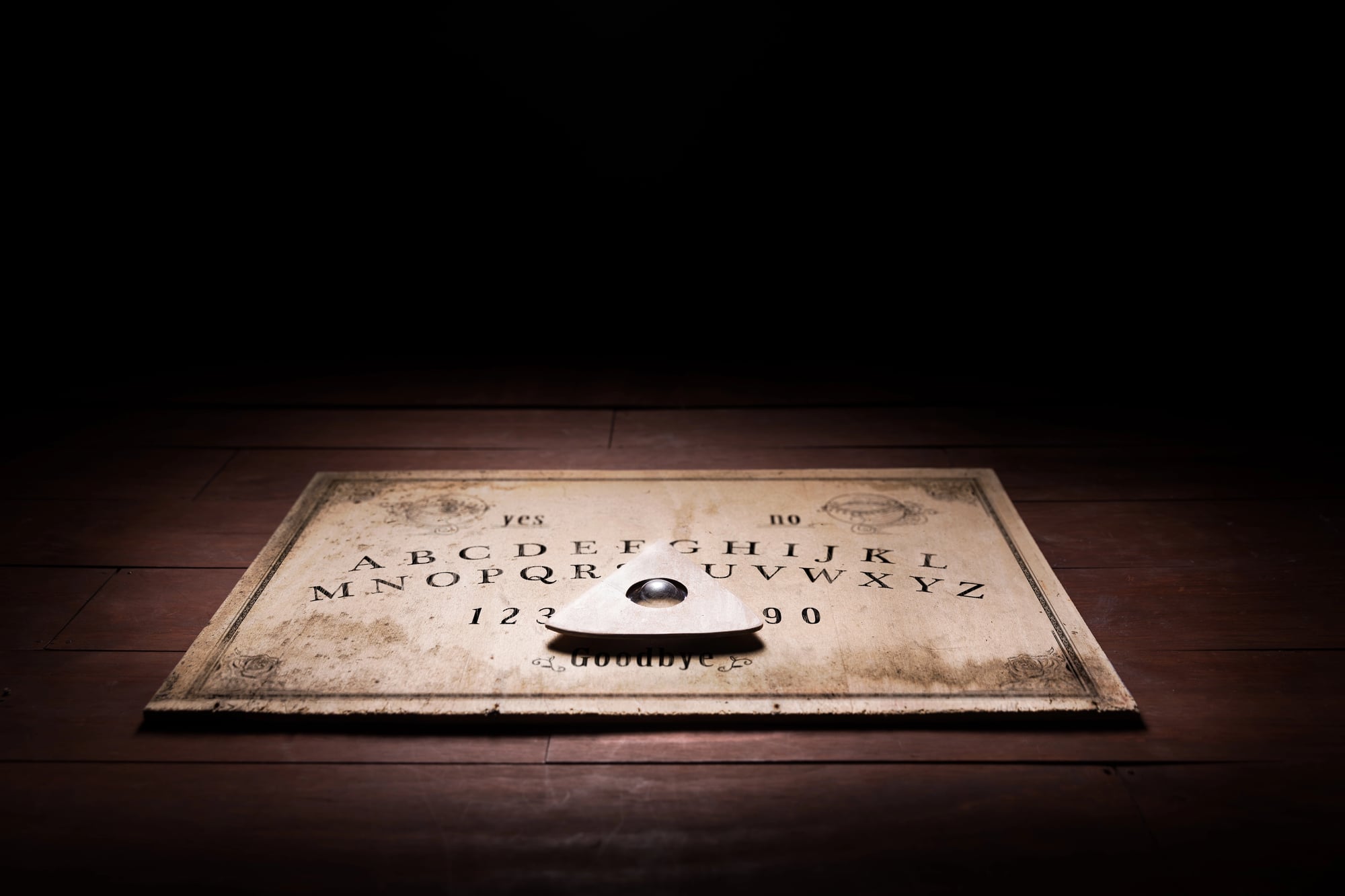
The Ouija boards Parker Brothers put out in the early 1900s through the 1940s came with a solid wooden planchette, heavier and more deliberate under the fingers than the flimsy plastic ones that took over by the 1960s — and there’s an argument to be made that the whole eerie appeal of the game depends on that weight, on the sense that something is actually resisting your hand rather than just sliding along for the ride. Collectors specifically hunt down the pre-1950s planchettes with the little glass window still intact, since that window cracks easily and most didn’t survive decades of nervous teenagers gripping it too hard.
So a full board with its original planchette, glass unbroken and wood unwarped, sells for considerably more than a modern reissue still shrink-wrapped on a shelf. It’s a strange thing to pay a premium for: a piece designed to feel unpredictable, now valuable because it happens to be exactly the same every time.
Backgammon’s Bone and Ivory Checkers
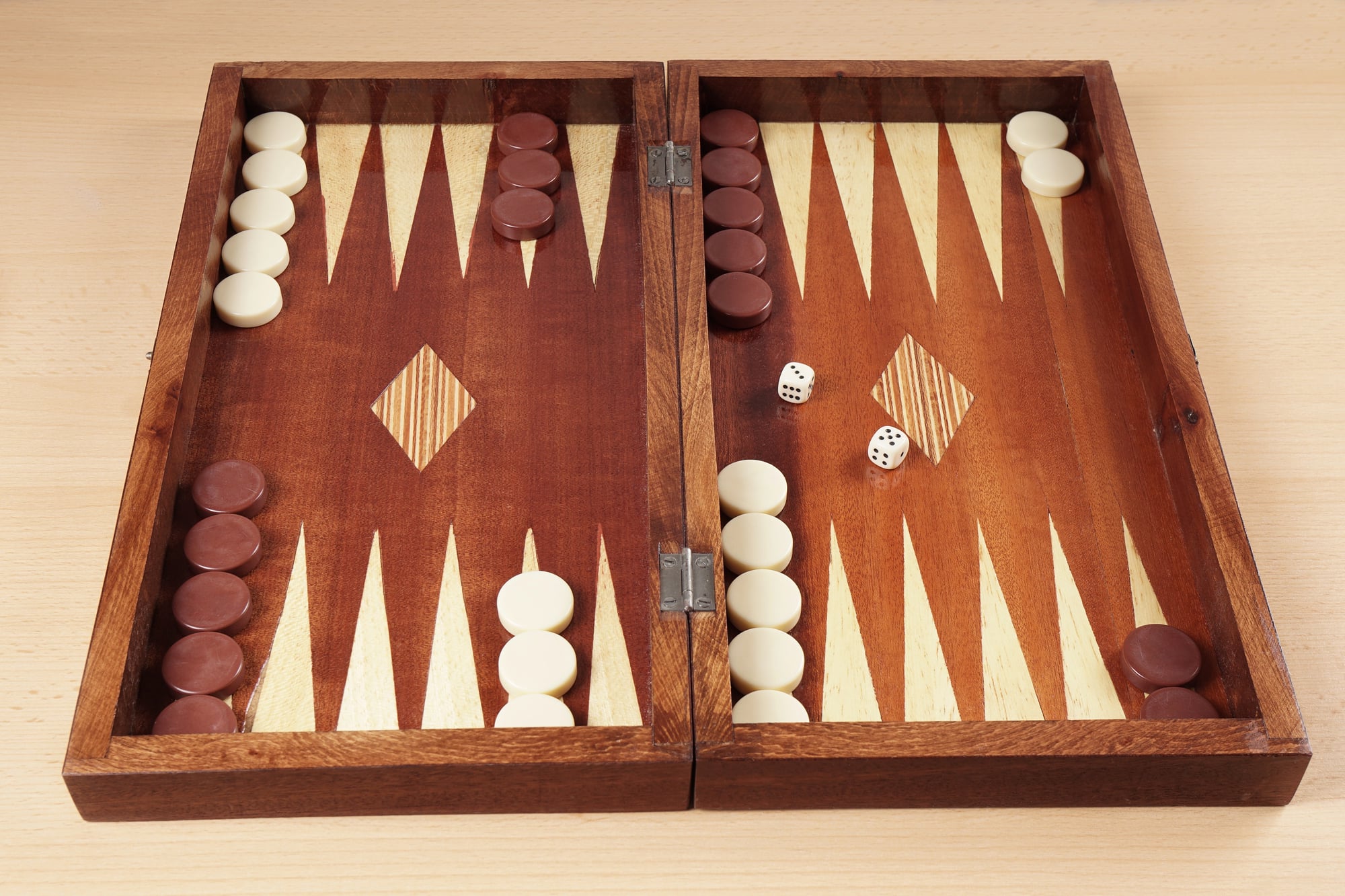
Old backgammon sets have a texture problem modern ones never solved, and it’s the kind of thing you only notice once someone hands you a set from the 1920s or 1930s and you feel the difference immediately. Checkers carved from real bone or, in rarer sets, actual ivory carry a faint yellowing and a coolness to the touch that dyed resin simply fakes without ever quite matching, like a photograph trying to stand in for a memory.
A matched set of thirty, no chips, no mismatched replacements slipped in from a different decade, reads less like game equipment and more like something inherited. Nobody’s rolling these across a felt board for a quick game anymore. They’re rolling them once, carefully, just to hear the sound.
Monopoly’s Original Metal Tokens
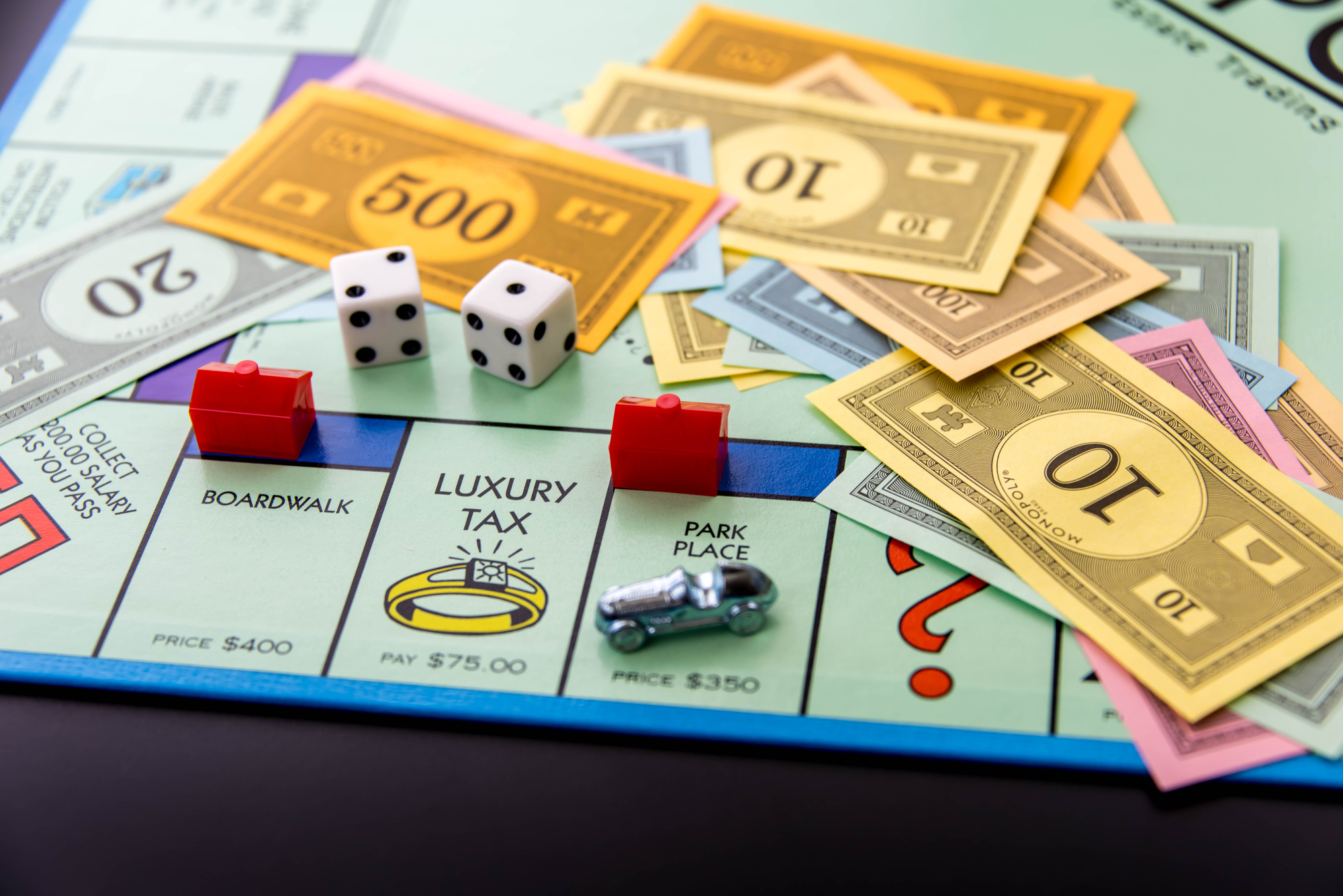
The metal tokens are the only reason anyone still fights over who gets to be the shoe. Early Monopoly sets from the 1930s and 1940s used pieces cast in a heavier alloy, with detailing sharp enough to actually tell the wheelbarrow from the cannon at a glance, unlike some modern reissues where everything looks like a smudge of silver.
Collectors chase full sets of the original eight tokens, especially the wheelbarrow and the iron, since both got phased out or swapped out so often over the decades that a genuinely matched vintage set is rarer than the box it came in. To be fair, a plastic token has never once made anyone feel like a tycoon, and it never will.
Parcheesi’s Original Wooden Pieces
Old Parcheesi sets used real turned wood for their pawns. Plastic came later, and it shows the moment you pick one up.
Collectors want the wood, chips and all, because it’s the only version of the piece that feels like it actually belongs to someone.
Clue’s Original Metal Weapon Tokens
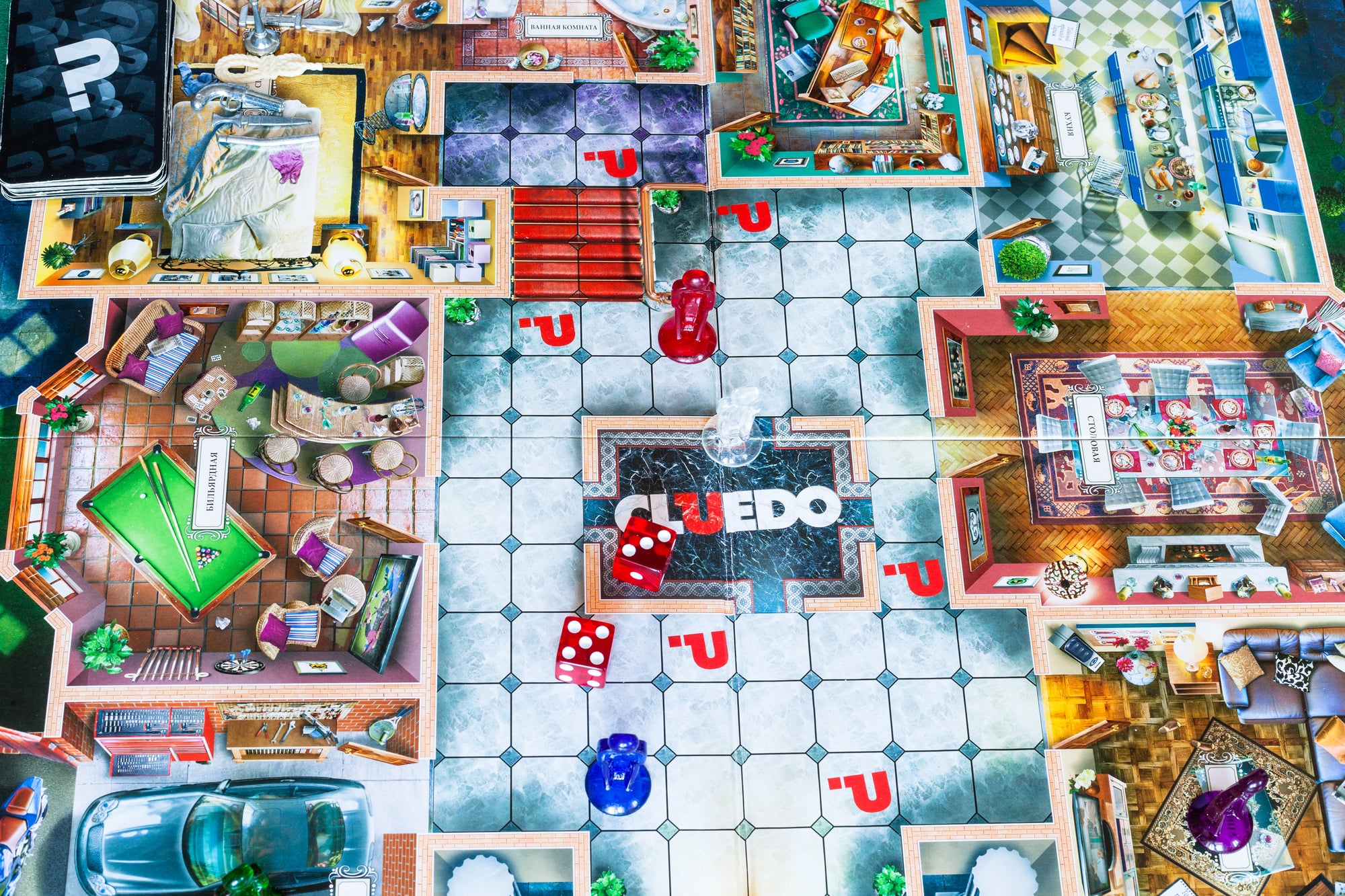
The weapons are the whole reason Clue works, and the earliest versions understood that better than anyone making the game today. British and early American Cluedo sets from the late 1940s and 1950s came with die-cast metal miniatures — a lead pipe that actually felt like lead, a revolver with real barrel detail, a candlestick with weight to it — instead of the flat plastic tokens that took over by the 1960s.
Collectors pay serious money for a complete set of six in matching finish, because pieces got swapped between editions constantly and a truly matched original run is rarer than people expect. A wrench that survived seventy years without losing its shape is, frankly, more impressive than most of the suspects.
Mahjong’s Bone and Bamboo Tiles
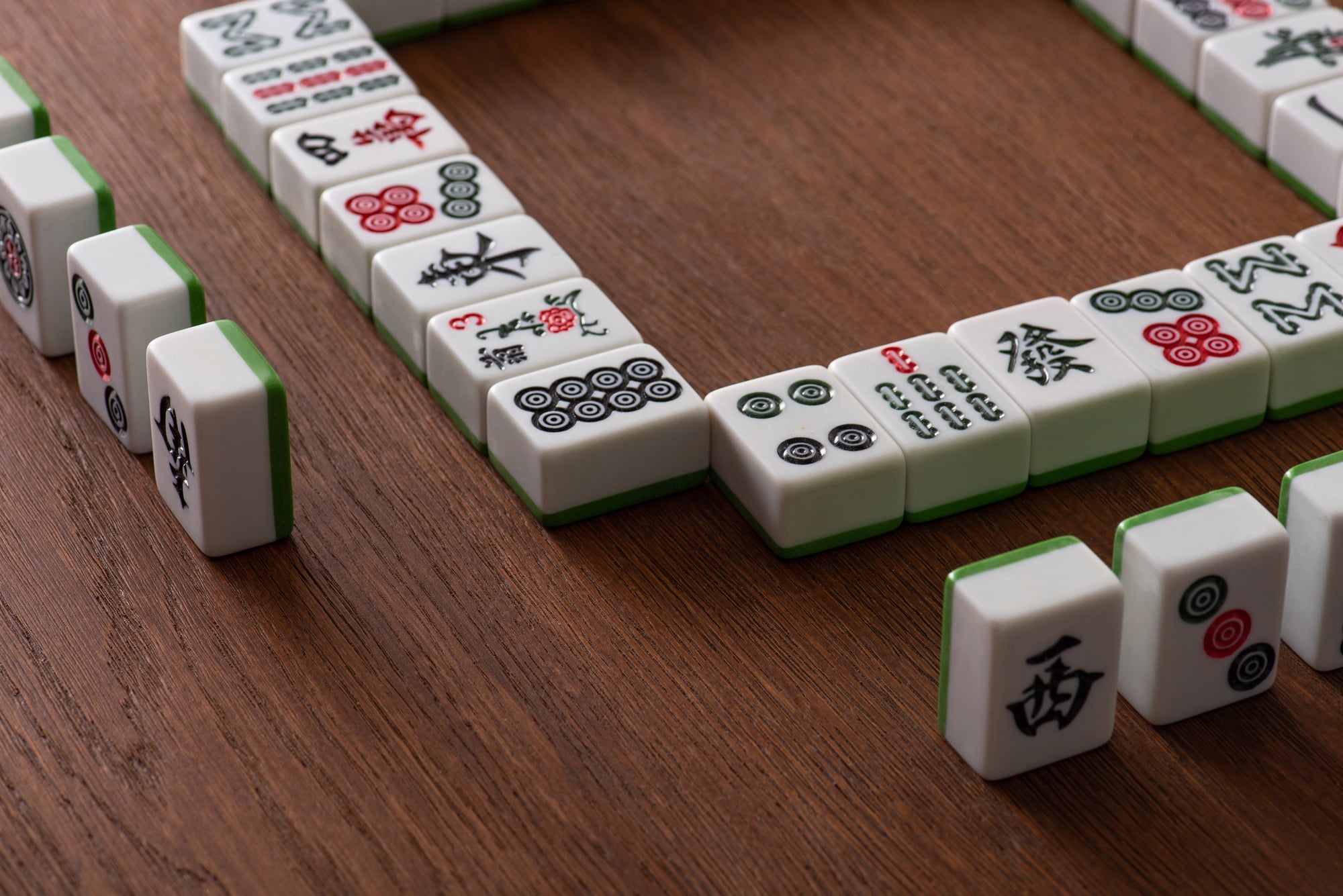
Bone on one side, bamboo on the other, stacked and clicked together by hand before anyone thought to make a tile out of plastic. Early Western and Chinese sets from the 1920s through the 1940s used this combination almost exclusively, and the tiles carry a faint warmth and unevenness that machine-cut acrylic never picked up.
A full set of 144, characters crisp and bamboo backing unsplit, counts as a small miracle given how often a stray tile ends up lost in a different box entirely. Nobody restrings a set like this to play a casual game. They restring it because letting it sit in pieces feels like a small kind of neglect.
Scrabble’s Original Wooden Tiles
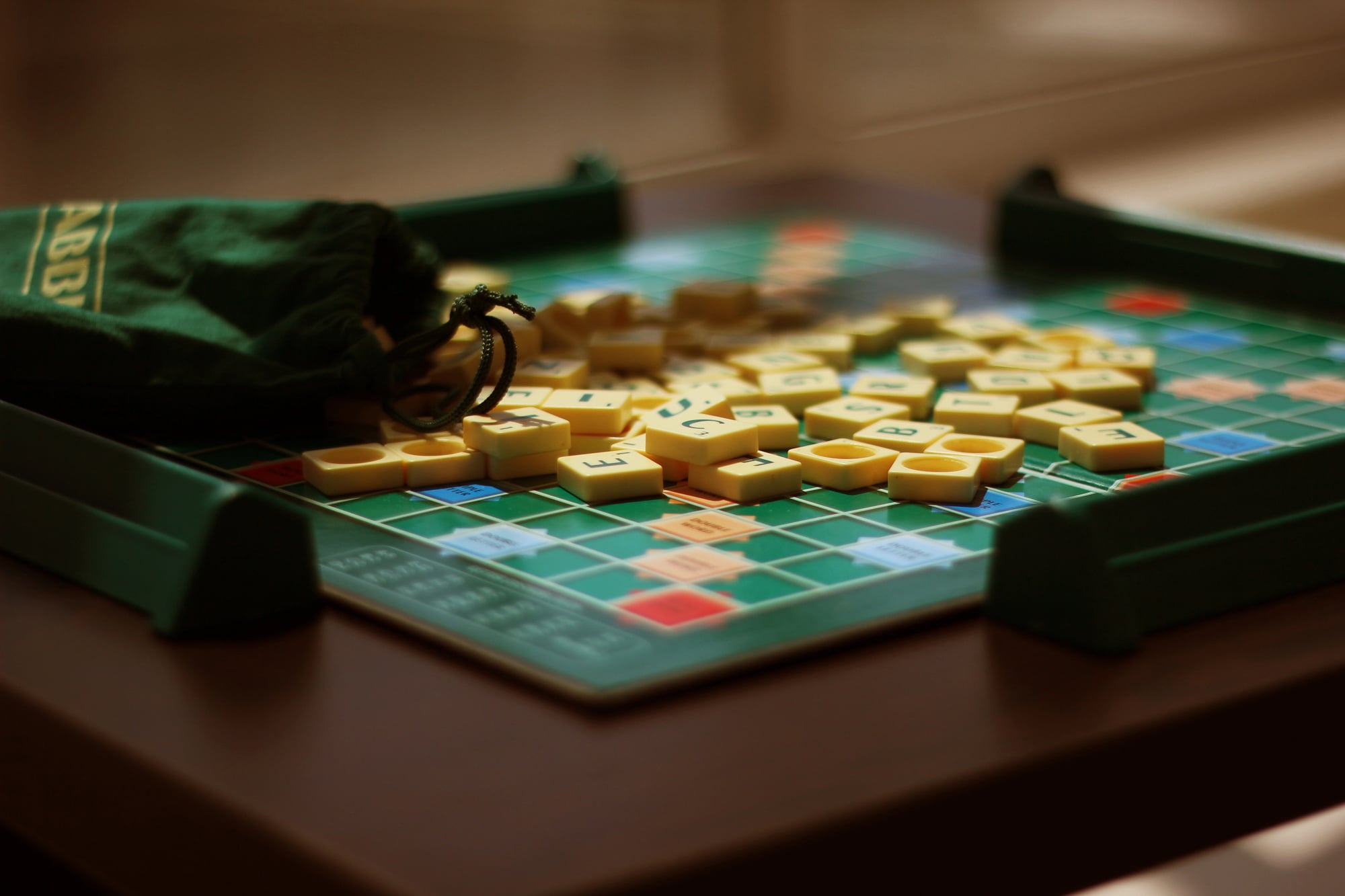
The original 1948 Scrabble tiles were cut from real wood, not the pressed composite that shows up in most sets after the 1970s, and that distinction matters more than people expect. A full set of 100, letters still crisp and none of them chipped along the edges, easily outsells a shrink-wrapped modern edition, which says something about how little the box itself was ever the point.
To be fair, a plastic tile does the job just fine — it just doesn’t sound right sliding across a table, and collectors notice that kind of thing.
Risk’s Original Wooden Army Pieces
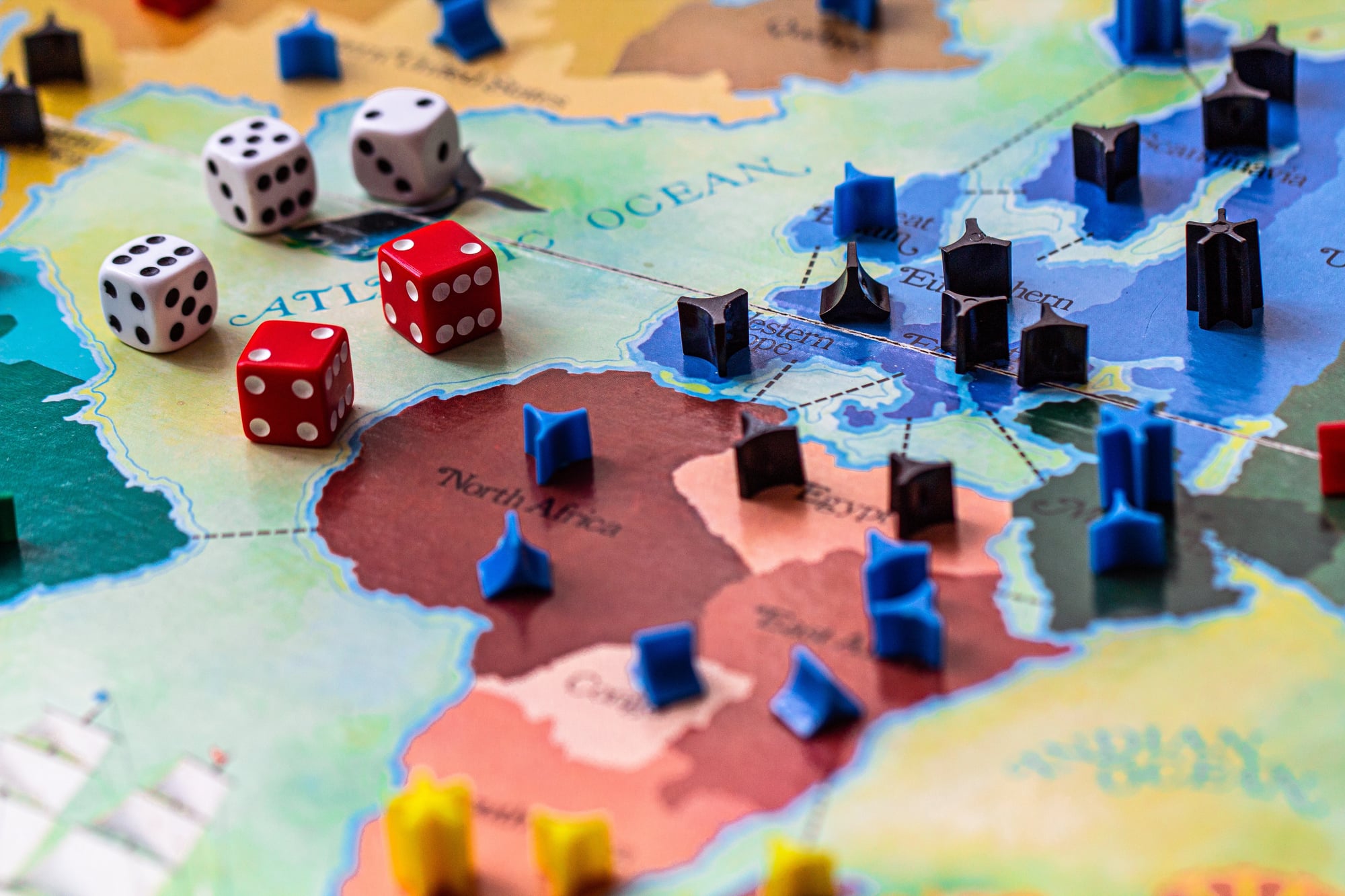
The 1959 Risk set used solid wooden pieces. Cubes for infantry, cylinders for cavalry, tiny wooden cannons for artillery.
Plastic took over by the mid-1960s, and a matched wooden army in one color, all pieces present, now sells for more than most people would guess for something that used to sit in a junk drawer.
Operation’s Original Metal Tweezers
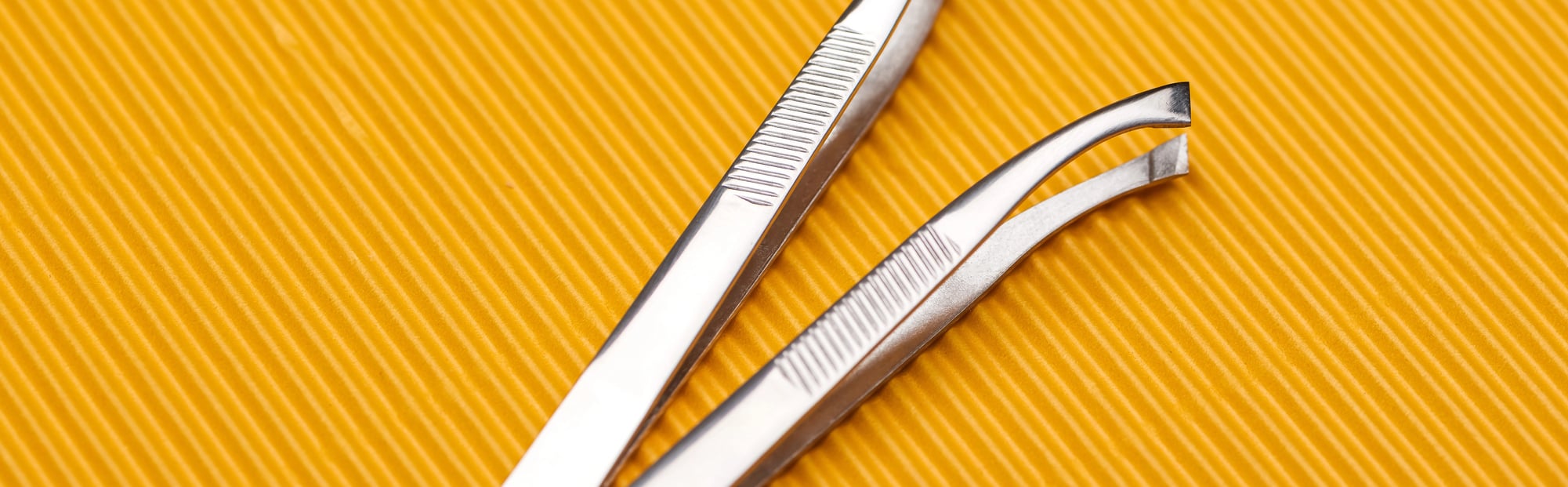
The 1965 Operation set gave players actual metal tweezers, not the lightweight plastic pair later editions swapped in to cut costs. There’s a certain honesty to metal against skin, the way it conducts a mistake instantly instead of muffling it, buzzing through your whole arm like a small electrical scolding.
Modern tweezers barely register when they brush the edges of Cavity Sam’s cartoonish wounds, but the original pair turned every careless move into something you felt in your teeth. Collectors want that specific weight back in their hands, the same way someone might want the exact creak of a childhood door.
Sorry!’s Original Wooden Pawns
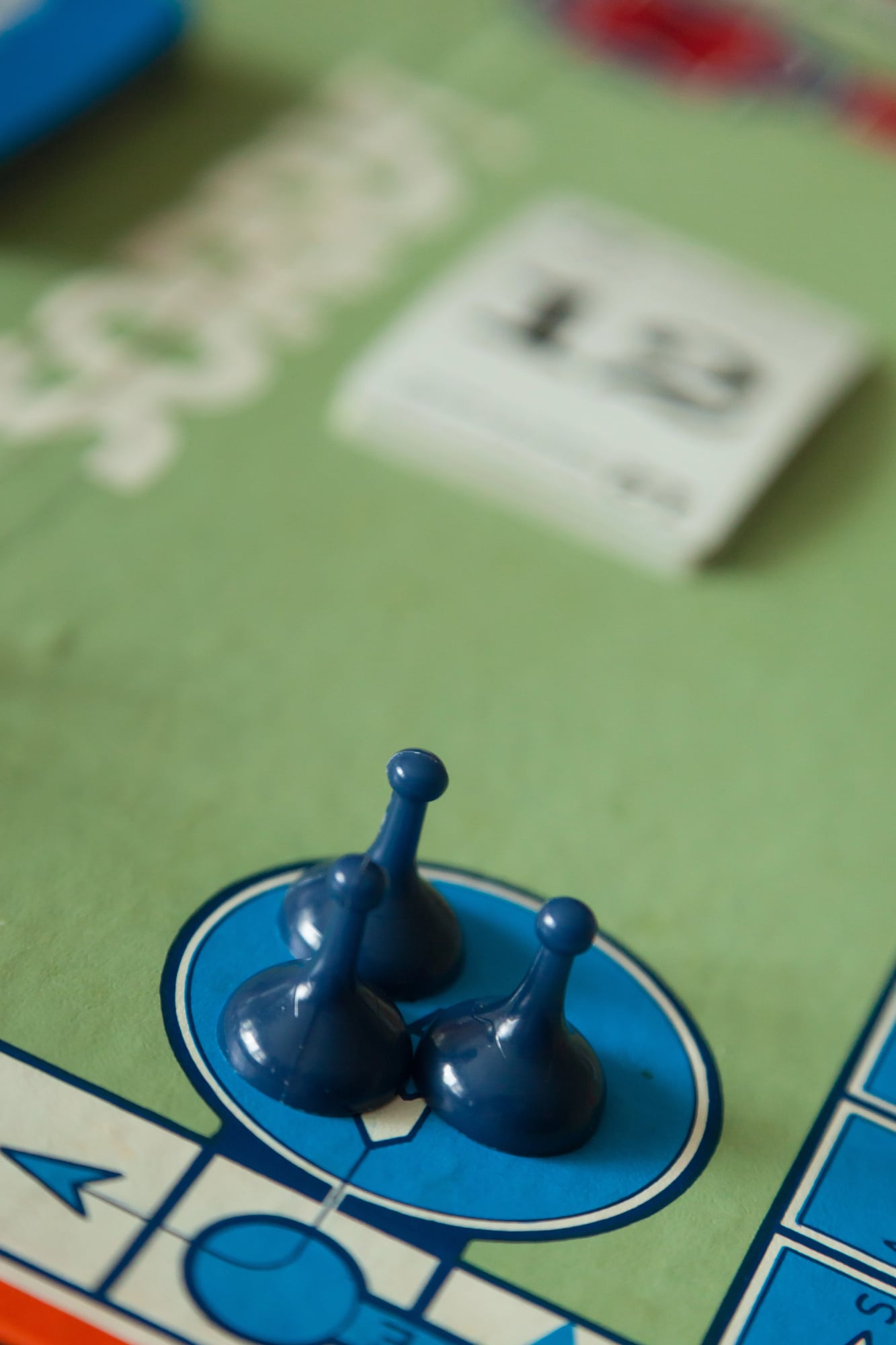
Sorry! started life in the 1930s with solid wooden pawns, round-topped and hand-painted, long before Hasbro’s later runs switched to hollow plastic that rattles instead of thuds when it lands on a square — and that thud, small as it sounds, is apparently the whole reason people go looking for the old ones. A full matched set of sixteen, four colors with none of them swapped from some mismatched replacement decade, is harder to find than you’d expect: paint chips, pawns roll under radiators, and nobody in 1952 was archiving their board game for the future.
So what survives now tends to survive by accident, not by care, which is exactly the kind of luck collectors seem to prize most. It’s a strange thing to admit, but a set that got ignored for seventy years usually turns out to be worth more than one that got babied.
What the Small Pieces Actually Prove
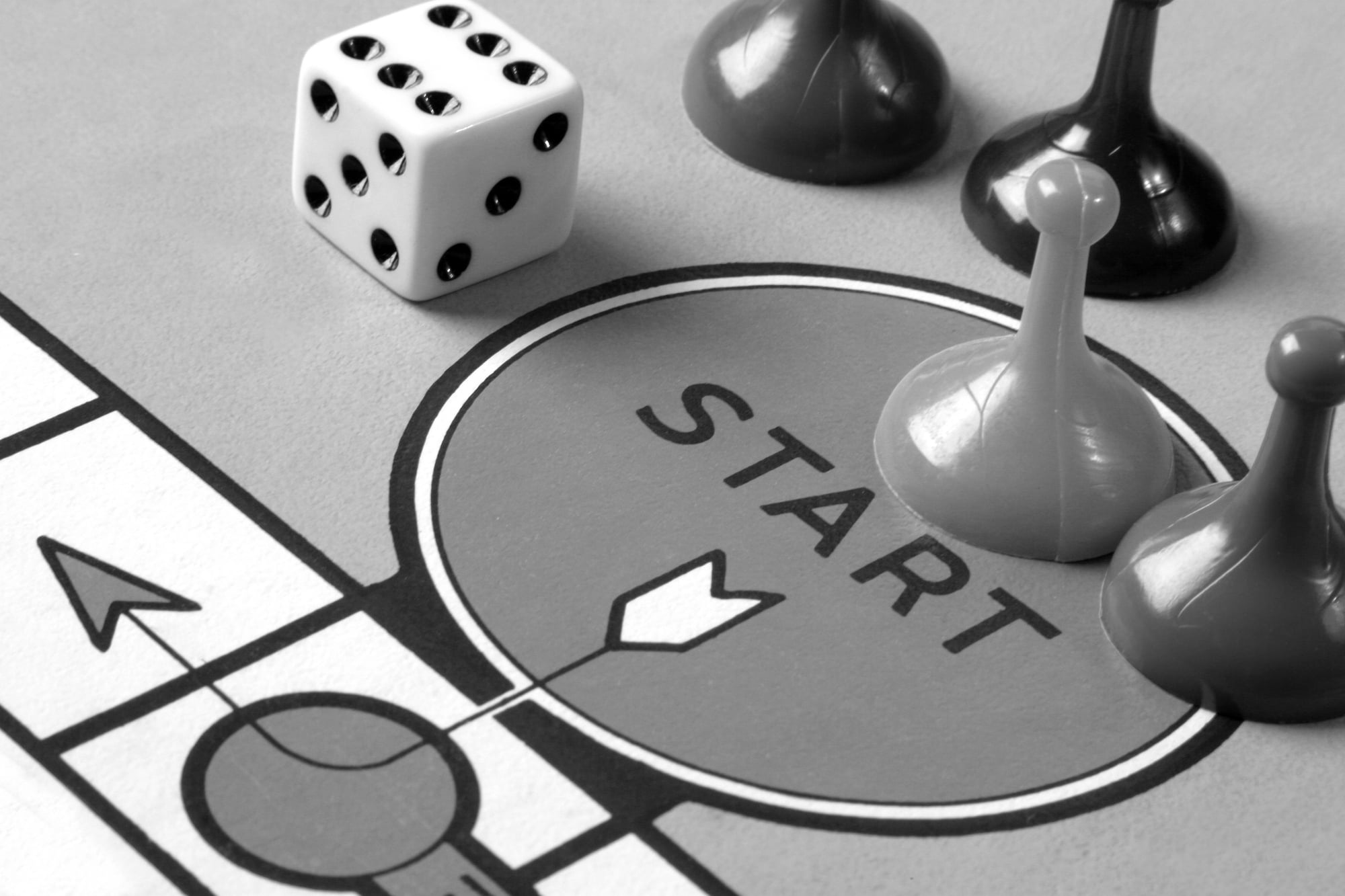
None of this is really about the games themselves, not anymore. It’s about the fact that a steel marble, a brass bell, a scrap of painted wood can outlast the cardboard box built to contain it, can outlast the rules, can outlast the people who first rolled dice across that particular table.
Collectors aren’t chasing nostalgia so much as evidence — proof that something small, something easy to lose, mattered enough to someone that it didn’t get lost. That’s worth more than a mint-condition box ever will be, and it always has been.
More from Go2Tutors!

- The Romanov Crown Jewels and Their Tragic Fate
- 13 Historical Mysteries That Science Still Can’t Solve
- Famous Hoaxes That Fooled the World for Years
- 15 Child Stars with Tragic Adult Lives
- 16 Famous Jewelry Pieces in History
Like Go2Tutors’s content? Follow us on MSN.



