15 Ways Las Vegas Looked Different in the 1960s
Las Vegas in the 1960s was like stepping into a completely different universe—one where the Rat Pack ruled the Strip, casinos were intimate rather than massive, and the whole city had a raw energy that today’s polished version can’t quite capture. While modern Vegas dazzles with its mega-resorts and corporate polish, the Vegas of fifty years ago was grittier, more personal, and surprisingly smaller than most people imagine.
The transformation from that era to today’s entertainment capital is so dramatic that a time traveler from 1965 would barely recognize the place. Here’s a list of 15 ways Las Vegas looked completely different in the swinging sixties.
The Strip Was Mostly Empty Desert
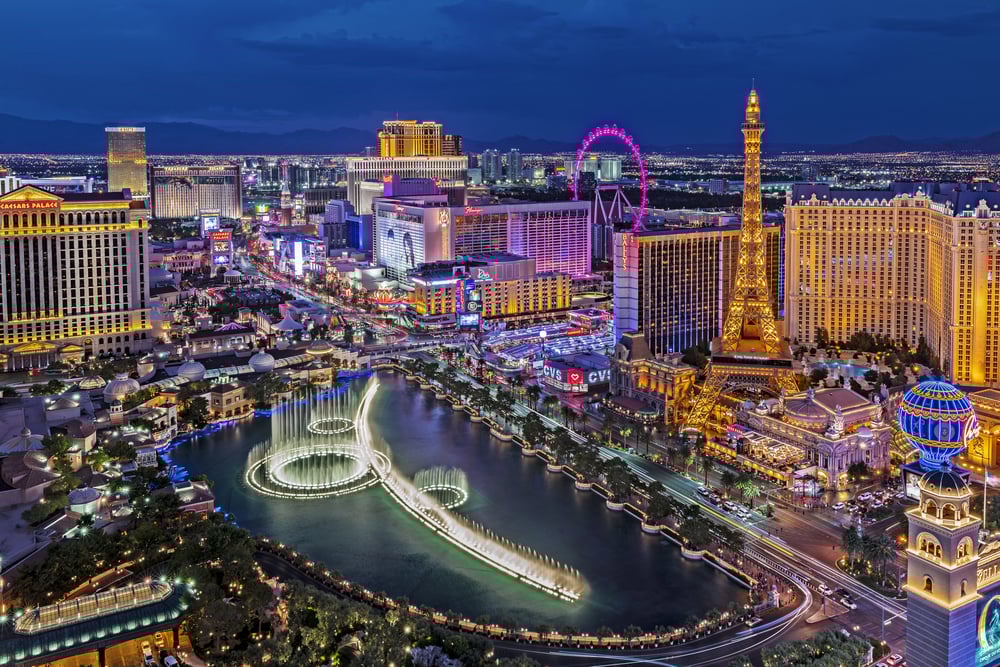
Between the major casinos, vast stretches of undeveloped desert separated each property like gaps between teeth. You could literally see tumbleweeds rolling across empty lots where billion-dollar resorts now stand.
The famous Strip that tourists walk today was more like a series of isolated outposts connected by long stretches of nothing but sand and sagebrush.
Casinos Were Single-Story Buildings
Most of the iconic casinos from the 1960s were sprawling, single-level complexes rather than the towering monuments we see today. The Sands, Flamingo, and Desert Inn looked more like fancy ranch houses than skyscrapers.
These low-profile buildings created an intimate atmosphere where you could actually see the desert horizon from almost anywhere on the property.
Like Go2Tutors’s content? Follow us on MSN.
Neon Signs Were Hand-Painted Masterpieces

Every major casino sign was crafted by skilled artists who hand-painted each letter and design element. The famous neon cowboys, flamingos, and casino names were works of art that took months to complete.
Today’s computer-generated LED displays are efficient, but they lack the character and craftsmanship of those original hand-painted creations that made each sign truly unique.
You Could Park Right at the Casino Entrance
Valet parking wasn’t necessary because most casinos had small parking lots right in front of their main entrances. Guests could park their cars within steps of the casino floor without navigating massive parking garages or walking through endless corridors.
It was like visiting a neighborhood bar, except the neighborhood bar had showgirls and Frank Sinatra might be performing.
The Rat Pack Performed in Tiny Showrooms

The legendary Copa Room at the Sands seated only 300 people, making every performance feel like an exclusive private party. When Sinatra, Martin, and Sammy Davis Jr. took the stage, audience members were close enough to see their facial expressions and hear their between-song banter clearly.
Modern Vegas showrooms that seat thousands would have seemed impersonal and distant to 1960s audiences.
Like Go2Tutors’s content? Follow us on MSN.
Downtown Was Actually the Main Attraction

Fremont Street and the downtown area attracted more tourists than the Strip during much of the 1960s. The Golden Nugget, Pioneer Club, and other downtown casinos were considered the heart of Las Vegas entertainment.
The Strip was still developing its identity, while downtown had already established itself as the place where serious gamblers and entertainment seekers went for authentic Vegas experiences.
Hotel Rooms Cost Less Than a Modern Coffee

A luxury suite at the best Strip hotels cost around $12-15 per night, which equals roughly $100-120 in today’s money. Compare that to current Strip hotel rates, and you realize that Vegas was accessible to middle-class families rather than just high rollers.
The idea was to get people into the building cheaply, then make money from gambling and entertainment.
Showgirls Were the Main Entertainment

Elaborate feathered revues with dozens of showgirls dominated the entertainment landscape before Cirque du Soleil and celebrity headliners took over. These productions featured massive sets, live orchestras, and costume changes that would make Broadway jealous.
The showgirl spectacles were Vegas’ signature entertainment, and every major casino invested heavily in these theatrical productions.
Like Go2Tutors’s content? Follow us on MSN.
The Desert Came Right Up to the Buildings

Sagebrush, tumbleweeds, and desert wildlife were common sights just steps away from casino entrances. Roadrunners and jackrabbits regularly crossed casino parking lots, and dust storms from the surrounding desert would occasionally sweep through the area.
The transition from civilization to wild desert was immediate and dramatic, not gradual like today’s suburban sprawl.
Mob Connections Were an Open Secret
While everyone knew about organized crime’s involvement in casino operations, it was discussed more openly than today’s sanitized corporate environment allows. Newspaper columnists wrote about mob figures like they were local celebrities, and their presence was considered part of Vegas’ rebellious charm.
The atmosphere was edgier and more dangerous, which actually attracted certain types of visitors who wanted to experience something forbidden.
Slot Machines Required Actual Coins
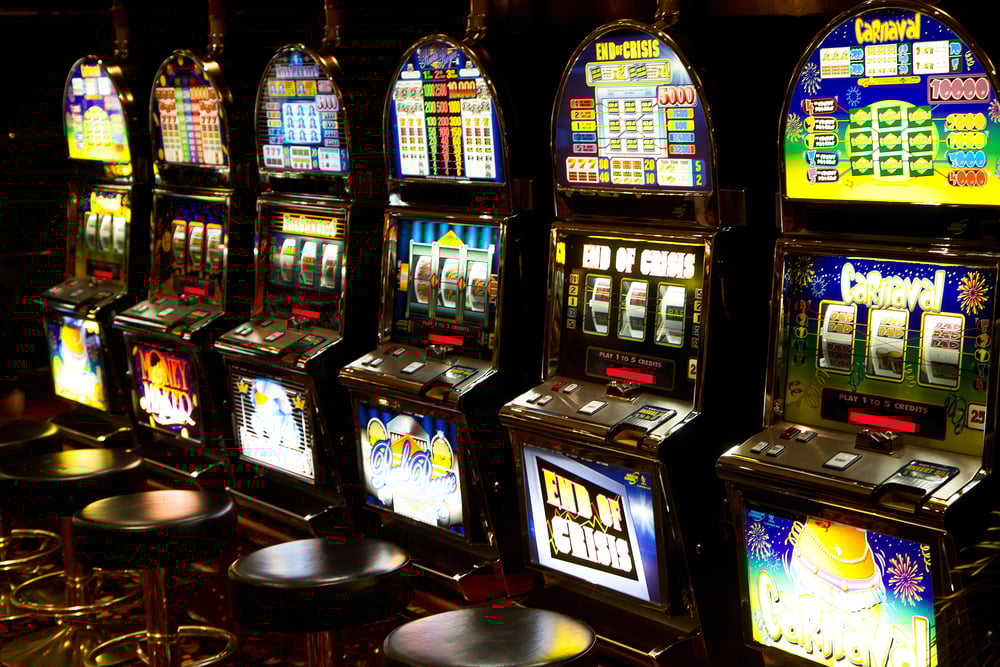
Every slot machine operated with real silver dollars and quarters, creating a constant soundtrack of clinking coins throughout the casinos. Players carried buckets of coins from machine to machine, and the sound of jackpots hitting was unmistakable metal-on-metal music.
The tactile experience of handling real money made gambling feel more substantial and immediate than today’s computerized systems.
Like Go2Tutors’s content? Follow us on MSN.
Swimming Pools Were Small and Simple

Hotel pools were modest rectangles designed for cooling off rather than the elaborate water parks and beach clubs of today. The Desert Inn’s pool was considered luxurious at 75 feet long, while modern Vegas pools span acres and feature multiple levels, lazy rivers, and DJ booths.
Poolside entertainment consisted of a cocktail waitress and maybe a small band, not full-scale concert productions.
You Could Meet Celebrities in the Hallways

Stars like Elvis, Dean Martin, and Liberace stayed in regular hotel rooms and walked through public areas without massive security details. Fans could approach celebrities at bars, restaurants, or even in casino hallways for autographs and photos.
The informal accessibility of major performers created an atmosphere where anything could happen and anyone might show up unexpectedly.
The Architecture Was Googie and Atomic Age

Casino designs featured the futuristic, space-age architecture popular in the 1960s, with sweeping curves, atomic-inspired decorations, and bold geometric patterns. The Stardust’s sign looked like something from a science fiction movie, while the Sahara embraced Middle Eastern themes with modern twists.
This architectural style gave Vegas a cohesive retro-futuristic look that today’s eclectic mix of themes can’t match.
Like Go2Tutors’s content? Follow us on MSN.
Wedding Chapels Were Genuine Churches

Most wedding chapels were actual small churches with real ministers rather than the themed novelty chapels that dominate today’s wedding industry. Couples got married in simple ceremonies that focused on the commitment rather than the spectacle.
The Little White Wedding Chapel existed, but it was surrounded by competitors that took the religious aspect seriously rather than treating weddings as entertainment.
When the Desert Was King

The Las Vegas of the 1960s represented a unique moment in American culture when the desert still felt wild and untamed, even as it was being transformed into an entertainment destination. That era’s combination of glamour and grit, intimacy and excitement, created an atmosphere that modern Vegas tries to recreate but can never quite capture.
While today’s Las Vegas offers more amenities, bigger shows, and greater luxury, it lacks the raw authenticity and sense of possibility that made the 1960s version feel truly magical. The city that emerged from the desert in those days was rough around the edges, but those edges gave it a character that no amount of corporate polish can replicate.
More from Go2Tutors!

- 16 Historical Figures Who Were Nothing Like You Think
- 12 Things Sold in the 80s That Are Now Illegal
- 15 VHS Tapes That Could Be Worth Thousands
- 17 Historical “What Ifs” That Would Have Changed Everything
- 18 TV Shows That Vanished Without a Finale
Like Go2Tutors’s content? Follow us on MSN.