The Most Hated Corporate Mergers in History
Corporate mergers happen all the time in the business world, but some combinations make customers and employees absolutely furious. When two big companies join forces, the result can be higher prices, worse service, and thousands of lost jobs.
These deals often benefit shareholders and executives while leaving everyone else dealing with the mess. Let’s dive into some of the most despised mergers that still make people angry years later.
AOL and Time Warner
AOL and Time Warner merged in 2000 in a deal worth $165 billion, and it became known as one of the worst business decisions ever made. AOL was riding high during the dot-com bubble while Time Warner owned cable networks, magazines, and movie studios.
The internet company convinced Time Warner to merge just before the tech bubble burst, leaving Time Warner holding worthless AOL stock. The combined company lost billions of dollars and eventually split apart in 2009, but not before destroying massive amounts of shareholder value and crushing employee morale.
Comcast and NBC Universal
Comcast bought NBC Universal in 2011 and created a media giant that controls both the content people watch and the cables that deliver it. Customers hated this merger because Comcast already had a terrible reputation for customer service and high prices.
The deal gave one company too much power over what Americans could watch and how much they’d pay for it. Critics warned that Comcast would favor its own content over competitors, and many of those fears came true as the company pushed its own shows and channels.
Bayer and Monsanto
Bayer purchased Monsanto in 2018 for $63 billion and immediately inherited thousands of lawsuits about Monsanto’s weedkiller Roundup. The merger created a massive agricultural and pharmaceutical company that controlled a huge portion of the world’s seed and pesticide markets.
Farmers and environmental groups opposed the deal because it reduced competition and gave one company enormous control over food production. Bayer’s stock price collapsed after the merger as legal settlements over Roundup ate up billions of dollars, making shareholders wonder why the company ever bought Monsanto.
United and Continental Airlines
United Airlines merged with Continental in 2010 and created chaos for travelers who suddenly faced higher fares and worse service. The two airlines struggled to combine their computer systems, leading to countless flight delays and lost baggage nightmares.
Employees from both companies clashed over different work cultures and union contracts that didn’t align. The merger reduced competition on many routes, giving United the power to raise prices without worrying about losing customers to Continental.
Kraft and Heinz
Kraft merged with Heinz in 2015 backed by private equity firms that immediately started cutting costs and firing employees. The cost-cutting went so far that product quality suffered and customers noticed their favorite foods tasting different or worse.
Kraft Heinz eventually had to write down the value of its brands by $15 billion because the products had lost so much consumer trust. The merger benefited the private equity owners who got huge payouts while destroying brand value that took generations to build.
Anheuser-Busch and InBev
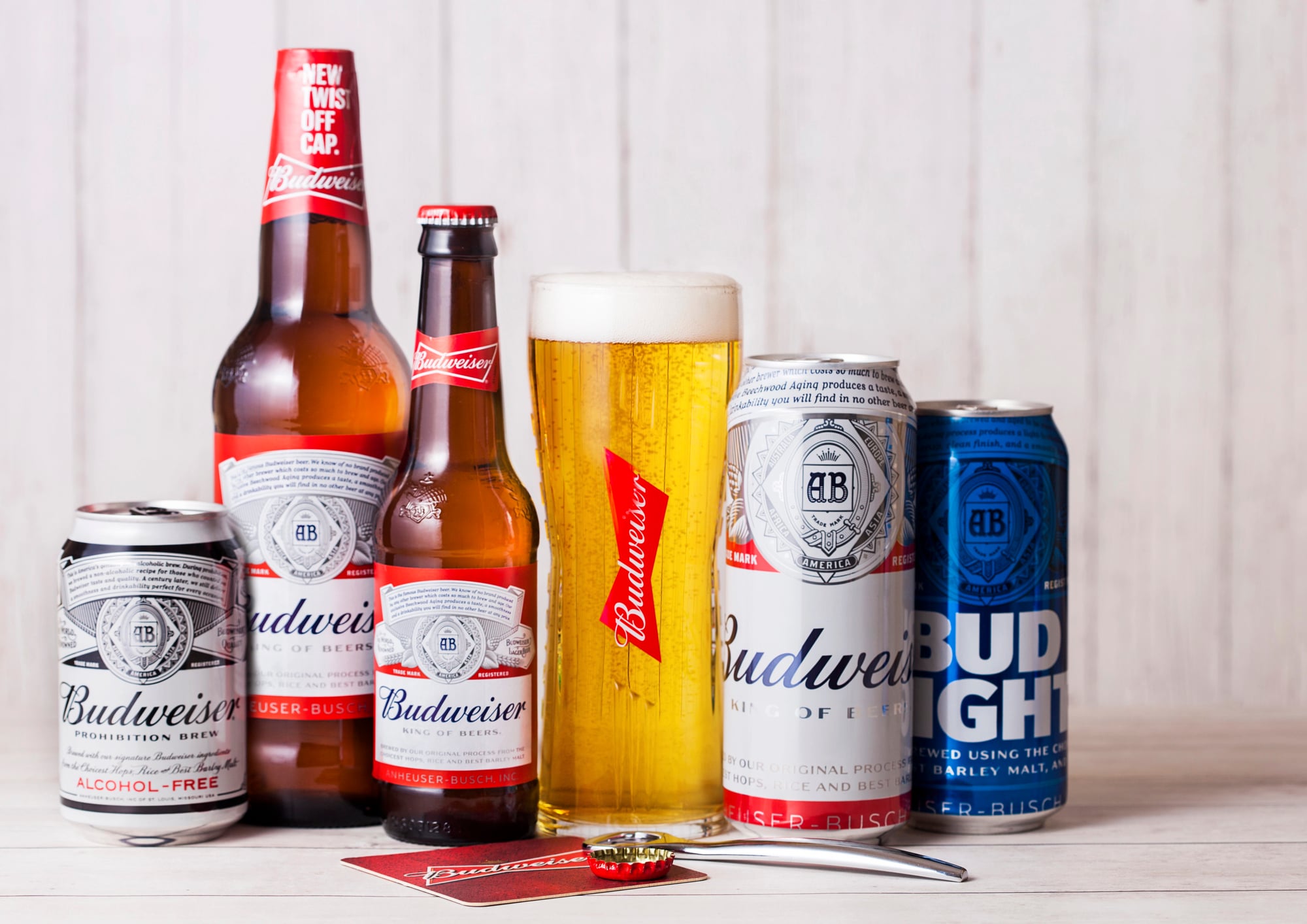
InBev bought Anheuser-Busch in 2008 for $52 billion and ended the independence of America’s largest brewery. The Belgian company immediately started closing breweries and cutting jobs to reduce costs and increase profits.
Beer lovers complained that quality dropped as the new owners focused on making drinks cheaper rather than better. The merger also reduced competition in the beer market and led to higher prices for popular brands like Budweiser and Stella Artois.
Sprint and Nextel
Sprint bought Nextel in 2005 for $35 billion in what became a textbook example of merger failure. The two companies used completely different network technologies that couldn’t work together, leading to terrible service for customers.
Sprint eventually had to write off almost the entire value of Nextel and shut down its network after years of customer complaints. Thousands of employees lost their jobs, and Sprint never recovered from the disaster before eventually merging with T-Mobile years later.
Amazon and Whole Foods
Amazon purchased Whole Foods in 2017 and changed the grocery chain in ways that longtime customers absolutely hated. The new owners replaced specialty products with Amazon-branded items and cut staff to reduce costs.
Workers reported increased pressure to move faster and track their productivity, turning a company known for treating employees well into a typical Amazon operation. Customers complained that the store lost its unique character and became just another place to buy groceries with Amazon logos slapped on everything.
Ticketmaster and Live Nation
Ticketmaster merged with Live Nation in 2010 despite warnings that it would create a monopoly on concert tickets. The combined company now controls both the venues where artists perform and the tickets fans need to attend shows.
Service fees have skyrocketed since the merger, with customers paying sometimes 50% more than the face value of tickets in added charges. The company faces constant criticism and legal challenges, but concertgoers have few other options when they want to see their favorite artists.
XM and Sirius Satellite Radio
XM and Sirius merged in 2008 after promising regulators they would keep prices low and maintain diverse programming. The company immediately raised subscription prices and started cutting channels that customers loved.
The merger eliminated all competition in satellite radio, leaving listeners with only one choice for radio in their cars. Many customers canceled their subscriptions and switched to streaming services like Spotify instead of paying more for fewer channels.
AT&T and Time Warner
AT&T bought Time Warner in 2018 for $85 billion in an attempt to combine phone service with entertainment content. The merger loaded AT&T with massive debt just as streaming services like Netflix were changing how people watched TV.
AT&T started raising prices on its wireless and TV services to pay for the acquisition, driving customers away. The company eventually gave up and spun off Time Warner after just a few years, admitting the merger had been a costly mistake.
Disney and 21st Century Fox
Disney purchased most of 21st Century Fox in 2019 for $71 billion and gained enormous power over movies and TV shows. The merger meant Disney controlled a huge percentage of all movie releases and could dictate terms to theater owners.
Thousands of Fox employees lost their jobs as Disney eliminated duplicate departments and cancelled projects. Critics worried that one company having so much control over entertainment would limit creativity and give audiences fewer choices.
Albertsons and Safeway

Albertsons bought Safeway in 2015 and created a grocery giant that immediately started closing stores and cutting jobs. Shoppers noticed that prices went up while store conditions got worse as the company reduced staff.
The merger reduced competition in many neighborhoods where both chains had stores, leaving customers with fewer grocery options. Union workers faced pressure to accept lower wages and reduced benefits as the new company tried to cut costs.
HP and Compaq
HP bought Compaq in 2002 for $25 billion in a merger that many HP shareholders tried to stop. The combination of two struggling computer companies didn’t make one strong company but instead created a bigger struggling company.
HP ended up laying off over 30,000 employees as the merged company tried to find cost savings. The deal is often listed as one of the worst tech mergers ever because it destroyed shareholder value and failed to achieve any of its stated goals.
Sears and Kmart
Sears and Kmart merged in 2005 under hedge fund manager Eddie Lampert who promised to revive both struggling retailers. Instead of investing in stores and employees, Lampert cut costs and sold off valuable real estate to generate quick cash.
Both brands deteriorated as stores became dirty and understaffed while inventory shrank. The merger delayed the inevitable collapse of both companies but made the final outcome worse for employees and communities that lost their stores.
WarnerMedia and Discovery
Out of the blue, AT&T let go of WarnerMedia, joining forces with Discovery during 2022 to form a giant in entertainment. Right after taking charge, the fresh leadership began axing TV series and films, pulling completed ones off digital shelves.
Workers by the thousands found themselves without roles when budget slashes hit hard across departments. Fans logging into HBO Max noticed favorite programs vanishing overnight.
Creators were left stunned – finished movies erased, simply because it helped lower tax bills.
Raytheon and United Technologies
A twist of bad luck struck when Raytheon joined forces with United Technologies just as the world tipped into crisis. Right before lockdowns began, the new giant took shape – built on weapons deals and high-stakes engineering.
Then flights vanished from the skies, factories slowed, budgets tightened. Suddenly, bets placed on warfare systems fell out of step with the public mood.
Offices once bustling now echoed with uncertainty as roles were erased, sites shuttered. Streamlining meant losses, folded units, silence where machines used to hum.
When Profits Trump People

Mergers like these often begin with bold claims yet leave workers without jobs, shoppers facing steeper costs, while service crumbles. Driven by quick wins on Wall Street, those behind the deals put gains for shareholders ahead of lasting value for users.
Years pass, frustration builds, then one day – spun-off pieces, broken units, retreats back to separate lives. History shows size alone rarely fixes what was broken; more often it deepens harm falling heaviest on staff and buyers locked out of boardroom choices.
More from Go2Tutors!

- The Romanov Crown Jewels and Their Tragic Fate
- 13 Historical Mysteries That Science Still Can’t Solve
- Famous Hoaxes That Fooled the World for Years
- 15 Child Stars with Tragic Adult Lives
- 16 Famous Jewelry Pieces in History
Like Go2Tutors’s content? Follow us on MSN.