18 Inventions That Prevented Historical Disasters
Throughout human history, ingenious inventors developed technologies that prevented catastrophic events from occurring or recurring. These innovations often emerged in response to specific disasters, creating safeguards that saved countless lives and prevented widespread destruction. Many of these inventions continue to protect society today, though their origins in tragedy are frequently forgotten.
Here is a list of 18 inventions that prevented historical disasters from happening again.
Lightning Rod
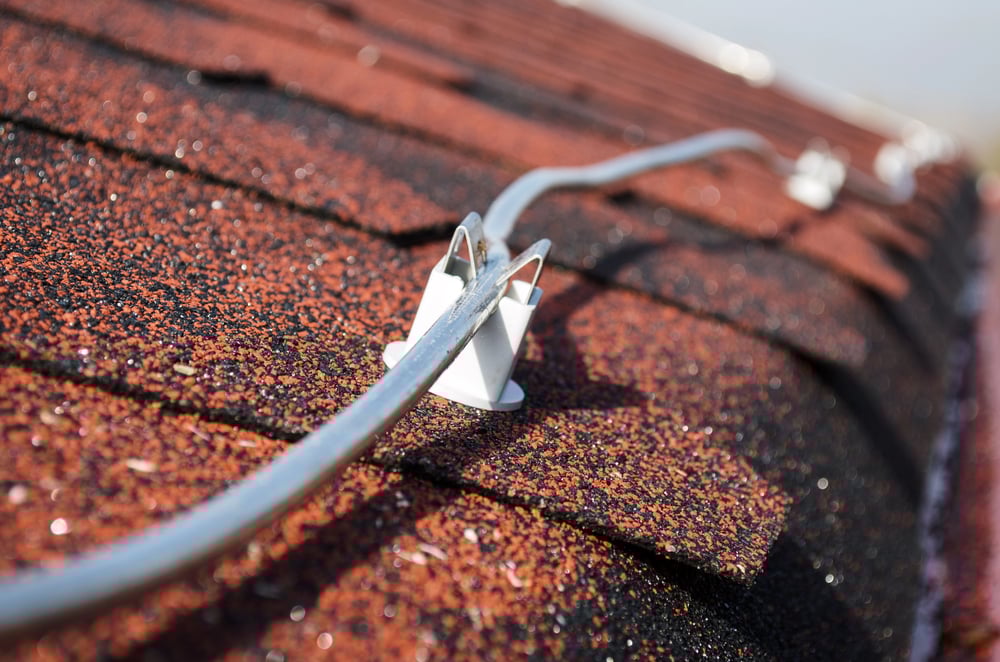
Benjamin Franklin’s lightning rod revolutionized building safety after numerous fires destroyed entire city blocks. Lightning strikes regularly ignited wooden structures before this invention, causing devastating urban fires that killed hundreds.
The simple metal rod diverted electrical charges safely into the ground, preventing countless blazes that would’ve consumed major cities across America and Europe.
Fire Escape

Fire escapes emerged after tragic theater and factory fires trapped victims on upper floors with no way out. These external staircases provided alternative exit routes when main stairways became impassable due to smoke or flames.
New York City mandated fire escapes after multiple tenement disasters, though the invention spread worldwide as urban populations grew denser.
Circuit Breaker
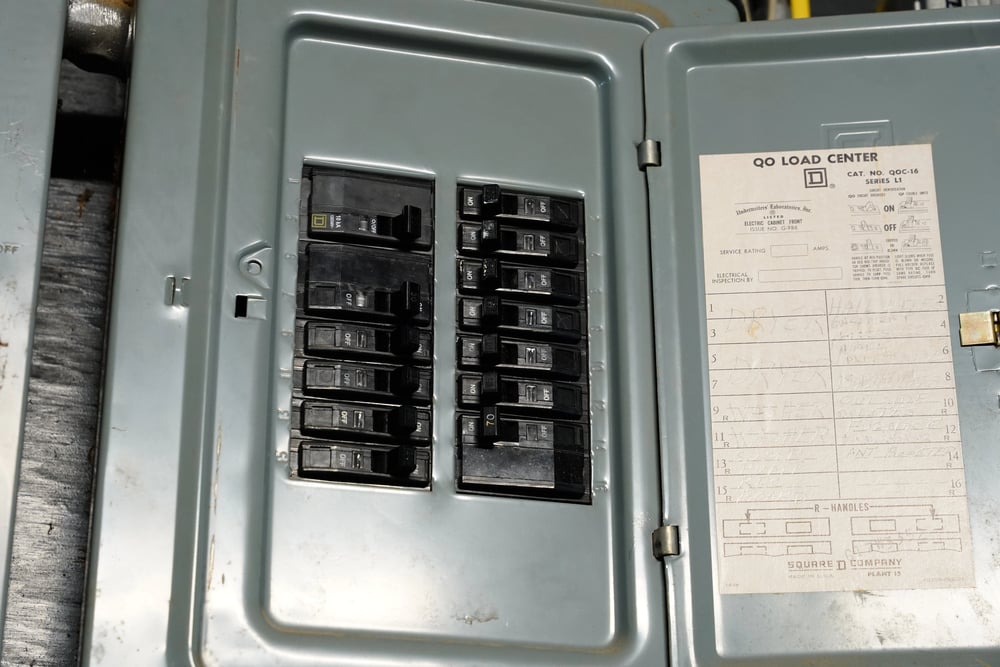
Electrical circuit breakers replaced dangerous fuse systems that often failed during power surges or overloads. Early electrical fires frequently started when overloaded circuits couldn’t shut down automatically, leading to house fires and electrocutions throughout communities.
The automatic switching mechanism cuts power instantly when dangerous conditions develop, preventing electrical disasters that claimed numerous lives in the early 20th century.
Deadman’s Switch

Railroad deadman’s switches prevent runaway trains when engineers become incapacitated during operation for any reason. Before this safety device existed, unconscious or deceased engineers couldn’t stop speeding locomotives, causing derailments and collisions that killed passengers and crew members.
The spring-loaded mechanism requires constant pressure from the engineer’s hand or foot, automatically applying brakes when released.
Life Jacket

Cork life jackets dramatically reduced drowning deaths after major maritime disasters claimed thousands of passengers needlessly. The Titanic tragedy highlighted how inadequate life-saving equipment led to unnecessary casualties, prompting international maritime safety regulations that are still enforced today.
Modern life jackets evolved from these early cork designs, though the basic principle of providing buoyancy remains unchanged.
Safety Lamp
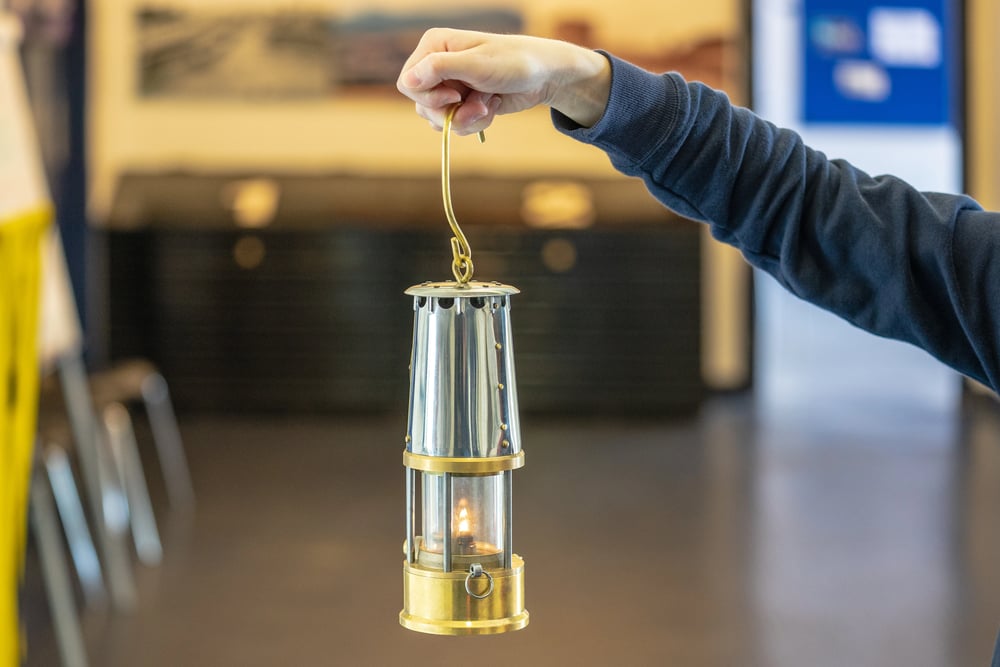
Miners’ safety lamps prevented underground explosions caused by open flames igniting methane gas in confined spaces. Before Sir Humphry Davy’s invention, mining disasters regularly killed entire crews when candle flames triggered devastating blasts, making coal mining one of the world’s most dangerous occupations.
The enclosed flame design allowed safe illumination while preventing gas ignition that claimed so many lives.
Smoke Detector
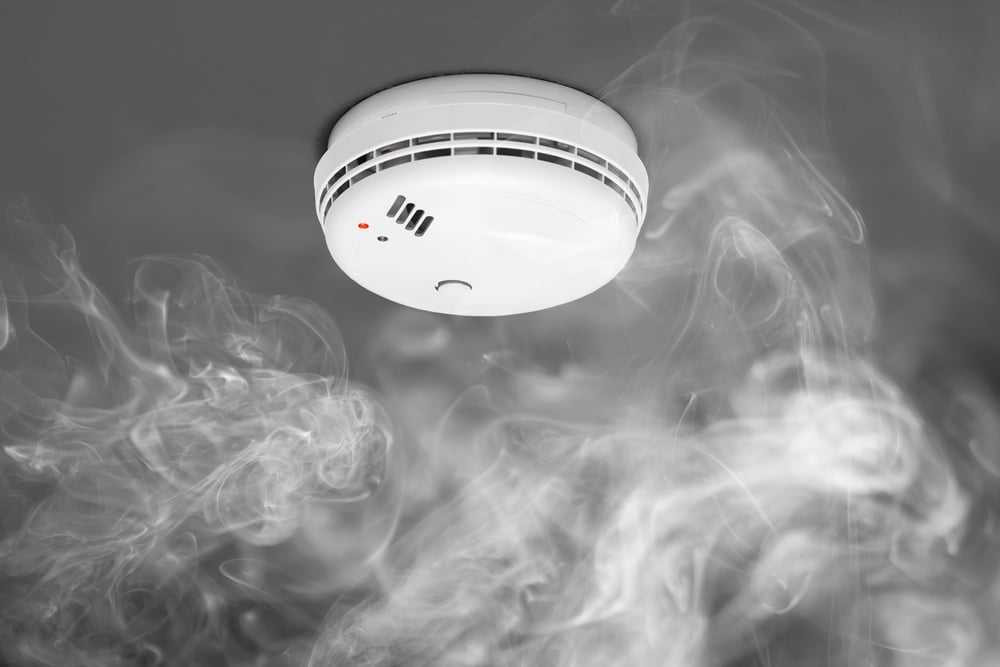
Residential smoke detectors emerged after house fires killed families while they slept peacefully at night. Early detection systems used ionization chambers to sense particles in the air, alerting occupants before flames spread throughout structures completely.
These devices prevented countless residential fire deaths, though many people underestimate their importance until disasters strike nearby communities.
Earthquake-Resistant Construction

Seismic building techniques were developed after major earthquakes leveled entire cities within minutes of striking. The 1906 San Francisco earthquake taught engineers valuable lessons about structural flexibility, leading to construction methods that allow buildings to sway rather than collapse during tremors.
Modern skyscrapers incorporate these principles, preventing catastrophic failures during ground movements.
Pressure Relief Valve
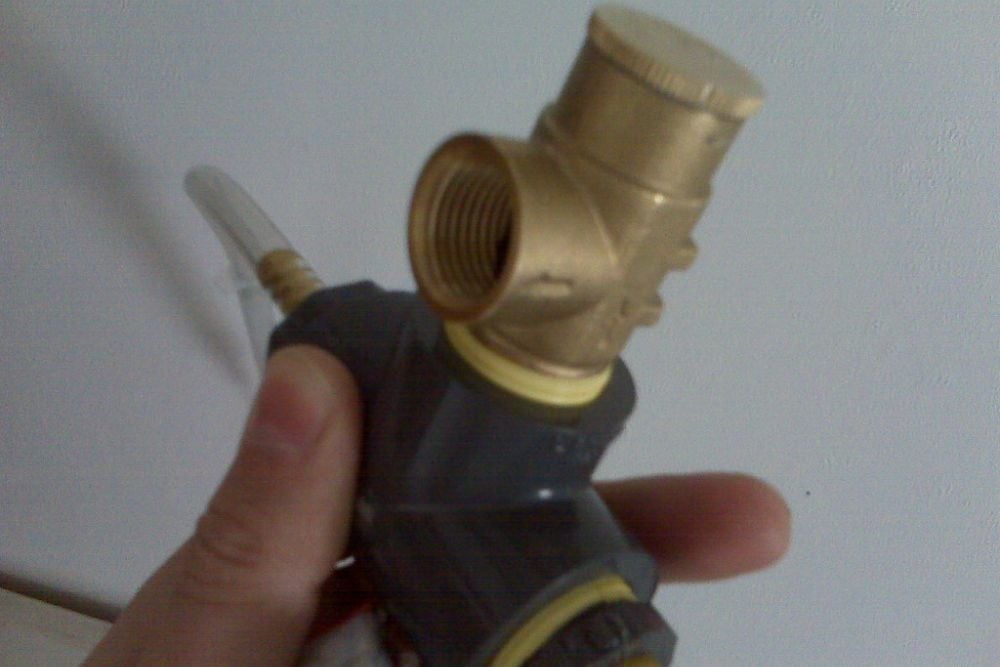
Steam boiler pressure relief valves prevented industrial explosions that regularly killed factory workers in the 19th century. Before automatic pressure release systems existed, boiler explosions destroyed entire buildings, launching massive metal fragments hundreds of yards from blast sites.
The simple valve opens when pressure exceeds safe limits, releasing steam before dangerous conditions develop within industrial equipment.
Airbag

Automotive airbags dramatically reduced traffic fatalities by cushioning passengers during high-speed collisions with other vehicles. Before these inflatable safety devices, steering wheels and dashboards caused severe head and chest injuries, making car accidents far more deadly than necessary.
The rapid deployment system activates within milliseconds of impact, creating a protective barrier between occupants and hard surfaces.
Backup Generator

Hospital backup generators ensure continuous power during electrical outages that could prove fatal for critical patients on life support. Before reliable emergency power systems, hospitals lost essential equipment during storms and grid failures.
These diesel-powered generators activate automatically when main power fails, maintaining medical equipment that keeps patients alive during extended outages that might last hours or days.
Traffic Light

Traffic control signals prevented countless intersection collisions that occurred when horse-drawn vehicles and early automobiles shared roads without coordination. Before systematic traffic management existed, busy intersections became scenes of frequent accidents involving pedestrians, vehicles, and livestock.
The automated signal system coordinates traffic flow while providing clear right-of-way instructions that reduce dangerous conflicts between different types of transportation.
Seat Belt

Automotive seat belts reduced traffic fatalities by preventing ejection from vehicles during crashes and rollovers on highways. Early automobiles lacked restraint systems completely, allowing occupants to be thrown from cars during accidents.
The three-point harness design distributes crash forces across stronger body areas, significantly improving survival rates in serious collisions while preventing many injuries from occurring at all.
Sprinkler System

Automatic fire sprinkler systems extinguish building fires before they spread beyond their point of origin in structures. These water-based suppression systems activate when heat-sensitive elements detect dangerous temperatures in specific areas of buildings.
The invention prevented countless fires from becoming major conflagrations that destroy entire neighborhoods, though many people don’t realize how effective these systems actually are.
Carbon Monoxide Detector
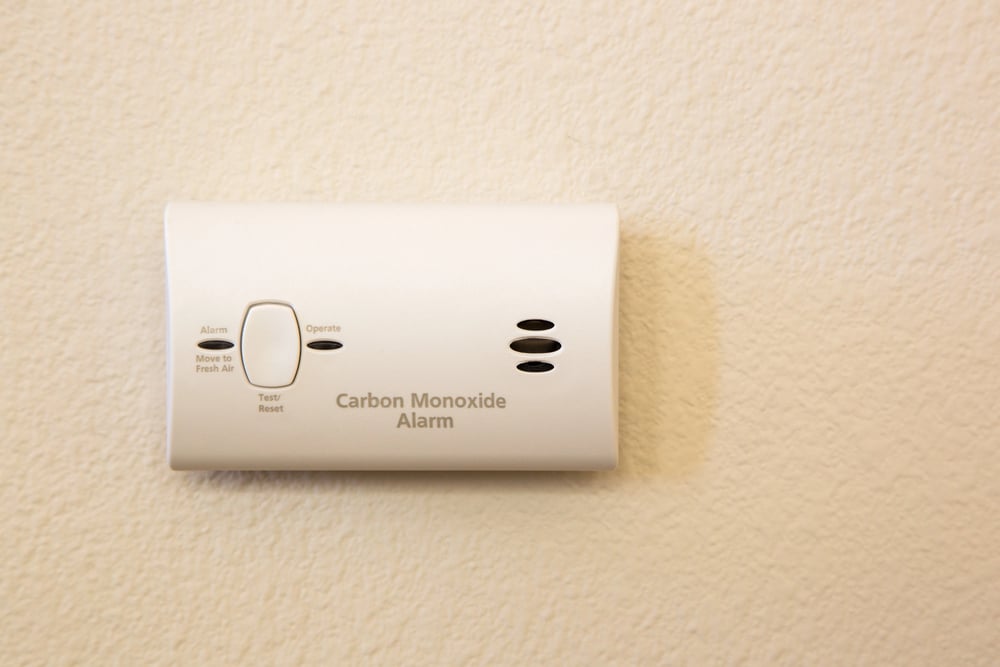
Carbon monoxide detectors alert residents to dangerous gas levels that cause silent poisoning deaths in homes across the country. This colorless, odorless gas from faulty heating systems and appliances kills victims while they sleep peacefully.
Electronic sensors detect even low concentrations of the deadly gas, providing early warnings that allow people to evacuate before fatal exposure occurs in their homes.
Emergency Brake
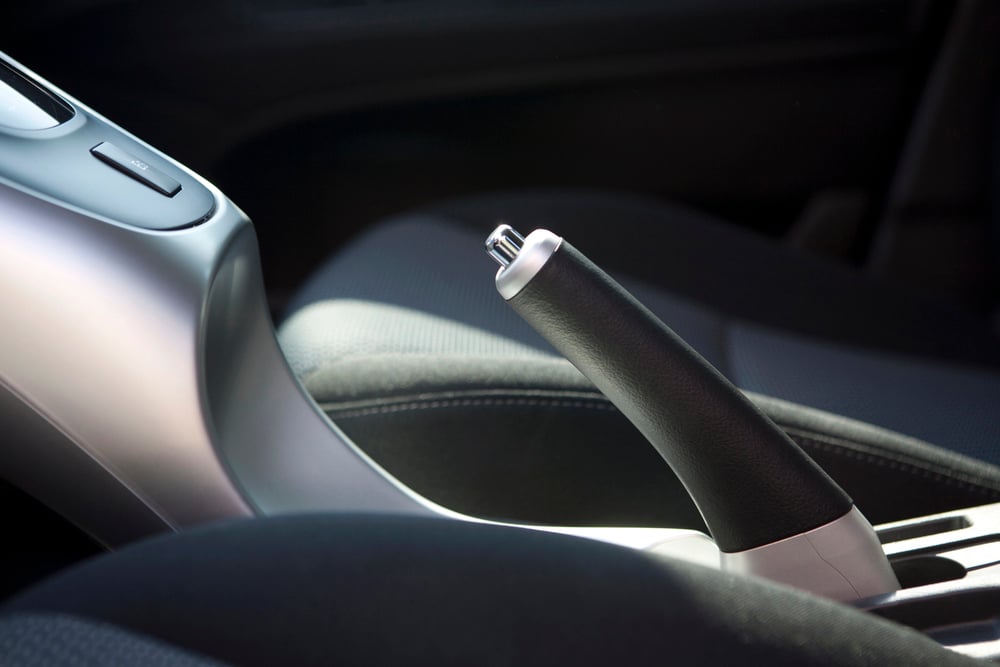
Railway emergency braking systems allow passengers and crew to stop trains during dangerous situations that engineers might not notice. Before passenger-controlled emergency stops existed, runaway trains and mechanical failures caused numerous derailments and collisions.
The emergency cord or button activates powerful air brakes throughout the entire train, bringing heavy locomotives to rapid stops when engineers can’t respond to hazards ahead.
Ground Fault Interrupter

Ground fault circuit interrupters prevent electrical shock deaths in wet environments like bathrooms and kitchens where water creates hazards. Before GFCI protection became standard, electrical appliances near water sources caused numerous electrocution deaths in homes.
The device detects electrical current leakage and shuts off power within milliseconds, preventing potentially fatal electrical shocks that occur when water and electricity mix unexpectedly.
Tsunami Warning System
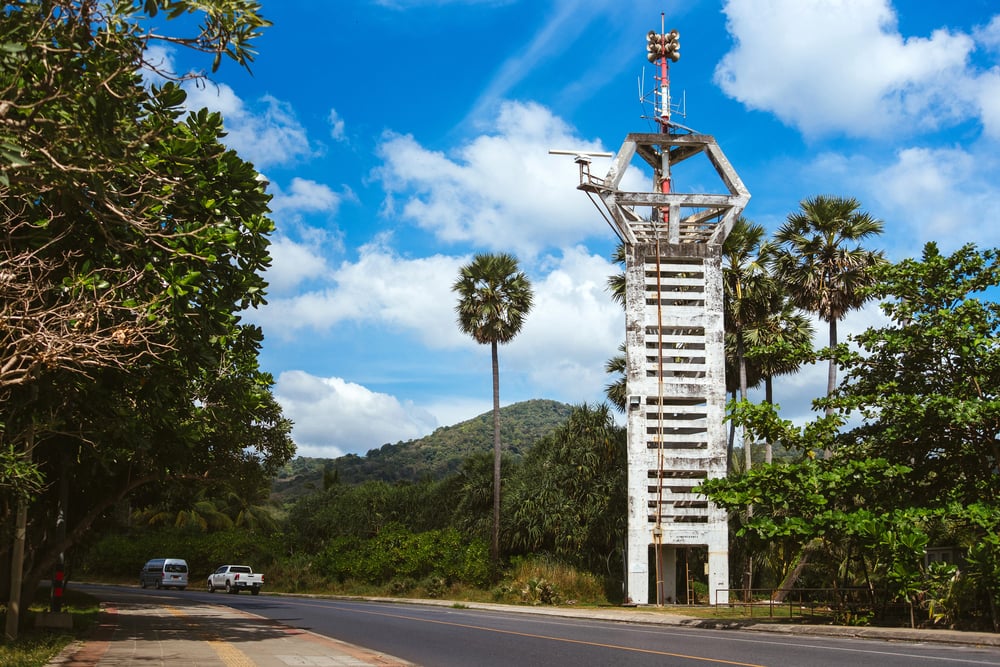
Pacific tsunami warning networks provide coastal populations with advanced notice of approaching waves after underwater earthquakes generate them. Before international coordination systems existed, tsunamis struck coastlines without warning, killing thousands who had no time to evacuate to higher ground.
Seismic monitoring stations detect underwater earthquakes and calculate wave arrival times, allowing emergency officials to issue evacuation orders that save lives.
Learning from Loss

These life-saving inventions show humanity’s capacity to learn from disasters and develop technologies that prevent their recurrence. Each device emerged from tragedy, representing countless lives lost before engineers and inventors found solutions to recurring problems that plagued society.
While modern safety systems continue evolving with new technology, these fundamental inventions provide the foundation for protecting communities against known hazards that once claimed victims regularly throughout history.
More from Go2Tutors!

- The Romanov Crown Jewels and Their Tragic Fate
- 13 Historical Mysteries That Science Still Can’t Solve
- Famous Hoaxes That Fooled the World for Years
- 15 Child Stars with Tragic Adult Lives
- 16 Famous Jewelry Pieces in History
Like Go2Tutors’s content? Follow us on MSN.



