The Warrior Queen Who Defied Rome
In the long list of legends who stood against the Roman Empire, few figures command as much awe as Boudica, the Celtic queen who transformed loss into fury and nearly expelled Rome from Britain. Her name—derived from the Brythonic word for “victory”—was almost a prophecy in itself.
Towering above six feet, with striking red hair and a voice that carried like a battle horn, she rose from the ashes of personal tragedy to become Rome’s most formidable adversary in Britain. Her uprising in AD 60–61 wasn’t just another flare-up at the fringes of the empire.
It was a calculated campaign of vengeance that wiped three Roman settlements from the map and left tens of thousands dead. For a brief and terrifying moment, Boudica held the future of Roman Britain in her hands—proof that even the strongest empire could falter when met with unrelenting defiance.
Let’s retrace the key events that turned this grieving queen into Rome’s most dangerous enemy on British soil.
Queen of the Iceni
Boudica shared power with her husband Prasutagus over the Iceni, a tribe settled in present-day East Anglia—a land of marshes and forests that naturally shielded them from outsiders. When Rome invaded Britain in AD 43, the Iceni chose neutrality.
It wasn’t submission but strategy: they saw what happened to tribes that resisted head-on, and survival meant knowing when to bend without breaking. Prasutagus became king around AD 47 and accepted Rome’s terms as a client king.
In exchange, the Iceni retained their traditions and a degree of autonomy, while acknowledging Roman supremacy. Together, Boudica and Prasutagus raised two daughters, and under this delicate balance, their people enjoyed nearly two decades of stability.
The Betrayal That Sparked a War
That peace ended abruptly in AD 60. Prasutagus, hoping to secure his family’s future, willed his kingdom jointly to his daughters and Emperor Nero.
By Celtic standards, this was reasonable—women could inherit and rule. But Roman law recognized no such rights.
Rome used the will as an excuse to absorb the Iceni kingdom outright. Officials confiscated lands, stripped the royal household of wealth, and treated the territory as conquered soil.
When Boudica objected, the Romans answered with cruelty: she was publicly flogged, and her daughters assaulted. For a warrior society that revered its queens, this humiliation was intolerable.
It demanded blood.
The Gathering Storm
News of Rome’s treatment of Boudica spread swiftly. Tribes long burdened by taxes, land seizures, and cultural suppression saw their chance.
The Trinovantes—whose capital, Camulodunum, had been turned into a Roman colony—were the first to join her cause. Others followed, united not just by anger but by the respect Boudica commanded as both queen and survivor.
Uniting Celtic tribes was no small feat. They were notoriously divided and prone to infighting.
Yet under Boudica’s leadership, old rivalries were set aside. Shared suffering forged a coalition stronger than anything Britain had seen before.
The Destruction of Camulodunum
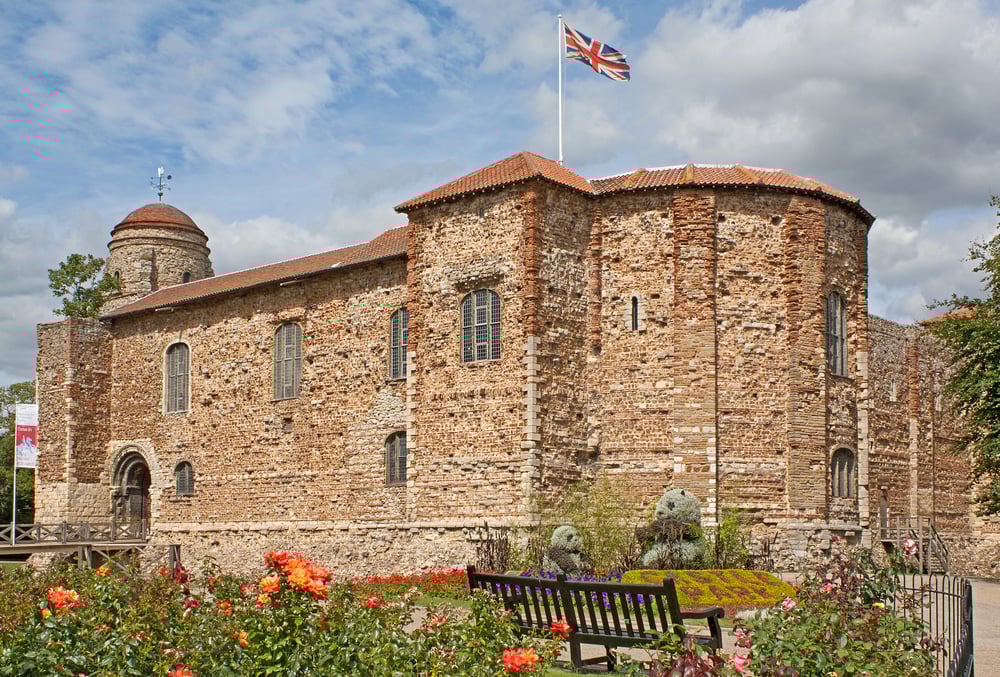
The rebellion struck first at Camulodunum (modern Colchester), the provincial capital. Poorly defended and complacent, the city embodied Roman arrogance.
Its great temple to Claudius loomed as a symbol of oppression, making it the perfect target. When Boudica’s forces descended, panic consumed the colonists.
Governor Cerialis tried to send the Ninth Legion to rescue the city, but Boudica’s warriors annihilated them. Camulodunum fell swiftly.
Survivors were slaughtered, buildings burned, and the city wiped from the landscape. Archaeologists still uncover a thick layer of scorched earth—evidence of the systematic destruction her army unleashed.
London in Flames
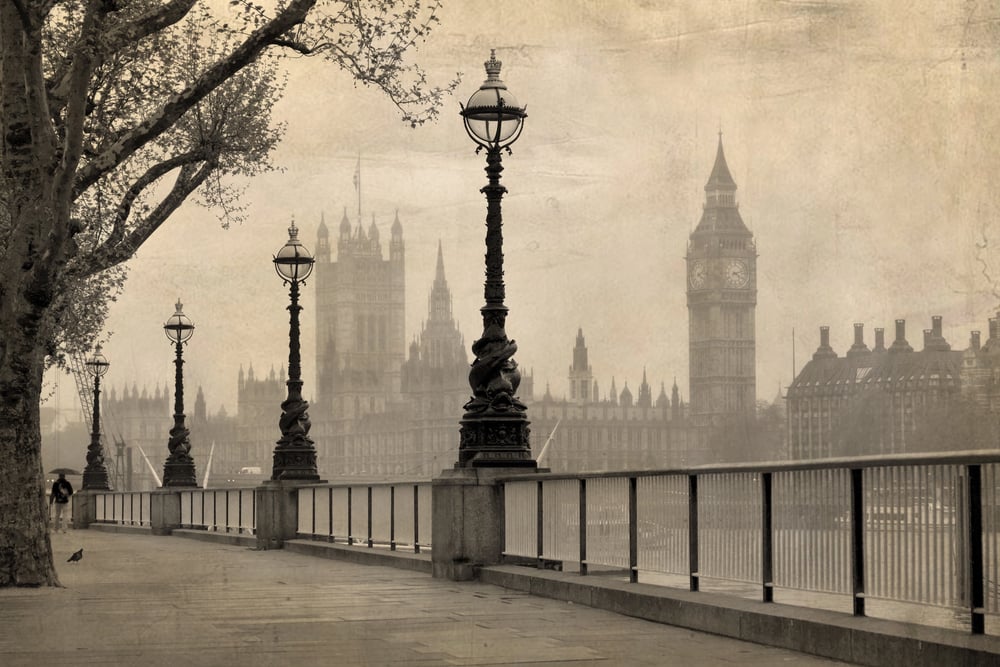
Governor Suetonius Paulinus, away campaigning in Wales, rushed back and reached Londinium (modern London) before Boudica. He quickly realized the city couldn’t be defended—it lacked walls and was built for trade, not war.
Choosing strategy over sentiment, Suetonius evacuated his troops and left the civilians to their fate. When Boudica arrived, her army torched Londinium as thoroughly as they had Camulodunum.
Many who stayed behind perished in the flames. Beneath modern London, archaeologists still find the “burnt layer,” nearly two feet thick, a silent reminder of her vengeance.
Verulamium Falls
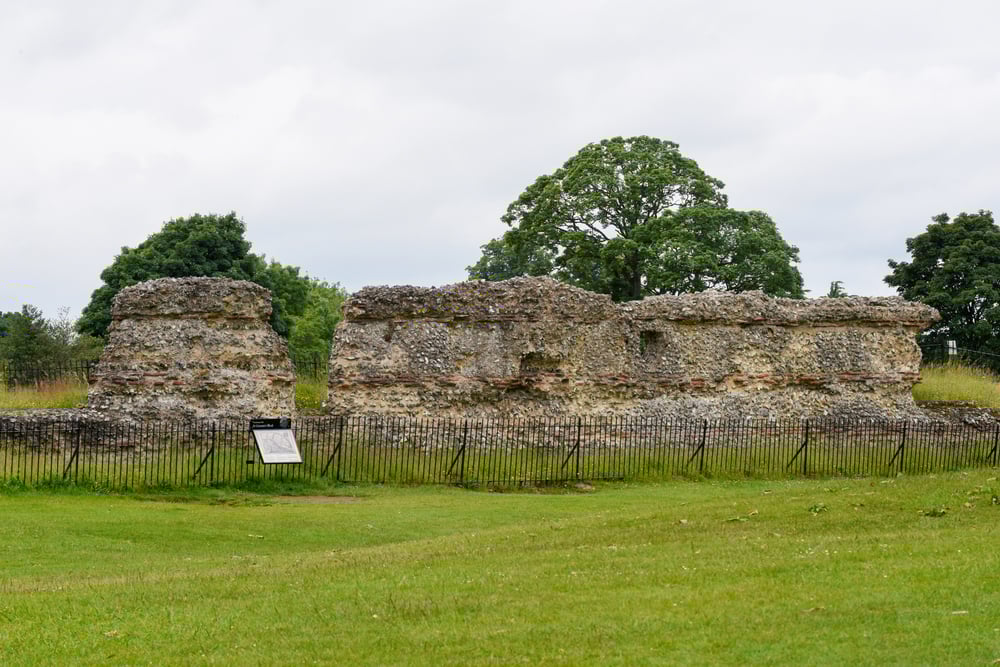
The rebels then moved on to Verulamium (St. Albans). The result was the same: mass slaughter, buildings reduced to ashes, and Roman symbols smashed beyond recognition.
Boudica’s campaign wasn’t random violence—it was calculated annihilation. She knew that by destroying Rome’s outposts and sacred spaces, she was attacking the empire’s authority itself.
Even cemeteries were desecrated, an act that made clear this was not just war but a fight for cultural survival.
The Final Confrontation
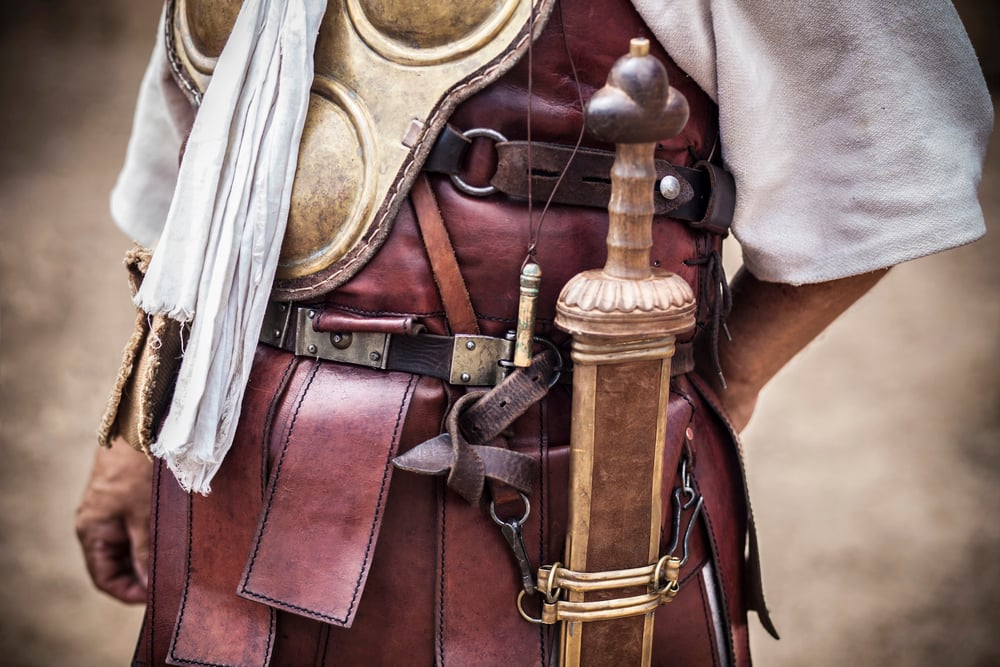
Meanwhile, Suetonius gathered about 10,000 troops, including the disciplined Fourteenth Legion. He chose battleground terrain that neutralized Boudica’s numerical advantage: a narrow valley with forested flanks.
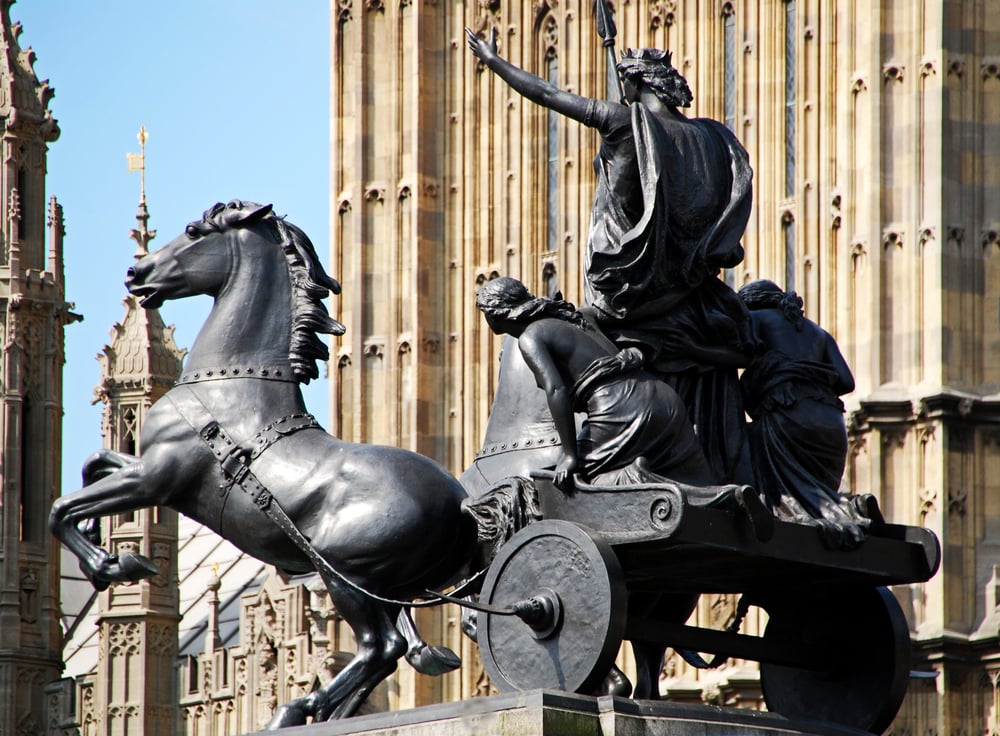
The Celts would have no room to outmaneuver. Before the battle, Boudica rallied her warriors from a chariot, invoking their families, gods, and freedom.
She reminded them of the injustices Rome had inflicted and urged them to fight like true Britons against cowardly invaders.
Victory Turns to Defeat
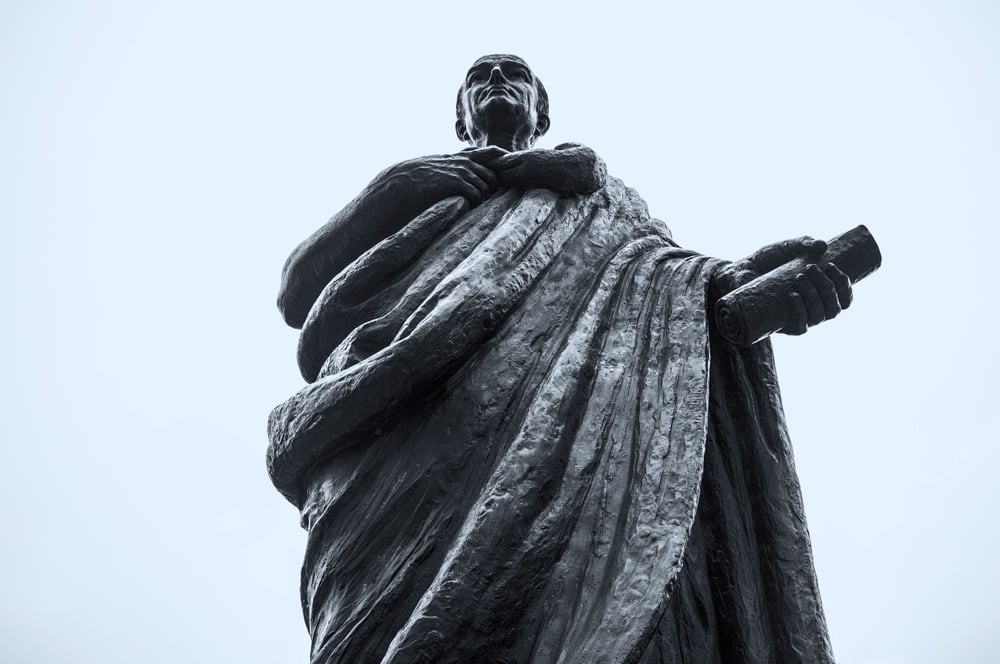
The Celts charged en masse, but the Romans held firm. Their javelins broke the first waves, and once combat closed, Roman discipline overwhelmed Celtic ferocity.
A wedge formation cut through the Britons’ ranks, while cavalry flanked them. Chaos erupted as retreating Celts found their own wagons blocking escape routes.
The battlefield became a massacre. What began as a confident charge ended in utter catastrophe.
The Price of Rebellion
Roman accounts claim 80,000 Britons were killed, though the figure is likely inflated. Still, the scale of the defeat ended serious resistance in southern Britain for decades.
Boudica herself did not live to see the aftermath—whether she took poison to avoid capture or succumbed to illness, sources disagree. Her rebellion shook Rome to its core.
Nero even considered abandoning Britain altogether, a testament to how close Boudica came to driving the empire out. The fact that a woman had orchestrated Rome’s greatest crisis in Britain was a lasting insult to Roman pride.
Echoes Across the Centuries

Though her revolt ended in defeat, Boudica’s legacy endures. The burned cities and shattered monuments she left behind are visible proof of her defiance.
Over time, she became more than a tragic figure—she transformed into a national symbol of resistance. From Victorian poets to modern feminists, her story has been retold as an example of courage, leadership, and the power of resistance against tyranny.
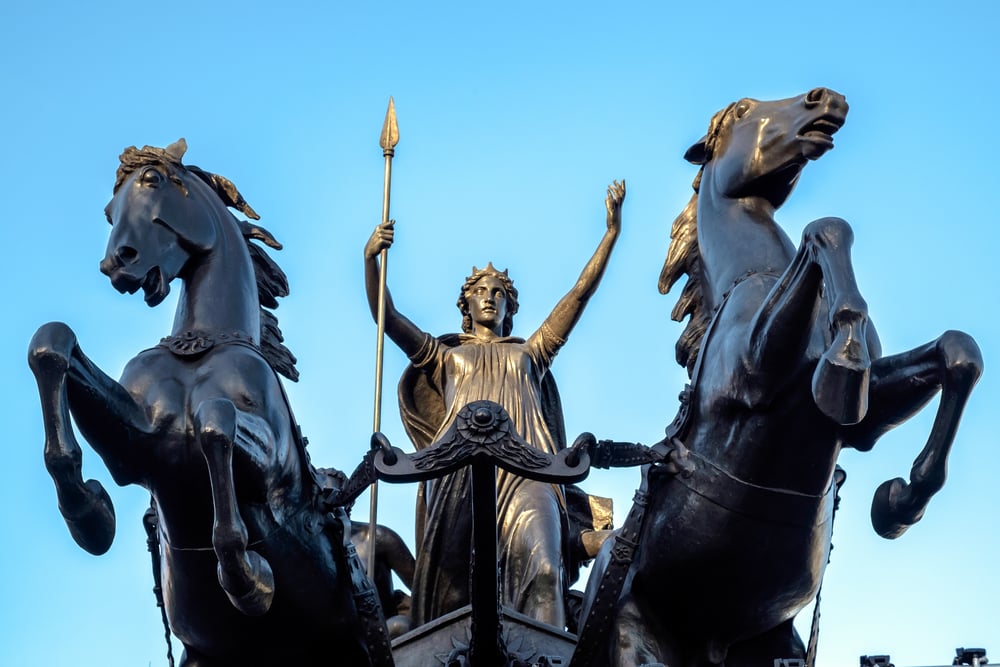
Today, her bronze statue near Parliament looks out across the Thames toward ancient Londinium—the very city she once set ablaze. In the end, Boudica achieved in death what eluded her in life: a place in history as Britain’s warrior queen, forever remembered for daring to defy Rome itself.
More from Go2Tutors!
- The Romanov Crown Jewels and Their Tragic Fate
- 13 Historical Mysteries That Science Still Can’t Solve
- Famous Hoaxes That Fooled the World for Years
- 15 Child Stars with Tragic Adult Lives
- 16 Famous Jewelry Pieces in History
Like Go2Tutors’s content? Follow us on MSN.



