17 Defunct Theme Parks You Visited as a Kid
Walking into a theme park used to feel like stepping into another dimension. These weren’t the polished, corporate destinations of today, but quirky, imperfect places that somehow made childhood summers unforgettable.
Many of the parks that once anchored family vacations have disappeared, leaving behind little more than photographs and stories. Their rides may be gone, but the memories remain remarkably vivid.
Freedomland U.S.A.
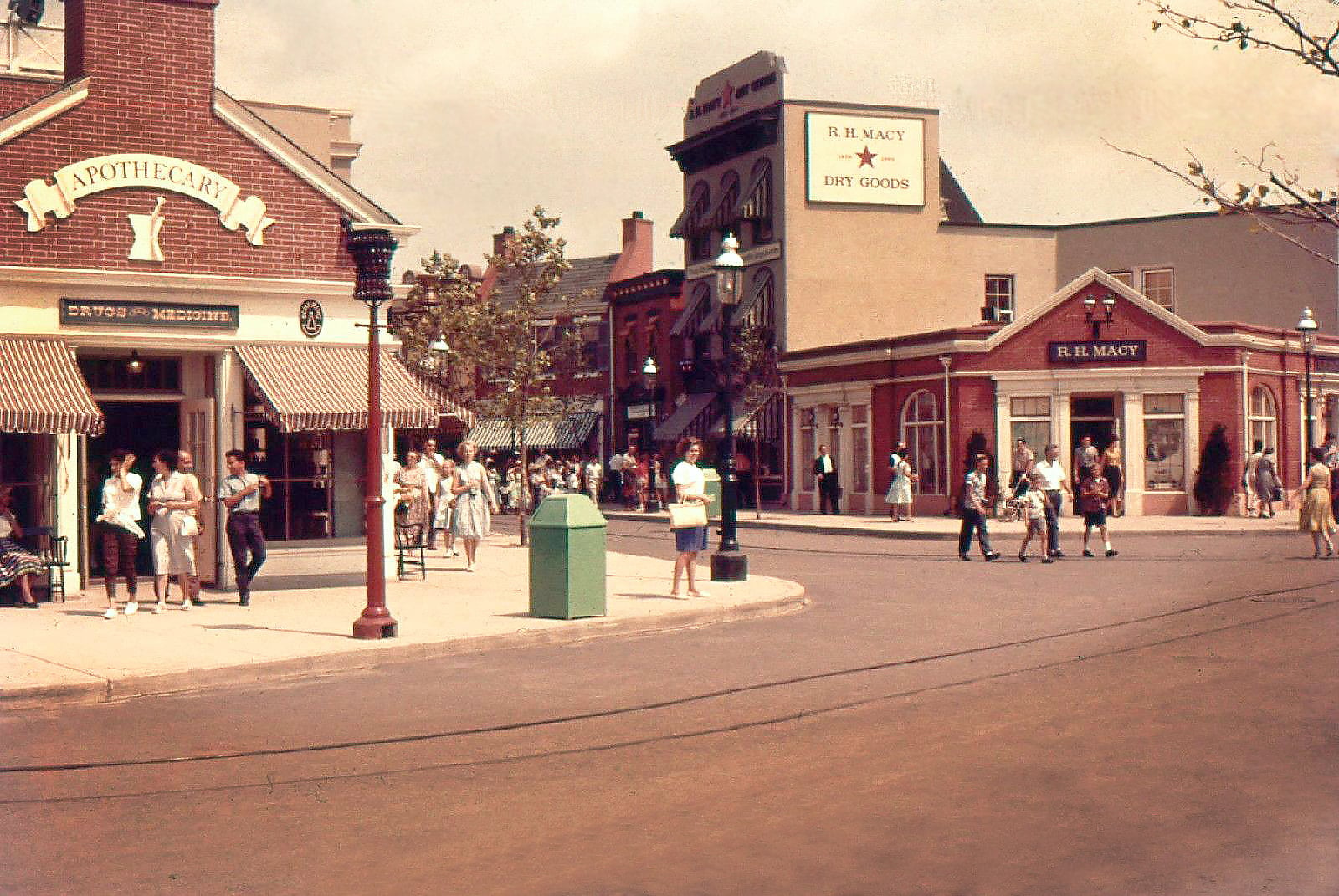
This Bronx theme park lasted just four years, from 1960 to 1964. Shaped like a map of the United States, each section represented a different region of the country.
The place was ambitious and broke within two seasons. Freedomland burned down more often than it stayed open.
Poor planning and constant fires made it a running joke in New York newspapers.
Palisades Amusement Park
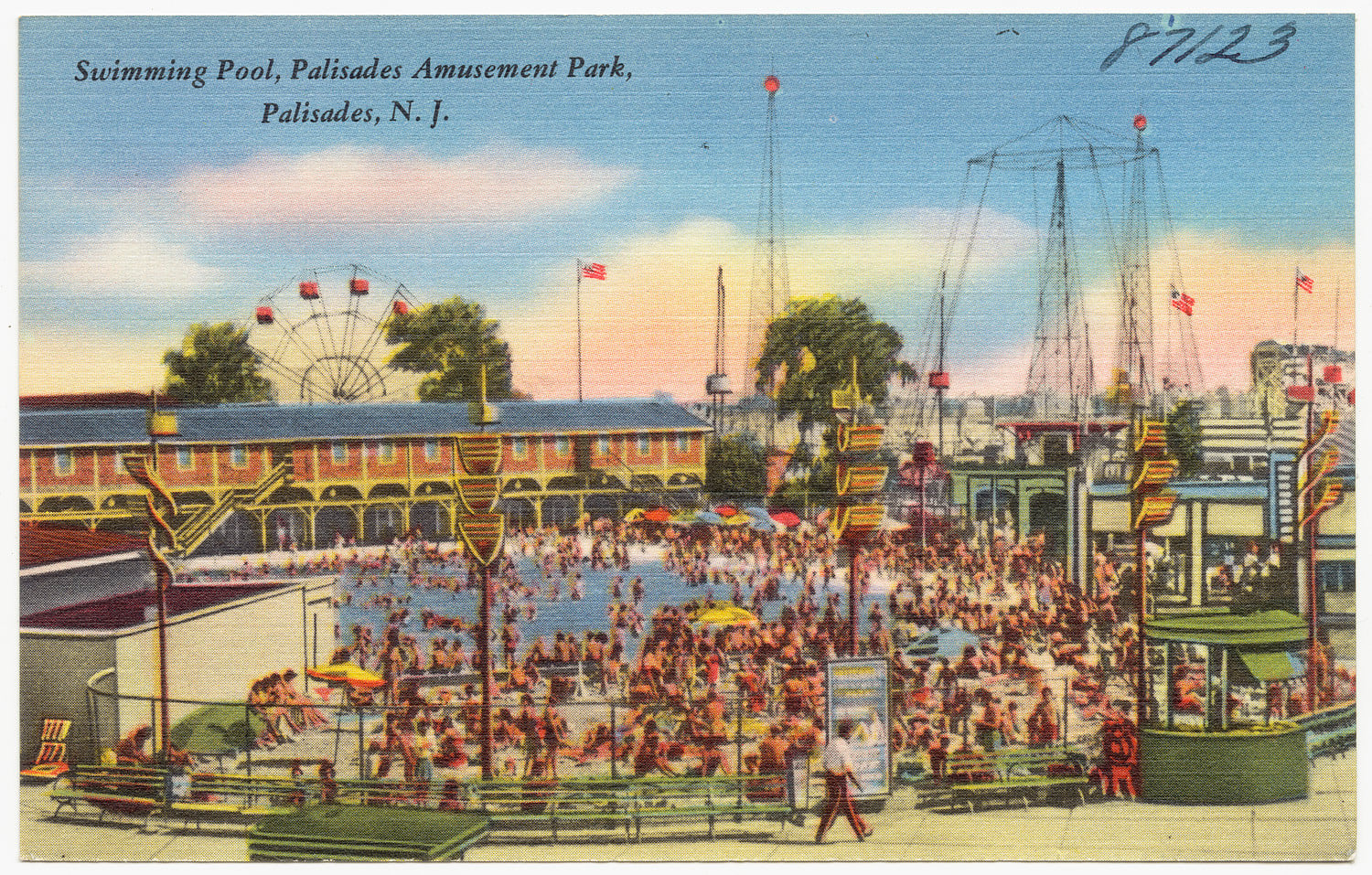
Perched on the cliffs overlooking the Hudson River in New Jersey, Palisades operated from 1898 to 1971. The Cyclone roller coaster there wasn’t for the faint of heart — wooden, rickety, and absolutely terrifying in the best possible way.
The park’s location (right across from Manhattan) made it a summer destination for generations of New York families. Rising land values eventually made condos more profitable than cotton candy and carousel rides.
Riverview Park
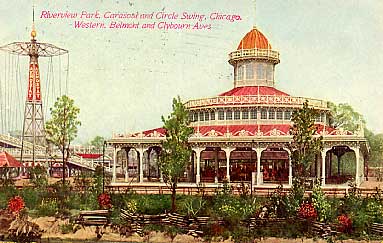
Chicago’s Riverview was the kind of place where parents dropped kids off in the morning and expected them back by dinner, no questions asked. Operating from 1904 to 1967, it sprawled across 74 acres on the North Side and featured rides that would never pass today’s safety inspections — which was precisely the point.
The Bobs roller coaster launched riders through sharp turns and sudden drops that felt genuinely dangerous (because they probably were), and the Parachute Jump gave you a few seconds of actual free fall before the chute opened. But perhaps what made Riverview special wasn’t the individual rides so much as the entire ecosystem it created: a place where teenagers could wander unsupervised, where the smell of popcorn and motor oil mixed in the summer air, and where the line between excitement and genuine fear blurred in ways that made every visit feel like a small act of rebellion.
The park closed not because it wasn’t popular — it was. The land became too valuable for housing development, and the owners cashed out while they could.
Jantzen Beach Amusement Park
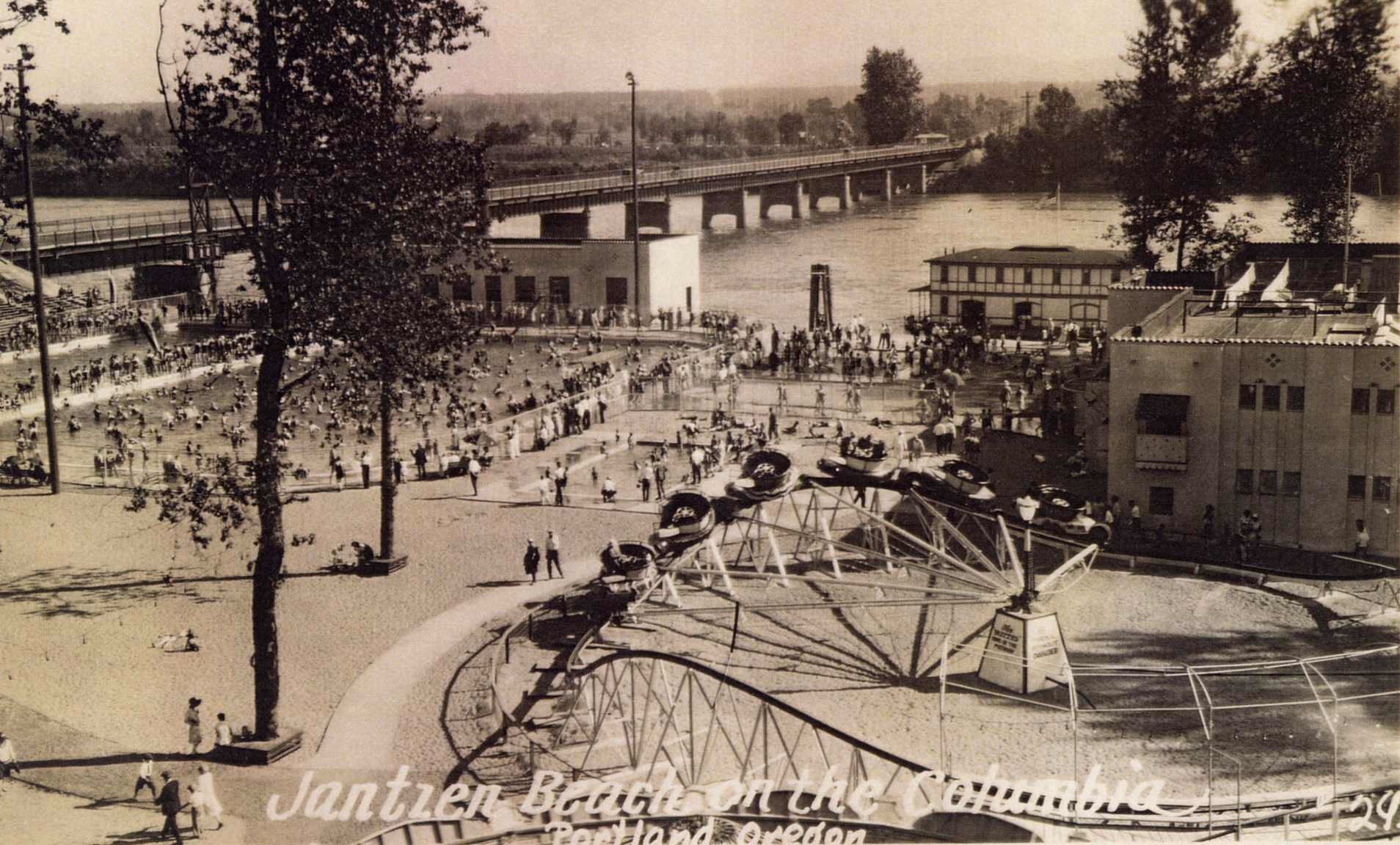
Portland’s Jantzen Beach sat on an island in the Columbia River like some fever dream of 1920s excess. The place had everything: a massive swimming pool, a ballroom that hosted big bands, and rides that capitalized on the era’s loose relationship with safety regulations.
The park’s crown jewel was its carousel — a 1921 Dentzel creation with hand-carved horses that moved like frozen galloping. Each horse was different, crafted with the kind of attention to detail that modern manufacturing has forgotten how to replicate.
Kids would sprint to claim their favorite horse, the one with the flowing mane or the particularly fierce expression, as if the choice mattered for the magic to work properly.
Pontchartrain Beach
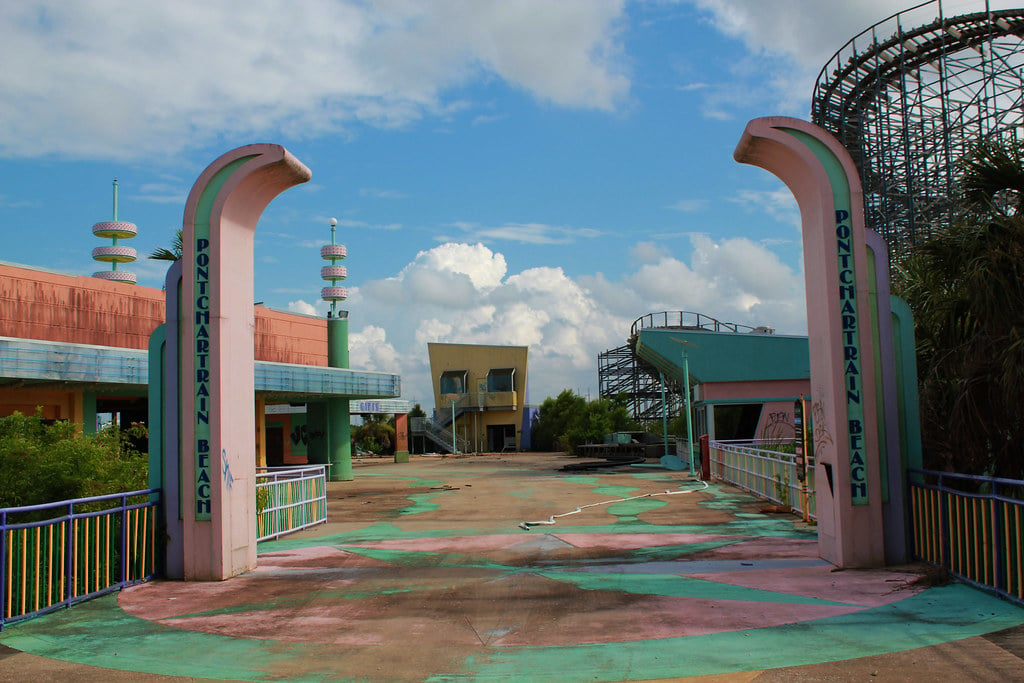
New Orleans had Pontchartrain Beach from 1928 to 1983, and the place embodied everything wonderful and questionable about mid-century American leisure. Built on the shores of Lake Pontchartrain, it featured a wooden roller coaster called the Zephyr and a swimming pool that probably violated every health code written since.
The park stayed open during segregation and after integration. It served as a rare space where the city’s complex social dynamics played out over funnel cake and Ferris wheel rides.
Olympic Park
Olympic Park in Irvington, New Jersey was never trying to be Disneyland. From 1887 to 1965, it was a working-class amusement park that knew its audience and delivered exactly what they wanted: cheap thrills and cold beer.
The Wild Mouse roller coaster jerked riders through hairpin turns in tiny cars that felt like they might fly off the track at any moment. Which was the point.
Glen Echo Park
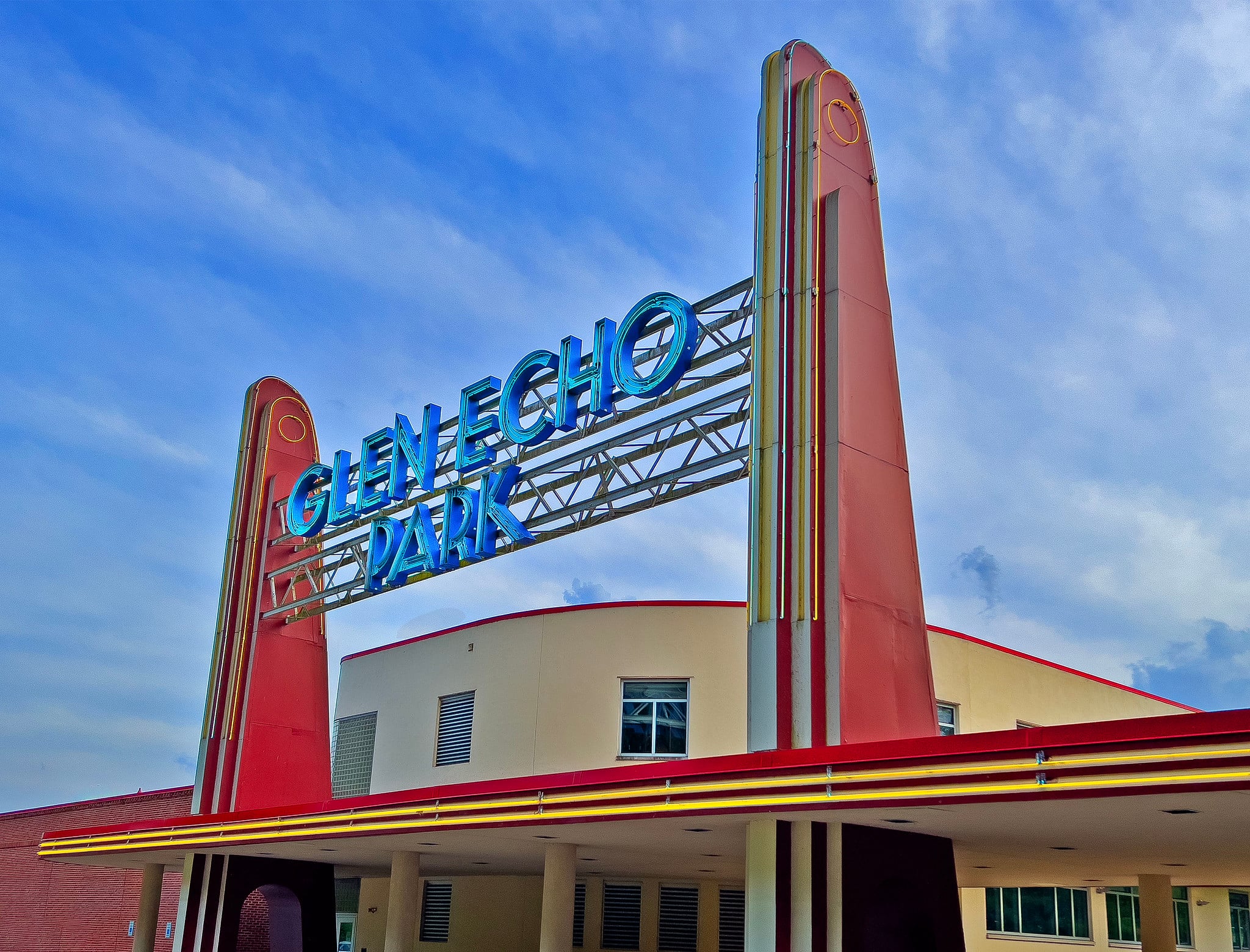
Just outside Washington D.C., Glen Echo operated as an amusement park from 1911 to 1968 after starting life as a Chautauqua assembly. The park’s Spanish Ballroom hosted dancers every weekend, while the carousel and bumper cars entertained families during the day.
Glen Echo’s story mirrors that of many American amusement parks: built with grand ambitions, sustained by community loyalty, and ultimately defeated by changing demographics and the rise of television as home entertainment. The carousel horses, carved by the Dentzel Company, now spin in a park maintained by the National Park Service — preserved as historical artifacts rather than active amusements, which somehow captures the melancholy of the entire enterprise.
What made Glen Echo special wasn’t any single attraction but rather the way it functioned as a genuine community space. Multiple generations gathered there not because marketing campaigns told them to, but because it was simply where people went.
Steeplechase Park
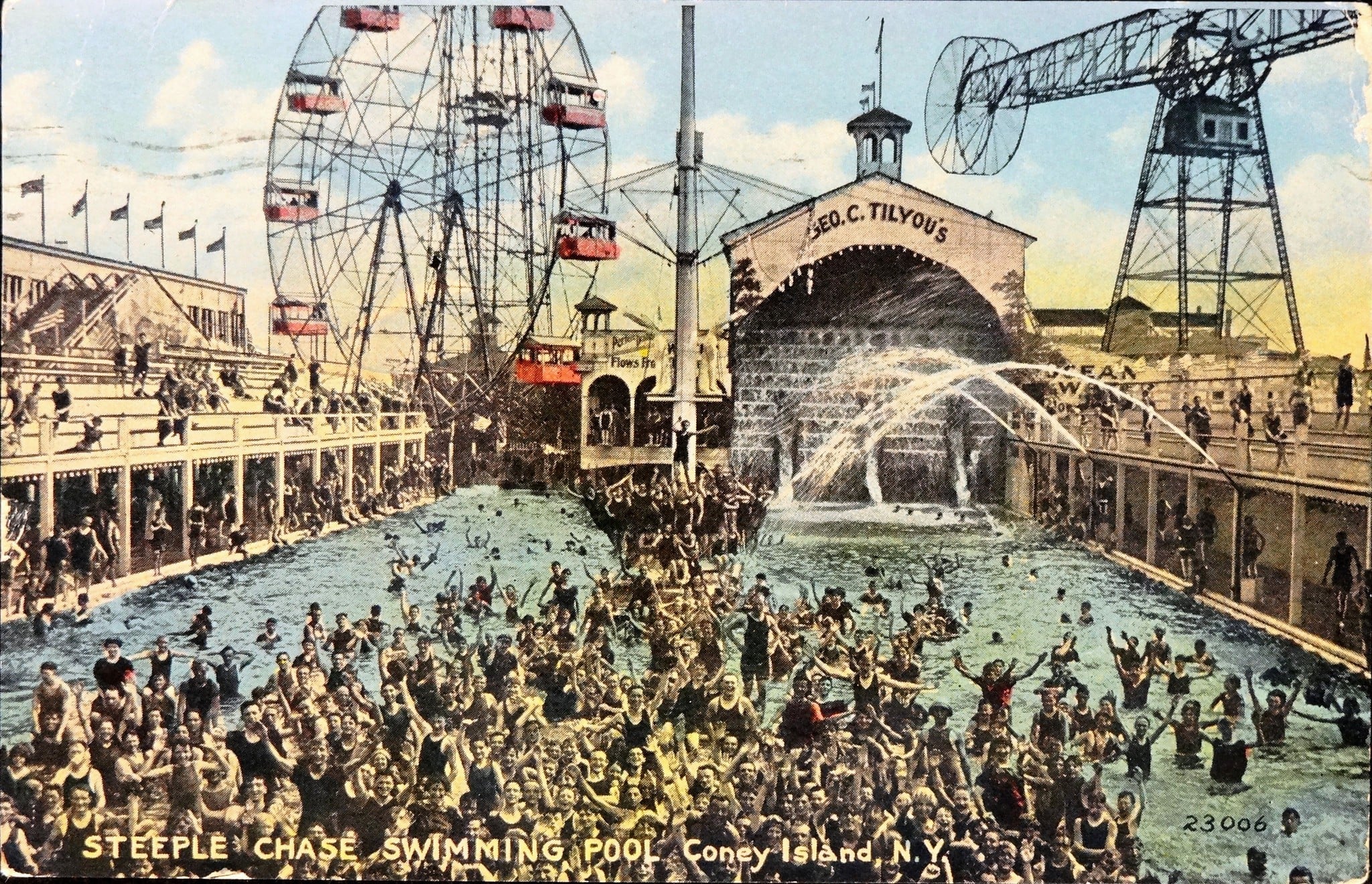
Coney Island’s Steeplechase Park closed in 1964 after operating since 1897, and its loss marked the end of an era for Brooklyn’s famous beachfront. The park’s signature ride — mechanical horses racing along parallel tracks — gave the place its name and its identity.
George Tilyou built Steeplechase as entertainment for the working class, and it never apologized for being exactly that. The rides were loud, the crowds were boisterous, and the whole experience felt authentically chaotic in ways that modern theme parks spend millions trying to recreate.
Euclid Beach Park
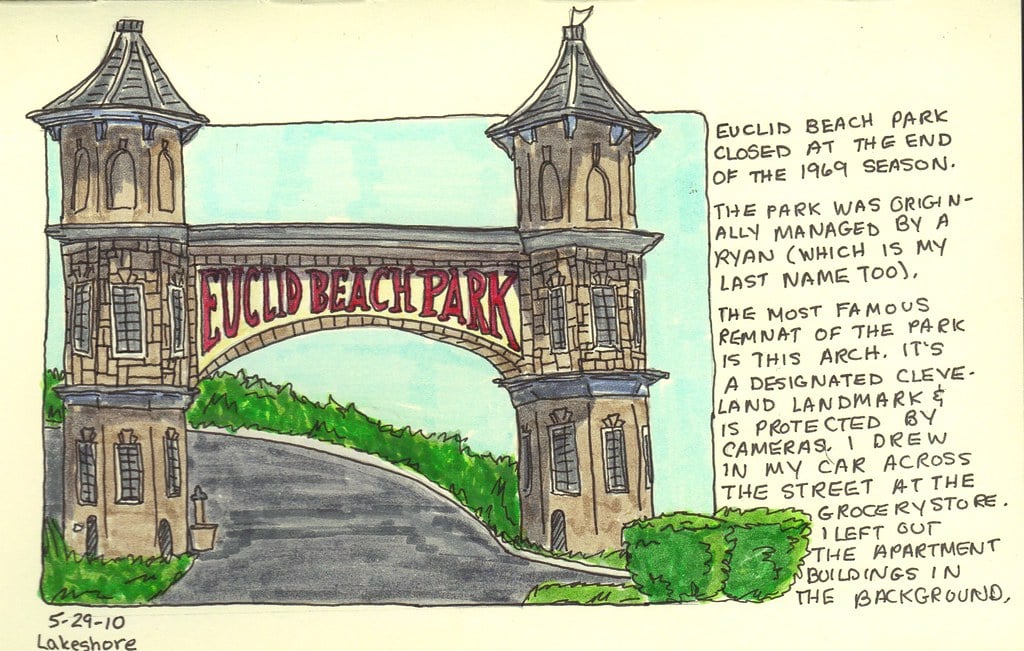
Cleveland’s Euclid Beach Park operated from 1895 to 1969 on the shores of Lake Erie, and it was the kind of place where families returned year after year, claiming the same picnic tables and riding the same rides in the same order. The park prohibited alcohol and gambling, positioning itself as wholesome family entertainment.
The Grand Carousel, built by the Philadelphia Toboggan Company, featured 54 jumping horses and remained the park’s centerpiece throughout its 74-year run. But what visitors remembered most wasn’t any single attraction — it was the feeling of summer freedom that came with stepping off the streetcar and hearing the sounds of the midway carried on lake breezes.
Euclid Beach’s demise came not from a single catastrophe but from the slow erosion that claimed so many urban amusement parks. Changing demographics, suburban flight, and the simple fact that families no longer needed a designated place to gather for entertainment when they had backyards and television sets all played a role.
Paragon Park
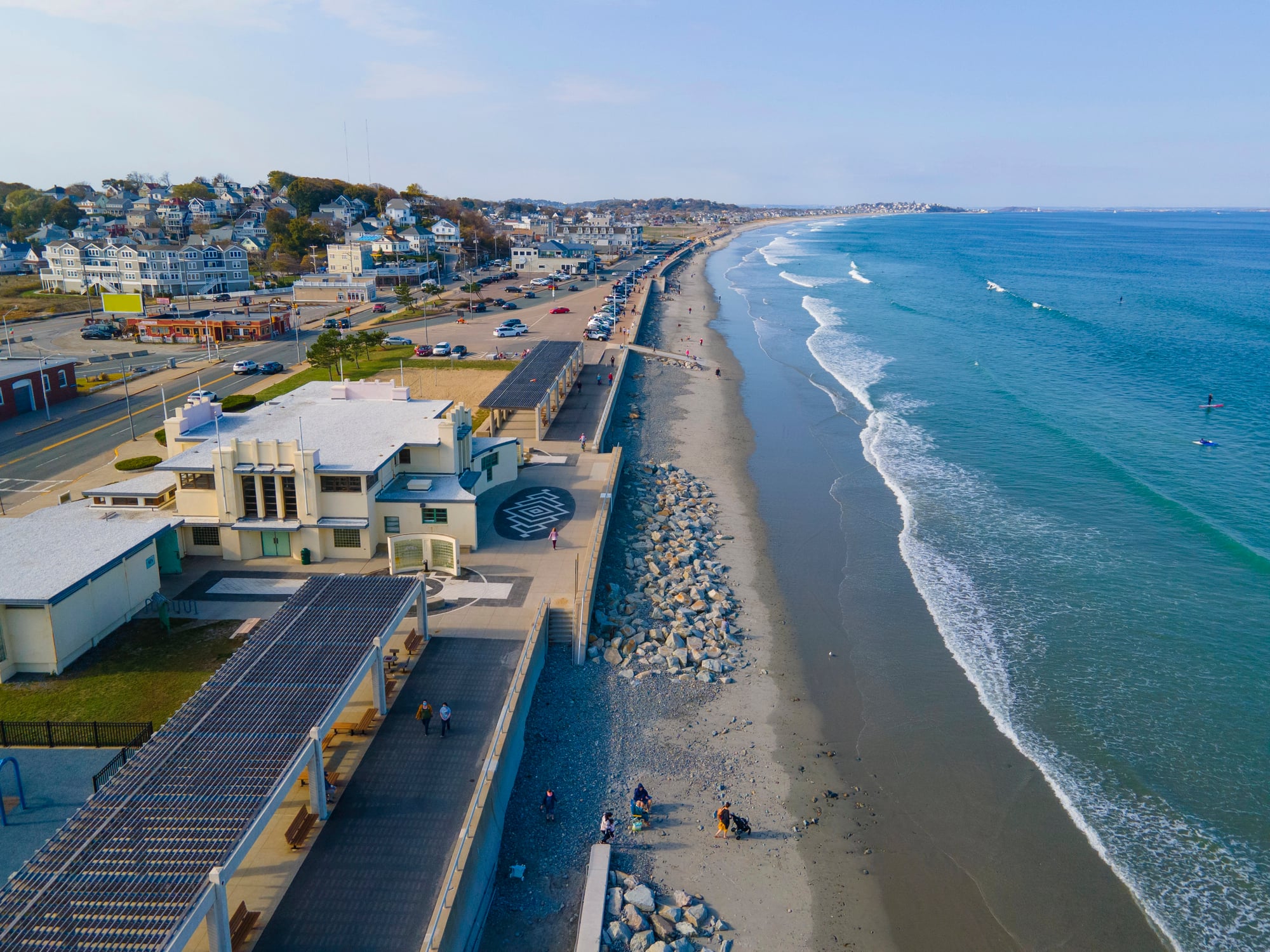
Nantasket Beach in Hull, Massachusetts hosted Paragon Park from 1905 to 1984, and the place defined summer for generations of Boston families. The Giant Coaster, built in 1917, was a wooden monster that shook and rattled in ways that would terrify modern safety inspectors.
Paragon’s location right on the beach gave it a unique character. Riders on the Ferris wheel could see the Atlantic Ocean stretching to the horizon, while the smell of salt air mixed with the carnival atmosphere below.
Lincoln Park
Dartmouth, Massachusetts had Lincoln Park from 1894 to 1987, making it one of the longest-running amusement parks in New England. The Comet roller coaster was the main attraction, but the park’s real appeal was its unpretentious approach to family entertainment.
Lincoln Park never tried to be sophisticated. It was a place where kids could ride bumper cars until they felt sick, where teenagers could show off at the arcade games, and where parents could sit on benches eating fried clams while keeping one eye on their children.
The park’s longevity came from understanding this simple formula and never trying to improve on it. The end came in the 1980s when rising insurance costs and declining attendance made the business unsustainable — a story repeated at small amusement parks across the country as liability concerns killed off the mom-and-pop operations that once defined American summer entertainment.
Boblo Island Amusement Park
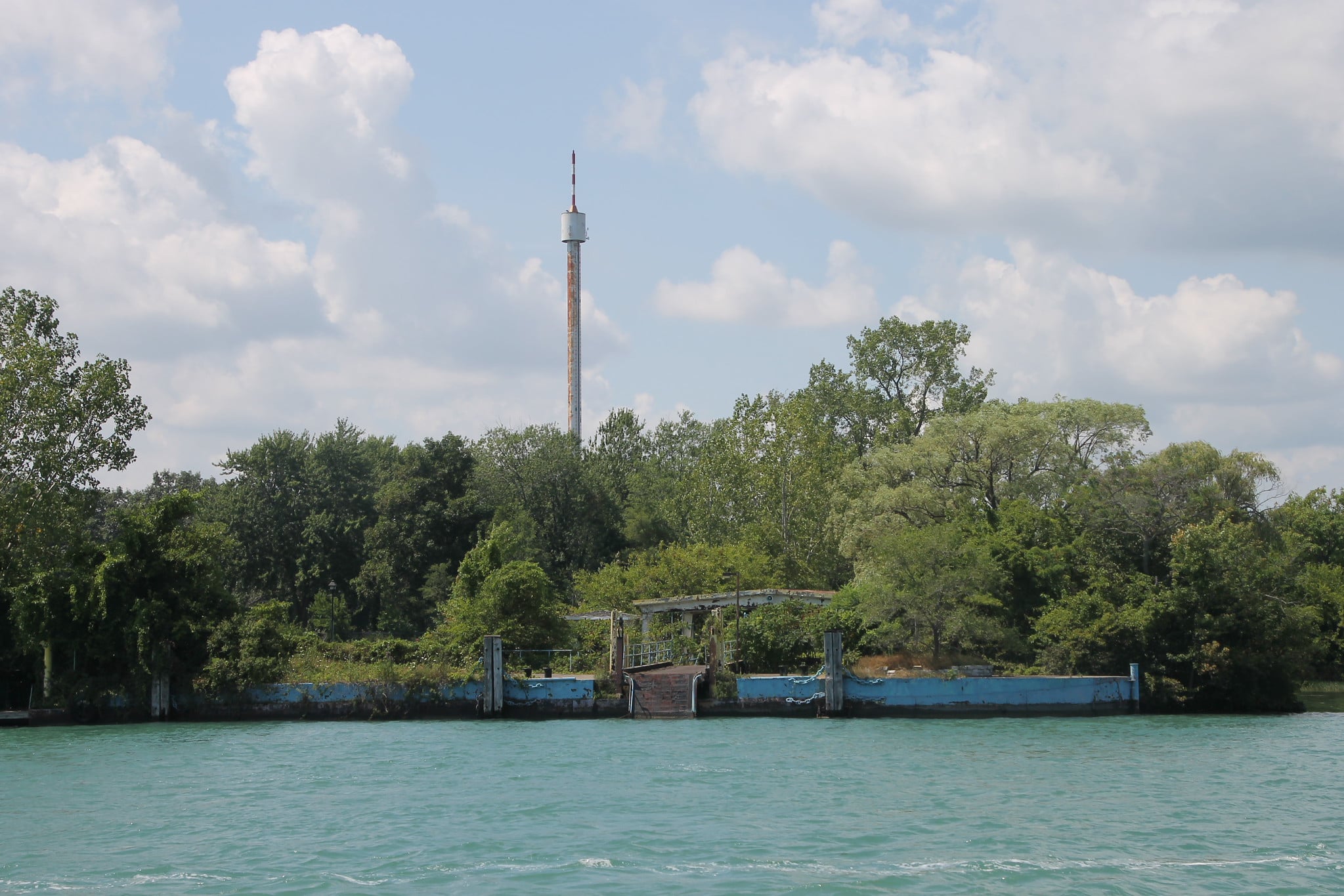
Boblo Island sat in the Detroit River between Michigan and Ontario, accessible only by steamship, which made visiting feel like a genuine adventure. The park operated from 1898 to 1993, serving generations of Detroit families who made the boat ride part of the experience.
The island’s isolation was both its greatest asset and its fatal flaw. The steamship ride built anticipation and made the park feel like a destination rather than just another stop, but it also limited attendance and made operations expensive.
When the park finally closed, the island felt abandoned in a way that landlocked parks never could. Surrounded by water and accessible only to those determined enough to find their own way across, it became a ghost of its former self.
Geauga Lake
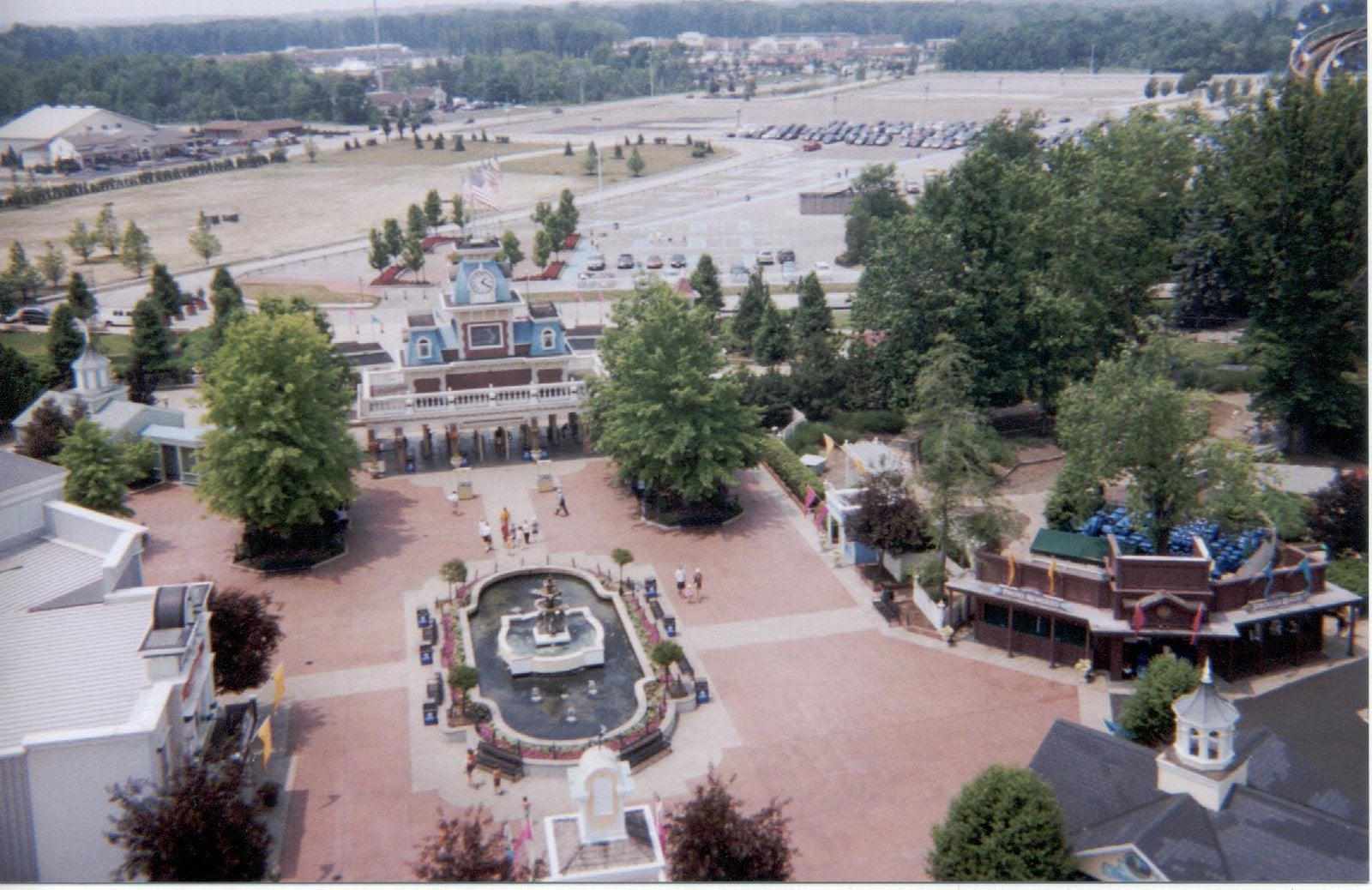
Ohio’s Geauga Lake had multiple lives — starting as a traditional amusement park in 1887, getting absorbed by Six Flags in 2000, and finally closing in 2007 after years of corporate mismanagement. The park’s location between two lakes gave it natural beauty that most amusement parks lack.
During its heyday in the 1980s and 1990s, Geauga Lake struck the right balance between thrills and nostalgia. The Big Dipper wooden coaster provided genuine scares, while the lakeside setting made the whole experience feel more like a summer resort than a theme park.
Six Flags tried to turn Geauga Lake into a major destination by adding massive roller coasters and competing directly with Cedar Point. The strategy backfired spectacularly, and the park lost its identity without gaining enough visitors to justify the investment.
Whalom Park
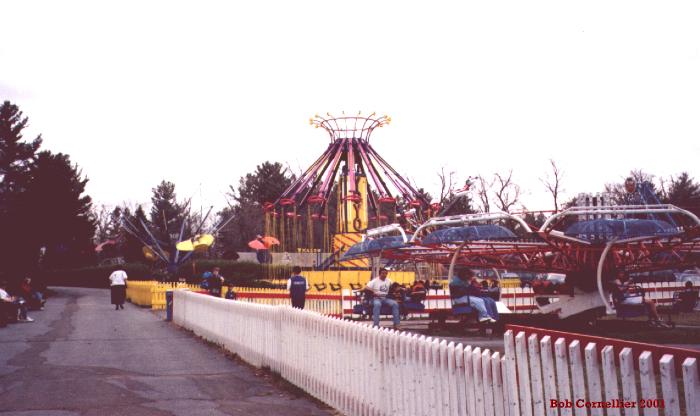
Lunenburg, Massachusetts was home to Whalom Park from 1893 to 2000, and the place embodied small-town New England charm better than any tourism board could manufacture. The Flyer Comet wooden roller coaster was the main attraction, but families returned for the overall atmosphere more than any individual ride.
Whalom Park’s final years were marked by the kind of gradual decline that affects many family businesses — rising costs, aging infrastructure, and changing entertainment preferences that made traditional amusement parks seem quaint rather than exciting. The park closed after the 2000 season, and the land was eventually developed for housing, because that’s what happens to most amusement parks that can’t adapt to modern economics.
Willow Grove Park
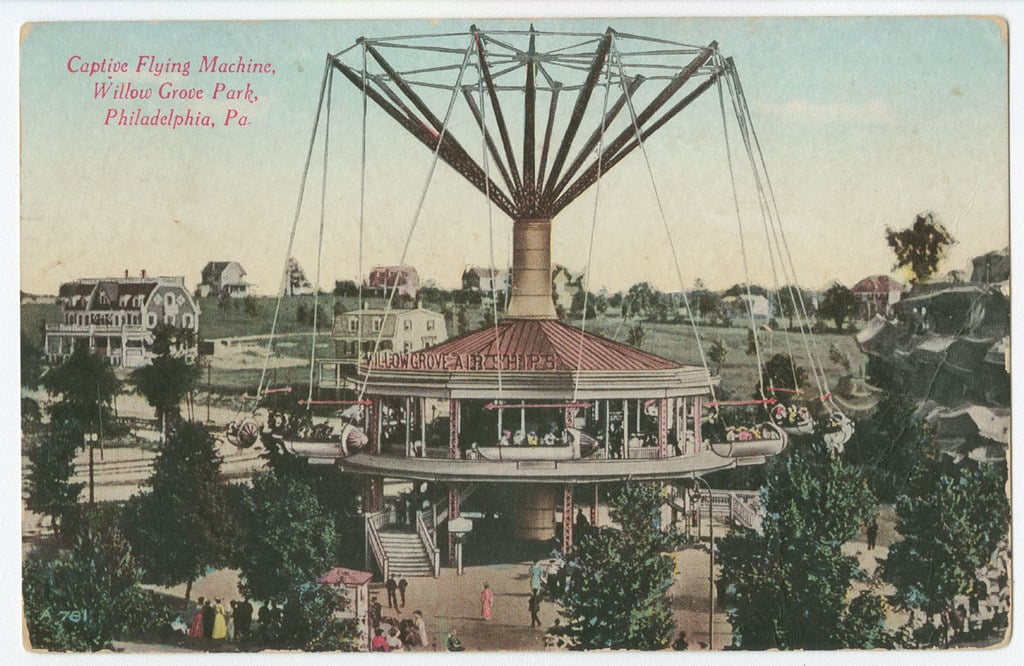
Pennsylvania’s Willow Grove Park operated from 1896 to 1975 in Montgomery County, just outside Philadelphia. The park began as a trolley company’s attempt to increase weekend ridership and evolved into a full-scale amusement park that hosted everything from band concerts to roller coasters.
The park’s Music Pavilion brought famous performers to suburban Philadelphia. John Philip Sousa conducted there regularly, and the venue helped establish Willow Grove as more than just a place for rides and games.
Idlewild Park
Not to be confused with the Idlewild that still operates in Pennsylvania, this Idlewild Park in Oakland, California ran from 1904 to 1929 in the hills above the bay. The park featured gardens, a dance pavilion, and rides that took advantage of the natural terrain.
Idlewild’s elevated location provided views of San Francisco Bay that made it popular for both day trips and evening entertainment. The park’s relatively short lifespan reflected the rapid development of the Oakland hills during the early 20th century.
Suburban Gardens
Essex County, New Jersey had Suburban Gardens from 1920 to 1946, and the place lived up to its name by providing urban families with a taste of pastoral entertainment. The park featured gardens, rides, and a swimming pool that made it popular during the summer months.
Like many Depression-era amusement parks, Suburban Gardens struggled with declining attendance and rising costs throughout the 1930s and 1940s. World War II effectively ended the park’s viability as gas rationing and material shortages made operation impossible.
When The Last Ride Ends
These parks didn’t disappear because they failed to entertain — they vanished because the world changed around them. Television brought entertainment into homes, air conditioning made indoor activities more appealing during summer heat, and suburban development made land more valuable for housing than for amusement parks.
What remains are memories of a time when entertainment was a shared experience, when families gathered in public spaces, and when the line between safety and excitement was drawn in a very different place than it is today.
More from Go2Tutors!

- The Romanov Crown Jewels and Their Tragic Fate
- 13 Historical Mysteries That Science Still Can’t Solve
- Famous Hoaxes That Fooled the World for Years
- 15 Child Stars with Tragic Adult Lives
- 16 Famous Jewelry Pieces in History
Like Go2Tutors’s content? Follow us on MSN.