18 Moments That Were Too Weird for the News
In the most bizarre ways, reality can occasionally outstrip fiction, producing strange moments that leave even seasoned news editors perplexed and unsure about whether or not to report on them. Even though these incidents are entirely true, they are frequently ignored as urban legends or buried in local newspapers.
Some stories are simply too bizarre for prime time, whether they are about government mishaps or unexplained natural phenomena. These 18 incidents were too strange for the news.
The Great Molasses Flood of Boston

In 1919, a 25-foot wave of molasses swept through Boston’s North End at 35 miles per hour. Twenty-one people died while 150 others suffered injuries when a storage tank holding 2.3 million gallons burst without warning. The sticky tsunami demolished buildings and trapped victims in sweet, suffocating goo — creating a disaster so unusual that newspapers struggled to convey the horror of drowning in dessert syrup.
Australia’s Emu War Defeat

The Australian military actually lost a war against birds. In 1932, they deployed soldiers with machine guns to combat an emu invasion in Western Australia, yet the emus proved surprisingly tactical. These large birds would scatter when attacked, then regroup elsewhere — making them nearly impossible to hit. After wasting thousands of rounds of ammunition, the military withdrew in defeat while the emus remained victorious and farmers still dealt with crop damage.
The London Beer Flood

A brewery tank rupture in 1814 released 388,000 gallons of beer into London’s streets. The wave reached 15 feet high, demolished buildings, and drowned eight people as residents scrambled to higher ground. Some grabbed pots and pans to collect the free beer — though the Meux and Company Brewery disaster was so absurd that insurance companies initially refused to believe the claims.
Dancing Plague of 1518

Hundreds of people in Strasbourg began dancing uncontrollably for days without stopping. Some reportedly danced themselves to death during this mysterious outbreak that lasted for months. Authorities initially encouraged more dancing, thinking it would cure the afflicted — yet medical experts still debate whether it was mass hysteria, ergot poisoning, or something else entirely.
The War of Jenkins’ Ear
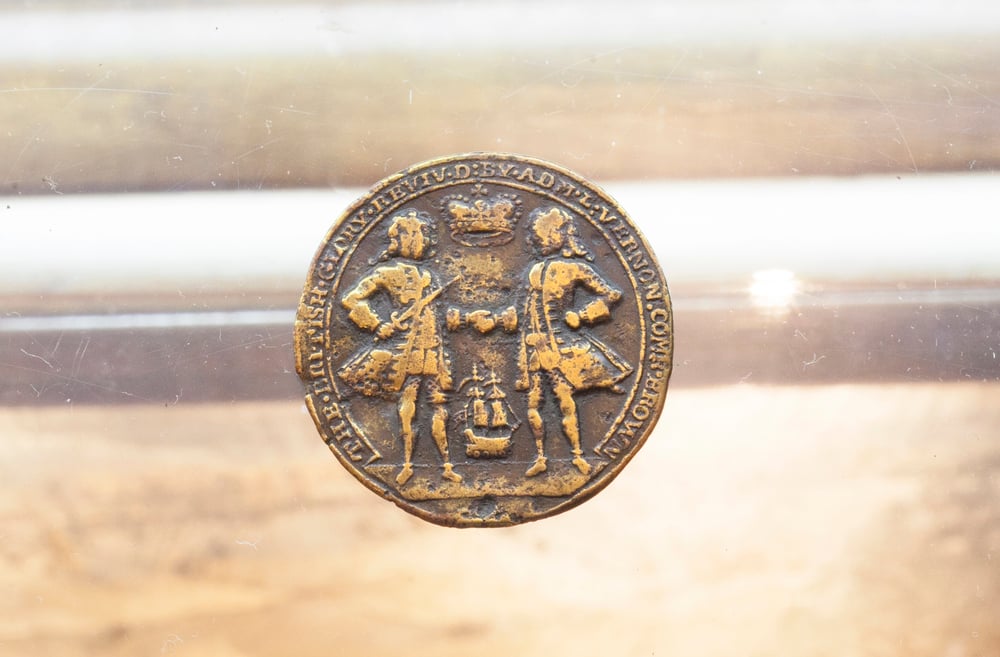
— Photo by WHPics
Britain and Spain fought a nine-year war starting in 1739 because a Spanish coast guard allegedly cut off British captain Robert Jenkins’ ear. Jenkins preserved the severed ear in a jar — presenting it to Parliament seven years later as evidence of Spanish brutality. The conflict cost thousands of lives and massive amounts of money, all supposedly over one man’s missing body part.
Kentucky’s Rain of Meat

In 1876, chunks of fresh meat fell from a clear sky over Bath County, Kentucky. The meat covered an area roughly 100 yards long and 50 yards wide, though two men reportedly tasted the mystery meat and declared it either mutton or venison. Scientists later theorized that a flock of vultures had regurgitated their meal while flying overhead — yet this explanation satisfied few witnesses.
The Great Stork Derby

Eccentric millionaire Charles Vance Millar left his fortune to whichever Toronto woman could produce the most children in the 10 years following his 1926 death. The bizarre contest sparked a baby boom as families competed for the inheritance — with newspapers tracking the ‘race’ like a sporting event. Four women eventually tied with nine children each and split the prize money.
Tanganyika’s Laughing Epidemic

A laughing fit at a girls’ school in Tanzania in 1962 spread to neighboring villages. The uncontrollable laughter affected over 1,000 people and forced the closure of 14 schools — lasting for months while some people couldn’t attend work or school. The epidemic demonstrated how psychological contagion could spread through communities faster than any physical disease.
The Great Possum Drop Controversy
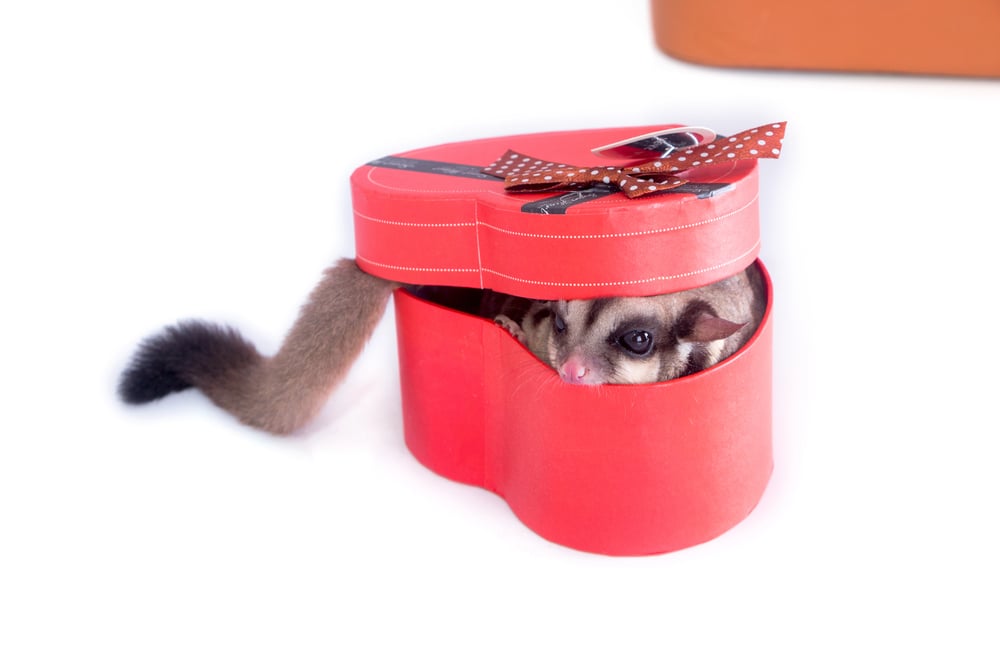
Brasstown, North Carolina’s New Year’s tradition of lowering a live possum in a clear box instead of a crystal sphere sparked years of legal battles. Animal rights groups challenged the practice — though the town argued that Clay the Possum was well-treated and returned safely to the wild. The bizarre tradition continued for decades despite national ridicule and legal challenges.
Sweden’s Right-Hand Traffic Switch

On September 3, 1967, Sweden switched from driving on the left side of the road to the right side at exactly 5 AM. Called ‘Dagen H’ (H Day), the switch required every vehicle in the country to carefully cross to the opposite side simultaneously — creating the world’s most organized traffic chaos. Remarkably, this massive logistical nightmare resulted in fewer accidents than normal due to everyone driving extra cautiously.
The Pope’s Skeleton Trial

Pope Stephen VI put his predecessor’s corpse on trial in 897 AD, propping up the decomposed body of Pope Formosus in papal robes and interrogating the remains. The macabre trial found the dead pope guilty of various charges, leading to the annulment of his acts and the removal of three fingers from his right hand. The bizarre spectacle horrified even medieval observers and eventually led to Stephen’s own downfall.
Ohio’s Cuyahoga River Fire
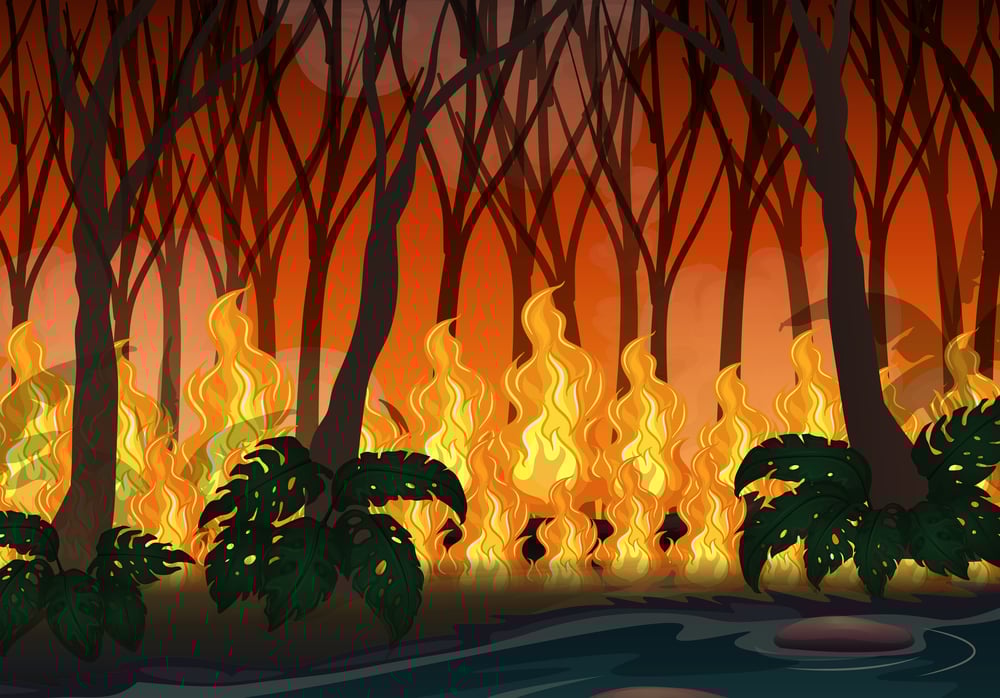
The Cuyahoga River in Cleveland became so polluted with industrial waste that it literally caught fire multiple times, with the 1969 blaze lasting nearly 30 minutes. The river was so thick with oil and debris that firefighters had to spray water on the water to put out the flames. Time magazine mocked the city by asking what other city had a fire department equipped to handle burning rivers.
The Great Emu Export Experiment
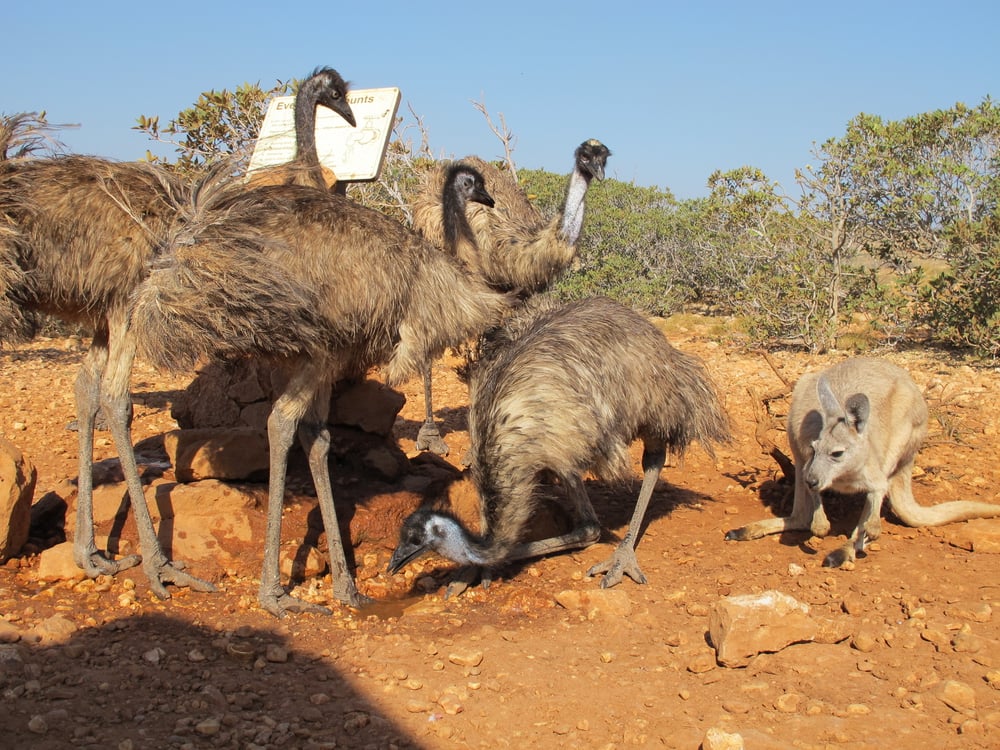
In 1930, the U.S. government seriously considered importing emus from Australia to help control grasshopper populations in the American West. Officials believed the large birds would eat agricultural pests while providing meat and valuable feathers for fashion. The plan fell apart when experts realized emus might create the same crop-destroying problems Australia was experiencing.
Mexico’s Volcano Mail Service

In 1959, Mexico briefly experimented with delivering mail via rocket across a valley, with officials claiming it would revolutionize the postal service. The first rocket successfully carried 8,000 letters across the gap, leading to grand predictions about intercontinental rocket mail. However, subsequent launches failed spectacularly, and the program was quietly abandoned after a few embarrassing explosions.
The Great Canadian Maple Syrup Heist

Thieves stole 3,000 tons of maple syrup worth $18 million from Quebec’s strategic maple syrup reserve between 2011 and 2012. The crime involved elaborate schemes to hide the theft by refilling barrels with water and moving genuine syrup to secret warehouses. The case became known as the ‘Great Canadian Maple Syrup Heist’ and highlighted the serious business behind Canada’s sweet export.
Britain’s Spaghetti Tree Hoax

The BBC convinced millions of viewers in 1957 that spaghetti grew on trees in Switzerland, showing footage of families harvesting pasta from branches. The April Fool’s Day broadcast featured serious-sounding narration about the spaghetti harvest and ideal growing conditions for the noodle trees. Hundreds of people called the BBC asking how to grow their own spaghetti trees, revealing how little many Britons knew about foreign foods.
The Carrington Event’s Telegraph Chaos

A massive solar storm in 1859 caused telegraph systems worldwide to fail, with some operators receiving electric shocks and telegraph paper catching fire. The electromagnetic interference was so intense that some telegraph lines continued working without power, running purely on energy from the aurora. The event demonstrated humanity’s vulnerability to space weather long before anyone understood what was happening.
Wyoming’s Jackalope Tourism Boom

The town of Douglas, Wyoming built an entire tourism industry around the mythical jackalope, a creature supposedly combining a jackrabbit with antelope horns. Local taxidermists created convincing specimens by mounting deer antlers on rabbit heads, selling thousands to gullible tourists. The absurd legend became so popular that Wyoming designated the jackalope as the official state mythical creature.
When Reality Defies Headlines

These remarkable occurrences serve as a reminder that reality frequently turns out to be stranger than fiction writers could have ever imagined. Each of these events actually occurred and had a lasting effect on the communities involved, but many were first written off or underreported because they seemed too ludicrous to be true. Perhaps the most unbelievable stories in our age of information overload are the ones that really happened, demonstrating that reality can surprise us without any extraneous embellishment.
More from Go2Tutors!

- 16 Historical Figures Who Were Nothing Like You Think
- 12 Things Sold in the 80s That Are Now Illegal
- 15 VHS Tapes That Could Be Worth Thousands
- 17 Historical “What Ifs” That Would Have Changed Everything
- 18 TV Shows That Vanished Without a Finale
Like Go2Tutors’s content? Follow us on MSN.