18 Musicians Who Hated Their Biggest Hit Songs
Success in the music industry often comes with unexpected baggage. While millions of fans sing along to their favorite songs, the artists who created them sometimes feel quite differently about their most popular work.
The reasons vary wildly—from artistic dissatisfaction to being typecast by a single track—but the result is the same: musicians who cringe every time they hear their biggest moneymaker. The relationship between artists and their hit songs can be complicated, especially when commercial success overshadows what they consider their better work.
Here is a list of musicians who openly despised the very songs that made them famous.
Radiohead

‘Creep’ launched Radiohead into international stardom in the early ’90s, but the band quickly grew tired of their breakthrough hit. Thom Yorke has called it their ‘crap song’ and the band stopped playing it live for years because they felt it didn’t represent their evolving sound.
The irony is that this song about feeling like an outsider made them feel trapped by their own success.
Oasis

Noel Gallagher has made no secret of his disdain for ‘Wonderwall,’ despite it being Oasis’s biggest hit worldwide. He’s called it ‘awful’ and complained that it overshadowed what he considers better songs from their catalog.
The track’s massive popularity means it’s requested at every show, turning what should be a career highlight into a dreaded obligation.
Like Go2Tutors’s content? Follow us on MSN.
Nirvana
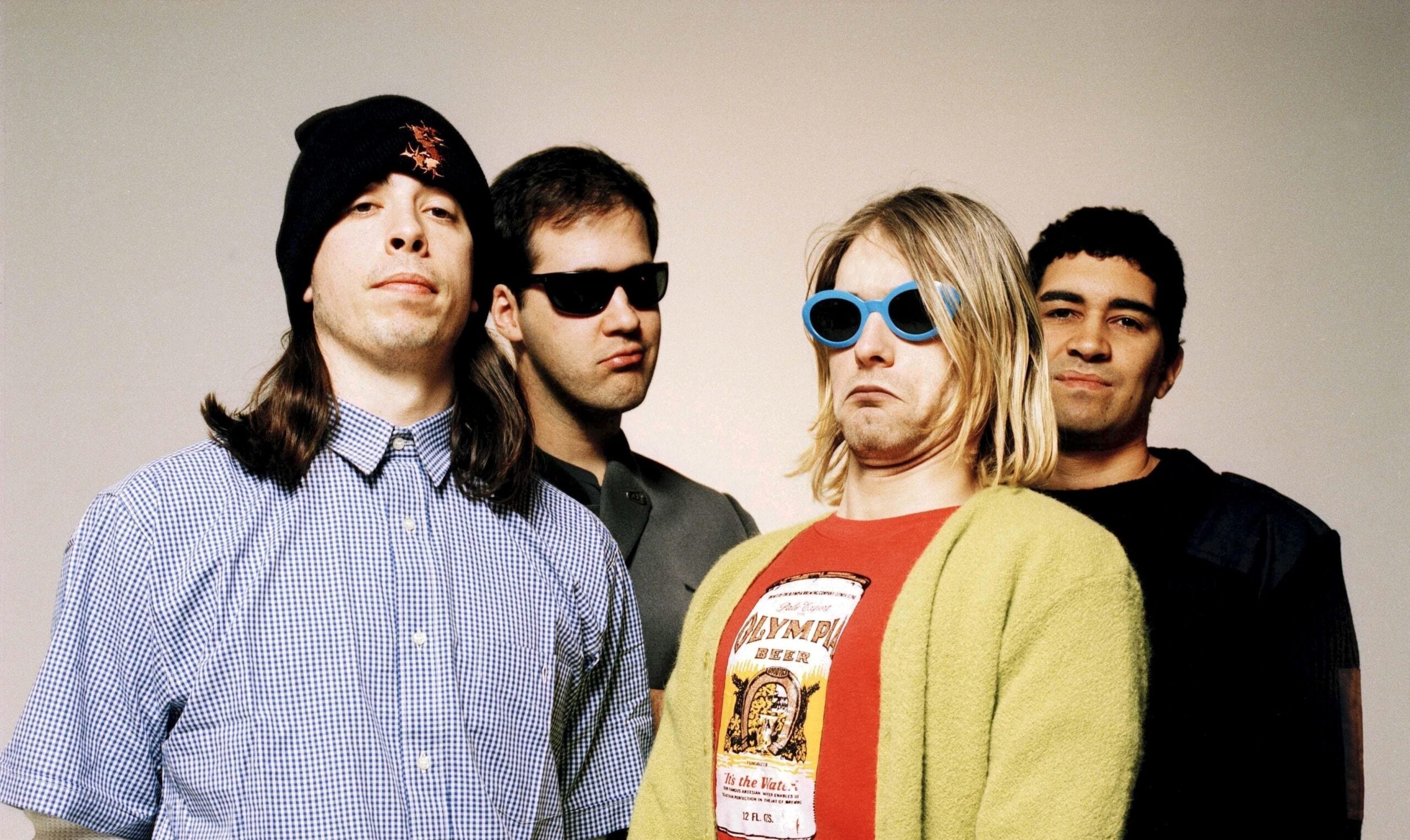
Kurt Cobain famously hated how ‘Smells Like Teen Spirit’ turned Nirvana into a mainstream phenomenon, attracting exactly the kind of audience he felt the band was rebelling against. He worried that the song’s success brought ‘jocks’ and conformists to their shows, completely missing the point of their anti-establishment message.
Cobain once said he was embarrassed to play it because it felt like selling out.
The Beastie Boys

The Beastie Boys spent years trying to distance themselves from ‘Fight for Your Right,’ which they felt was misunderstood by audiences who took it seriously rather than as satire. Mike D later explained that the song was meant to parody party anthems, but it ended up becoming exactly what they were making fun of.
They rarely performed it live and considered it their biggest creative mistake.
Red Hot Chili Peppers

Anthony Kiedis has expressed frustration with ‘Under the Bridge,’ calling it too personal and depressing compared to the band’s typically upbeat energy. The song’s massive success typecast them as alternative rock balladeers when they preferred to be known for their funky, high-energy performances.
Kiedis felt like the song exposed too much of his private struggles with addiction.
Like Go2Tutors’s content? Follow us on MSN.
Blur
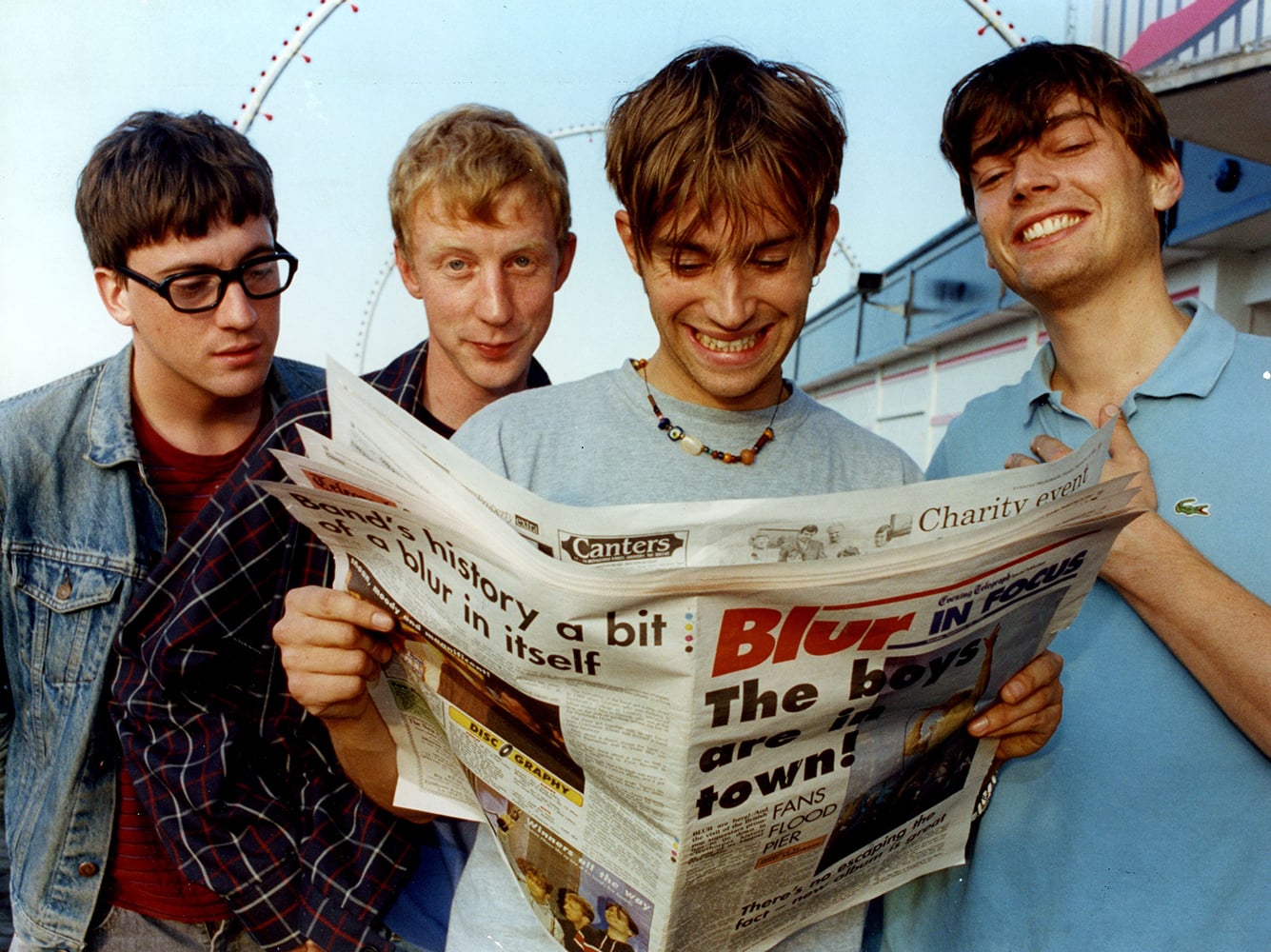
Damon Albarn grew tired of ‘Song 2’ almost immediately after its release, calling it a throwaway track that was never meant to be taken seriously. The song was originally a joke about American grunge music, but it became their biggest hit in the United States.
Albarn has said he’s baffled by its popularity and wishes fans would focus on their more complex compositions.
Steppenwolf

John Kay of Steppenwolf became frustrated with ‘Born to Be Wild’ because it pigeonholed the band as a one-hit wonder focused only on motorcycle culture. The song’s association with ‘Easy Rider’ overshadowed their other work and reduced their artistic identity to a single rebellious anthem.
Kay felt the track limited their ability to be taken seriously as musicians with diverse interests.
The Verve

Richard Ashcroft has had a complicated relationship with ‘Bitter Sweet Symphony,’ partly due to legal battles over sampling rights that left the band with no royalties from their biggest hit. Beyond the financial frustration, Ashcroft felt the song’s orchestral sample overshadowed his songwriting contributions.
The track’s massive success felt hollow when they couldn’t profit from it for decades.
Like Go2Tutors’s content? Follow us on MSN.
Foster the People

Mark Foster has expressed ambivalence about ‘Pumped Up Kicks,’ not because of its quality but because of how audiences interpreted its dark lyrics about violence. The upbeat melody masked seriously troubling subject matter, and Foster worried that people were dancing to a song about tragedy.
He’s said the song’s popularity sometimes felt inappropriate given its heavy themes.
Chumbawamba

The anarchist collective Chumbawamba felt conflicted about ‘Tubthumping’ because its commercial success contradicted their anti-capitalist beliefs. The song made them wealthy and famous, which felt hypocritical given their political stance against mainstream consumer culture.
Band members have admitted they struggled with enjoying the benefits of a system they openly criticized.
House of Pain

Everlast has distanced himself from ‘Jump Around,’ calling it a novelty song that doesn’t represent his artistic evolution. The track’s party anthem status overshadowed his later, more serious work as a solo artist and with other projects.
He’s expressed frustration that audiences only want to hear him rap about jumping when he’s moved on to more mature themes.
Like Go2Tutors’s content? Follow us on MSN.
Toadies

The Toadies have had mixed feelings about ‘Possum Kingdom’ because its dark, twisted lyrics about manipulation and control made some fans uncomfortable. Lead singer Vaden Todd Lewis worried that the song’s popularity might attract the wrong kind of attention to their music.
The track’s success also meant they were constantly asked to explain its disturbing narrative in interviews.
Semisonic

Dan Wilson of Semisonic grew tired of ‘Closing Time’ because audiences consistently misinterpreted its meaning, thinking it was about bar closing time rather than his experience of becoming a father. The song’s ubiquity at last call in bars everywhere frustrated him because people missed the deeper emotional content.
Wilson felt like the track became a cliché rather than the personal statement he intended.
Gotye

Wally De Backer, known as Gotye, became overwhelmed by the massive success of ‘Somebody That I Used to Know’ because it overshadowed his entire artistic catalog. The song’s global domination meant that everything else he created was compared to that one track.
He’s expressed frustration that casual fans only know him for a single song when he’s released multiple albums of diverse material.
Like Go2Tutors’s content? Follow us on MSN.
Spacehog

Spacehog’s Royston Langdon grew tired of ‘In the Meantime’ because radio stations played it to death, making it feel overexposed and stale. The band felt trapped by the song’s success, as promoters and fans expected them to recreate that exact sound.
Langdon has said the constant requests to play it made performing feel more like a job than artistic expression.
Local H

Scott Lucas of Local H has expressed ambivalence about ‘Bound for the Floor’ because its grunge-era sound became dated quickly, making the band seem like a relic of the ’90s. The song’s association with a specific musical movement limited their ability to evolve artistically.
Lucas felt like they were constantly trying to escape the shadow of their one major hit.
Marcy Playground

John Wozniak of Marcy Playground became frustrated with ‘Intimacy’ because its success was based on a misunderstanding of the lyrics, which were actually quite dark and personal. Radio stations played it as a lighthearted alternative rock song when it dealt with serious themes of mental health.
Wozniak felt like the song’s popularity trivialized his artistic intentions.
Like Go2Tutors’s content? Follow us on MSN.
The Verve Pipe

Brian Vander Ark of The Verve Pipe has had complicated feelings about ‘The Freshman’ because its success came from a deeply personal song about guilt and regret. The track’s popularity meant constantly performing an emotionally draining song that dealt with painful memories.
Vander Ark has said that singing it night after night felt like reopening old wounds for audience entertainment.
When Fame Becomes a Prison

The music industry’s obsession with hit singles often creates a strange paradox where an artist’s greatest commercial triumph becomes their creative burden. These musicians learned that success can be just as confining as failure, trapping them in a cycle of audience expectations and typecasting that’s difficult to escape.
Their stories remind us that behind every chart-topper is a human being who might prefer to be remembered for something entirely different. The next time you hear your favorite song, remember that the person who wrote it might be hoping you’ll discover their other work instead.
More from Go2Tutors!

- 18 Unexpectedly Valuable Collectibles You Might Have Lying Around
- 20 Little-Known Historical Battles That Had Huge Consequences
- 20 Historical Artifacts That Scientists Can’t Explain
- 15 Inventions That Were Immediately Banned After Being Created
- 20 Actors Who Were Almost Cast in Iconic Roles
Like Go2Tutors’s content? Follow us on MSN.