Places on Earth You Can’t Visit
Our planet is full of incredible places that capture the imagination. From stunning natural wonders to mysterious man-made facilities, these locations hold secrets and beauty beyond what most of us could imagine. Yet despite their appeal, many of these places remain completely off-limits to ordinary people. Government restrictions, safety concerns, and the need to protect both people and environments keep these fascinating destinations forever out of reach.
Ready to explore some of the most forbidden places on Earth? Let’s take a journey to locations where even the most adventurous travelers can’t set foot.
Area 51

The US government only officially acknowledged Area 51’s existence in 2013, and its purpose remains shrouded in secrecy. This highly classified military base sits deep in the Nevada desert and has sparked countless conspiracy theories about alien spacecraft and secret experiments. The facility is surrounded by restricted airspace, motion sensors, and armed guards who have permission to use deadly force. Anyone who gets too close faces hefty fines and possible prison time. The base’s real purpose likely involves testing experimental aircraft, but the extreme secrecy keeps people guessing.
Niihau Island, Hawaii
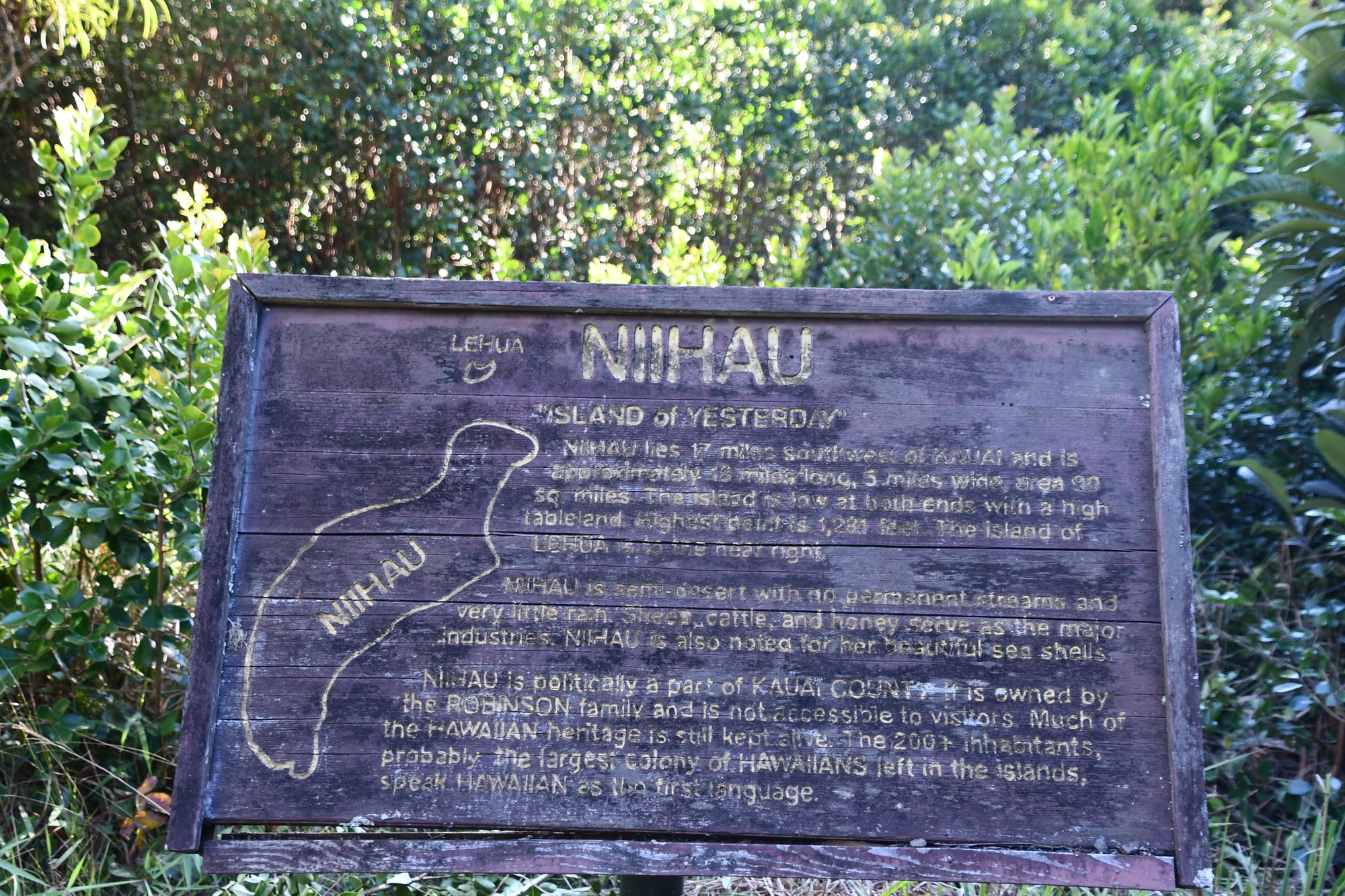
Niihau Island, with a population of 160 inhabitants, is prohibited to the general public. Known as Hawaii’s Forbidden Island, this privately owned piece of paradise has been in the same family since 1864. The only way to visit this region is either to be a part of the US Navy or to have a relative on the island. The Robinson family, who owns the island, works hard to preserve Native Hawaiian culture and language. They keep the island closed to maintain this traditional way of life. Even helicopter tours must stay at least 1,000 feet above the ground.
Chernobyl Exclusion Zone
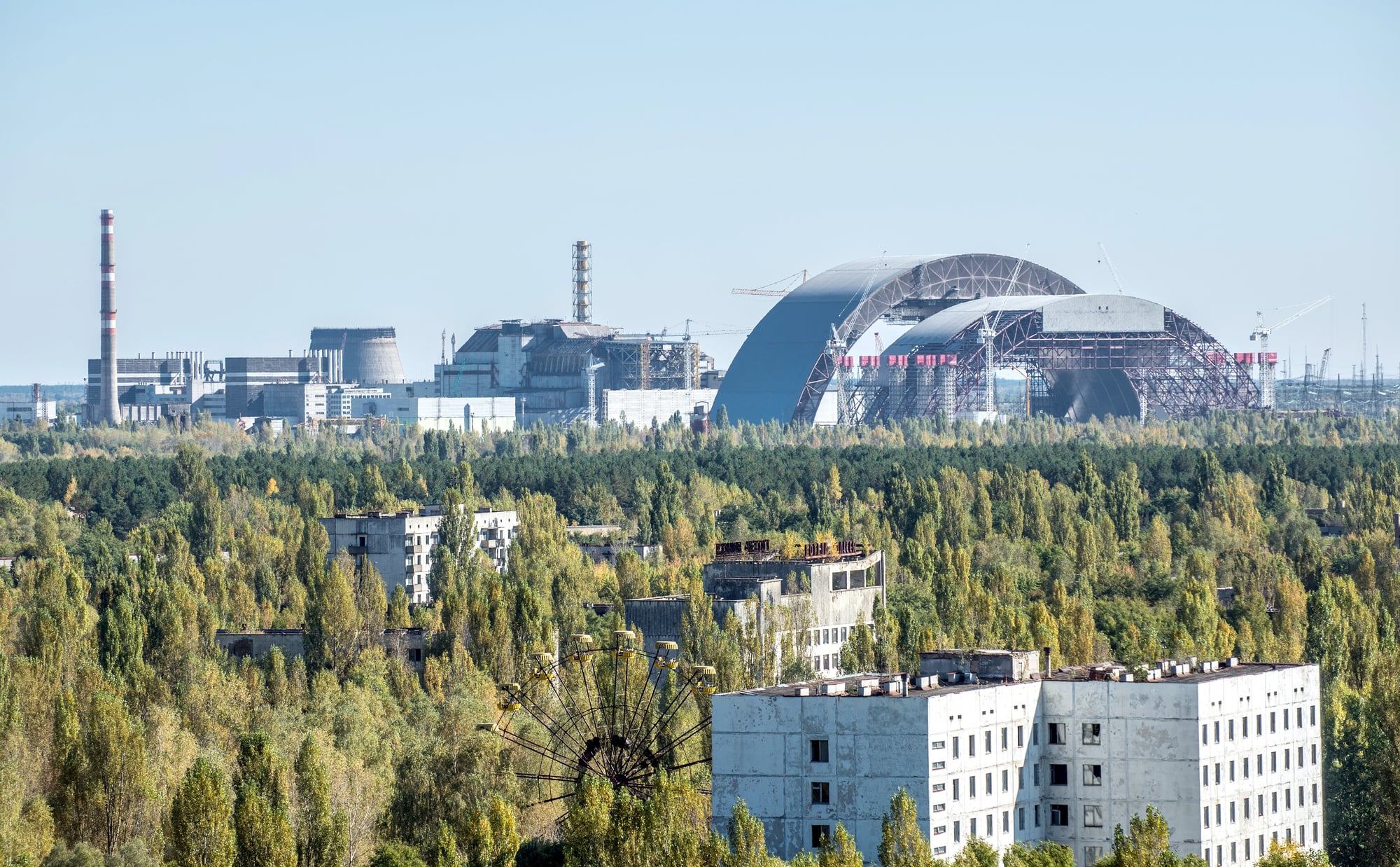
On April 26, 1986, the world witnessed the catastrophic Chernobyl nuclear disaster, leaving behind an exclusion zone covering 2,600 square kilometers. An area spanning 30 kilometres around the plant is considered the “exclusion zone” and is essentially uninhabited. While some guided tours are available to certain outer areas, the most dangerous zones remain completely forbidden. Radiation levels in some spots are still deadly decades after the accident. The abandoned city of Pripyat sits frozen in time, but most of it remains too dangerous for human visits.
Vatican Secret Archives
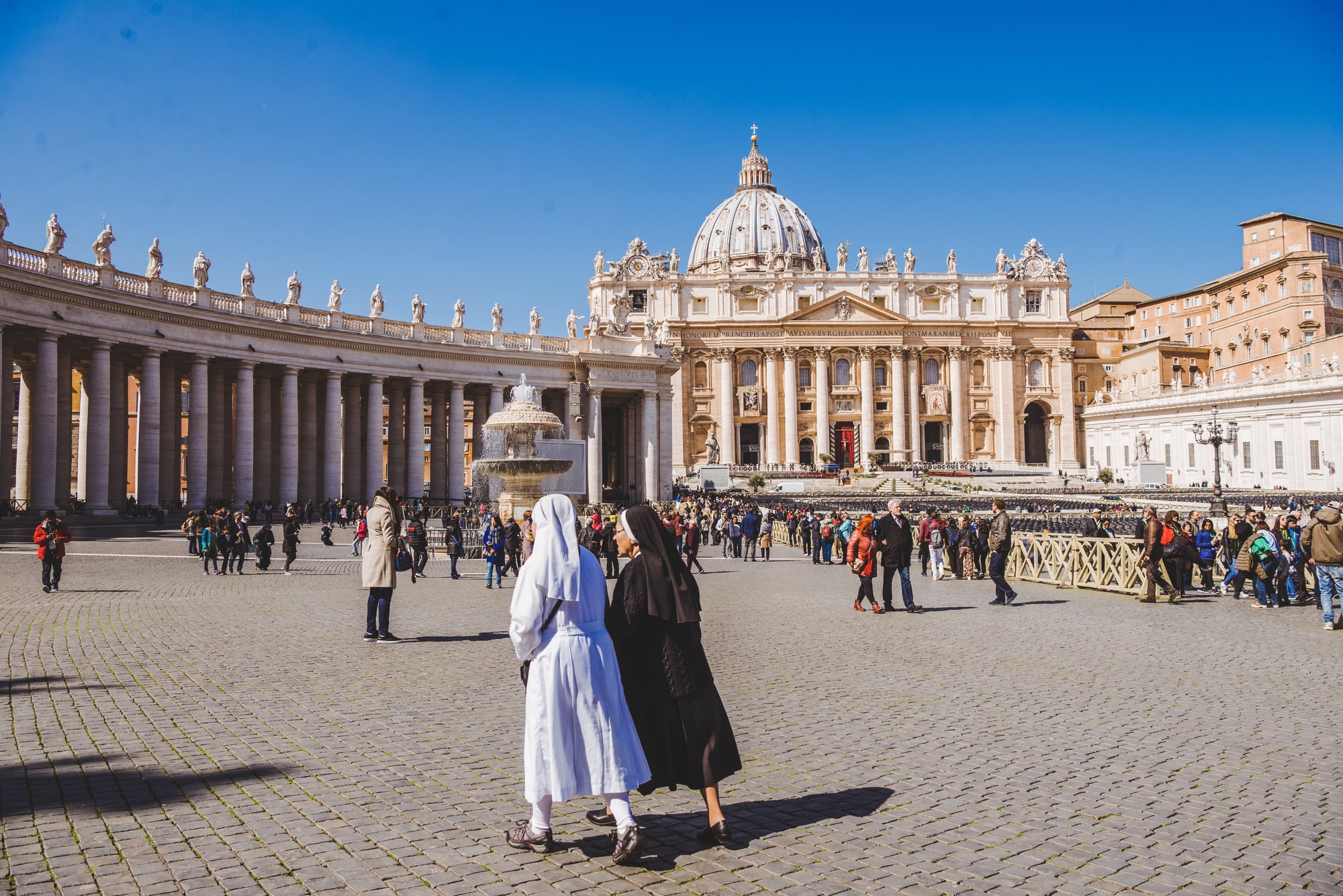
The ominous archive contains 53 miles of shelving that contain Catholic Church documents. While scholars with proper credentials can get their hands on select materials, the vast majority of the collection remains hidden. These archives hold centuries of papal correspondence, state papers, and historical documents that could reshape our understanding of world history. The Catholic Church guards these secrets carefully, allowing access only to a select few researchers. Even then, visitors can only see specific documents that church officials approve.
Club 33 at Disneyland

Walt Disney created this exclusive club for VIP guests and corporate sponsors back in 1967. The club sits hidden above the Pirates of the Caribbean attraction and has only about 500 members at any time. The waiting list stretches for decades, and membership fees cost tens of thousands of dollars. Members get access to private dining, exclusive events, and behind-the-scenes park experiences. Even having money doesn’t guarantee entry since the club carefully selects new members based on mysterious criteria.
Pine Gap, Australia
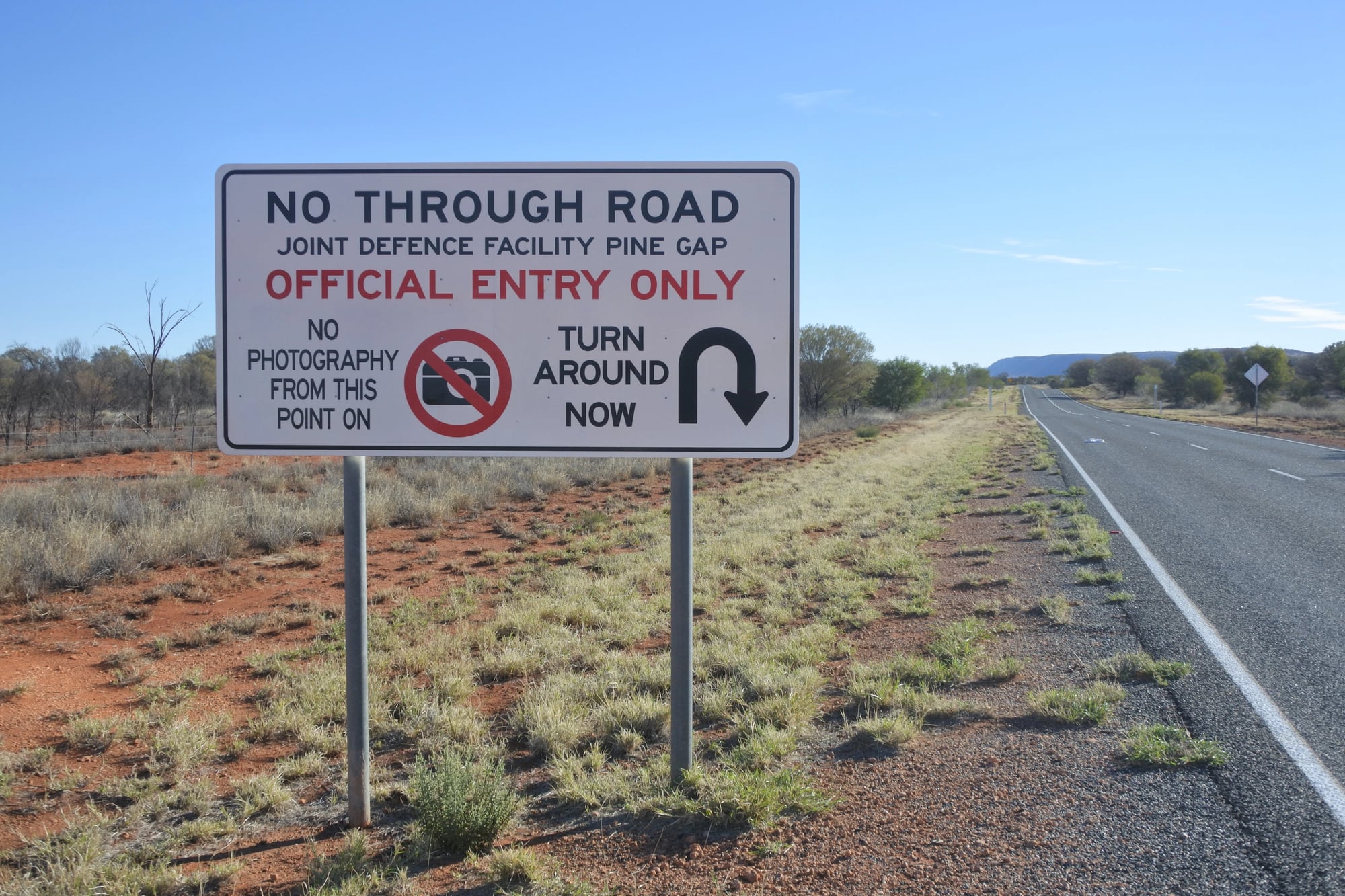
This joint Australian-American intelligence facility sits in the middle of the Australian Outback. The base monitors satellite communications and gathers intelligence from across the Asia-Pacific region. Massive satellite dishes dot the landscape, but their exact purpose remains classified. Australian citizens aren’t allowed within several miles of the facility, despite it being on their own soil. The base plays a crucial role in global intelligence operations, but details about its activities never reach the public.
Svalbard Global Seed Vault, Norway
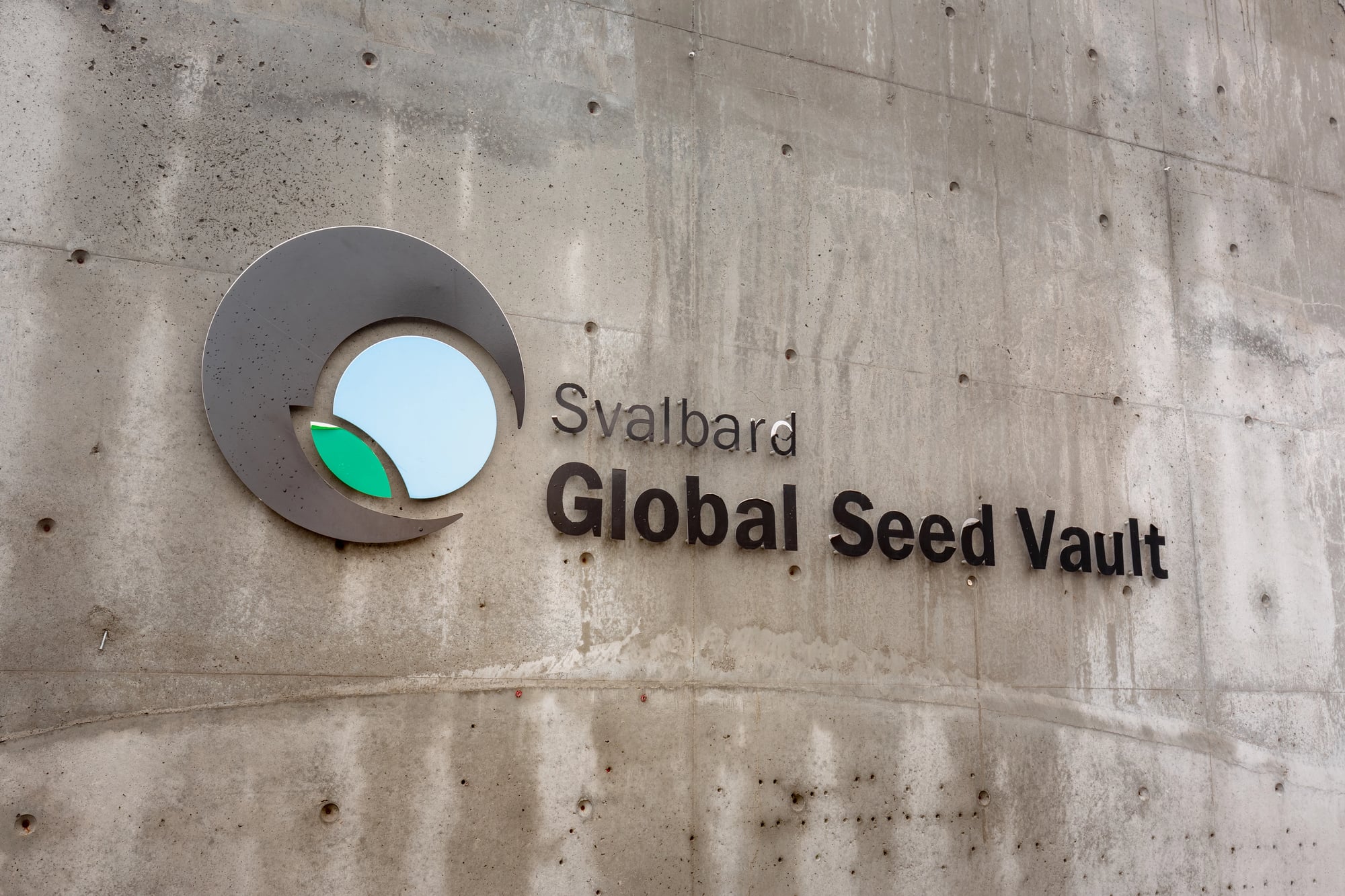
Known as the Doomsday Vault, this facility stores seeds from crops around the world to preserve genetic diversity. The vault sits deep inside a mountain on a remote Arctic island, protected by permafrost and thick rock walls. Only a handful of people have access keys, and the location was chosen specifically to survive natural disasters and human conflicts. The vault holds nearly a million seed varieties, but casual visitors can’t even get close to the entrance. Special refrigeration systems keep the seeds viable for hundreds or even thousands of years.
Meteora Monasteries, Greece
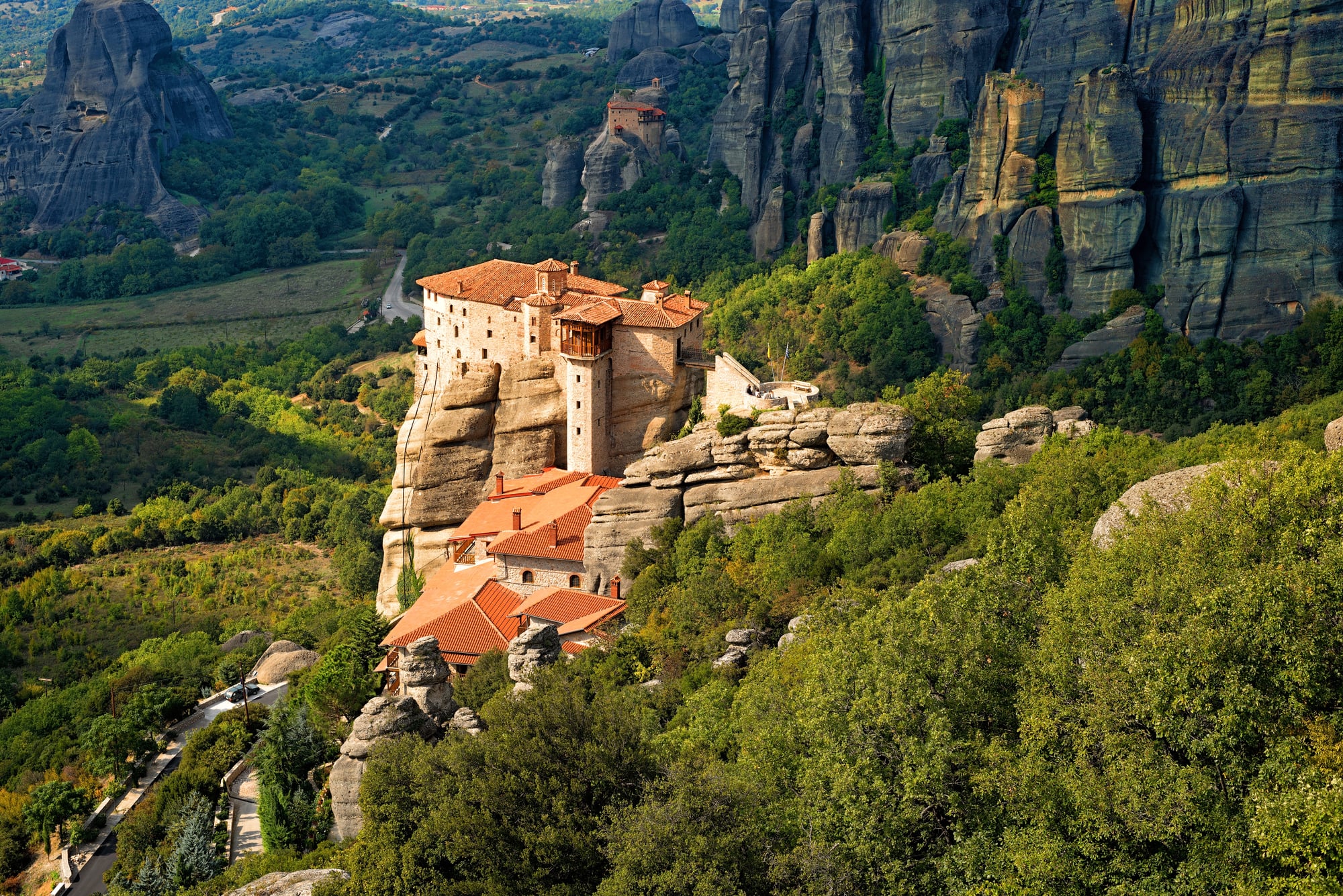
While tourists can visit some of these ancient monasteries built on towering rock pillars, several remain completely closed to outsiders. Orthodox monks still live in some of these remote structures, following traditions that date back over 600 years. The monasteries that allow visitors have strict rules about dress codes and behavior, but others don’t allow any outsiders at all. These closed monasteries preserve ancient religious practices and priceless manuscripts. The monks value their isolation and spiritual focus above public access.
Heard Island, Australia
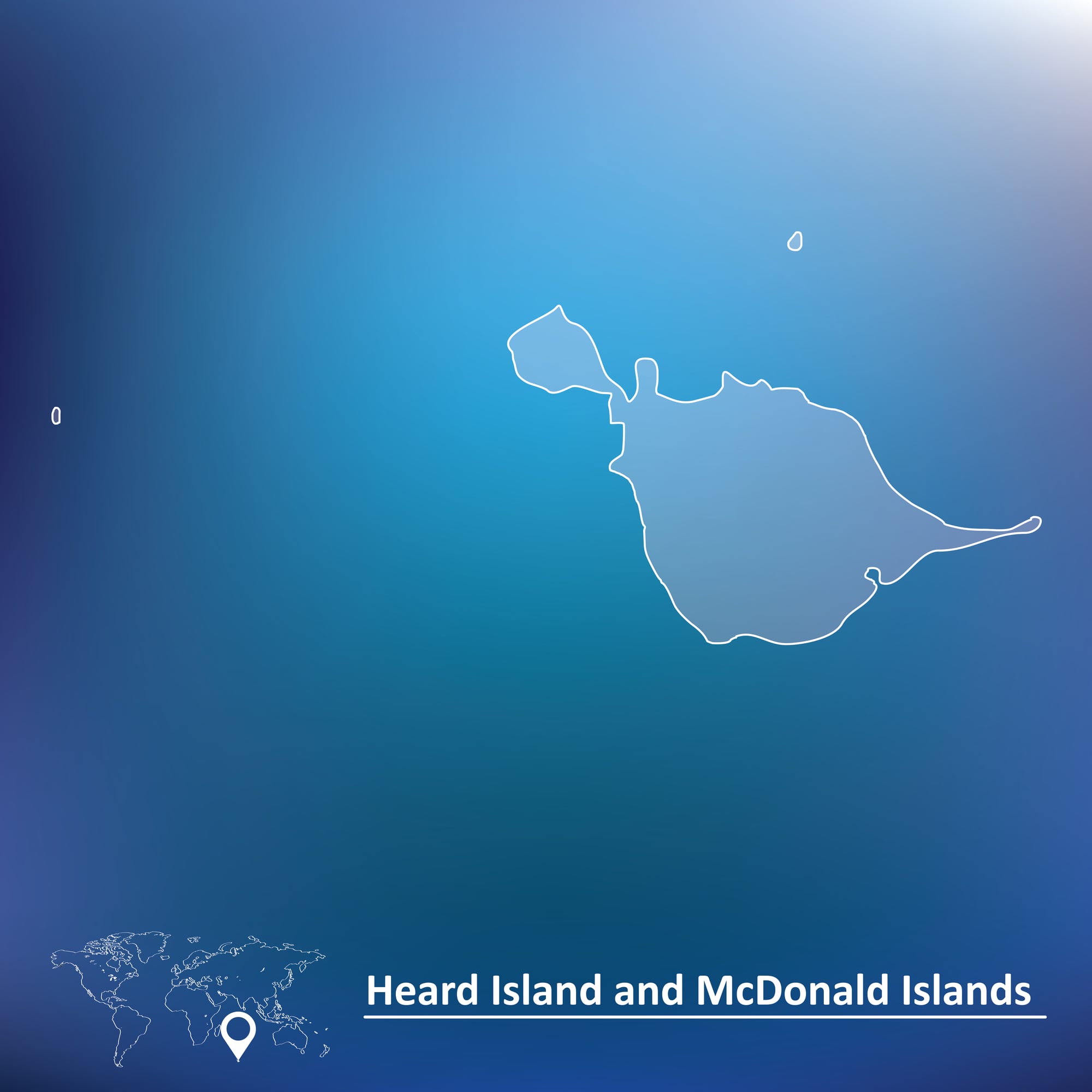
This remote volcanic island sits in the southern Indian Ocean, over 1,600 miles from the nearest populated land. The island has no permanent residents and experiences some of the world’s worst weather conditions. Winds regularly exceed 100 miles per hour, and temperatures rarely rise above freezing. The Australian government requires special permits for any visits, and most applications get denied. Even researchers struggle with the extreme conditions and isolation. The island’s unique ecosystem includes species found nowhere else on Earth.
Poveglia Island, Italy
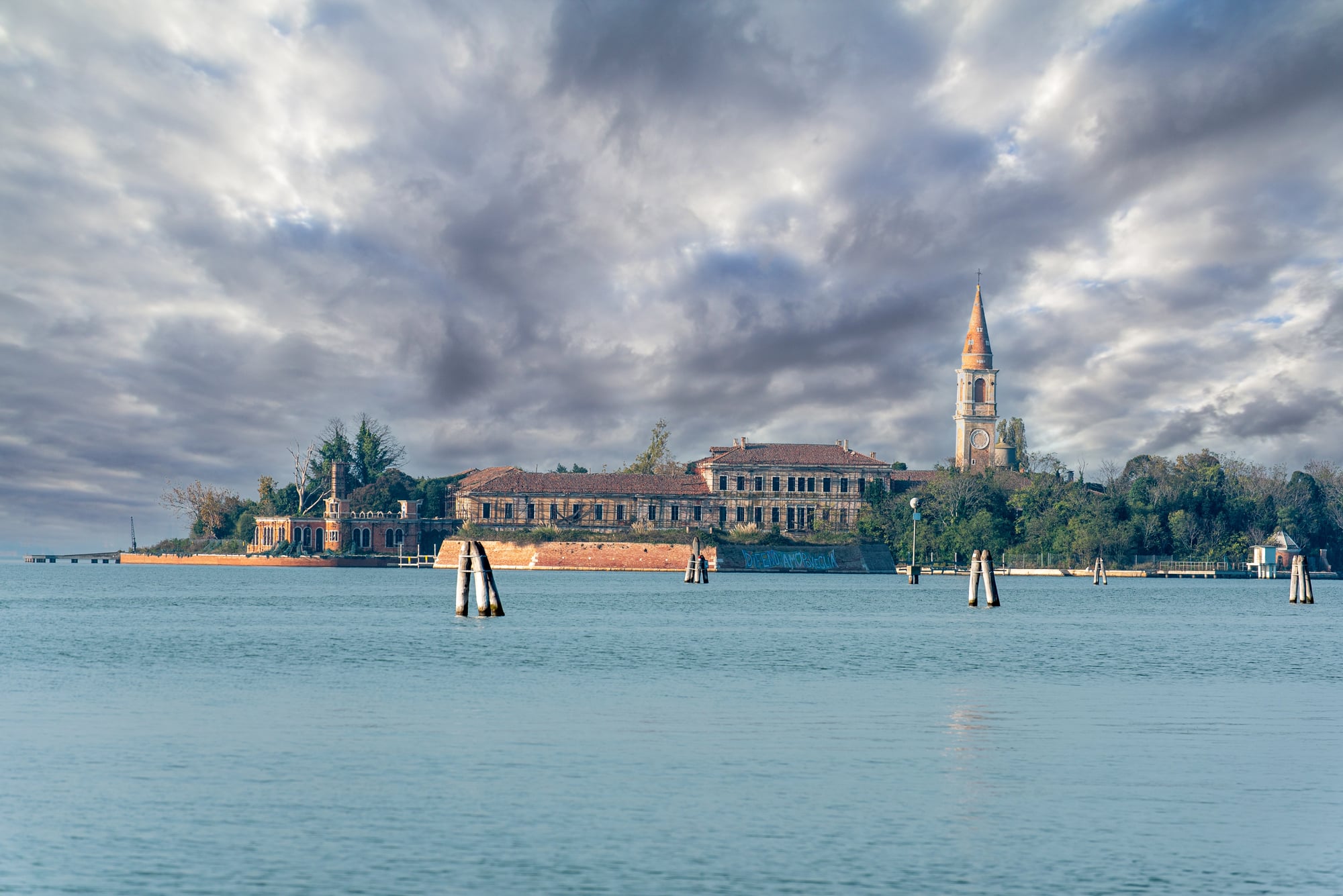
This small island near Venice carries a dark history as a quarantine station and mental hospital. Thousands of people died here over the centuries, and local legends claim the soil contains human ash. The Italian government closed the island to visitors and put it up for sale in 2014. Despite interest from developers, the island remains abandoned and off-limits. Local authorities cite safety concerns with the old buildings and contaminated soil. Ghost hunters and thrill-seekers often try to reach the island illegally, but police regularly patrol the waters.
From secrecy to preservation across generations

These forbidden places exist for many different reasons, from protecting national security to preserving irreplaceable natural and cultural treasures. Some restrictions keep dangerous locations from harming visitors, while others protect fragile ecosystems and ancient artifacts from human damage. What connects all these places is the recognition that some things are too valuable, too dangerous, or too important to allow unlimited access. The restrictions that keep us away today help ensure these remarkable places will still exist for future generations to study and protect.
More from Go2Tutors!

- The Romanov Crown Jewels and Their Tragic Fate
- 13 Historical Mysteries That Science Still Can’t Solve
- Famous Hoaxes That Fooled the World for Years
- 15 Child Stars with Tragic Adult Lives
- 16 Famous Jewelry Pieces in History
Like Go2Tutors’s content? Follow us on MSN.



