Obscure 90s Movies Worth Finding
The 1990s gave us Titanic and Jurassic Park, sure — but tucked between the megahits were dozens of smaller films that deserved better. Some were marketing disasters, some were weirdly ahead of their time, and some just didn’t find their people until later.
These are the hidden gems: movies that either flopped and then found a life on video or never got the advertising they needed. Below are films from the decade that are absolutely worth tracking down.
The Iron Giant

Brad Bird’s animated wonder quietly arrived in 1999 and — thanks to almost zero marketing — vanished from theaters faster than you could say “robot.” It’s the rare kids’ movie that can make you feel genuinely tender and ache at the end.
If you’re not crying at the finale, did you even watch it?
Ravenous
A cannibal western sounds insane on paper, and Guy Pearce and Robert Carlyle deliver on that promise. Released in 1999, Ravenous mixes dark comedy and horror with a score that reworks American folk motifs into something disturbingly beautiful.
The production was messy (directors swapped, as Hollywood loves to complicate things), but the final cut is a singular experience.
Dark City
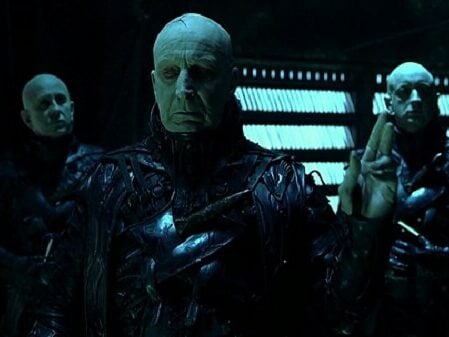
Released in 1998, Alex Proyas’s Dark City practically predicted The Matrix’s vibe and yet sank without the same fanfare. It’s a noirish sci-fi that insists you pay attention — the production design is gorgeous, the plot keeps you guessing, and the mood is sticky in the best possible way.
If you loved late-90s philosophical sci-fi, this is a must-see.
Tremors
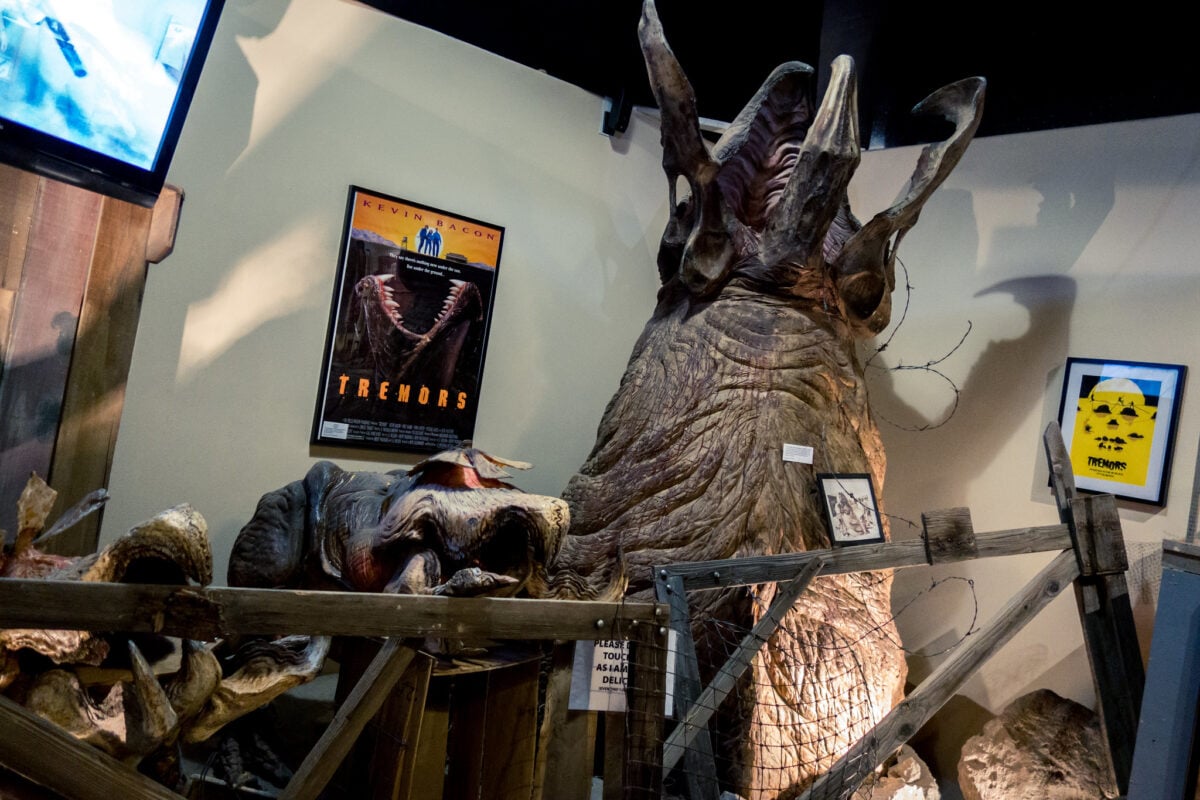
This 1990 creature feature is pure, scrappy fun. Kevin Bacon and Fred Ward have an easy, buddy-movie chemistry as handymen battling enormous subterranean worms in the Nevada desert.
Tremors never pretended to be art-house — it’s B-movie perfection, and its afterlife in home video and late-night TV is well deserved.
The Cable Guy
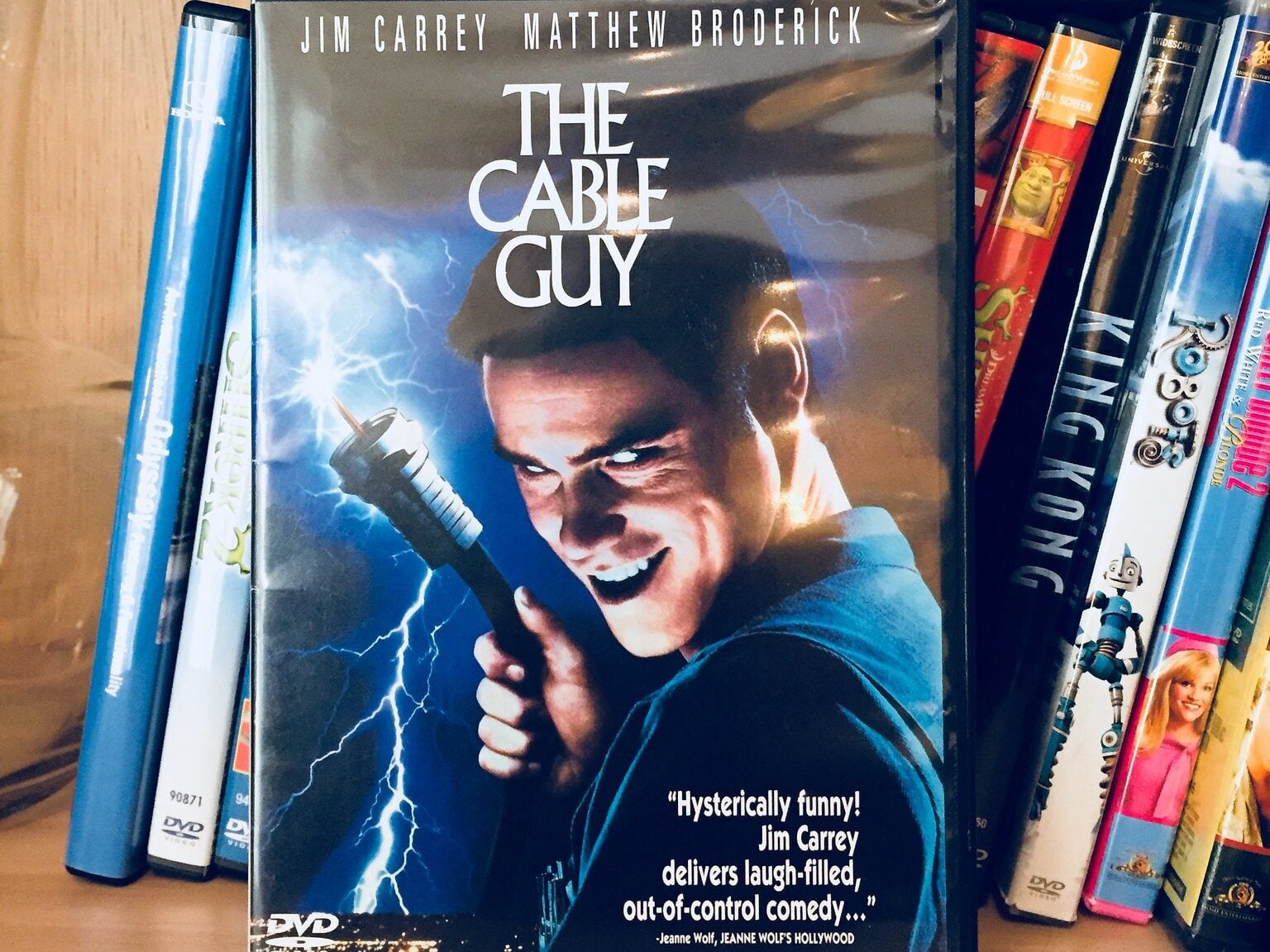
When Jim Carrey went dark in 1996, audiences weren’t sure what to do. Ben Stiller directs a pitch-black satire about loneliness and media obsession that’s unexpectedly uncomfortable — and very smart.
It’s not Ace Ventura-level broad comedy; it’s sharper and stranger, and better in reassessments than it was at the box office.
A Simple Plan
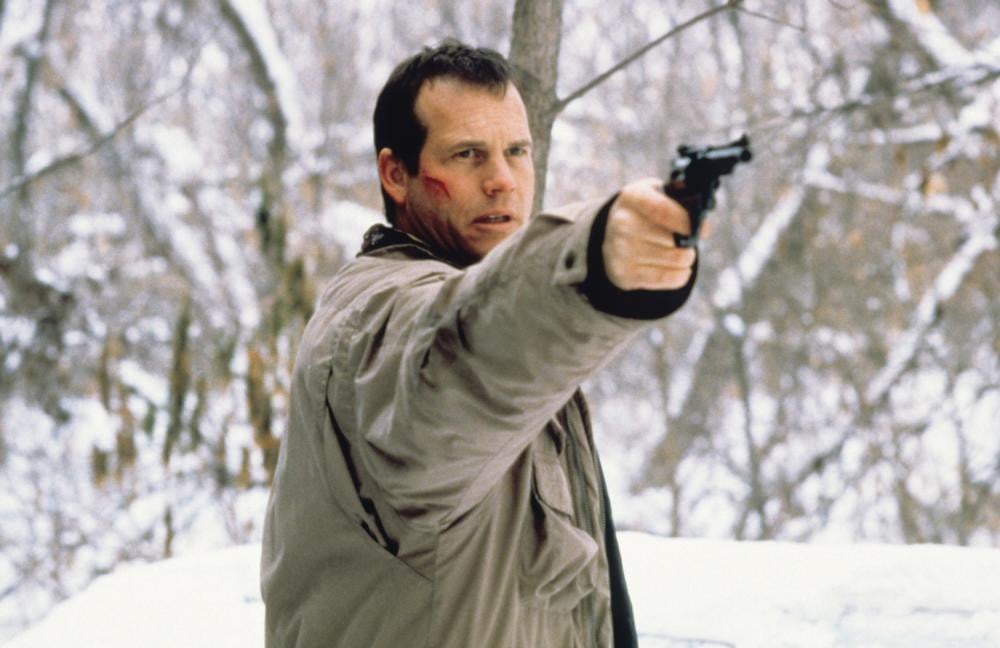
Sam Raimi traded in his horror toolkit for tight domestic noir in this 1998 tale of greed and ruin. Bill Paxton and Billy Bob Thornton play men who make a single catastrophic decision after finding a plane full of cash.
Comparisons to Fargo were inevitable, but A Simple Plan stands on its own as a bleak, moral fable.
Dead Man
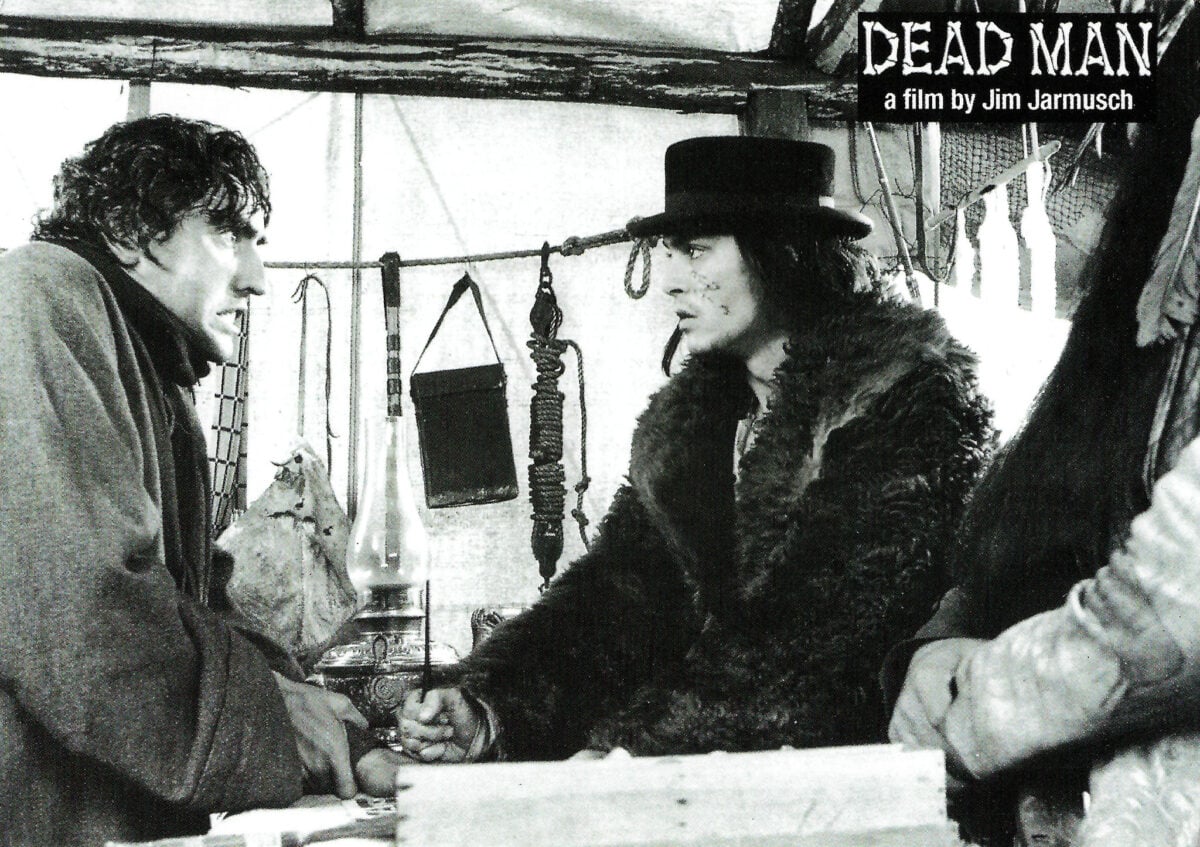
Jim Jarmusch’s 1995 black-and-white western plays like a fever dream. Johnny Depp, as an accountant mistaken for William Blake, drifts through a surreal frontier scored by Neil Young’s haunting, improvised guitar.
This one isn’t for everyone — but for those who like their westerns contemplative and off-kilter, it’s essential.
Empire Records
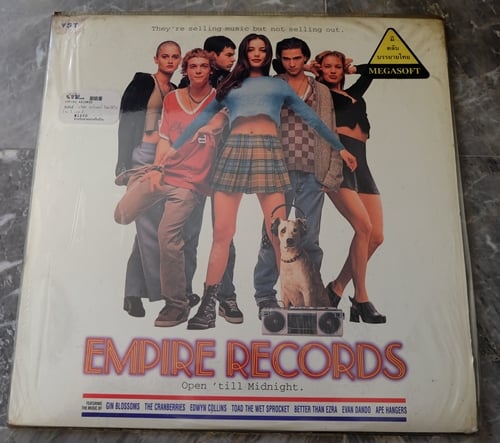
If you ever craved a movie that feels like a mixtape, this 1995 cult teen comedy is it. Empire Records captures the indie-music-store vibe of the era perfectly: the soundtrack rules, the cast is winning, and the film is full of small, memorable moments.
Warner Bros. didn’t know what to do with it at release — lucky for us, rentals and late-night airings saved it.
Bottle Rocket
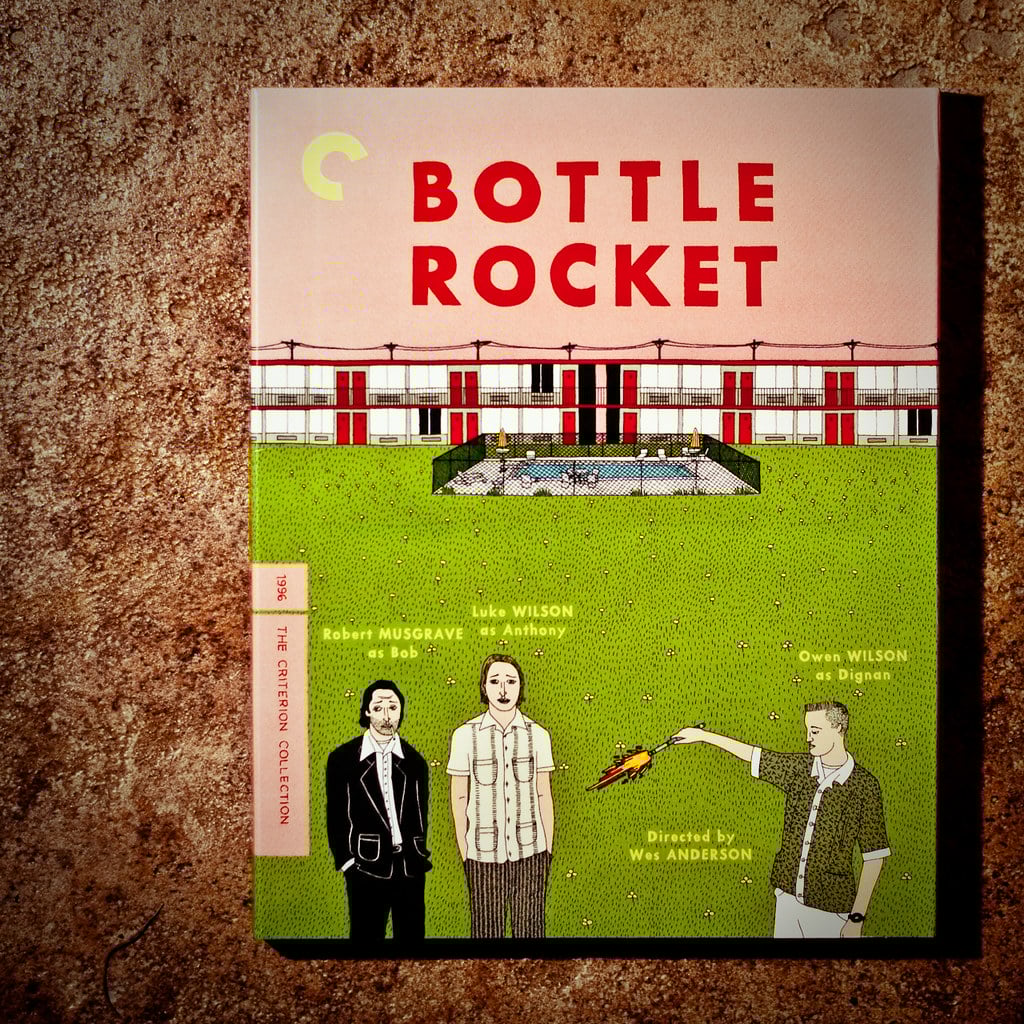
Wes Anderson’s 1996 debut introduced the world to his unique sensibility and the Wilson brothers’ affable awkwardness. Bottle Rocket is a small heist story — cozy, melancholy, and oddly optimistic — and it’s where a lot of Anderson’s future trademarks first appear.
Strange Days

Kathryn Bigelow’s 1995 thriller about illegal VR-like recordings feels eerily prescient now. Strange Days asks questions about voyeurism, technology, and exploitation, and it does so with ferocity.
Visually inventive and emotionally raw, it was probably just too close to the bone for 1995 audiences.
LA Story
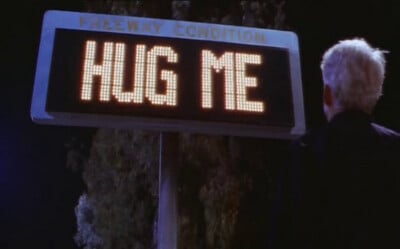
Steve Martin’s 1991 oddball romantic comedy is part satire, part surreal love letter to Los Angeles. The idea of following romantic advice from a freeway sign sounds ridiculous — until you see how it somehow works, blending whimsy with surprisingly sincere emotion.
The Game
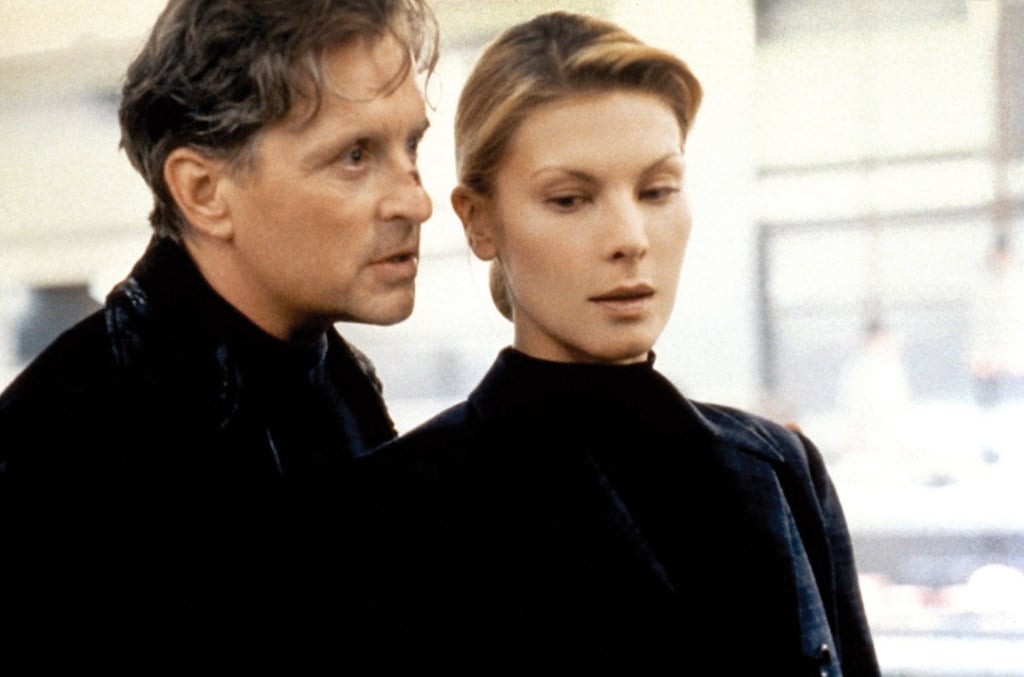
David Fincher’s 1997 paranoid thriller throws Michael Douglas into a dizzying maze where reality is the puzzle. It’s tighter and stranger than many thrillers of its time, and while it made a ripple on release, it’s the kind of film that benefits from a second, careful viewing.
Hocus Pocus
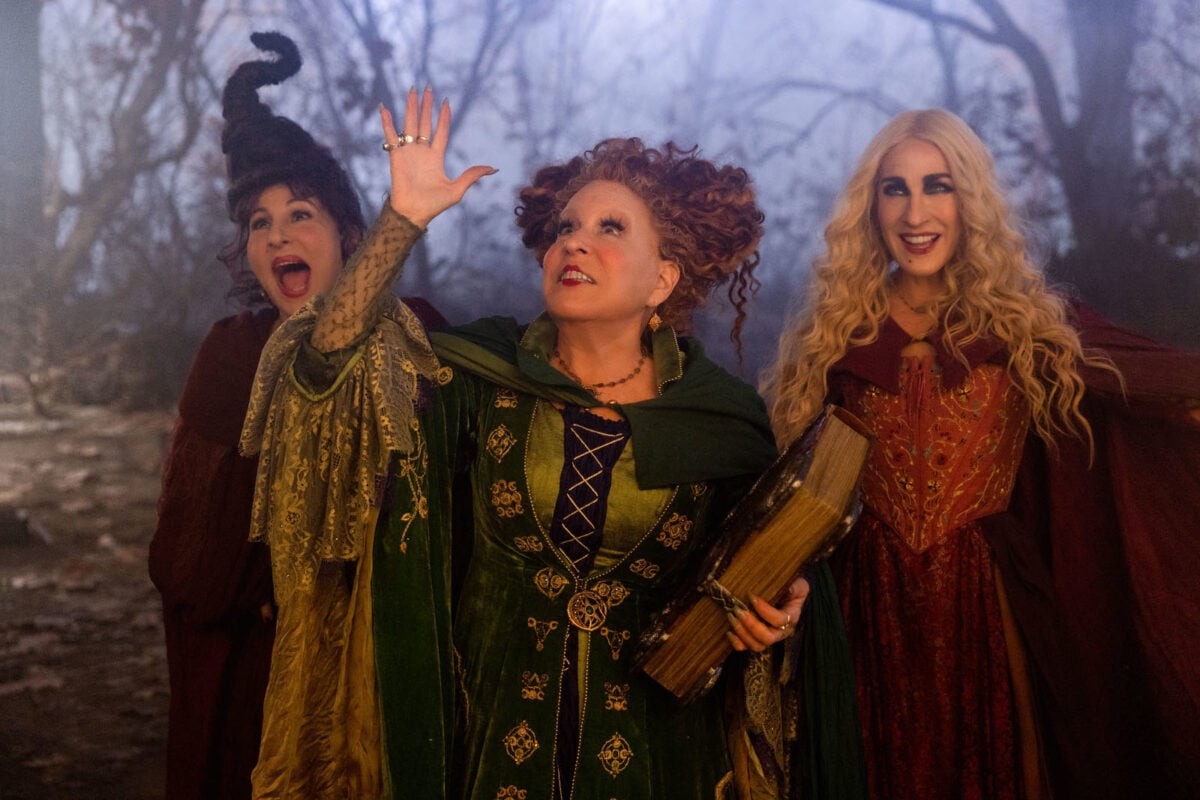
Released in the wrong season (July 1993—seriously?), Hocus Pocus never got a fair initial shake but became a Halloween staple thanks to TV and word-of-mouth. Bette Midler, Sarah Jessica Parker, and Kathy Najimy ham it up gloriously — the result: gloriously campy family fun that ages like candy.
Office Space
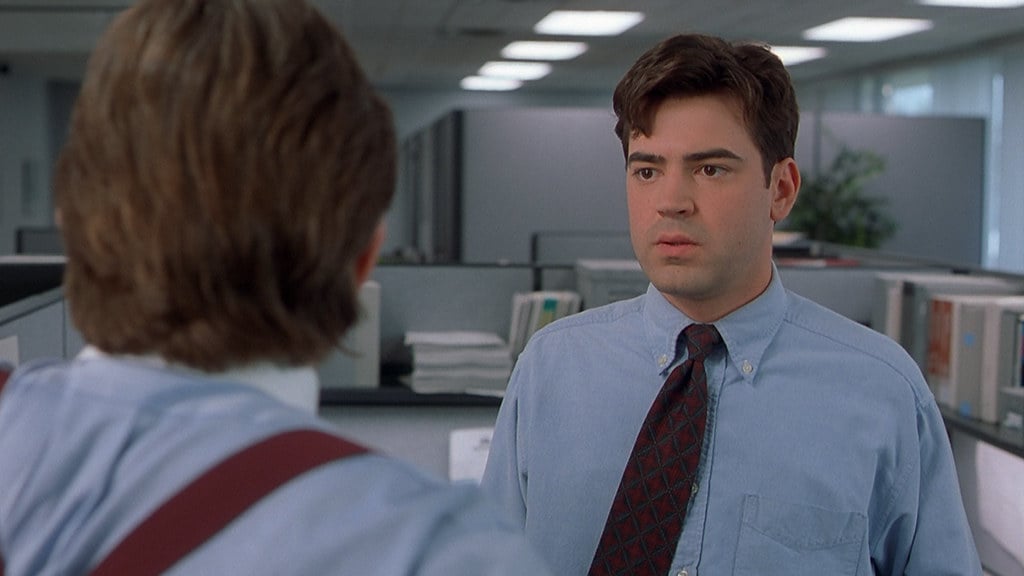
Mike Judge’s 1999 send-up of corporate misery was barely noticed in theaters but exploded on home video. Its depiction of cubicle dread, power-tripping bosses, and soul-crushing bureaucracy hit a nerve, and the film’s lines entered the cultural lexicon.
If you’ve ever hated TPS reports, this movie was made for you.
Miller’s Crossing
The Coen Brothers’ 1990 gangster opus is tightly plotted, stylish, and full of savage dialogue. Gabriel Byrne’s character navigates double-crosses and loyalties in a world where every moral choice is a gamble.
It wasn’t a smash then, but it’s a Coen classic now.
Slums of Beverly Hills
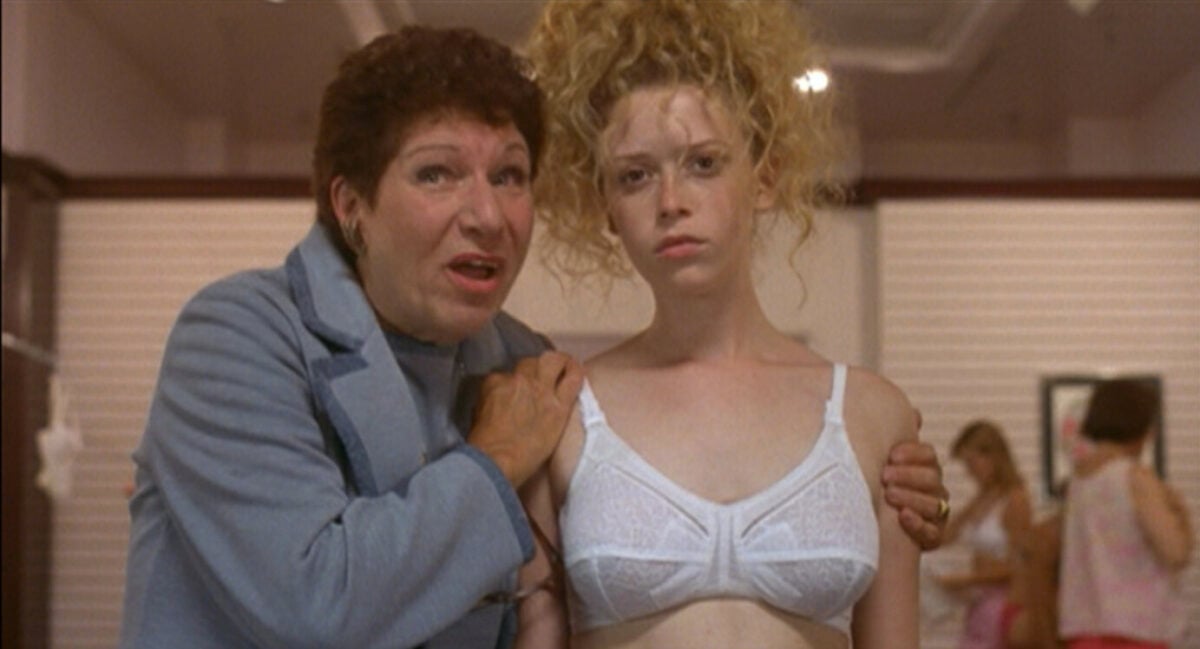
Natasha Lyonne anchors this 1998 coming-of-age comedy with wit and bite. The dysfunctional family dynamics and the film’s deadpan sensibility make it a quietly memorable piece — funny, sad, and often painfully relatable.
The Big Lebowski
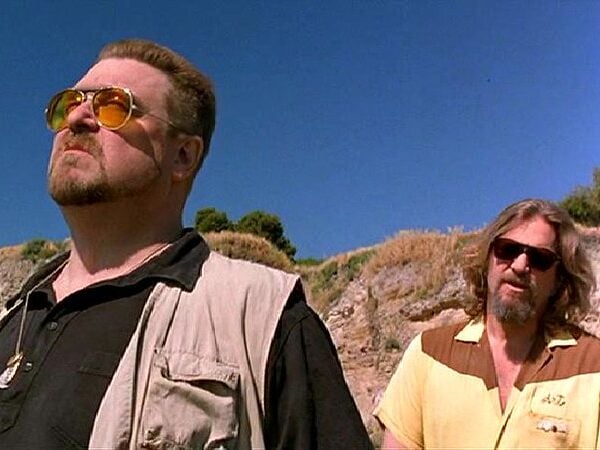
The Dude didn’t become a cultural icon overnight. 1998’s The Big Lebowski is goofy, strange, and full of riffs on noir and slacker culture.
It found its audience slowly — through midnight screenings and rental stores — and eventually spawned festivals, fan rituals, and a full-blown cult.
The Saint of Fort Washington
This 1993 drama is a quieter entry on the list but no less heartbreaking. Matt Dillon and Danny Glover bring a tenderness and honesty to a story about friendship and survival on the streets of New York.
It’s the kind of film that lingers.
From Flop to Forever

The 90s proved something important: a movie’s initial box-office returns aren’t the end of its story. Many films live longer lives through rentals, cable, and passionate fans who keep them alive.
These titles are reminders that great movies can hide in plain sight — sometimes they just need time, and the right audience, to matter.
More from Go2Tutors!

- The Romanov Crown Jewels and Their Tragic Fate
- 13 Historical Mysteries That Science Still Can’t Solve
- Famous Hoaxes That Fooled the World for Years
- 15 Child Stars with Tragic Adult Lives
- 16 Famous Jewelry Pieces in History
Like Go2Tutors’s content? Follow us on MSN.



