Origins of Famous Rum Brands
Rum’s got this reputation as the pirate’s drink (thanks, Hollywood), but the real story is way darker and more complicated. We’re talking about a spirit that’s connected to slavery, colonial expansion, sugar plantations, and some seriously sketchy economic systems.
But also innovation, family businesses that lasted centuries, and drinks that basically defined entire cultures. It’s not all bad—there’s actual history worth knowing here if you can get past the kitschy Captain Morgan commercials.
The thing about rum is that unlike whiskey or cognac, there aren’t strict rules about where it has to be made or how. That freedom means rum’s all over the place in terms of style and story. Let’s look at how some of the most famous bottles got started.
Bacardi
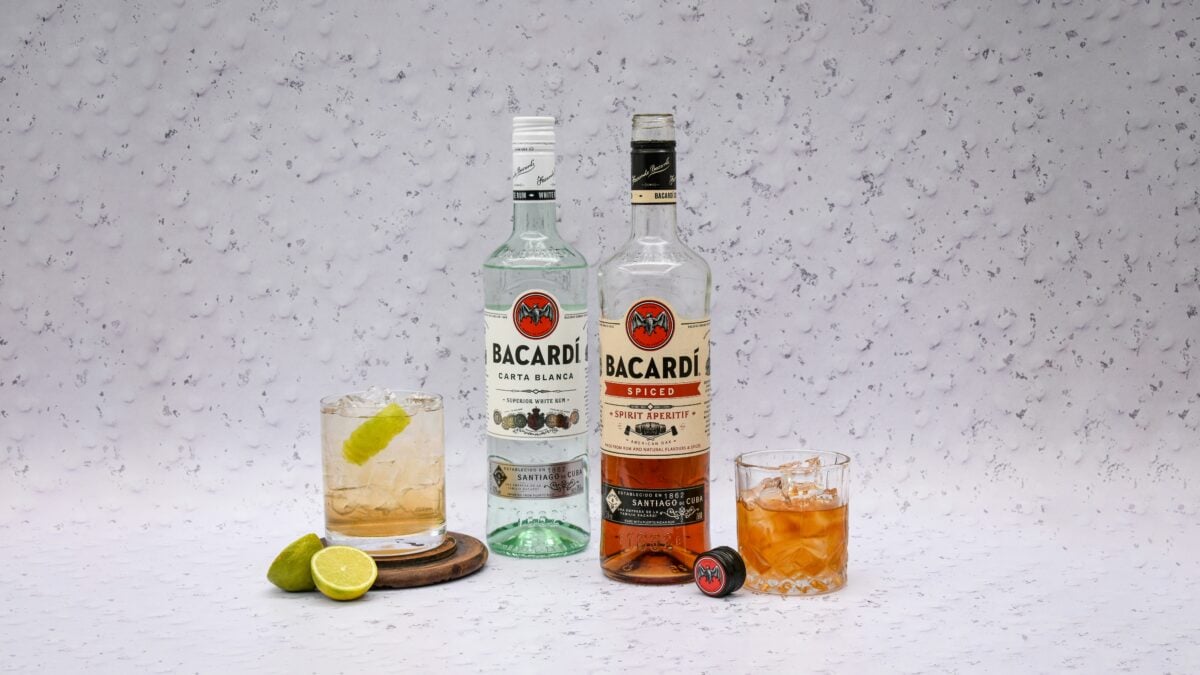
Don Facundo Bacardí Massó was born in Spain in 1814, arrived in Cuba as a teenager, and eventually decided the rum being made there was garbage. And honestly, he wasn’t wrong—mid-1800s Caribbean rum was rough stuff, basically rotgut that sailors and slaves drank because nothing else was available.
Facundo spent a decade experimenting. He isolated a specific strain of yeast from local sugarcane (they still use it today, calling it La Levadura Bacardí), filtered the rum through charcoal to remove impurities, and aged it in white oak barrels.
The result? The world’s first clear rum, which he started selling in 1862 from a small distillery in Santiago de Cuba. His wife Doña Amalia noticed fruit bats hanging in the rafters and suggested they become the symbol.
Locals started asking for “el ron del murcielago”—the rum of the bat. The family survived earthquakes, fires, the Cuban War of Independence (Facundo’s son Emilio fought with the rebels and got exiled), Prohibition, and eventually Castro’s revolution.
In 1960 the Cuban government seized everything without compensation. Luckily the family had already moved their trademark rights and formulas to the Bahamas.
Today Bacardi’s headquartered in Bermuda, with their main production in Puerto Rico. They’re still family-owned after seven generations, which is kind of wild.
The bat logo is probably more recognizable than half the countries’ flags at this point.
Mount Gay
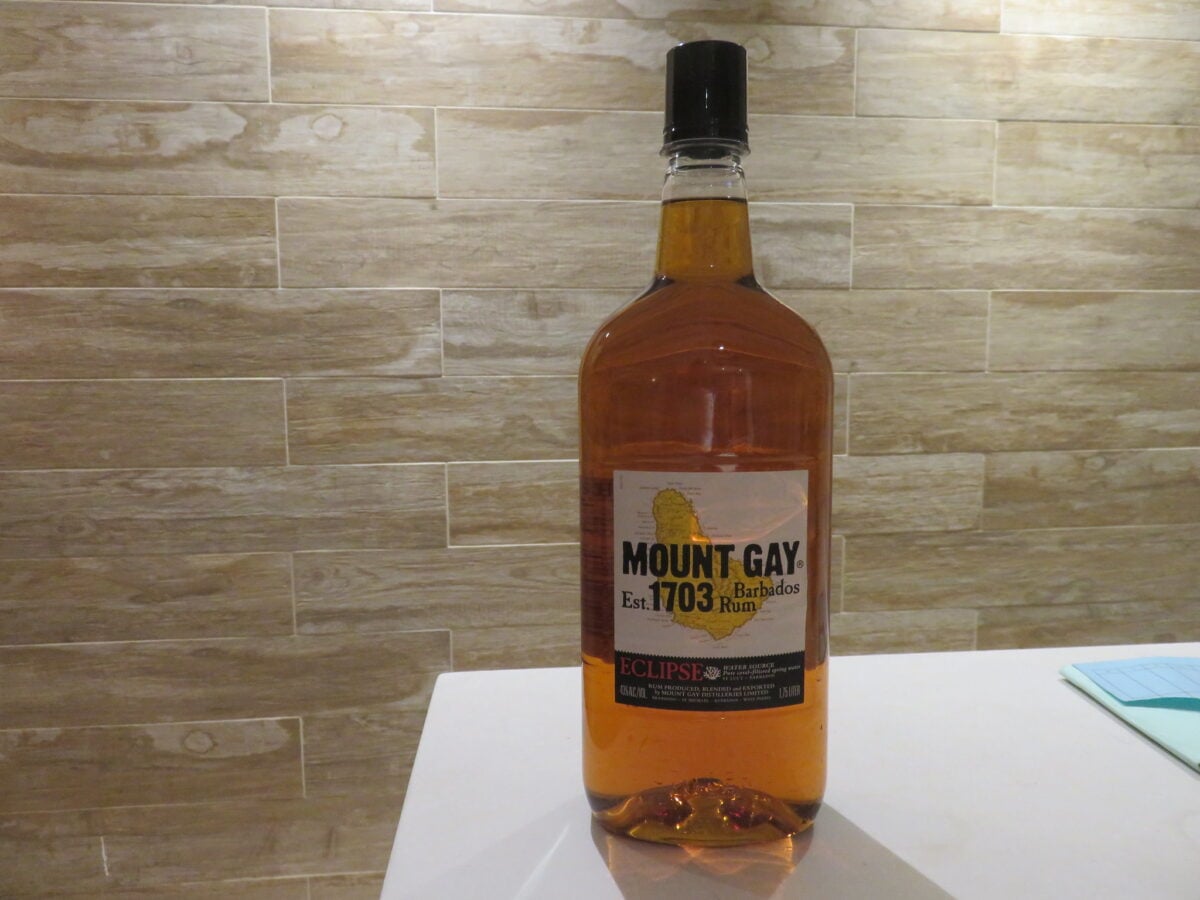
This is the oldest. Like, the oldest commercial rum distillery with actual documentation—a deed from February 20, 1703. Barbados is often credited as the birthplace of rum itself (there’s evidence of distillation there going back to the 1650s or even earlier).
The Mount Gilboa plantation was making rum before anyone thought to keep good records about it. The name comes from Sir John Gay Alleyne, who managed the estate so brilliantly that when he died in 1801, his friend John Sober renamed the whole operation in his honor.
Sir John was also an outspoken opponent of slavery, which was pretty unusual for a plantation manager at the time. Barbados’ University considers him influential enough that some want him named a National Hero.
They’ve been using the same well since 1703, hand-dug 300 feet into coral limestone. The coral naturally filters the water and adds minerals that affect fermentation.
Mount Gay uses a mix of pot stills and column stills (they’ve got Scottish, Spanish, and Irish stills all working at once), and everything ages in Barbados’ tropical heat where evaporation runs about 10% per year. The current master blender is Trudiann Branker, the first woman to hold that position in Barbados. Rémy Cointreau’s owned the majority stake since 1989.
Captain Morgan
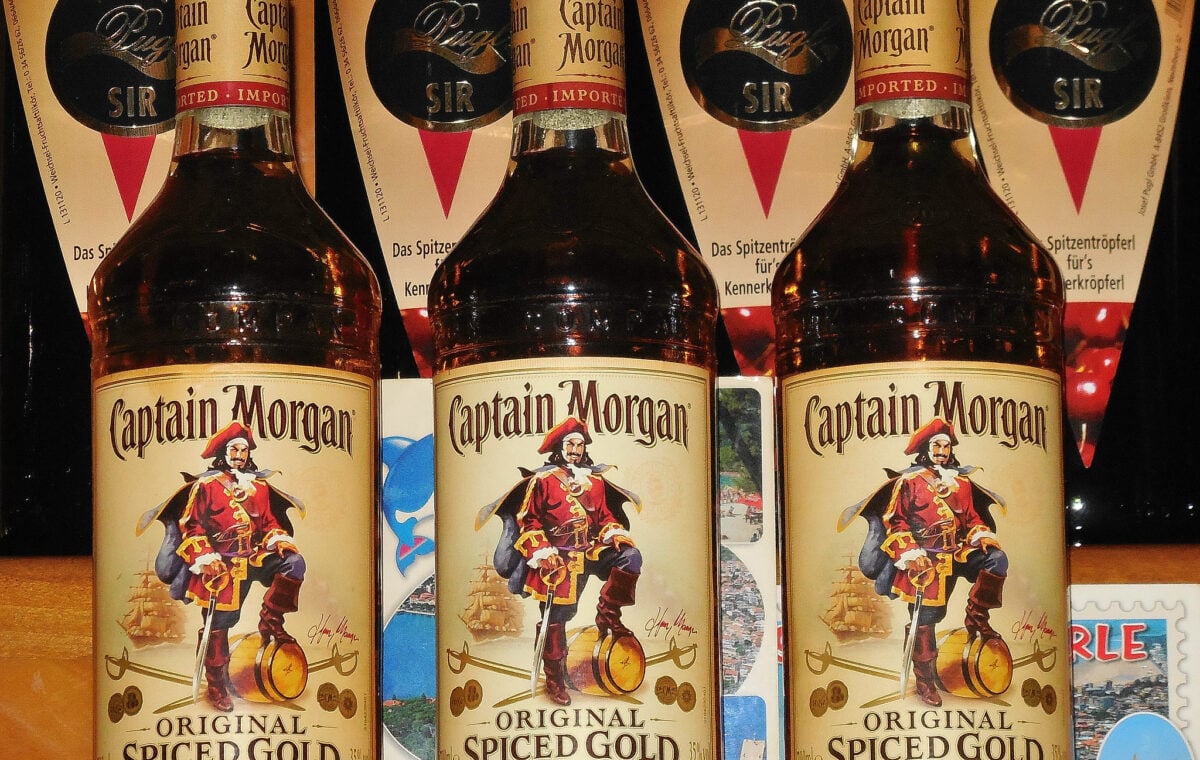
The actual Captain Morgan—Sir Henry Morgan—was a Welsh privateer born around 1635 who became Lieutenant Governor of Jamaica. He raided Spanish colonies with England’s unofficial blessing (privateers were basically legal pirates), got knighted by King Charles II, and died wealthy in 1688.
Probably from drinking too much, though some say tuberculosis.
The rum bearing his name didn’t exist until 1944. That’s when Seagram’s CEO Samuel Bronfman bought the Long Pond distillery in Jamaica. One of their rum buyers, Levy Brothers pharmacy in Kingston, was adding medicinal herbs and spices to the rum before aging it.
Bronfman tried it, bought the recipe, and Captain Morgan was born. The iconic pirate illustration came later—created by artist Don Maitz, who described it as an “à la carte menu” because they mixed poses and colors from three different sketches.
Diageo bought the brand in 2001 and moved production to St. Croix in 2012. It’s now the third best-selling rum globally, selling around 12 million cases a year.
There’s basically zero evidence the real Henry Morgan drank much rum (he probably preferred wine or brandy), but that hasn’t stopped the brand from becoming synonymous with spiced rum and college parties.
Appleton Estate

Jamaica’s oldest continuously operating distillery with the first documented production in 1749. The estate itself dates back to 1655 when England grabbed Jamaica from Spain.
Frances Dickinson participated in that conquest and got the land as payment. His grandsons were the first recorded owners. What makes Appleton unique is terroir—it’s one of the only rums that can claim this.
The Nassau Valley sits in Jamaica’s Cockpit Country, a bizarre limestone karst formation millions of years old. The limestone naturally filters rainwater (they get daily rain showers at 2:30 PM, which sounds made up but apparently isn’t), creating streams of crystal-clear water.
Combined with Jamaica’s climate and soil, you get growing conditions that can’t be replicated anywhere else. The estate changed hands multiple times. J. Wray and Nephew bought it in 1916 and still owns it.
Joy Spence became master blender in 1997—the first woman to hold that position in the spirits industry anywhere. She’s created most of their famous blends including a 50-year-old rum that’s supposedly the oldest tropically-aged rum available for sale.
Jamaican rum has this distinctive “funky” character from pot still distillation and the use of dunder (spent mash from previous fermentations, sort of like sour mash in bourbon).
Havana Club

Cuba’s most famous rum, though there’s two versions and they’re fighting over who owns the name. The original was founded by the Arechabala family in 1878. It became beloved in Cuba and popular with tourists.
Then in 1960 Castro’s government seized it at gunpoint without compensation. The family fled with the recipe. In 1995, Bacardi acquired Havana Club from the Arechabala family and started producing it in Puerto Rico for the US market (the only country that doesn’t recognize Cuba’s 1960 expropriation).
Meanwhile, Cuba’s been making and selling their version of Havana Club to the rest of the world through a partnership with Pernod Ricard. There’s ongoing trademark lawsuits. It’s messy.
The Cuban version you find outside America is lighter, more floral—classic Spanish-style rum good for mojitos and daiquiris. Havana Club helped popularize these cocktails globally.
Whether you’re drinking the “real” one depends entirely on your politics and which version of the story you believe.
Ron Zacapa

Created in 1976 by Guatemalan doctor and chemist Alejandro Burgaleta to celebrate the town of Zacapa’s 100th anniversary. The town name comes from Nahuatl (Aztec language) meaning “on the river of grass.”
Unlike most rum made from molasses, Zacapa uses virgin sugar cane juice—first press of the cane from Guatemala’s volcanic lowlands. Here’s what’s unusual: after distillation, they transport it to “the House Above the Clouds,” an aging facility at 7,546 feet above sea level in the Guatemalan mountains.
The altitude, cooler temperatures, and low oxygen create ideal slow-aging conditions. They use the solera method (borrowed from sherry production)—blending from stacked barrels at different aging stages.
The fermentation uses yeast derived from pineapples, which adds distinctive fruit aromas. Lorena Vásquez has been the master blender for over 35 years, one of very few women in that role worldwide.
The woven petate band around each bottle is handmade by over 700 Guatemalan women, supporting the local economy. From grain to glass, the whole operation’s integrated with Guatemalan communities.
Diageo distributes it now, and it’s become one of those premium rums with fancy packaging to match the price tag (which some people think is excessive, but others swear it’s justified).
Diplomatico
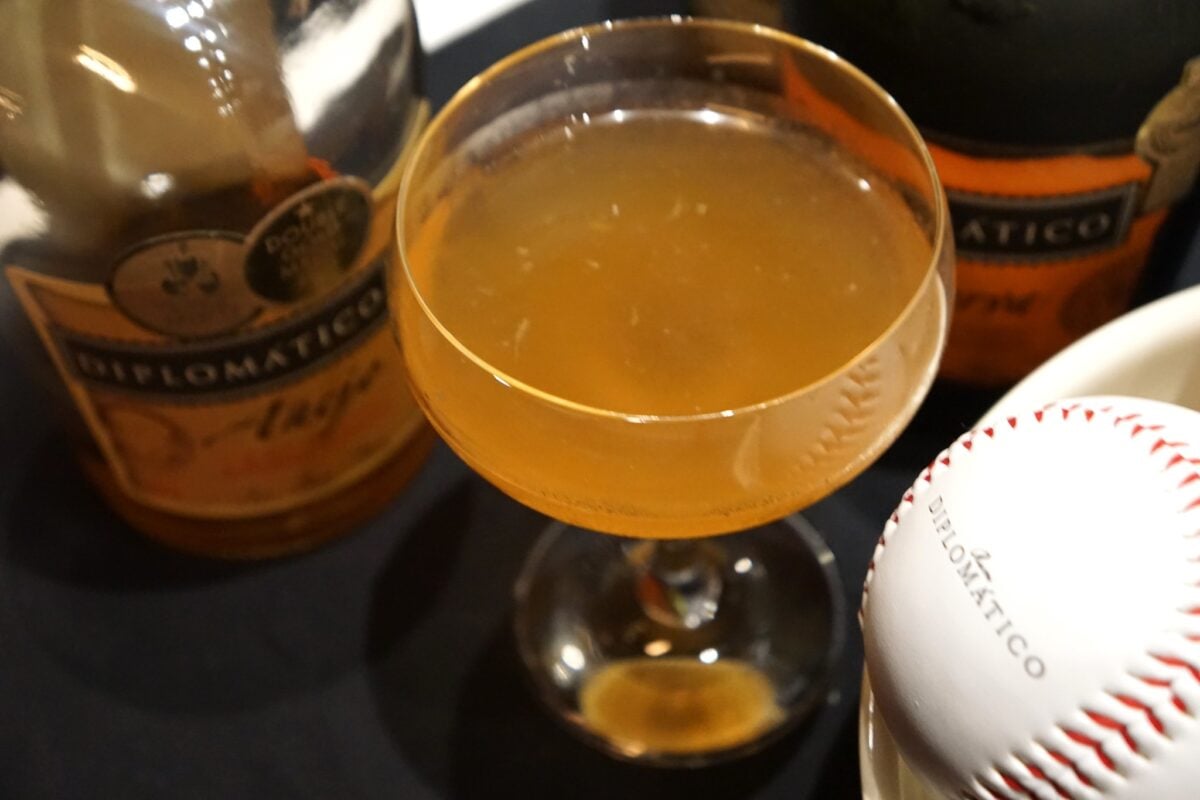
Venezuela’s answer to premium rum. The distillery was established in 1959 at the foot of the Andes Mountains, originally owned by Licorerias Unidas (LUSA) via Seagram’s.
After changing hands in 2002, it’s now independently family-owned as Destilerias Unidas (DUSA). They use both sugar cane honey and molasses depending on the style.
The distillation process is complex—continuous column stills for light rums, batch kettles for intermediate ones, pot stills for complex rums. Then they blend them all together.
It’s a different approach than most distilleries that stick to one method. The rum’s quite sweet, which divides people.
Critics say it’s too sweet, possibly with added sugar (though Diplomatico denies this). Fans say that’s exactly what makes it smooth and accessible.
Venezuela’s political situation has complicated things in recent years, but Diplomatico maintains its reputation as one of South America’s premier rum brands.
Cruzan

St. Croix has been making rum since the 1700s. Cruzan specifically started in 1760 but the brand name “Cruzan Rum” began in 1934 when the Diamond Rum Company was founded by Malcolm Skeoch and others right after Prohibition ended.
The Nelthropp family became distillers in 1950 and their family still runs it. St. Croix also produces Captain Morgan now (since 2012 when Diageo built a massive distillery there).
You can visit both on the island. After hurricanes Maria and Irma devastated St. Croix in 2017, Cruzan released “Hurricane Proof” rum at 137 proof (matching Category 5 hurricane wind speeds) to honor the island’s resilience.
They donate $1 per case to hurricane relief.
Myers’s Original Dark

Jamaican rum with deep molasses character. The brand’s been around since the mid-1800s though exact founding dates are fuzzy.
Fred L. Myers started it, creating a dark rum perfect for cocktails that need that rich, sweet, almost burnt sugar flavor. It’s essential for a proper Mai Tai or Dark ‘n’ Stormy (though Gosling’s would argue about that last one).
Myers’s uses continuous pot still distillation then ages in white oak. That heavy Jamaican style is unmistakable.
Gosling’s Black Seal

The only rum made in Bermuda and they’re serious about it. James Gosling arrived in Bermuda by accident in 1806 (his ship was bound for Virginia but got blown off course).
He opened a shop in St. George’s, and by the 1850s the family was bottling rum. Black Seal got its name because they originally sold rum from barrels and sealed bottles with black wax.
It’s the official rum of the Dark ‘n’ Stormy cocktail—Gosling’s actually trademarked that drink name and they’ll come after you if you make it with anything else (bars have gotten cease and desist letters). The rum’s dark, rich, with butterscotch and molasses notes.
El Dorado

From Guyana, representing the Demerara style. The Demerara Distillery Limited produces it, and they own historic wooden pot stills dating to the 1700s. These stills came from defunct distilleries—Versailles (1732), Port Mourant (1732), and others.
Each still produces rum with distinctive character.
Demerara rum is known for being rich, full-bodied, with dark fruit and toffee notes. El Dorado’s aged expressions (particularly the 15 and 21 year) are highly regarded.
The rum takes its name from the legendary city of gold Spanish conquistadors searched for in South America.
Sailor J.

This one’s different—it’s an American brand launched in 1999, named after Norman “Sailor J.” Collins, a famous tattoo artist in Hawaii. He tattooed sailors during WWII and helped popularize the American traditional tattoo style.
He died in 1973, way before the rum existed. The rum itself is produced in the Caribbean and bottled at 92 proof (46% ABV), higher than most spiced rums.
It’s got vanilla, cinnamon, and a decent kick. The brand’s imagery draws heavily from Sailor J.’s tattoo flash art—pin-up girls, hula dancers, nautical themes.
It’s become hugely popular, particularly with younger drinkers who like the higher proof and the aesthetic. Some purists think it’s just marketing with decent rum attached.
Others don’t care because it makes a good drink.
Early American and Colonial Rums
Before there was American whiskey, there was American rum. Colonial New England had over 100 distilleries by the mid-1700s—towns like Salem, Newport, Boston, Medford all produced it.
They imported molasses from the Caribbean (cheaper than importing finished rum) and distilled it themselves. Rum was actually the first spirit made and labeled as American.
The 1764 Sugar Act killed this. Britain restricted molasses imports, trying to control the trade. The distilleries collapsed.
That’s why Americans switched to whiskey (you could make it from local grain instead of imported molasses). Southern sugar plantations revived rum production after the Revolutionary War, but the Civil War destroyed those estates.
American rum basically disappeared for decades. The craft distillery movement brought it back.
Brands like Bayou Rum (Louisiana), Privateer (Massachusetts), and others are making American rum again, often with local ingredients. Some even make rhum agricole from fresh-pressed cane juice despite being thousands of miles from traditional sugarcane-growing regions.
What It All Means (Or Doesn’t)

Rum’s history is tied up with colonialism, slavery, naval warfare, Prohibition, revolutions, and exile. Almost every major rum brand has at least one dark chapter. The sugar plantations that made rum possible were built on enslaved labor.
The “Triangle Trade” used rum as currency to buy more slaves. It’s not a comfortable history.
But it’s also a history of families who built something that lasted centuries (like Mount Gay and Appleton), of refugees who rebuilt their businesses from nothing (Bacardi), of communities where rum shops are social centers (Barbados), of traditions passed down through generations. Of women like Joy Spence and Trudiann Branker and Lorena Vásquez breaking into a male-dominated industry and becoming some of the best at what they do.
Whether you’re drinking a $15 bottle of Bacardi or a $100 bottle of Zacapa, you’re tasting a little bit of that history. Some of it’s worth celebrating.
Some of it shouldn’t be forgotten but definitely shouldn’t be celebrated. Rum’s complicated like that.
More from Go2Tutors!

- The Romanov Crown Jewels and Their Tragic Fate
- 13 Historical Mysteries That Science Still Can’t Solve
- Famous Hoaxes That Fooled the World for Years
- 15 Child Stars with Tragic Adult Lives
- 16 Famous Jewelry Pieces in History
Like Go2Tutors’s content? Follow us on MSN.



