17 Movie Moments Every Millennial Remembers
Growing up as a millennial meant experiencing some of the most iconic movie moments in cinematic history. These weren’t just scenes you watched once and forgot—they became cultural touchstones, quoted endlessly at sleepovers, referenced in school hallways, and permanently etched into collective memory.
From the late ’90s through the early 2000s, Hollywood delivered moments that felt bigger than life, defining not just entertainment but how an entire generation saw the world. These scenes transcended their original films to become part of the millennial DNA.
They shaped inside jokes, influenced fashion choices, and created shared experiences that still bring instant recognition decades later. Whether they made you cry, laugh, or gasp in theaters, these moments lived rent-free in millennial minds long before that phrase even existed.
Here is a list of 17 movie moments every millennial remembers.
“I’m the King of the World!” – Titanic (1997)

Leonardo DiCaprio’s triumphant shout from the bow of the Titanic became an instant cultural phenomenon. Arms spread wide, hair flowing in the ocean breeze, Jack Dawson’s moment of pure joy captured something magical about young love and limitless possibilities.
This scene spawned countless imitations—on boat trips, balconies, and anywhere with a decent view and dramatic wind. The moment perfectly encapsulated the film’s themes of freedom and living life to the fullest, though knowing what comes next always adds a bittersweet edge to Jack’s celebration.
The Hallway Walk – Mean Girls (2004)

Regina George and the Plastics gliding down the school hallway in slow motion remains one of cinema’s most iconic power walks. Every step, hair flip, and smirk demonstrated how high school social hierarchy really worked.
The synchronized pink outfits, the confident swagger, and the way other students parted like the Red Sea created a masterclass in teenage intimidation. This scene taught millennials that sometimes power is about presence, and every friend group tried to recreate their own version of this legendary entrance at least once.
“You Complete Me” – J. Maguire (1996)

Tom Cruise’s desperate romantic confession in a crowded living room set impossible standards for grand gestures everywhere. Standing there vulnerable and earnest, Maguire’s “You complete me” became the gold standard for movie romance.
The scene worked because it felt genuinely emotional rather than calculated, with Cruise delivering one of his most sincere performances. Millennials grew up believing this was how love should look—dramatic, public, and perfectly timed—even though real relationships rarely come with such cinematic timing.
Like Go2Tutors’s content? Follow us on MSN.
“I See Dead People” – The Sixth Sense (1999)

Haley Joel Osment’s quiet, terrified delivery of this line sent shivers through every theater. The way he whispered it to Bruce Willis’s character, combined with the film’s building tension, created one of horror cinema’s most memorable moments.
This wasn’t just a scary movie line—it became a cultural reference point for anything creepy or unexplained. The scene’s power came from Osment’s believable fear and the way it recontextualized everything viewers had seen before, making the inevitable twist even more shocking.
Neo Dodging Bullets – The Matrix (1999)
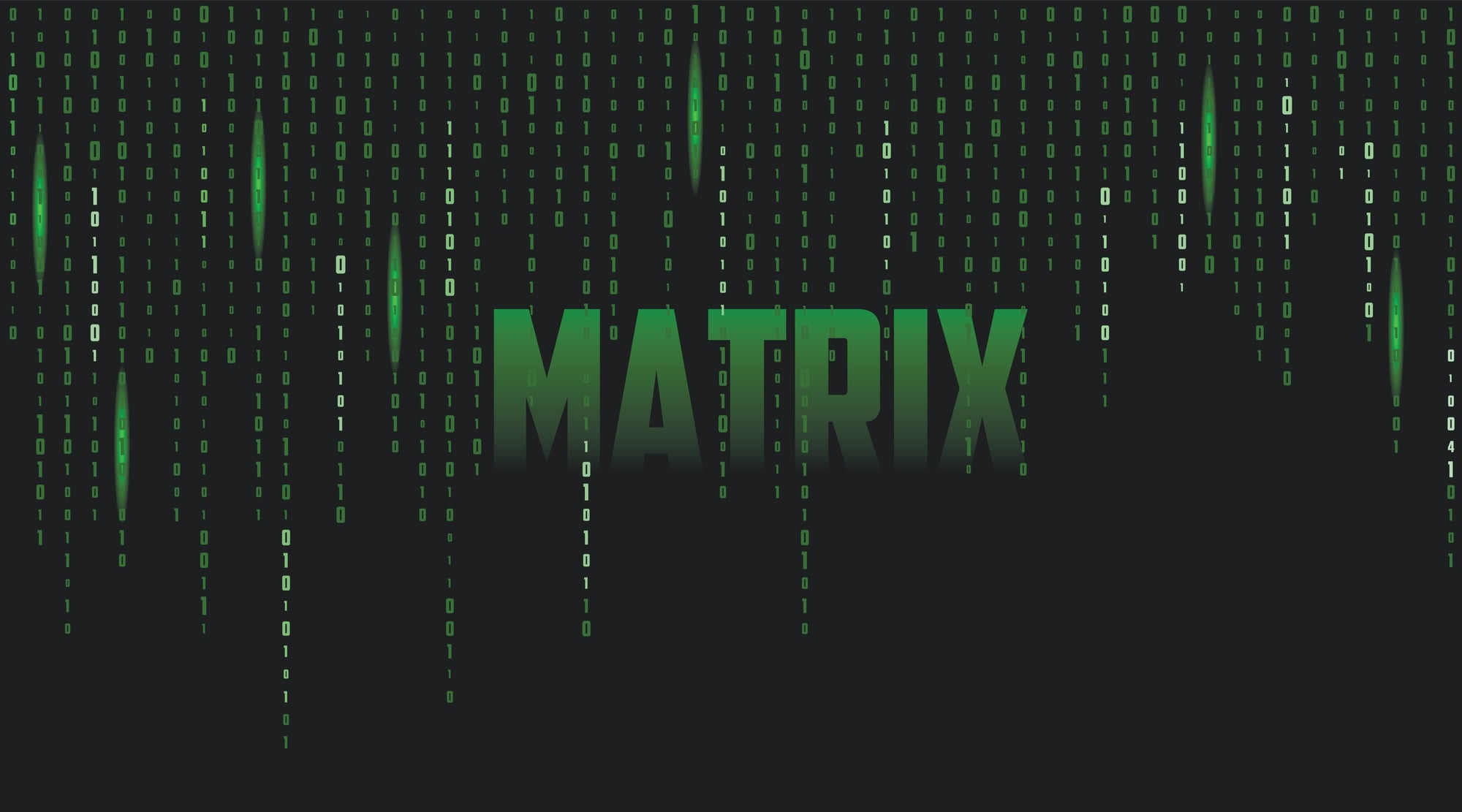
The revolutionary “bullet time” sequence redefined action cinema and blew millennial minds with its innovative special effects. Watching Keanu Reeves bend backward in slow motion while bullets traced visible paths through the air felt like witnessing the future of filmmaking.
This scene wasn’t just visually stunning—it represented Neo’s awakening to his true potential, making it both spectacular and meaningful. The moment influenced countless action movies and made sunglasses and long black coats the height of cool for an entire generation.
Water Glass Vibrations – Jurassic Park (1993)

The simple sight of water rippling in a cup created one of cinema’s most effective tension-building moments. Sitting in that tour vehicle, watching those concentric circles appear with each thunderous footstep, audiences knew something massive was approaching.
The genius of this scene lay in its restraint—Spielberg built terror through anticipation rather than immediate spectacle. When the T-Rex finally appeared, the payoff felt earned and absolutely terrifying, proving that sometimes the most powerful movie moments come from what you don’t see.
Like Go2Tutors’s content? Follow us on MSN.
“Joyful, Joyful” – Sister Act 2 (1995)

The climactic choir performance with Lauryn Hill’s powerhouse vocals became a defining moment for millennials who grew up believing in the power of music to change everything. Whoopi Goldberg in her habit, dancing and encouraging the students to sing their hearts out, created pure cinematic joy.
This scene represented triumph over adversity, the importance of believing in yourself, and the magic that happens when talented people come together. The performance was so infectious that it made everyone want to join a choir, even those who couldn’t carry a tune.
The Aftershave Scream – Home Alone (1990)
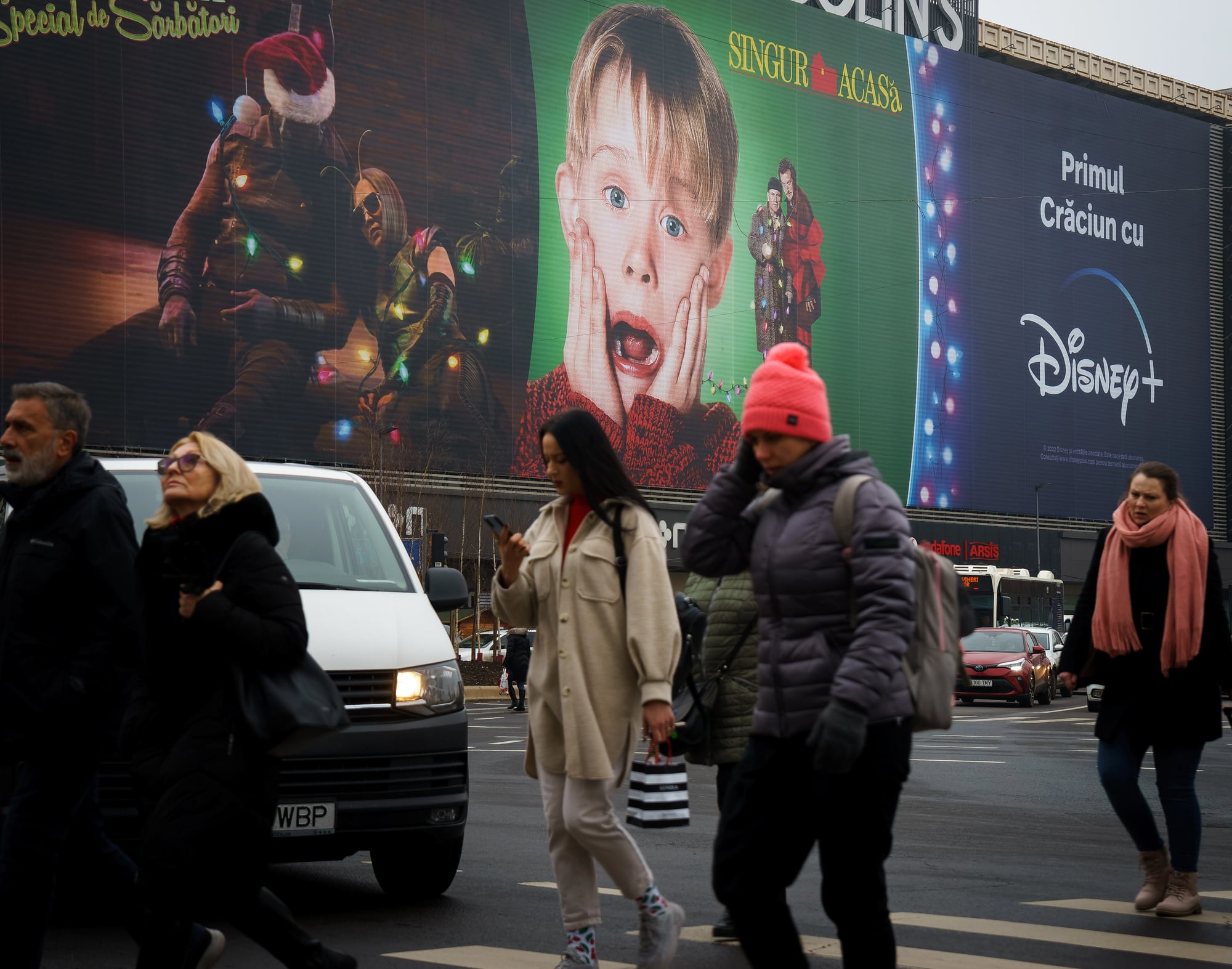
Macaulay Culkin’s improvised reaction to slapping on aftershave became one of the most quoted and imitated moments in family film history. The pure, innocent shock on his face as he screams and keeps his hands pressed to his cheeks was completely unscripted, making it even more genuine and hilarious.
This moment perfectly captured the film’s blend of childhood mischief and genuine emotion, while giving every kid a new way to express surprise or pain dramatically.
“Frankly, My Dear, I Don’t Give a Damn” Moment – Cool Runnings (1993)

When the Jamaican bobsled team crashed during their final run but carried their sled across the finish line anyway, it created one of sports cinema’s most inspiring moments. The slow clap from the crowd, the team’s determination despite defeat, and the pure ’90s feel-good energy made this scene unforgettable.
This wasn’t about winning—it was about dignity, perseverance, and earning respect through character rather than medals. The moment taught millennials that sometimes how you lose matters more than whether you win.
Like Go2Tutors’s content? Follow us on MSN.
The Pencil Trick – The Dark Knight (2008)

Heath Ledger’s Joker making a pencil “disappear” by slamming a thug’s head onto it showcased the character’s unpredictable violence with dark humor. The casual way he performed this brutal act while delivering his “magic trick” line demonstrated why this version of the Joker was so terrifying.
Ledger’s performance was magnetic and disturbing, creating a villain who was both fascinating and genuinely scary. This scene established the tone for what many consider the greatest comic book movie ever made.
Bus Jump – Speed (1994)

The moment Sandra Bullock’s bus launched over the gap in the freeway had audiences gripping their seats and holding their breath. The tension building up to the jump, Keanu Reeves’s determined face, and the physics-defying leap made public transportation seem exciting for once.
This scene perfectly captured ’90s action movie excess while creating genuine suspense about whether our heroes would survive. The practical effects and real stunts gave the moment a weight that CGI couldn’t match.
“Why So Serious?” Pool Cue Scene – The Dark Knight (2008)
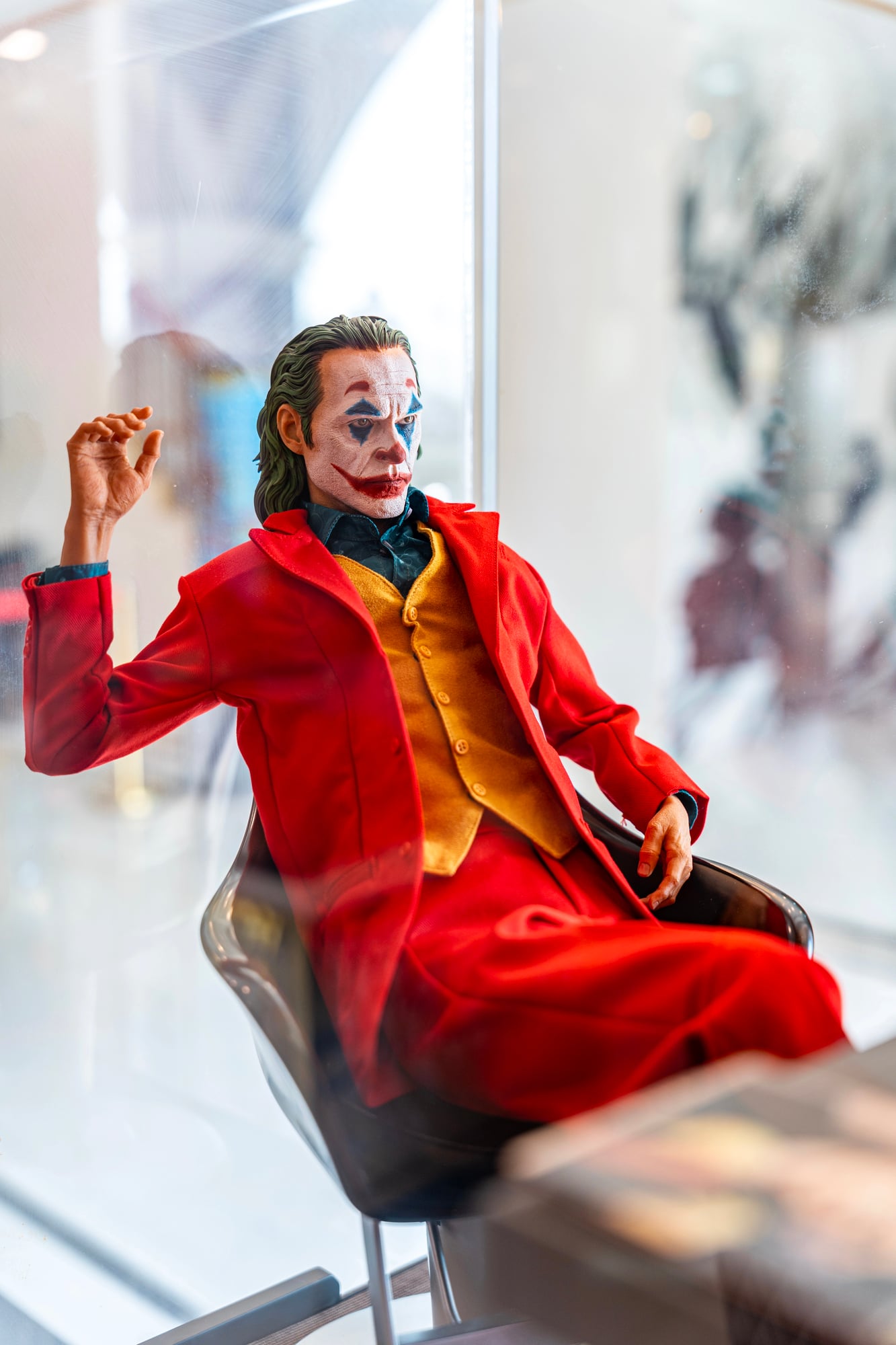
The Joker’s pool cue magic trick and his chilling delivery of “Why so serious?” created one of cinema’s most memorable villain moments. Heath Ledger’s unpredictable energy and the casual violence of the scene established just how dangerous and unhinged this version of the character truly was.
The moment worked because Ledger made the Joker both terrifying and oddly charismatic, drawing viewers in even while showing his capacity for random cruelty.
Like Go2Tutors’s content? Follow us on MSN.
“Bend and Snap” – Legally Blonde (2001)
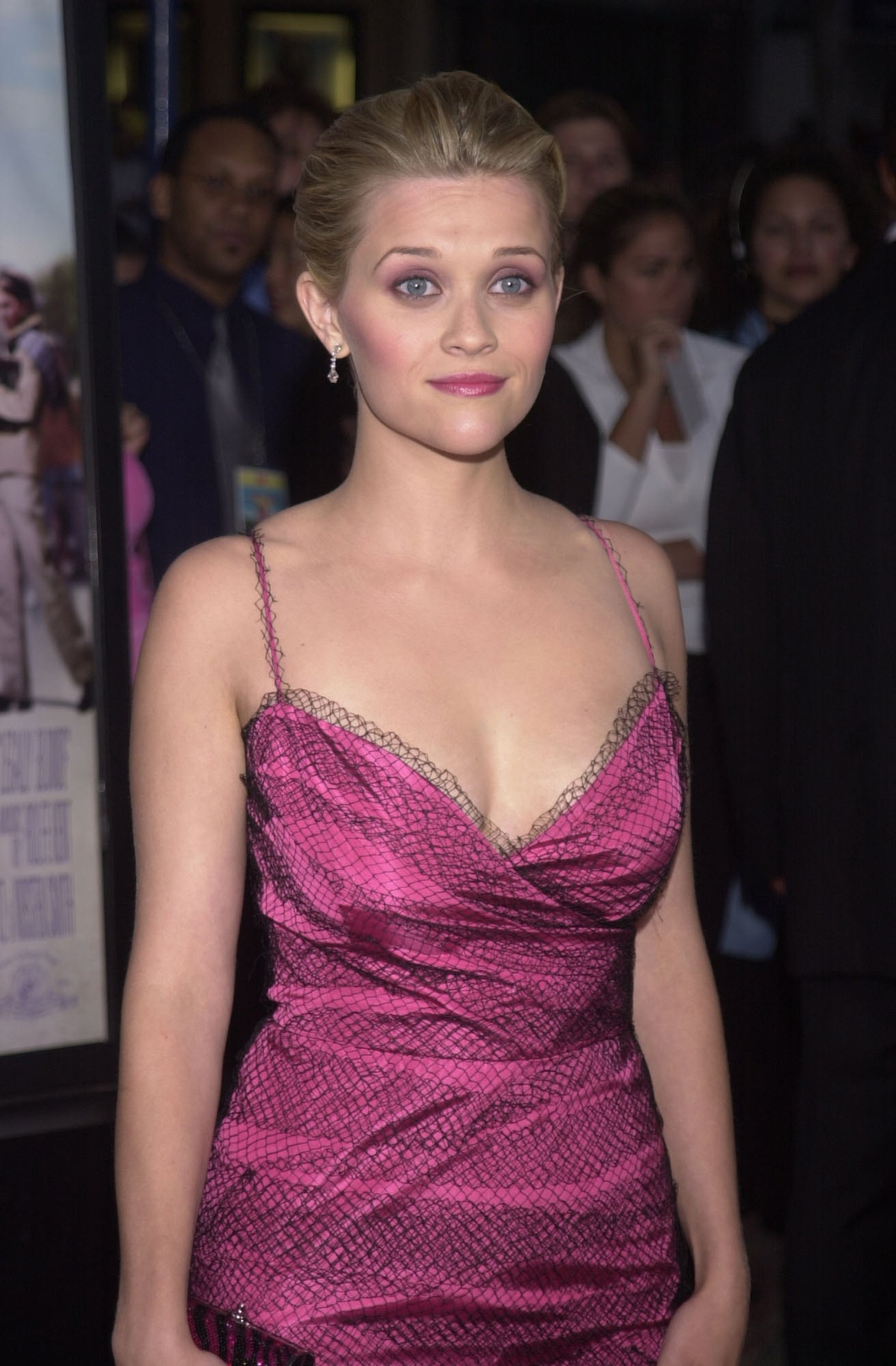
Elle Woods teaching the bend and snap technique became an instant classic moment of female empowerment disguised as romantic comedy. Reese Witherspoon’s enthusiastic demonstration, complete with the postal worker’s nose incident, showed how Elle used her knowledge of attraction psychology to help others.
The scene was funny, empowering, and surprisingly educational, proving that intelligence comes in many forms and that traditionally feminine knowledge has real value.
The Opening Phone Call – Scream (1996)

Drew Barrymore’s terrified conversation with the killer redefined horror movie openings and made everyone afraid of their landline. The slow building tension, the killer’s voice asking about scary movies, and Barrymore’s growing realization that she was in real danger created genuine fear.
This scene worked because it felt realistic—the kind of phone call that could actually happen, making the horror feel more immediate and possible than typical slasher films.
Gandalf vs. the Balrog – The Lord of the Rings: The Fellowship of the Ring (2001)

“You shall not pass!” became one of fantasy cinema’s most quoted lines when Gandalf faced down the Balrog on the Bridge of Khazad-dûm. Ian McKellen’s powerful delivery, the wizard’s sacrifice to save his friends, and the epic scope of the confrontation created a moment that defined heroism for millennials.
The scene worked on multiple levels—spectacular action, emotional sacrifice, and the establishment of good versus evil themes that would carry through the entire trilogy.
Like Go2Tutors’s content? Follow us on MSN.
“Long Live the King” – The Lion King (1994)

Scar’s betrayal of Mufasa created one of Disney’s most traumatic moments, teaching millennial children that heroes don’t always win and that family members can be the real villains. The combination of Jeremy Irons’s sinister delivery, the wildebeest stampede, and Mufasa’s fall created genuine emotional devastation.
This scene didn’t just advance the plot—it showed young audiences that animated movies could deal with real themes like death, betrayal, and loss of innocence.
Room Cleaning Montage – 10 Things I Hate About You (1999)
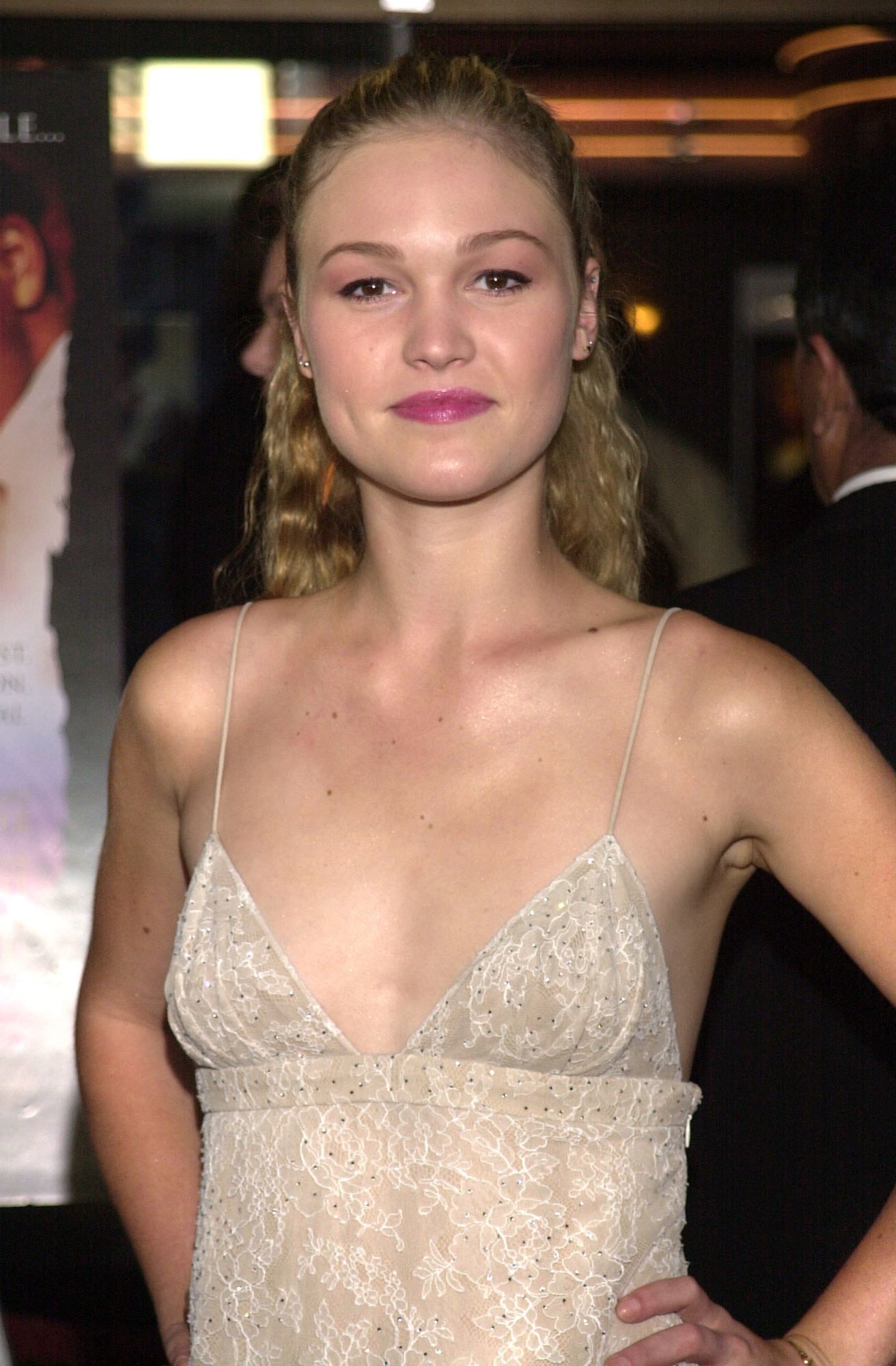
Julia Stiles’s angry room cleaning while blasting music perfectly captured teenage angst and the power of a good soundtrack to express emotions. The scene showed Kat’s internal struggle between her tough exterior and genuine hurt feelings, while the music choice made every millennial want to dramatically redecorate their space after a breakup.
This moment proved that sometimes the most effective emotional scenes don’t require dialogue—just the right song and relatable teenage behavior.
A Generation’s Shared Cinema
These 17 moments created a shared language for millennials, providing instant recognition and common reference points that transcended individual movie preferences. They represented more than entertainment—they were cultural markers that defined how a generation understood drama, romance, heroism, and humor.
Whether quoted at inappropriate times, recreated with friends, or simply remembered fondly, these scenes became part of the millennial experience, proving that sometimes the most powerful moments in cinema are the ones that refuse to stay on the screen.
More from Go2Tutors!

- 18 Unexpectedly Valuable Collectibles You Might Have Lying Around
- 20 Little-Known Historical Battles That Had Huge Consequences
- 20 Historical Artifacts That Scientists Can’t Explain
- 15 Inventions That Were Immediately Banned After Being Created
- 20 Actors Who Were Almost Cast in Iconic Roles
Like Go2Tutors’s content? Follow us on MSN.