18 Natural Clues That Animals Use to Navigate
The animal kingdom contains some of the most skilled navigators on Earth. Creatures large and small have evolved incredible abilities to traverse vast distances without ever consulting a map or GPS device.
These biological navigation systems rely on environmental cues that humans often overlook entirely. Navigation represents far more than a neat trick for these animals.
Finding food sources, avoiding predators, locating suitable mates, and completing seasonal migrations all depend on precise wayfinding abilities. Here are 18 natural clues that animals use to navigate their world.
The Sun’s Position

Solar navigation forms the backbone of many animal movement patterns. Honeybees demonstrate this ability beautifully — they communicate flower locations to nestmates through elaborate dances that incorporate the sun’s current position.
When cloud cover obscures direct sunlight, these remarkable insects can still determine solar position by reading polarized light patterns that remain completely invisible to human perception.
Magnetic Fields
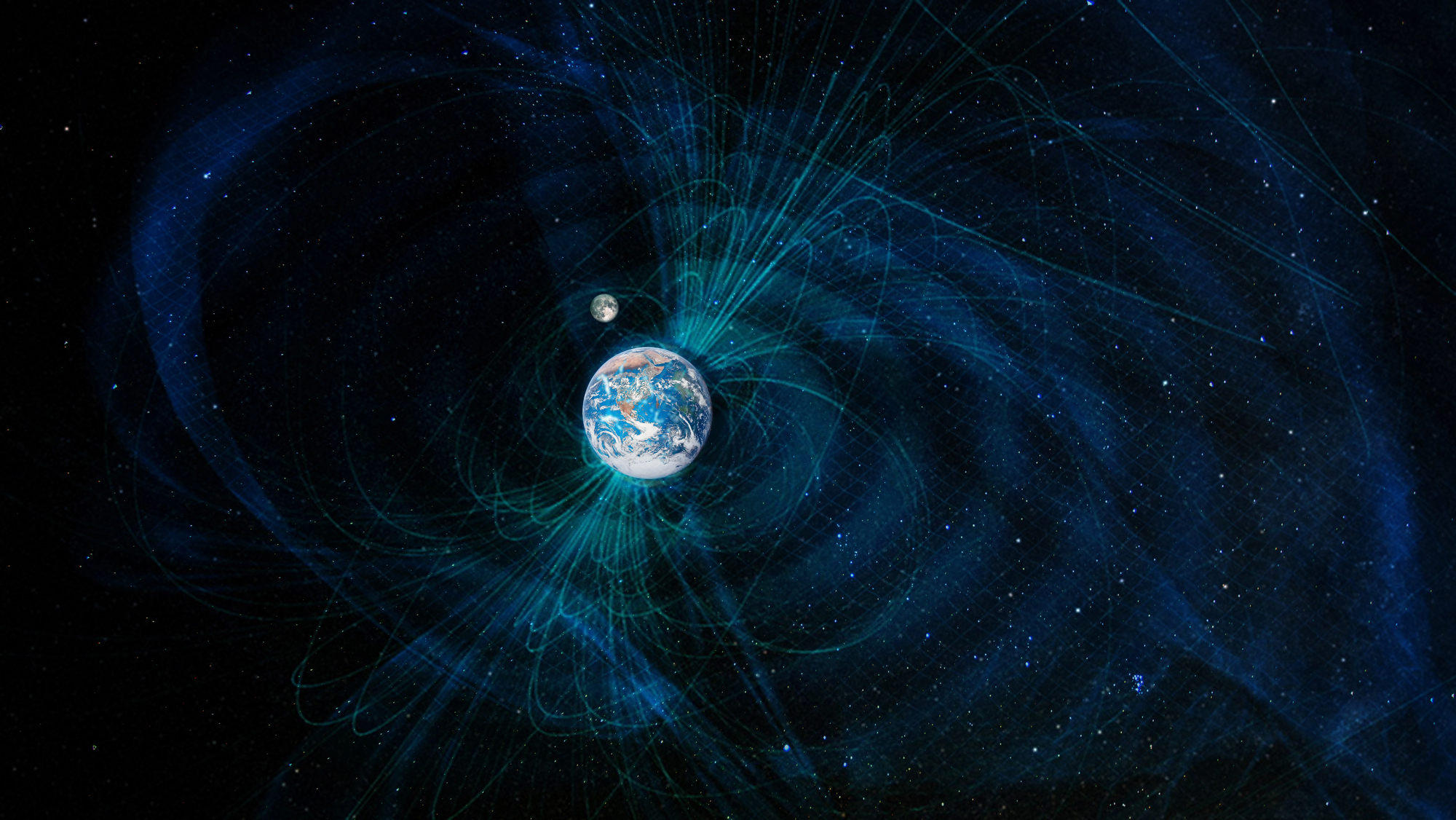
Earth’s magnetic field creates an invisible navigation network that countless species have learned to exploit. Sea turtle hatchlings memorize the magnetic signature of their natal beaches, allowing them to return as adults after decades spent roaming the oceans.
Research has revealed that numerous animals — from songbirds to salmon — possess magnetite-containing cells that function as biological compasses.
Like Go2Tutors’s content? Follow us on MSN.
Star Patterns

Nocturnal navigation often depends on celestial landmarks overhead. Migrating birds rely heavily on constellation patterns, with juveniles learning these stellar roadmaps during their inaugural journeys alongside experienced adults.
Dung beetles have pushed astronomical navigation to remarkable extremes — they represent the first documented insects to use the Milky Way galaxy as a directional reference while maneuvering their dung across African landscapes.
Ocean Currents

Marine environments offer flowing highways in the form of ocean currents. Sea turtles harness these aquatic conveyor belts during epic transoceanic migrations — while sperm whales track current boundaries to locate productive feeding areas.
These animals possess the ability to detect minute variations in water temperature and flow velocity that signal transitions between different current systems.
Wind Patterns

Aerial navigation frequently involves reading atmospheric currents with remarkable precision. Albatrosses exemplify this skill — locking their wings in position to ride wind currents for hours without a single wingbeat.
These seabirds navigate across thousands of miles of featureless ocean by following predictable wind patterns that function like invisible aerial highways.
Like Go2Tutors’s content? Follow us on MSN.
Polarized Light
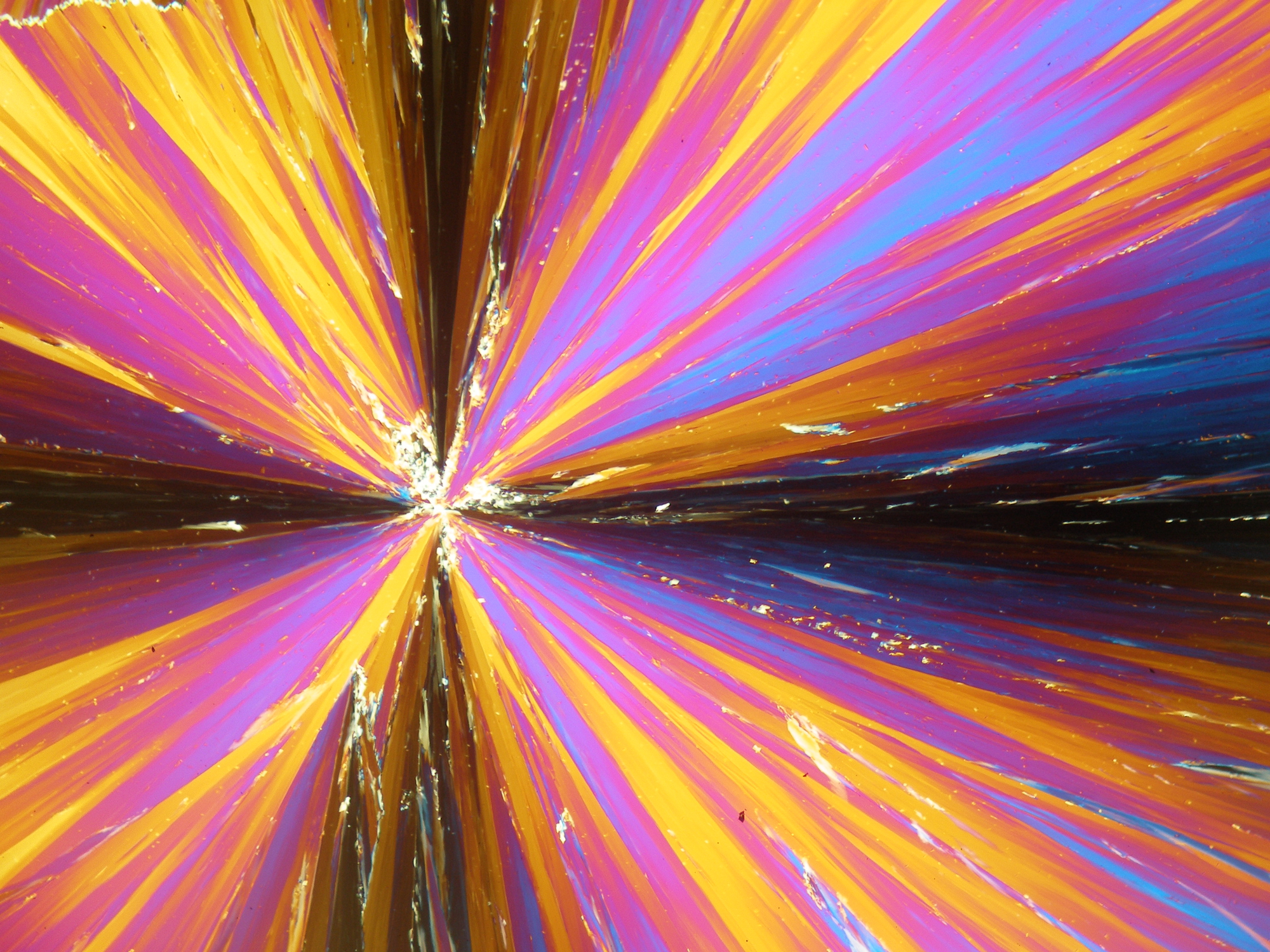
Atmospheric scattering creates polarized light patterns that serve as natural compasses for many species. Numerous insects including bees and ants can detect these polarization signatures — enabling directional orientation even when clouds completely obscure the sun.
This capability essentially provides X-ray vision for navigation, revealing directional information that exists beyond human sensory perception.
Scent Trails

Olfactory navigation creates invisible pathways through diverse environments. Salmon demonstrate this ability spectacularly by following unique chemical signatures back to their birth streams — swimming hundreds of miles upstream guided solely by molecular memory.
Social insects like ants establish sophisticated chemical highways by depositing pheromone trails that guide colony members between food sources and nest sites.
Sound Landmarks
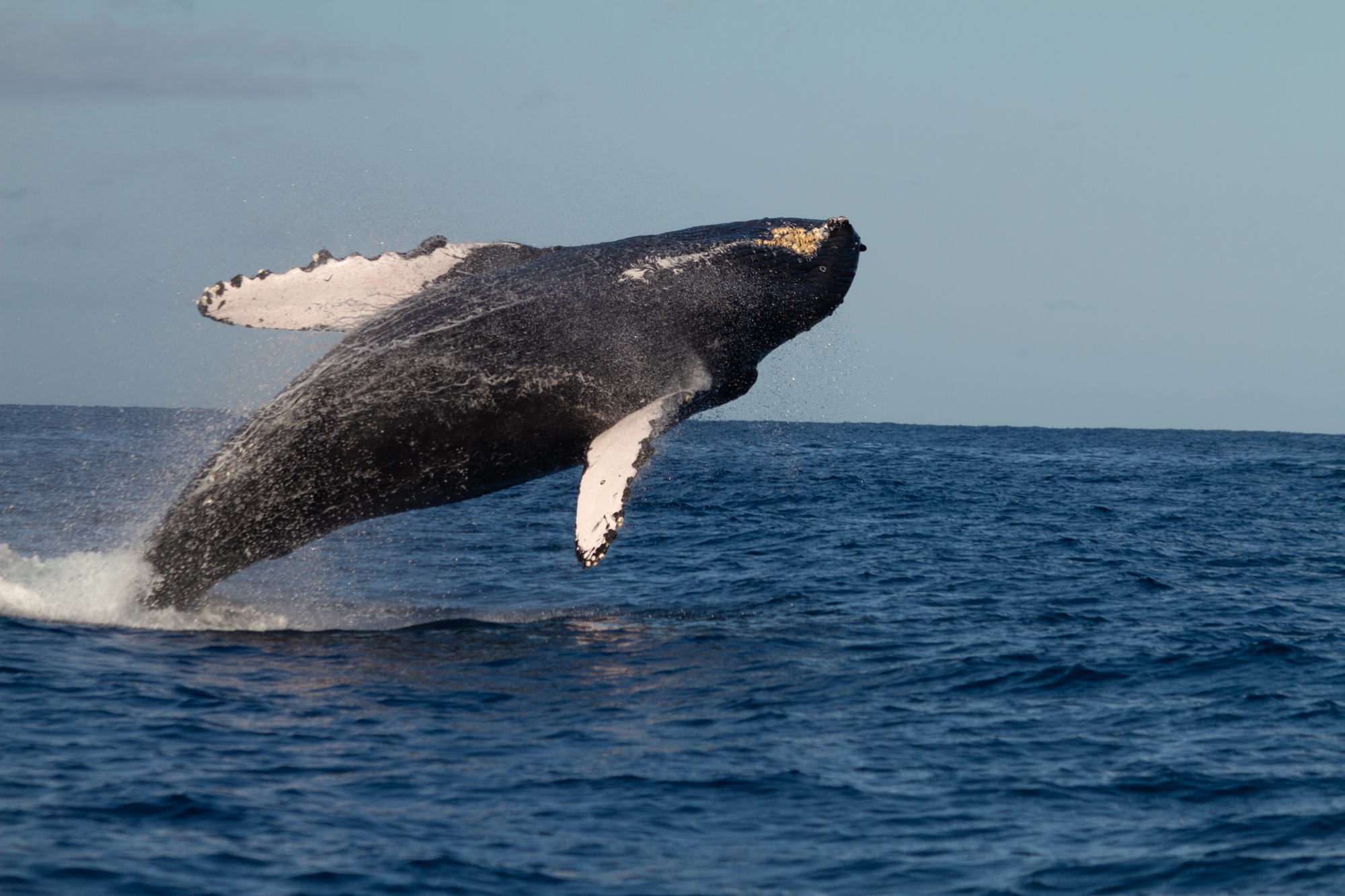
Acoustic navigation transforms distinctive sounds into reliable waypoints. Marine mammals excel at this technique — whales navigate using the characteristic sound signatures of different ocean basins, including wave patterns against distant coastlines, vocalizations from other cetacean populations, and low-frequency geological rumblings from underwater formations.
Elephants coordinate long-distance movements using infrasonic communications that travel for miles below the threshold of human hearing.
Like Go2Tutors’s content? Follow us on MSN.
Temperature Gradients

Thermal variations provide subtle navigational information across multiple environments. Sea turtles can resolve temperature differences smaller than a single degree — using these thermal gradients to maintain position within favorable ocean currents.
Migrating birds similarly exploit temperature differentials to locate rising thermal columns that provide energy-efficient lift during extended flights.
Landmarks and Topography

Visual navigation using landscape features represents a strategy shared between humans and numerous animal species. Homing pigeons demonstrate exceptional skill in this domain — memorizing intricate routes that incorporate buildings, roadways, and natural features.
These birds can navigate homeward from distances exceeding several hundred miles by following sequences of visual checkpoints that function like ancient navigation methods used before cartographic development.
Wave Patterns
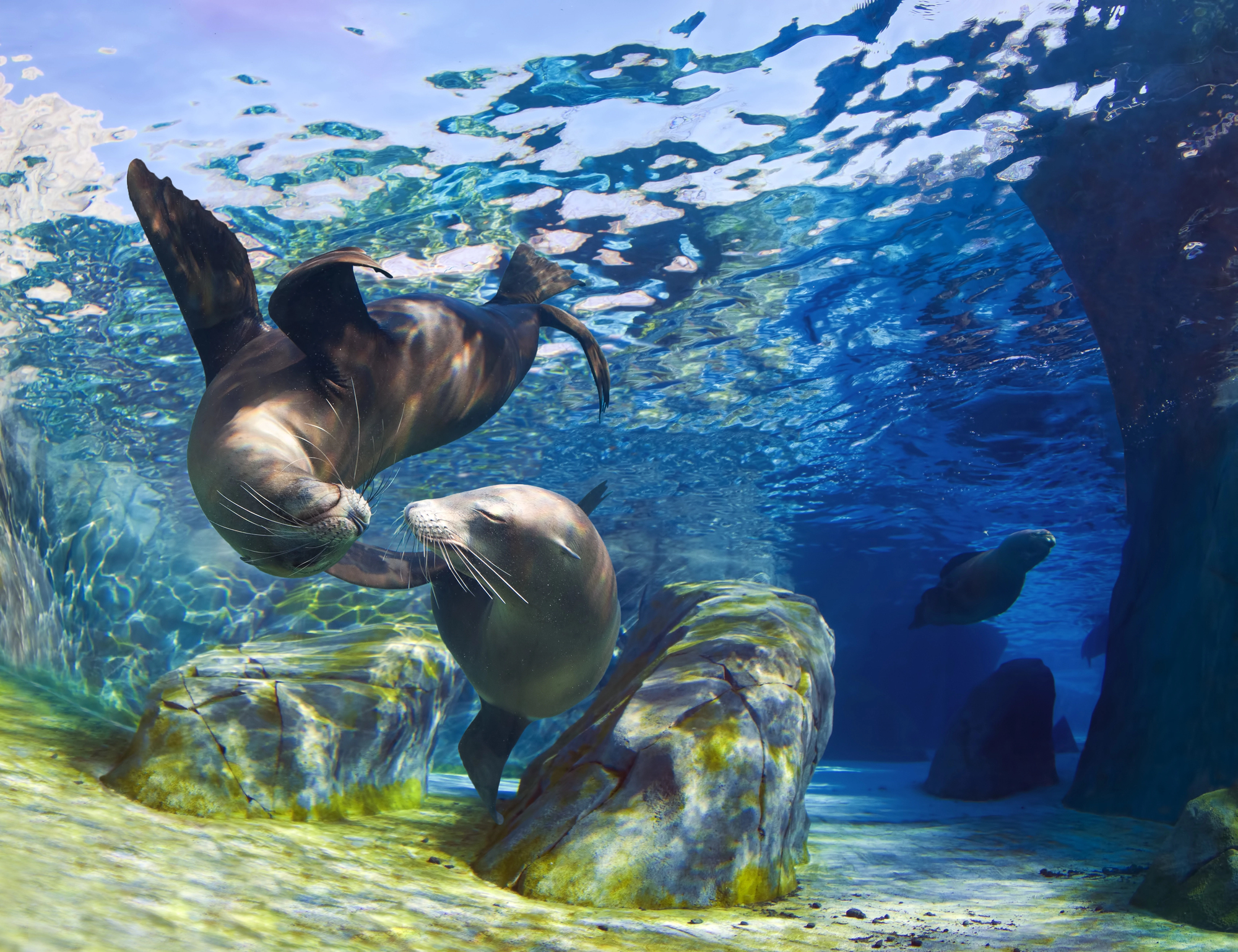
Ocean swells provide navigational information that experienced marine animals can read like underwater maps. Traditional Pacific navigators used similar wave-reading techniques for centuries, though marine mammals like seals and whales possess instinctive understanding of how wave patterns interact with islands and continental margins.
These animals detect subtle modifications in wave characteristics that reveal nearby landmasses or changes in seafloor topography.
Like Go2Tutors’s content? Follow us on MSN.
Gravitational Fields

Gravitational anomalies caused by geological features may provide navigational cues for certain species, though scientific understanding of this phenomenon remains incomplete. Variations in gravitational pull created by mountain ranges and valleys could potentially explain the remarkable precision some animals demonstrate when navigating across seemingly uniform terrain.
Such an ability would essentially provide topographical information derived from gravity’s subtle variations.
Chemical Gradients in Water
Aquatic chemical trails create molecular highways that guide navigation in marine and freshwater environments. Sharks can follow scent corridors across miles of open ocean, tracking injured prey by detecting molecules dispersed by water currents.
Freshwater species use comparable abilities to locate spawning habitats by following chemical signals released by vegetation and other aquatic organisms.
Infrasound
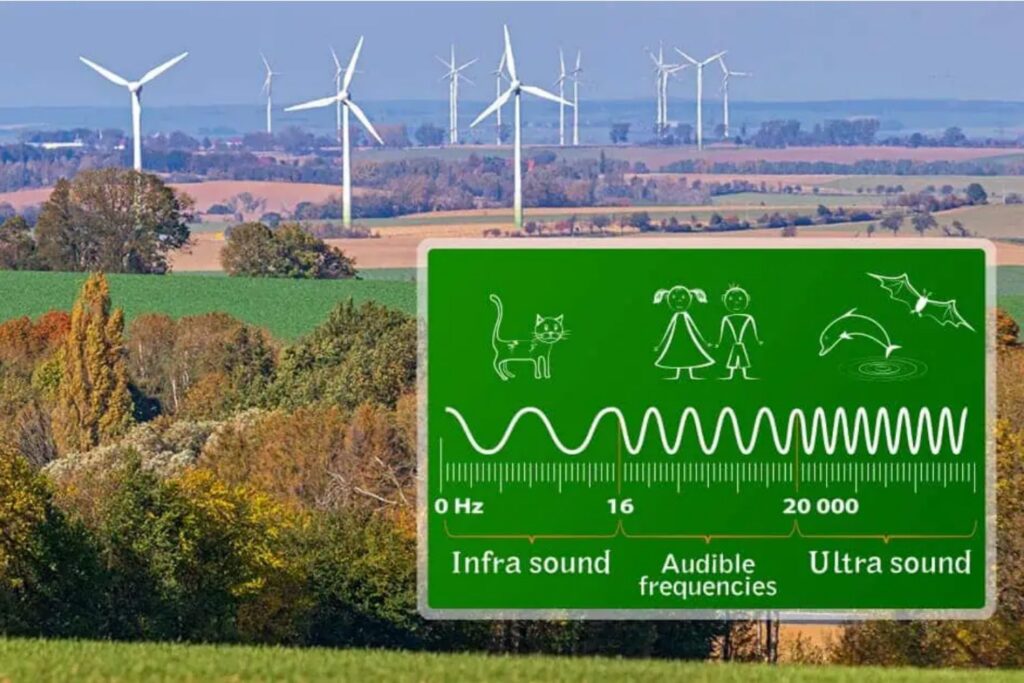
Low-frequency acoustic signals below human hearing thresholds serve navigational and communication functions for various species. African elephants use infrasonic vocalizations to coordinate herd movements across vast savanna landscapes.
Homing pigeons may similarly utilize infrasonic signatures from ocean wave activity and meteorological systems as long-distance navigational beacons, detecting these acoustic signals from considerable distances.
Like Go2Tutors’s content? Follow us on MSN.
Atmospheric Pressure Changes
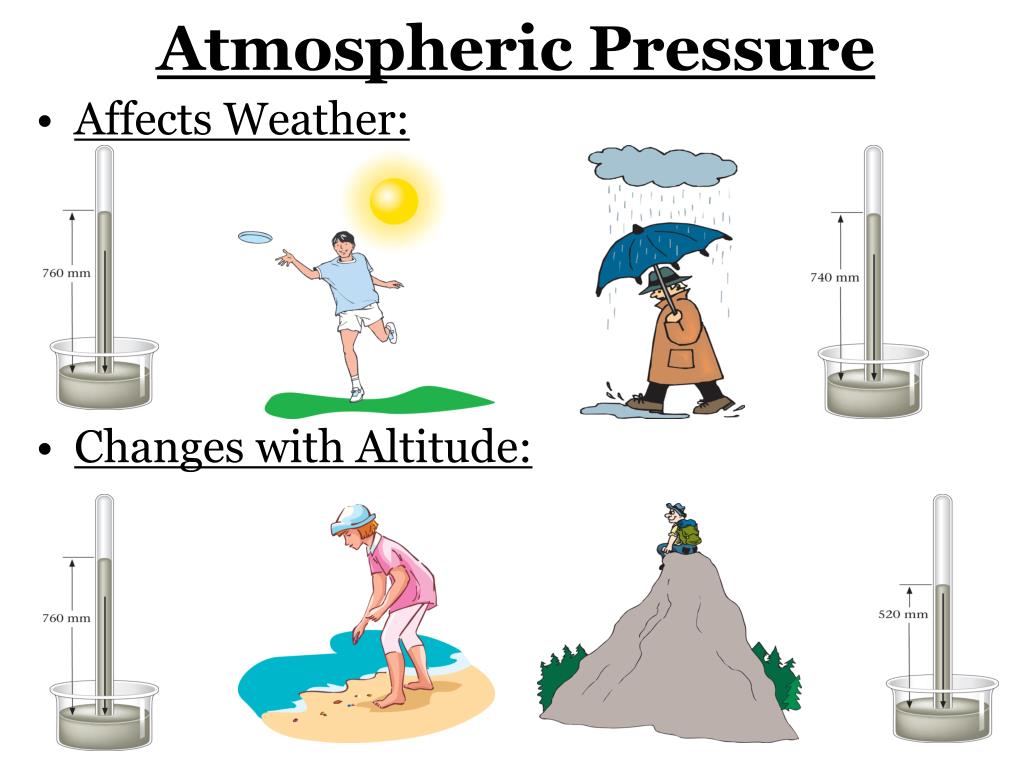
Barometric sensitivity allows animals to predict weather patterns and adjust navigational decisions accordingly. Many bird species can sense approaching storm systems hours before their arrival, modifying migration routes to avoid adverse conditions.
This pressure-detection capability functions like an internal barometer, helping animals synchronize their movements with favorable meteorological windows.
Earth’s Rotation Effects

Planetary rotation generates subtle physical effects that some animals may incorporate into their navigational repertoire, though research into this possibility continues. The Coriolis effect influences atmospheric and oceanic circulation patterns, potentially providing consistent directional references.
Scientists suspect that animals with exceptional navigational capabilities might exploit rotational effects through mechanisms that remain poorly understood.
Celestial Light Cycles

Sophisticated light-based navigation extends beyond simple sun and star positioning to include temporal variations in spectral quality. Many species can distinguish between different wavelengths present during dawn and dusk periods, utilizing these chromatic cues for timing migration events and daily activity patterns.
Arctic fauna demonstrate particular expertise in this area, maintaining navigational accuracy during the extreme photoperiods characteristic of polar regions.
Like Go2Tutors’s content? Follow us on MSN.
Electrical Fields
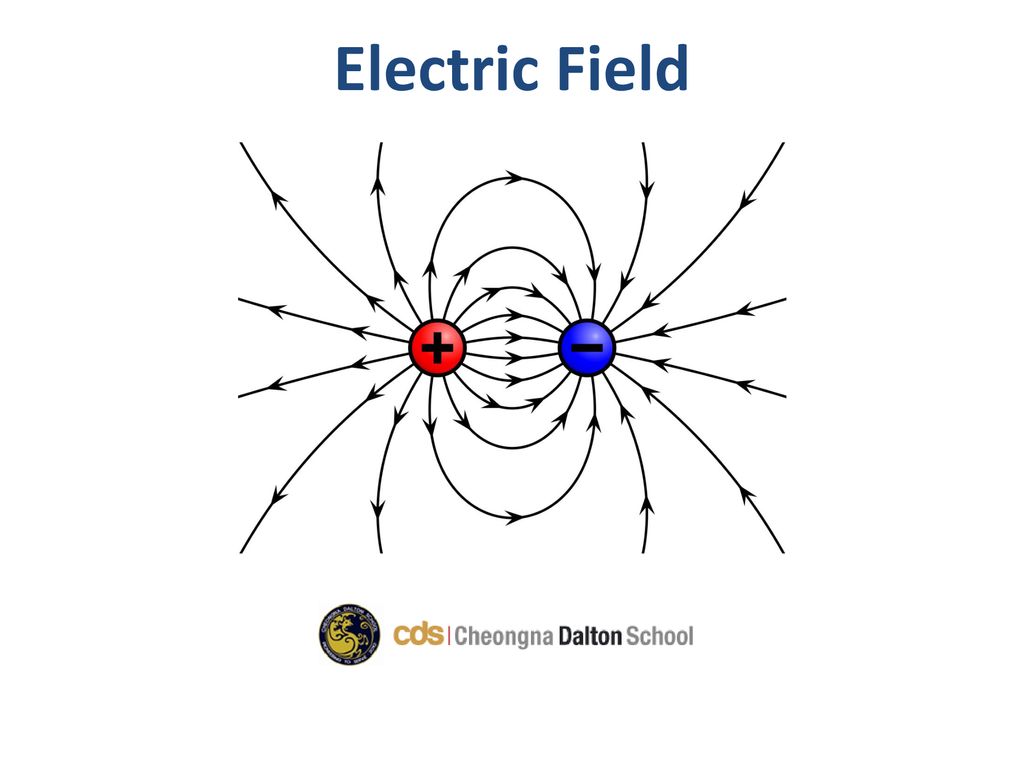
Bioelectrical detection represents a specialized sensory modality that certain animals use for both navigation and prey location. Cartilaginous fish like sharks and rays possess electroreceptive organs capable of detecting the electrical fields generated by muscle contractions in other organisms, effectively allowing them to perceive hidden prey in turbid water or buried in sediment.
This electrical sensitivity may additionally contribute to navigation through detection of electrical anomalies in the seafloor environment.
Ancient Navigation Systems Continue Working

Modern humans have developed dependence on electronic navigation technologies, yet animals continue utilizing the same natural guidance systems that have served them across evolutionary timescales. These biological navigation methods frequently demonstrate superior reliability compared to artificial devices, requiring no external power sources, satellite connectivity, or software maintenance.
Studying animal navigation provides insights into remarkable biological capabilities while simultaneously inspiring technological innovations and highlighting the wealth of environmental information constantly available in natural settings. When electronic navigation systems fail, the animals surrounding us continue navigating successfully using Earth’s original guidance infrastructure.
More from Go2Tutors!

- 18 Unexpectedly Valuable Collectibles You Might Have Lying Around
- 20 Little-Known Historical Battles That Had Huge Consequences
- 20 Historical Artifacts That Scientists Can’t Explain
- 15 Inventions That Were Immediately Banned After Being Created
- 20 Actors Who Were Almost Cast in Iconic Roles
Like Go2Tutors’s content? Follow us on MSN.



