13 Everyday Words That Used to Mean Something Else
Language never sits still. Words slip and slide through history, picking up new meanings and dropping old ones like a traveler swapping clothes to match the climate. What we say today might have baffled people centuries ago – not because they didn’t know the words, but because those familiar sounds carried completely different meanings.
Here is a collection of 13 common words that have dramatically changed their definitions over time, leaving their original meanings behind like shed skin.
Nice

Today, calling someone “nice” is a bland compliment about their pleasant personality. But your medieval ancestors would have been deeply insulted by this label.
Originally, “nice” meant “foolish, stupid, or ignorant” – stemming from Latin “nescius” meaning “ignorant.” The word crawled upward through “fussy” and “precise” before finally settling into its current, inoffensive meaning around the century.
Next time someone calls you nice, you could technically reply, “Well, I used to be, but I’ve been working on it.”
Awful
When something’s awful these days, it’s terrible – but originally, it literally meant “full of awe” or awe-inspiring. It described things that caused wonder, reverence or even fear.
A sunset could be awful (magnificent), God was awful (inspiring awe), and a storm at sea might be awful (frightening in its power). The negative meaning crept in during the s, the word gradually tumbling from “impressive” to “very bad.”
Ironically, what was once a compliment is now one of our go-to words for something dreadful.
Like Go2Tutors’s content? Follow us on MSN.
Girl

“Girl” seems like it would always have meant the same thing, but not so fast. In Middle English, “girl” (or “gerle”) was used for any young person regardless of gender.
That’s right – boys were girls too. Chaucer used it this way in Canterbury Tales, referring to young people of either sex as “girles.” Only around the century did it narrow to mean specifically female children. Even odder, before that it sometimes referred specifically to young men, particularly in Germanic languages.
Language contains many such gender-bending surprises.
Meat
Ask someone to bring the meat to a barbecue, and you know exactly what they’ll show up with. But centuries ago, “meat” meant any solid food, not just animal flesh.
In Samuel Johnson’s travelogue, he noted that horses couldn’t travel well “without rest or meat” – and he wasn’t suggesting they needed steaks. The word comes from the Old English “mete,” meaning food in general.
Your “meat and drink” was literally all your food and beverages. This narrowing of meaning – where words become more specific over time – happens frequently in language evolution.
Silly

Calling someone “silly” today suggests they’re foolish or ridiculous, but the word has traveled an extraordinary journey. It began in Old English as “seely,” meaning “blessed” or “happy.”
Yes, silly originally meant blessed! Over centuries, it morphed from “blessed” to “innocent,” then to “pitiable,” then “weak,” and finally to our modern “foolish.” This transformation took nearly a thousand years – a reminder that today’s slang might be tomorrow’s standard usage.
Like Go2Tutors’s content? Follow us on MSN.
Artificial

In our era of concerns about artificial ingredients and fake news, “artificial” has distinctly negative vibes. But it wasn’t always so.
The word originally meant “made with skill or art” and carried positive connotations of craftsmanship and ingenuity. Describing something as “artificial” was originally a compliment about its clever construction, not a criticism of its inauthenticity.
The shift toward the negative “not natural” meaning reflects changing cultural values about authenticity versus human intervention.
Clue

If you’re looking for a clue to solve a mystery, you’re seeking information – but the word’s original meaning would leave you holding a ball of yarn. “Clue” comes from “clew,” which meant a ball of thread or yarn.
The connection? In Greek mythology, Theseus used a ball of thread (a clew) to find his way out of the Minotaur’s labyrinth. The word gradually shifted from the literal thread to the metaphorical thread that leads you through a puzzle.
It’s one of many words where concrete objects became abstract concepts over time.
Naughty
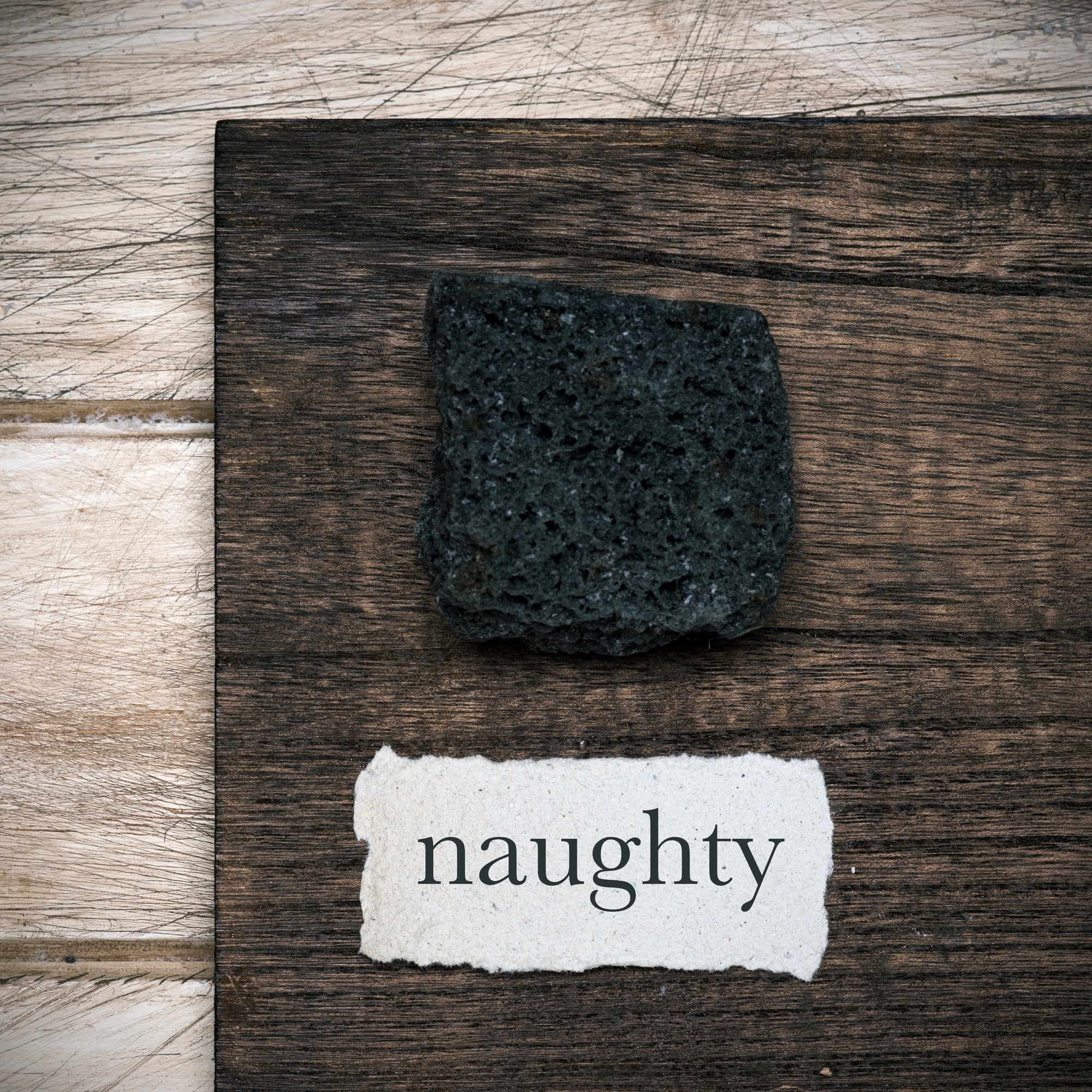
Parents might tell children not to be naughty, meaning misbehaved or disobedient. But the original “naughty” would apply better to someone struggling financially.
It came from “naught” (nothing) and initially meant “having nothing” or “poor.” It later shifted to mean “morally bad or wicked” before softening to its current meaning.
The word has steadily decreased in severity over time – what once described serious moral failings now often refers to minor mischief.
Like Go2Tutors’s content? Follow us on MSN.
Bully
Call someone a bully today, and you’re accusing them of harassing or intimidating others. But in the century, “bully” was a term of endearment similar to “darling” or “beloved.”
Shakespeare used it positively in Henry V. The Dutch word “boel,” meaning “lover,” is a likely origin.
By the century, it shifted to mean “fine fellow,” then “blusterer,” before finally landing on its current negative meaning. That’s quite a fall from an affectionate nickname to playground villain.
Fathom
We might “fathom” a difficult concept today, meaning we understand it. But originally, to “fathom” was to embrace something with your arms.
The word evolved from an old measurement – a fathom (about six feet) was the distance from fingertip to fingertip when your arms are outstretched. From physical measurement, it became metaphorical – to “get your arms around” a concept meant understanding it thoroughly.
Unlike many words that changed randomly, this shift makes perfect metaphorical sense.
Gay
Few words have changed meaning so dramatically in recent memory as “gay.” For centuries, it meant “carefree,” “bright,” or “cheerful.”
F. Scott Fitzgerald’s gay parties in The Great Gatsby had nothing to do with sexuality. By the mid-century, the word had become associated with homosexuality, first as coded slang within LGBTQ+ communities, then openly in wider usage.
By the s, the original meaning had been almost entirely replaced, making older uses in literature sometimes jarring to modern readers.
Like Go2Tutors’s content? Follow us on MSN.
Egregious
If someone makes an egregious error today, they’ve done something remarkably bad. But flip this word inside out, and you’ll find its original meaning – remarkably good.
“Egregious” comes from Latin “egregius” meaning “distinguished” or “eminent,” literally “standing out from the flock.” Something egregious was once exceptional in a positive way.
This complete reversal of meaning – from very good to very bad – shows how dramatically words can transform, sometimes landing on meanings opposite to their origins.
Prestigious
Having prestige is desirable in modern times, but “prestigious” originally described something involving trickery or illusion. It’s related to “prestidigitation” (sleight of hand) and comes from the Latin “praestigiae” meaning “juggler’s tricks.”
When a magician performed “prestigious” feats, they were using deception to create illusions. Over time, the word lost its connection to trickery and retained only the sense of something impressive or admirable.
The skepticism vanished, leaving only the wonder.
Words Never Rest
Language shifts like sand beneath our feet. The meanings we take for granted today may have been unintelligible to speakers a few centuries ago, and words continue to evolve around us.
Some changes happen slowly over centuries, while others (like “gay”) transform within a generation. These shifts aren’t random – they reflect changing cultural values, technological developments, and how communities adapt language to their needs.
What ordinary words are changing meaning right now, perhaps beneath our notice? In another century, readers might marvel at how differently we use terms they think they know.
The only certainty in language is change itself.
Like Go2Tutors’s content? Follow us on MSN.
More from Go2Tutors!

- 18 Unexpectedly Valuable Collectibles You Might Have Lying Around
- 20 Little-Known Historical Battles That Had Huge Consequences
- 20 Historical Artifacts That Scientists Can’t Explain
- 15 Inventions That Were Immediately Banned After Being Created
- 20 Actors Who Were Almost Cast in Iconic Roles
Like Go2Tutors’s content? Follow us on MSN.