18 Sea Battles That Changed the Course of Entire Wars
Throughout history, naval confrontations have often played decisive roles in determining the outcomes of major conflicts. While land battles typically receive more attention in historical accounts, it’s often the clashes at sea that truly alter the trajectory of wars. These maritime engagements frequently determine which nations control vital supply routes, maintain military superiority, or possess the economic means to continue fighting.
Here is a list of 18 sea battles that dramatically changed the course of entire wars, reshaping history through the courage, strategy, and sometimes sheer luck of those who fought upon the waves.
Battle of Salamis (480 BCE)

The numerically superior Persian fleet attacked the allied Greek navy in the narrow strait between Salamis and the mainland. Led by Themistocles, the Greeks lured the Persians into confined waters where their greater numbers became a disadvantage.
This Greek victory prevented Persian domination of the Mediterranean and saved Athens’ nascent democracy, allowing Greek civilization to flourish and ultimately shape Western culture and philosophy.
Battle of Actium (31 BCE)

Octavian’s smaller, more maneuverable fleet, commanded by Agrippa, outmaneuvered the forces of Mark Antony and Cleopatra near Actium. The victory ended the Roman Republic and enabled Octavian to become Augustus, the first Roman Emperor—ushering in an empire that would influence Europe for centuries.
Battle of the Red Cliffs (208 CE)

On China’s Yangtze River, the allied forces of Liu Bei and Sun Quan used fire ships to defeat Cao Cao’s chained fleet. This victory prevented the unification of China under Cao Cao and led to the Three Kingdoms period, a critical era in Chinese cultural memory.
Battle of Lepanto (1571)

The Holy League’s outnumbered fleet defeated the Ottomans off the coast of Greece, halting Ottoman expansion into Western Europe. This last great battle of rowing ships preserved European autonomy at a critical moment.
Spanish Armada (1588)

England’s nimble fleet and strategic use of fireships disrupted Spain’s larger Armada in the English Channel. Combined with destructive storms, this victory prevented Spanish invasion, strengthened Protestant rule under Elizabeth I, and heralded British maritime dominance.
Battle of the Chesapeake (1781)
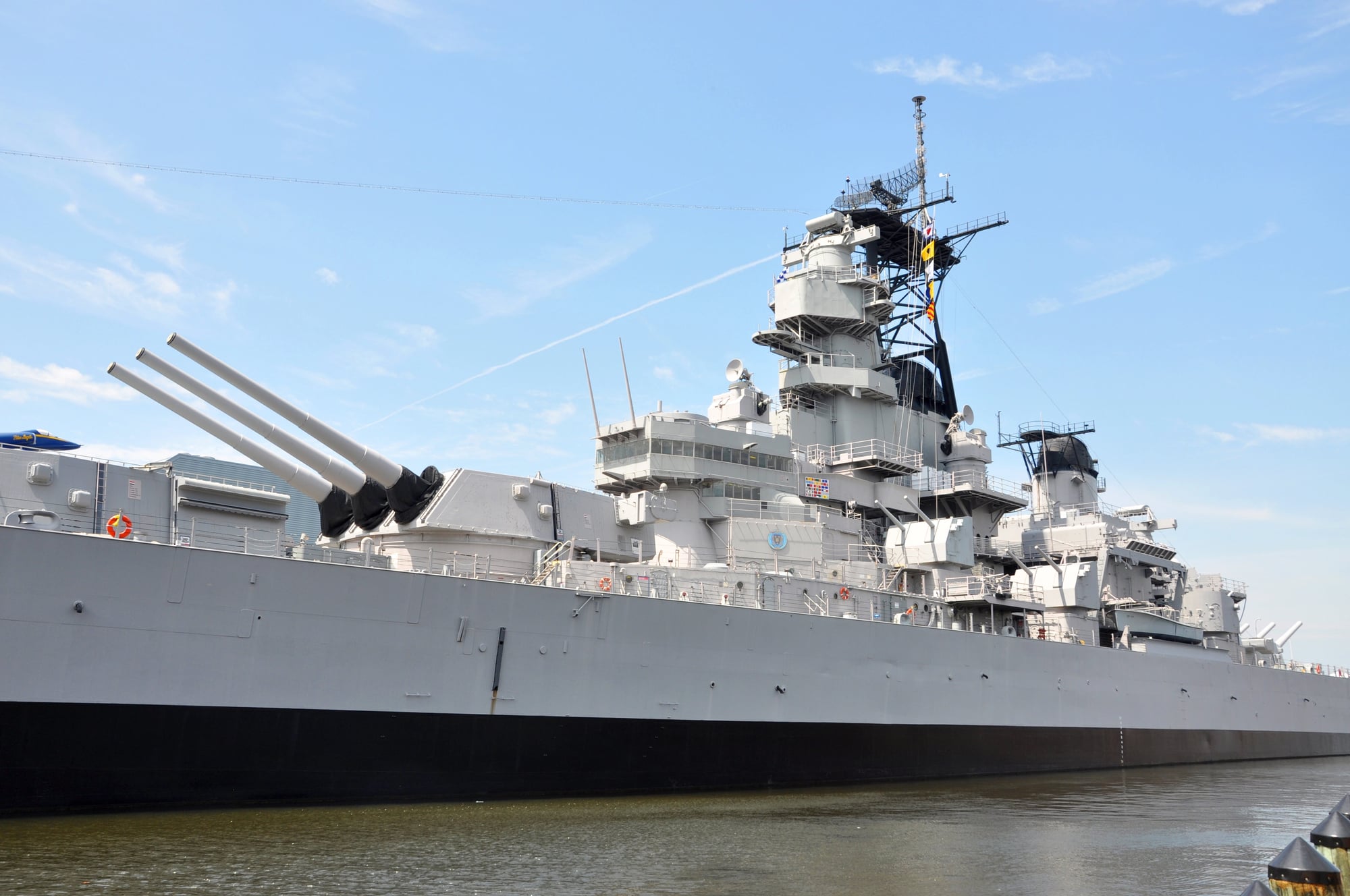
French Admiral de Grasse’s fleet trapped the British forces at Yorktown, leading directly to the end of major fighting in the American Revolution. This small but strategic naval action was crucial to securing American independence.
Battle of Trafalgar (1805)

Admiral Nelson’s bold tactics shattered the combined French and Spanish fleets off Spain’s coast without losing a single British ship. The victory ensured British naval supremacy and foiled Napoleon’s plans to invade Britain.
Battle of Lake Erie (1813)
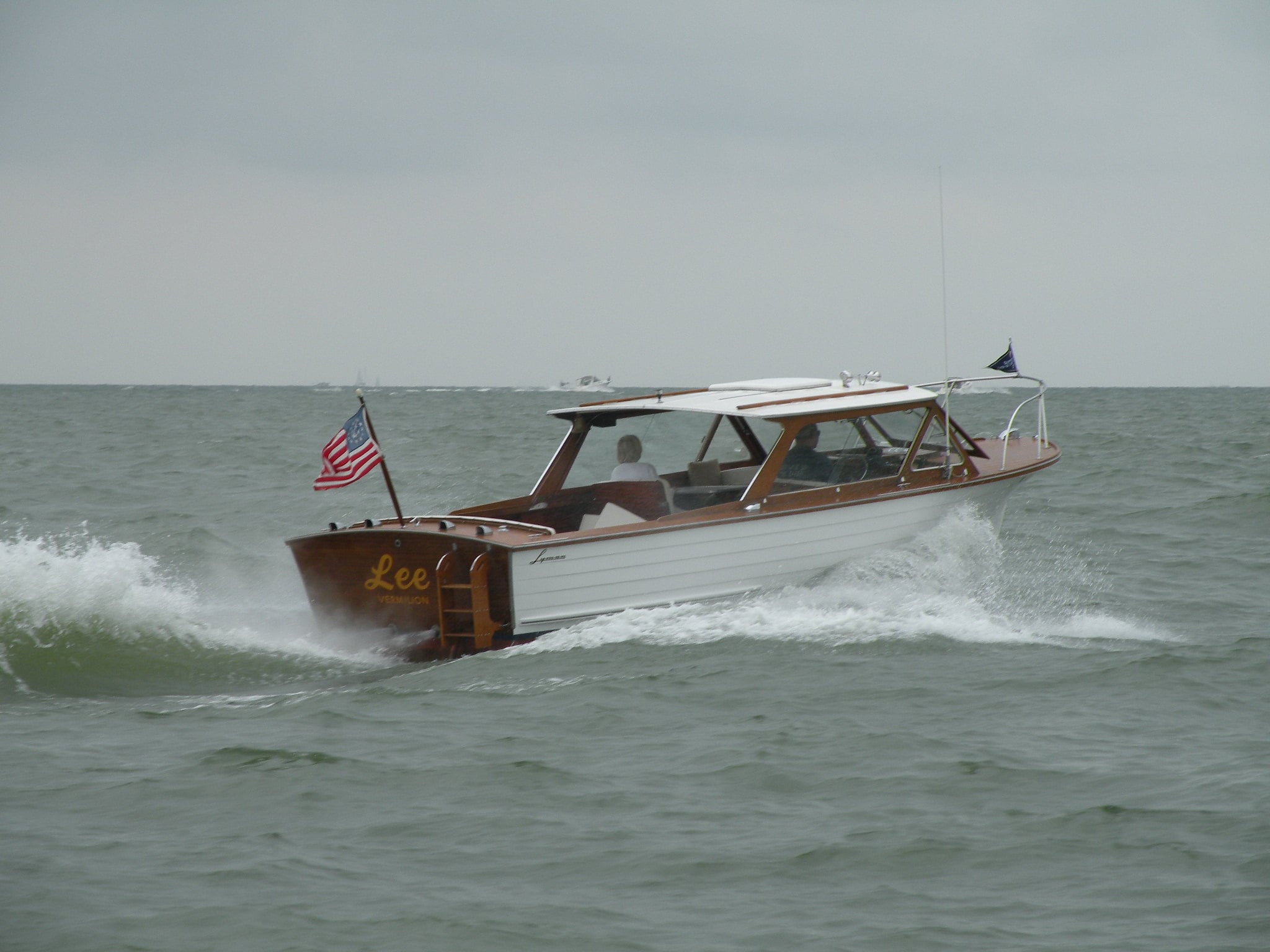
During the War of 1812, American Commodore Oliver Hazard Perry’s victory secured control of the lake, forcing British forces to retreat and bolstering American leverage in peace negotiations.
Battle of Mobile Bay (1864)

Union Admiral David Farragut’s daring assault through Confederate defenses closed a vital Southern port, tightening the Union blockade and hastening the Confederacy’s defeat.
Battle of Manila Bay (1898)

Commodore George Dewey’s unopposed destruction of the Spanish fleet catapulted the United States into imperial status, with control of the Philippines marking a major expansion of American power into the Pacific.
Battle of Tsushima (1905)
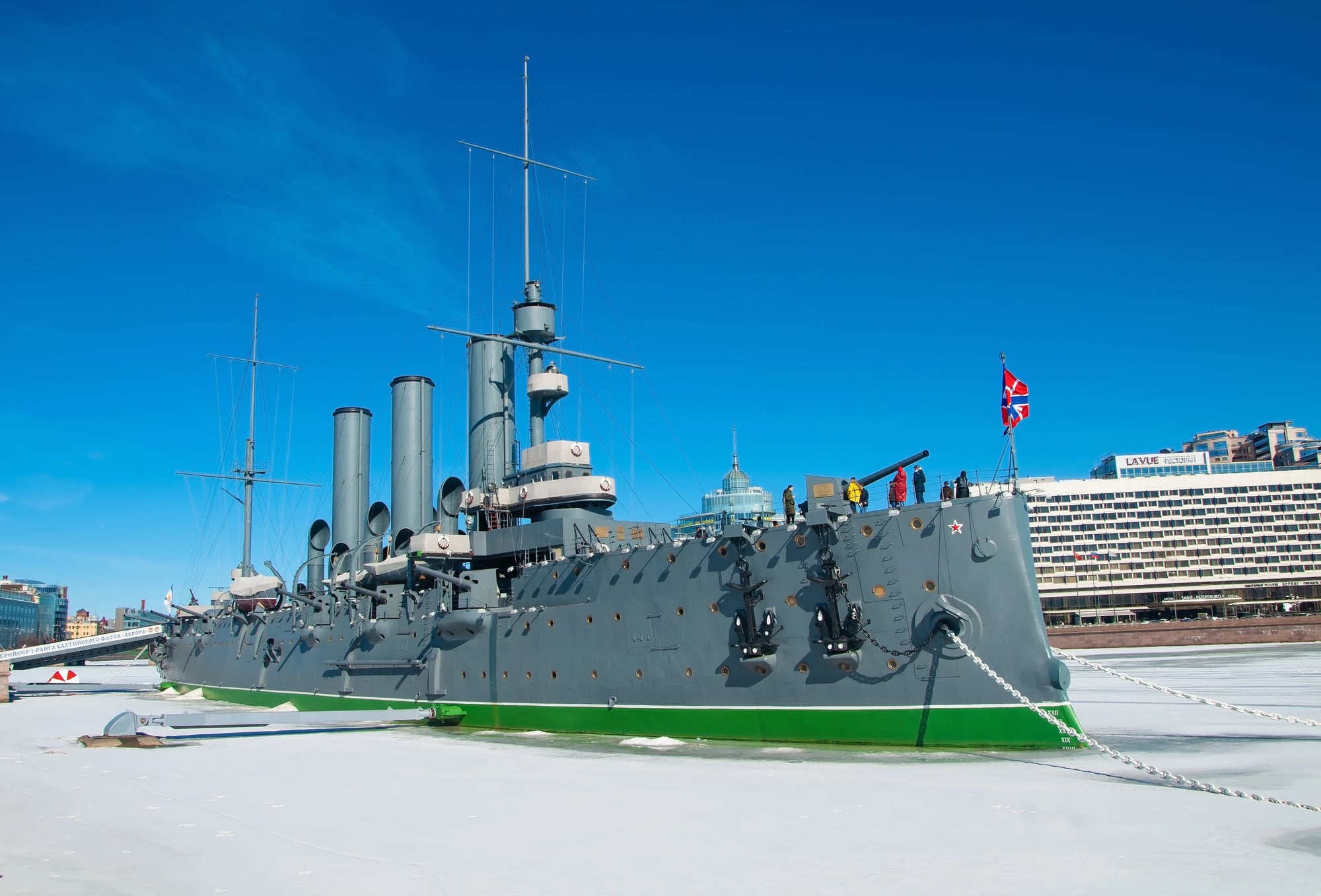
Japanese Admiral Togo decisively destroyed the Russian Baltic Fleet, demonstrating Japan’s arrival as a modern military power and shifting global perceptions about Asian nations.
Battle of Jutland (1916)
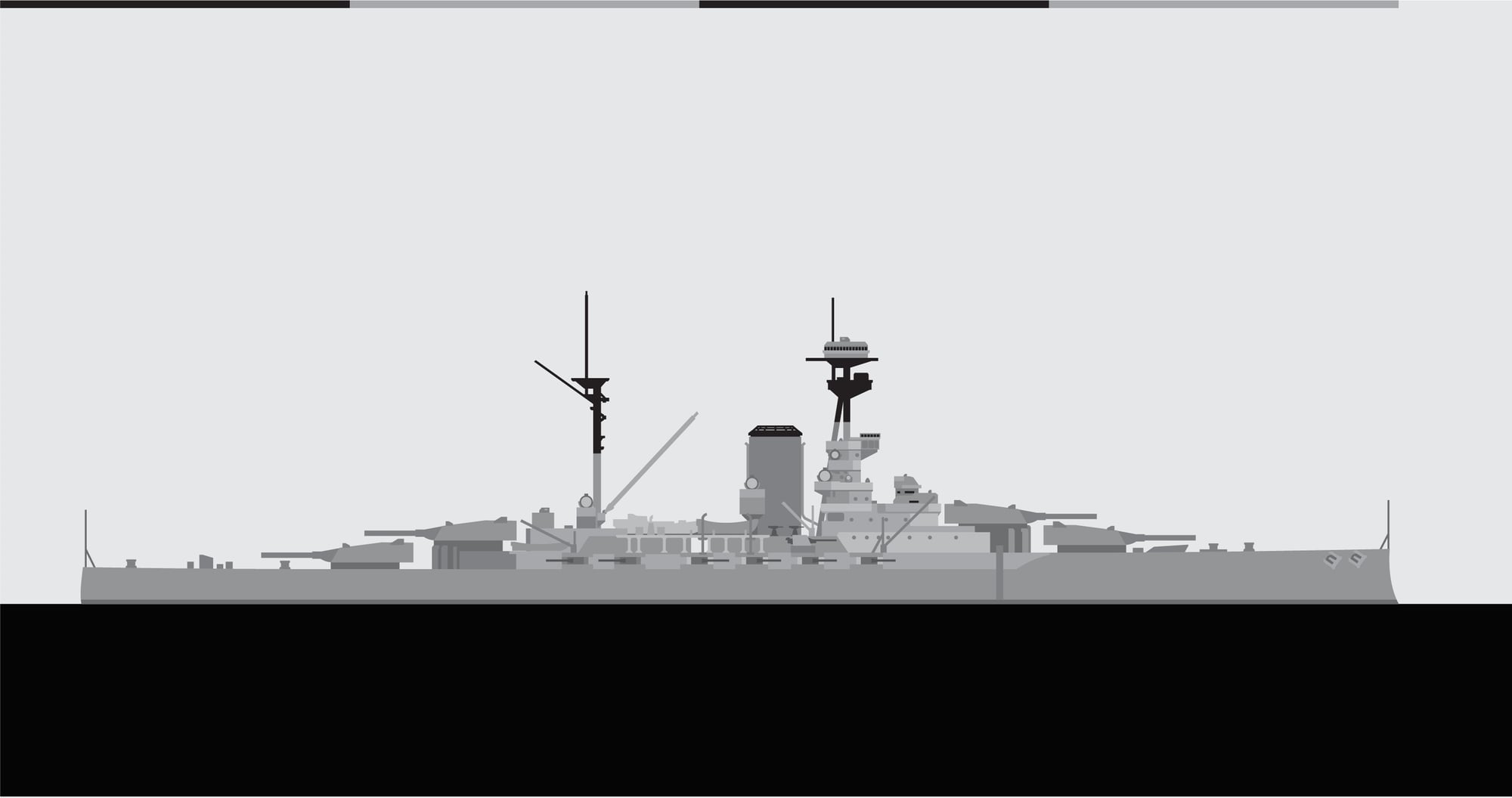
The largest naval clash of World War I was tactically inconclusive but strategically vital: Britain retained control of the North Sea, enforcing a crippling blockade on Germany that contributed to its eventual defeat.
Battle of Midway (1942)
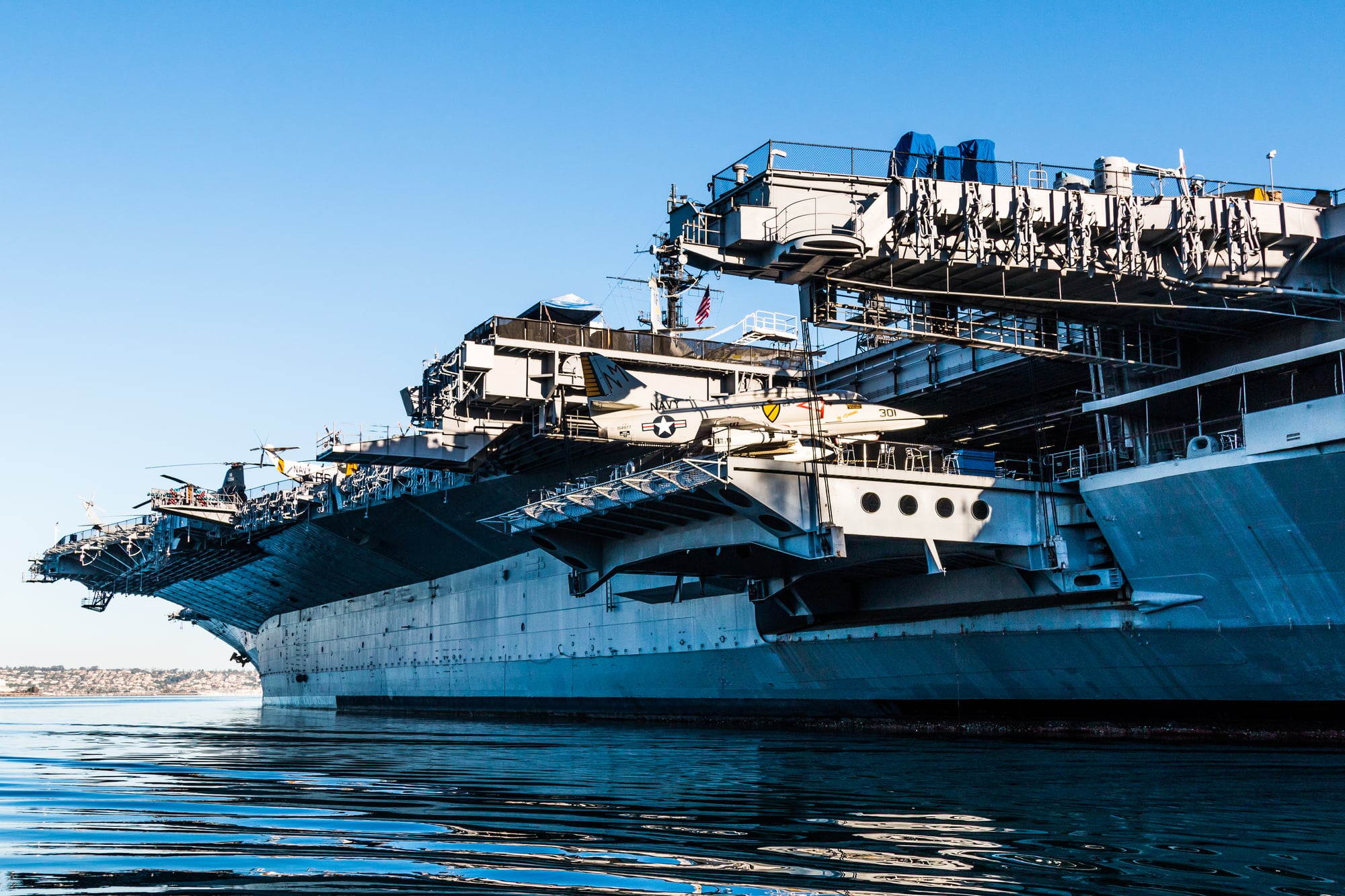
Six months after Pearl Harbor, U.S. forces ambushed and sank four Japanese carriers, halting Japanese expansion in the Pacific and turning the tide of World War II in favor of the Allies.
Battle of the Atlantic (1939–1945)

This prolonged struggle between Allied shipping and German U-boats ensured Britain’s survival and the ultimate success of the D-Day invasion. Improved convoy tactics and technology finally overcame the U-boat threat.
Battle of Leyte Gulf (1944)

The largest naval battle in history secured American control over the Philippines and destroyed Japan’s ability to conduct major naval operations, hastening the end of World War II in the Pacific.
Battle of the Coral Sea (1942)
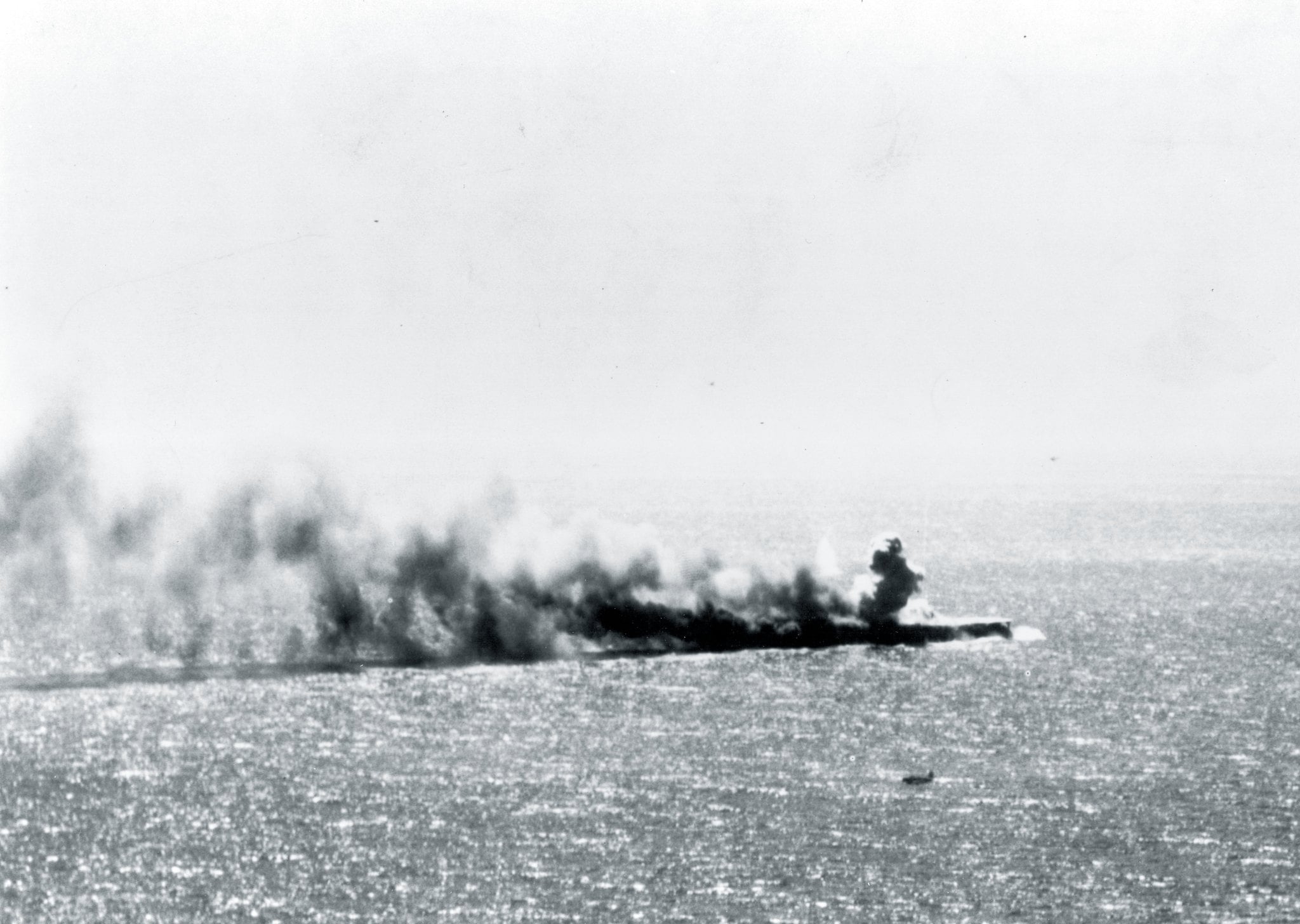
The first carrier-versus-carrier battle in history prevented Japanese conquest of Port Moresby, maintaining vital Allied lines to Australia and altering Japanese strategic plans.
Cuban Missile Crisis Naval Blockade (1962)
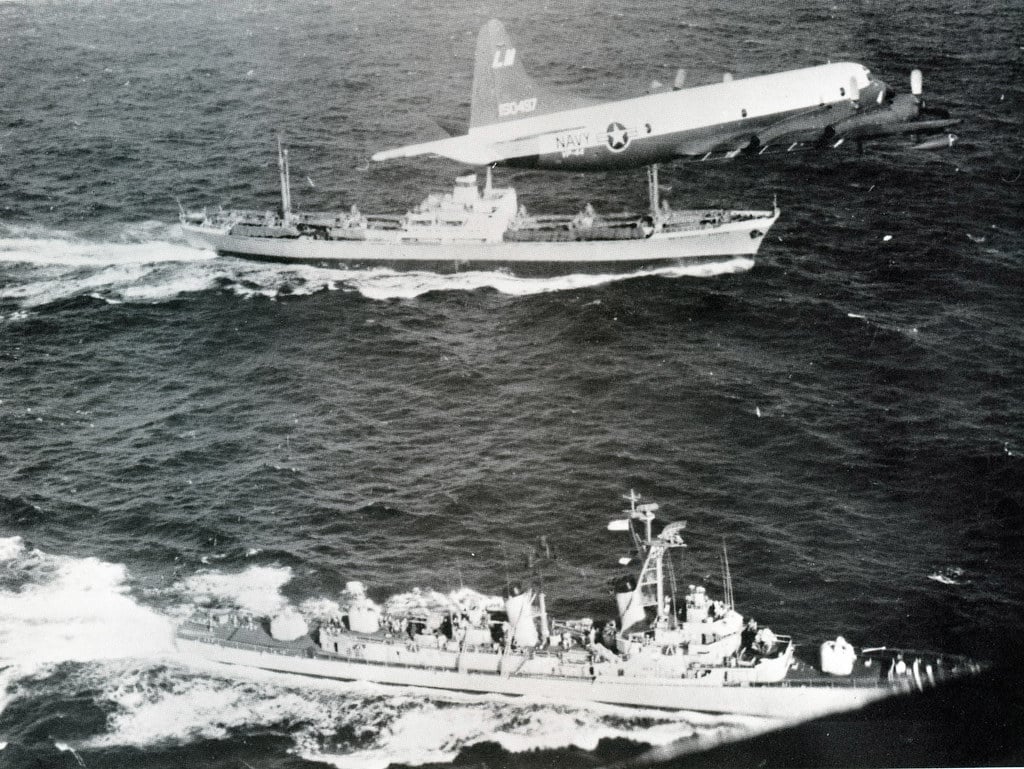
Though no shots were fired, the U.S. Navy’s blockade of Cuba during the missile crisis prevented Soviet ships from delivering nuclear missiles. This tense “battle of nerves” averted direct nuclear confrontation.
Battle of Dong Hoi (1972)

The final surface battle involving American forces in the Vietnam War showcased the rise of missile boats and marked a shift in naval strategy toward missile-based warfare.
Maritime Turning Points Through History

These eighteen battles illustrate how control of the seas often determines the fate of nations. From ancient rowing vessels to modern aircraft carriers, naval supremacy has consistently proven decisive in major conflicts.
What makes these engagements particularly significant is how their outcomes rippled far beyond the immediate military situation, altering trade routes, colonial possessions, and national boundaries in ways that reshaped the world map. As technology continues evolving, naval power remains as crucial today as when Themistocles outmaneuvered the Persians at Salamis nearly 2,500 years ago.
More from Go2Tutors!

- The Romanov Crown Jewels and Their Tragic Fate
- 13 Historical Mysteries That Science Still Can’t Solve
- Famous Hoaxes That Fooled the World for Years
- 15 Child Stars with Tragic Adult Lives
- 16 Famous Jewelry Pieces in History
Like Go2Tutors’s content? Follow us on MSN.