18 Thermal Springs Sacred to Ancient Cultures
Hot springs have fascinated people since the dawn of civilization, with cultures around the world attributing divine powers to these naturally heated waters. Ancient peoples saw these bubbling, steaming pools as gateways between the earthly and spiritual realms, believing that gods and spirits blessed the waters with healing properties. From Roman bath complexes to Native American ceremonial sites, thermal springs became focal points for religious rituals, medical treatments, and community gatherings.
These sacred waters weren’t just about relaxation—they represented something much deeper in the human psyche. Here is a list of 18 thermal springs that held profound spiritual significance for ancient cultures across the globe.
Bath, England

The Romans built an elaborate temple complex around these hot springs, dedicating them to the goddess Sulis Minerva, a fusion of Celtic and Roman deities. The thermal waters naturally maintain a temperature of 115°F, and ancient visitors would throw cursed tablets into the sacred pool, asking the goddess to punish their enemies.
Archaeological excavations have revealed thousands of these lead tablets, providing a fascinating glimpse into ancient grudges and grievances.
Hierapolis, Turkey

This ancient city was built entirely around its thermal springs, which the Greeks and Romans believed could cure everything from arthritis to eye diseases. The white travertine terraces created by mineral deposits made the site look otherworldly, earning it the name ‘Holy City.’
Visitors would bathe in the sacred pools and then visit the nearby Plutonium, a cave that emitted poisonous gases believed to be the entrance to the underworld.
Yellowstone’s Mammoth Hot Springs, USA

Long before European explorers set eyes on them, the Crow, Shoshone, and Bannock tribes saw these steaming limestone terraces as sacred ground. The springs were believed to be a place where the spirit world touched the earth.
Tribal members came here for vision quests, healing ceremonies, and spiritual guidance. The ever-changing terraces, shaped by mineral deposits over time, were seen as signs of powerful forces beyond the physical world.
Banff Hot Springs, Canada

To the Stoney Nakoda people, these mountain springs weren’t just warm pools—they were sacred healing waters. Known as Minihapa, or ‘the waters,’ the springs drew warriors from far and wide who believed the baths could heal wounds and restore spiritual balance.
The site was also a peaceful meeting place, where rival tribes could set aside conflict to trade, heal, and take part in shared rituals.
Kusatsu Onsen, Japan
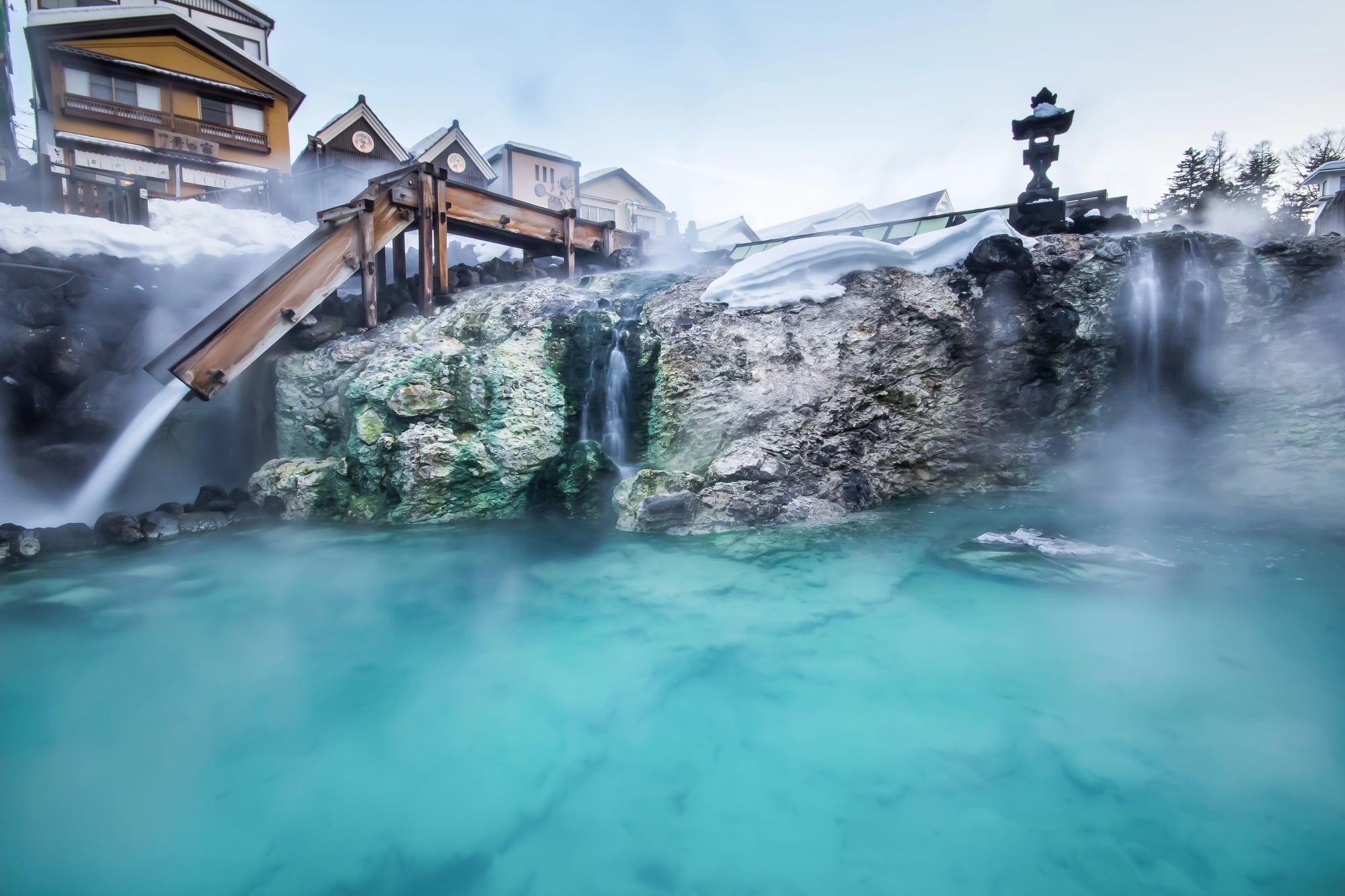
This volcanic hot spring town has been revered in Japanese culture for over 1,000 years, with Buddhist monks establishing temples nearby to harness the waters’ spiritual power. The extremely hot waters, reaching temperatures of 140°F, were believed to purify both body and soul, washing away sins and bad karma.
Traditional Japanese folklore tells of demons and spirits living in the thermal pools, making offerings essential before bathing.
Hamam-e Ali, Iran
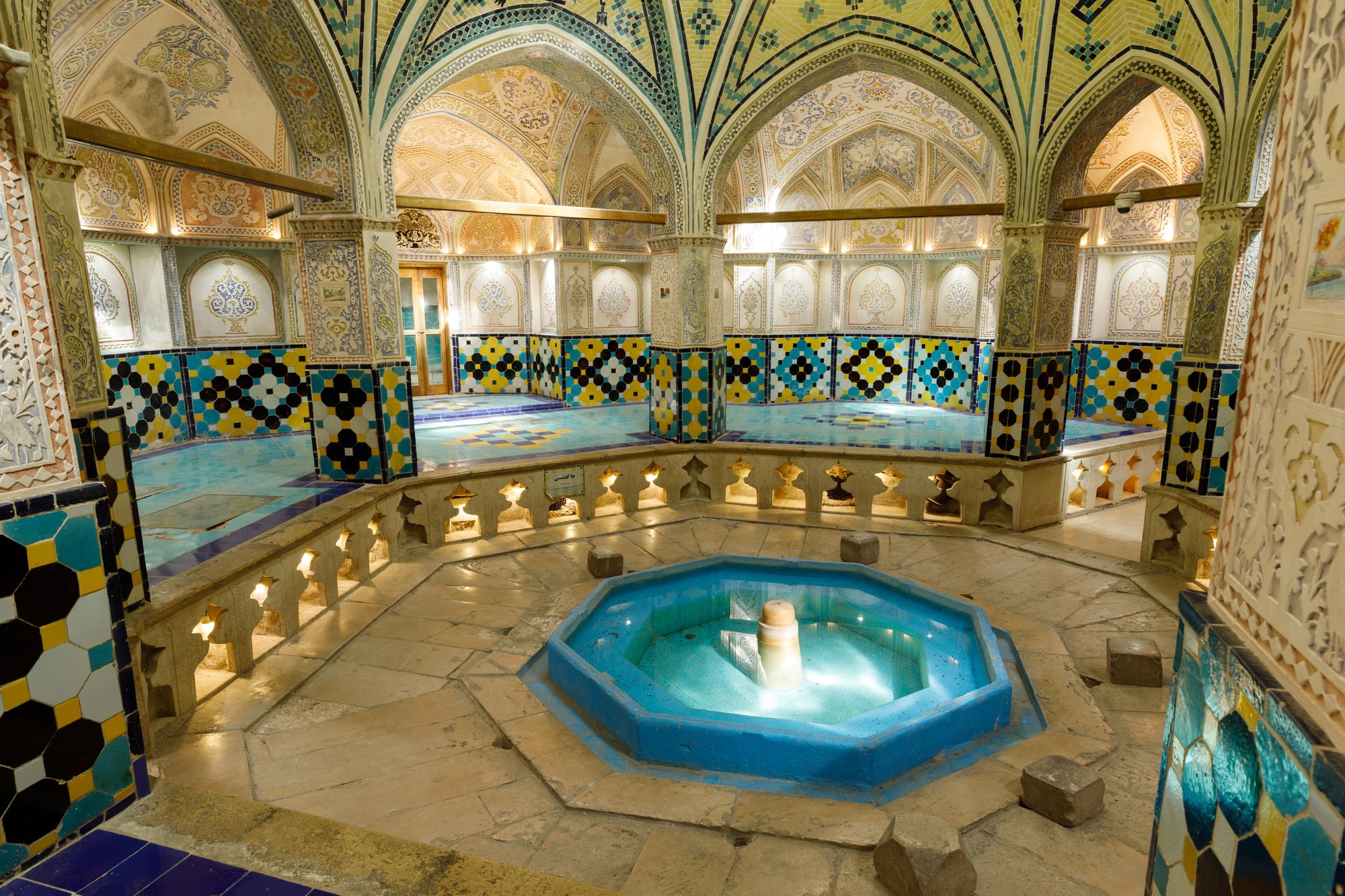
Ancient Persians built elaborate bathhouses around these natural hot springs, believing the waters were blessed by Ahura Mazda, the supreme deity of Zoroastrianism. The thermal springs were thought to represent the eternal flame of divine wisdom, and fire priests would conduct purification ceremonies in the steam-filled chambers.
Persian nobility would travel hundreds of miles to bathe in these sacred waters before important religious festivals.
Karlovy Vary, Czech Republic

Medieval European legends told of healing saints appearing at these thermal springs, leading to the establishment of numerous chapels and healing centers. The Holy Roman Emperor Charles IV claimed divine visions guided him to discover the springs while hunting, and he ordered the construction of a spa town around the sacred waters.
Pilgrims would drink the mineral-rich water as a form of communion, believing it contained miraculous healing properties.
Rotorua, New Zealand

The Māori people have considered this geothermal region sacred for over 700 years, believing it was created when their ancestors’ tears fell to earth. The bubbling mud pools and steam vents were seen as evidence of ancestral spirits still active beneath the ground, and tribal elders would conduct important ceremonies near the thermal features.
Traditional Māori healing practices incorporated the mineral-rich waters for treating skin conditions and joint pain.
Pamukkale, Turkey

Ancient Phrygians worshipped at these brilliant white travertine pools long before the Greeks arrived, believing the terraced formations were created by titans frozen in stone. The thermal waters were thought to grant eternal youth and beauty, attracting pilgrims from across the ancient Mediterranean world.
Local legends claimed that anyone who bathed in all the pools during a full moon would be blessed with immortal life.
Hot Springs, Arkansas
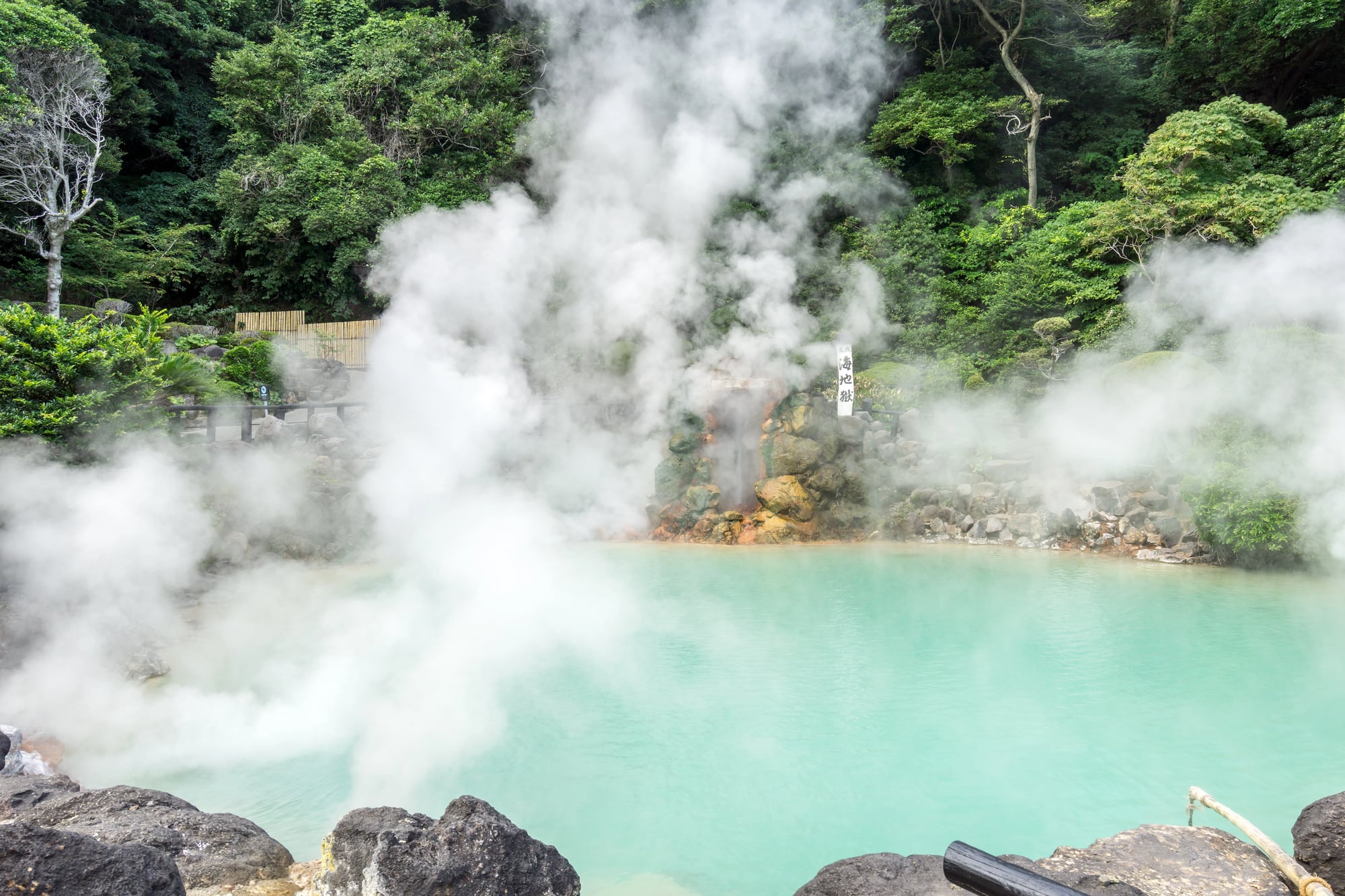
Native American tribes including the Quapaw and Caddo established permanent settlements around these thermal springs, considering them neutral ground where warfare was forbidden. The naturally heated waters were believed to be tears of the Great Spirit, shed to heal the suffering of all people regardless of tribal affiliation.
European explorers found elaborate stone arrangements and ceremonial sites surrounding the springs, evidence of centuries of spiritual activity.
Saturnia, Italy
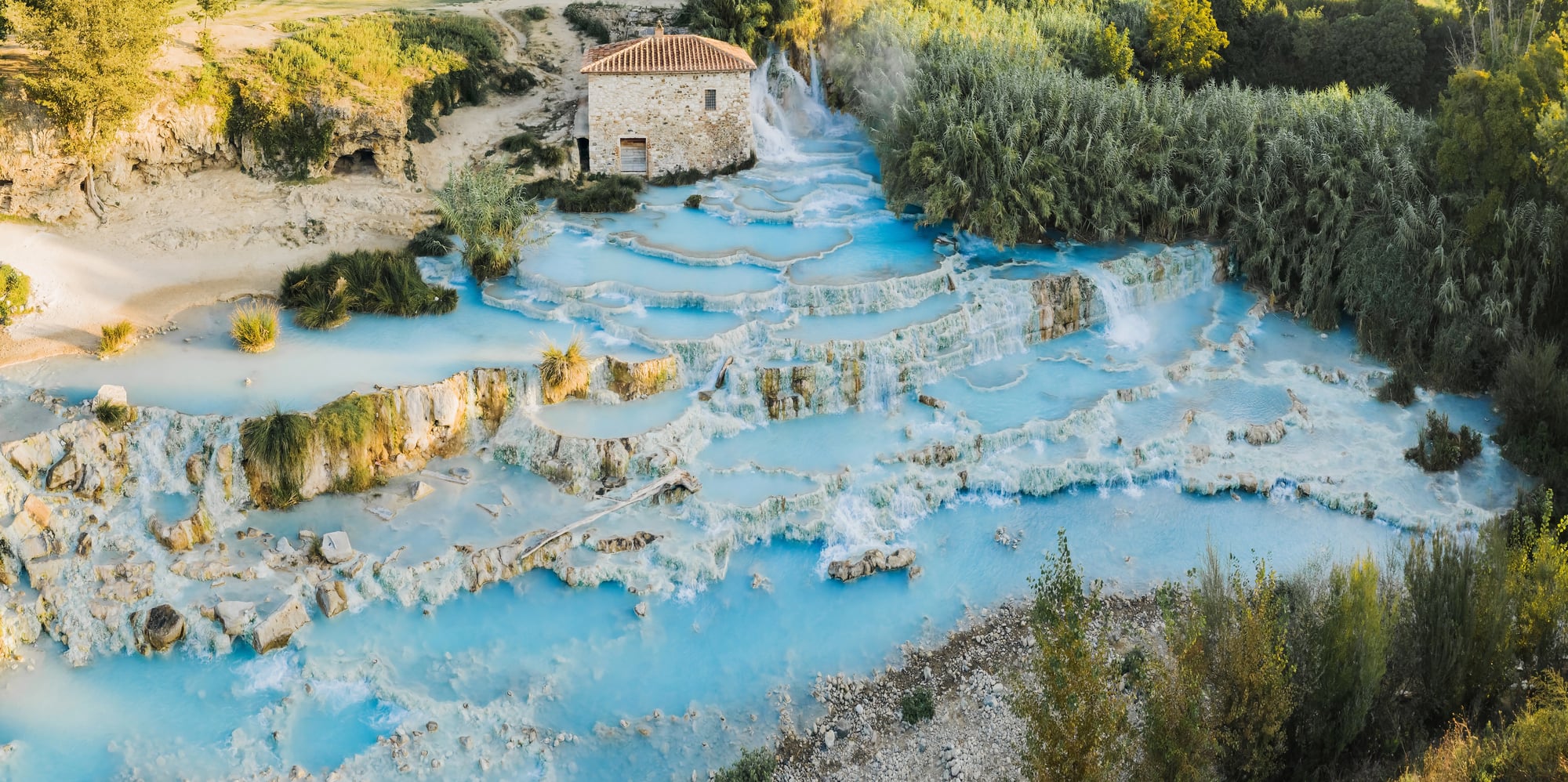
Etruscan civilization flourished around these sulfur-rich hot springs, building temples dedicated to Saturn, the god of agriculture and time. Roman poets wrote of the pools’ ability to restore youth and grant prophetic visions, making them a destination for soothsayers and oracles.
The cascading pools carved into travertine rock were seen as a natural amphitheater where gods could communicate with mortals.
Deildartunguhver, Iceland

Norse settlers believed these powerful geothermal springs were heated by the breath of dragons sleeping beneath the earth. The incredible flow rate of 40 gallons per second at 200°F made the springs seem supernaturally powerful, and Viking chieftains would hold important ceremonies nearby.
Icelandic sagas describe warriors bathing in the thermal pools before battle to gain the strength and courage of the mythical beasts below.
Guelma, Algeria

Roman colonists built elaborate bath complexes around these thermal springs, dedicating them to various healing deities including Aesculapius and Hygieia. The naturally carbonated waters were believed to have divine origins, bubbling up from the realm of the gods to heal mortal ailments.
Local Berber tribes had already established the springs as sacred sites long before Roman arrival, conducting purification rituals that Romans later incorporated into their own practices.
Tengchong, China

Ancient Chinese emperors claimed these volcanic hot springs were heated by dragons living beneath the mountains, making them symbols of imperial power and divine mandate. Taoist monks established monasteries nearby, using the thermal waters in meditation practices and alchemical experiments.
The springs were thought to contain the essence of yin and yang in perfect balance, making them ideal for achieving spiritual harmony.
Chaudes-Aigues, France

Medieval pilgrims traveling the Camino de Santiago would detour to these thermal springs, believing the waters could wash away sins accumulated during their journey. Local folklore claimed that Saint Flour blessed the springs with healing powers, and a chapel was built directly over one of the thermal pools.
The town’s name literally means ‘hot waters,’ reflecting the central role these springs played in regional religious life.
Bagni di Lucca, Italy

Renaissance nobles and church officials flocked to these thermal springs, believing the waters could extend life and enhance spiritual enlightenment. The Medici family built elaborate villas around the springs, hosting religious retreats where wealthy patrons could combine luxury with spiritual purification.
Local legends spoke of Roman gods still dwelling in the thermal pools, requiring proper offerings before bathing.
Therma, Greece
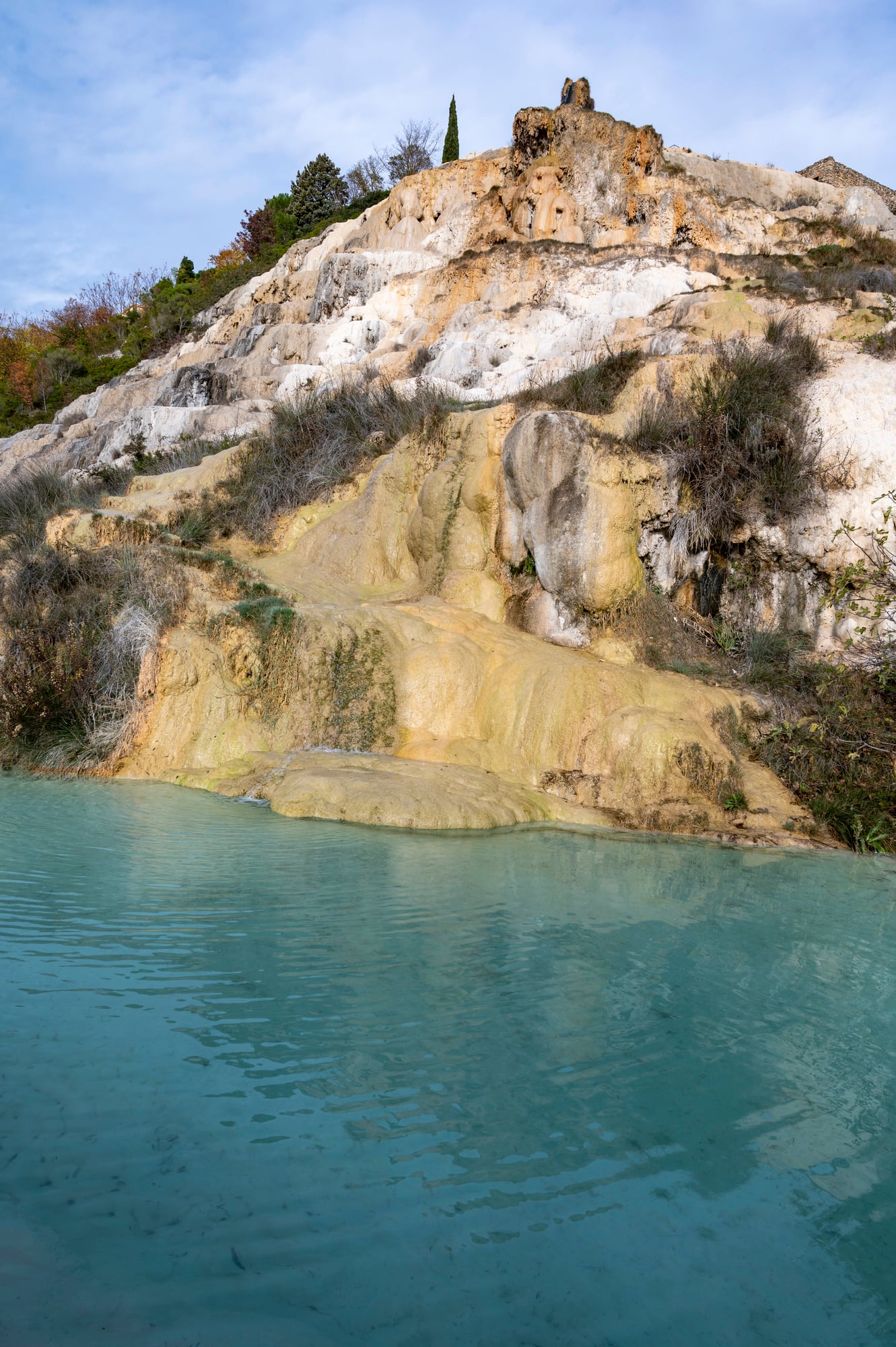
Ancient Greeks established one of their earliest healing sanctuaries at these thermal springs on the island of Samothraki, dedicating them to the Kabeirian mysteries. Initiates into these secret religious rites would bathe in the sacred pools as part of purification ceremonies that promised protection at sea.
The springs were considered so sacred that only those properly initiated into the mysteries were allowed to enter the thermal pools.
Las Trincheras, Venezuela

Pre-Columbian indigenous peoples built stone channels and pools to direct the flow of these thermal springs, creating elaborate ceremonial bathing areas. Spanish conquistadors found evidence of continuous habitation around the springs spanning hundreds of years, with multiple generations viewing the site as sacred.
The thermal waters were believed to be heated by the breath of ancestral spirits living beneath the earth, making them a powerful connection to the afterlife.
Where Ancient Waters Still Flow

These sacred thermal springs remind us that our ancestors understood something profound about the intersection of physical and spiritual wellness long before modern science explained the geological forces at work. While we now know that underground heat sources and mineral deposits create these natural phenomena, the sense of wonder and reverence they inspire remains unchanged across cultures and centuries.
The ancient belief that certain places on earth hold special power continues to draw millions of visitors to these thermal sites, proving that some human experiences transcend scientific explanation and touch something deeper in our collective consciousness.
More from Go2Tutors!

- The Romanov Crown Jewels and Their Tragic Fate
- 13 Historical Mysteries That Science Still Can’t Solve
- Famous Hoaxes That Fooled the World for Years
- 15 Child Stars with Tragic Adult Lives
- 16 Famous Jewelry Pieces in History
Like Go2Tutors’s content? Follow us on MSN.