20 Professions That Consistently Rank Lowest in Public Trust Surveys
Trust from the public matters more than most realize. Shaping everything from daily interactions to rules that govern entire fields, it quietly steers progress.
Year on year, certain jobs climb higher in approval, while some can’t escape shadows cast long ago.
Now take a peek at which careers consistently show up as least trusted, yet again failing to earn public approval. What keeps turning people off becomes clearer when you notice patterns across recent polls.
These roles often face skepticism regardless of individual effort. Trust stays low even during times of high demand.
Perception shifts slowly, if it moves at all. Familiarity does not always breed confidence in these cases.
Each survey cycle repeats the same outcome. Reasons vary but common threads appear upon closer inspection.
Public doubt lingers despite attempts to improve image.
Car Salespeople

Car salesfolk? They’ve long battled a tough label. Pushy approaches, sneaky clauses, extra charges – shoppers face these too often.
That history drags down even the fair dealers. Public faith stays low, no matter how some try.
Reputation sticks, whether earned or not.
Members Of Congress

Trust in Congress has slipped away, bit by bit, over many years. Stuck in stalemates, pulled apart by party loyalty, it feels like elected leaders answer more to big checks than everyday voices.
People see through the noise – approval numbers barely climb past ten or twenty percent. That kind of number speaks louder than speeches ever could.
Lobbyists

Working quietly out of public view, lobbyists shape laws for businesses and organized interests. Seen by many as cash trading hands for power, the job carries heavy distrust.
Hidden processes only add to the skepticism around their actions.
Telemarketers

A meal at home feels interrupted when the phone rings unexpectedly. Pushy voices on the line often mean someone is selling something nobody asked for.
Scam callers make things worse, turning ordinary calls into moments of suspicion. Real companies doing outreach get caught in that distrust too.
Bad behavior from a few drowns out everyone else trying to reach people by phone.
Advertising Executives

Selling stuff through messages is what ad folks do, yet most people eye them sideways. These campaigns aim to sway you, not tell facts – that truth alone breeds doubt.
Lately, sketchy web promotions have poured salt on the wound.
Lawyers

Bottom of the list is where legal folks usually land when people rank who they trust – strange, given how badly courts need them. Helping those who hire them isn’t always seen as the main goal; tracking time seems louder than fixing problems.
Practically everyone cracks lawyer jokes by now – like it’s part of the national pastime – and that kind of habit doesn’t come from nowhere.
Business Executives

Top bosses in big businesses usually do not get much trust from people. Big salaries, firing workers, yet chasing profits – these paint leaders as caring mostly about themselves.
Mistakes made by a firm? The chief officer ends up holding the blame. A single misstep climbs straight to the name on the door.
Stockbrokers

Money moves through stockbrokers, drawing eyes every time. Crashes before today, secret deals exposed, then the collapse in 2008 – each carved deeper doubt into trust.
Still, when names of big firms come up, minds jump to hunger, not help. Rules seem softer there, somehow, shaped by those who profit most.
Real Estate Agents

Home buying and selling often involves real estate agents. Yet feedback suggests some clients doubt the clarity of guidance they receive.
Because pay depends on closing deals, agents might favor speed over top value for customers. Efforts to fix these issues exist.
Still, confidence in the field wobbles.
Journalists

This one has shifted significantly in recent years. Trust in journalists has dropped sharply as media outlets have become more partisan and social media has blurred the line between news and opinion.
People now often question whether reporters are informing them or pushing a particular viewpoint.
Local Politicians
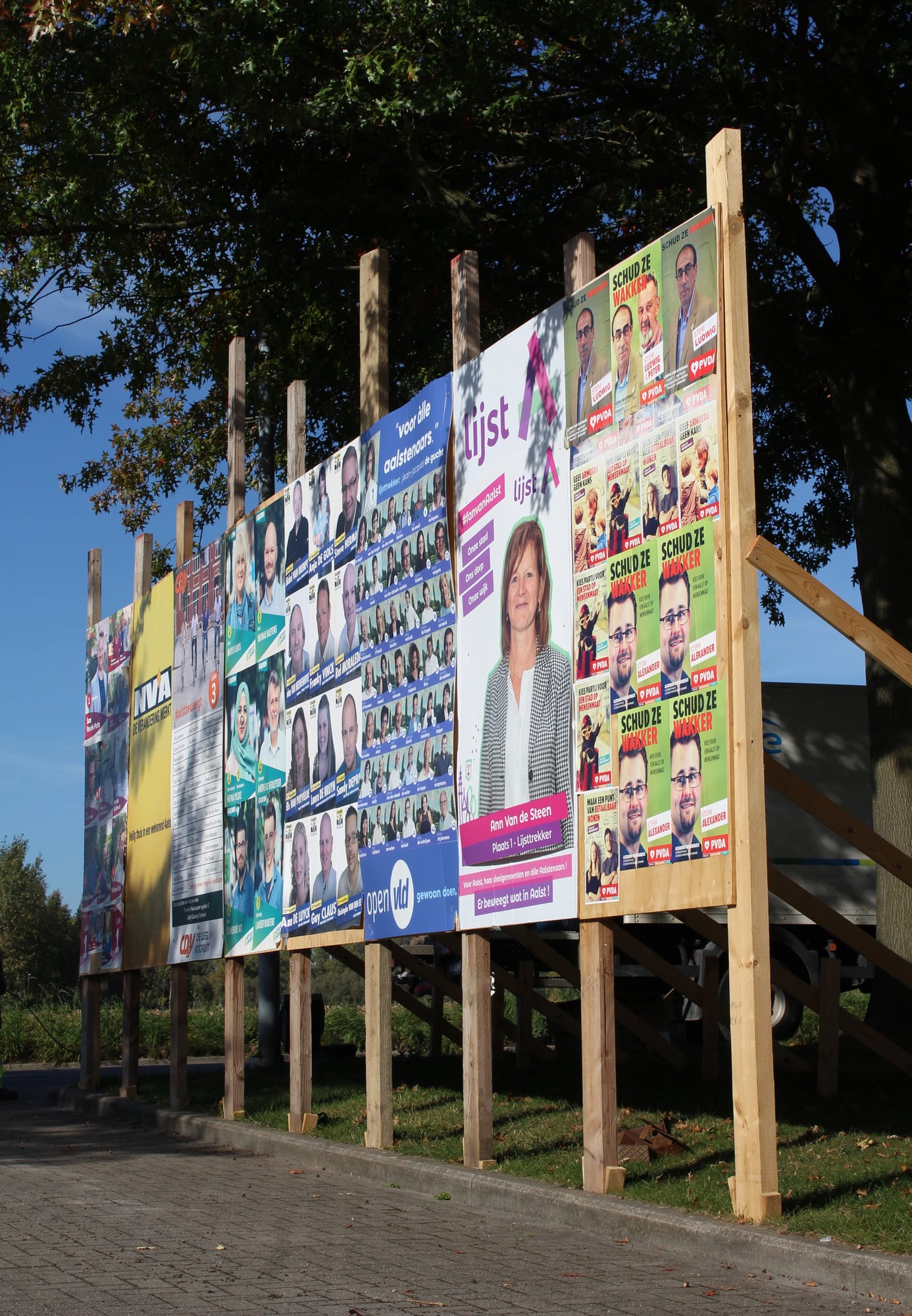
Local politicians sit at a different level than Congress but still rank poorly in public trust surveys. Zoning controversies, local corruption cases, and the feeling that city or county officials are disconnected from everyday residents all contribute.
Many people interact more with local government than federal, so the disappointment feels more personal.
Insurance Agents

Insurance agents sell policies that people hope never to use, which already creates an odd relationship. Complaints about denied claims, confusing policy language, and upselling tactics have damaged the profession’s reputation over time.
When someone needs their insurance most and gets pushback, that experience sticks.
Bankers

Banks hold people’s money and, by extension, a lot of personal information and financial power. The 2008 financial crisis, bank fees, and the perception that big banks favor corporations over regular customers have kept trust levels low.
Many people feel like banks profit from them more than they protect them.
Pharmaceutical Representatives

Pharmaceutical reps promote medications to doctors on behalf of drug companies. The concern among the public is that their visits influence prescriptions in ways that may not always be in the patient’s best interest.
That perception, combined with ongoing debates about drug pricing, keeps this profession in a tough spot.
Politicians In General

Politicians as a broad group consistently land near the very bottom of public trust surveys across the world, not just in the United States. Campaign promises that disappear after elections, scandals, and the sense that public office often becomes a path to personal gain all play a role.
Trust here has been declining for decades with very little recovery.
Debt Collectors

Debt collectors contact people who are already in financial stress, which immediately puts the relationship on difficult ground. Aggressive tactics, calls at inconvenient hours, and reports of harassment have turned this profession into one of the least trusted around.
Regulations have tried to improve things, but the reputation is deeply rooted.
Online Influencers

This is a newer addition to the low-trust list, but it has climbed fast. Many people now see online influencers as paid promoters who recommend products purely for money, regardless of whether those products actually work.
The lack of regulation around sponsored content has made it hard for audiences to know what is genuine.
Payday Lenders

Payday lenders offer short-term loans to people who need quick cash, often at very high interest rates. Critics argue that the business model traps vulnerable people in cycles of debt rather than helping them get back on their feet.
Consumer advocacy groups have long pushed for tighter regulation of this industry.
Property Developers

Property developers shape neighborhoods and cities, but they rarely top popularity lists. Concerns about affordable housing, the demolition of older communities, and projects that seem to benefit investors more than residents have built up resentment over time.
When a neighborhood changes fast and longtime residents get pushed out, developers often take the blame.
Bail Bondsmen

Bail bondsmen operate in a part of the legal system that many people do not fully understand, and that unfamiliarity breeds suspicion. The profit-driven nature of the bail industry, where freedom before trial is tied to financial ability, strikes many as fundamentally unfair.
Reform movements across the country have put this profession under growing public scrutiny.
Why The Trust Gap Keeps Growing

Trust is not lost overnight. For most of these professions, it has eroded slowly through repeated experiences, media coverage, and cultural memory.
Some of the professionals in these fields are honest, hardworking, and client-focused, but the broader reputation of their industry weighs heavily on how the public perceives them.
Rebuilding that trust takes more than good intentions; it takes consistent transparency and accountability over time.
Until that happens, these professions will likely
keep their spots at the bottom of the list.
More from Go2Tutors!

- The Romanov Crown Jewels and Their Tragic Fate
- 13 Historical Mysteries That Science Still Can’t Solve
- Famous Hoaxes That Fooled the World for Years
- 15 Child Stars with Tragic Adult Lives
- 16 Famous Jewelry Pieces in History
Like Go2Tutors’s content? Follow us on MSN



