18 Transportation Methods That Failed Spectacularly
Throughout history, humans have dreamed up countless ways to move from point A to point B faster, cheaper, or more efficiently. While some innovations revolutionized travel, others crashed and burned in spectacular fashion.
From flying cars that couldn’t actually fly to trains that defied basic physics, the graveyard of transportation history is littered with ambitious ideas that simply didn’t work. Here’s a list of 18 transportation methods that promised the world but delivered disaster instead.
The Hindenburg Airship
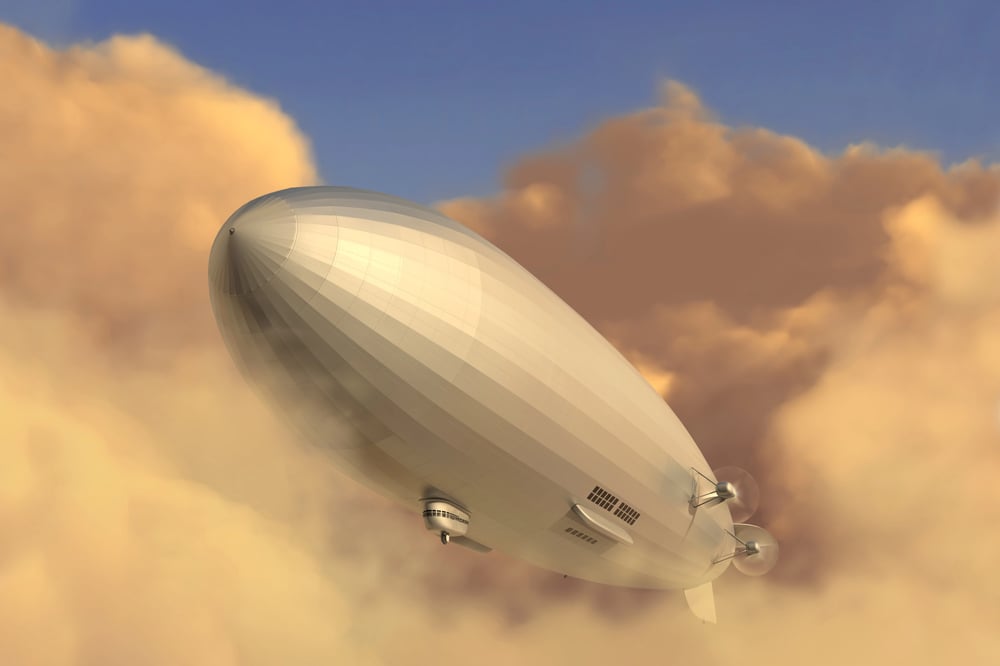
The German passenger airship Hindenburg represented the pinnacle of luxury air travel in the 1930s, complete with dining rooms and sleeping quarters. Unfortunately, the massive aircraft was filled with highly flammable hydrogen gas instead of safer helium.
On May 6, 1937, the Hindenburg burst into flames while attempting to dock in New Jersey, killing 36 people and effectively ending the era of passenger airships.
Ford’s Nuclear-Powered Car

In the 1950s, Ford Motor Company seriously proposed the Nucleon, a concept car powered by a small nuclear reactor in the trunk. The idea was that drivers would swap out uranium cores at service stations like changing oil.
Beyond the obvious radiation concerns, the car would have weighed several tons and cost more than most people’s houses, making it completely impractical for everyday use.
The Atmospheric Railway

Victorian engineers in England developed pneumatic tube systems that used air pressure to propel train cars through sealed tunnels. The atmospheric railway worked by creating a vacuum in front of the train and normal air pressure behind it.
However, the leather seals that maintained the vacuum constantly broke down, rats chewed through the pipes, and the system proved far more expensive than conventional trains.
Chrysler’s Turbine Car
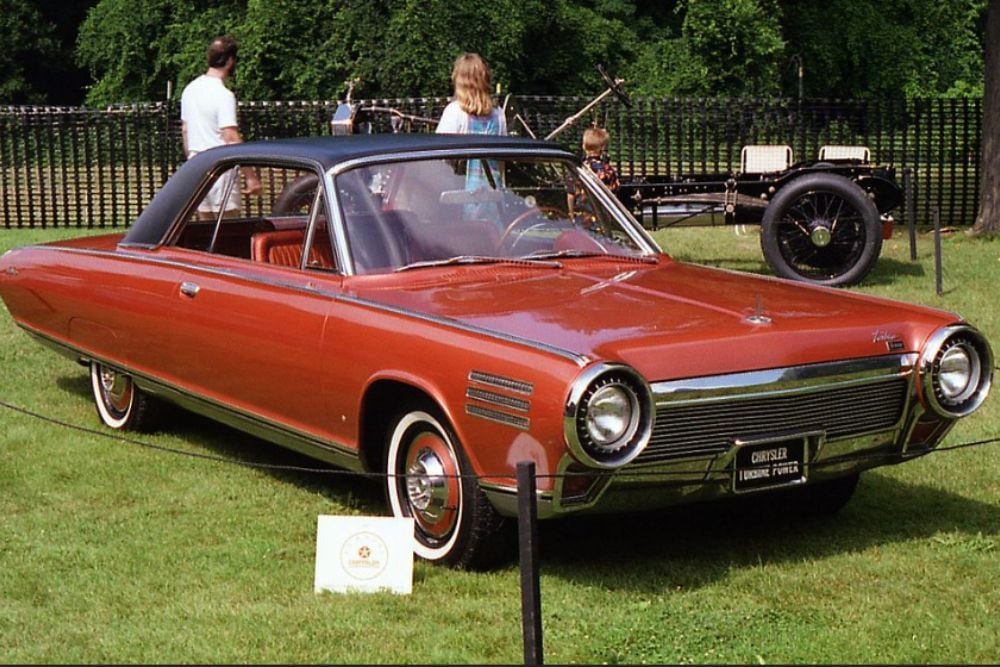
Chrysler spent millions developing cars powered by jet turbines in the 1960s, believing they would replace traditional engines. The turbine cars could run on almost any fuel, from gasoline to perfume, and had fewer moving parts than regular engines.
Unfortunately, they consumed fuel like crazy, took forever to accelerate, and produced exhaust hot enough to melt the car behind you at a traffic light.
The Flying Pinto
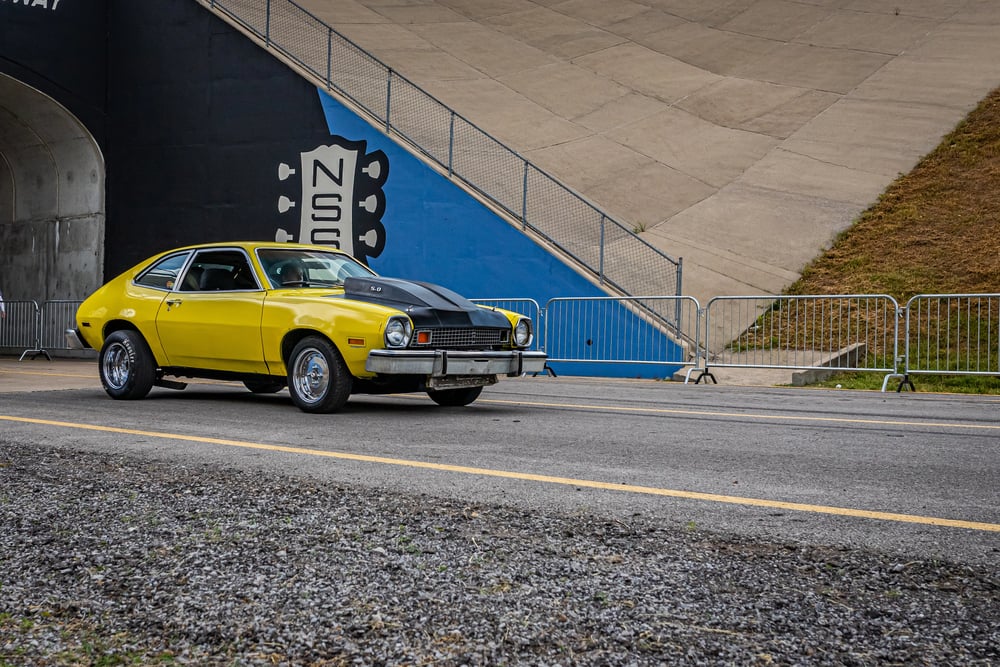
In the 1970s, engineer Henry Smolinski attached airplane wings to a Ford Pinto, creating the AVE Mizar flying car. The concept involved driving to an airport, attaching wings, and taking off like a plane.
During a test flight in 1973, the wing struts failed catastrophically, sending the car plummeting to the ground and killing both occupants. The project died with its creators.
Pneumatic Post Tubes for People

Several cities experimented with shooting people through pneumatic tubes like mail packages. Beach Pneumatic Transit built a short demonstration tunnel under Broadway in New York City in 1870.
While the single-car system worked for short distances, scaling it up for city-wide transportation proved impossible due to the enormous air pressure requirements and the uncomfortable ride quality.
The Bennie Railplane

Scottish inventor George Bennie created a propeller-driven monorail car that hung from overhead tracks. The Railplane could theoretically reach 120 mph using airplane propellers for thrust.
However, the complex track system required massive steel structures, the propellers were incredibly loud, and a single breakdown would block the entire line since cars couldn’t pass each other.
Steam-Powered Airplanes

Before gasoline engines became reliable, inventors tried powering aircraft with steam engines. These planes required heavy boilers, water tanks, and coal supplies, making them far too heavy to achieve sustained flight.
The 1884 Mozhayski monoplane managed a few short hops, but steam power simply couldn’t provide the power-to-weight ratio needed for practical aviation.
The Segway
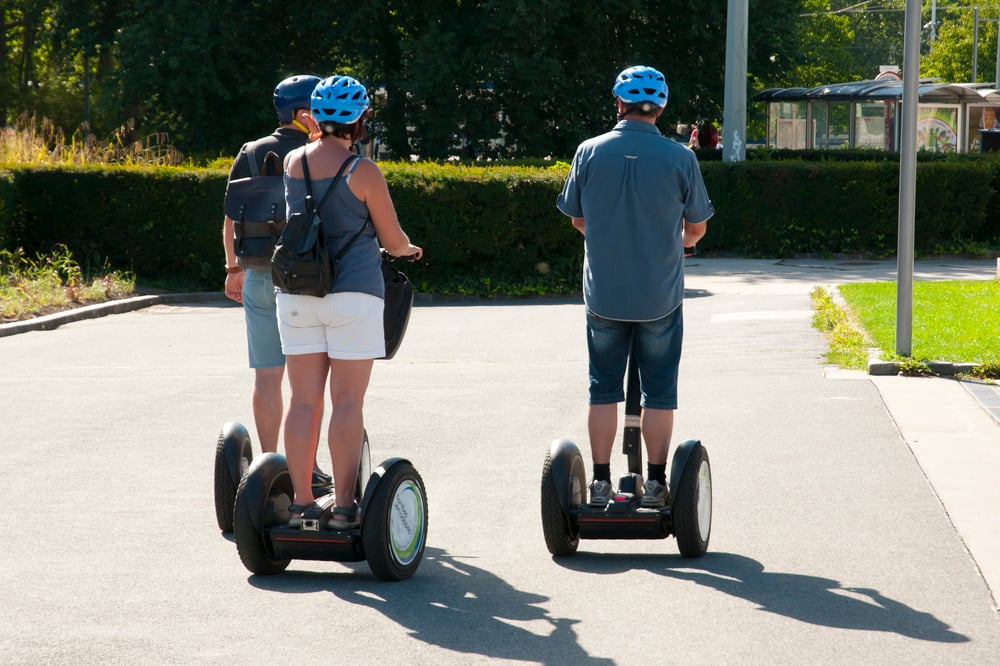
Dean Kamen’s Segway was supposed to revolutionize personal transportation when it launched in 2001. The self-balancing scooter cost $5,000, had a top speed of 10 mph, and required special training to operate safely.
Cities banned them from sidewalks and roads, leaving users with nowhere to ride legally, and the company sold fewer than 50,000 units before being discontinued.
Rocket-Powered Cars
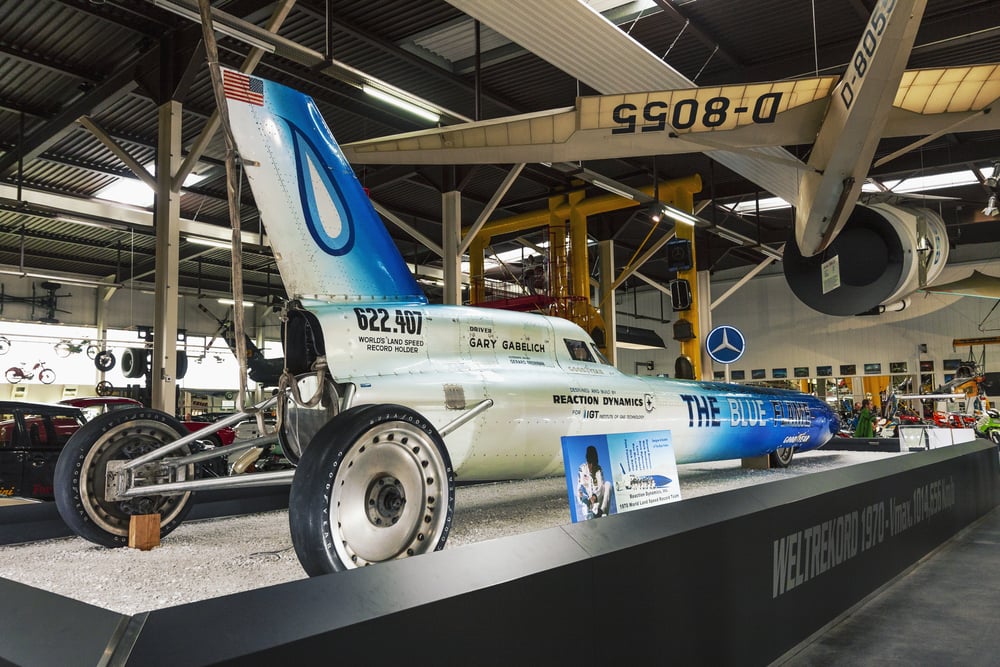
During World War II, Germany experimented with rocket-powered cars that could theoretically reach incredible speeds. The Opel RAK vehicles used solid-fuel rockets strapped to modified automobiles.
While they achieved impressive acceleration, the rockets burned out quickly, couldn’t be controlled precisely, and had a nasty habit of exploding unexpectedly during testing.
The Amphicar

Volkswagen created the Amphicar in the 1960s as both a car and a boat, complete with propellers and watertight seals. On land, it was a sluggish car with poor handling, while in water it was an equally sluggish boat that leaked constantly.
The vehicle excelled at neither transportation method and proved that trying to do two things often means doing both poorly.
Magnetic Levitation Roads
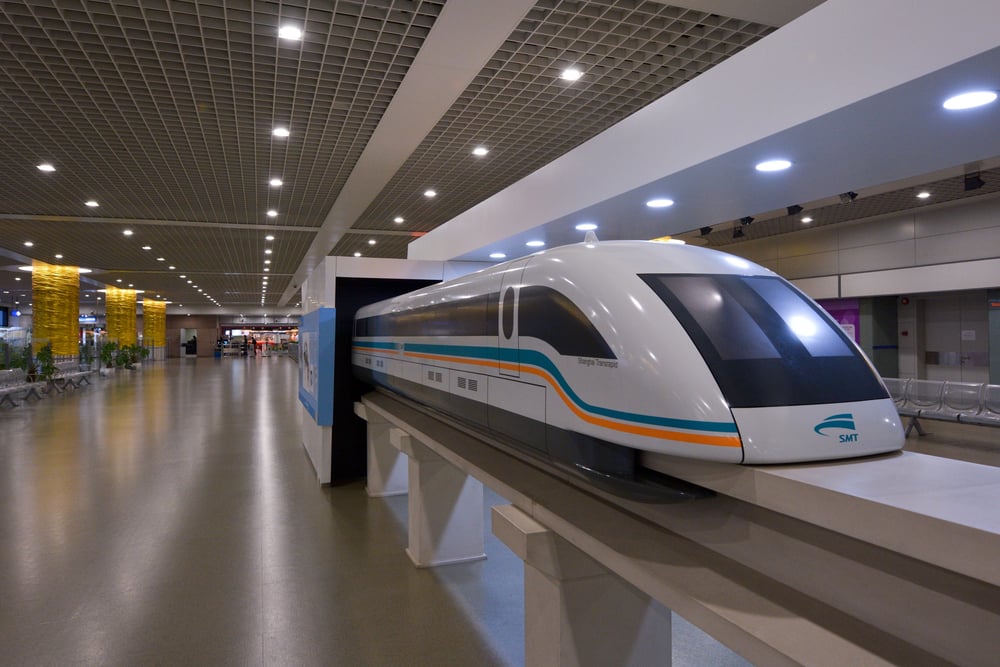
Engineers proposed building roads with magnetic levitation systems that would float cars above the pavement using powerful electromagnets. The concept promised frictionless travel and incredible speeds.
However, the energy requirements were astronomical, the infrastructure costs were prohibitive, and any power failure would send vehicles crashing to the ground at high speed.
The Gyrocar
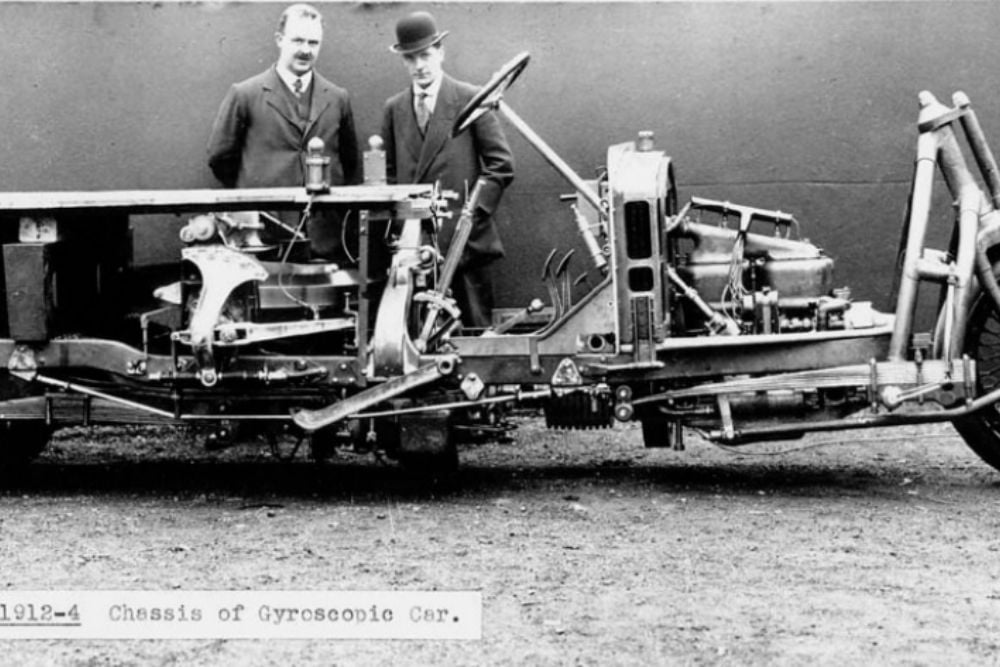
Early 20th-century inventors created cars that used massive spinning gyroscopes for stability instead of multiple wheels. The Brennan Gyrocar could balance on just two wheels and supposedly couldn’t tip over.
Unfortunately, the gyroscope required enormous amounts of energy to spin, made the car incredibly heavy, and created dangerous forces when turning that could flip the vehicle sideways.
Compressed Air Cars
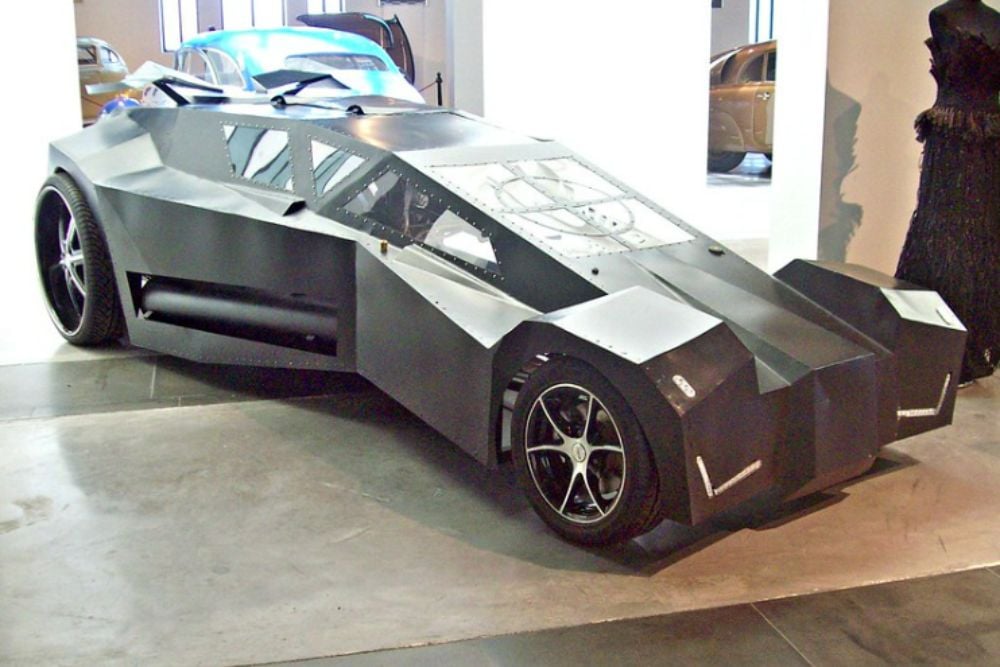
Multiple companies have attempted to create cars powered by compressed air stored in tanks. The concept seems environmentally friendly since it produces no direct emissions.
However, compressed air cars have pathetically short ranges, require massive amounts of electricity to compress the air in the first place, and lose efficiency rapidly in cold weather when the air pressure drops.
The Cyclogyro Aircraft

Inventors developed aircraft that used rotating cylindrical wings instead of traditional propellers or fixed wings. The cyclogyro concept involved spinning drums with adjustable blades that could theoretically provide both lift and thrust.
Despite decades of development, no cyclogyro aircraft ever achieved sustained flight because the complex mechanical systems were too heavy and inefficient compared to conventional designs.
Personal Jet Packs

Military contractors spent millions developing personal jet packs that would let individual soldiers fly around battlefields. While engineers built working prototypes, the devices guzzled fuel so quickly that flight times were measured in seconds rather than minutes.
The jet packs were also incredibly loud, produced dangerous exhaust, and required extensive training to operate without crashing.
The Ground Effect Vehicle

Soviet engineers created massive aircraft that flew just a few feet above water or land using ground effect principles. These ‘ekranoplans’ could carry enormous payloads at high speeds while using less fuel than conventional aircraft.
However, they could only operate over flat surfaces, were extremely difficult to control, and had no way to avoid obstacles or deal with rough terrain.
Vacuum Tube Transportation
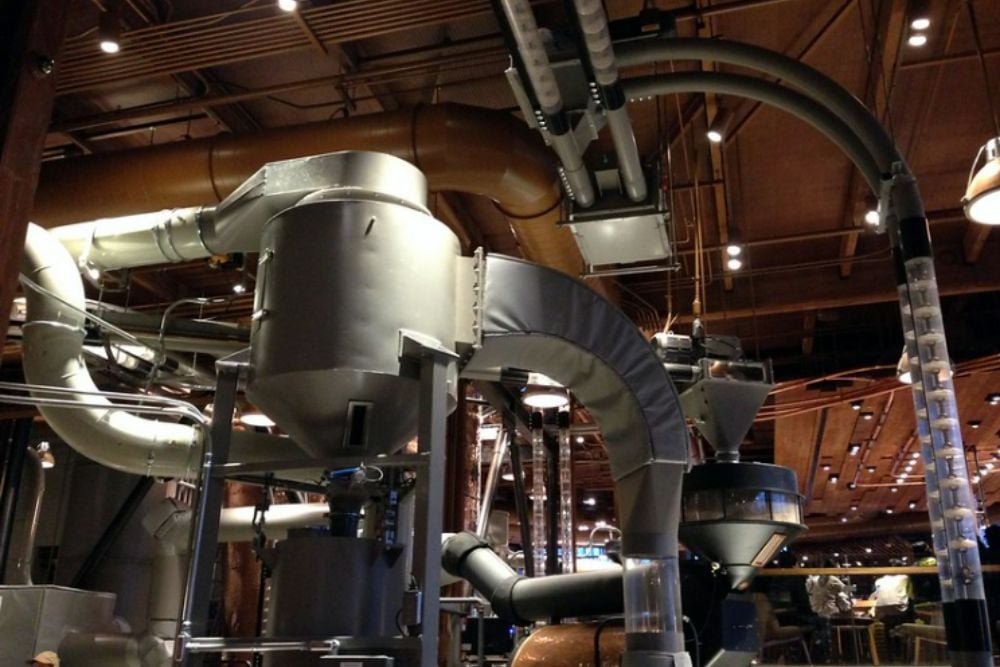
Modern companies have proposed shooting passenger pods through low-pressure tubes at hundreds of miles per hour. The hyperloop concept promises to revolutionize long-distance travel with incredible speeds and energy efficiency.
Unfortunately, maintaining vacuum pressure over hundreds of miles presents enormous technical challenges, and any breach in the tube would create catastrophic decompression that could destroy passenger pods.
When Dreams Meet Reality

These transportation failures remind us that innovation often requires countless attempts before achieving success. While magnetic roads and flying cars captured our imagination, they also taught valuable lessons about physics, economics, and human nature.
Today’s electric vehicles, high-speed trains, and commercial aircraft are all built upon the mistakes and discoveries of these spectacular failures, proving that sometimes the best way forward is learning from what doesn’t work.
More from Go2Tutors!

- The Romanov Crown Jewels and Their Tragic Fate
- 13 Historical Mysteries That Science Still Can’t Solve
- Famous Hoaxes That Fooled the World for Years
- 15 Child Stars with Tragic Adult Lives
- 16 Famous Jewelry Pieces in History
Like Go2Tutors’s content? Follow us on MSN.